

Note: This article contains affiliate links. If you click on these links and make a purchase, I may earn a small commission at no extra cost to you. This helps support my research and content. Read my full affiliate disclosure here.
Repair Snapshot
Use a mechanic if the subframe, exhaust, steering rack, or engine mounts must be removed to access the oil pan. Professional help is also smart if the pan is sealed with RTV only and clearance is tight enough to risk damaging the sealing surface.
This article is part of our Engine Maintenance & Repair Guides.
Replacing an oil pan gasket is a manageable DIY repair on many vehicles, but the job can range from straightforward to frustrating depending on access under the engine. The main goal is to stop an oil leak without warping the pan, damaging the sealing surface, or creating a fresh leak from poor gasket installation.
On some cars and trucks, the oil pan drops right out after draining the oil and removing a row of bolts. On others, the exhaust crossover pipe, splash shields, stiffener brackets, or even part of the subframe may block access. Before you start, confirm your vehicle’s procedure and torque specs, and make sure the leak is really coming from the oil pan gasket and not the drain plug, oil filter housing, rear main seal, or valve cover.
This guide walks through the general process for replacing an oil pan gasket, including safe lifting, cleaning the sealing surfaces, applying RTV only where needed, torquing the fasteners evenly, and checking for leaks after refill.
Before You Start
Oil pan gasket replacement is often messy but very detail-sensitive. The gasket itself is usually inexpensive, but labor is what drives shop pricing. If your vehicle uses a formed rubber gasket, the install is usually more forgiving. If it uses RTV sealant only, preparation and curing time become much more important.
Confirm the Oil Leak Source First
Clean the underside of the engine and inspect the leak path before disassembly. Oil running down from above can make an oil pan gasket look bad when the real problem is a leaking valve cover gasket, timing cover, oil pressure sensor, or oil filter adapter. If the leak starts higher up, replacing the pan gasket will not fix it.
- Check for fresh oil around the oil drain plug and crush washer.
- Inspect the oil filter and filter housing for seepage.
- Look at the rear of the engine where a rear main seal leak can mimic a pan leak.
- Check the front cover and timing cover area for oil tracking downward.
Know What May Need to Come Off
Depending on the vehicle, you may need to remove or loosen a splash shield, lower engine cover, exhaust pipe section, starter, crossmember brace, transmission inspection cover, or engine mount bracket. Some engines also have bolts hidden behind the transmission bellhousing or tucked up near the oil pickup.
Safety and Preparation
Work on a cool engine and park on level ground. Set the parking brake, chock the wheels, and support the vehicle securely on jack stands placed at approved lift points. Never rely on a hydraulic jack alone.
Disconnect the negative battery cable if you will remove the starter, work near major electrical connections, or need to move metal tools around tight spaces. Wear gloves and eye protection because old oil and falling debris are almost guaranteed during this job.
Prep Tips That Save Time
- Have the new gasket and sealant instructions in hand before disassembly.
- Take photos of brackets, bolt locations, and wire routing as you go.
- Lay bolts out in order if lengths vary.
- Check whether your replacement procedure calls for curing time before adding oil.
Drain the Oil and Remove Obstructions
Drain the Engine Oil
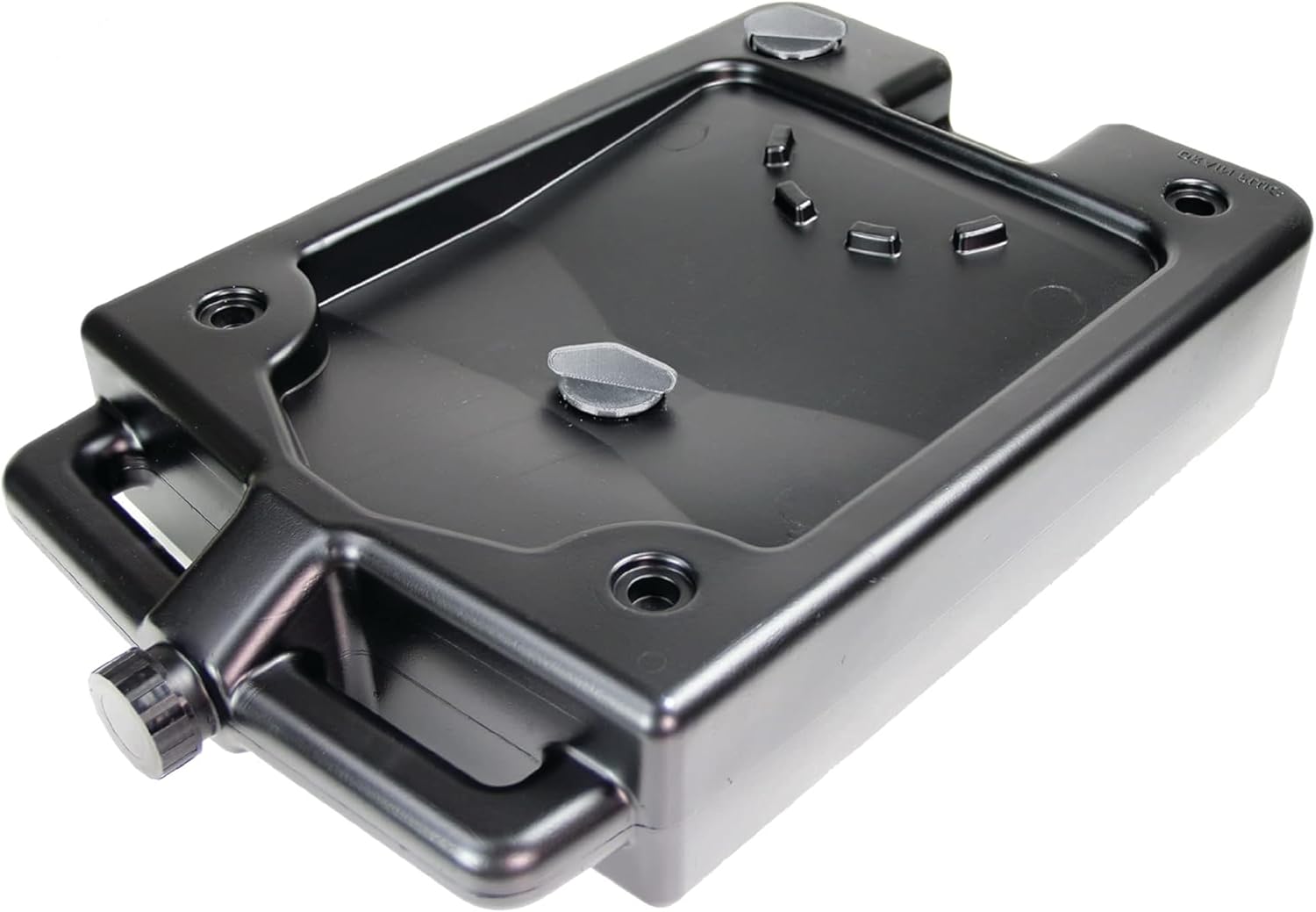
Position a drain pan under the oil pan, remove the drain plug, and let the engine oil drain completely. Removing the oil fill cap can help the crankcase vent and speed draining. If the oil filter is mounted low enough to interfere or will be replaced anyway, remove it now.
Remove Shields and Components Blocking Access
Take off any lower splash shields or underbody panels first. Then remove or loosen anything that prevents the pan from dropping straight down. On some vehicles this may include an exhaust support bracket, a brace under the transmission, or the starter. If you have to move an exhaust section, let it cool fully first and support it so it does not stress the remaining hangers.
If the oil pan bolts are hidden by buildup, spray the area with cleaner and wipe it down before turning bolts. This lowers the chance of packing grit into the threads or stripping a bolt head.
Tools That Make This Job Easier


Remove the Oil Pan
Loosen the Pan Bolts Evenly
Use the correct socket and break the oil pan bolts loose a little at a time. Once all are loose, remove them while supporting the pan. Watch for different bolt lengths and note their locations. Some engines also use studs or hidden fasteners near the transmission end.
Break the Seal Without Bending the Pan
If the pan does not drop immediately, do not jam a screwdriver between the mating surfaces unless the manufacturer specifically provides a pry point. Use a soft pry tool at a designated tab, tap gently with a rubber mallet, or work around the flange carefully. A bent pan rail can create a permanent leak even with a new gasket.
Lower the pan slowly and check for anything still attached. Some vehicles have limited clearance because of the oil pickup tube or crossmember. If the pan will not clear, the service procedure may require raising the engine slightly, removing the pickup tube, or loosening a mount or brace.
Inspect Inside the Pan
Once the pan is off, inspect the inside for metal shavings, heavy sludge, or plastic timing guide debris. A little dark residue is normal on high-mileage engines, but shiny flakes, bearing material, or chunks of sealant suggest a bigger internal issue that should not be ignored.
Clean the Sealing Surfaces
This is the step that determines whether the repair lasts. Remove every trace of old gasket material and RTV from both the oil pan and engine block mating surfaces. Use a gasket scraper, plastic razor, or similar tool that will not gouge aluminum or thin steel.
After scraping, wipe both surfaces with brake cleaner on a lint-free rag until they are clean and dry. Pay close attention to corners, bolt holes, and seams where the timing cover meets the block or where the rear main bearing cap meets the engine block. Those transition points often require a small dab of RTV, even when the rest of the pan uses a molded gasket.
Inspect for Damage
- Check the pan rail for bends around bolt holes caused by over-tightening.
- Look for cracks near the drain plug or at corners of the pan.
- Inspect threaded holes for stripped threads or broken bolts.
- Make sure the sealing surface is dry and oil-free before installing the new gasket.
If the pan flange is dimpled upward around the bolt holes, carefully straighten it before reassembly. Tightening distorted flanges without correction often squeezes the gasket unevenly and causes leaks.
Install the New Gasket and Refit the Oil Pan
Match the Gasket Style to the Vehicle
Some oil pans use a one-piece molded rubber gasket, some use cork or composite material, and others use RTV sealant alone. Follow the vehicle manufacturer’s instructions for gasket placement, sealant type, and any cure time. Do not assume more sealant is better. Excess RTV can squeeze inward and break off into the oil pickup screen.
Apply RTV Only Where Required
If your engine uses a formed gasket, apply only a small pea-sized dab of RTV at known seam transitions such as timing cover-to-block joints or rear main cap corners, if specified. If the pan uses RTV only, apply a continuous, even bead of the correct diameter around the pan rail and circle bolt holes exactly as instructed. Then install the pan within the working time listed on the sealant.
Start All Bolts by Hand
Lift the pan into place carefully so the gasket does not shift. Thread every bolt in by hand a few turns before tightening any one bolt fully. This helps center the pan and prevents cross-threading.
Tighten in Stages and in Sequence
Snug the bolts in a crisscross or center-out pattern, then torque them in stages to specification. Oil pan bolts are commonly low-torque fasteners, and over-tightening is one of the most common causes of repeat leaks. If you do not have the exact spec for your engine, stop and get it before final tightening.
As a general rule, small oil pan bolts may be tightened only to inch-pound values rather than high foot-pound torque. Using a large wrench without the correct setting can easily crush a gasket or strip the threads in an aluminum block.
Recommended Tools for This Job


Reassemble, Refill, and Check for Leaks
Reinstall any braces, covers, exhaust parts, the starter, and other components removed for access. Install the drain plug with the correct washer if required, and tighten it to specification. Replace the oil filter if it was removed or if you are due for an oil change anyway.
Refill the engine with the correct type and amount of oil. If the sealant instructions require cure time before adding oil or starting the engine, follow them exactly. Starting too early can ruin the seal before it has a chance to set.
First Startup Check
- Start the engine and let it idle for 30 to 60 seconds.
- Watch the oil pressure light and shut off immediately if it stays on.
- Inspect around the pan rail, drain plug, and filter for fresh oil.
- Shut the engine off and recheck the oil level after a few minutes.
After a short test drive, inspect the repair again. A dry pan rail is a good sign, but also look for drips collecting at corners or around bolts. If you used RTV, mild odor during curing can be normal, but visible seepage is not.
Torque Notes, Sealing Tips, and Common Mistakes
Most failed oil pan gasket jobs come down to a few preventable mistakes: dirty sealing surfaces, too much RTV, uneven torque, or misdiagnosing the leak source. This is one repair where patience usually matters more than force.
Best Practices for a Leak-free Repair
- Use the exact torque spec and sequence for your engine.
- Replace damaged bolts and repair stripped threads before final assembly.
- Do not use RTV on a molded gasket unless the procedure specifically calls for it.
- Keep oil off the sealing surfaces during final assembly.
- Allow RTV cure time before filling or running the engine when required.
When the Oil Pan Itself Should Be Replaced
Replace the oil pan rather than reusing it if it is rusted through, cracked, badly dented near the pickup area, or warped beyond correction. A damaged drain plug thread or pan rail can make a new gasket fail quickly.
When Not to Keep Driving
A minor seep may not seem urgent, but a worsening oil pan leak can coat the underside of the engine, contaminate suspension bushings, smoke on hot exhaust parts, and eventually lower oil level enough to damage the engine. If you are adding oil frequently, smell burning oil, or see drops every time you park, handle the repair soon.
When This Job Gets Much Harder
On some front-wheel-drive cars, crossover SUVs, and modern trucks, the oil pan is trapped by the subframe, steering rack, or exhaust routing. In those cases, what sounds like a simple gasket replacement can turn into a larger support-and-lift procedure requiring an engine support bar or subframe alignment tools.
If the service information says to support the engine, loosen engine mounts, drop the subframe, or remove the transmission inspection plate and oil pickup tube, be realistic about your workspace and experience. The risk is not just extra labor. It is also the chance of misalignment, damaged threads, broken exhaust hardware, or an unsafe support setup under the vehicle.
In those situations, paying a shop may be the cheaper move compared with turning a minor leak into a weekend-long teardown.
Key Takeaways
- Confirm the leak is truly from the oil pan gasket before removing the pan.
- Clean and dry both sealing surfaces completely, because leftover oil or old RTV is a leading cause of repeat leaks.
- Use RTV only where the manufacturer calls for it and avoid over-applying sealant.
- Start all bolts by hand and torque them evenly in stages to the correct low-value specification.
- If the subframe, engine mounts, or steering components block access, the job may be better left to a professional.
FAQ
Can I Replace an Oil Pan Gasket Without Changing the Oil?
Not realistically. The oil must be drained to remove the pan, and this is the right time to refill with fresh oil and usually a new filter.
Do I Need RTV if I Already Have a New Oil Pan Gasket?
Only if the vehicle manufacturer specifies it. Many molded rubber gaskets need only small dabs at timing cover or rear main cap seams, while some engines use RTV alone with no separate gasket.
How Tight Should Oil Pan Bolts Be?
Oil pan bolts are usually tightened to relatively low torque, often in inch-pounds rather than high foot-pounds. Always use the exact spec for your vehicle because over-tightening can bend the pan rail, crush the gasket, or strip threads.
Why Is My Oil Pan Still Leaking After Replacing the Gasket?
Common reasons include a leak source higher on the engine, dirty sealing surfaces, a warped oil pan flange, too much or too little RTV, incorrect torque, or not allowing sealant to cure before adding oil or starting the engine.
How Long Does It Take to Replace an Oil Pan Gasket?
On an easy-access vehicle, a DIYer may finish in about 2 to 3 hours. On vehicles with blocked access or RTV cure requirements, the total job can take 4 to 6 hours or more.
Is It Safe to Drive with an Oil Pan Gasket Leak?
A small seep may not be immediately dangerous, but any active leak can worsen and lower the engine oil level over time. If oil drips regularly, burns on the exhaust, or requires frequent top-offs, repair it soon.
Should I Replace the Whole Oil Pan Instead of Just the Gasket?
Replace the pan if it is cracked, badly rusted, deeply dented, or has damaged drain plug threads or a warped sealing flange. A new gasket will not fix structural damage to the pan.
Need Parts for This Repair?
The right parts and supplies vary by vehicle.
Select your make and model to find compatible parts and accessories for your car.
Exact Fit
Parts that fit your make and model
Quality You Can Trust
Top brands and OEM quality options
Fast Shipping
Get the parts you need, delivered fast