

Note: This article contains affiliate links. If you click on these links and make a purchase, I may earn a small commission at no extra cost to you. This helps support my research and content. Read my full affiliate disclosure here.
What You’ll Need
A quick look at the tools and supplies commonly used for this job.
Tools
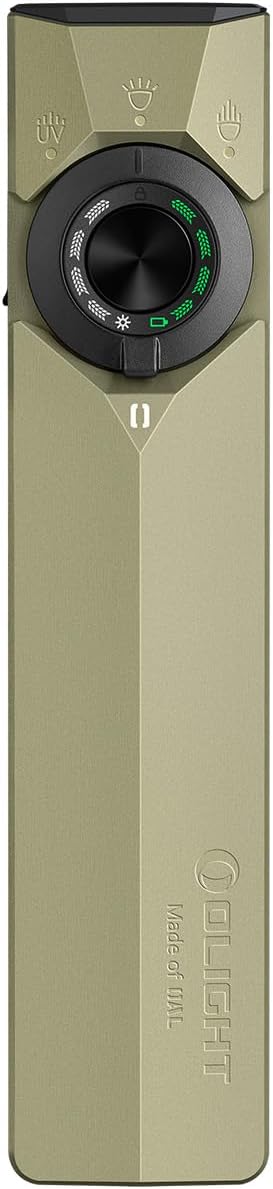
- Flashlight
- Floor jack
- Jack stands
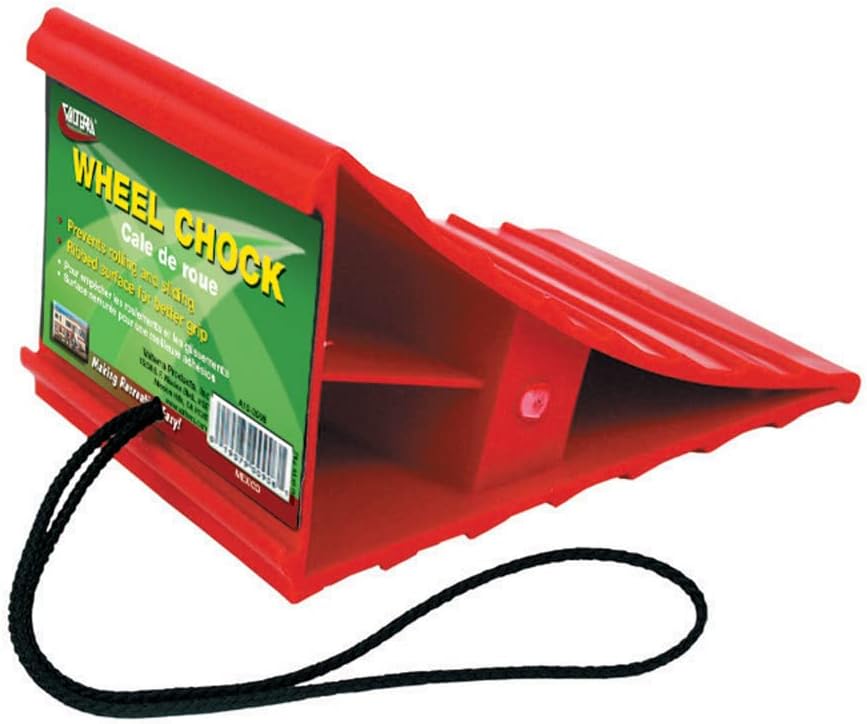
- Wheel chocks
- Pry bar
- Mechanic’s gloves
- Safety glasses
- Socket set and ratchet
- Inspection mirror
- Smartphone or helper to observe engine movement
Parts & Supplies
- Degreaser or brake cleaner for cleaning the mount area
- Shop towels
- Paint marker or chalk
This article is part of our Engine Maintenance & Repair Guides.
A bad transmission mount can cause clunks, harsh shifting feel, vibration at idle, and excess drivetrain movement that feels a lot worse than the part itself looks. Because the transmission mount works together with the engine mounts, diagnosing it correctly matters before you spend money on replacement parts.
The goal is to confirm whether the mount is torn, collapsed, oil-soaked, loose, or allowing too much movement under load. You also want to avoid confusing a failed transmission mount with a bad engine mount, worn suspension bushing, driveshaft issue, exhaust contact, or an internal transmission problem.
This guide walks you through the safest and most useful checks a DIY owner can do at home, from symptom matching and visual inspection to movement tests and result interpretation.
What a Transmission Mount Does
The transmission mount supports the weight of the transmission and helps control drivetrain movement during idle, acceleration, braking, and shifting. Most mounts use a metal bracket bonded to rubber, and some use a hydraulic design filled with damping fluid.
When the mount weakens or separates, the transmission can shift farther than it should. That extra movement can create a thump when changing gears, a vibration through the cabin, or a jolt when going from Park to Drive or Reverse.
Since the engine and transmission are linked together, a failed transmission mount often affects how the whole powertrain feels. That is why diagnosis should look at the complete mount system rather than only one bracket.
Common Symptoms of a Bad Transmission Mount
Symptoms That Point Toward the Mount
- Clunk or thud when shifting from Park to Drive or Reverse.
- Noticeable vibration at idle that gets better or worse with engine speed.
- Drivetrain movement or rocking when blipping the throttle.
- Harsh engagement feel even when the transmission itself shifts normally on the road.
- Knock under acceleration or braking as the drivetrain loads and unloads.
- Exhaust, crossmember, or linkage contact caused by the transmission sitting too low or moving too far.
Symptoms That Can Mislead You
A bad transmission mount can feel similar to worn engine mounts, a damaged torque strut, worn control arm bushings, loose subframe hardware, internal transmission issues, or even a misfiring engine that shakes at idle. If you only replace the transmission mount without checking related components, you can easily miss the real problem.
Safety and Preparation
Work on a level surface and never get under a vehicle supported only by a jack. If you need to inspect the mount from underneath, chock the wheels, raise the vehicle correctly, and support it with jack stands placed at approved lift points.
If you plan to observe movement while the engine is running, keep hands, clothing, hair, and tools away from belts, fans, and rotating components. For in-gear load checks, use extreme caution and have a helper in the driver’s seat if possible.
- Set the parking brake firmly before any movement test.
- Keep one foot on the service brake during Drive or Reverse load checks.
- Do not stand in front of or behind the vehicle while it is in gear.
- Never place any body part under the powertrain while it is unsupported.
Initial Checks Before You Blame the Mount
Match the Symptom to when It Happens
Start by noticing exactly when the problem occurs. A mount problem is most obvious when torque changes direction: shifting into gear, accelerating from a stop, lifting off the throttle, or braking. If the vibration is present all the time and does not change much with gear engagement, the cause may be engine-related instead.
Check for Obvious Related Issues
- Look for a loose or broken exhaust hanger that could mimic a drivetrain clunk.
- Inspect engine mounts if accessible, because a failed engine mount can overload the transmission mount.
- Check for fluid leaks from the engine or transmission that may have soaked the rubber mount.
- Note whether the transmission seems to shift correctly on the road; internal slipping is not a mount symptom.
If the vehicle has recently had transmission, exhaust, or subframe work, also consider incorrect installation, missing hardware, or a bracket left loose.
Tools That Make This Job Easier


How to Inspect the Transmission Mount Visually
Find the Mount
On many rear-wheel-drive vehicles, the transmission mount sits between the transmission and the crossmember. On many front-wheel-drive vehicles, the mount may be located to the side or rear of the transaxle and can be harder to see without removing splash shields.
What Damage Looks Like
- Cracked or split rubber.
- Rubber separating from the metal plate or bracket.
- A collapsed mount that allows the transmission to sit lower than normal.
- Shiny witness marks where the mount or bracket has been contacting nearby metal.
- Leaking fluid from a hydraulic-style mount.
- Loose, missing, or stretched mount fasteners.
Clean the area if dirt or fluid buildup makes the mount hard to read. A mount soaked in engine oil or transmission fluid often softens and fails early, so the leak source matters as much as the mount condition.
Use a flashlight and mirror to inspect both the top and bottom sides. Some mounts look acceptable from one angle but show clear separation from another.
Movement Tests You Can Do at Home
Idle and Gear Engagement Test
With the hood open, parking brake on, and a helper in the driver’s seat, watch the engine and transmission area while the helper shifts from Park to Reverse and then Drive, pausing briefly in each position with the brake fully applied. A small amount of movement is normal. A large jump, sharp twist, or clunk suggests a mount problem.
If the transmission mount is weak, you may hear a dull knock as the drivetrain loads up. Compare the motion to the opposite direction of torque change. Excess motion in one direction can help you identify which mount is failing.
Power-brake Load Test
This test should be done cautiously and only for a second or two. With the helper holding the brake firmly, have them lightly apply throttle in Drive and then in Reverse while you observe movement from a safe position beside the vehicle. Do not stand in line with the vehicle and do not over-rev the engine.
A bad mount often shows itself here with obvious drivetrain lift, twist, or a clunk as the transmission shifts position under load. If movement seems excessive but the transmission mount looks good, inspect the engine mounts closely.
Pry Bar Deflection Test
With the engine off and the vehicle safely supported, place a pry bar against a solid bracket point near the mount and apply light pressure to see how much the mount deflects. You are not trying to bend anything, only to compare movement and watch for separation.
- Normal mounts allow limited, controlled flex.
- Failed mounts may show a gap opening between rubber and metal.
- Collapsed mounts may bottom out or let the bracket contact the crossmember.
- Hydraulic mounts may move too easily if internal fluid has leaked out.
Road Test Clues
A short road test can help confirm your findings. Focus on low-speed events where torque changes are most noticeable.
- Start from a stop and note whether there is a thump as power first comes in.
- Lift off the throttle at low speed and listen for a knock as the drivetrain unloads.
- Shift between Reverse and Drive in a parking lot and note whether the impact feels mechanical rather than hydraulic.
- Cruise at idle speed in a parking area and check for vibration that changes when the transmission is loaded.
If the transmission shifts smoothly at speed and there is no slipping, flare, or harsh gear change beyond load transitions, that supports a mount-related diagnosis instead of an internal transmission problem.
Recommended Tools for This Job


How to Tell a Transmission Mount From Other Problems
Bad Transmission Mount Vs. Bad Engine Mount
Engine mounts usually create more visible engine-side rocking and often affect idle vibration more strongly. Transmission mounts tend to produce clunks or rearward drivetrain movement near the crossmember or transaxle case. In many cases, one failed mount causes the other to wear out, so inspect both.
Bad Transmission Mount Vs. Internal Transmission Issue
Internal transmission problems usually show up as slipping, delayed engagement, shudder during actual gear changes, warning lights, or abnormal fluid condition. A mount issue does not usually change the quality of the shift inside the transmission; it changes how the drivetrain moves when torque is applied.
Bad Transmission Mount Vs. Suspension or Exhaust Noise
Suspension noises are more affected by bumps, steering input, or road surface. Exhaust contact often sounds metallic and may appear only at certain RPMs. A mount clunk is usually tied directly to gear engagement, throttle input, or torque reversal.
What Your Results Mean
Strong Evidence the Mount Is Bad
- Visible tearing, separation, collapse, or fluid leakage from the mount.
- A clunk that occurs during gear engagement and matches visible drivetrain movement.
- Excessive movement during a controlled load test compared with normal mount flex.
- Contact marks showing the transmission or bracket is moving farther than intended.
Possible but Not Confirmed
If you feel vibration or hear a thump but the mount looks intact and movement is modest, do not assume the mount is the only cause. Check engine mounts, torque mounts, subframe bushings, axle play, exhaust clearance, and loose hardware before replacing parts.
Probably Not the Mount
If there is no visible damage, no unusual movement under load, and the main complaint is slipping, delayed shifts, or transmission warning codes, your issue is more likely internal to the transmission or related to fluid, control, or electronic problems.
What to Do Next
If your checks confirm a bad mount, replacement is usually the proper fix. Do not ignore it for long, because excess drivetrain movement can damage other mounts, stress CV axles or driveshaft components, affect shift linkage alignment, and create exhaust or crossmember contact.
Before replacing the mount, make sure you understand how the transmission will be supported during the job. On many vehicles, the mount cannot be removed safely unless the transmission is supported with a jack and a block of wood placed correctly under a solid case area or support point.
- Replace any mount that is torn, collapsed, fluid-leaking, or separated.
- Torque all mount and bracket fasteners to manufacturer specification.
- Fix engine or transmission fluid leaks that caused the mount rubber to deteriorate.
- Recheck related engine mounts if the transmission mount failed from overload.
- Road test after repair to confirm the clunk, vibration, or harsh engagement is gone.
If you are unsure whether the movement you see is excessive, compare it to service information, a similar vehicle, or get a professional second opinion before replacing multiple mounts.
Key Takeaways
- A bad transmission mount usually shows up during torque changes like shifting into gear, accelerating, or lifting off the throttle.
- Visible rubber separation, fluid leakage, or a collapsed mount is strong evidence the mount needs replacement.
- Always inspect engine mounts, exhaust clearance, and loose hardware before blaming the transmission mount alone.
- Use controlled load tests carefully, because a small amount of drivetrain movement is normal but a sharp jump or clunk is not.
- Do not replace a mount without also fixing any oil or transmission fluid leak that damaged it.
FAQ
Can a Bad Transmission Mount Feel Like a Bad Transmission?
Yes. It can create a hard thump when going into gear or a harsh feeling on takeoff, which some drivers mistake for transmission failure. The difference is that a bad mount usually does not cause slipping, flare, or gear ratio errors.
Is It Safe to Drive with a Bad Transmission Mount?
Short trips may still be possible, but it is not a good idea to ignore it. Excess movement can damage other mounts, exhaust parts, axles, linkage, or nearby brackets, and symptoms usually get worse over time.
What Does a Bad Transmission Mount Sound Like?
Common sounds include a dull clunk, thud, or knock when shifting into Drive or Reverse, accelerating from a stop, or lifting off the throttle. Metallic rattles are more likely from exhaust or bracket contact caused by the bad mount.
Will a Bad Transmission Mount Cause Vibration at Idle?
Yes. If the mount no longer isolates vibration properly, you may feel shaking through the seat, floor, or steering wheel, especially when the transmission is in gear at idle.
How Much Transmission Movement Is Normal?
Some movement is expected when shifting into gear or lightly loading the drivetrain. What is not normal is a large jump, visible twisting, a hard clunk, or contact between the transmission and nearby components.
Should I Replace Engine Mounts at the Same Time?
Not automatically, but you should inspect them carefully. If one mount has failed, the others may be worn or overloaded, and replacing only one bad mount may not fully solve the problem.
Can Fluid Leaks Ruin a Transmission Mount?
Yes. Engine oil and transmission fluid can soften rubber and shorten mount life. If the mount is oil-soaked, repair the leak or the replacement mount may fail early too.
Need Parts for This Repair?
The right parts and supplies vary by vehicle.
Select your make and model to find compatible parts and accessories for your car.
Exact Fit
Parts that fit your make and model
Quality You Can Trust
Top brands and OEM quality options
Fast Shipping
Get the parts you need, delivered fast