

Note: This article contains affiliate links. If you click on these links and make a purchase, I may earn a small commission at no extra cost to you. This helps support my research and content. Read my full affiliate disclosure here.
What You’ll Need
A quick look at the tools and supplies commonly used for this job.
Tools
- Floor jack
- Jack stands
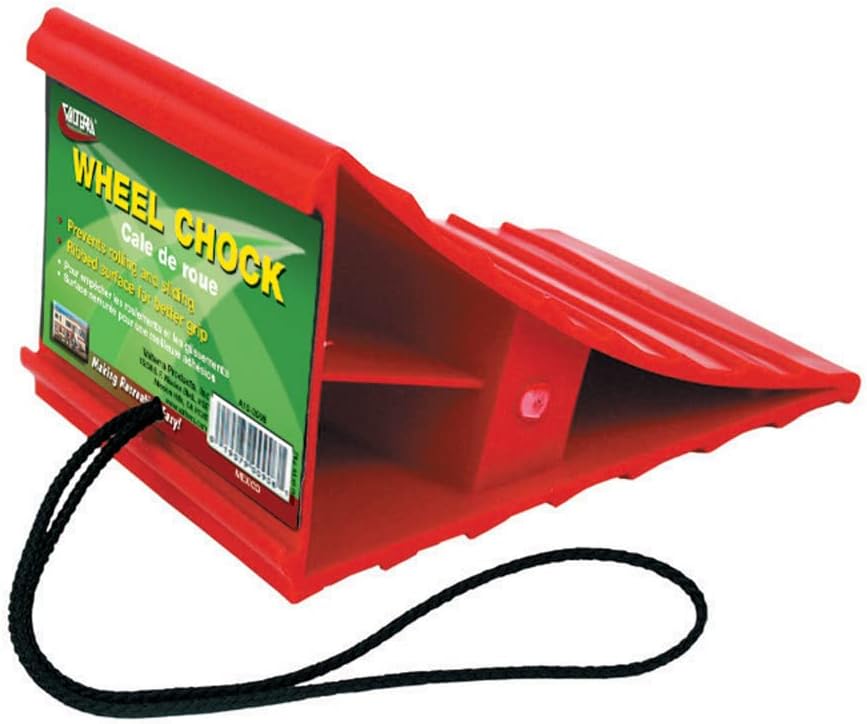
- Wheel chocks
- Lug wrench
- Flashlight or work light
- Mechanic’s gloves
- Safety glasses
- Socket and ratchet set
- Torque wrench
- Infrared thermometer
- Flathead screwdriver or small pry tool
- Needle-nose pliers
- Brake spoon or brake adjustment tool
Parts & Supplies
- Brake cleaner
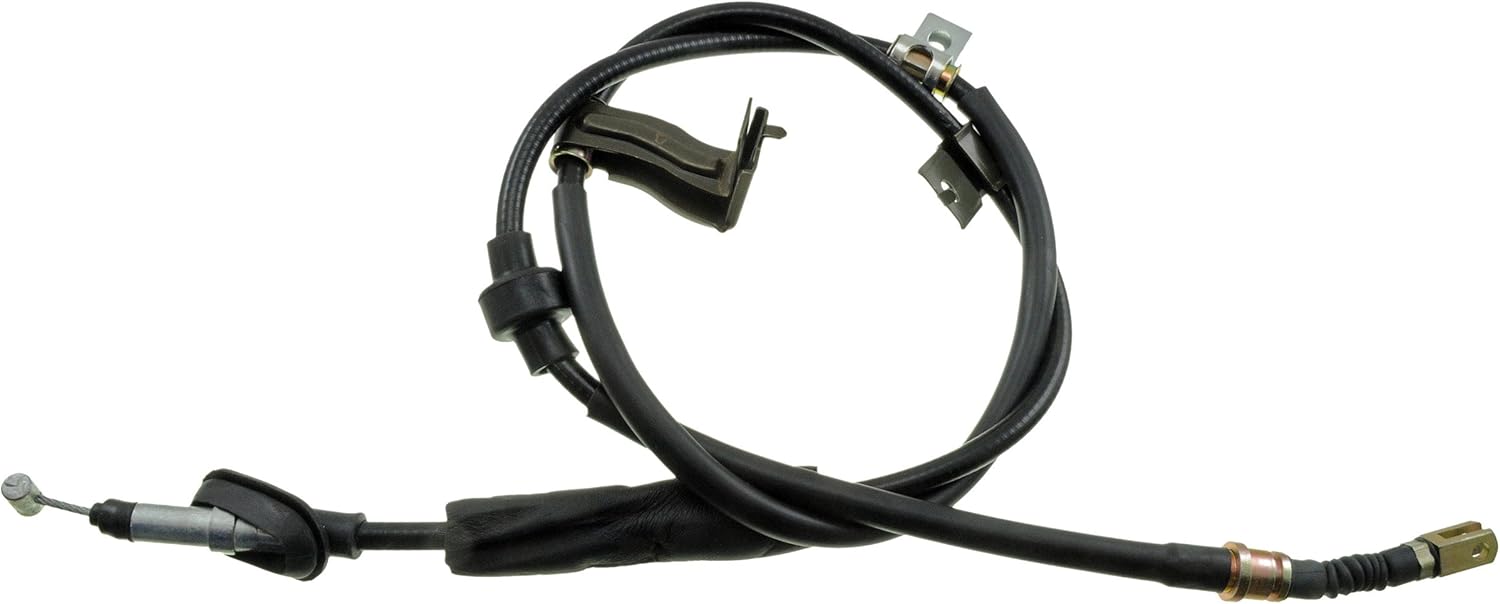
- Replacement parking brake cable
- Replacement brake caliper
- Penetrating oil
- High-temperature brake lubricant
- Brake shoes and hardware kit
- Shop rags
This article is part of our Brake System Maintenance & Repair Guides.
A stuck parking brake can leave your car hard to move, cause a burning smell, overheat a rear wheel, or make the vehicle feel weak and sluggish. The problem may be as simple as a frozen cable or as involved as a seized rear caliper or binding drum brake hardware.
The key to diagnosing it correctly is to confirm whether the issue is in the cabin release mechanism, the cable system, or the brake hardware at the wheel. A careful step-by-step inspection can help you avoid replacing good parts and can also tell you when the car is unsafe to drive.
This guide walks through the common symptoms, the safest inspection order, and how to tell the difference between a cable problem, a caliper issue, and stuck parking brake shoes.
What a Stuck Parking Brake Feels Like
A parking brake can stick partially or fully engaged. In some cases the handle or pedal releases normally, but one or both rear brakes stay applied. In other cases the lever, pedal, or electronic actuator itself does not return to the released position.
- The vehicle resists moving after you release the parking brake.
- One rear wheel feels much hotter than the other after a short drive.
- You smell hot brake material or notice smoke from a rear wheel area.
- The car feels slow, drags, or pulls slightly to one side.
- The parking brake lever or pedal has excessive tension or does not return fully.
If the brake is severely stuck, do not force the vehicle to keep moving. Driving with a dragging brake can overheat the rotor or drum, damage wheel bearings, destroy friction material, and in extreme cases start a fire.
Safety Before You Start
Work on a flat, solid surface. If the parking brake is stuck on, be extra careful about how the vehicle is supported because one end of the car may resist rolling while the other may not.
- Chock the wheels that will stay on the ground.
- Lift the vehicle only at approved jack points.
- Support it with jack stands before putting any part of your body underneath.
- Let overheated brakes cool down before touching wheels, rotors, drums, or calipers.
- Wear eye protection when using brake cleaner or working around rust and dust.
If your vehicle uses an electronic parking brake, check the owner’s manual before trying to retract or service rear brakes. Some systems require a service mode, scan tool procedure, or specific battery voltage to operate correctly.
Know Which Parking Brake Design Your Car Uses
Diagnosis is much easier if you know what hardware is actually applying the brake. Most stuck parking brake complaints come from one of three setups.
- Rear disc brakes with a mechanical parking brake lever built into the rear caliper.
- Rear disc brakes with a small drum-style parking brake shoe inside the rear rotor hat.
- Rear drum brakes where the parking brake operates the rear shoes through a lever and cable.
Electronic parking brake systems may still use one of these wheel-end designs, but the cable pull or caliper actuation is controlled by an electric motor instead of a hand lever or foot pedal.
Start With the Simple External Checks
Check the Lever, Pedal, or Switch
Make sure the parking brake control returns fully to its released position. A hand lever should drop completely. A foot pedal should release with normal travel. An electronic switch should not show a brake-applied warning after release. If the control itself binds, the problem may be in the release mechanism or cable equalizer before the brake hardware at the wheels.
Look for Obvious Cable Issues Underneath
With the vehicle safely raised, inspect visible parking brake cables from front to rear. Look for frayed strands, cracked outer sheathing, kinks, rust swelling, bent brackets, or cable sections hanging lower than normal. Water intrusion inside the cable housing is a common cause of freezing and internal corrosion.
Check for One Hot Wheel Versus Both Rear Wheels
If one rear wheel is much hotter than the other after a short drive, the problem is usually localized at that wheel: a seized caliper lever, frozen cable on one side, or stuck shoe hardware. If both rear wheels drag evenly, look more closely at the main cable, equalizer, foot-pedal assembly, lever ratchet, or electronic actuator command.
Confirm Which Wheel Is Dragging
Raise the rear of the vehicle and try to rotate each rear wheel by hand with the parking brake released. Compare side to side. A healthy wheel may have slight pad or shoe contact, but it should still rotate without major force.
- Release the parking brake fully.
- Spin the left rear wheel and note resistance.
- Spin the right rear wheel and compare it.
- Listen for scraping, grinding, or hard lock-up.
- If needed, reinstall the wheel nuts loosely while checking so the rotor or drum seats flat against the hub.
A wheel that is hard to turn or locked identifies the corner that needs deeper inspection. If both sides drag badly, the problem may be farther upstream in the system.
Tools That Make This Job Easier


Test the Cable and Release Mechanism
Watch the Cable While an Assistant Applies and Releases the Brake
Have someone apply and release the parking brake while you observe the cable movement underneath. The cable should move smoothly and then return completely when released. If it moves out but does not return, the cable may be seized internally or the wheel-end lever may be stuck.
Check the Equalizer or Splitter
Many cable-operated systems use an equalizer that splits force from the front cable to the two rear cables. If this pivot point is rusty, bent, or jammed, it can hold tension on both rear cables. Compare cable slack side to side after release. Uneven tension often points to a cable or equalizer issue.
Manually Move the Wheel-end Lever
At the rear caliper or backing plate, disconnecting the cable from the lever can help isolate the fault. If the lever on the brake assembly snaps back freely once the cable is removed, the cable is likely binding. If the lever remains stiff or seized even with the cable disconnected, the brake hardware itself is the likely problem.
Use caution here. On some vehicles the spring force is strong, and heavily rusted parts can release suddenly.
Diagnosing Rear Disc Brakes With a Parking Brake Caliper
Some rear disc brake calipers have a lever on the outside that mechanically applies the parking brake. When these stick, the lever shaft or caliper piston mechanism may seize from corrosion.
What to Inspect
- External lever does not return fully to its stop after release.
- Return spring is weak, damaged, or missing.
- Caliper slide pins are seized and keeping the pads tight against the rotor.
- The rotor is discolored blue or purple from heat.
- The inner or outer pad is worn far more than its mate.
How to Tell Cable Vs Caliper
Disconnect the parking brake cable from the caliper lever. If the lever still does not rotate back smoothly by hand, the caliper parking brake mechanism is sticking and the caliper usually needs replacement. If the lever returns properly after disconnecting the cable, suspect a frozen or corroded cable.
Also check whether the wheel frees up when the caliper is removed or when pad tension is relieved. If the wheel remains difficult to turn even with the service brake hardware relaxed, the issue may be inside a drum-in-hat parking brake assembly or elsewhere in the hub.
Diagnosing Drum-in-Hat Parking Brake Systems
Many vehicles with rear disc brakes use small parking brake shoes inside the hat section of the rear rotor. Rust buildup, delaminated shoe lining, broken hold-down hardware, or overadjustment can make this system stick.
Common Clues
- The rotor is difficult or impossible to remove.
- You hear scraping from inside the rotor hat while rotating the wheel.
- The parking brake was weak for a while and then suddenly began sticking.
- The shoes release unevenly or one shoe lining has separated.
Inspection Steps
- Back off the shoe adjuster through the access opening if the design allows it.
- Remove the rear rotor.
- Inspect the shoes, springs, hold-down pins, and actuator lever for rust or damage.
- Check the backing plate contact pads for grooves or dry metal-on-metal rubbing.
- Look for a rust ridge inside the rotor hat that can trap the shoes.
If the shoes are contaminated, cracked, separated from the lining, or the hardware is badly corroded, replace the shoes and hardware as a set on both sides. Clean and lubricate the correct contact points with high-temperature brake lubricant, but keep lubricant off all friction surfaces.
Diagnosing Rear Drum Brake Parking Brakes
On rear drum brakes, the parking brake uses a cable and lever to spread the shoes. These systems often stick when shoe hardware rusts, the self-adjuster jams, or the parking brake lever at the shoe pivots binds.
Signs Inside the Drum
- Return springs are stretched, rusted, or broken.
- The shoe lever pivot is seized.
- The adjuster is rusted in an over-tight position.
- The backing plate pads are dry and heavily grooved.
- Brake dust and rust have built up enough to restrict shoe movement.
If the drum will not come off, the shoes may be hung up on a worn ridge inside the drum or the adjuster may be too tight. Back off the adjuster through the slot if possible. Once inside, inspect all hardware carefully; replacing old springs and hardware is often the correct fix rather than trying to reuse rusted parts.
Recommended Tools for This Job


How Weather and Infrequent Use Cause Parking Brakes to Stick
Parking brakes often stick after rain, snow, or long periods of sitting. Moisture can corrode cable housings and freeze inside them. In drum-style systems, rust can form between the shoe and drum surface overnight, especially if the brake was applied while wet.
This pattern matters diagnostically. If the brake only sticks after cold weather or after the car sits for several days, a cable with water intrusion is more likely than a sudden hard-parts failure. If it sticks every time regardless of weather, look more closely at seized levers, shoe hardware, or caliper mechanisms.
What Your Test Results Mean
- If both rear wheels drag and both cables stay tight after release, suspect the main cable, equalizer, pedal assembly, or release mechanism.
- If only one wheel drags and the cable on that side does not return, suspect a frozen rear cable.
- If the cable returns but the caliper lever or shoe actuator remains stuck, the fault is at the wheel-end hardware.
- If the wheel is hard to turn and the rotor or drum is difficult to remove, suspect overadjusted or seized internal parking brake shoes.
- If the wheel remains hot even when the parking brake mechanism looks free, also inspect the regular service brake caliper or wheel cylinder for a separate sticking problem.
This last point is important. Not every dragging rear brake is caused by the parking brake. A collapsed brake hose, seized slide pin, frozen caliper piston, or hydraulic issue can mimic a parking brake problem.
When a Temporary Release Is Possible
Sometimes you can free a mildly stuck parking brake well enough to move the vehicle for repair, but this is only a temporary measure. Examples include manually returning a stuck caliper lever, backing off a shoe adjuster, or applying penetrating oil to an external pivot.
Do not treat a temporary release as a completed fix. If a cable stuck once, it will often stick again. If shoes or internal hardware rusted enough to bind, they need proper service or replacement. After freeing the brake, confirm the wheel spins normally and does not overheat on a short test drive.
When to Repair It Yourself Vs. Get Help
A DIYer can usually handle basic diagnosis, cable inspection, rotor or drum removal, and replacement of obvious worn parts if they are comfortable with brake work. More advanced service may require manufacturer procedures, electronic parking brake service mode, or specialty tools.
- DIY-friendly: checking wheel drag, inspecting cables, replacing a cable, servicing drum-in-hat shoes, replacing rusty hardware.
- Use caution: rear calipers with integrated parking brake mechanisms may require a specific piston retraction method.
- Get professional help: electronic parking brake faults, actuator motor issues, severe rust damage, or uncertainty about brake reassembly.
If the vehicle will not roll, a wheel is smoking hot, or you suspect the brake has overheated badly enough to damage the rotor, drum, seals, or bearing grease, it is safer to tow it than continue diagnosing on the road.
After the Repair: What to Recheck
Once the fault is repaired, verify that the system applies and releases evenly. Do not assume the job is done just because the wheel turns freely on the lift.
- Apply and release the parking brake several times.
- Check that the control travel feels normal and returns fully.
- Confirm both rear wheels spin similarly with the brake released.
- Road test at low speed and make sure the car rolls freely.
- Recheck rear wheel temperatures after the test drive.
- Torque the wheel nuts to specification.
If one side still runs hotter or the parking brake feel changes during the drive, re-inspect before regular use.
Key Takeaways
- Compare both rear wheels first, because one dragging wheel usually points to a local cable, caliper, or shoe problem.
- Disconnecting the cable from the wheel-end lever is one of the best ways to separate a frozen cable from seized brake hardware.
- Drum-in-hat and rear drum systems commonly stick from rusted hardware, broken springs, or overadjustment rather than cable failure alone.
- A rear brake that stays hot after release may be a service brake problem, so do not assume the parking brake is the only cause.
- If the brake is badly overheated, locked solid, or electronically controlled and not releasing, towing is safer than forcing the car to move.
FAQ
Can I Drive with a Stuck Parking Brake?
Only if the brake is fully released and the wheel is no longer dragging after diagnosis. If the wheel stays hot, the car resists moving, or you smell burning brakes, do not keep driving. Continued driving can damage rotors, drums, pads, shoes, bearings, and seals.
How Do I Know if the Parking Brake Cable Is Bad?
A bad cable often moves out when applied but does not return fully when released. The outer housing may be cracked, swollen with rust, or kinked. If disconnecting the cable lets the wheel-end lever snap back normally, the cable is a strong suspect.
Why Is Only One Rear Wheel Stuck?
One rear wheel sticking usually means the problem is local to that side. Common causes include a frozen rear cable, seized caliper parking brake lever, stuck drum-in-hat shoes, broken shoe hardware, or a regular service brake caliper issue.
Can Cold Weather Make a Parking Brake Stick?
Yes. Water can get inside cable housings and freeze, preventing the cable from returning. Moisture can also cause brake shoes to rust lightly to the drum or rotor hat after the vehicle sits overnight.
What if the Parking Brake Handle Releases but the Car Still Will Not Move Freely?
That usually means the cabin control is not the main problem. The brake may still be applied at the wheel because of a seized cable, stuck caliper lever, overadjusted shoes, or rusted internal hardware.
Is a Dragging Rear Brake Always Caused by the Parking Brake?
No. A seized caliper piston, frozen slide pins, collapsed brake hose, or drum brake hydraulic issue can also cause drag. If the parking brake components appear to release normally, inspect the regular service brake system too.
Do I Need to Replace Both Sides if One Side Is Stuck?
For cables, shoes, and hardware, replacing both sides is often smart if the parts are similarly aged or rusted. At minimum, inspect the opposite side closely. Brake friction components and hardware should usually be serviced in axle pairs.
Need Parts for This Repair?
The right parts and supplies vary by vehicle.
Select your make and model to find compatible parts and accessories for your car.
Exact Fit
Parts that fit your make and model
Quality You Can Trust
Top brands and OEM quality options
Fast Shipping
Get the parts you need, delivered fast