

Note: This article contains affiliate links. If you click on these links and make a purchase, I may earn a small commission at no extra cost to you. This helps support my research and content. Read my full affiliate disclosure here.
If you own a 2002-2005 Ford Explorer, a properly functioning thermostat is essential for maintaining consistent engine temperature and avoiding overheating or poor heater performance. The wrong thermostat can cause long warm-up times, fluctuating gauge readings, or premature wear on cooling components. This guide narrows the field to the top thermostats suitable for the 2002-2005 Explorer and explains why each type made the shortlist.You will find options chosen for correct opening temperature, reliable valve action, and durable housings. We also evaluate fitment, seal quality, and installation considerations so you can pick a thermostat that gets your Explorer back to normal operation quickly. Read on for the criteria used and practical tips for replacement and diagnosis.
Looking for other parts? See all Ford Explorer parts & accessories.
Top Picks at a Glance
| Best Overall The best all-around choice for most situations | A-Premium Thermostat Housing Assembly with Sensor for 4.0L V6 (Upper & Lower) |  |
| Best Quality Built to a higher standard if you want something more solid | RARAYC Aluminum Thermostat Housing Kit for Ford Explorer/Mercury Mountaineer 4.0L V6 |  |
| Best Value The sweet spot between price and what you get | MYSMOT Engine Coolant Thermostat and Housing Assembly with Sensor |  |
| Best Budget The cheapest option that still gets the job done reliably | MotoRad 2028-170 High Flow Engine Coolant Thermostat (170°F) |  |
| Highest Rated A top-rated pick with lots of positive feedback | BOXI Thermostat Housing Kit Assembly with Sensor for Ford Explorer & Mercury Mountaineer (V6 4.0L) |  |
| Most Popular A crowd favorite that many people choose with confidence | Motorcraft Thermostat Assembly RT1254 |  |
| Best Seller A high-volume bestseller chosen again and again | EVIL ENERGY Thermostat Housing Kit Assembly for 2002-2010 Explorer & Mountaineer 4.0L |  |
1. A-Premium Thermostat Housing Assembly with Sensor for 4.0L V6 (Upper & Lower)

| Fitment | Ford Explorer 2002-2010, Explorer Sport Trac 2007-2010, Mercury Mountaineer 2002-2010 |
|---|---|
| Engine | 4.0L V6 |
| Thermostat opening temperature | 197.6 °F / 92 °C |
| Package contents | Upper & lower housing, thermostat, gasket, bolts, sensor plug & clip |
This A-Premium assembly replaces the upper and lower thermostat housings and includes the thermostat, gaskets, mounting bolts, and a coolant temperature sensor, so it supplies everything needed for a one-step cooling-system refresh. It is meant for 4.0L V6 Explorer, Explorer Sport Trac, and Mountaineer applications and is typically used when replacing a cracked housing, a leaking seal, or a failing thermostat. The included thermostat opens at about 197.6°F (92°C), helping the engine reach and hold normal operating temperature. Buyers will appreciate that the kit groups parts to avoid hunting for individual components and that the sensor and bolts are included for a cleaner installation. Because it is an aftermarket replacement, fit and finish may vary compared with factory parts, and careful test-fitting and proper sealing during installation are important to avoid leaks. The one-year unlimited-mileage guarantee provides added peace of mind for routine replacement jobs.
Best for: Owners looking for a complete, parts-included replacement to refresh the cooling outlet on an early 2000s 4.0L V6 vehicle and who prefer replacing both upper and lower housings in a single job.
Less Ideal for: If you prioritize exact factory-material matching or an OEM-branded part, this aftermarket assembly may not meet strict originality or long-term durability expectations.
- Complete kit includes upper and lower housings, thermostat, gaskets, bolts, and coolant temperature sensor
- Thermostat rated to open at 197.6°F (92°C) for factory-style engine warm-up
- Includes mounting hardware and sensor for a streamlined installation
- One-year unlimited-mileage guarantee from the brand
- Aftermarket fit can require careful test-fitting to ensure leak-free mating with the engine
- Material and finish may differ from factory parts which can affect long-term durability
Verdict: A convenient all-in-one replacement housing kit that simplifies repairing the cooling outlet on early 2000s 4.0L V6 Explorers by bundling the thermostat, sensor, and hardware into a single install-ready assembly.
2. RARAYC Aluminum Thermostat Housing Kit for Ford Explorer/Mercury Mountaineer 4.0L V6

| Brand | RARAYC |
|---|---|
| Model | ra137 |
| Exterior | Machined |
| Manufacturer Part Number | 1L2Z 8255-AA, W702041S300, 3L8Z12A648A |
This aluminum thermostat housing kit replaces the factory plastic outlet on Ford Explorer and Mercury Mountaineer 4.0L V6 engines and is intended to restore a reliable coolant outlet without visiting a shop. Made from machined aluminum, the unit resists warping and heat-related failure better than original plastic housings and comes with the common replacement part numbers for direct-fit installation. Typical use is a do-it-yourself cooling-system repair when the original housing leaks or cracks; installation is straightforward for someone comfortable with thermostat and hose removal. The metal construction improves longevity and reduces the chance of future coolant loss, but the kit is a direct replacement rather than a performance thermostat that alters temperature control. Expect to reuse or replace sensors, gaskets, and clamps as needed since those items are not detailed in the listing. This part is practical for extending service life and preventing repeat failures, though it does not change engine warm-up behavior or cooling system calibration.
Best for: Buyers who want a durable, longer-lasting replacement housing for a 4.0L V6 Explorer or Mountaineer and prefer a metal upgrade over the original plastic part.
Less Ideal for: If you are seeking a thermostat that changes engine warm-up or improves cooling performance beyond factory specification, this direct replacement is not the right choice.
- Machined aluminum construction resists heat and warping compared with plastic housings
- Direct-fit replacement for listed Ford and Mercury 4.0L V6 applications using known part numbers
- Restores a reliable coolant outlet to prevent leaks and overheating from a failed housing
- Not a performance thermostat; does not change thermostat calibration or operating temperature
Verdict: Choose this machined aluminum housing to replace a failing plastic outlet and gain a more durable, heat-resistant coolant connection for your 4.0L V6 Explorer or Mountaineer.
3. MYSMOT Engine Coolant Thermostat and Housing Assembly with Sensor

| Fits vehicles | 2002-2010 Ford Explorer and Mercury Mountaineer 4.0L |
|---|---|
| Includes | Thermostat with housing and temperature sensor |
| Manufacturer | MYSMOT AUTO PARTS |
| Manufacturer part number | MAP00500001-1 |
This MYSMOT assembly combines the thermostat, housing, and temperature sensor into a single replacement unit to restore cooling system function on 4.0L V6 Explorers and Mountaineers. It is typically used to repair leaking housings or a failed thermostat that causes overheating. The integrated sensor means you do not need to transfer the old sensor and the housing is molded to match the factory mounting points for a straightforward swap. Buyers will appreciate the claimed fitment to multiple factory part numbers and the seller recommendation to check VIN for exact matching. Installation is best done with basic mechanical skills and common hand tools; the listing notes no instructions, so expect to follow a service manual or online guide. The unit includes a multi-year quality guarantee from the manufacturer, but the product listing does not show included gaskets or hardware details, so you may need to reuse or buy new fasteners and seals. This is a practical replacement for someone restoring proper coolant control without upgrading performance components.
Best for: Buyers who want a straightforward, cost-effective repair to restore proper cooling function on 2002–2005 Explorers and prioritize a direct-fit replacement over upgrades.
Less Ideal for: People seeking a performance thermostat, a universal retrofit, or a plug-and-play kit with detailed instructions and all installation hardware included.
- Integrated thermostat and temperature sensor reduce parts swapping during installation
- Molded to match factory mounting points for a close fit to original housing
- Fits a wide range of 2002–2010 Ford Explorer and Mercury Mountaineer 4.0L applications
- Manufacturer provides a multi-year (36 month) quality guarantee
- No installation instructions included, so some mechanical experience is required
- Listing does not clearly state whether gaskets or mounting hardware are included
Verdict: A practical, integrated replacement housing and sensor assembly that gets a 2002–2005 Explorer back to proper cooling without complex modifications.
4. MotoRad 2028-170 High Flow Engine Coolant Thermostat (170°F)
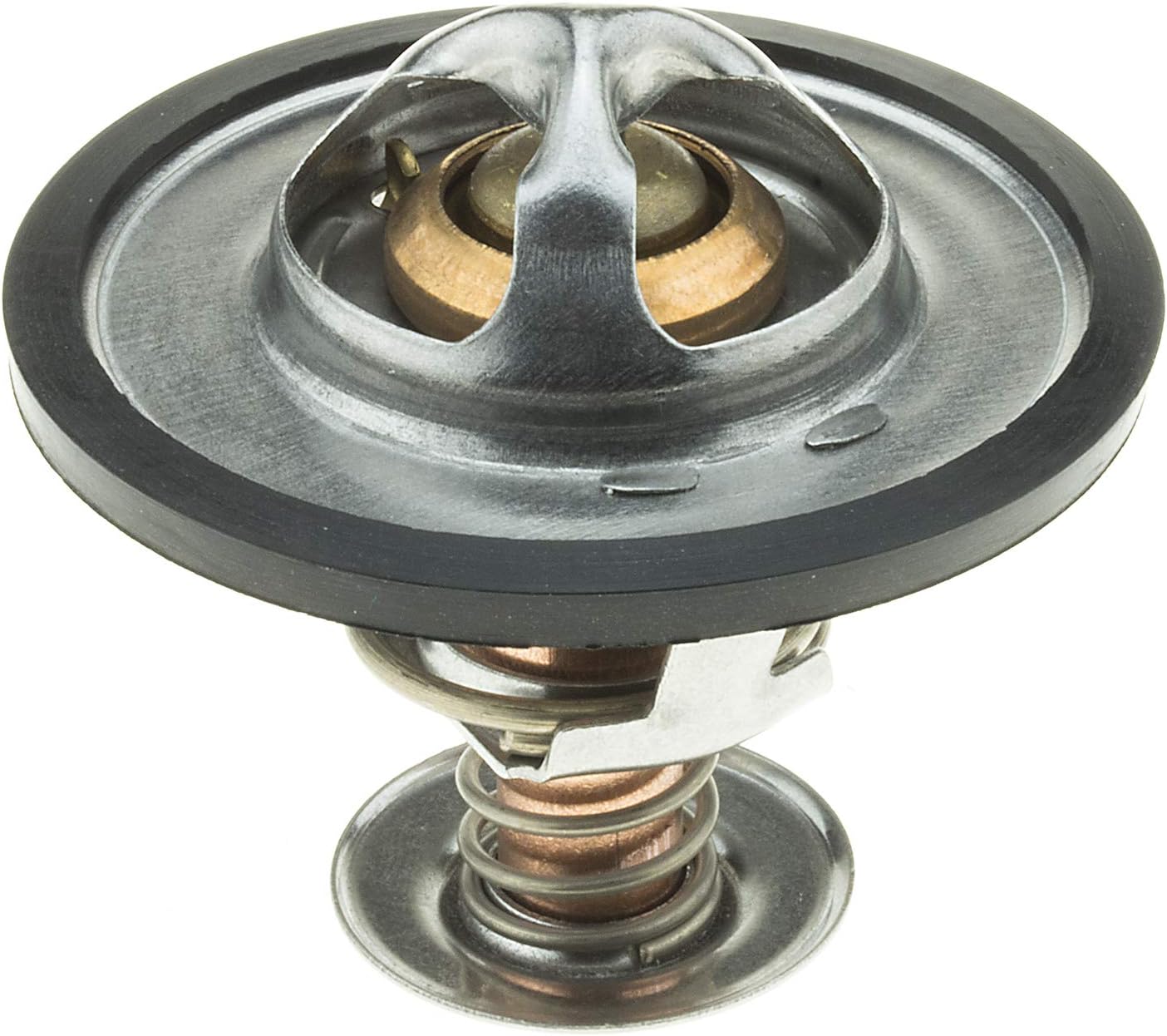
| Brand Name | MotoRad |
|---|---|
| Model Name | 2028-170 |
| Item Type Name | Engine Coolant Thermostat |
| Included Components | MotoRad 2028-170 High Flow Thermostat – 170 Degree |
The MotoRad 2028-170 is a direct-replacement engine coolant thermostat built to boost flow and respond quickly to temperature changes. It uses a larger-than-factory opening and a triple-bridge design to increase coolant circulation and structural strength, which can help the cooling system move heat more effectively under heavy load or towing. Constructed with a copper case, wax actuator and stainless steel components, it aims for fast, predictable opening at 170°F and fits select 2002–2005 Ford Explorer applications listed by the manufacturer. Installation is the same as a stock thermostat so it is typically used as a one-to-one swap during routine cooling system service or when replacing a failing unit. Expect practical benefits like quicker thermostat response and slightly improved flow without modifying the rest of the cooling system. Limitations are that the higher opening temperature and higher flow are incremental rather than transformative and fitment must be confirmed for your engine variant before buying.
Best for: Buyers looking for an affordable, stronger-than-stock replacement thermostat for routine service or occasional heavy-duty use who prioritize practical cooling improvements without other cooling system modifications.
Less Ideal for: Drivers seeking a major performance cooling upgrade or those who need guaranteed fitment across multiple vehicle variants should consider specialized or vehicle-specific options instead.
- Larger-than-factory opening for increased coolant flow.
- Triple-bridge design adds structural stability under pressure.
- Copper case and wax element for quick temperature response.
- Built from stainless steel components for corrosion resistance.
- Direct-replacement fitment for compatible Ford Explorer models so installation follows factory procedure.
- Not a dramatic performance part; gains are modest compared with major cooling upgrades.
- Only compatible with specific vehicle applications so you must verify fitment.
Verdict: A budget-friendly high-flow replacement thermostat that offers quicker response and improved coolant circulation for compatible 2002–2005 Ford Explorer models.
5. BOXI Thermostat Housing Kit Assembly with Sensor for Ford Explorer & Mercury Mountaineer (V6 4.0L)

| Vehicle fitment | 2002–2010 Ford Explorer & Mercury Mountaineer V6 4.0L (upper & lower) |
|---|---|
| Included components | Thermostat housing assembly, sensor, gasket, O-ring, thermostat, connector |
| Thermostat opening temp | 197.6 °F / 92℃ |
| Material | Metal |
| Manufacturer part number | BX00500001-1 |
This BOXI thermostat housing kit replaces the upper and lower housing and includes the thermostat, sensor, gasket, O-ring, and connector so you get a near-complete cooling-system service part in one purchase. It is made from metal and built to match factory fitment for 2002–2010 Ford Explorer and Mercury Mountaineer V6 4.0L applications, and the thermostat is a copper-case, wax-element unit rated to open around 92°C (197.6°F). Installers will appreciate that the kit covers models with one or two coolant temperature sensors and that BOXI supplies OEM-style seals and an offset design with an air-relief valve to help bleeding. The practical benefits are straightforward: fewer parts to source, a factory-like sealing surface, and a tested thermostat element intended for consistent opening temperature and durability testing. Limitations are that this is a vehicle-specific part for the listed Ford/Mercury models and that you may need to reuse the old cap for a second sensor slot in some configurations rather than receiving two caps in the box.
Best for: A buyer who values a dependable, factory-style replacement that simplifies cooling-system repairs on 2002–2005 Ford Explorer V6 4.0L vehicles and prioritizes long-term, consistent thermostat performance.
Less Ideal for: People looking for a universal or multi-vehicle housing or those who need aftermarket housings for different engine types or model years outside the specified range.
- Complete kit includes thermostat, sensor, gasket, O-ring and connector to simplify repair.
- Manufactured to OEM-aligned processes with copper-case wax thermostat for consistent opening temperature.
- Designed to fit the specified Ford Explorer and Mercury Mountaineer V6 4.0L years for direct replacement and proper sealing.
- Includes OEM-style seals and air relief feature to aid coolant bleeding and reduce installation fuss.
- Not universal; fits only the listed Ford Explorer/Mountaineer V6 4.0L applications.
- Does not include a second sensor cap in some configurations so the old cap may need to be reused.
Verdict: Choose this kit when you want a ready-to-install, factory-style thermostat housing replacement that prioritizes reliable temperature response and a complete parts set for 2002–2005 Ford Explorer V6 4.0L models.
6. Motorcraft Thermostat Assembly RT1254

| Brand | Motorcraft |
|---|---|
| Model | RT1254 |
| Manufacturer | Motorcraft |
| Manufacturer Part Number | RT1254 |
This Motorcraft RT1254 thermostat assembly is a direct-fit replacement designed to restore proper engine temperature control on compatible Ford vehicles. It installs where the original thermostat sat and operates the same way as the factory unit, opening at the specified temperature to allow coolant flow and closing to promote warm-up. Notable features include Motorcraft factory-quality engineering and a painted exterior finish that matches the look of the original part. For daily driving and towing conditions common to 2002-2005 Ford Explorers, the thermostat provides predictable thermostat operation and compatibility without modification. The practical benefits are straightforward: reliable fitment, preservation of factory cooling behavior, and reduced diagnostic time versus generic aftermarket units. Limitations are that this is a single thermostat assembly without hoses or gasket kits included, so expect to source any additional seals if needed during installation.
Best for: Buyers who prioritize a risk-minimizing, factory-equivalent replacement for their cooling system and want a part that matches Ford specifications without experimentation.
Less Ideal for: People looking for a performance or high-temperature aftermarket thermostat or those who need a full installation kit with hoses and seals included.
- Direct factory-quality replacement made to meet Ford standards
- Predictable, factory-like temperature control for consistent engine warm-up
- Straightforward drop-in fit minimizes installation headaches
- Painted exterior finish that matches original part appearance
- Sold as the thermostat assembly only and may not include gaskets or additional installation hardware
Verdict: Choose this Motorcraft thermostat when you want a reliable, factory-spec replacement that restores original cooling behavior with minimal risk.
7. EVIL ENERGY Thermostat Housing Kit Assembly for 2002-2010 Explorer & Mountaineer 4.0L
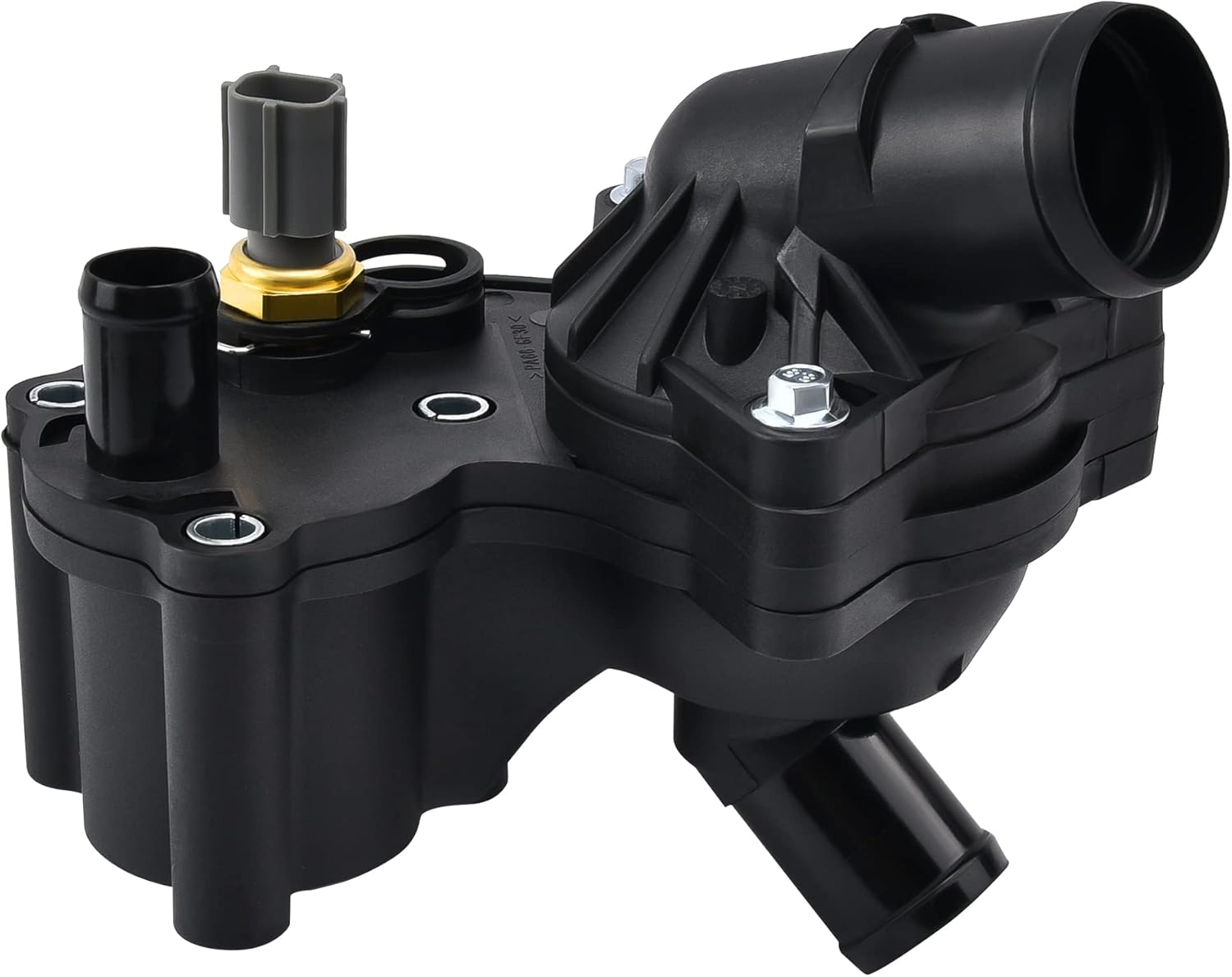
| Fitment | 2002-2010 Explorer V6 4.0L, 2002-2010 Mercury Mountaineer V6 4.0L |
|---|---|
| Thermostat opening temp | 197.6 °F / 92℃ |
| Included components | Thermostat x1, Rubber Gasket x1, Plastic Housing x1, Nitrile gloves x1 |
| Material Type | Plastic |
This EVIL ENERGY thermostat housing kit replaces the factory housing and thermostat on 2002–2005 Ford Explorer V6 4.0L engines and is sold as a complete service kit with the thermostat, rubber gasket, plastic housing, and gloves. Installation is typical for cooling-system repairs: drain coolant, remove the old housing, swap in the gasket and new thermostat, and bolt the housing in place. The kit lists a 92°C (197.6°F) opening temperature for the thermostat, which matches common factory operating points and helps the engine reach and hold the right temperature quickly. The plastic housing keeps the assembly lightweight and resists corrosion, and the included gasket and gloves simplify a one-job replacement. Buyers should note this is an aftermarket part not branded as factory original and plastic housings can be less durable than metal on high-heat or high-mileage engines. For anyone doing routine coolant maintenance or replacing a leaking housing, this kit provides a convenient, ready-to-install option.
Best for: A conservative buyer who wants a straightforward, ready-to-install replacement to restore proper cooling on a 2002–2005 Explorer 4.0L and prefers matching factory temperature behavior without requiring custom parts.
Less Ideal for: Drivers seeking an upgraded heavy-duty or performance cooling component for frequent towing, extreme off-road use, or very high-mileage engines should consider more robust aftermarket options.
- Complete kit includes thermostat, rubber gasket, housing and gloves for one straightforward repair
- Thermostat opens at 92°C (197.6°F), matching typical factory temperature control
- Plastic housing resists corrosion and keeps weight low
- Includes a replacement gasket to reduce chance of post-installation leaks
- Plastic housing may be less long-lived than metal housings on very high-mileage or high-heat engines
Verdict: A complete, factory-temperature-matching replacement kit that makes a straightforward cooling-system repair for 2002–2005 Explorer 4.0L owners who want low-risk, ready-to-install parts.
Choosing the Right 2002-2005 Ford Explorer Thermostat: Key Factors to Consider
Opening Temperature
Opening temperature determines when the thermostat begins to allow coolant flow to the radiator. For the 2002-2005 Ford Explorer, using a thermostat with the factory-recommended opening temperature helps the engine reach ideal operating range quickly without overcooling. A thermostat that opens too early can cause the engine to run cold, which increases emissions, reduces fuel economy, and can harm long-term component life.
Conversely, a thermostat that opens too late or sticks closed increases the risk of overheating. Look for thermostats with tight tolerances around the specified temperature and documented repeatability so you get consistent performance across seasons and driving conditions.
Valve Response and Repeatability
How quickly and reliably the thermostat valve responds to temperature changes affects steady-state control and transient behavior. A good valve will start to move at the rated temperature and progressively open as coolant temperature rises. Subpar valves may stick, hesitate, or open unpredictably, leading to temperature swings on the dash gauge and uneven cabin heating.
Repeatable response over many cycles matters because thermostats operate constantly over the life of the vehicle. Consider products with proven designs or test data showing stable operation after many thermal cycles to avoid early failure or intermittent overheating symptoms.
Housing and Seal Quality
Thermostat housings and seals are common sources of coolant leaks on the Explorer. A robust housing made from corrosion-resistant materials reduces the chance of cracking, while a properly designed sealing surface and durable gasket or O-ring prevent weeping at the joint.
When choosing a replacement, inspect how the thermostat interfaces with the housing and water passages. Models that include high-quality gaskets or have well-machined sealing faces lower the risk of a thermostat housing seal leak and the follow-on tasks of re-torquing or resealing after installation.
Fitment and Compatibility
Correct fitment is critical for a hassle-free replacement. The 2002-2005 Ford Explorer uses specific mounting geometry and heater bypass passages that must match the thermostat design. A thermostat that fits precisely avoids the need for modifications and ensures proper coolant routing.
Verify flange thickness, locating tabs, and gasket shape for compatibility. Using a part that does not seat properly can cause bypassing, delayed coolant flow, or seal failures. Choosing thermostats with explicit fitment listings for the 2002-2005 Explorer reduces risk and installation time.
Durability and Corrosion Resistance
The cooling system environment exposes thermostats to varying coolant chemistry and temperature cycles. Materials that resist corrosion and degradation will last longer and maintain predictable opening behavior. Brass, stainless steel, and plated components generally outperform untreated metals in longevity.
Consider thermostats with corrosion-resistant coatings or proven materials for the moving parts and housing. Durable construction reduces the chance of sticking valves and helps maintain reliable operation across the expected service life of the vehicle.
Ease Of Installation and Serviceability
Thermostat replacement on the 2002-2005 Explorer can be more convenient if the product includes necessary gaskets and matches OEM sealing methods. Some designs simplify reassembly and reduce the chance of leaks by using integrated gaskets or improved clamp locations.
Also consider whether the thermostat allows reuse of existing housing fasteners and whether any special tools are needed. A thermostat that installs cleanly and uses standard hardware will reduce labor time and the likelihood of installation-related issues.
Common Thermostat Symptoms On The 2002-2005 Explorer
Several telltale signs point to a failing thermostat in this Explorer range. Overheating under load or during idle, a temperature gauge that spikes then drops, and poor cabin heat during cold starts are classic symptoms. You may also notice the engine temperature takes unusually long to climb to normal range or the gauge reads below normal, which suggests a thermostat stuck open.
Pay attention to coolant leaks near the thermostat housing and inconsistent heater performance. Combining symptom observation with simple checks can help you determine whether the thermostat is the likely cause before starting a replacement.
- Gauge needle running higher than normal under heavy traffic
- Fluctuating temperature gauge while driving
- No heat from the cabin vents at a normal warm-up
- Coolant pooling or seepage around the thermostat housing
Basic Diagnostic Steps
Start with a visual inspection of the thermostat housing area for signs of coolant seepage or degraded gasket material. Check hoses for soft spots or swelling, and confirm the cooling fan and coolant level are normal before assuming thermostat failure.
If symptoms persist, how to test a thermostat usually involves warming the engine and observing when coolant flow through the upper radiator hose begins. With careful precautions—engine warm, fan off, and hands clear of moving parts—you can feel for increased flow or observe the hose temperature rise to infer whether the thermostat is opening at the correct temperature.
- Inspect housing and gasket for leaks
- Monitor upper radiator hose for temperature and flow
- Confirm coolant level and fan operation
- Use a scan tool or OBD data to check engine temperature trends if available
Thermostat Housing And Seal Repair Tips
When replacing the thermostat, also assess the condition of the housing and mating surfaces. Warped or corroded flanges prevent a uniform seal and are common causes of thermostat housing seal leak problems. Clean both sealing surfaces thoroughly and replace any brittle or compressed gasket material.
Apply the proper torque sequence and specs when reinstalling the housing bolts to prevent overtightening or uneven compression. If the housing shows significant corrosion or damage, replacing the housing at the same time reduces the chance of repeat leaks and additional labor.
- Clean mating surfaces before installing new gasket
- Replace brittle or distorted gaskets and O-rings
- Tighten bolts to specified torque to avoid leaks
- Inspect housing for cracks or corrosion and replace if needed
When To Consider A Higher-Quality Thermostat
If you frequently tow, operate in hot climates, or push the vehicle under sustained loads, choose thermostats with proven thermal stability and robust construction. These conditions place greater stress on the cooling system and can expose marginal thermostats to premature failure.
Higher-quality thermostats often use better materials, tighter manufacturing tolerances, and improved sealing solutions. While they do not eliminate other cooling system issues, they reduce the risk of thermostat-related problems and can provide more consistent temperature control over the long run.
- Frequent towing or heavy loads
- Hot climate operation
- High-mileage engines with variable cooling performance
- Desire for longer service intervals and fewer replacements
Installation Best Practices For Reliable Results
Plan for a clean workspace and have replacement gaskets and any recommended hardware ready before removing the old thermostat. Drain just enough coolant to lower the level below the housing and avoid a full system drain when possible. Keep track of hose routing and clamp positions so everything goes back correctly.
After installation, refill the cooling system and bleed trapped air following recommended procedures. Run the engine through a warm-up cycle and recheck for leaks and proper temperature rise. A post-installation inspection ensures the new thermostat seats correctly and that there are no residual issues from the replacement.
- Drain coolant below the housing level to limit spillage
- Replace gaskets and seals rather than reusing old ones
- Bleed the cooling system to remove trapped air
- Recheck for leaks after a warm-up cycle
Still looking for the perfect fit?
Select your Ford Explorer configuration to see the most relevant Thermostats recommendations
How We Chose the Best 2002-2005 Ford Explorer Thermostat
Our selection focused on thermostats that address the specific cooling needs and common failure modes of 2002-2005 Ford Explorer engines. We prioritized correct opening temperature, precise valve operation, and housing and seal durability because those aspects most directly affect temperature control and leak resistance. Flow characteristics and compatibility with the stock cooling system were checked to avoid circulation issues or heater performance problems.We considered materials and construction to reduce the risk of corrosion and sticking over time, and we looked for designs that maintain stable opening behavior across typical operating conditions. Fitment accuracy and matching of mounting interfaces and gasket types were required for inclusion. We excluded any items with inconsistent fitment listings, unclear opening-temperature specs, or designs that required nonstandard modifications to the cooling system.Evaluation criteria included opening temperature tolerance, cycle repeatability, housing and seal quality, fitment accuracy for the 2002-2005 Explorer, and ease of installation. We did not include products lacking clear spec data or known to need extra adapters or modifications.
Our full evaluation process is outlined in our review methodology.
FAQ
How long does a thermostat typically last in a 2002-2005 Ford Explorer?
Thermostat lifespan varies, but many last several years depending on coolant quality and operating conditions. High-mileage vehicles or those with poor coolant maintenance may see earlier failures, while clean systems and proper service can extend service life.
What are the common signs of a bad thermostat on this Explorer?
Common signs include overheating, fluctuating temperature gauge readings, poor cabin heat, and coolant leaks around the thermostat housing. A gauge that stays below normal during normal operation often indicates a thermostat stuck open.
Can I test the thermostat without removing it?
You can perform basic checks by observing upper radiator hose temperature and flow as the engine warms, which can indicate whether the thermostat is opening. For a definitive test, removing the thermostat and using a calibrated water bath or observing its movement is more accurate.
Should I replace the thermostat when I replace the water pump or housing?
It is often practical to replace the thermostat when doing related cooling system repairs because access is easier and reassembly risk is lower. Replacing the thermostat and seals at the same time helps prevent future leaks and reduces the chance of repeat service.
What causes thermostat housing seal leaks on the Explorer?
Seal leaks commonly result from aged or compressed gaskets, warped housing surfaces, or corrosion on mating faces. Incorrect bolt torque or uneven tightening can also cause leaks, so proper surface prep and correct torque are important during installation.
Will a stuck-open thermostat cause poor fuel economy?
Yes, a thermostat stuck open can keep the engine running cooler than optimal, which increases fuel consumption and emissions until the engine reaches its intended operating temperature.
Final Verdict
Prioritize fitment, correct opening temperature, and durable housing and seals when selecting a thermostat for the 2002-2005 Ford Explorer. Balancing precise valve response with corrosion-resistant materials reduces the risk of overheating, poor heater performance, and repeat service. For heavy use or harsh climates, favor thermostats with proven thermal stability and robust construction to improve long-term reliability.Focus on parts that explicitly list compatibility with the 2002-2005 Explorer and include quality gaskets. Replacing the thermostat alongside any worn housing or related cooling components is a sensible way to minimize future issues and ensure consistent engine temperature control.
Explore More:
- Check out all Ford Explorer parts & accessories
- Explore Thermostats Maintenance & Repair Guides
- Explore Cooling System
- Browse all Auto Parts
