

Note: This article contains affiliate links. If you click on these links and make a purchase, I may earn a small commission at no extra cost to you. This helps support my research and content. Read my full affiliate disclosure here.
If you drive a 1995-2001 Ford Explorer, the thermostat plays a central role in engine performance and cooling system reliability. A thermostat that opens too late can cause overheating, while one stuck open can leave the engine running cold and inefficient. Picking the right thermostat for this model range helps prevent temperature-related damage, improves warm-up time, and stabilizes cabin heat.This guide shortlists seven top thermostat options compatible with the Explorer 1995 through 2001. We evaluated fitment specifics, opening temperature, and flow characteristics to focus on real-world outcomes like temperature stability and longevity. Read on to understand the key criteria and maintenance considerations before you replace the thermostat.
Looking for other parts? See all Ford Explorer parts & accessories.
Top Picks at a Glance
| Best Quality Built to a higher standard if you want something more solid | MPLUS Coolant Thermostat Housing with Sensors for 4.0L V6 (Fits 1997–2001 Ford Explorer and Related) |  |
| Best Value The sweet spot between price and what you get | MotoRad 248-192 Engine Coolant Thermostat |  |
| Best Budget The cheapest option that still gets the job done reliably | MotoRad 333-198 Engine Coolant Thermostat, 192°F |  |
| Most Popular A crowd favorite that many people choose with confidence | Gates 33009S Premium Engine Coolant Thermostat |  |
| Best Seller A high-volume bestseller chosen again and again | MotoRad 2000-195 High Performance Engine Coolant Thermostat |  |
1. MPLUS Coolant Thermostat Housing with Sensors for 4.0L V6 (Fits 1997–2001 Ford Explorer and Related)
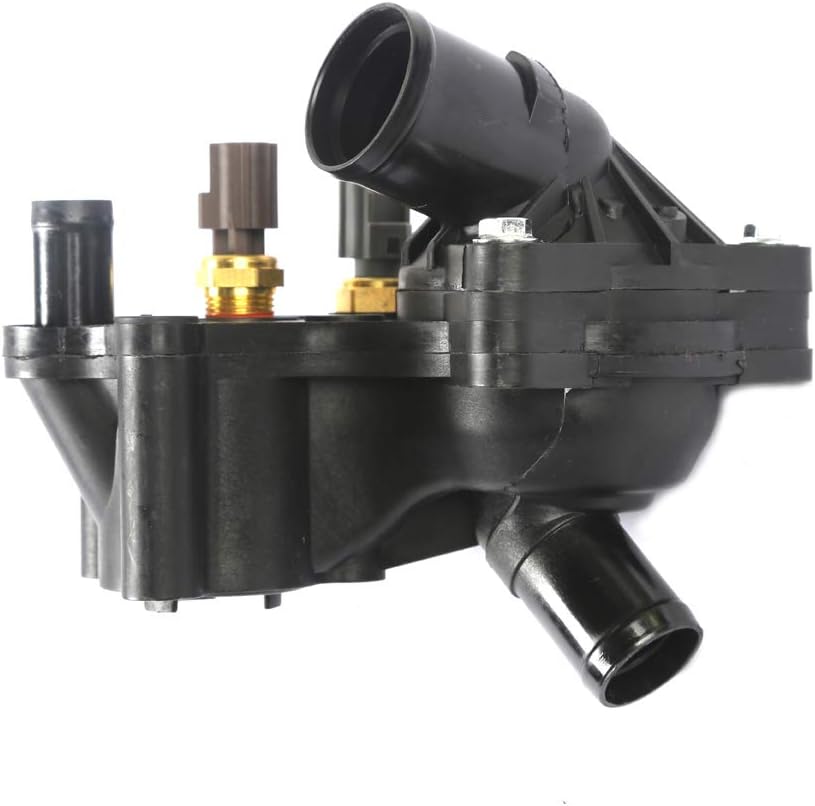
| Manufacturer Part Number | X-TH1011 |
|---|---|
| OEM Part Number | YU3Z8A586AA, 902-204 |
| Opening Temperature | 92℃ or 197.6°F |
| Sensor No. | 1 or 2 (depending on version) |
This MPLUS thermostat housing assembly replaces the factory housing and houses the thermostat and one or two coolant temperature sensors depending on the SKU. It is used to fix coolant leaks around the housing and to restore reliable temperature regulation so the engine reaches and maintains operating temperature. The housing is described as upgraded material to resist cracking around the gasket area and to withstand vibration and chemical exposure, and the listing includes OEM part number cross-references for direct fit on 1997–2001 Explorer/Mountaineer and 2001 Ranger 4.0L V6 applications. For a performance-minded buyer the core benefit is predictable thermal control and a more durable housing than brittle factory units, which helps avoid overheating or erratic gauge readings that can affect engine tuning and drivability. Installation requires draining some coolant and basic hand tools; fit and sensor count must be confirmed against your vehicle before purchase. This is a straightforward, cost-effective replacement but not a performance thermostat calibrated to nonstock temperatures.
Best for: Drivers who want a durable, factory-replacement thermostat housing to maintain stable engine temperatures and avoid overheating on 1997–2001 Ford Explorer 4.0L V6 vehicles.
Less Ideal for: If you are seeking a performance thermostat with a different opening temperature or racing-oriented calibration, choose a dedicated performance unit instead.
- Direct-replace fit for 1997–2001 Ford Explorer and related 4.0L V6 models with OEM part cross-references
- Upgraded housing material aimed to reduce cracks and gasket-area failures
- Includes sensor provision (1 or 2 sensors depending on version) for vehicle-ready installation
- Designed to restore correct thermostat function to prevent overheating and erratic temperature readings
- Not a performance-calibrated thermostat; opening temperature matches factory spec
- Requires coolant drain and moderate mechanical skill to install
Verdict: A robust, direct-fit thermostat housing that restores reliable temperature control on 4.0L V6 Explorers without changing factory temperature calibration.
2. MotoRad 248-192 Engine Coolant Thermostat

| Manufacturer Part Number | 248-192 |
|---|---|
| Replaces Part | 2L2Z8575AA |
| Material | Stainless steel, copper |
| Included Components | Thermostat |
| Fits Select | Ford Explorer 97-00 |
The MotoRad 248-192 is a straightforward replacement engine coolant thermostat built as a direct fit for many older vehicles, including select Ford Explorer model years in the 1997–2000 range. It installs in the engine cooling circuit in place of the factory unit to regulate coolant flow and maintain the engine at operating temperature. The part is machined from stainless steel and copper components, which suggests corrosion resistance and consistent valve action compared with inexpensive stamped units. Because it is a simple mechanical thermostat, there are no electronics to fail and installation is the same basic process as the factory thermostat. Buyers should confirm fitment against the part number 2L2Z8575AA and check housing and gasket compatibility before purchase since older cooling systems may need a new seal or minor hose adjustments. This thermostat is useful for someone repairing a daily driver or restoring serviceability to an older Explorer without upgrading the cooling system.
Best for: Practical owners maintaining or repairing a mid-1990s to early-2000s Explorer who want a durable, factory-style replacement that installs the same way as the original.
Less Ideal for: People looking to upgrade engine thermal management with performance thermostats or modern electronic temperature control should consider purpose-built alternatives.
- Direct replacement for select older vehicle thermostats including Ford Explorer 1997–2000 when matching part number
- Machined stainless steel and copper construction for better corrosion resistance
- Simple mechanical design with no electronics reduces failure modes
- Fits common repair workflows and installs like a factory-style thermostat
- Fitment covers many makes and years so buyers must double-check exact vehicle compatibility and part number
- May require a new gasket or minor cooling-hose adjustments on older vehicles
Verdict: A no-frills, durable factory-style replacement thermostat ideal for restoring reliable cooling in mid-1990s to early-2000s Explorers.
3. MotoRad 333-198 Engine Coolant Thermostat, 192°F

| Brand Name | MotoRad |
|---|---|
| Model Number | 333-198 |
| Material Type | Metal |
| Temperature | 192 Degrees |
The MotoRad 333-198 is a basic metal replacement thermostat that opens at 192 degrees and ships with the seal for direct installation. It installs in place of the factory thermostat to regulate coolant flow and help the engine reach and hold normal operating temperature. The unit is simple and purpose-built with a metal construction and a single temperature rating, so it is straightforward for DIY installs or quick shop swaps. Notable features listed include a temperature display and touch control in the product metadata, but the core value here is the correctly calibrated 192°F valve and included seal which reduce the chance of leaks after replacement. This thermostat does not offer adjustable settings or multi-stage operation, so it suits drivers who want a low-cost, no-frills factory-style replacement rather than performance tuning. For routine maintenance or budget-minded repairs on a 1995–2001 Ford Explorer, it provides a direct-fit, dependable option, but enthusiasts seeking different temperature curves or heavy-duty cooling upgrades should look elsewhere.
Best for: Buyers who need an affordable, straightforward replacement thermostat to restore proper cooling function on a 1995–2001 Ford Explorer and prefer a plug-and-play, maintenance-focused solution.
Less Ideal for: Drivers looking to change operating temperature for performance, or those who want a heavy-duty or adjustable thermostat for towing or racing applications.
- Direct replacement thermostat calibrated to open at 192°F for proper engine temperature control
- Includes seal for installation to help prevent leaks
- Metal construction that matches common factory replacement materials
- Simple single-piece unit suited for quick DIY or shop installation
- Single fixed opening temperature with no adjustability or multi-stage control
Verdict: A budget-friendly, factory-style 192°F replacement thermostat that restores proper cooling function on 1995–2001 Ford Explorers.
4. Gates 33009S Premium Engine Coolant Thermostat

| Brand Name | Gates |
|---|---|
| Included Components | Engine Coolant Thermostat |
| Material Type | Stainless Steel |
| Model Number | 33009S |
The Gates 33009S is a premium replacement engine coolant thermostat built with an all stainless-steel valve, a larger heat motor, and a heavier spring to give firmer, more consistent temperature control. Installed in the cooling housing, it opens and closes to regulate coolant flow so the engine reaches operating temperature faster and stays within the desired range. That faster warm-up can reduce emissions and improve fuel economy during short trips, while the sturdier construction aims to resist sticking and wear over time. Fitment must be checked for the 1995–2001 Ford Explorer application the article covers, but when compatible this unit serves as a direct-style replacement without extra plumbing or calibration. Expect reliable basic function and longer service life versus cheaper stamped thermostats, though it does not add adjustable temperature control or electronic features. Professional installation or standard DIY mechanical experience is recommended to ensure proper sealing and coolant system bleeding.
Best for: Buyers who prioritize proven reliability and want a sturdily built replacement thermostat that reduces warm-up time and the risk of premature sticking.
Less Ideal for: Drivers seeking an adjustable or electronic thermostat with tunable opening temperatures or integrated sensors should look at specialty performance or aftermarket electronic units.
- All stainless-steel construction for corrosion resistance and durability
- Larger heat motor and spring for more positive valve operation
- Designed to speed engine warm-up and improve temperature stability
- Direct replacement style intended for straightforward swap-in installation
- Not adjustable and has no electronic control features
Verdict: Choose this Gates premium thermostat when you want a durable, factory-style replacement that improves warm-up and reduces long-term sticking risk.
5. MotoRad 2000-195 High Performance Engine Coolant Thermostat

| Brand Name | MotoRad |
|---|---|
| Model Number | 2000-195 |
| Item Type Name | Engine Coolant Thermostat |
| Material Type | Copper |
The MotoRad 2000-195 is a direct-replacement engine coolant thermostat built for older domestic and import vehicles, including many Ford models in the 1995 to 2001 era. It regulates coolant flow to maintain correct engine temperature and is typically installed in the thermostat housing during routine cooling-system service or when the stock thermostat fails. MotoRad highlights durable materials and a design aimed at stable thermal control, which helps engines reach operating temperature reliably and stay there under varied driving. For a risk-averse buyer this part offers a known aftermarket option with broad vehicle coverage and straightforward installation with common hand tools. Limitations include the need to confirm exact fitment for a specific vehicle and that this is a mechanical replacement rather than an electronic or adjustable thermostat; installation still requires draining coolant and proper torque on the housing to avoid leaks. Overall it is a practical, no-frills replacement for maintaining correct engine operating temperature in compatible older Ford Explorers from the specified years.
Best for: Buyers who prioritize a dependable, factory-style replacement thermostat for routine cooling-system repairs on a mid 1990s Ford Explorer and want a straightforward install with proven aftermarket parts.
Less Ideal for: Drivers looking for performance-tuned, adjustable, or electronically controlled thermostats or those who need a thermostat for modern vehicles outside the 1995–2001 Ford Explorer scope.
- Designed as a direct replacement for many older domestic vehicles including mid 1990s Ford models
- Made from durable materials intended for reliable thermal control
- Broad vehicle coverage reduces risk of buying the wrong aftermarket part
- Simple mechanical design means no electrical connections to fail
- Fitment must be double-checked for exact engine and year to ensure compatibility
Verdict: A practical, factory-style replacement thermostat that reliably restores proper engine temperature control for a 1995–2001 Ford Explorer.
Choosing the Right 1995-2001 Ford Explorer Thermostat: Key Factors to Consider
Correct Opening Temperature
The thermostat's opening temperature determines when coolant begins circulating through the radiator and heavily influences warm-up time and engine operating temperature. For the 1995-2001 Ford Explorer, choose a thermostat that matches the factory-specified opening temperature or an OEM-equivalent tolerance to maintain proper engine combustion and emissions control. A unit that opens too early can cause the engine to run cold, reducing fuel efficiency and heater performance, while one that opens too late raises the risk of overheating during heavy loads.
Temperature tolerance matters because manufacturing variances can shift the effective opening point. Look for thermostats with tight tolerance specifications and materials that resist thermal fatigue so the opening temperature remains stable over thousands of heat cycles.
Physical Fit and Mounting
Accurate flange dimensions, bolt hole alignment, and overall thickness determine whether a replacement thermostat seats properly in the housing. On the 1995-2001 Ford Explorer, improper fit can cause coolant bypass, poor sealing, or interference with the housing that leads to leaks. Ensure the replacement matches the stock profile including the diameter, height, and spring placement so it functions as intended within the cooling passages.
A correct mechanical fit also simplifies installation and reduces the chance of gasket pinch or uneven compression that produces a thermostat housing seal leak. Confirming part number fitment or cross-reference information is essential before purchase.
Seal and Gasket Quality
The seal between the thermostat and housing prevents coolant loss and air ingress. For older Explorers, aging housings and mating surfaces can make a reliable gasket more important than the thermostat itself. Choose thermostats that include a quality gasket or O-ring designed for the housing material and the Explorer's coolant chemistry.
Materials that resist deterioration from heat and antifreeze additives reduce recurring leaks. Also consider whether the replacement requires a separate sealant or a new housing gasket; following the recommended sealing method minimizes the chance of thermostat housing seal leak and simplifies future maintenance.
Flow Characteristics and Valve Design
Flow characteristics determine how quickly coolant circulates once the thermostat begins to open. A smooth, predictable flow prevents localized hot spots around the cylinder head and encourages even temperature distribution. Valve designs that allow incremental opening reduce pressure spikes and support stable coolant flow across varying engine loads and RPM ranges for the Explorer.
Consider thermostats with proven valve mechanics and springs sized for the vehicle's coolant system pressure. Overly aggressive opening profiles may cause sudden drops in engine temperature under light load, while sluggish designs can delay heat rejection when the engine is working hard.
Materials and Corrosion Resistance
Materials used in the thermostat frame, valve, and spring affect longevity, especially in older vehicles where scale and corrosion may already be present. Stainless steel components, nickel-plated parts, and corrosion-resistant coatings help the thermostat withstand long-term exposure to coolant and temperature cycling in the 1995-2001 Explorer.
Durable materials also cut down on debris-related sticking and preserve the opening temperature characteristics. Investing in a thermostat with robust materials reduces the chance of premature failure and the need for repeat engine thermostat replacement down the line.
Serviceability and Installation Ease
How easy a thermostat is to install affects labor time and the likelihood it will be installed correctly. For the Explorer 1995-2001, consider whether the thermostat comes with clear instructions, correct gaskets, and uses standard tools for removal and replacement. Parts that require minimal additional components or machining make the process faster and less prone to mistakes.
Serviceability also includes whether the thermostat can be checked or tested in place and if replacement of related seals is straightforward. Simpler installs reduce the risk of installation-related leaks or incorrect seating that can lead to thermostat problems later.
Common Thermostat Symptoms and What They Mean
Thermostat-related issues in the 1995-2001 Ford Explorer often show as temperature fluctuations, slow warm-up, or overheating. Overheating under load can indicate a thermostat that opens too late or is sticking, while consistently low running temperature frequently points to a thermostat stuck open. Intermittent temperature rises followed by recovery may signal partial sticking or a failing valve.
Other symptoms include reduced cabin heat during cold starts, visible coolant leaks around the housing, and steam or high-temperature warnings on the gauge. Observing when symptoms occur — idle, highway driving, or under towing — helps pinpoint whether the thermostat behavior is temperature-triggered or caused by flow restriction elsewhere in the cooling system.
- Engine overheats when idling or at low speeds: possible thermostat sticking closed.
- Engine runs cold and heater output is weak: likely thermostat stuck open.
- Temperature gauge spikes then returns to normal: thermostat opening inconsistently.
- Visible coolant at housing seam: inspect thermostat housing seal leak.
How to Test a Thermostat on Your Explorer
There are several practical methods to test a thermostat without removing it or after removal. With the engine cold, start the vehicle and watch the temperature gauge to see how quickly the engine warms. Slow warm-up or failure to reach normal operating temperature suggests the thermostat may be opening too early or stuck open. Rapid overheating after a short run can indicate delayed opening or sticking closed.
For a definitive test after removal, place the thermostat in water and heat gradually while monitoring with a thermometer to see the opening point. This method requires caution and safe handling. You can also feel the upper radiator hose: if it heats up before the engine reaches normal temperature, the thermostat may be stuck open. Follow safe practices and allow adequate cooling time before handling components.
- Cold-start gauge observation to check warm-up behavior.
- Heater output check during initial warm-up.
- Bench test in heated water to confirm opening temperature.
Addressing Thermostat Housing and Seal Issues
Leaks around the thermostat housing are a common problem on older Explorers due to gasket degradation or uneven mating surfaces. When replacing the thermostat, inspect the housing and mounting flange for corrosion or warping. Clean mating surfaces thoroughly and use the recommended gasket type or O-ring to create a long-lasting seal.
If the housing is cracked or heavily corroded, replacement of the housing should be performed to avoid repeated leaks. Torque bolts to the specified values and replace any old hardware that may not clamp evenly. Proper sealing prevents coolant loss and air ingress that can compromise thermostat function and overall cooling performance.
- Inspect and clean mating surfaces before installing new gasket.
- Replace housing if cracked or warped to prevent recurrent leaks.
- Use correct torque and new bolts if corrosion has weakened hardware.
When to Replace the Thermostat Vs Troubleshoot Other Cooling Parts
Not all temperature problems are caused by the thermostat. For the 1995-2001 Explorer, rule out low coolant level, collapsed radiator hoses, a failing water pump, or clogged radiator passages before assuming thermostat failure. A coolant system pressure test and visual inspection can help identify these issues. If the thermostat is out of spec by bench testing or symptoms align closely with thermostat behavior, then replacement is appropriate.
If the thermostat is replaced but problems persist, re-evaluate the rest of the cooling system. A functioning thermostat depends on unrestricted flow, effective radiator heat rejection, and a properly functioning water pump. Addressing the whole system ensures the new thermostat will operate as intended and reduces the chance of repeated service visits.
- Check coolant level and condition before diagnosing thermostat.
- Inspect hoses and radiator for blockages or collapsed sections.
- Perform pressure test to detect leaks that could mask thermostat symptoms.
Basic Maintenance Tips to Extend Thermostat Life
Regular coolant changes using the correct type and mixture protect thermostat components from corrosive additives and sediment. Flushing the cooling system at manufacturer-recommended intervals reduces scale buildup that can impede thermostat function. Keep the cooling system free of oil contamination, as oil can degrade seals and gaskets.
During routine maintenance, inspect the thermostat housing and surrounding hoses for early signs of leaks or deterioration. Replacing gaskets and worn hoses proactively reduces the chance of thermostat-related failures and preserves the sealing surfaces for future service.
- Use correct coolant type and replace at recommended intervals.
- Inspect hoses and housing during every coolant service.
- Address oil contamination or head gasket issues that can affect coolant quality.
Still looking for the perfect fit?
Select your Ford Explorer configuration to see the most relevant Thermostats recommendations
How We Chose the Best 1995-2001 Ford Explorer Thermostat
We selected thermostats for the 1995-2001 Ford Explorer using practical, vehicle-specific filters aimed at reliability and proper engine temperature control. Key evaluation criteria included correct physical fit and flange geometry, verified opening temperature tolerance within factory spec, and consistent flow rate under typical operating pressures. We also considered build quality factors such as corrosion-resistant materials and robust seals to reduce the risk of leaks at the thermostat housing.Durability under thermal cycling was assessed by prioritizing parts that use proven valve mechanisms and quality springs. Ease of installation was another factor, including compatibility with common Explorer cooling system layouts and whether standard gasket or seal replacements are used. We excluded parts that lack clear fitment data for the 1995-2001 model years, ambiguous opening temperature specifications, or weak sealing designs that are known to cause housing leaks. The result is a focused list of thermostats that address fitment, temperature control, and serviceability for this vehicle range.
Our full evaluation process is outlined in our review methodology.
FAQ
How long does a thermostat typically last in a 1995-2001 Ford Explorer?
Thermostats often last many years but lifespan depends on coolant condition and driving habits. With proper coolant maintenance, a thermostat may last a decade, while neglected cooling systems or corrosion can shorten service life significantly.
What are the signs of a bad thermostat in this Explorer model?
Common signs include overheating at idle, slow warm-up, poor heater output, temperature gauge fluctuations, and coolant leaks at the housing. These symptoms often point to a thermostat that is sticking, opening at the wrong temperature, or failing to seal properly.
Can I test the thermostat without removing it from the vehicle?
Yes. You can observe warm-up behavior, check heater output, and feel the upper radiator hose temperature changes. These checks give useful clues, but a bench test after removal provides a definitive measurement of opening temperature.
Will replacing the thermostat fix all overheating problems?
Not always. While a faulty thermostat is a common cause, overheating can also result from low coolant, radiator restriction, a failing water pump, or air trapped in the system. Diagnose the cooling system comprehensively if problems persist after replacement.
Should I replace the thermostat housing gasket when installing a new thermostat?
Yes. Replacing the gasket or O-ring during thermostat service is recommended to prevent future leaks. Old seals can harden or deform and may not reliably seal after disassembly.
Does using a different opening temperature affect engine performance or emissions?
Yes. Changing the thermostat opening temperature alters warm-up time and operating temperature, which can affect fuel economy, emissions, and heater performance. It is usually best to match the factory-specified opening temperature for the 1995-2001 Explorer.
Final Verdict
When choosing a thermostat for a 1995-2001 Ford Explorer, prioritize correct opening temperature, precise mechanical fit, and a reliable sealing solution. Consider materials that resist corrosion and valve designs that provide stable flow to maintain even engine temperatures under varied driving conditions. Address related cooling system issues such as worn hoses, coolant condition, and housing integrity before or during thermostat replacement.Focus on parts that match factory specifications and come with proper gaskets to reduce the chance of repeat service. That approach helps you restore consistent engine temperature control and avoid common thermostat-related failures.
Explore More:
- Check out all Ford Explorer parts & accessories
- Explore Thermostats Maintenance & Repair Guides
- Explore Cooling System
- Browse all Auto Parts
