

Note: This article contains affiliate links. If you click on these links and make a purchase, I may earn a small commission at no extra cost to you. This helps support my research and content. Read my full affiliate disclosure here.
If your Subaru Outback feels loose in turns, drifts during highway cruising, or shows uneven tire wear, worn rear control arms could be the cause. Replacing the rear control arms can restore steering precision, improve suspension geometry, and prolong tire life for daily driving and light off-road use. This guide covers a shortlist of the top rear control arms selected for fitment, bushing quality, and ease of installation specific to the Outback.Below we explain the decision factors used to evaluate each option, what to expect during installation, and how to tell whether a rear control arm needs replacement before you proceed.
Looking for other parts? See all Subaru Outback parts & accessories.
Top Picks at a Glance
| Best Overall The best all-around choice for most situations | Detroit Axle Rear Control Arms Kit with Ball Joints and Sway Bar Links for Subaru Outback (2010–2018) |  |
| Best Quality Built to a higher standard if you want something more solid | Metrix Premium Chassis Parts Rear Left Upper Control Arm with Ball Joint |  |
| Best Value The sweet spot between price and what you get | TRQ Rear Lower Rearward Control Arm Set, 2-Piece |  |
| Best Budget The cheapest option that still gets the job done reliably | MOOG RK643085 Rear Lower Control Arm |  |
| Highest Rated A top-rated pick with lots of positive feedback | Detroit Axle Rear Upper Control Arms w/ Ball Joints for 2010–2018 Subaru Outback (2-pack) |  |
| Most Popular A crowd favorite that many people choose with confidence | Detroit Axle Pair Rear Lower Control Arms (Adjustable) |  |
| Best Seller A high-volume bestseller chosen again and again | Metrix Premium Chassis Parts Rear Lower Forward Control Arm Kit with Ball Joints (2‑pc) |  |
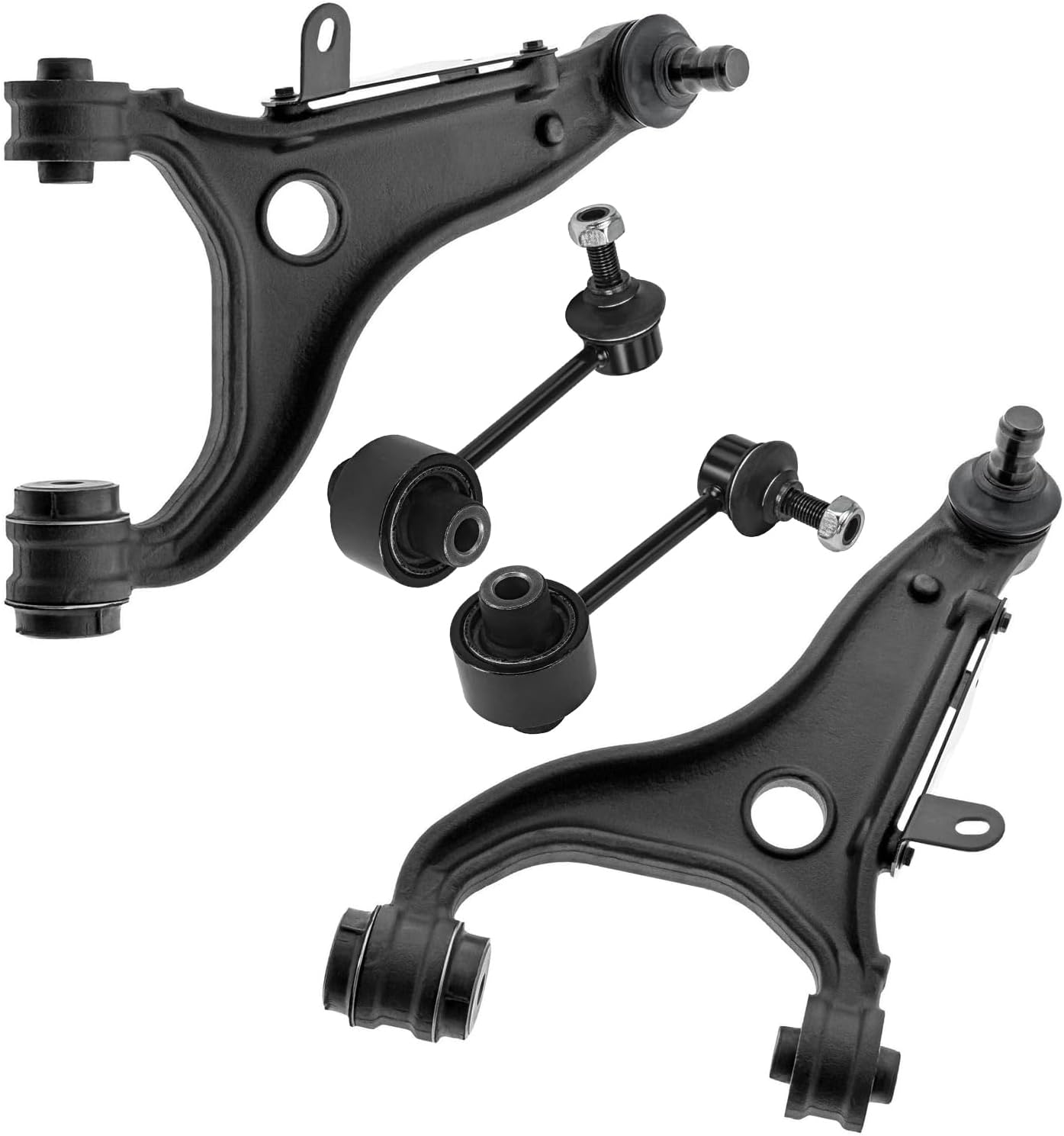
1. Detroit Axle Rear Control Arms Kit with Ball Joints and Sway Bar Links for Subaru Outback (2010–2018)
| Fitment | 2010–2018 Subaru Outback |
|---|---|
| Kit contents | 2 rear upper control arms w/ ball joints, 2 rear sway bar links |
| Manufacturer | Detroit Axle |
| Item model number | 4CS502037 |
This Detroit Axle kit replaces the rear upper control arms and sway bar links on Subaru Outback models from 2010 through 2018. It is intended as a full rear corner refresh: the pair of upper control arms come with pressed-in ball joints and the kit also supplies two sway bar links so you can address common wear points in one job. Detroit Axle states the parts undergo impact, wear, and fatigue testing and the listing highlights a long warranty period, which suggests the components are aimed at durable everyday use rather than performance tuning. Installation is typical of suspension work and will require basic to intermediate mechanical skills and alignment after fitment. The practical benefit is consolidated replacement of multiple aging suspension parts to restore rear handling and reduce play or noise. Limitations are that this is an aftermarket replacement designed to match factory fit and function but not to change geometry or ride characteristics for performance driving, and professional alignment is recommended after installation.
Best for: Buyers who want a practical, factory-quality replacement to restore rear suspension stability and remove play or noise, prioritizing a coordinated, long-term repair over performance modifications.
Less Ideal for: Drivers seeking performance-oriented suspension changes or custom alignment geometry should look at dedicated performance parts instead.
- Complete rear kit replaces both rear upper control arms and both sway bar links for a coordinated repair
- Control arms include ball joints preinstalled to simplify installation
- Designed and tested for durability with impact, wear, and fatigue checks noted
- Fits specified Subaru Outback years so you can replace multiple worn components in one service
- Not intended to alter suspension geometry or provide performance upgrades
Verdict: If you need a straightforward, durable rear suspension refresh for a 2010–2018 Subaru Outback, this kit replaces the main wear items in one go and gets the rear handling back to factory-like condition.
2. Metrix Premium Chassis Parts Rear Left Upper Control Arm with Ball Joint

| Fit Type | Vehicle Specific Fit |
|---|---|
| Auto Part Position | Rear Left Upper |
| Auto Part Orientation | Drivers Side |
| Material Type | Steel |
This Metrix rear left upper control arm replaces the factory arm and includes a pre-greased ball joint and housing for straightforward installation. It is built from steel with corrosion-resistant coating and engineered to meet IATF 16949 and ISO 9001 standards, which translates to a close fit and durable service life on Subaru Outback rear suspensions. Typical use is direct replacement during suspension repair or when worn bushings and ball joints cause clunks, uneven tire wear, or loose steering. The greasable, preassembled design speeds installation and reduces initial maintenance, while the included housing and factory-style geometry help preserve alignment when installed correctly. Limitations are that it is a single-side, vehicle-specific part so replacing one side may still require alignment and occasional greasing over time; the steel construction is strong but heavier than aluminum alternatives. Buyers should plan a post-installation wheel alignment and expect professional installation if they lack suspension tools.
Best for: Buyers who want a durable, factory-style replacement for a worn rear upper control arm on Subaru Outback or Forester and prioritize fit, durability, and straightforward installation.
Less Ideal for: Shoppers seeking the lightest aftermarket option or a full suspension upgrade kit should consider aluminum arms or complete kits instead.
- Vehicle-specific fit for Subaru Outback and Forester rear left upper position
- Pre-greased ball joint and greasable design for easier initial installation and maintenance
- Built to industry quality standards (IATF 16949 and ISO 9001) for consistent fit and durability
- Single-side replacement requires alignment and may prompt replacement of the opposite arm for balanced wear
Verdict: Choose this Metrix rear left upper control arm when you need a durable, factory-fit replacement that simplifies installation and restores rear suspension stability on Subaru Outback models.
3. TRQ Rear Lower Rearward Control Arm Set, 2-Piece

| Fit Type | Vehicle Specific Fit |
|---|---|
| Auto Part Position | Rear Lower |
| Included Components | 2 Piece Control Arm Set |
| Manufacturer Part Number | PSA37997 |
| OEM Equivalent Part Number | 20250AE01A |
This TRQ control arm kit replaces both rear lower rearward control arms and is designed as a direct-fit replacement for compatible Subaru Outback and Legacy rear suspensions. Typically installed as a paired replacement during suspension refreshes, the kit includes driver and passenger side arms preassembled to simplify installation and reduce shop time. Notable features include vehicle-specific fitment, manufacturer reference numbers for cross-checking, and TRQ support materials such as step-by-step installation videos. In use the parts restore rear suspension geometry, helping return stability, steering feel, and even tire wear when bushings or arms are worn. Practical benefits are quicker installation versus sourcing individual parts and predictable compatibility with the listed Subaru models. Limitations: fitment is vehicle specific so you must confirm exact year and configuration before buying, and the listing does not provide detailed material or bushing specs for those wanting performance upgrades beyond factory-quality replacements.
Best for: Buyers who want a practical, factory-quality replacement to restore rear suspension function on the specified Subaru models and prefer a matched pair for a straightforward installation.
Less Ideal for: Drivers seeking high-performance or adjustable aftermarket control arms for modified suspensions should consider specialized options instead.
- Sold as a matched two-piece set for driver and passenger sides to ensure symmetric replacement
- Vehicle-specific direct-fit design reduces need for modifications and shortens installation time
- Includes manufacturer reference numbers for easy cross-referencing and fit confirmation
- Access to TRQ installation videos and support resources to assist DIY installation
- Listing does not specify bushings or internal construction details for performance-focused buyers
Verdict: Choose this matched TRQ two-piece rear control arm set when you need a straightforward, vehicle-specific replacement to reliably restore rear suspension stability on compatible Subaru models.
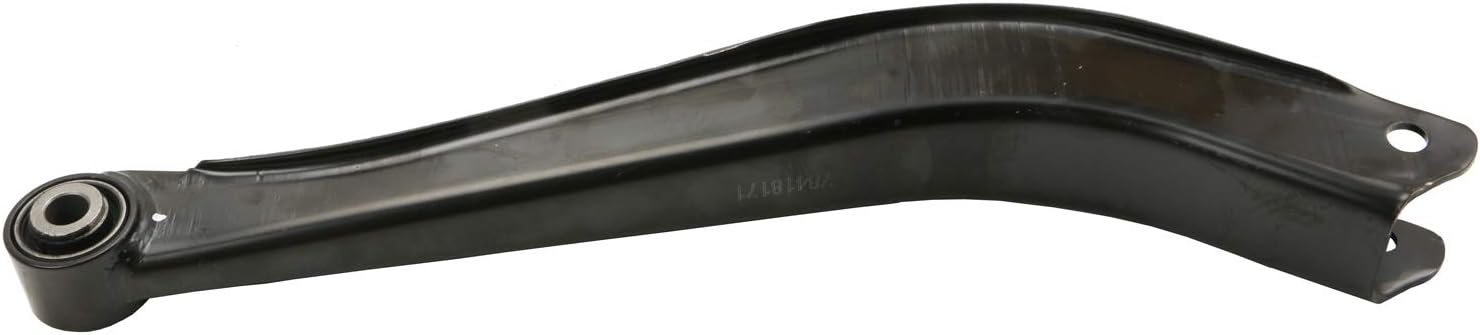
4. MOOG RK643085 Rear Lower Control Arm
| Fit Type | Vehicle Specific Fit |
|---|---|
| Auto Part Position | Rear Lower |
| Material Type | Alloy Steel |
The MOOG RK643085 rear lower control arm is a direct-fit replacement designed to restore proper suspension geometry on compatible Subaru models. It replaces a worn or damaged rear lower arm to improve steering response, reduce wandering, and help prevent uneven inner tire wear. Built from alloy steel with corrosion-resistant coatings and heat-treated areas for added strength, the arm is intended for everyday passenger use and heavier impacts that occur on rough roads. Installation is straightforward for a mechanic familiar with rear suspension work because it is engineered as a vehicle-specific fit. Practical benefits include improved vehicle stability after replacement and longer service life versus cheaper aftermarket knockoffs. Limitations are that this is a single control arm sold by position and it only fits the specified Subaru applications, so you must confirm fitment before buying; professional alignment is recommended after installation to ensure correct tracking.
Best for: Drivers looking to replace a worn rear lower control arm on a Subaru Outback who prioritize affordable, durable, factory-quality replacement parts and want a straightforward swap that restores handling.
Less Ideal for: Those seeking performance-tuned or upgraded suspension components or buyers who prefer to replace both sides at once without purchasing additional parts.
- Direct-fit, vehicle-specific design simplifies installation
- Alloy steel construction with heat-treated areas for added structural strength
- Corrosion-resistant coatings on studs for longer service life
- Designed to restore suspension geometry and improve steering stability
- Sold as a single arm for the rear lower rearward position rather than a paired set
Verdict: A durable, vehicle-specific rear lower control arm that restores suspension geometry and handling for Subaru Outback drivers on a budget.
5. Detroit Axle Rear Upper Control Arms w/ Ball Joints for 2010–2018 Subaru Outback (2-pack)

| Fit Type | Vehicle Specific Fit |
|---|---|
| Auto Part Position | Rear, Upper |
| Material Type | Alloy Steel |
| Unit Count | 2 Count |
| Manufacturer Warranty Description | 10-Year |
These Detroit Axle rear upper control arms replace the factory rear upper arms on 2010–2018 Subaru Outback vehicles and come as a two-piece kit with integrated ball joints. They are made from alloy steel and built for suspension duty, so they are intended to restore steering geometry and rear suspension stability after wear or damage. Installation is typical for rear-arm swaps and will usually require basic suspension tools and alignment afterward to ensure correct toe and camber. Notable features include vehicle-specific fitment and claimed impact, wear, and fatigue testing plus a 10-year warranty that underscores the manufacturer confidence. In practice these arms provide a direct replacement feel and should improve rear handling and reduce play compared with aged factory arms. Limitations are that they are a direct replacement rather than an adjustable performance arm, so drivers seeking ride-height or alignment adjustability will need an aftermarket performance kit. Expect an alignment service after fitting and inspection of associated suspension components during installation.
Best for: Buyers who prioritize a reliable, factory-replacement rear suspension repair that restores steering stability and eliminates worn-arm play on their Subaru Outback.
Less Ideal for: Drivers looking for adjustable or performance-oriented rear control arms for alignment tuning or lowered/modified suspensions should consider specialty aftermarket options instead.
- Vehicle-specific fit for 2010–2018 Subaru Outback ensures direct replacement installation.
- Integrated ball joints included so each arm arrives ready to install without sourcing separate joints.
- Alloy steel construction aimed at durability for impact and fatigue resistance.
- Comes as a two-arm kit so both sides can be replaced together for balanced handling.
- Backed by a 10-year manufacturer warranty indicating confidence in longevity.
- Non-adjustable design offers no alignment or performance tuning built into the arm.
Verdict: Choose this kit if you want a durable, vehicle-specific pair of rear upper control arms that reliably replace worn factory units on a 2010–2018 Subaru Outback.
6. Detroit Axle Pair Rear Lower Control Arms (Adjustable)

| Fit Type | Vehicle Specific Fit |
|---|---|
| Auto Part Position | Rear Lower |
| Material | Alloy Steel |
| Adjustment | ±2° camber, 1.5° fixed toe |
These Detroit Axle rear lower control arms replace the factory rearward lower arms with an adjustable aftermarket assembly. They install as a direct-fit, vehicle-specific kit and include both passenger and driver side arms. The arms offer +/-2 degrees of camber adjustment and 1.5 degrees of fixed toe correction, which lets you dial rear alignment after lowering or to correct worn suspension geometry. Constructed from alloy steel with a polished exterior, the assemblies are intended for routine driving and spirited street use rather than extreme motorsport loads. Practical benefits include easier alignment corrections without changing subframe components and a matched pair for consistent handling left to right. Expect a simple bolt-on installation if you have basic tools or a shop can fit them quickly. Limitations are that they are not a multi-link redesign and do not replace other rear suspension pieces, so aggressive track tuning may require more robust aftermarket options. The included 10-year warranty suggests confidence in build life but real-world longevity depends on driving and climate conditions.
Best for: Buyers seeking a reliable, direct-fit rear control arm upgrade to restore or fine-tune rear alignment on daily-driven Subaru Outbacks and similar cars, with preference for parts backed by user approval and a long warranty.
Less Ideal for: Drivers building dedicated race cars or those who need a complete multi-link suspension upgrade should look at competition-grade components and custom geometry solutions instead.
- Vehicle-specific fit for direct bolt-in replacement
- Adjustable camber with ±2° range for alignment correction after lowering or wear
- Sold as a matched passenger and driver pair for consistent handling
- Alloy steel construction with polished exterior for durability and corrosion resistance
- Not designed as a full rear suspension redesign and may not suit extreme track or competition use
Verdict: A practical bolt-on pair of adjustable rear lower control arms to restore or fine-tune rear alignment on Subaru Outbacks while retaining factory-style fitment and durability.
7. Metrix Premium Chassis Parts Rear Lower Forward Control Arm Kit with Ball Joints (2‑pc)

| Fit Type | Vehicle Specific Fit |
|---|---|
| Auto Part Position | Rear Lower |
| Material Type | Carbon Steel |
| Manufacturer Warranty Description | 3 Year / 36,000 miles limited warranty |
This Metrix Premium rear lower forward control arm kit replaces the factory rear lower forward arms and includes two assemblies with ball joints and cotter pins for straightforward swap-in replacement. Built from carbon steel with a corrosion-resistant coating, the parts are intended for vehicle-specific fitment and aim to restore rear suspension geometry and stability after worn or damaged arms. The greasable design and included ball joints make routine maintenance easier, and the kit is backed by a three year or 36,000 mile limited warranty. For daily drivers the kit should deliver OEM-like alignment control and predictable handling once installed and aligned. Limitations to note are that the kit is a direct replacement rather than a performance upgrade and proper wheel alignment after installation is required to avoid uneven tire wear. Buyers should also confirm exact model-year fit before purchase since fitment is vehicle specific.
Best for: A buyer seeking a reliable, factory-style rear control arm replacement for a Subaru who prioritizes proven fit, durability, and warranty coverage over performance upgrades.
Less Ideal for: Not a good choice for drivers wanting upgraded suspension geometry or track-oriented performance parts; consider heavy-duty or performance control arms instead.
- Vehicle-specific replacement design aimed at a direct fit to listed Subaru models
- Includes ball joint assemblies and cotter pins for a near-complete swap
- Greasable design that allows periodic lubrication to extend service life
- Carbon steel construction with corrosion-resistant coating for durability
- Backed by a 3 year / 36,000 mile limited warranty for peace of mind
- Designed as a factory-style replacement so it does not improve handling beyond stock
Verdict: Choose this kit if you want a durable, warranty-backed factory-style replacement to restore rear suspension stability on covered Subaru models.
Choosing the Right Subaru Outback Rear Control Arm: Key Factors to Consider
Fitment And Vehicle-Specific Compatibility
Correct fitment is the most important factor because a rear control arm must match the Outback's suspension points, mounting hole spacing, and recommended bushing offsets. Even small differences in geometry can affect toe and camber under load and change handling characteristics.
When evaluating fitment, check whether the control arm is built for the Outback model years you own and whether it matches the vehicle's suspension configuration. Properly fitting arms reduce installation time and minimize the need for aftermarket modifications or custom hardware.
Bushing Type And Durability
Bushing design determines how the control arm absorbs road inputs and isolates noise. Rubber bushings offer quieter ride comfort but can deteriorate faster, showing control arm bushing wear as cracking, flat spots, or excessive movement. Polyurethane bushings last longer and maintain alignment better but can transmit more noise and vibration.
Consider the Outback's typical use. For a daily-driven wagon used on rough roads, a higher-durability compound may extend service intervals. Pay attention to bonded versus removable bushings; bonded bushings simplify assembly but make future bushing replacement harder.
Materials And Corrosion Resistance
Control arms endure moisture, salt, and road debris, so material choice affects longevity. Steel arms should have quality coatings or galvanization to limit rust. Some arms use stamped steel while others use forged or tubular designs that balance strength and weight differently.
Inspect whether seams and welds are treated and whether fastener areas are reinforced to resist fatigue. Better corrosion protection reduces the chance of seized bolts during future control arm replacement and helps maintain structural integrity over the life of the vehicle.
Ball Joint Quality And Mounting Method
Some rear control arms include integrated ball joints or provision points that affect suspension articulation. The control arm ball joint must offer low friction and tight tolerances to avoid play that leads to unpredictable handling or noise.
Check whether the ball joint is replaceable, pre-pressed, or requires special tools. Replaceable joints simplify long-term maintenance, while pre-assembled joints can reduce installation complexity. Ensure the joint's rake and preload match the Outback's suspension to prevent binding.
Hardware And Installation Considerations
A comprehensive hardware kit makes control arm replacement faster and reduces the risk of missing torque-critical fasteners. Look for included mounting bolts, washers, and any alignment shims needed for the Outback.
Consider whether the arm requires special tools or suspension disassembly steps that increase labor time. Ease of control arm installation matters both for home mechanics and for shops because it impacts total labor and the chance of installation errors.
Effect On Alignment And Handling
A rear control arm affects toe, camber, and overall rear roll behavior. Higher-quality arms maintain geometry under load and help prevent control arm alignment issues that cause uneven tire wear or lateral instability.
Think about whether you need a direct OEM-equivalent geometry for stock handling or a stiffer design for towing, cargo, or off-road use. Some arms are designed to preserve factory alignment, while others alter suspension stiffness in ways that change the vehicle's balance.
Signs Your Outback Needs Rear Control Arm Service
Several symptoms point to rear control arm wear on a Subaru Outback. Common control arm symptoms include clunking or knocking noises from the rear when driving over bumps, a feeling of looseness in the rear end during cornering, and accelerated or uneven tire wear on the rear tires. You may also notice subtle steering wander or the vehicle pulling slightly at highway speeds.
Inspect components visually for torn or degraded bushings, rusted mounts, or visible play at joints. A simple test is to lift the rear of the vehicle safely and check for movement at the control arm bushings and joints while an assistant moves the wheel by hand.
- Clunking noises over bumps
- Uneven rear tire wear
- Rear-end looseness or wander
- Visible bushing cracking or separation
Preparing For Rear Control Arm Replacement
Before beginning control arm replacement, gather necessary tools and parts, including torque wrenches, pry bars, and any recommended sockets. Confirm the correct control arm part number for your specific Outback year and specify whether the arm includes bushings or ball joints preinstalled.
Plan for an alignment after installation since replacing rear control arms often changes toe or camber enough to require professional correction. If you are doing the control arm installation yourself, have a method to support the suspension safely and verify torque specs for all mounting fasteners.
- Verify part number and included hardware
- Prepare torque wrench and safety stands
- Arrange for post-installation alignment
Comparing Bushing Options For Comfort Versus Longevity
Choosing between rubber and polyurethane bushings is a tradeoff. Rubber tends to isolate vibration better for a quieter ride, which many Outback owners prefer for daily commuting and long highway drives. Polyurethane offers longer life and better alignment retention for owners who carry heavy loads or frequently travel on rough roads.
Some aftermarket arms use hybrid bushing designs that aim to balance NVH and durability. Consider how often you replace suspension components and whether the increased noise from firmer bushings would be acceptable.
- Rubber: quieter, softer, may wear sooner
- Polyurethane: stiffer, longer-lasting, transmits more vibration
- Hybrid designs attempt a middle ground
Labor Time And What To Expect At Installation
A typical rear control arm installation on an Outback can vary with the shop or mechanic's experience and whether any fasteners are corroded. For a straightforward swap with bolts accessible and no seized hardware, expect a few hours of labor for both sides and then an alignment. If bushings need pressing or ball joints need special tools, plan for additional time.
If you are undertaking the project yourself, allow extra time for safely supporting the vehicle and for any unexpected issues like frozen bolts. Replacing hardware and anti-seize on fasteners during installation can prevent complications during future control arm replacement.
- Labor varies based on corrosion and tools needed
- Allow extra time if pressing bushings or replacing ball joints
- Always plan for post-installation alignment
Maintaining Rear Control Arms For Longer Service Life
Regular inspections help detect control arm bushing wear before it affects handling. Check suspension components during routine tire rotations or brake service and look for cracked bushings, rusted mounts, or play at joints. Keeping mounting hardware clean and properly torqued reduces the chance of accelerated wear.
If your Outback faces winter salt or frequent off-road use, consider higher-corrosion-resistance finishes and periodic underbody washing. Addressing minor issues early, such as replacing a worn bushing, can avoid the need for a full control arm replacement down the line.
- Inspect during tire rotations and service intervals
- Keep underbody clean in salted conditions
- Address minor wear to avoid larger repairs
Still looking for the perfect fit?
Select your Subaru Outback configuration to see the most relevant Control Arms recommendations
How We Chose the Best Subaru Outback Rear Control Arm
We selected rear control arms for the Subaru Outback using criteria focused on real-world durability and proper suspension function. Fitment was the first filter: only arms explicitly engineered or specified for the Outback's rear suspension geometry were included. Next, we evaluated bushing design and materials because bushing wear directly affects ride quality, noise, and alignment stability. Materials and manufacturing quality were assessed to prioritize corrosion resistance and consistent tolerance levels for long-term performance.Mounting hardware and serviceability were weighed to favor designs that allow straightforward control arm installation and minimal suspension disassembly. Ball joint quality and pre-pressing options were considered when applicable, since loose joints cause play and unpredictable handling. Finally, we screened out any options lacking clear fitment documentation, substandard materials, or inconsistent customer feedback on longevity. Exclusions: arms without verified Outback compatibility, incomplete hardware kits, or designs that require extensive modification were not considered.
Our full evaluation process is outlined in our review methodology.
FAQ
How can I tell if a rear control arm is bad on my Outback?
Often you will notice clunking noises over bumps, looseness in the rear during cornering, and uneven rear tire wear. A visual inspection for cracked or separated bushings and checking for play by moving the wheel with the vehicle lifted will help confirm issues.
Does replacing rear control arms require an alignment?
Yes. Replacing rear control arms usually alters suspension geometry enough to warrant a professional alignment to correct toe and camber and prevent premature tire wear.
Can I replace just the bushings instead of the entire control arm?
It depends on the arm design. Some control arms allow bushing replacement, while others use bonded or sealed bushings that make bushing-only replacement difficult. Consider labor, tool requirements, and long-term durability when deciding.
Are polyurethane bushings a good choice for the Outback?
Polyurethane bushings offer better durability and alignment retention, which helps if you haul cargo or drive on rough roads frequently. Expect firmer ride characteristics and slightly more transmitted vibration compared with rubber bushings.
What should I expect during control arm installation?
Expect a few hours of labor for a straightforward swap, plus an alignment after installation. If fasteners are corroded or bushings need pressing, the job can take longer and may require special tools.
Will a worn rear control arm affect steering alignment?
Yes. Worn bushings or ball joints can allow movement that leads to control arm alignment issues, causing toe changes and uneven tire wear. Replacing worn components helps restore stable alignment.
Final Verdict
When choosing rear control arms for a Subaru Outback, prioritize correct fitment and bushing design that matches how you use the vehicle. Durable materials and good corrosion protection reduce the chance of seized hardware and extend service intervals, while appropriate ball joint quality preserves predictable handling.Balance comfort versus longevity by selecting the bushing type that fits your driving patterns, and plan for professional alignment after installation. With proper selection and installation, new rear control arms will restore handling, reduce tire wear, and give you long-term confidence in your Outback's rear suspension.
Explore More:
- Check out all Subaru Outback parts & accessories
- Explore Control Arms Maintenance & Repair Guides
- Explore Suspension & Steering
- Browse all Auto Parts
