

Note: This article contains affiliate links. If you click on these links and make a purchase, I may earn a small commission at no extra cost to you. This helps support my research and content. Read my full affiliate disclosure here.
If your Subaru Outback is showing body roll, uneven handling, or clunking noises over bumps, worn rear sway bar links are often the culprit. Replacing the right rear sway bar link can restore midcorner stability, reduce suspension noise, and improve confidence when driving on highways or twisty roads. This guide focuses on the top rear sway bar links suitable for the Outback and outlines the practical tradeoffs between stock-style replacements and heavier-duty options.Below you will find the shortlisted rear sway bar links selected for fitment, durability, and ease of installation, along with the evaluation criteria used to compare them. Use the sections that follow to decide which link type best matches your driving style and maintenance comfort level.
Looking for other parts? See all Subaru Outback parts & accessories.
Top Picks at a Glance
| Best Overall The best all-around choice for most situations | MOOG K750404 Rear Suspension Stabilizer Bar Link for Subaru Outback |  |
| Best Quality Built to a higher standard if you want something more solid | ETS Rear Stabilizer Sway Bar End Link Kit (2-Pack) |  |
| Best Value The sweet spot between price and what you get | KFVF K750404 Rear Sway Bar Link Kit (2-piece) |  |
| Best Budget The cheapest option that still gets the job done reliably | Fit4drive Zinc-Nickel Stabilizer Sway Bar Link Kit, 2-Pack |  |
| Most Popular A crowd favorite that many people choose with confidence | Detroit Axle Rear Stabilizer Sway Bar End Links (2-pack) |  |
| Best Seller A high-volume bestseller chosen again and again | X4XZ Zinc-Nickel Sway Bar Links (set of 2) for Subaru K750049 |  |
1. MOOG K750404 Rear Suspension Stabilizer Bar Link for Subaru Outback

| Brand Name | MOOG |
|---|---|
| Model Number | K750404 |
| Included Components | Sway Bar Link Kit |
| Auto Part Position | Right |
| Material Type | Metal |
The MOOG K750404 rear stabilizer bar link is a direct-fit replacement designed to restore the sway bar connection on compatible Subaru Outback models. It replaces a worn link to reduce body roll and restore steering feel during cornering and lane changes. Built from metal with a greaseable socket, the part is aimed at easier installation and longer life compared with non-greasable designs; technicians can refresh the joint lubricant to clear debris and slow wear. As a vehicle-specific fit, it simplifies buying for the listed Outback model years and typically installs with common suspension hand tools. Practical benefits include quieter operation versus a fatigued link and improved handling confidence at highway speeds. Limitations are that this is a single right-side link and buyers needing both sides or other suspension components will need additional purchases, and fitment must be confirmed for particular trims and model years before ordering.
Best for: Buyers who want a dependable, serviceable replacement part to restore factory steering stability on their Subaru Outback without seeking performance upgrades.
Less Ideal for: If you need a matched pair, performance-tuned sway components, or a universal link for multiple vehicle makes, this single OEM-style replacement is not the right choice.
- Vehicle-specific fit simplifies installation for listed Subaru Outback applications.
- Greaseable socket allows periodic lubrication to reduce corrosion and extend joint life.
- Metal construction offers durability over cheaper polymer or cast alternatives.
- Designed to improve steering feel and reduce body roll compared with worn links.
- Sold as a single right-side link rather than a pair, so replacing both sides requires an extra purchase.
Verdict: Choose this MOOG rear stabilizer link when you want a durable, greaseable factory-style replacement to quickly restore handling on your Subaru Outback.
2. ETS Rear Stabilizer Sway Bar End Link Kit (2-Pack)

| Auto Part Position | Rear |
|---|---|
| Compatible with Vehicle Type | Car |
| Automotive Fit Type | Vehicle Specific Fit |
| Material Type | Metal |
The ETS rear stabilizer sway bar end link kit replaces both left and right rear links to restore roll resistance and steering stability during cornering. Designed as a vehicle-specific fit for late-model Subaru platforms, the kit includes two machined metal links built to factory-quality dimensions and intended to reduce play and the clunking that develops with worn links. Install is straightforward for a competent DIYer or a shop because the parts are made to match OEM mounting points. In real-world driving you can expect crisper turn-in and reduced body roll compared with worn or generic links, and the machined finish suggests durability versus low-cost stamped replacements. The kit is backed by a manufacturer warranty and is marketed as meeting OEM tolerances, but buyers should verify exact fit for their model year and may need basic tools or a press for stubborn hardware during installation. This is a practical upgrade for drivers who want firmer handling without changing other suspension components.
Best for: Drivers who prioritize sharper handling and reduced body roll on their Subaru and want a direct-fit, durable replacement for worn rear sway bar links.
Less Ideal for: Owners looking for adjustable performance end links or a full anti-roll bar upgrade should consider alternative parts that provide tunability or different stiffness levels.
- Vehicle-specific fit aimed at direct replacement and easier installation
- Machined metal construction designed for improved durability over cheap stamped links
- Includes both left and right rear links for a complete axle refresh
- Manufactured to meet OEM-equivalent specifications to restore original handling
- May require basic shop tools or a press for removal and installation of old hardware
Verdict: A straightforward, vehicle-specific rear link kit that restores firmer handling and reduces noise from worn sway bar links.
3. KFVF K750404 Rear Sway Bar Link Kit (2-piece)
| Fitment | Forester 2009-2018; Outback 2010-2025; Crosstrek 2016-2017; XV Crosstrek 2013-2015 |
|---|---|
| Manufacturer | KFVF |
| Model | K750404 |
| OEM Part Number | 20470AJ010, 20470SC000 |
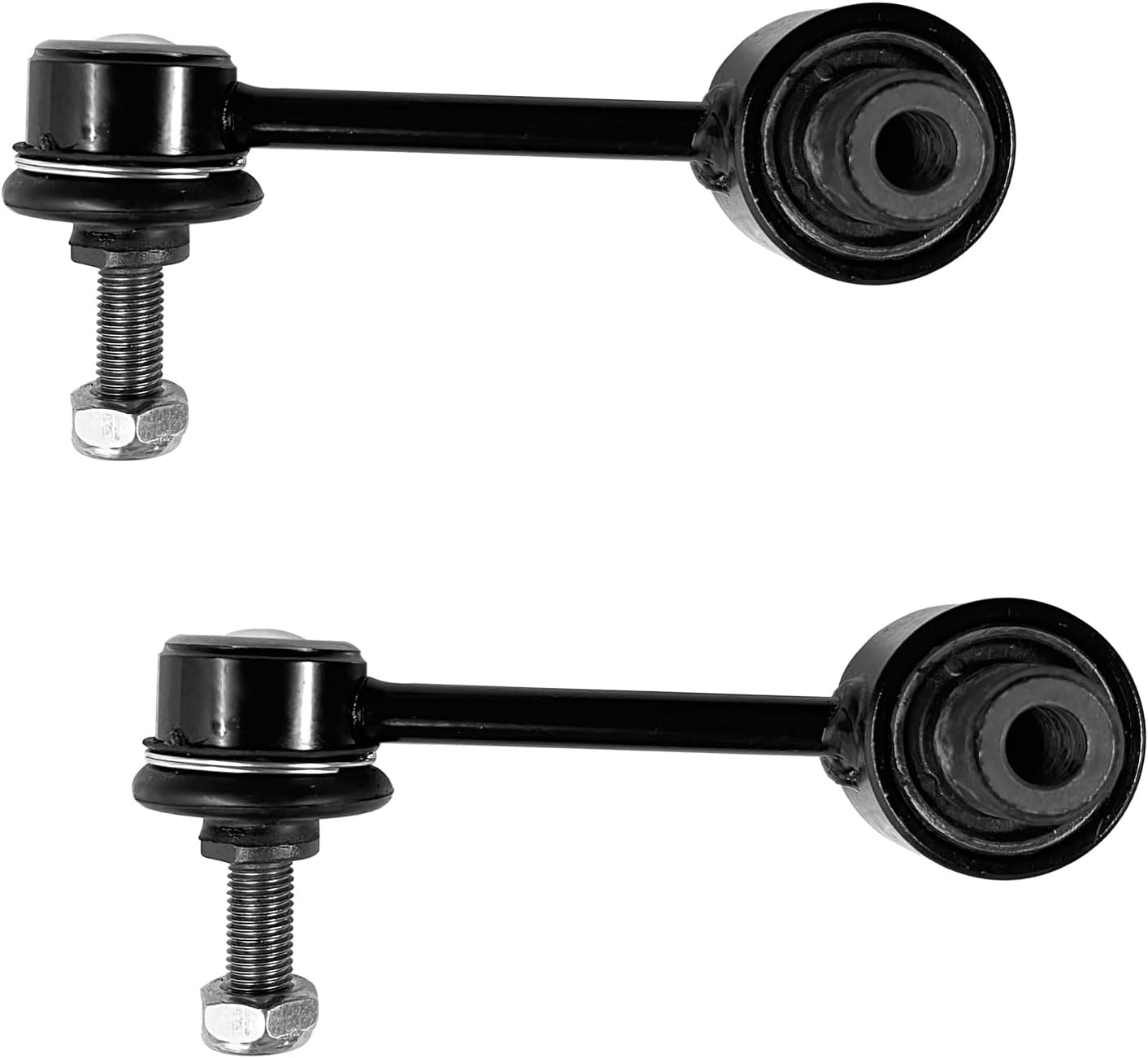
The KFVF K750404 rear sway bar link kit replaces the left and right rear stabilizer links to restore rear roll control and reduce sway during cornering. It is supplied as a pair and built to match factory interchange numbers for direct-fit installation on compatible Subaru models. Typical use is a DIY replacement when worn links cause clunks, uneven handling, or loose steering feel; the parts are sold with precision tolerances to simplify bolt-up and alignment. Notable features include factory-style mounting points and reinforced components intended for durability compared with cheap aftermarket rods. Practical benefits are improved handling feel and quieter rear suspension after installation plus straightforward fitment that avoids custom fabrication. Limitations are that the listing covers specific Subaru model years only, so verify fitment before buying, and the kit does not include hardware beyond the two links so additional fasteners or alignment checks may be needed in some installs.
Best for: Buyers who want a practical, no-frills replacement to restore rear handling and eliminate sway-related noise, and who prefer a direct-fit part they can install themselves or with basic shop help.
Less Ideal for: Drivers seeking heavy-duty performance or motorsport upgrades should look for performance-specific links designed for aggressive track use or modified suspensions.
- Supplied as a left and right pair for complete rear replacement.
- Designed to match factory interchange numbers for straightforward fitment.
- Precision tolerances aimed at easy installation and correct steering alignment.
- Reinforced construction intended to improve durability over worn original links.
- Kit only includes the two sway bar links and may not include additional mounting hardware required in some installations.
Verdict: If you need a straightforward, direct-fit rear sway bar link pair to restore handling on compatible Subaru Outback models, this KFVF kit delivers practical, easy-to-install replacement parts.
4. Fit4drive Zinc-Nickel Stabilizer Sway Bar Link Kit, 2-Pack

| Fits | Select Subaru Forester, Impreza, Legacy, Outback model years listed |
|---|---|
| Coating | Zinc-nickel alloy |
| Construction | Carbon steel with cold forging and heat treatment |
These sway bar links are a budget-friendly direct replacement kit built to restore rear suspension stability on compatible Subaru models. The links use a zinc-nickel alloy coating with reported salt spray resistance beyond 800 hours and hardened carbon steel ball studs, which helps resist corrosion and extends service life compared with plain steel parts. Installation is straightforward for a competent DIYer because the links include wrench flats and require holding the center with an Allen wrench while tightening. In use they eliminate common symptoms of worn links such as clunks over bumps, loose steering feel, and excess body roll, returning firmer handling and improved confidence in turns. The kit is not a performance upgrade; it focuses on restoring factory-level function rather than changing handling characteristics, and professional installation may be preferable if you lack suspension experience. For drivers wanting a durable, economical replacement that addresses noisy or loose rear suspension, this kit covers the basics well.
Best for: Budget-minded Subaru owners who need a reliable, corrosion-resistant replacement to stop clunks and restore ordinary handling without paying for premium performance parts.
Less Ideal for: Drivers seeking a performance-oriented upgrade with different sway characteristics or motorsport tuning should consider aftermarket performance links instead.
- Zinc-nickel alloy coating with over 800 hours salt spray resistance for strong corrosion protection
- Cold-forged carbon steel ball studs and heat treatment for improved fatigue strength
- Direct-fit design for the listed Subaru model years to simplify replacement
- Wrench flats and an Allen-hold feature that make DIY installation easier
- Designed to restore factory handling rather than improve performance or stiffness
Verdict: A cost-effective, corrosion-resistant OEM-style replacement that reliably restores rear suspension stability for the specified Subaru models.
5. Detroit Axle Rear Stabilizer Sway Bar End Links (2-pack)

| Position | Rear |
|---|---|
| Item model number | K750023 |
| Kit includes | 2x Rear Stabilizer / Sway Bar End Links |
| Manufacturer | Detroit Axle |
This Detroit Axle kit contains two rear stabilizer/sway bar end links intended as direct-fit replacements for 2000–2009 Subaru Legacy and Outback (also fits listed compatible vehicles). The links are made from a premium alloy and use a high-strength structure to resist wear and repeated impact, which helps restore rear roll control and reduces clunking from worn originals. Installation is straightforward for a backyard mechanic with basic tools because the parts are built to factory-quality fit and mounting points. In practice the kit improves steady cornering feel and reduces body roll compared with worn or collapsed links, and the corrosion-resistant finish should hold up in wet climates. Limitations: these are suspension links only and will not address worn bushings, sway bars, or other suspension problems, and exact fit depends on matching the vehicle years and configurations listed. Buyers wanting upgraded performance bushings or heavy-duty motorsport links should consider purpose-built alternatives.
Best for: Buyers who want a reliable, factory-quality replacement to stop rear sway-bar noise and restore normal handling on the specified Subaru Outback/Legacy years and prefer parts backed by broad user acceptance.
Less Ideal for: Drivers seeking performance-tuned or heavy-duty competition links or anyone who needs a full suspension refresh rather than just end links.
- Direct-fit replacement designed for listed Subaru Legacy/Outback years for easier installation
- Premium alloy construction and reinforced structure for improved durability under repeated loads
- Corrosion-resistant exterior finish suited for wet or salted-road climates
- Only replaces the end links so worn sway bar bushings or other suspension components may still need service
Verdict: A straightforward, factory-quality rear sway bar end link kit that reliably restores rear stability on the specified Subaru Outback and Legacy years.
6. X4XZ Zinc-Nickel Sway Bar Links (set of 2) for Subaru K750049
| Manufacturer | X4XZ |
|---|---|
| Manufacturer Part Number | K750049 |
| Compatible Models | Subaru Forester/Impreza/Legacy/Outback (listed years) |
| Item Weight | 1.1 pounds |
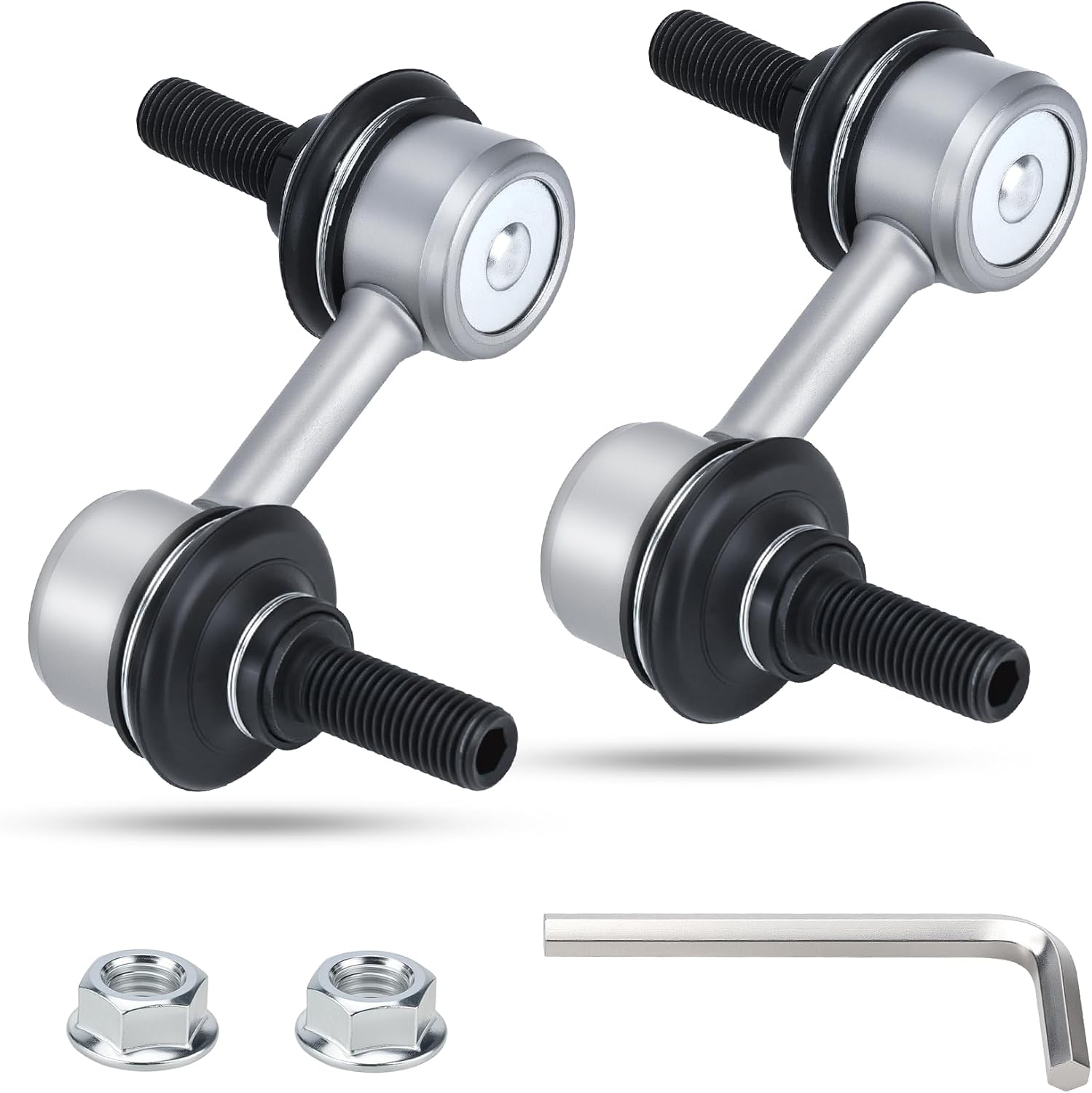
These X4XZ sway bar links are a direct replacement-style kit intended to restore rear antiroll performance and eliminate clunks from worn links. They install like factory parts and include wrench flats and an internal hex provision to hold the stud while tightening, which makes roadside or DIY swaps straightforward. The zinc-nickel coating and neoprene boots are engineered for corrosion resistance and longer life in salted or wet conditions, and the manufacturer highlights cold forging and added heat treatment on the ball stud for improved fatigue strength. In typical use they firm up body control through turns and reduce noise over bumps, bringing steering feel back toward factory behavior. Limitations to consider are that fitment is limited to specific Subaru model years and part numbers listed, and they are a basic replacement kit rather than a performance-tuned upgrade for more aggressive handling. For a conservative buyer seeking a reliable, corrosion-resistant factory-style replacement, these links deliver practical durability and straightforward installation.
Best for: Buyers who prioritize a reliable, factory-style replacement to stop rear suspension noise and restore original handling on covered Subaru Outback models and want corrosion-resistant hardware for long service life.
Less Ideal for: Drivers seeking upgraded sway links for track use or significantly stiffer handling should consider performance-oriented alternatives.
- Zinc-nickel coating offers high corrosion resistance with over 1000 hours salt spray performance claimed
- Neoprene boots resist oxidation and abrasion compared with basic rubber boots
- Cold forged ball stud with heat treatment for improved fatigue strength and durability
- Wrench flats and internal hex feature simplify installation and removal
- Fitment is restricted to specific Subaru years and part numbers so verification is required
- Not designed as a performance or uprated handling link for aggressive driving
Verdict: A corrosion-resistant, factory-style rear sway bar link kit that reliably restores quiet, predictable handling for the cautious Subaru owner.
Choosing the Right Subaru Outback Rear Sway Bar Link: Key Factors to Consider
Fitment and Compatibility
Correct fitment is essential because sway bar links position the antiroll bar relative to the suspension. A link that is even slightly off in length or mounting angle can alter roll characteristics or place unexpected stress on ball joints and bushings. Verify the link is specified for the Subaru Outback year and rear location so mounting holes, stud lengths, and ball-stud orientations match factory points.
Compatibility also covers whether the link mates to an original-style bushing or uses a ball-joint end. Matching the factory mounting hardware threads and stud diameters reduces the risk of cross-threading or failure. If your Outback has a lifted or lowered suspension, pay special attention to adjustable links that accommodate altered geometry while keeping sway bar preload within safe limits.
Material and Corrosion Resistance
Materials determine how long a sway bar link lasts and how well it resists corrosion in wet climates or on salted roads. Steel links with quality plating or stainless-steel components resist rust better than untreated steel, which is important for preserving fastener torque and preventing seizure during future service. Brass or polymer bushings resist water intrusion but can wear faster under heavy load.
If you frequently drive on gravel, through snow, or along coastal routes, choose links with robust coatings and replaceable hardware to extend service life. Corrosion protection also impacts maintenance: heavily corroded links are harder to remove and may require cutting or heat, increasing repair cost and complexity.
Bushing Type and Noise Control
The bushing or joint type affects ride feel and noise. Rubber or polyurethane bushings provide different tradeoffs: rubber typically isolates vibration and reduces noise, while polyurethane offers firmer connection and improved response but can transmit more NVH. Ball-joint style link ends provide articulation and longer service in some applications but can introduce a clunk if worn or improperly greased.
Consider whether you prioritize a quiet, compliant ride or crisp handling feedback. For a daily-driven Outback that encounters rough roads, bushings that damp vibration will be preferable. For performance-oriented driving where roll control is key, a stiffer bushing or ball-joint design may be appropriate, provided you accept the potential for increased noise.
Strength and Load Capacity
Rear sway bar links must withstand lateral loads during cornering and vertical impacts from road irregularities. Links built from heavier gauge steel or with reinforced end fittings resist bending and breakage better than thin stamped components. If you tow, carry heavy loads, or drive on rough terrain, choose links with higher mechanical strength to reduce the chance of failure.
Inspect design features such as thicker shafts, larger-diameter studs, and secure end fastenings. Strength also relates to fatigue life: welded or swaged joints that are properly executed typically last longer than cheaply crimped or poorly welded assemblies.
Installation and Hardware
Ease of installation affects both cost and downtime. Links that include new nuts, washers, and clear torque specs simplify replacement. Some rear sway bar links are a direct bolt-on using factory fasteners, while others include replacement studs or pressed-in joints that require pressing tools. Check whether special tools are necessary and whether the kit includes replacement hardware.
Clear torque specifications and service notes reduce the chance of under- or over-tightening, which can lead to premature wear or stripping. For DIY jobs, choose links that allow installation from beneath the vehicle with common hand tools and that do not require removal of major suspension components.
Serviceability and Long-Term Maintenance
Consider whether the link design allows for future servicing instead of full replacement. Replaceable bushings, grease fittings, and reversible hardware extend service life and lower lifecycle cost. Some links use sealed joints that are maintenance-free but require full replacement when worn; others allow greasing and periodic inspection.
Access to replacement parts matters as well. If the link uses common-size bushings or studs, you can service the component without sourcing a full link assembly. Also think about warranty coverage and documented maintenance intervals to anticipate when replacement may be needed based on your driving patterns.
Symptoms of a Worn Rear Sway Bar Link
Recognizing symptoms early helps avoid secondary suspension damage. Common signs on the Outback include a distinct clunk or metallic knock from the rear when driving over bumps, increased body roll during cornering, and uneven tire wear caused by altered roll dynamics. You may also notice a loose or sloppy feeling in the rear when transitioning quickly between lanes.
Listen for noise when reversing over driveways or speed bumps; worn links often make themselves known under those load conditions. Inspect visually for broken bushings, rusted or bent link rods, and loose nuts at the mounting points. Addressing these signs promptly prevents accelerated wear on the sway bar bushings and related suspension parts.
- Distinct clunking noise over bumps
- Noticeable increase in body roll during turns
- Loose steering feel during quick lane changes
- Visible corrosion, bent rods, or degraded bushings
Adjustable Links Vs Fixed-Length Replacements
Adjustable rear links provide the ability to tweak endlink length to compensate for ride-height changes from lift kits or lowered springs. On an Outback with modified suspension, adjustable links help retain proper antiroll bar geometry and reduce binding at extremes of travel. However, adjustable units add complexity and require careful measurement during installation.
Fixed-length replacements are simpler and typically meant to restore factory geometry. They are often the quickest option for stock-height Outbacks and reduce the chance of incorrect adjustment. Choose adjustable links only if your vehicle setup needs the extra range of motion.
- Adjustable links useful for modified ride height
- Fixed links simpler and usually faster to install
- Adjustables require care to set identical lengths left and right
Torque Specs and Installation Tips
Following proper torque specs is critical to prevent premature wear and to maintain correct articulation. Tighten mounting nuts and bolts to the manufacturer-recommended values when specified, and recheck torque after the first few hundred miles to account for settling. If a kit does not include torque guidance, consult the Outback service manual for rear sway bar link mounting values.
Use anti-seize on threads in corrosive environments and apply thread locker only where recommended. For DIY replacements, support the sway bar as you remove the old link to prevent undue stress on bushings. When greasing fittings are present, lubricate to the recommended interval to extend joint life.
- Torque nuts to factory values and recheck after initial miles
- Support sway bar during removal to protect bushings
- Use anti-seize on threads in salted environments
When to Replace Both Sides
Replacing both rear sway bar links at once is often sensible because links on opposite sides typically wear at similar rates. Installing one new link opposite an aged, worn link can produce asymmetrical handling characteristics and inconsistent wear patterns. Doing both saves labor time if you are already under the car and ensures balanced roll control.
If one side shows advanced corrosion, bent hardware, or significant bushing deterioration, plan to replace the other side even if it appears marginal. This approach reduces the chance of repeated trips to address the same issue soon after a single-side repair.
- Replace both sides to maintain balanced handling
- Check for matching wear patterns before installing only one link
- Replacing both reduces total labor in the long run
DIY Replacement Checklist
A DIY swap of rear sway bar links on the Outback is achievable with basic tools. Prepare floor jack and stands, socket set with breaker bar, torque wrench, penetrating oil, and a pry tool to support the sway bar. Having new hardware and anti-seize on hand will make reassembly easier. Plan for around one to two hours for both sides with standard safety precautions.
Before starting, confirm the replacement links match the Outback rear fitment and note any torque specs. After installation, perform a short test drive at low speeds to verify noise elimination and check fastener torque again. If you are not comfortable lifting the vehicle or working near suspension components, seek professional assistance.
- Essential tools: jack stands, torque wrench, sockets, penetrating oil
- Allow 1 to 2 hours for both rear links
- Test drive and re-torque after initial miles
Still looking for the perfect fit?
Select your Subaru Outback configuration to see the most relevant Sway Bar Links recommendations
How We Chose the Best Subaru Outback Rear Sway Bar Link
We evaluated candidate rear sway bar links for the Subaru Outback using criteria that matter to owners who need reliable handling and quiet operation. Our primary filters were fitment accuracy, material and bushing design, and mounting hardware completeness. Fitment accuracy ensures the link installs without modification and maintains proper suspension geometry. Material and bushing design determine long-term durability and whether the link transmits NVH into the cabin. Hardware completeness and included fasteners affect installation time and whether additional parts are needed.We also prioritized corrosion resistance for regions that see road salt, and mechanical strength for owners who tow or drive on rough roads. Ease of installation and compatibility with factory torque procedures were considered so DIYers can complete the job with common tools. We excluded items that required suspension modification, did not provide clear fitment for the Outback, or lacked manufacturer torque guidance. The final selection balances longevity, quiet operation, and straightforward installation for typical Outback ownership scenarios.
Our full evaluation process is outlined in our review methodology.
FAQ
How do I tell if my rear sway bar link is bad on a Subaru Outback?
Common indicators include a clunking noise from the rear over bumps, increased body roll in corners, or visible play when you wiggle the link by hand. Inspect for cracked or missing bushings, bent rods, or loose fasteners. If you observe these signs, consider replacement to avoid further suspension wear.
Can I replace a rear sway bar link myself on the Outback?
Yes, many owners can perform the job with a jack, stands, basic sockets, and a torque wrench. Follow the vehicle torque specifications and support the sway bar while removing the old link. If the fasteners are heavily corroded or you are unsure about safety, professional service is advised.
Should I replace both rear sway bar links at the same time?
Replacing both sides at once is recommended because they typically wear at similar rates and maintain balanced handling. Doing both reduces the chance of asymmetric behavior and often saves labor if you have access to the vehicle only briefly.
Do adjustable rear links improve handling on a stock Outback?
Adjustable links are most useful when ride height has been altered. On a stock Outback, adjustable links rarely provide handling gains and can introduce setup errors. For stock vehicles, direct-fit fixed-length links usually restore factory handling more reliably.
What causes a rear sway bar link to make a clunking noise?
Clunking often results from worn or torn bushings, loosened fasteners, or degraded joints that allow movement under load. Corrosion can also seize components and lead to failure. Regular inspection and timely replacement prevent noise and secondary damage.
Are greasable rear sway bar links better than sealed ones?
Greasable links let you replenish lubrication, which can extend joint life in harsh conditions. Sealed units are maintenance-free but require full replacement when they fail. The better choice depends on your willingness to service the parts and the local environment.
Final Verdict
When choosing rear sway bar links for a Subaru Outback, prioritize correct fitment and durable materials to restore handling and prevent noise. Consider bushing type and serviceability based on whether you favor a quiet daily ride or firmer response. For vehicles with modified ride height, adjustable links help maintain geometry, but for stock Outbacks direct-fit replacements usually offer the most predictable results.Balance strength, corrosion resistance, and installation ease when deciding. Replacing both sides together and following torque guidance ensures consistent performance and reduces the likelihood of repeat visits to the garage.
Explore More:
- Check out all Subaru Outback parts & accessories
- Explore Sway Bar Links Maintenance & Repair Guides
- Explore Suspension & Steering
- Browse all Auto Parts
