

Note: This article contains affiliate links. If you click on these links and make a purchase, I may earn a small commission at no extra cost to you. This helps support my research and content. Read my full affiliate disclosure here.
If your Honda Civic Si is running rough, showing reduced fuel economy, or has triggered the check engine light, a failing oxygen sensor is a common culprit. Choosing the right Honda Civic Si oxygen sensor matters because the sensor directly affects air-fuel ratio feedback, emissions performance, and how the engine control unit trims fuel under load.This guide shortlists the top options for the Civic Si and explains the practical differences that matter to owners. We evaluated sensor fitment, response time, and durability so you can pick a replacement that restores performance and keeps emissions in check. Read on for the factors that should guide your choice and the tests to confirm a bad sensor before installation.
Looking for other parts? See all Honda Civic parts & accessories.
Top Picks at a Glance
| Best Overall The best all-around choice for most situations | BLPextrm Downstream Oxygen O2 Sensor for Acura CSX and Honda Civic/ Fit (Replacement 36532-RME-A01) |  |
| Best Quality Built to a higher standard if you want something more solid | AUTOREBO Upstream Oxygen Sensor 234-9076 (Compatible with Honda Civic Si/Acura CSX) |  |
| Best Value The sweet spot between price and what you get | Likala Oxygen Sensor Kit — Upstream and Downstream for Honda Civic Si / Acura CSX (2006–2011) |  |
| Best Budget The cheapest option that still gets the job done reliably | BLPextrm Upstream Oxygen Sensor for Honda Civic Si 2006–2011 |  |
| Highest Rated A top-rated pick with lots of positive feedback | BLPextrm Oxygen O2 Sensor Kit (Upstream and Downstream) for Honda Civic Si 2006–2011 / Acura CSX 2006–2011 |  |
| Most Popular A crowd favorite that many people choose with confidence | YHTAUTO Downstream Oxygen Sensor Replacement (fits select Honda Civic, Fit, Acura CSX) |  |
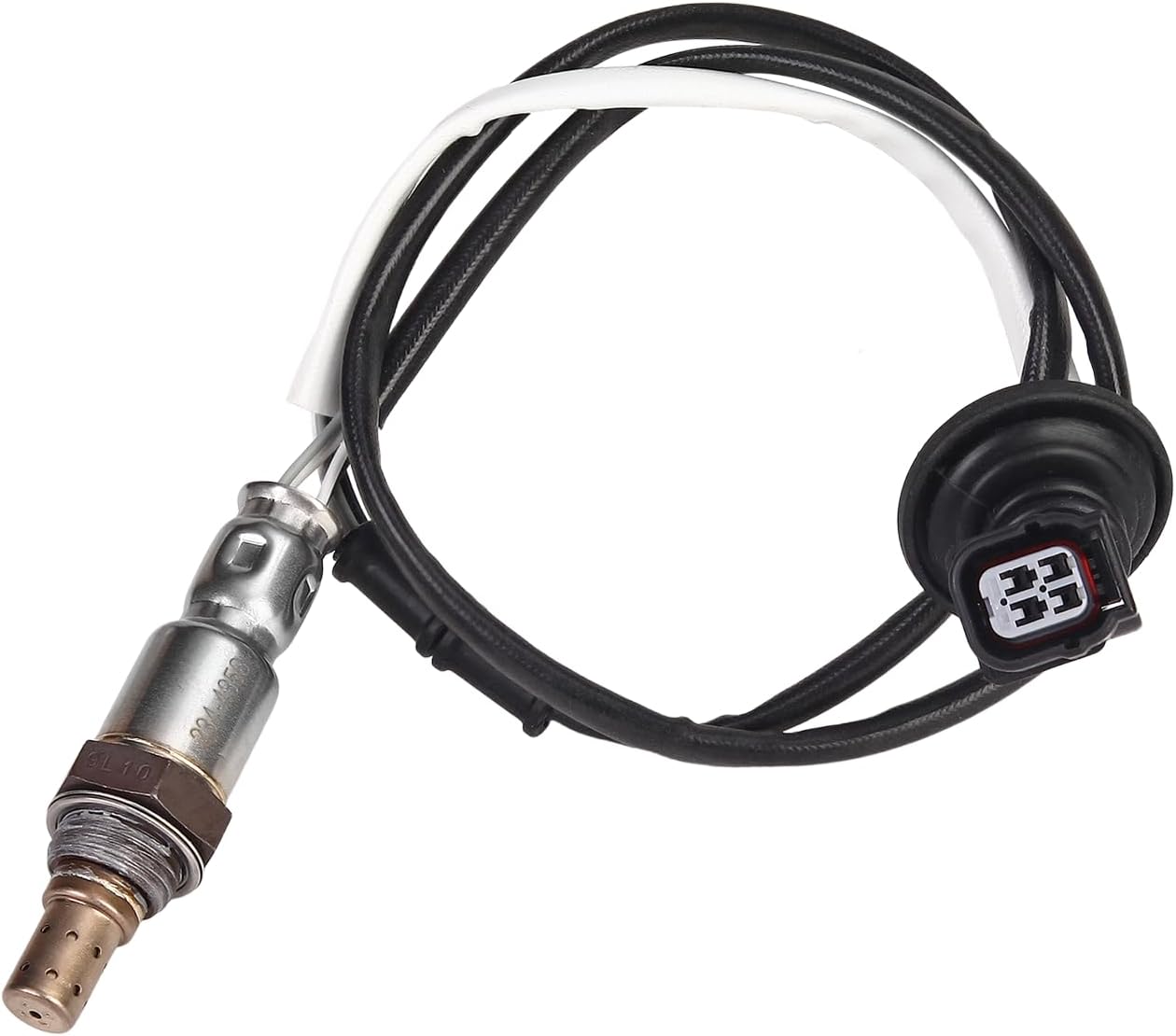
1. BLPextrm Downstream Oxygen O2 Sensor for Acura CSX and Honda Civic/ Fit (Replacement 36532-RME-A01)
| Brand | BLPextrm |
|---|---|
| Manufacturer Part Number | fbb003152 |
| Compatible Part Numbers | 36532RMEA01, 36532-RME-A01, 234-4358 |
| Date First Available | June 13, 2025 |
This BLPextrm downstream O2 sensor is a direct-replacement style sensor designed to fit specified Acura CSX and Honda Civic/ Fit 1.5L and 2.0L engines from 2006 through 2011. It uses an integrated heater and multilayer ceramic construction that the listing says tolerates high temperatures and delivers fast response for quicker closed-loop operation after cold starts. In practice this type of sensor is installed in the exhaust downstream of the catalytic converter so it monitors converter efficiency and helps clear check-engine codes related to O2 sensor readings. The product description highlights low power draw and short activation time which translates to faster stabilization of fuel trim after installation. Practical benefits include returning accurate feedback to the engine computer, potentially fixing rough idle or poor acceleration caused by a failing downstream sensor. Limitations are that compatibility is specific to the listed models and part numbers so buyers must confirm fit before ordering and professional installation is recommended if you are not comfortable working under the car.
Best for: Buyers who want an affordable, direct-replacement downstream sensor to restore proper exhaust monitoring on specified Acura CSX and Honda Civic/ Fit models and prioritize reliable, factory-style operation.
Less Ideal for: People needing a universal or performance air-fuel tuning sensor or owners of vehicles outside the listed models and years should look for a different part.
- Integrated heater and multilayer ceramic design for faster warm-up and response
- Built to tolerate high exhaust temperatures for durability
- Listed as direct replacement for specific OEM part numbers to simplify fitment checks
- Low power consumption reduces load on the vehicle electrical system
- Compatibility is limited to specific model years and engines so fit must be verified
- Installation may require a professional for access and proper torque on the sensor
Verdict: A cost-effective direct-replacement downstream O2 sensor built to restore correct exhaust monitoring on the specified Acura and Honda 2006–2011 models.
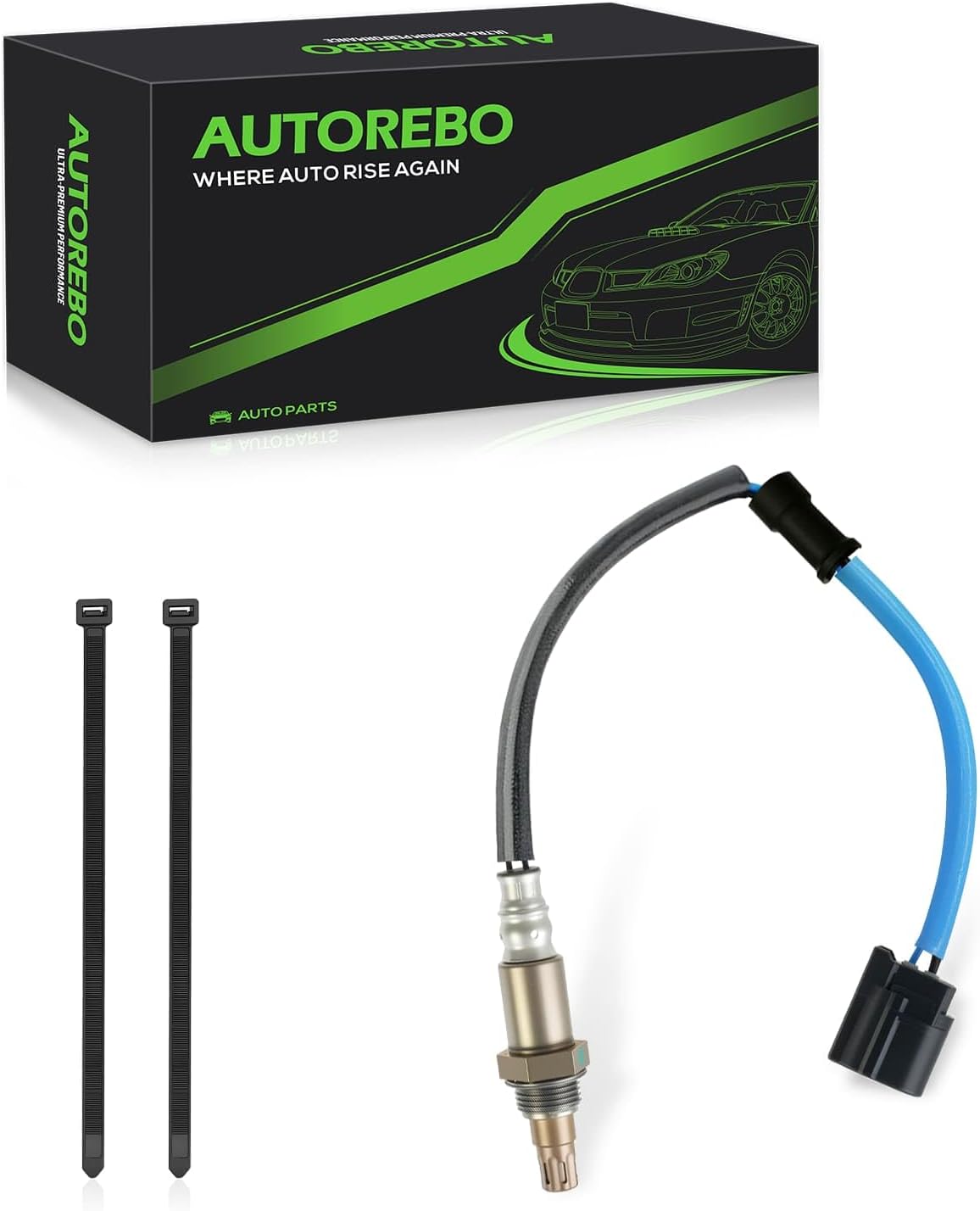
2. AUTOREBO Upstream Oxygen Sensor 234-9076 (Compatible with Honda Civic Si/Acura CSX)
| Manufacturer Part Number | REBO-OS-234-9076 |
|---|---|
| Compatible Part Numbers | 234-9076, 36531RRA013, 36531RRA003, 24775 |
| Position | Upstream |
| Brand | AUTOREBO |
This AUTOREBO upstream oxygen sensor replaces the factory unit on compatible 2.0L Honda Civic Si and Acura CSX models to help the engine control module get accurate exhaust oxygen readings. It is used as a direct replacement during routine diagnostics, check-engine light repairs, or when a failing sensor causes poor fuel economy or failed emissions tests. The sensor is machined with precision casting intended to match factory form and function and lists multiple compatible part numbers so installers can confirm fitment. In real-world use it should reestablish steady closed-loop fueling and fix rough idling or rich/lean codes when the old sensor has degraded. Expect a simple swap-in installation with the factory connector and stock mounting thread. Limitations are that compatibility is vehicle-specific so buyers must verify year and part number before ordering, and long-term durability depends on driving conditions and exhaust contamination like any replacement sensor.
Best for: Buyers who want a performance-minded, factory-style replacement that restores proper fuel control and emissions function on 2.0L Civic Si or CSX engines and prioritize accurate sensor response over cosmetic upgrades.
Less Ideal for: If you need a universal sensor for multiple vehicle types or are looking for a high-end motorsport sensor with faster response and tunable outputs, choose a performance-specific aftermarket model instead.
- Direct-fit upstream unit matched to common OEM part numbers for straightforward replacement
- Machined housing and precision casting aimed to replicate factory fit and sensor response
- Restores accurate oxygen readings to improve fuel trimming and emissions compliance
- Simple installation with factory-style connector and standard thread
- Compatibility limited to the listed Honda Civic Si and Acura CSX 2.0L applications so cross-vehicle fit is not guaranteed
Verdict: Choose this AUTOREBO upstream sensor when you need a direct-fit, factory-quality replacement to restore correct air-fuel control and pass emissions checks on 2.0L Civic Si and CSX models.
3. Likala Oxygen Sensor Kit — Upstream and Downstream for Honda Civic Si / Acura CSX (2006–2011)

| Fitment | Honda Civic Si 2006-2011; Acura CSX 2006-2011 |
|---|---|
| Package contents | 1 upstream sensor + 1 downstream sensor |
| OEM part numbers | 15017, 15027, 234-4358, 234-9076 and others |
| Brand | Likala |
This Likala kit supplies both the upstream and downstream oxygen sensors needed when replacing worn sensors on a 2.0L Honda Civic Si or Acura CSX. The sensors are built to tolerate high exhaust temperatures and come with pre-coated threads to simplify installation and reduce the chance of thread damage. In normal service they restore closed-loop fuel control by returning timely voltage signals to the engine computer, which helps recover fuel economy and smooth idle compared with a failing or slow sensor. The listing includes the common OEM reference numbers so you can match fitment and the package contains one of each sensor for bank monitoring front and rear. Expect straightforward bolt-in replacement for the specified model years, but note this is an aftermarket part so finish and long-term durability can vary versus factory parts and professional installation is recommended if you lack experience with exhaust-side components.
Best for: Buyers who want a practical, complete replacement to restore fuel trim and engine response on a 2006–2011 Honda Civic Si or 2006–2011 Acura CSX without sourcing individual sensors.
Less Ideal for: Drivers seeking a direct factory-quality sensor or extended OEM-backed warranty should look at factory replacement options or dealer parts.
- Includes both upstream and downstream sensors so you can replace the full set at once
- Pre-coated threads for easier installation and reduced risk of seizing
- Designed for high-temperature exhaust environments for reliable sensing
- Lists multiple OEM reference numbers to help confirm fitment
- Aftermarket part so long-term durability may differ from factory-quality sensors
Verdict: A convenient two-sensor replacement kit tailored to 2006–2011 Civic Si and 2006–2011 CSX owners who want a practical fix to restore fuel control and engine performance.
4. BLPextrm Upstream Oxygen Sensor for Honda Civic Si 2006–2011

| Application | Upstream for Honda Civic Si 2006–2011 2.0L |
|---|---|
| Manufacturer | BLPextrm |
| Manufacturer Part Number | fbb003136 |
This upstream oxygen sensor from BLPextrm is a budget-friendly factory-replacement style part for Honda Civic Si 2.0L models from 2006 through 2011. It measures exhaust oxygen and provides the engine control unit with the data needed to tune air-fuel mixture, which helps resolve rough idle, stalling, and poor acceleration. The sensor arrives with anti-seize pre-applied and a protective cap, making installation straightforward for DIYers and independent shops; several users report quick installs and restored engine smoothness. The manufacturer says the sensing element is rated up to 650 C for faster response and improved longevity compared with generic units. Practical benefits include OEM-style fitment, faster feedback to the ECU, and a lower-cost alternative to dealer parts. Limitations are typical of aftermarket sensors: long-term durability can vary compared with higher-tier brands and buyers should confirm part number compatibility before ordering to avoid returns.
Best for: Buyers looking to restore proper engine performance on a Civic Si without paying dealer prices, especially DIYers or independent shops seeking an affordable, easy-to-install upstream sensor.
Less Ideal for: Owners who prioritize longest-possible service life or who prefer name-brand performance parts may want to choose a premium sensor from a recognized tier-one supplier.
- Direct-fit design for 2006–2011 Honda Civic Si upstream location
- Pre-applied anti-seize and protective cap simplify installation
- Sensing element rated to 650 C for faster response
- Lower-cost alternative to OEM replacement sensors
- Aftermarket durability may not match premium brand sensors
Verdict: A cost-conscious, direct-fit upstream sensor that restores proper air-fuel control and is simple for DIY installation on 2006–2011 Civic Si models.
5. BLPextrm Oxygen O2 Sensor Kit (Upstream and Downstream) for Honda Civic Si 2006–2011 / Acura CSX 2006–2011

| Compatible vehicles | Honda Civic Si and Acura CSX 2006–2011 2.0L |
|---|---|
| Includes | Upstream and downstream sensors |
| Max operating temperature | 650 C |
| Manufacturer | BLPextrm |
This BLPextrm kit includes both upstream and downstream oxygen sensors intended to replace factory units on 2006–2011 Honda Civic Si and Acura CSX 2.0L engines. The sensors are engineered to withstand high exhaust temperatures up to 650 C and promise faster response times and longer life than a worn sensor, which helps correct rough idle, stalling, and poor acceleration symptoms. Installation is typical for O2 sensor swaps: unplug the old sensor, remove with a sensor socket, and thread in the new unit; having the correct replacement part numbers helps confirm fit. Practical benefits are improved fuel trim control and more stable highway cruising after replacement. Limitations are that this is a direct-fit aftermarket part so fit and long-term durability can vary versus factory-made parts, and buyers should verify part numbers and exact model fitment before purchasing.
Best for: Buyers who prioritize restoring reliable engine performance and stable fuel control on a 2006–2011 Civic Si or Acura CSX and want a complete pair to replace worn sensors in one service visit.
Less Ideal for: Drivers seeking an exact factory-manufacturer part or extended OEM-backed warranty should consider factory-sourced replacements instead.
- Includes both upstream and downstream sensors for a full replacement set
- Designed for high-temperature operation up to 650 degrees Celsius
- Targets common driveability issues such as unstable idle and poor acceleration
- Fits specified 2006–2011 Honda Civic Si and Acura CSX 2.0L applications based on listed part numbers
- Aftermarket unit may not match factory sensor longevity or exact factory calibration
Verdict: Buy this kit if you need a complete upstream and downstream replacement to quickly restore stable engine performance on a 2006–2011 Civic Si or Acura CSX.
6. YHTAUTO Downstream Oxygen Sensor Replacement (fits select Honda Civic, Fit, Acura CSX)

| Mounting Type | Flange Mount |
|---|---|
| Output Type | electrical signal |
| Measurement Accuracy | ±1% |
| Upper Temperature Rating | 120 Degrees Celsius |
This YHTAUTO downstream oxygen sensor is a direct-replacement style part intended to restore proper exhaust oxygen sensing for compatible Honda Civic, Fit, and Acura CSX engines. It connects into the factory wiring harness as a downstream sensor to report exhaust composition for emissions control and fuel-trim verification. Notable features listed by the maker include flange mounting, an electrical signal output, ±1% measurement accuracy, and a 120 C upper temperature rating. In practical use it can clear check-engine codes related to a failed downstream sensor and re-establish correct feedback for the engine control system, which several owners reported after installation. Limitations observed in reviews include occasional fitment mismatch and variable longevity compared with factory-quality sensors, so confirm connector type and engine variant before ordering and be prepared for the possibility of earlier replacement than an OEM part. The product carries a one-year parts guarantee that covers the cost of the item only.
Best for: Buyers who prioritize restoring emissions sensor function affordably and rely on prior user reports to validate fitment and performance for Civic Si-related engines.
Less Ideal for: Drivers seeking long-term, factory-equivalent durability or who cannot verify connector and engine compatibility should consider higher-end or dealer-sourced replacements.
- Direct-replacement downstream sensor designed for specified Honda and Acura engine codes
- Flange-mount design and factory-style electrical output for plug-and-play installation when it fits
- Manufacturer-stated ±1% measurement accuracy for consistent signal reporting
- One-year parts guarantee covering the item cost
- Some buyers reported fitment mismatches despite the listed vehicle fitment information
- Several reports of shorter lifespan compared with factory sensors, with failures after a few thousand miles
Verdict: A budget-friendly downstream replacement that can fix check-engine issues for the listed Honda/Acura engines when you verify fitment in advance.
Choosing the Right Honda Civic Si Oxygen Sensor: Key Factors to Consider
Connector and Thread Fitment
Correct physical fitment is essential because the Civic Si uses specific thread sizes and an OEM-style connector. A sensor that does not seat properly can cause exhaust leaks, poor sensor readings, and false fault codes. Ensure the replacement matches the original thread pitch and length so the sensor sits at the same depth in the exhaust stream.
Connector compatibility prevents wiring splices or adapter hacks that can introduce resistance or intermittent connections. Using a sensor with the same plug type preserves proper heater circuit operation and ensures the ECU reads accurate voltages without modification.
Heater Circuit and Warm-Up Speed
A working heater reduces the time the sensor spends cold, allowing the ECU to enter closed-loop operation sooner. Faster warm-up improves fuel trim control during cold start, reducing emissions and improving drivability in the first few minutes after ignition.
Check that the replacement lists heater resistance or explicitly states it includes a heater element. Sensors without a proper heater or with mismatched heater specs can trigger codes like heater circuit faults and lead to prolonged open-loop operation.
Response Time and Voltage Stability
Oxygen sensors communicate air-fuel information through rapid voltage swings. A sensor with fast response time tracks changes in exhaust oxygen more accurately, enabling the ECU to correct fueling quickly during throttle changes or load transitions. Slow or noisy sensors can cause hunting fuel trims, hesitation, or poor throttle feel.
Voltage stability across operating temperatures also matters. Sensors that drift or produce erratic signals at normal operating temperatures can set emissions-related codes and degrade long-term drivability.
Durability and Corrosion Resistance
Sensors live in a harsh environment of heat, vibration, and corrosive exhaust gases. Materials and protective coatings that resist corrosion and thermal cycling extend service life and reduce the chance of premature failure on a Civic Si.
Consider sensors with robust protective sheaths and quality sealing at the threads and connector to keep moisture and road salt out. Longer-lasting sensors reduce the frequency of replacements and the risk of repeat failures that can affect emissions and engine performance.
Compatibility With Diagnostics and Codes
A replacement should respond predictably to diagnostic procedures and not mask or confuse trouble codes. The sensor must provide expected voltage ranges and heater resistance so that common OBD-II checks produce reliable results.
Matching the original sensor behavior makes it easier to diagnose related issues such as bank 1 sensor 1 faults or oxygen sensor code P0135. Proper compatibility helps technicians and DIYers interpret data without needing compensating adjustments.
Installation Ease and Documentation
Practical installation considerations can save time and prevent mistakes. A sensor that arrives with clear wiring diagrams, torque recommendations, and anti-seize guidance reduces the chance of thread damage or connector errors during install.
Look for sensors that specify orientation and include installation notes for front versus rear banks if applicable. Good documentation is especially valuable for DIY owners performing an oxygen sensor replacement on the Civic Si.
Common Symptoms of a Failing Oxygen Sensor
Several drivability and diagnostic symptoms point to a bad oxygen sensor on the Civic Si. Typical signs include a persistent check engine light, rough idle, reduced fuel economy, and hesitation under acceleration. These symptoms result because the sensor no longer provides accurate air-fuel feedback to the engine control unit.
Other indicators include a strong fuel smell from the exhaust, black sooty deposits on the tailpipe, and unstable RPM at idle. Some faults will set specific codes related to oxygen sensors or heater circuits, which helps narrow down whether the upstream or downstream sensor is at fault.
- Check engine light with lean or rich O2 sensor codes
- Poor fuel economy and black exhaust smoke
- Erratic idle or hesitation during throttle changes
- Heater circuit fault codes that affect cold-start behavior
How to Diagnose Which Sensor Is Bad
Start by reading the OBD-II codes to identify whether the fault is bank 1 sensor 1, bank 1 sensor 2, or a heater circuit issue. Codes such as those indicating heater faults or slow response help pinpoint the affected sensor. Visual inspection of wiring and connector corrosion is a simple first step.
For more confirmation, measure sensor voltage with a diagnostic scan tool or multimeter while the engine is at operating temperature. An upstream sensor should show rapid switching between low and high voltages during normal operation, while a downstream sensor typically shows a steadier value once the catalytic converter has conditioned the exhaust.
- Use code readers to identify bank and sensor number
- Inspect wiring and connectors for damage or corrosion
- Monitor live sensor voltage for switching behavior
- Check heater resistance if a P0135-style heater code appears
Basic Steps to Test an Oxygen Sensor
Testing involves confirming heater continuity, verifying voltage switching, and observing response under load. Begin with a cold engine and measure heater resistance against the specified range. Next, warm the engine and monitor voltage. A properly functioning upstream sensor will oscillate as the ECU adjusts fuel trim.
Load testing by briefly revving or driving the vehicle can demonstrate how the sensor reacts to changing exhaust conditions. If the sensor does not switch or shows stagnant voltage, it likely needs replacement. Follow safe procedures and consult repair manuals for exact test values specific to the Civic Si.
- Measure heater resistance cold to confirm heater circuit integrity
- Observe live voltage for rapid switching when warmed up
- Perform load tests to check response under throttle change
- Refer to vehicle-specific test values when interpreting results
Upstream Vs Downstream Sensors on the Civic Si
Upstream sensors are located before the catalytic converter and control real-time fuel delivery by switching rapidly with air-fuel changes. Downstream sensors sit after the converter and are used primarily to monitor converter efficiency. Understanding their roles helps determine which sensor to replace when diagnosing codes or symptoms.
Replacing a downstream sensor is often necessary when converter monitoring codes appear, while upstream sensor replacement is common for drivability complaints. Make sure to identify which side and bank the code references before buying a replacement.
- Upstream sensor: real-time fueling feedback and rapid voltage switching
- Downstream sensor: monitors catalytic converter performance
- Target the sensor indicated by the diagnostic trouble code
Installation Tips for Civic Si Owners
Before installation, let the exhaust cool and disconnect the battery to avoid shorts. Apply anti-seize to the sensor threads sparingly if the replacement does not include pre-applied compound, and torque the sensor to the manufacturer-specified value to avoid thread stripping or leaks. Do not over-tighten.
Route the wiring harness away from hot exhaust components and secure the connector to avoid strain. After installation, clear any stored codes and perform a short test drive to ensure the ECU reaches closed-loop operation and that no new codes return.
- Allow exhaust to cool before removing the old sensor
- Use correct anti-seize and torque to prevent leaks
- Secure wiring away from heat sources and avoid connector strain
- Clear codes and verify proper operation with a test drive
When to Seek Professional Help
If codes persist after replacing a sensor or if there are complex exhaust leaks, wiring issues, or catalytic converter concerns, professional diagnostics are advisable. A technician can perform in-depth tests such as oscilloscope traces, back-probing harnesses under load, and pressure checks for exhaust leaks that mimic sensor faults.
Professional help is also recommended if you are uncomfortable working under the vehicle or do not have the required tools. Proper diagnosis can prevent unnecessary sensor replacements and address underlying faults like wiring shorts or converter problems.
- Persistent codes after replacement
- Complex wiring or intermittent faults
- Signs of a failing catalytic converter
- Lack of proper diagnostic tools or safe workspace
Still looking for the perfect fit?
Select your Honda Civic configuration to see the most relevant Oxygen Sensors recommendations
How We Chose the Best Honda Civic Si Oxygen Sensor
We focused on criteria that matter specifically to Honda Civic Si owners replacing a faulty oxygen sensor. Fitment and connector match were primary filters because the Si requires exact OEM-style plugs and thread sizes to avoid exhaust leaks and wiring issues. Sensor response time and voltage stability were weighted heavily since slow or noisy sensors cause poor closed-loop fueling and drivability problems. Durability under thermal cycling and corrosion resistance were included to reflect the hot exhaust environment and to reduce repeat replacements. We also considered whether sensors included proper heater circuits and had correct heater resistance values for reliable cold-start operation. Finally, we prioritized sensors with clear fitment documentation and wiring diagrams to simplify installation.Excluded items included universal sensors without Honda-specific connectors, aftermarket units lacking heater circuits, and any sensors that did not list compatibility with the Civic Si configuration. The result is a focused set of options that balance correct electrical fit, fast response, and thermal durability for this vehicle.
Our full evaluation process is outlined in our review methodology.
FAQ
How long do oxygen sensors last on a Civic Si?
Oxygen sensor lifespan varies with driving conditions and environment. They often last many years under normal conditions, but exposure to contaminants, road salt, or repeated thermal stress can shorten service life. Monitoring performance and checking codes will reveal when replacement is needed.
Will a bad oxygen sensor trigger the check engine light?
Yes, faulty oxygen sensors commonly trigger the check engine light. Codes may reference specific sensors such as bank 1 sensor 1 or indicate heater circuit faults. Use OBD-II diagnostics to identify the exact code and affected sensor.
Can I install a replacement oxygen sensor myself?
Many owners can replace an oxygen sensor with basic tools and proper safety precautions. Ensure the replacement has correct thread and connector fitment and follow torque and anti-seize guidance. If you are unsure about wiring or have limited access to the sensor, consider professional installation.
How do I know if the upstream or downstream sensor is failing?
Diagnostic trouble codes usually identify which bank and sensor number is at fault. Observing live voltage helps: an upstream sensor should switch rapidly, while a downstream sensor generally shows steadier readings. Heater circuit codes can also point to a specific sensor.
Should I test the sensor before replacing it?
Testing is recommended to avoid unnecessary replacements. Check heater resistance, monitor live voltage behavior when warmed up, and perform a load test to confirm slow switching or no response. These checks clarify whether replacement is required.
Does replacing the oxygen sensor affect emissions tests?
Yes, a properly functioning oxygen sensor helps the ECU maintain correct air-fuel ratios, which in turn reduces emissions and improves catalyst efficiency. Replacing a failed sensor can resolve emission-related faults and improve test outcomes.
Final Verdict
When replacing an oxygen sensor on a Honda Civic Si, prioritize correct connector and thread fitment, a working heater circuit, and fast, stable sensor response. These attributes have the biggest impact on drivability, cold-start behavior, and emissions control. Balance durability and ease of installation to avoid repeat service.Focus on the sensor that matches the exact bank and position indicated by diagnostics, confirm heater operation, and follow proper installation practices. That approach will restore reliable fueling behavior and keep the Civic Si running smoothly.
Explore More:
- Check out all Honda Civic parts & accessories
- Explore Oxygen Sensors Maintenance & Repair Guides
- Explore Engine
- Browse all Auto Parts
