

Note: This article contains affiliate links. If you click on these links and make a purchase, I may earn a small commission at no extra cost to you. This helps support my research and content. Read my full affiliate disclosure here.
If your 2001-2005 Honda Civic is running rough, showing a check engine light, or burning more fuel than usual, a failing oxygen sensor is a common cause. Whether you own an ES, EM, or EP variant of the 2001-2005 Civic, choosing the right oxygen sensor matters for drivability, fuel economy, and emissions compliance. This guide shortlists the top seven replacement oxygen sensors that match the Civic's wiring and connector types and summarizes the attributes that affect real-world performance.You will find products chosen for accurate fitment, reliable response time, and durable construction, plus clear notes on installation and testing. Read on to compare the key traits that matter for your Civic and to prepare for a smooth oxygen sensor replacement or diagnostic check.
Looking for other parts? See all Honda Civic parts & accessories.
Top Picks at a Glance
| Best Overall The best all-around choice for most situations | Denso 234-4092 Oxygen Sensor |  |
| Best Quality Built to a higher standard if you want something more solid | Honda 36531-PLR-A01 Oxygen Sensor (genuine replacement) |  |
| Best Value The sweet spot between price and what you get | HiSport Oxygen O2 Sensor Kit (2-Pack) — Replacement for 234-4092 / 234-4123, fits 2001–2005 Honda Civic 1.7L D17A7 |  |
| Best Budget The cheapest option that still gets the job done reliably | HICKS 234-4092 Downstream Oxygen Sensor | 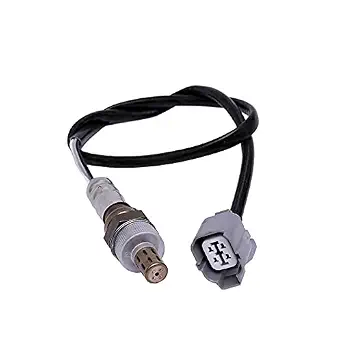 |
| Highest Rated A top-rated pick with lots of positive feedback | Denso 234-9005 Oxygen Sensor |  |
| Most Popular A crowd favorite that many people choose with confidence | DOSKJOK 234-4621 Heated Downstream Oxygen Sensor |  |
| Best Seller A high-volume bestseller chosen again and again | Maxfavor Oxygen Sensor Replacement for Honda Civic 2001–2005 (D17A7 Engine) |  |
1. Denso 234-4092 Oxygen Sensor

| Measurement Accuracy | ±2% |
|---|---|
| Mounting Type | Threaded |
| Output Type | Digital |
| Material Type | Zirconium |
The Denso 234-4092 is a threaded zirconium oxygen sensor intended to replace a vehicle's factory unit and report exhaust oxygen levels to the engine control system. It uses a digital output and claims ±2% measurement accuracy, which helps the ECU fine-tune air-fuel ratio for cleaner emissions and steady idling. Construction details such as a stainless steel housing, PTFE filter, aluminum oxide trap layer, and double protection layer indicate attention to durability and contamination resistance. Installation is straightforward for anyone familiar with upstream sensor replacement, and the single-count packaging contains the sensor only. Because it is a direct-style replacement made to factory-quality standards, it is best used where fit and reliable signal are priorities. The sensor does not include wiring harnesses or hardware beyond the sensor itself, so plan for basic tools and potential anti-seize or dielectric compound if needed. Buyers should also confirm vehicle fitment before ordering to ensure correct thread and connector compatibility.
Best for: Drivers seeking a reliable, factory-quality upstream oxygen sensor replacement that balances durability and accurate sensing for everyday driving and emissions compliance.
Less Ideal for: People who need a complete plug-and-play kit with vehicle-specific wiring or those looking for an aftermarket performance sensor with custom calibration features.
- Digital output with stated ±2% measurement accuracy for accurate air-fuel feedback
- Durable construction including stainless steel housing and protective layers to resist contamination
- Threaded design matches common factory-style mounting for direct replacement
- Manufactured to match factory-quality standards for reliable signal to the engine control unit
- Sold as the sensor only without harnesses or additional installation hardware
Verdict: A durable, factory-quality threaded oxygen sensor that delivers accurate digital readings for drivers who want a dependable direct replacement.
2. Honda 36531-PLR-A01 Oxygen Sensor (genuine replacement)

| Mounting Type | Flange Mount |
|---|---|
| Output Type | Push-Pull |
| Specific Uses For Product | Oxygen Sensor |
| Model | 36531-PLR-A01 |
This genuine Honda oxygen sensor is a direct-fit replacement intended for 2001–2003 Civic 4-door applications and functions as the vehicle's upstream oxygen sensor. In use it replaces a worn sensor to restore accurate air-fuel feedback to the engine control unit, helping correct fuel trims and turn off check engine lights tied to sensor faults. The sensor is flange-mounted with a push-pull output and is supplied as a single OEM part number, so installation is straightforward for a mechanically inclined DIYer or a technician using basic hand tools. Because it is a factory part, it matches factory wiring and fitment which minimizes troubleshooting and ensures compatibility with the Civic's emissions controls. The main limitation is that this listing covers a specific Honda part number and model fitment rather than a universal high-performance sensor, so it will not change sensing behavior for modified engines or support advanced wideband tuning without additional hardware.
Best for: Buyers who prioritize restoring factory operation and emissions compliance on a 2001–2003 Civic 4-door and want a hassle-free direct replacement that fits and functions like the original.
Less Ideal for: Drivers building a performance or tuned engine who need wideband or programmable sensors for real-time tuning should consider aftermarket performance sensors instead.
- Genuine Honda part for factory-equivalent fit and wiring compatibility
- Direct-fit flange mount simplifies installation with no modifications
- Push-pull output matches factory sensor signaling for reliable ECU readings
- Designed as a stock replacement so it is not a wideband or performance tuning sensor
Verdict: Choose this genuine Honda oxygen sensor when you need a no-surprise, factory-fit replacement to restore proper air-fuel sensing on a 2001–2003 Civic 4-door.
3. HiSport Oxygen O2 Sensor Kit (2-Pack) — Replacement for 234-4092 / 234-4123, fits 2001–2005 Honda Civic 1.7L D17A7

| Unit Count | 2.0 Count |
|---|---|
| Brand Name | HiSport |
| Model | 234-4092 |
| Part Number | HSOS44092-4123 |
This HiSport kit supplies two oxygen sensors intended as direct replacements for part numbers 234-4092 and 234-4123 to be used on Honda Civic 2001–2005 with the 1.7L D17A7 engine. Typical use is swapping a failing upstream or downstream sensor to restore correct air-fuel feedback, reduce emissions codes, and recover drivability and fuel economy. The sensors are manufactured to meet or exceed factory specifications and ship with protected wiring and standard connector fitment so installation follows the same steps as the original component. Buyers report the sensors clear check-engine codes and restore normal sensor readings in many cases, and the kit includes two units for convenience. Durability appears mixed across reviews so expect possible variation in lifespan compared with higher-cost factory-brand parts. Careful pre-purchase matching of the original part number and a visual comparison to the old sensor is important to avoid fitment mistakes. If you want a practical, lower-cost replacement that typically gets a Civic back to working order, this kit does the job for routine sensor failures.
Best for: Buyers who want a cost-effective, practical replacement to fix a check-engine light or recover fuel economy on a 2001–2005 Civic with the 1.7L D17A7 and who prioritize correct fit and immediate function over extended OEM lifespan.
Less Ideal for: Shoppers seeking longest-possible service life or factory-brand warranty support should consider higher-end or OEM sensors instead.
- Designed as direct replacement for part numbers 234-4092 and 234-4123 for correct fitment
- Sold as a 2-pack so you can replace upstream and downstream sensors at once
- Manufactured to meet factory specifications and uses standard connectors and protected wiring for straightforward installation
- Many users report clearing check-engine codes and improved fuel trim and drivability after installation
- Customer reports show inconsistent long-term durability compared with higher-cost factory-brand sensors
- Compatibility limited to the 1.7L D17A7 engine; wrong engine fitment will not work
Verdict: A budget-friendly two-piece sensor kit that restores factory-style fit and function for 2001–2005 Honda Civic 1.7L D17A7 owners needing a practical repair.
4. HICKS 234-4092 Downstream Oxygen Sensor

| Mounting Type | Flange Mount |
|---|---|
| Output Type | Analog |
| Specific Uses For Product | Oxygen Sensor |
| Material Type | Ceramic, Metal |
This HICKS 234-4092 downstream oxygen sensor replaces the factory downstream sensor to monitor post-catalyst exhaust oxygen levels. It installs in the exhaust pipe after the catalytic converter and provides an analog output for the vehicle computer to confirm catalyst efficiency. For a typical DIY swap or garage replacement on compatible Civics and similar Hondas, the flange-mount design and metal-ceramic construction make it straightforward to bolt in and connect. Practical benefits include restoring a proper downstream signal to help resolve check-engine codes related to catalyst performance and to support emissions testing. It is a basic, no-frills unit aimed at budget repairs rather than performance tuning. Buyers should expect a simple replacement with standard functionality but not the longevity claims or advanced materials of premium branded sensors. Fitment must be checked against the listed compatible years and engines before purchase because sensor location and connector types vary between vehicles.
Best for: Buyers who need an affordable, straightforward downstream oxygen sensor to clear emission-related codes and restore proper post-catalyst monitoring on older Civics and similar Hondas.
Less Ideal for: Drivers wanting a long-life premium sensor or those seeking sensors for vehicles outside the specific compatibility list should look at higher-end or vehicle-specific alternatives.
- Direct downstream replacement for listed Honda and Acura models
- Flange mount design for straightforward installation
- Analog output compatible with vehicle engine control systems
- Metal and ceramic construction typical for standard oxygen sensors
- Provides basic factory-style function without enhanced durability or advanced sensing materials
- Compatibility limited to specific years and engine configurations so fitment must be verified
Verdict: A budget-friendly downstream replacement that restores proper post-catalyst oxygen sensing for compatible older Civics and Hondas.
5. Denso 234-9005 Oxygen Sensor

| Fitment | Honda Civic 2001-2005; Acura RSX 2002-2004; Honda CR-V 2002-2004 |
|---|---|
| Function | Oxygen sensor |
| Part number | 234-9005 |
The Denso 234-9005 is a replacement upstream oxygen sensor intended to restore proper exhaust oxygen measurement for affected 2001–2005 Honda Civics and select Acura models. It installs like a factory replacement and is constructed from durable materials intended for long service life. The sensor promises high accuracy, which helps the engine control unit maintain correct air-fuel mixture for smoother idle, steadier throttle response, and better fuel economy compared with a failing sensor. Typical use is straightforward: remove the old sensor, screw in the Denso unit, and reconnect the harness; basic hand tools and an oxygen sensor socket are all that is required. Because it is a vehicle-specific fit, the part avoids compatibility guessing and simplifies purchasing. Limitations are those common to single-piece replacement sensors: you must confirm exact vehicle fitment and wiring connector before buying, and eventual failure will require another replacement rather than repairable components.
Best for: Buyers who prioritize long-term reliability and want a factory-style replacement sensor for early 2000s Honda Civics to maintain proper engine performance and emissions control.
Less Ideal for: Buyers looking for a universal or multi-vehicle sensor solution or those who need an upstream/downstream pairing kit in a single purchase should consider other options.
- Direct-fit replacement for specified 2001–2005 Honda and Acura applications
- High measurement accuracy to help restore fuel economy and emissions control
- Constructed for durability to provide extended service life
- Straightforward installation that matches factory mounting and harness
- Fitment is vehicle-specific so incorrect selection will prevent installation
Verdict: Choose the Denso 234-9005 when you want a reliable, factory-style oxygen sensor replacement to restore accurate air-fuel control on 2001–2005 Honda Civics.
6. DOSKJOK 234-4621 Heated Downstream Oxygen Sensor

| Current Rating | 2 Amps |
|---|---|
| Maximum Supply Voltage | 12 Volts |
| Response Time | 100 Milliseconds |
| Output Type | Analog |
| Mounting Type | Flange Mount |
This DOSKJOK heated downstream oxygen sensor replaces the factory downstream O2 sensor on compatible Honda vehicles to restore accurate air/fuel readings and catalytic converter monitoring. It is used as a direct-fit replacement: remove the faulty downstream sensor, compare the connector, bolt the sensor into the flange mount and reconnect the wiring harness. Notable features include a heated element for faster warm-up, a four-wire design with a female connector, and stainless steel construction rated for high temperatures. In practice the heated element helps the sensor reach operating temperature sooner, reducing cold-start emissions and stabilizing idle after replacement. The analog output and 100 ms response time are typical for downstream sensors and are adequate for post-catalyst monitoring and emissions checks. Limitations to keep in mind are that this is a vehicle-specific replacement so fit must be verified against model and engine combinations, and the sensor does not include installation hardware or detailed vehicle-specific instructions beyond general guidance. For buyers who check fitment carefully it offers a cost-effective way to address O2 sensor faults and catalytic efficiency warnings.
Best for: Buyers who prioritize a proven, direct-replacement downstream sensor to clear O2-related codes and restore emissions performance on compatible early-2000s Hondas and who check connector and part-number compatibility before ordering.
Less Ideal for: Drivers who need a universal sensor for multiple different vehicle makes or those seeking a plug-and-play upstream sensor for air/fuel trim control.
- Heated design reaches operating temperature faster for improved cold-start monitoring
- Stainless steel body rated for high temperatures and oxidation resistance
- Four-wire flange-mount with factory-style female connector for direct replacement
- Manufactured and tested to provide consistent analog output and response time
- Fitment is vehicle-specific so incorrect selection can lead to returns or installation delays
Verdict: A cost-effective, heated direct-replacement downstream O2 sensor for compatible early-2000s Hondas that restores emissions monitoring when the correct part number and connector are confirmed.
7. Maxfavor Oxygen Sensor Replacement for Honda Civic 2001–2005 (D17A7 Engine)

| Mounting Type | Flange Mount |
|---|---|
| Output Type | Electrical Signal |
| Specific Uses For Product | Oxygen Sensor |
| Upper Temperature Rating | 1472 Degrees Fahrenheit |
| Material Type | Stainless Steel |
This Maxfavor oxygen sensor set is offered as a direct replacement for 2001–2005 Honda Civic models equipped with the D17A7 1.7L engine and includes both upstream and downstream units. It installs like a factory-style sensor using a flange mount and standard electrical signal output, so it is suitable for routine repairs and emissions troubleshooting. The stainless steel housing and multi-layer protection described in the listing suggest decent corrosion resistance and a built-in filter to limit contamination, which helps longevity in daily driving. It is typically used to restore correct air/fuel feedback to the ECU and clear oxygen-sensor-related trouble codes after a failed OEM unit. Buyers should note this is an aftermarket part rather than a factory-branded sensor, so while fitment and function are targeted to the D17A7 engine, sensor life and long-term calibration may vary by vehicle and driving conditions. Overall it is a practical choice for replacing failed sensors when you want a direct-fit, installable unit without modifying wiring or mounting.
Best for: A cautious buyer who needs a direct-fit replacement to resolve oxygen-sensor faults on a 2001–2005 Civic D17A7 engine and prefers a straightforward swap with minimal fuss.
Less Ideal for: Owners seeking a factory-branded OEM part or top-tier performance sensor for modified engines should consider other options.
- Designed specifically to fit Honda Civic 2001–2005 with D17A7 1.7L engine for straightforward replacement
- Stainless steel housing and multi-layer protection to resist corrosion and contamination
- Flange mount and standard electrical output for plug-and-play installation with factory connectors
- Includes both upstream and downstream sensors so both positions can be serviced at once
- Aftermarket unit so long-term calibration stability and lifespan may differ from factory sensors
Verdict: A direct-fit aftermarket sensor pair built for the D17A7 Civic that makes replacing failed oxygen sensors simple and practical for routine repairs.
Choosing the Right 2001-2005 Honda Civic Oxygen Sensor: Key Factors to Consider
Fitment and Connector Compatibility
Correct fitment is the first priority because the Civic uses specific thread sizes, connector types, and wiring lengths across the 2001-2005 (ES, EM, and EP) range. A sensor that looks compatible but has a different connector or shorter pigtail can cause installation problems or require splicing, which raises the risk of wiring faults.
Confirming the exact connector type and wire color mapping for your Civic prevents misfires and false codes. Proper thread engagement and sealing are also important to avoid exhaust leaks at the bung, which can skew sensor readings and lead to poor fuel trims. For owners, choosing a direct-fit sensor reduces installation time and the chance of electrical or mechanical issues after replacement.
Sensor Response Time and Accuracy
How quickly an oxygen sensor reacts to changing exhaust conditions affects fuel-trim stability, emissions, and throttle response. Sluggish sensors can cause delayed corrections, leading to rough idle, hesitation, or increased fuel consumption—issues Civic owners often attribute to other parts.
Look for sensors with documented voltage swing and millisecond response specs. Narrowband sensors should cross the stoichiometric threshold predictably, while any wideband-style units used for diagnostics need reliable output. Faster, more accurate sensors make the engine control module's job easier and reduce the likelihood of recurring check engine light oxygen sensor triggers.
Upstream Versus Downstream Placement
The Civic uses oxygen sensors in specific positions along the exhaust stream, and upstream (pre-catalyst) and downstream (post-catalyst) sensors serve different diagnostic roles. Upstream sensors control air-fuel ratio directly, so they demand quicker responsiveness and consistent signals. Downstream sensors are mainly for catalyst efficiency monitoring and can tolerate slower response but still require stability and noise-free output.
Choosing the right sensor type for the intended bank and sensor number—for example, bank 1 sensor 1 versus bank 1 sensor 2—is essential. Installing a downstream-spec sensor in the upstream location can cause drivability and emissions issues, while upstream sensors where downstream is expected may lead to diagnostic mismatches and fault codes.
Durability and Environmental Protection
Sensors are exposed to heat cycles, moisture, road salts, and exhaust contaminants. Durable construction, including robust housings, high-quality heating elements, and anti-corrosion coatings, extends service life and reduces the likelihood of premature failure on a Civic that may already have higher mileage.
A reliable heater circuit is particularly important for cold-start performance; a failed heater can keep the sensor from reaching operating temperature and trigger diagnostic trouble codes like oxygen sensor code P0135. Prioritizing sensors with proven environmental protection reduces repeat replacements and keeps emissions systems operating as intended.
Electrical Reliability and Noise Rejection
Stable electrical output with good noise rejection prevents spurious readings that trigger the check engine light or confuse the engine control module. Wiring quality, strain relief on the pigtail, and integrated shielding or filters help maintain clean signals over time. Poor electrical reliability can cause intermittent faults that are difficult to diagnose on the Civic.
Consider sensors with sealed connectors and robust strain relief, and check that leads are long enough to route without tension. These details reduce failure at the connector and maintain reliable bank 1 sensor 1 signals in daily driving.
Ease of Installation and Serviceability
For many Civic owners, the ability to install the sensor without specialized tools matters. Direct-fit sensors with the correct thread length, integrated heater wiring, and a pre-formed pigtail simplify installation. Sensors requiring extensive splicing or heat-resistant sleeves add time and complexity and increase the chance of mistakes.
Also consider access to the sensor bung on the Civic's exhaust; some designs offer anti-seize coating or pre-applied compound to ease future removal. Clear installation guidance and standard thread sealing help minimize the potential for exhaust leaks and make future oxygen sensor replacement more straightforward.
Identifying Which Sensor Your Civic Needs
Before buying, determine whether the issue is with the upstream or downstream sensor and which bank and sensor number correspond to your check engine codes. For the 2001-2005 Honda Civic (ES, EM, and EP), codes and symptoms usually point to bank 1 sensor 1 for primary air-fuel feedback or bank 1 sensor 2 for catalyst monitoring.
Physically locating each sensor and comparing the connector and wire colors to repair diagrams saves time. Checking the vehicle service manual for the exact sensor positions and thread specifications prevents ordering the wrong unit.
- Bank 1 Sensor 1 typically refers to the upstream sensor on the Civic's primary exhaust manifold.
- Bank 1 Sensor 2 is generally the downstream sensor after the catalytic converter.
- Use the diagnostic trouble code to match which sensor to test or replace.
Common O2 Sensor Symptoms on a 2001-2005 Civic
Several symptoms commonly indicate an oxygen sensor issue on these Civics. A persistent check engine light with an oxygen sensor-related code, unstable idle, elevated fuel consumption, or black smoke from the tailpipe are frequent signs.
Intermittent stumbling during acceleration or rough cold starts can also point to a failing heated sensor. While these symptoms can stem from other systems, the oxygen sensor is a sensible first checkpoint because it directly manages fuel trim adjustments.
- Check engine light oxygen sensor codes are often the initial indicator.
- Poor fuel economy and erratic idle are typical driving symptoms.
- Visual inspection can reveal obvious damage or corrosion to the sensor or connector.
How to Test an Oxygen Sensor on Your Civic
Basic testing starts with reading diagnostic trouble codes and visually inspecting wiring and connectors for damage or corrosion. For heated sensors, checking the heater circuit resistance and voltage verifies that the element reaches operating temperature. Using a scan tool, observe the sensor voltage or voltage history: upstream sensors should switch rapidly around the stoichiometric voltage.
If you perform dynamic tests, monitor live data under varying throttle to confirm the sensor responds and that short-term fuel trim resets appropriately. For owners without diagnostic tools, a shop can perform these checks; documenting live sensor behavior helps avoid unnecessary oxygen sensor replacement.
- Check heater circuit resistance against expected values before replacing the sensor.
- Observe voltage switching behavior with a scan tool for upstream sensors.
- Inspect connectors and wiring for contamination or breaks.
Installation Tips Specific to 2001-2005 Civics
Plan for basic tools such as an oxygen sensor socket, penetrating oil, and an anti-seize compound that is compatible with oxygen sensor threads. On some Civic exhausts, access can be tight; raising the vehicle safely or removing obstructing heat shields may be necessary. Avoid contaminating the sensor tip with grease or lubricants during install.
When installing, ensure the correct torque to avoid thread damage or leaks and route the wiring away from hot surfaces. If the replacement sensor includes a longer pigtail, secure excess wiring to avoid chafing. After installation, clear codes and perform a short drive cycle to confirm the sensor reaches operating temperature and the ECU recognizes normal signals.
- Use a dedicated sensor socket and proper penetrating oil for removal.
- Apply anti-seize sparingly and only where recommended to ease future removal.
- Clear codes after install and perform a drive cycle to confirm repair.
When to Replace Versus When to Diagnose Further
Not every oxygen-sensor-related symptom requires immediate replacement. If the check engine light is recent or intermittent, begin with a full diagnostic check: scan for codes, test the heater circuit, and inspect wiring. Replacement is most reasonable when the sensor fails heater-resistance tests, shows no switching behavior, or when physical damage is evident.
If sensor readings are borderline or the cause may be a vacuum leak, fuel-system fault, or exhaust leak, address those underlying issues first. Replacing a sensor without fixing the root cause can lead to repeated failures and unnecessary expense.
- Diagnose heater circuit and switching behavior before swapping parts.
- Repair exhaust leaks and vacuum issues before installing a new sensor.
- Replace the sensor when electrical tests or persistent codes indicate failure.
Understanding Codes Like P0135 and Others
Codes referencing oxygen sensors, such as P0135, commonly indicate a heater-circuit malfunction for bank 1 sensor 1. That code suggests the sensor cannot reach operating temperature or that its heater circuit is open or not powered. Intermittent codes can result from wiring problems or connector corrosion rather than the sensor element itself.
Addressing code-specific causes means testing the heater supply, grounding, and connector pins. After repairing the electrical fault, clear the code and confirm it does not return. For Civic owners, resolving the underlying electrical issue can prevent repeated oxygen sensor replacement and restore normal engine management.
- P0135 often points to a heater circuit fault on upstream sensors.
- Persistent codes after replacement indicate wiring or ECU issues, not necessarily a bad sensor.
- Use targeted electrical tests to trace failures before replacing multiple components.
Still looking for the perfect fit?
Select your Honda Civic configuration to see the most relevant Oxygen Sensors recommendations
How We Chose the Best 2001-2005 Honda Civic Oxygen Sensor
We selected candidates for this list using criteria focused on the practical needs of 2001-2005 Honda Civic owners. First, fitment and connector compatibility were nonnegotiable; only sensors confirmed to match the Civic's wiring harness, thread size, and oxygen-sensor bung were considered. Second, response time and voltage stability under varying engine conditions were evaluated from available specifications and manufacturer data because these traits directly influence fuel-trim corrections and drivability.Third, durability factors such as sensor element construction, protective shielding, and corrosion resistance were weighed to favor options that last in typical road conditions. Fourth, emissions performance and ability to meet or approach OE sensor behavior under cold-start and steady-state conditions were included to reduce false codes and maintain smooth idle. We also considered electrical noise suppression and connector quality to reduce intermittent faults.Excluded items include universal or generic sensors lacking confirmed Civic-specific fitment, sensors without verifiable technical specifications, and products intended only for performance tuning rather than direct replacement. The final list balances verified fit, sensor response characteristics, build quality, and installation practicality for the 2001-2005 Honda Civic.
Our full evaluation process is outlined in our review methodology.
FAQ
How long do oxygen sensors usually last on a 2001-2005 Civic?
Oxygen sensor life varies with driving conditions, but many last between 60,000 and 100,000 miles. Exposure to oil contamination, coolant leaks, or harsh road salts can shorten life, so inspect sensors during routine maintenance.
Can I drive with a bad oxygen sensor on my Civic?
You can drive short distances, but a faulty sensor often causes poor fuel economy, rough idle, and potential catalyst damage over time. Address the issue soon to avoid more costly repairs.
Will clearing a check engine light fix the oxygen sensor problem?
Clearing codes hides the symptom temporarily but does not fix the underlying issue. If the sensor or its heater circuit is faulty, codes will likely return until the root cause is repaired.
Is the upstream sensor more important than the downstream sensor?
Both are important, but the upstream sensor directly controls fuel mixture and has greater immediate impact on drivability. The downstream sensor monitors catalytic converter performance and is more about emissions verification.
How difficult is it to install an oxygen sensor on a 2001-2005 Civic?
Installation difficulty is moderate. Many owners can complete the job with basic hand tools and an oxygen sensor socket, but tight access and rusted threads can complicate removal. Plan for safe vehicle support and penetrating oil for stubborn sensors.
How do I know if the heater circuit is the problem?
Measure the heater resistance with a multimeter and compare it to the expected range. If resistance is open or outside spec, or if the heater does not receive voltage, the heater circuit is likely the issue and should be diagnosed before replacing the sensor.
Final Verdict
For the 2001-2005 Honda Civic, prioritize a direct-fit oxygen sensor that matches the Civic's connector and thread specs, with a reliable heater element and fast response characteristics. Address electrical faults, exhaust leaks, and fuel-system issues before replacing sensors to avoid repeat failures.Weigh the tradeoffs between immediate drivability improvements from replacing a sluggish upstream sensor and the longer-term value of choosing a sensor with stronger environmental protection. With correct fitment and verified heater and switching performance, you can restore fuel trims, reduce emissions, and avoid recurring check-engine issues on your Civic.
Explore More:
- Check out all Honda Civic parts & accessories
- Explore Oxygen Sensors Maintenance & Repair Guides
- Explore Engine
- Browse all Auto Parts
