

Note: This article contains affiliate links. If you click on these links and make a purchase, I may earn a small commission at no extra cost to you. This helps support my research and content. Read my full affiliate disclosure here.
If you own a Ford F-150 with the 2.7L engine, installing an oil catch can can help reduce oil vapors and sludge entering the intake tract and turbo system. Choosing the right Ford F-150 2.7L oil catch can matters because fitment, mount location, and separation efficiency all influence how well it protects turbochargers, intercoolers, and intake valves.This guide covers the seven top-rated catch cans shortlisted for the F-150 2.7L, explaining why they were selected and the practical tradeoffs to expect. We evaluated installation complexity, separation performance, hose routing, and long-term serviceability to help you pick the best option for your truck. Read on for installation notes and maintenance tips before the product list.
Looking for other parts? See all Ford F-150 parts & accessories.
Top Picks at a Glance
| Best Overall The best all-around choice for most situations | J&L Oil Separator Co. 3.0 Oil Separator (Passenger Side) |  |
| Best Quality Built to a higher standard if you want something more solid | K&N Air Oil Separator (Catch Can) for 2011-2023 Ford F150, 81-0800 |  |
| Best Value The sweet spot between price and what you get | 350ml Aluminum Oil Catch Can for Ford F-150 and Expedition (Passenger Side) |  |
| Best Budget The cheapest option that still gets the job done reliably | RYANSTAR Racing Baffled Oil Catch Can Kit (400ml) |  |
| Highest Rated A top-rated pick with lots of positive feedback | Hex Autoparts Oil Catch Can Kit for Ford F-150 and Expedition EcoBoost |  |
| Most Popular A crowd favorite that many people choose with confidence | JLT 3.0 Oil Separator for Ford F-150 2.7L/3.5L (Passenger Side) |  |
| Best Seller A high-volume bestseller chosen again and again | EVIL ENERGY Air Oil Separator Catch Can for F‑150 5.0L / EcoBoost (custom fit) |  |
J&L Oil Separator Co. 3.0 Oil Separator (Passenger Side)
| Thread Size | 1/8 NPT |
|---|---|
| Product Grade | Performance Part |
| Compatible with Vehicle Type | Truck |
| Automotive Fit Type | Vehicle Specific Fit |
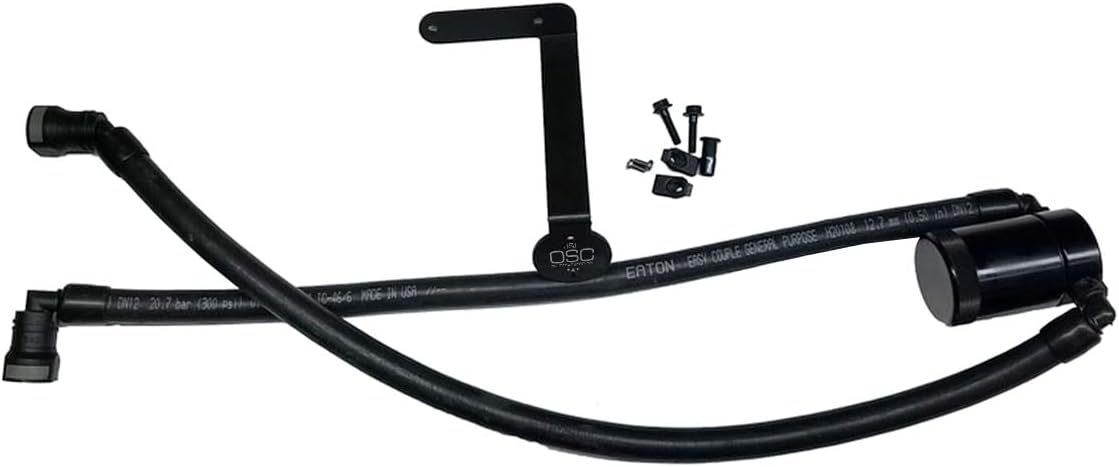
The J&L 3.0 oil separator captures oil vapors from the PCV/CCV system before they reach the intake, using a fine stainless steel mesh that coalesces droplets and returns them to the engine. It is a vehicle-specific, performance-grade unit sold as a single passenger-side assembly with 1/8 NPT thread fittings and a knurled base for hand removal and draining. Installation is straightforward for anyone comfortable with basic engine-bay work and generally uses factory hose connections, so most users report quick, leak-free fitment. The stainless mesh and solid aluminum body make it durable and serviceable; the base O-ring helps keep it sealed. Practical benefits include cleaner intake tract and charge air cooler, fewer carbon-related driveability issues, and an easy-to-drain canister. Limitations to consider are the relatively small internal volume compared with larger aftermarket cans and the lack of an integrated hose-ready drain valve, which may require more frequent manual draining on high-blowby engines.
Best for: Buyers who want a durable, straightforward oil separator to reduce oil contamination in the intake and charge-air system on a 2.7L F-150 while keeping installation simple and mostly factory-compatible.
Less Ideal for: Users seeking a large-capacity catch can with remote drain capability or those who prefer a drain valve for continuous unattended draining should consider alternative designs.
- Vehicle-specific fit for F-150/Expedition passenger side for simpler installation
- Fine stainless steel mesh filter that traps oil vapor effectively
- Solid aluminum canister with knurled base for hand-drain access
- Plug-and-play hookup to factory hose connections reduces modification needs
- Smaller reservoir volume means more frequent draining on engines with heavy blow-by
- No built-in hose attachable drain valve for easy continuous draining
Verdict: A durable, vehicle-specific oil separator that delivers effective vapor trapping and easy, mostly plug-and-play installation for F-150 2.7L owners.
K&N Air Oil Separator (Catch Can) for 2011-2023 Ford F150, 81-0800

| Brand | K&N |
|---|---|
| Model | Catch Can |
| Item model number | 81-0800 |
| Exterior | Machined |
The K&N Air Oil Separator is a bolt-on catch can engineered for 2011-2023 Ford F-150 engines to capture oil-laden blowby before it reaches the intake tract. It installs in about 20 to 30 minutes using factory-style hose fittings and basic tools, and the machined housing and OEM-quality hoses give it a solid, long-lasting feel. The 6-ounce clear reservoir makes monitoring and draining easy with no special tools, which helps reduce intake and throttle-body deposits that can cost horsepower over time. Buyers report straightforward fitment to the passenger-side PCV on Ecoboost and V6 engines, though hose routing may require slight adjustments on some model years. K&N backs the unit with lifetime coverage and includes mounting hardware and factory-spec connectors to simplify installation. The main limitations are its single-side configuration only and occasional reports of hose length or mounting hardware fitment needing minor modification, so expect a short follow-up if your engine bay layout differs from the installation guide.
Best for: Drivers who prioritize protecting performance and preventing intake contamination on a 2.7L-equipped F-150 and want a factory-style, easy-to-install catch can to preserve power and throttle response.
Less Ideal for: People seeking a dual-port or full crankcase ventilation overhaul or those unwilling to make small routing or mounting tweaks during installation.
- Vehicle-specific engineering for 2011-2023 Ford F-150 fitment
- Machined housing and OEM-style connectors for durable, factory-quality fit
- 6-ounce clear reservoir for easy visual monitoring and tool-free draining
- Quick installation with factory-style hose connections and basic tools
- Designed for one side (PCV) only, not a dual-port solution
- Some buyers report hose length or mounting hardware may need minor modification
Verdict: If you want a vehicle-specific, factory-style catch can that installs quickly and helps protect the intake on a 2.7L F-150, this K&N unit is a practical performance safeguard.
350ml Aluminum Oil Catch Can for Ford F-150 and Expedition (Passenger Side)

| Capacity | 350ml |
|---|---|
| Material | Anodized aluminum |
| Fit Type | Vehicle Specific |
| Compatible Engines | 2.7L, 3.5L EcoBoost, 5.0L (2011-2021 Ford F-150; 2018-2021 Expedition) |
This 350ml aluminum catch can is built to intercept oil and moisture from the PCV/boost system before it reaches the intake, helping reduce carbon and sludge buildup on intake valves. It installs using the included bracket, hoses, clamps, and fittings and is intended for passenger-side mounting on specified Ford F-150 and Expedition EcoBoost and 5.0L V8 applications. The can has a removable bottom for easy draining and a dipstick to check fluid level without disassembly, plus internal baffles to promote separation and accept extra filter media. The anodized aluminum body is durable and heat resistant, and the kit includes common clip-style connectors so routing is straightforward for someone comfortable with basic engine work. Limitations are the small 350ml capacity that will need regular checks on heavier-use engines and the supplied hoses may age faster than the metal parts. There are no detailed written instructions, so first-time installers should consult vehicle-specific guides or videos for hose routing and mounting choices.
Best for: Buyers who want a practical, budget-friendly way to reduce intake valve deposits on specified Ford 2.7L and 3.5L EcoBoost and 5.0L engines and who are comfortable doing a simple engine-bay install with minimal guidance.
Less Ideal for: Drivers seeking a large-capacity or lifetime maintenance-free solution, or those who prefer a fully documented plug-and-play kit with OEM-level instructions.
- Anodized aluminum construction resists heat and pressure and looks durable
- Includes bracket, hoses, clamps, and factory-style quick connectors for straightforward installation
- Removable bottom and dipstick make checking and draining the 350ml reservoir easy
- Internal baffles allow for additional filter media to improve separation
- 350ml capacity is modest and requires frequent monitoring on high-mileage or force-induced blow-by
- Hoses supplied have reported early cracking in some long-term installs
Verdict: A compact, durable catch can that gives practical protection against intake carbon build-up for Ford F-150 EcoBoost and 5.0L owners who want a cost-effective, DIY install.
RYANSTAR Racing Baffled Oil Catch Can Kit (400ml)
| Fit Type | Universal (listed Ford fitments 2011-2021) |
|---|---|
| Product Grade | Performance Part |
| Fuel Type | Gasoline |
| Capacity | 400ML |
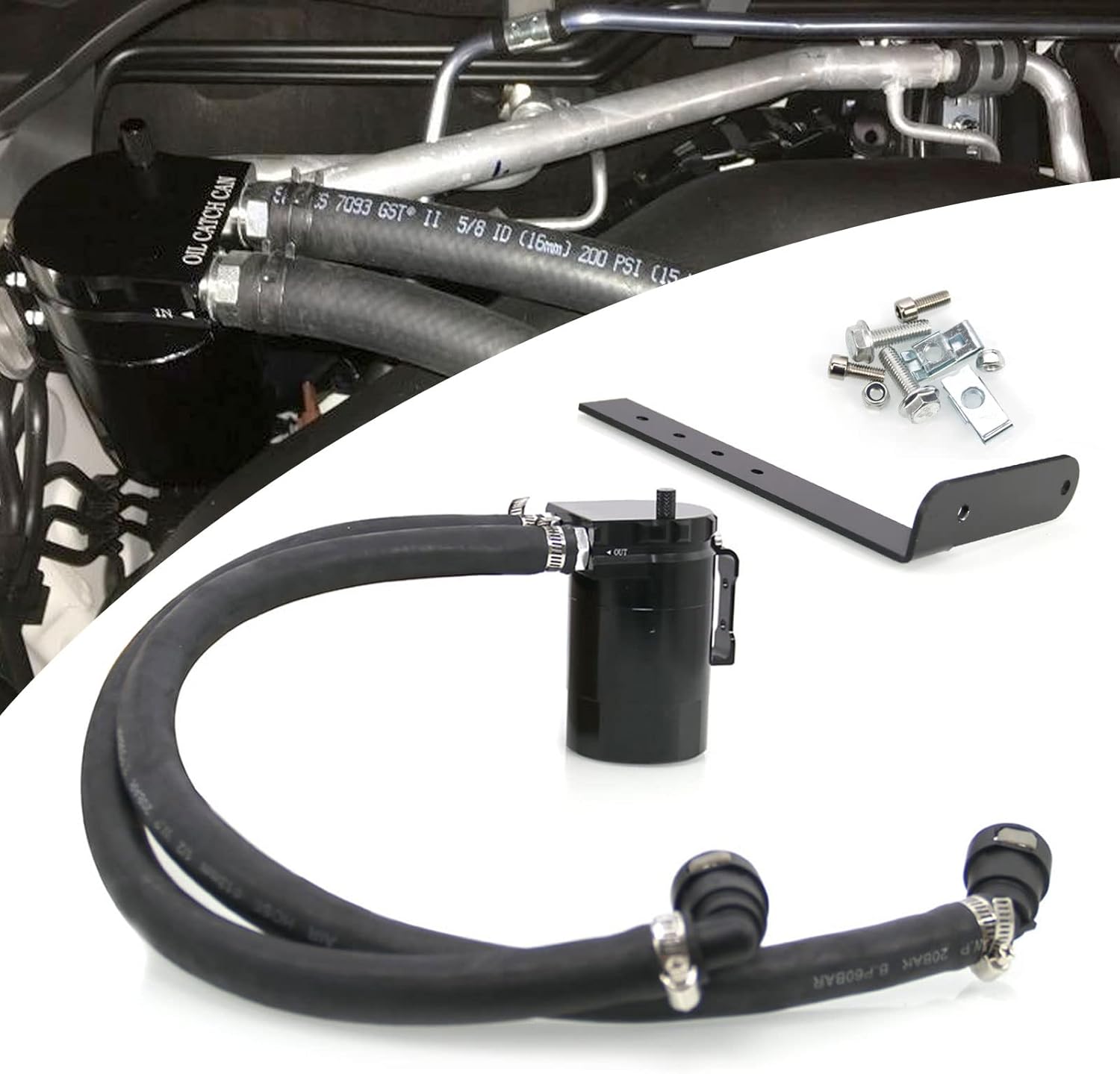
This Ryanstar Racing catch can is a budget-friendly way to reduce oil and residue entering the intake on Ford EcoBoost and 5.0L V8 engines. It installs in the engine bay using a multi-angle top bracket and plumbs inline with the PCV/boost ventilation lines; the 400ml baffled reservoir separates oil and condensate from the crankcase vapors so cleaner air returns to the intake. The can is fully TIG welded and uses O-ring seals with a removable bottom for draining and cleaning. Buyers report the fittings and body are solid for the price, though the supplied hose clamps and some hoses are not premium and some bracket trimming may be required for tight engine bays. Expect a straightforward DIY install if you are comfortable routing hoses and fabricating small bracket changes. For daily drivers and lightly tuned EcoBoost F-150s this unit offers real protection for intake cleanliness at a low cost, but performance purists may prefer heavier-duty kits with larger capacity and upgraded fittings.
Best for: Buyers who want an affordable, effective way to cut oil contamination in the intake on a Ford F-150 2.7L or related EcoBoost/5.0L engines and are comfortable doing a simple DIY install and minor bracket/hoses adjustments.
Less Ideal for: Owners seeking a heavy-duty, high-capacity or show-grade system with premium braided lines and clamps should consider higher-end kits instead.
- Baffled 400ml reservoir traps oil and condensate to keep intake cleaner
- TIG welded body with O-ring sealing reduces risk of leakage
- Removable bottom for easy draining and cleaning
- Includes multi-angle mounting bracket for flexible placement
- Affordable option compared with name-brand catch cans
- Hoses and clamps included are modest quality and may need upgrading
Verdict: A cost-conscious, practical catch can that meaningfully reduces oil contamination on Ford EcoBoost and 5.0L F-150 engines without a big spend.
Hex Autoparts Oil Catch Can Kit for Ford F-150 and Expedition EcoBoost

| Brand | Hex Autoparts |
|---|---|
| Model | oil catch can kit |
| Item model number | 20485 |
| Exterior | Painted |
This Hex Autoparts catch can kit captures oil and blow-by before it reaches the intake, helping keep intake valves and the throttle body cleaner on turbocharged EcoBoost and naturally aspirated 5.0L F-150 engines. The kit includes the reservoir, hoses, a top-mounted bracket and accessories for a straightforward install that can be oriented to fit tight engine bays. The can is fully TIG welded and uses a threaded o-ring gasket to reduce the chance of leaks, and the removable bottom allows routine draining without removing the whole unit. In practice it provides a simple preventative maintenance upgrade that reduces carbon buildup and oil ingestion into the intake track, which is especially helpful on vehicles used for towing or frequent short trips. Buyers should note this is an add-on breather filtration device and not a replacement for service on PCV or turbo systems, and fitment is limited to the listed Ford engines.
Best for: Owners who prioritize engine longevity and want a simple preventative upgrade to reduce intake oil contamination on specified Ford EcoBoost and 5.0L engines.
Less Ideal for: Anyone looking for a universal or multi-vehicle solution or those who expect a service replacement for faulty PCV or turbo components.
- Direct-fit kit for specified 2011–2023 Ford F-150 and 2018–2023 Expedition EcoBoost engines
- Fully TIG welded reservoir and threaded o-ring gasket to minimize leaks
- Top-mounted bracket allows flexible installation angles in tight engine bays
- Removable bottom section for easy draining and cleaning
- Compatibility limited to the listed Ford engines and configurations
- Not a substitute for proper PCV or turbo system maintenance
Verdict: A practical, leak-resistant catch can kit that helps protect intake components and extend engine life on the specified Ford F-150 and Expedition engines.
JLT 3.0 Oil Separator for Ford F-150 2.7L/3.5L (Passenger Side)

| Brand | JLT |
|---|---|
| Item model number | 3016P-C |
| Made in | USA |
| Compatible engines | 2.7L/3.5L EcoBoost (passenger side) |
This JLT 3.0 oil separator is a plug-and-play catch can kit made for Ford F-150 EcoBoost engines that mounts on the passenger side and collects oil vapor before it reaches the intake. Installation is straightforward with the included directions and available video walk-throughs, so most owners can fit it in under an hour using basic tools. The canister is machined and serviceable, making routine draining and inspection simple, and customers report measurable reductions in throttle hesitation and idle roughness after fitting it. Hoses and fittings are OEM-quality for routed connections but the universal routing means you may need to plan hose runs to avoid contact points. The mounting bracket is functional but a bit thin and can flex during removal of the lower can, so treat it gently or reinforce it if you plan frequent service. Overall this kit balances durable construction and ease of use for owners focused on preventing oil buildup in direct-injection EcoBoost intakes, with only minor fitment and bracket stiffness caveats to consider.
Best for: Buyers who value proven results and want a straightforward, serviceable solution to prevent oil vapor fouling in EcoBoost F-150 intakes; ideal for owners who prefer products with strong user feedback and easy installation.
Less Ideal for: Not a good fit for owners who need a heavy-duty, fully custom-mounted solution or those unwilling to monitor hose routing and bracket condition over time.
- Designed specifically for F-150 EcoBoost engines with passenger-side fitment
- Plug-and-play installation with detailed instructions and video support
- Serviceable machined canister that is easy to drain and inspect
- Good quality hoses and fittings comparable to factory replacement parts
- Mounting bracket is thin and can flex during can removal
- Hose routing is generic and may require adjustment to avoid rubbing on nearby components
Verdict: A proven, easy-to-install catch can that reduces oil vapor buildup in EcoBoost F-150s while offering serviceable construction and wide user endorsement.
EVIL ENERGY Air Oil Separator Catch Can for F‑150 5.0L / EcoBoost (custom fit)

| Compatibility | 2011–2025 F-150 5.0L, 3.5L and 2.7L EcoBoost; 2017–2025 Raptor 3.5L; 2018–2021 Expedition 3.5L |
|---|---|
| Filter | Fine mesh aluminum |
| Mounting | Includes custom bracket and quick‑connect fittings |
| Capacity | 3 oz (most fitments) |
This EVIL ENERGY air oil separator is a custom-fit catch can built to trap oil vapor and contaminants before they reach the intake on supported Ford engines. It installs using the included brackets, hoses and quick‑connect PCV fittings so you can mount it in the engine bay with minimal modification. The unit uses a fine mesh aluminum filter and a rotating, removable base with an O-ring seal for draining collected oil, which keeps the intake valves cleaner and can reduce long‑term maintenance. Buyers report straightforward installs on 3.5 and 5.0 engines and that the internal filtering resembles higher‑priced alternatives. Practical limitations include the small 3 oz reservoir on most fitments that requires regular checks and draining, and some users note the cup threads can seize without anti‑seize and the bracket sits close to the can which can make removal awkward. For a risk‑averse buyer this unit offers factory‑style fitment and clear maintenance steps but expect periodic servicing of the can and attention to thread care.
Best for: Buyers who prioritize a low-risk upgrade that mirrors factory layout and want a straightforward, mostly plug‑and‑play solution to reduce intake oil contamination on supported F-150 engines.
Less Ideal for: People who prefer a large-capacity external reservoir or who want a completely maintenance-free solution should consider larger or differently configured separators.
- Vehicle-specific mounting hardware and quick‑connect PCV fittings for easier installation
- Fine mesh aluminum filter captures small oil vapors to protect the intake
- Removable rotating base with O-ring seal simplifies draining and helps prevent leaks
- Aluminum construction provides corrosion resistance and a factory-quality appearance
- Small 3 oz capacity on most fitments requires frequent monitoring and draining
- Cup threads have been reported to seize if anti-seize is not applied
Verdict: A factory-style, vehicle-specific catch can that makes protecting F‑150 intake valves easy for buyers who want a reliable, low-hassle installation.
Choosing the Right Ford F-150 2.7L Oil Catch Can: Key Factors to Consider
Separation Efficiency
Separation efficiency determines how much oil and condensate the catch can removes from crankcase vapors before they re-enter the intake. Higher-efficiency units use multi-stage baffles, filter media, or coalescing chambers to trap smaller aerosolized oil droplets that would otherwise form deposits on the intake tract and turbo compressor.
For the 2.7L, effective separation reduces carbon buildup on intake valves and helps maintain turbocharger performance. Consider lab-rated or documented micron-capture performance when available. Keep in mind that no passive catch can removes 100 percent of vapors, so realistic expectations and periodic servicing are important.
Mounting Location and Fitment
Physical fitment is critical in the confined engine bay of the Ford F-150 2.7L. The catch can must mount securely without interfering with heat shields, hoses, or hood clearance. Look for units with adaptable brackets and multiple mounting points so you can position the can where it is accessible for draining and inspection.
Check that included brackets match available bolt locations or that the kit supplies universal mounting hardware. Poorly placed cans can lead to hose kinks, rubbing against hot components, or difficult maintenance access, which reduces long-term usability.
Hose Quality and Routing
Hose material and length affect durability and performance. For the 2.7L, hoses need to withstand under-hood temperatures, oil exposure, and vacuum without collapsing or degrading. Reinforced, high-temperature silicone or oil-resistant rubber hoses are preferable to generic vacuum tubing.
Routing should minimize sharp bends and avoid proximity to exhaust components. Longer hose kits or included elbows can simplify connecting to the PCV valve and turbo inlet. Confirm that the kit provides adequate hose diameter to maintain proper crankcase ventilation rates without creating excessive backpressure.
Drain Access and Maintenance
A catch can is only effective if it is serviced regularly. Units with easy-access drains, quick-release fittings, or threaded drain plugs simplify servicing and reduce the chance you will neglect emptying the can. Sight windows or transparent reservoirs help you monitor fill levels.
For the 2.7L application, plan service intervals based on driving style and duty cycle: heavy towing or spirited driving will fill the can faster. Consider whether the design allows draining without removing the can or disconnecting hoses, as that convenience encourages consistent maintenance.
Construction Materials and Durability
Durable construction matters in the hot, vibration-prone environment of the F-150 engine bay. Anodized aluminum, stainless steel fittings, and corrosion-resistant fasteners last longer than painted or plated soft metals. Threaded fittings should be robust to withstand repeated service.
Assess whether the can's finish resists road salts and coolant or oil exposure. Durable materials reduce the risk of leaks and extend the useful life of the system, which is especially important if you use the truck for towing or in harsh climates.
Compatibility With Forced Induction
The 2.7L in many F-150s uses turbocharging, which affects how crankcase ventilation interacts with the intake. A catch can must handle pressure fluctuations and avoid creating excessive intake vacuum that could disrupt PCV operation or turbo performance.
Look for designs intended for turbocharged engines, with appropriate check valves or internal baffling to manage pressure pulses. Proper installation and routing can maintain correct crankcase ventilation while still protecting the turbo and intercooler from oil contamination.
Why the 2.7L Engine Benefits From a Catch Can
The 2.7L EcoBoost-style engine in the Ford F-150 routes crankcase gases back into the intake where they can carry oil mist and combustion byproducts. Over time, these vapors deposit on the intake tract, throttle body, and turbo inlet, reducing efficiency and potentially raising maintenance needs.
A catch can intercepts oily vapors before they reach the intake. For the 2.7L, this can help preserve turbocharger cleanliness, sensor performance, and throttle response, especially if you use the truck for towing or frequent short trips that promote condensate formation.
- Reduces oil carryover into intake and turbocharger
- Helps maintain sensor and throttle body cleanliness
- Particularly useful for short-trip and towing duty cycles
Common Installation Considerations on the F-150 2.7L
Plan your installation around existing PCV and turbo plumbing. Identify the PCV port and a suitable intake or turbo inlet connection point before selecting hose lengths and bracket location. Verify hood clearance if mounting near the fender or strut tower.
If you are unfamiliar with under-hood work, factor in the need for simple hand tools, basic hose clamps, and possibly a drill for a mounting point. Many catch can kits include universal brackets, but take time to ensure hoses will not rub against moving parts or hot exhaust components.
- Locate PCV and intake connection points before starting
- Ensure hoses avoid heat sources and sharp edges
- Test fit bracket and can for easy access to the drain
Maintaining Your Catch Can on a Practical Schedule
Maintenance frequency depends on driving habits. Light commuting may allow longer intervals between drains, while heavy towing, off-road use, or high-load driving fills the can faster. Check the can after the first few hundred miles to establish a baseline for your use case.
Empty the reservoir and inspect for water-oil separation. Record fill intervals and visually inspect hoses and clamps for wear. Replace any flexible hose showing cracking or swelling and re-torque fittings periodically to prevent leaks.
- Check after first few hundred miles to set service intervals
- Drain when condensate or oil layer reaches manufacturer recommended level
- Inspect hoses and clamps at each oil change
Addressing Turbocharged Operation and Pressure Pulses
Turbocharged engines like the 2.7L produce pressure pulses that can influence catch can performance. Use hoses and fittings rated for pressure changes, and avoid overly restrictive internal filters that can create backpressure in the crankcase ventilation system.
Some installations include one-way or check valves to protect against reverse flow during boost events. Ensure any valve used is compatible with the 2.7L's PCV arrangement and installed following the recommended orientation to prevent crankcase pressure buildup.
- Use pressure-rated hoses for turbocharged installations
- Consider check valves only when they suit the PCV layout
- Avoid excessively restrictive internals that raise crankcase pressure
Tools and Parts You May Need for Installation
Typical DIY installations for the F-150 2.7L require basic hand tools: socket set, screwdrivers, hose cutters, and possibly a drill for mounting. Quality hose clamps and thread locker can improve long-term reliability.
Inspect the kit contents before starting. Additional hose length, extra clamps, or a small bracket can make routing easier. Plan for about one to two hours for a straightforward install if you have the tools available.
- Socket set, screwdrivers, hose cutters
- Quality hose clamps and mounting hardware
- Optional drill for creating a secure bracket point
Still looking for the perfect fit?
Select your Ford F-150 configuration to see the most relevant Oil Catch Cans recommendations
How We Chose the Best Ford F-150 2.7L Oil Catch Can
We focused on factors that matter specifically for the Ford F-150 2.7L engine layout and common owner use cases. Primary evaluation criteria included separation efficiency, which measures how well a unit traps oil and blow-by before it reaches intake components; physical footprint and mounting options to ensure secure, interference-free installation in the 2.7L engine bay; and hose length and routing compatibility to reach the PCV and turbocharger or intake ports without kinking or excessive bends.Additional criteria included material quality and corrosion resistance for longevity under under-hood heat, drain and serviceability features such as easy-access drains or sight windows, and compatibility with forced-induction systems since many 2.7L trucks are turbocharged. Noise or vacuum effects on crankcase ventilation were considered to avoid negative impacts on engine operation.We excluded units that clearly lacked mounting options or required major fabrication for the 2.7L layout, models with poor customer service histories regarding replacement parts, and designs that do not offer measurable oil separation. The final list balances ease of install, proven separation methods, and durable construction suitable for everyday driving and towing.
Our full evaluation process is outlined in our review methodology.
FAQ
How often should I drain an oil catch can on the F-150 2.7L?
Drain intervals depend on driving and duty cycle. Check the can after the first few hundred miles to establish a pattern. Heavy towing or short-trip driving usually requires more frequent draining, often every few thousand miles or sooner if the reservoir fills.
Will adding a catch can affect engine performance or warranty?
A properly installed catch can should not negatively affect engine performance if it maintains correct crankcase ventilation and avoids excessive restriction. Warranty implications vary, so consult your warranty documentation or dealer for specifics before installing aftermarket parts.
Can I install a catch can myself on the 2.7L engine?
Many owners with basic mechanical skills can install a catch can using common hand tools. Choose a kit with clear instructions and adaptable brackets. If you are unsure about routing or PCV connections, seek professional help to avoid vacuum or boost-related issues.
Do catch cans need special hoses for turbocharged applications?
Yes. Turbocharged setups like the 2.7L benefit from reinforced, high-temperature hoses that resist collapsing and oil degradation. Avoid generic thin vacuum tubing that may fail under heat and pressure fluctuations.
What signs indicate my catch can is full or needs service?
Visible oil accumulation, a noticeable oily smell, or a change in crankcase ventilation behavior are indicators. A sight window or regular inspections will show when the reservoir has a significant oil layer and needs draining.
Is routing the catch can between PCV and intake always the correct setup?
Routing typically captures crankcase vapors before they re-enter the intake, but correct routing depends on the 2.7L's PCV and turbo plumbing. Follow the vehicle-specific guidance for connection points and ensure the routing does not interfere with pressure dynamics.
Final Verdict
For the Ford F-150 2.7L, prioritize a catch can that balances proven oil separation with straightforward fitment and serviceability. Focus on units with durable construction, accessible drains, and hoses suitable for turbocharged operation to minimize intake contamination and maintain turbo efficiency.Accepting minor installation complexity can yield long-term benefits for intake cleanliness and sensor reliability. Choose a solution that fits the 2.7L engine bay, offers clear maintenance access, and matches your driving demands so you can protect the truck's performance with minimal hassle.
Explore More:
- Check out all Ford F-150 parts & accessories
- Explore Oil Catch Cans Maintenance & Repair Guides
- Explore Engine
- Browse all Auto Parts
