

Note: This article contains affiliate links. If you click on these links and make a purchase, I may earn a small commission at no extra cost to you. This helps support my research and content. Read my full affiliate disclosure here.
If you own a 2009-2014 Ford F-150 and want to protect the intake tract and valve train from oil-laden crankcase vapors, a properly chosen oil catch can can make a noticeable difference. These pickups are prone to PCV system blow-by building up on the intake and throttle body over time, which can affect idle quality, combustion consistency, and long-term maintenance needs.This guide collects six top options suited to the 2009-2014 F-150, focusing on fitment, filtration media, and installation practicality. You will find shortlisted picks that span compact bolt-on kits to more robust canister solutions. We also walk through what matters when fitting a catch can to this truck and how to keep it working reliably after installation.
Looking for other parts? See all Ford F-150 parts & accessories.
Top Picks at a Glance
| Best Overall The best all-around choice for most situations | J&L Oil Separator Co. 3.0 Oil Separator (Vehicle-Specific Fit) |  |
| Best Quality Built to a higher standard if you want something more solid | Mishimoto Baffled Oil Catch Can Kit for Ford F-150 3.5L EcoBoost (2011–2014) |  |
| Best Value The sweet spot between price and what you get | EVIL ENERGY 300ml Baffled Oil Catch Can Kit with Breather Filter |  |
| Best Budget The cheapest option that still gets the job done reliably | RALZAOTO Oil Catch Can Kit with Sight Glass (400ml) |  |
| Highest Rated A top-rated pick with lots of positive feedback | JLT 3.0 Oil Separator for 2011–2026 F-150 2.7L/3.5L and 2018–2021 Expedition |  |
| Best Seller A high-volume bestseller chosen again and again | K&N Air Oil Separator Catch Can for 2011-2023 Ford F150 (81-0800) |  |
J&L Oil Separator Co. 3.0 Oil Separator (Vehicle-Specific Fit)
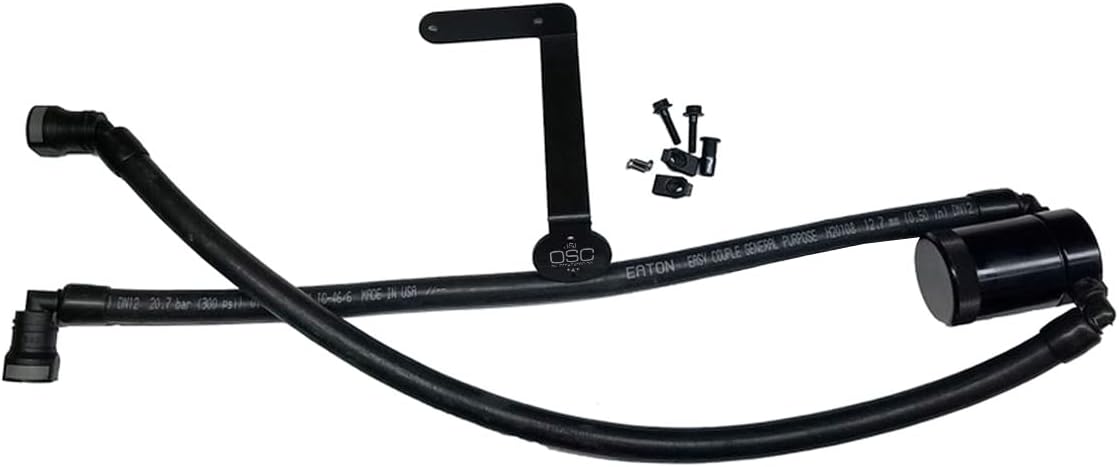
| Thread Size | 1/8 NPT |
|---|---|
| Product Grade | Performance Part |
| Compatible with Vehicle Type | Truck |
| Automotive Fit Type | Vehicle Specific Fit |
The J&L 3.0 oil separator is a bolt-in crankcase vent filter that captures oil mist before it reaches the intake tract, helping reduce carbon buildup and oily charge-air coolers on direct-injection engines. It uses a fine mesh stainless filter inside an aluminum canister with a knurled base so you can remove and drain accumulated oil; installation is plug-and-play using factory hose connections and the kit includes video instructions. In everyday use it collects noticeable amounts of oil between oil changes on high-blowby engines, and reviewers report straightforward installs and reliable sealing thanks to the O-ring base. The unit is vehicle-specific, so fit and hose routing match factory locations, but the canister is relatively compact and some heavy blow-by engines may need more frequent draining or an external extension kit. There is no integrated hose-ready drain spigot, so you may have to remove the base to empty it if you want a direct hose drain. For a performance-grade, made-in-USA separator that cuts intake contamination without complex plumbing, this model is a practical choice for the targeted F-150/EcosBoost/Expedition applications.
Best for: Buyers who want a reliable, vehicle-specific crankcase vent separator to reduce intake contamination and engine bay oil buildup with an easy install and minimal modification.
Less Ideal for: Drivers who want a large-capacity catch can with a permanent hose drain or those seeking a universal, heavily customizable plumbing setup.
- Vehicle-specific fit for straightforward installation with factory hose connections
- Fine mesh stainless filter effectively traps oil vapor while releasing condensed oil back to the canister
- Solid aluminum canister with knurled base and O-ring provides durable sealing and easy manual draining
- Made in the USA and marketed as a performance-grade unit
- No built-in hose-ready drain fitting so emptying may require removing the base or adding an adapter
- Compact canister may require frequent emptying on high blow-by engines
Verdict: A compact, vehicle-specific oil separator that installs with factory hoses to noticeably reduce intake oil contamination without complex plumbing.
Mishimoto Baffled Oil Catch Can Kit for Ford F-150 3.5L EcoBoost (2011–2014)

| Compatible with Vehicle Type | Truck |
|---|---|
| Fuel Type | Gasoline |
| Product Grade | Performance Part |
| Fit Type | Vehicle Specific |
| Capacity | 12 ounces |
This Mishimoto dual-can catch can kit installs as a direct-fit for 2011–2014 F-150 3.5L EcoBoost trucks and routes PCV and CCV blow-by away from the intake tract to reduce carbon buildup. The kit uses billet 6061 aluminum cans with Viton O-rings, internal air diverters and a 50-micron bronze filter to separate oil particles, and it includes application-specific brackets and quick-disconnect fittings for a tidy engine-bay fit. The dual-can arrangement—a 7.5 fl. oz. and a 12 fl. oz. reservoir—gives longer intervals between service and helps keep oil and moisture out of the intake under both boost and cruising conditions. Installation is straightforward for a moderately skilled DIYer and typically takes under an hour. A few owners report hose wear over long term use and note the cans can be fiddly to drain without adding drain valves, so plan your service access accordingly. Overall this kit provides a durable, serviceable solution for protecting the EcoBoost intake when you want a robust, vehicle-specific catch can setup.
Best for: Buyers who prioritize engine protection and longevity and want a durable, vehicle-specific catch can setup for their 2011–2014 3.5L EcoBoost F-150 to reduce intake carbon buildup and maintain performance.
Less Ideal for: If you want a simple, maintenance-free solution with built-in quick drains or are unwilling to swap hoses if they wear, this kit may be more hands-on than you prefer.
- Vehicle-specific direct-fit design with included bracket for relatively easy installation
- Billet 6061 aluminum cans with Viton O-rings and 50-micron bronze filter for reliable oil separation
- Dual-can layout (7.5 oz and 12 oz) extends service intervals and handles PCV and CCV blow-by
- Internal air diverter increases turbulence to improve separation and reduce oil carryover
- Fully serviceable design with replaceable filters and quick-disconnect fittings
- Some users report premature hose failures over long-term use requiring replacement
- Cans lack built-in drain valves which can make draining messy or awkward without modification
Verdict: Choose this Mishimoto dual-can kit if you want a proven, vehicle-specific catch can that reduces blow-by and protects the intake on 2011–2014 F-150 3.5L EcoBoosts.
EVIL ENERGY 300ml Baffled Oil Catch Can Kit with Breather Filter

| Capacity | 300 Milliliters |
|---|---|
| Material Type | Aluminum |
| Fit Type | Universal |
| Hose ID | 3/8 in |
| Thread | M16×1.5 |
This EVIL ENERGY catch can collects oil and vapor from the crankcase ventilation system before those contaminants reach the intake. It ships as a 300 ml aluminum canister with internal baffle, a breather filter you can fit for pre-PCV venting, fuel-grade hose and basic mounting hardware. In practice it is used either as a sealed in-line separator between PCV hoses or as a vent-to-atmosphere solution with the breather attached. The aluminum construction and supplied o-ring fittings give a more robust feel than plastic alternatives and the included dipstick and stainless wool media make checking and trapping condensate straightforward. Installation is straightforward on most engines but some users needed extra hose length or to modify the bracket for fitment. The instructions and small parts are not as polished as factory kits and a few buyers reported missing or incorrect fittings, so double-check parts before installation. For routine maintenance you will need to empty and clean the can periodically, especially in cold climates where moisture can freeze.
Best for: A pragmatic DIYer who wants to reduce intake oil contamination and is comfortable routing hoses and making minor bracket adjustments to fit an aftermarket can to a pickup engine.
Less Ideal for: Drivers who need a direct bolt-on, vehicle-specific kit with exact-fit brackets and complete factory-style instructions should consider a model made for their truck instead.
- Aluminum body and TIG-style construction provide durable, corrosion-resistant housing.
- Internal baffle and stainless wool media help separate oil droplets and reduce intake gunk.
- Includes breather filter option for use as either vented or sealed in-line PCV separator.
- Supplied dipstick makes quick visual checks of collected oil easy.
- Universal fit and fuel-grade hose included for flexible routing on many engines.
- Mounting bracket may require modification and some applications need additional hose or fasteners not included.
- Instructions and kit packing are sometimes unclear, and a few buyers reported missing or mismatched fittings.
Verdict: A rugged, budget-friendly 300 ml baffled catch can that works well if you plan to fit and tweak a universal unit on a 2009–2014 F-150.
RALZAOTO Oil Catch Can Kit with Sight Glass (400ml)

| Compatible engines | 5.0L, 3.5L EcoBoost, 2.7L EcoBoost (2011–2023 F-150; 2017–2023 Raptor; 2018–2023 Expedition) |
|---|---|
| Capacity | 400ml |
| Material | Anodized 6061 aluminum |
| Mounting | Top bracket with removable reservoir |
| Seals | O-ring sealed |
This RALZAOTO oil catch can is a budget-minded canister that traps oil and blow-by before it reaches the intake, helping keep the intake tract cleaner and reducing oil dilution of the combustion charge. It installs inline with PCV/CCV hoses and mounts via the included top bracket; the 400 ml reservoir is removable for draining and the sight glass makes level checks quick without disassembly. The can is machined from anodized 6061 aluminum and uses O-rings to reduce leak risk, and hose clamps are supplied to secure lines against vibration. Buyers should expect a basic internal baffle rather than an advanced multi-stage filter, and the rubber hoses supplied have had some reports of early cracking, so swapping to higher-quality vacuum hose during install is a sensible precaution. For the stated Ford fitments the kit offers an inexpensive, easy-to-fit prevention for oil contamination of the intake, but those after premium internals or long-term hose durability may want to upgrade a few parts after installation.
Best for: Budget-focused owners who want a straightforward way to reduce oil vapors reaching the intake and extend engine cleanliness without an expensive branded unit.
Less Ideal for: Drivers seeking a premium, multi-stage filtration catch can or a fully professional-grade kit with OE-style hoses and internals should consider higher-end alternatives.
- Aluminum 6061 construction with anodized finish for corrosion resistance and strength.
- 400 ml removable reservoir with sight glass for easy visual checks and simple draining.
- Includes mounting bracket and hose clamps for a straightforward install in compatible vehicles.
- Compact footprint that fits in tight engine bays while still providing usable capacity.
- Internal filtering appears basic compared with higher-end multi-stage catch cans.
- Supplied rubber hoses have reported cracking over extended use and may need replacement.
Verdict: A low-cost, easy-to-install catch can that effectively reduces oil entering the intake for F-150 owners who want improved engine cleanliness without spending on premium kits.
JLT 3.0 Oil Separator for 2011–2026 F-150 2.7L/3.5L and 2018–2021 Expedition

| Manufacturer | JLT |
|---|---|
| Item model number | 3016P-C |
| Made in | USA |
The JLT 3.0 oil separator is a purpose-built catch can kit that installs in a single session and redirects PCV and intake vapors into a removable collection can. It is typically used to prevent oil and condensation from entering the intake tract on EcoBoost engines, which can foul sensors and cause hesitation. The kit ships with fitted hoses, elbows, a mounting bracket and clear instructions plus online video support, so instal is largely plug-and-play for a home mechanic. In real use the machined can and fittings collect noticeable quantities of oil quickly, reducing buildup in the intake and PCV passages. Practical benefits include easy servicing via the removable lower can and a compact mounting footprint that fits the specified Ford applications. Limitations to expect are the fairly small reservoir capacity and a thin mounting bracket that can flex during service, and some users route hoses carefully to avoid contact wear. Overall this is a reliable, well-engineered option for owners wanting to protect engine longevity on the specified F-150/EcoBoost platforms.
Best for: Owners focused on long-term engine reliability who want a straightforward, serviceable solution to keep oil vapors out of the intake on compatible EcoBoost trucks.
Less Ideal for: People who prefer a maintenance-free modification or need a larger capacity catch can for extended service intervals should consider other options.
- Designed for Ford 2.7L and 3.5L EcoBoost engines with plug-and-play hoses and fittings
- Machined aluminum canister that is easy to remove and service
- Clear installation instructions and supporting video make DIY install straightforward
- Effectively captures oil and condensation that would otherwise foul the intake and sensors
- Reservoir size is relatively small and requires regular emptying
- Mounting bracket is thin and can flex during service or when removing the lower can
- Hose lengths may be tight for some engine bay layouts and require careful routing
Verdict: A reliable, easy-to-install catch can that prevents oil vapor from fouling the intake and helps preserve EcoBoost engine longevity.
K&N Air Oil Separator Catch Can for 2011-2023 Ford F150 (81-0800)

| Manufacturer | K&N Engineering, Inc. |
|---|---|
| Model | Catch Can |
| Exterior | Machined |
| Item model number | 81-0800 |
The K&N Air Oil Separator is a vehicle-specific catch can that routes crankcase vapors through a 6-ounce reservoir to trap oil and contaminants before they reach the intake. It installs in about 30 minutes using factory-style hose connections and basic tools, and the kit includes mounting hardware, OEM-style hoses, and a machined aluminum separator. In use the separator reduces oil buildup on the throttle body and intake manifold, which helps preserve power and reduce carbon deposits on 5.0 and EcoBoost engines found in F-150s. The clear benefit is straightforward engine protection with a serviceable reservoir you can check and empty without tools. A few owners noted hose routing and occasional need for a different hose length or alternative mounting placement, so some minor trimming or creative mounting may be required in tight engine bays. Also this unit is not legal for sale in California on pollution-controlled vehicles, which matters if you live there.
Best for: A cautious F-150 owner who prioritizes factory-quality parts and straightforward, low-risk engine protection to reduce intake oil contamination without complicated modification.
Less Ideal for: Buyers seeking emissions-legal upgrades in California or those wanting a universal, multi-vehicle catch can solution should look elsewhere.
- Vehicle-specific engineering for Ford F-150 ensures fit and factory-style connections
- High-capacity 6-ounce reservoir captures oil effectively to reduce intake contamination
- Machined aluminum construction and OEM-quality hoses for durable, long-lasting fit
- Quick installation in about 30 minutes with basic tools and no-tool reservoir access
- Hose length and routing may need adjustment on some model years or engine layouts
Verdict: Choose this K&N separator if you want a factory-style, vehicle-specific catch can that installs quickly and reliably protects your F-150 intake from oil blowby.
Choosing the Right 2009-2014 Ford F-150 Oil Catch Can: Key Factors to Consider
Fitment and Mounting Location
Correct fitment is crucial because the 2009-2014 Ford F-150 engine bays have limited space and fixed accessory layouts. A catch can must mount securely without interfering with heat shields, wiring harnesses, or steering components. Consider whether the kit includes a vehicle-specific bracket or if you will need to adapt a universal mount.
Mounting location also affects serviceability. Choose a position that allows easy access to the drain or inspection window so you can empty the can during routine maintenance. Mounting too low or in a confined area can make draining messy or difficult and may discourage regular servicing, reducing the unit's effectiveness.
Filtration Method and Internal Design
Different catch cans use baffles, coalescing filters, or mesh media to separate oil droplets from blow-by vapors. For the F-150, a design that promotes efficient separation at low flow rates is important because PCV flow varies with load and RPM. A well-designed internals reduce the chance of oil vapor passing through and re-entering the intake.
Examine whether the unit has replaceable or cleanable elements and whether the filtration material is resistant to oil and fuel vapors. Units without effective separation can fill quickly or allow oil to aerosolize and return to the intake, negating the intended benefit.
Hose Compatibility and PCV Integration
The catch can must integrate with the F-150's PCV and crankcase ventilation hoses without creating excessive restriction or vacuum issues. Look for kits that provide hose adapters sized to stock hoses or offer clear guidance on where to tap into the PCV system. Incorrect hose routing can cause boost leaks on turbocharged engines, or improper pressure balance on naturally aspirated setups.
Also check the quality of supplied hoses and clamps. Low-quality hose clamps can loosen under heat cycles and vibration, leading to leaks. Using hose routing that minimizes sharp bends will help maintain smooth flow and reduce the risk of kinking.
Drain Options and Maintenance Ease
Regular draining is the main maintenance task for a catch can, so the design of the drain or service access greatly affects long-term usability. Some cans have quick-release drain valves or threaded plugs that allow for rapid, clean draining. Others require removal of the can or a messy squeeze-drain routine that can discourage regular service.
Consider how often the can will need emptying based on typical driving patterns and whether the drain mechanism can be operated with the can in place. Clear sight windows or external level markers simplify monitoring fill level and prevent overfilling.
Material and Corrosion Resistance
Materials matter for longevity in the engine bay environment. Aluminum and stainless steel resist corrosion better than standard steel, and quality anodizing or powder-coated finishes add protection against road salts and moisture. Plastic components can be lighter but must be high-temperature resistant to avoid deformation near hot engine parts.
Inspect seals and O-rings as well; they should be fuel and oil resistant to prevent degradation. A durable build reduces the chance of leaks and mechanical failure, which is particularly important for a truck intended for long service life and varied conditions.
Impact on Engine Performance and Vacuum Balance
A catch can should not create excessive restriction in the PCV path or alter the crankcase ventilation balance. Units that induce too much backpressure can affect crankcase pressure and potentially cause oil seal leaks or ventilation faults. For turbocharged F-150 engines, improper installation can affect boost behavior or allow pressurized crankcase vapors to bypass filtration.
Choose a unit designed to handle the expected flow rates of the vehicle's engine and that specifies minimal restriction. If vacuum lines are involved, ensure the catch can does not create erratic pressures under varying engine loads, which could degrade drivability or emissions control performance.
Why an Oil Catch Can Helps the 2009-2014 F-150
The 2009-2014 F-150's PCV system routes crankcase vapors back into the intake to be burned. Over time, oil droplets and residue from blow-by can accumulate on the throttle body, intake manifold, and intake runners. This buildup reduces airflow efficiency and can worsen idle quality and fuel metering.
A catch can intercepts oily vapors before they reach the intake, condensing and collecting them in a serviceable container. For truck owners who tow, haul, or operate the vehicle in varied conditions, limiting intake contamination helps maintain consistent engine performance and reduces the frequency of throttle and intake cleaning.
- Reduces oil and carbon deposits in the intake tract
- Helps maintain stable idle and throttle response
- Can prolong intervals between intake and throttle cleaning
Stock PCV Behavior on 2009-2014 F-150 Engines
Engines in this F-150 generation route crankcase vapors back to the intake under normal operation. The system relies on the engine to consume those vapors, which means any significant blow-by or oil carryover will eventually deposit inside the intake. Understanding how your engine vents under load versus idle helps determine how aggressively you need to manage oil vapor.
Monitoring symptoms like oil residue on the intake, frequent throttle body cleaning, or a rough idle can indicate that a catch can would provide measurable benefit. Addressing the issue early with a catch can reduces cumulative buildup and can simplify future maintenance.
- PCV flow varies with engine speed and load
- Towing and heavy loads increase blow-by and oil carryover
- Idle and city driving concentrate contaminants in the throttle body
Installation Considerations for the 2009-2014 F-150
Plan your installation route before you start. Identify accessible PCV and crankcase vent hoses, confirm a clean, flat mounting spot, and consider heat sources nearby. If a kit includes vehicle-specific brackets, verify alignment and fastener points first to avoid rework.
Gather necessary hand tools, hose clamps, and any thread sealant specified by the kit instructions. If you plan to route a breather to atmosphere, be mindful of local emissions regulations and ensure the routed end is positioned to avoid road spray or debris ingress.
- Check for available mounting points and clearance around the battery and fuse box
- Avoid routing hoses across sharp edges or hot exhaust components
- Verify the drain valve or plug is accessible with the can mounted
Maintenance Schedule and What to Expect
Routine inspection and emptying of the catch can is essential. The frequency depends on driving style and engine condition. Trucks that tow, idle for long periods, or have higher-than-normal blow-by will fill the can faster than lightly used vehicles.
During each oil change, check the can's fill level, inspect hoses and clamps for tightness, and verify seals are intact. Keep a simple log of drain intervals initially to establish a predictable maintenance cadence for your F-150.
- Inspect every 3,000 to 6,000 miles initially to determine fill rate
- Clean or replace internal filter elements as recommended
- Watch for leaks or loosening of clamps after the first few heat cycles
Common Installation Mistakes to Avoid
Do not create excessive hose length with multiple bends that can trap oil and reduce separation efficiency. Keep hose runs as direct as possible and use smooth curves instead of tight 90-degree bends. Avoid routing across hot components that could degrade hose material.
Avoid mounting the can where dirt and water can collect in the drain or around fittings. Also do not neglect proper clamp torque; loose clamps are a frequent source of leaks after installation. Finally, ensure the catch can does not block access to routine service points such as the oil dipstick or battery terminals.
- Prevent kinking by planning straight, unobstructed hose routes
- Secure hoses to fixed points to minimize vibration wear
- Confirm all fittings are tight after initial test drive
Effects on Emissions and Warranty Considerations
A vent-to-atmosphere setup differs from closed-loop configurations and may have implications depending on local regulations. For most owners, choosing a closed-loop installation that returns filtered vapors to the intake preserves the original ventilation path while still reducing oil carryover.
Regarding warranty concerns, an improperly installed catch can that causes engine issues could complicate coverage claims. Follow installation instructions carefully and keep documentation of the kit and installation steps to demonstrate that work performed was appropriate and reversible if necessary.
- Closed-loop installations maintain evaporation control while filtering oil
- Vent-to-atmosphere may be simpler but check local rules
- Document installation and parts for service records
Still looking for the perfect fit?
Select your Ford F-150 configuration to see the most relevant Oil Catch Cans recommendations
How We Chose the Best 2009-2014 Ford F-150 Oil Catch Can
We prioritized candidates that match the specific plumbing and engine bay constraints of 2009-2014 Ford F-150s and that address the common failure modes of the truck's PCV system. Selection criteria included physical fitment to the engine bay and mounting points typical of this model years, quality of internal filtration or baffling to separate oil vapor from airflow, and compatibility with stock PCV hose routing or minimal hose modifications.Durability and serviceability were assessed by looking for corrosion-resistant materials, serviceable drain or blow-off options, and ease of access for routine emptying. We also evaluated installation complexity, including whether kits include necessary hoses, clamps, and brackets tailored to the F-150 engine layouts of 2009-2014. Noise and vacuum impact were considered to avoid solutions that could adversely affect PCV function.Exclusions: we excluded universal kits that require extensive custom fabrication, units with unclear filtration design, and products lacking documented fitment for the 2009-2014 F-150. The final list emphasizes practical, truck-specific attributes such as mounting simplicity, proven separation methods, and low-maintenance serviceability.
Our full evaluation process is outlined in our review methodology.
FAQ
How often should I drain a catch can on my 2009-2014 F-150?
Drain intervals vary with driving habits and engine condition, but many owners should check the can every 3,000 to 6,000 miles initially to establish a baseline. Trucks used for towing or heavy idling will typically require more frequent draining.
Will a catch can change engine vacuum or cause check engine lights?
A correctly sized and installed catch can should not significantly alter vacuum balance or trigger engine lights. Problems usually stem from incorrect hose routing, excessive restriction, or leaks at fittings. Follow kit instructions and inspect for leaks after installation.
Can I install a catch can myself on a 2009-2014 F-150?
Many owners can install a catch can with basic hand tools if the kit includes vehicle-specific fittings and clear instructions. However, if the installation requires splicing lines, relocating components, or working near hot parts, consider professional help to ensure proper routing and sealing.
Does a catch can help turbocharged F-150 engines?
Yes, for turbocharged engines, a catch can can reduce oil vapor entering the intake and the turbocharger compressor. Proper installation and hose selection are especially important to avoid introducing boost leaks or excessive restriction in the charge-air path.
What should I look for when monitoring catch can performance?
Check for increasing fill rate, visible oil in hoses, or oil residue in the intake during inspections. Also monitor for changes in idle quality or drivability after installation. Regularly inspect clamps and seals to ensure there are no leaks.
Final Verdict
For the 2009-2014 Ford F-150, prioritize a catch can that fits the engine bay, separates oil efficiently at low PCV flow, and offers a convenient drain solution. Balance durable materials with easy access for service to ensure the unit remains effective over time. By focusing on fitment, filtration design, and maintenance convenience you can reduce intake contamination and extend intervals between cleaning, while minimizing the risk of vacuum or routing issues. Choose the configuration that best matches your driving habits and maintenance preferences to get consistent, long-term benefits.
Explore More:
- Check out all Ford F-150 parts & accessories
- Explore Oil Catch Cans Maintenance & Repair Guides
- Explore Engine
- Browse all Auto Parts
