

Note: This article contains affiliate links. If you click on these links and make a purchase, I may earn a small commission at no extra cost to you. This helps support my research and content. Read my full affiliate disclosure here.
If your Honda Accord is showing play in the front suspension, uneven tire wear, or vague steering, replacing the lower ball joint can bring back predictable handling and improve safety. This guide walks you through seven shortlisted lower ball joints chosen specifically for the Accord, focusing on the parts that provide correct fitment, reliable durability, and service-friendly installation.Below you will find our top picks along with clear evaluation criteria so you can match the replacement to how you use your Accord—daily commuting, long highway drives, or occasional spirited cornering. Use the criteria to narrow choices and move to a confident repair or upgrade.
Looking for other parts? See all Honda Accord parts & accessories.
Top Picks at a Glance
| Best Overall The best all-around choice for most situations | MOOG K500315 Front Lower Suspension Ball Joint |  |
| Best Quality Built to a higher standard if you want something more solid | TRQ Front Lower Driver and Passenger Side Ball Joint Set (2-piece) |  |
| Best Value The sweet spot between price and what you get | Detroit Axle Front Lower Ball Joints, Front Pair (K500081) |  |
| Best Budget The cheapest option that still gets the job done reliably | PM Auto Front Lower Suspension Ball Joint (PMK80228) | 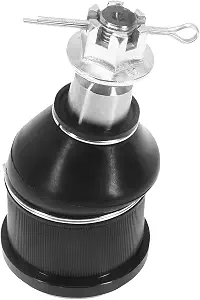 |
| Highest Rated A top-rated pick with lots of positive feedback | MOOG K80228 Front Lower Suspension Ball Joint |  |
| Most Popular A crowd favorite that many people choose with confidence | Detroit Axle 2 Front Lower Ball Joints for 2013–2017 Honda Accord / 2015–2019 Acura TLX |  |
| Best Seller A high-volume bestseller chosen again and again | AUQDD Front Lower Ball Joints K500315 (2-Pack) |  |
1. MOOG K500315 Front Lower Suspension Ball Joint

| Position | Front |
|---|---|
| Manufacturer | MOOG Chassis Products |
| Item model number | K500315 |
| Brand | MOOG |
The MOOG K500315 is a factory-style front lower ball joint intended to replace worn suspension pivots on compatible Honda Accord and Acura TLX models. It supports controlled pivoting between suspension components to restore steering stability and consistent handling during everyday driving. MOOG highlights durable construction and problem-solving design features aimed at easier installation and long service life, which matters when you want a dependable replacement that behaves like a factory-quality part. In use this part brings back predictable steering response and helps maintain proper alignment when paired with other healthy suspension components. Limitations to note are the single-position design and that this is a direct replacement rather than an upgraded performance component, so drivers seeking heavy-duty or track-focused parts should look elsewhere. For routine street use and maintenance-driven repairs the K500315 is a practical choice that balances reliability and fitment accuracy.
Best for: Buyers who want a reliable, factory-style replacement to restore normal steering and handling on a daily-driven Accord or TLX and prioritize fitment accuracy and longevity.
Less Ideal for: Drivers seeking performance-oriented or heavy-duty suspension upgrades for track use, towing, or aggressive off-road driving should consider reinforced aftermarket alternatives.
- Designed to restore factory steering feel and suspension pivot control
- Durable construction aimed at long service life for everyday driving
- Engineered for straightforward, hassle-reducing installation
- Not a performance or heavy-duty upgrade compared with specialized aftermarket options
Verdict: Choose the MOOG K500315 when you need a dependable, factory-quality front lower ball joint to restore steering stability and everyday handling.
2. TRQ Front Lower Driver and Passenger Side Ball Joint Set (2-piece)

| Fitment | 2013-2017 Honda Accord; 2015-2020 Acura TLX |
|---|---|
| Quantity | 2 Piece Ball Joint Set |
| Exterior | Machined |
| Model | TRQ PSA69821 |
The TRQ PSA69821 two-piece front lower ball joint set replaces both driver and passenger lower joints on the specified Accord and TLX front suspension. These are preassembled, machined units intended for direct-fit installation and are commonly used when worn joints cause looseness, uneven tire wear, or degraded steering feel. TRQ highlights pre-lubrication and extensive DIY installation videos, which makes the swap straightforward for a competent home mechanic using common suspension tools. Many buyers report good fit and easy installation, and the machined exterior suggests consistent manufacturing quality. However some reviewers found dimensional differences compared with factory parts that required washers or adjustments to properly torque the castle nut and install the cotter pin, so double-check fit and torque clearance before final assembly. Use this set for restoring steering precision and removing play from the front end, but allow time for test drives and inspection after installation to confirm correct seating and safety-critical fastener engagement.
Best for: Buyers restoring steering tightness and steering response on a 2013–2017 Honda Accord who prioritize a direct-fit, DIY-friendly replacement and want clear installation guidance.
Less Ideal for: Anyone unwilling to inspect and verify torque clearance after installation or those who require guaranteed identical factory dimensions without any fitment adjustments.
- Includes both left and right front lower ball joints for a complete front-end replacement
- Preassembled, machined units reduce prep time and simplify installation
- Pre-lubricated for immediate use and backed by DIY installation videos
- Some customers reported dimensional fit issues compared with the original part that required shimming or washers to secure the nut and cotter pin
Verdict: A practical, DIY-focused front lower ball joint pair that restores steering feel and simplifies installation for Accord owners seeking a direct replacement.
3. Detroit Axle Front Lower Ball Joints, Front Pair (K500081)

| Kit Includes | 2x Front Lower Ball Joints |
|---|---|
| Manufacturer | Detroit Axle |
| Manufacturer Part Number | K500081 x2 |
| Fitment Note | Replacement for select 2008-2015 Honda and 2009-2014 Acura models |
These Detroit Axle front lower ball joints come as a matched pair intended to replace the factory lower ball joints on specified Honda Accord, Crosstour, and Acura TSX models. They are direct-fit replacements, so installation is straightforward for a home mechanic or a professional using basic suspension tools. The parts are described as made from premium alloy with a high-strength structure to resist wear and corrosion and to withstand repeated impact loads, which should help restore steering precision and front-end stability. Because they are sold as a pair, you can address both sides at once and avoid uneven wear. Expect the usual benefits of a quality aftermarket replacement: improved handling feel and extended service life compared with tired originals. The product description emphasizes factory-quality fit, but like most aftermarket suspension parts these will depend on correct installation and alignment afterward. They replace only the lower ball joints, so if control arms, bearings, or related hardware are worn you may need additional parts or labor.
Best for: Buyers who want a cost-effective, straightforward replacement to restore steering feel and front-end stability on compatible Honda and Acura models and who plan to install or have a mechanic install the parts with a post-replacement alignment.
Less Ideal for: Drivers looking for a complete suspension refresh or upgraded performance components should consider full control-arm kits or performance parts instead.
- Direct-fit design for easy installation without modification
- Sold as a matched front pair to ensure symmetric replacement
- Premium alloy construction for improved wear resistance and corrosion protection
- Engineered for high structural strength to handle repeated impact loads
- Replaces only the lower ball joints so additional worn suspension parts may still require service
Verdict: A practical, direct-fit pair of lower ball joints that provides a reliable, factory-quality replacement to restore front-end stability on the specified Honda and Acura models.
4. PM Auto Front Lower Suspension Ball Joint (PMK80228)
| Fit Type | Vehicle Specific Fit |
|---|---|
| Auto Part Position | Front Lower |
| Material Type | Cast Iron, Rubber |
| Unit Count | 1.0 Count |
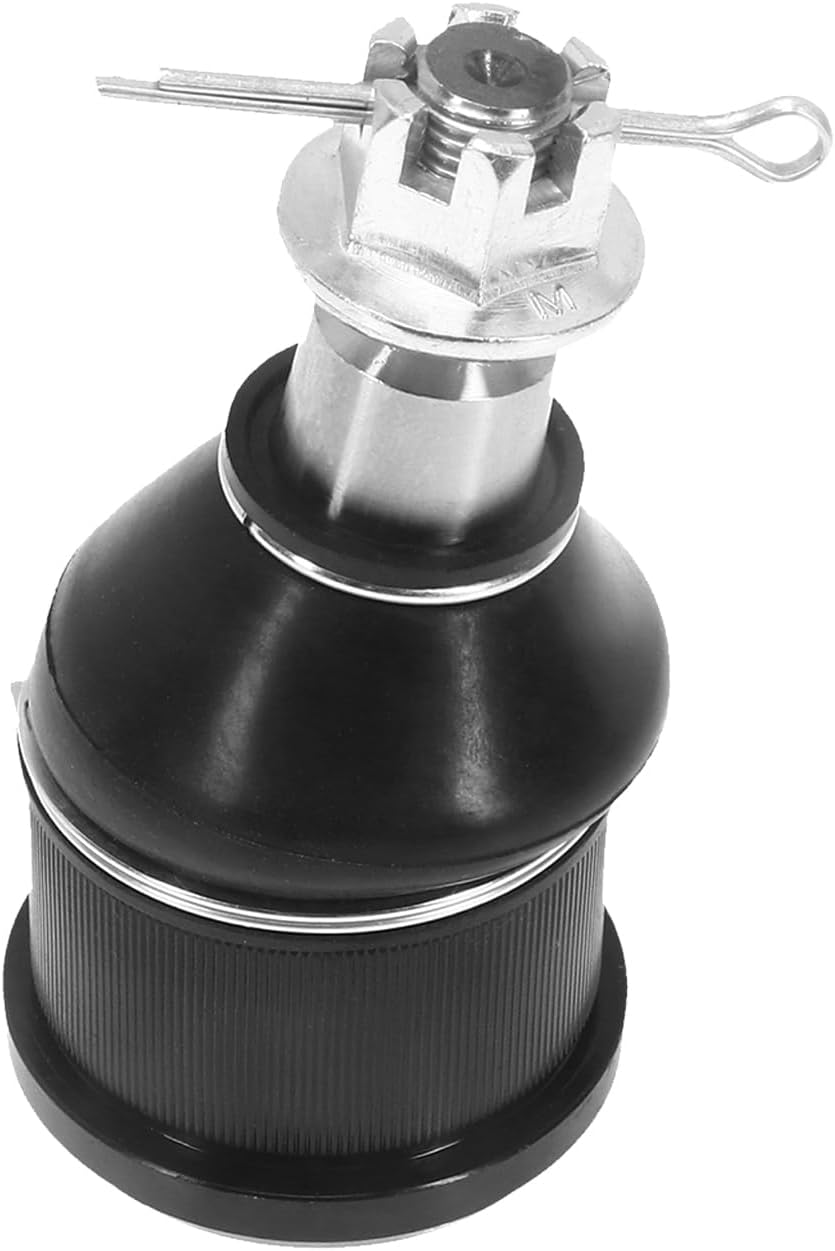
This PM Auto front lower ball joint replaces the worn factory unit on 2003–2007 Honda Accords and is intended as a direct vehicle-specific fit. It installs at the front lower control arm to restore steering stability and reduce play that shows up as wandering or uneven tire wear. The unit is cast iron with a rubber boot and includes the castle nut and cotter pin interface for secure fastening. For a budget-focused repair, it offers a straightforward swap-in design and enough material quality for everyday driving and commuting. Expect improved steering feel compared with a failing joint, but do not expect heavy-duty performance for extreme loads or off-road use. Installation is typical for front lower ball joints and may require a press or ball joint tool depending on your control arm; professional installation is recommended if you do not have the right tools. This is a practical, low-cost option to get a Honda Accord back to factory steering behavior without spending on premium aftermarket parts.
Best for: Buyers wanting an affordable, factory-style replacement to restore steering feel and fix play on a daily-driven 2003–2007 Honda Accord; good for DIYers comfortable arranging a straightforward suspension swap or for shops doing budget repairs.
Less Ideal for: Those seeking high-performance, heavy-load, or off-road upgrades should consider premium or heavy-duty aftermarket ball joints instead.
- Vehicle-specific fit for 2003–2007 Honda Accord and compatible Acura TSX for simpler installation planning
- Cast iron construction provides solid, durable housing for everyday driving
- Includes standard fastening interface (castle nut and cotter pin) for secure installation
- Rubber boot helps keep contaminants out and prolong joint life
- Not marketed as a heavy-duty or performance-grade replacement for aggressive driving or towing
Verdict: A budget-friendly, vehicle-specific front lower ball joint that restores steering stability on 2003–2007 Honda Accords without the cost of premium aftermarket options.
5. MOOG K80228 Front Lower Suspension Ball Joint
| Position | Lower |
|---|---|
| Material | Rubber |
| Manufacturer Part Number | K80228 |
| Bearing Type | Ball Bearing |
| Compatible Lubricant | Grease |
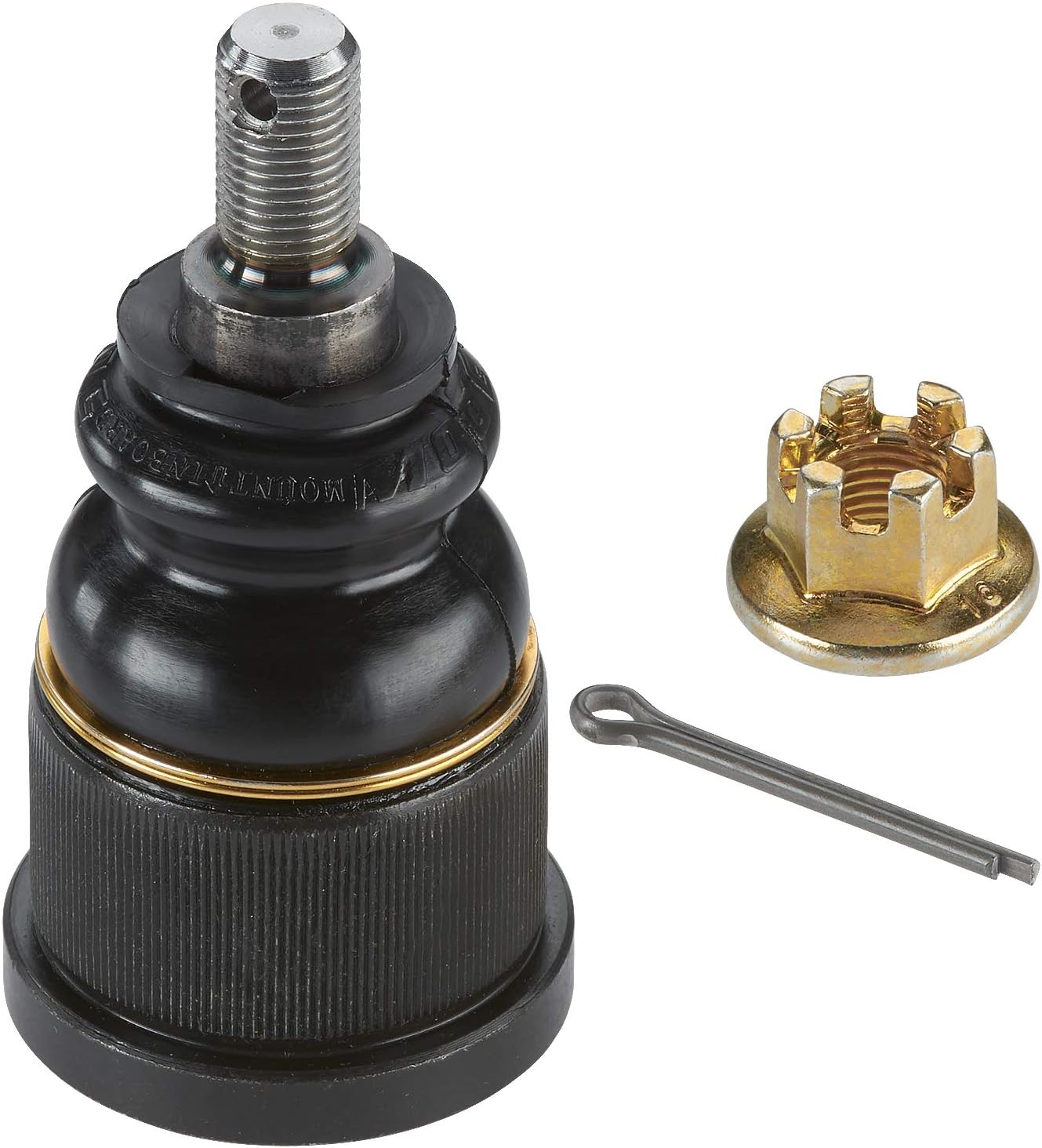
The MOOG K80228 is a direct-replacement front lower ball joint built to restore steering precision and front-end stability on compatible Accords and TSX models. It installs with factory-style fit and includes a machined exterior, pressed-in cover plate, and a heat-treated stud intended to resist premature fatigue. Where equipped the design uses a gusher bearing and a greasable socket so grease can flush contaminants and reduce friction, which helps prolong service life. In practice this part is used during front suspension repairs to eliminate looseness, reduce steering vibration, and correct uneven tire wear caused by worn joints. Benefits include factory-accurate tolerances for alignment after install and components that seal out debris to limit bearing wear. Limitations to note are mixed user reports on long-term squeak-free life and the fact that installation typically requires a press and basic suspension know-how; improper pressing can damage the stud threads. For buyers prioritizing dependable steering feel and a robust replacement, MOOG presents a well-engineered option, but expect professional installation if you want consistent longevity.
Best for: Buyers who want a reliability-minded, factory-replacement lower ball joint to restore steering feel and front-end control on Honda Accord and Acura TSX models and who prefer proven chassis-brand parts.
Less Ideal for: Do not choose this if you plan to DIY without a press or minimal suspension experience or if you need a part guaranteed for heavy off-road or high-mileage extreme-duty use.
- Factory-style fit and precision tolerances for straightforward alignment after installation
- Heat-treated ball stud for improved fatigue strength compared with basic aftermarket units
- Pressed-in cover plate and seals that help keep debris out and reduce looseness
- Greasable design and gusher bearing where applicable allow lubrication to reduce friction and extend life
- Requires a press and careful installation to avoid damaging the stud threads
- Some users report premature squeaking on a minority of units indicating variable long-term durability
Verdict: A factory-fit replacement that prioritizes steering stability and durability for reliability-focused Accord owners.
6. Detroit Axle 2 Front Lower Ball Joints for 2013–2017 Honda Accord / 2015–2019 Acura TLX

| Compatibility | 2013–2017 Honda Accord, 2015–2019 Acura TLX |
|---|---|
| Kit contents | 2x front lower ball joints |
| Manufacturer | Detroit Axle |
| Manufacturer part number | K500315x2 |
These Detroit Axle front lower ball joints replace the left and right lower joints and are intended for routine suspension repair on compatible 2013–2017 Honda Accord and 2015–2019 Acura TLX models. They arrive as a two-piece kit and are built to meet common aftermarket quality standards with impact, wear, and fatigue testing reported by the brand. In use they restore steering precision and eliminate play or popping sounds caused by worn ball joints, and several owners report long life with one user noting no problems after 75,000 miles. Fit and finish are generally good and many buyers find the parts to be a direct, cost-effective replacement. However there are mixed fitment reports so confirm vehicle compatibility before installation, and one install can require a press or removal of the control arm for proper seating. Grease fittings are included on some batches which helps maintenance, but product sizing and occasional dimensional variance have produced difficult fits for a minority of vehicles. For a buyer focused on proven results and peer feedback this kit balances affordability with mostly positive real-world performance.
Best for: Buyers who prioritize social proof and want a budget-friendly, commonly used aftermarket replacement backed by many positive owner experiences and long-term use reports.
Less Ideal for: If you need a guaranteed exact fit without any risk of dimensional variance or prefer premium dealer parts with direct manufacturer support, consider purchasing from a franchised parts supplier or a verified premium brand.
- Sold as a two-piece kit to replace both front lower joints at once
- Generally good fit and factory-style construction according to multiple user reports
- Undergoes impact, wear, and fatigue testing per manufacturer claims
- Some units include grease fittings for easier lubrication and longer service life
- Occasional fitment issues reported that can prevent proper seating on some vehicles
- May require a press or removal of control arm for installation rather than a simple bolt-in
Verdict: A cost-effective, widely used replacement that restores steering feel and durability for specified Accord and TLX years while offering strong user-tested performance.
7. AUQDD Front Lower Ball Joints K500315 (2-Pack)

| Manufacturer | AUQDD |
|---|---|
| Package Quantity | 2 x Front Lower Ball Joints |
| Compatible Vehicles | 2013-2017 Honda Accord; 2015-2020 Acura TLX |
| Manufacturer Part Number | B500315-15 |
These AUQDD front lower ball joints are sold as a two-piece set intended to replace worn lower ball joints on compatible Accords and TLX sedans. They are built with machined metal bodies, forged components, and automated welding to match factory fit and alignment. Typical use is direct replacement during front suspension service or when diagnosing clunking, uneven tire wear, or looseness in the steering. The kit includes two ball joints and aims for an easy bolt-in installation without specialty tools. Practical benefits are predictable steering feel restoration, a snug fit to the control arm, and materials that should hold up under normal street driving. Limitations to consider are that this is a budget aftermarket option; some users report average perceived build quality and uncertainty about long-term durability compared with higher-end aftermarket or premium factory parts. Also lubrication inside the boot may be less robust, so plan for inspections after initial miles and use professional installation if you want torque and safety checks.
Best for: Buyers who prioritize a reliable, factory-style replacement at a lower cost and want a straightforward, bolt-in solution to stop front-end play and restore steering feel.
Less Ideal for: Drivers seeking long-term, heavy-duty endurance or track-level performance should consider high-end aftermarket or OEM replacements instead.
- Sold as a matched two-pack for replacing both front lower ball joints at once
- Machined and forged components with automated welding for consistent fit
- Designed to match factory fit and tolerances for straightforward installation
- Suitable for street driving and restores steering stability when worn joints are replaced
- Aftermarket build quality is reported as average by some users compared with premium replacements
Verdict: A cost-conscious, factory-fit two-pack that restores steering feel with easy installation for riders who prefer a low-risk, mainstream replacement.
Choosing the Right Honda Accord Lower Ball Joint: Key Factors to Consider
Fitment and Vehicle Compatibility
Correct fitment is essential because the lower ball joint mounts directly to the control arm and steering knuckle; mismatches can cause steering play, premature tire wear, or mounting bolt stress. Verify the joint matches the Accord's control arm bore, stud size, and overall height so alignment settings remain within service limits after installation.
OEM-style dimensions reduce the need for additional modifications during replacement. When a part is listed as a direct fit for the Honda Accord, it typically means the same mounting surfaces and tolerances are preserved, which simplifies installation and maintains the vehicle's original handling characteristics.
Durability and Material Quality
Lower ball joints must resist both vertical loads from the vehicle weight and lateral forces during cornering; material quality determines how long the joint maintains tight clearances. Look for hardened bearing surfaces, high-grade steel studs, and corrosion-resistant coatings that help prevent premature wear and rust, especially if you drive in wet or salted-road conditions.
Seals and dust boots also play a big role in longevity. A robust boot design that keeps contaminants out and retains grease will extend service life and reduce the chance of failure between inspections.
Movement Characteristics and Tolerances
A good lower ball joint provides smooth articulation without excessive free play while avoiding tightness that causes binding. Tolerance control affects steering precision and ride quality; parts built to tighter tolerances can restore crisp steering feel but must still allow for normal suspension travel.
Some replacement joints are pre-set to a specific clearance, while others require break-in or post-install lubrication. Understand how the joint is finished at the factory so you know whether to expect immediate tightness or gradual seating after a few cycles of suspension movement.
Serviceability and Installation
Ease of installation matters whether you are doing the job yourself or leaving it to a tech. Direct-fit lower ball joints that match factory mounting hardware reduce labor time and lower the chance of installation errors. Compatibility with common tools, including a standard ball joint press tool, makes removal and press-in straightforward.
Consider whether the unit needs a separate retaining clip, snap ring, or if it comes as a complete assembly. Units that include grease fittings let you perform periodic servicing to prolong life, while sealed-for-life designs eliminate maintenance but may need replacement sooner if the seal is compromised.
Corrosion Protection and Environmental Resistance
The Accord often faces seasonal moisture, road salt, and debris that accelerate corrosion. Coatings such as zinc plating, phosphate conversion, or other protective finishes help preserve mounting surfaces and studs. Better corrosion resistance prevents binding and makes future removal easier.
Boot materials matter too; thicker, chemically resistant rubber or synthetic boots stand up better to oil, road grime, and temperature cycling, reducing the chance of seal failure that lets contaminants in.
Warranty and Support
A clear warranty signals the manufacturer expects the joint to last under normal conditions. Warranty length and coverage terms give insight into expected durability and the company's confidence in manufacturing processes. Favor parts backed by straightforward warranty procedures and reasonable coverage for premature failure.
Also consider the availability of technical support or installation guidance. Clear instructions and accessible customer support reduce installation risk and help resolve fitment questions before you start the job.
Symptoms That Point to a Worn Lower Ball Joint
Several common symptoms can indicate a worn lower ball joint on an Accord. Listen for clunks or knocking noises during slow-speed turns or when driving over bumps, which often signal excessive play in the joint. Another sign is a loose or wandering steering feel, especially noticeable at highway speeds or during directional changes.
Visual inspection can reveal a torn boot, heavy grease leakage, or excessive vertical movement when the wheel is lifted and manipulated. Uneven tire wear on the inner or outer edges may also suggest suspension geometry has shifted due to joint wear. Addressing these signs early helps prevent sudden failure and more costly suspension damage.
- Clunking noises over bumps or while turning
- Loose or imprecise steering feel
- Uneven tire wear
- Visible boot damage or grease leakage
- Excessive vertical play when testing the wheel
Inspection and DIY Checks Before Replacement
Before ordering a replacement, perform simple checks to confirm the lower ball joint is the issue. Park the car on level ground, lift the front of the vehicle with proper jacking points, and support it on jack stands. Grasp the top and bottom of the tire and attempt to rock the wheel assembly; vertical play beyond a small amount often points to a worn lower ball joint or control arm bushing.
Also visually inspect the boot for tears and look for grease splatter around the steering knuckle and control arm. If you have basic tools and a ball joint press tool, you can further test by removing the knuckle to check stud movement under load. If you are unsure, a professional inspection can confirm diagnosis and prevent unnecessary parts replacement.
- Lift and secure the vehicle before any inspection
- Check for vertical play by rocking the wheel
- Inspect boots for tears and grease residue
- Use a ball joint press tool for press-fit checks if equipped
- Seek professional confirmation when uncertain
Installation Considerations and Alignment
Replacing a lower ball joint on the Accord can affect wheel alignment if the control arm or knuckle is disturbed. After installation, a proper wheel alignment is recommended to restore caster, camber, and toe settings and to prevent accelerated tire wear. Some direct-fit assemblies preserve factory geometry, minimizing alignment drift, but verification is still important.
Pay attention to torque specifications for mounting hardware and the correct seating of retaining clips or snap rings. If the replacement includes a grease fitting, add grease after installation and cycle the suspension a few times to distribute lubricant. Using the right tools, including a ball joint press tool designed for the job, reduces the risk of damage to the new joint or surrounding suspension parts.
- Follow factory torque specs for mounting hardware
- Cycle the suspension to seat new joints and distribute grease
- Get a wheel alignment after replacement
- Use a ball joint press tool to avoid damage
- Confirm retaining clips or snap rings are properly engaged
When to Prefer Replaceable Vs Sealed Units
Some lower ball joints are serviceable with grease fittings, while others are sealed for life. Replaceable units allow periodic lubrication that can extend service intervals and may be preferable for high-mileage Accords or vehicles operating in harsh conditions. Greaseable joints let you top up lubrication after heavy use or when boots show minor wear but remain intact.
Sealed units eliminate maintenance but rely on the integrity of the boot for long-term durability. They are simpler to install and are often chosen for convenience, but if the boot fails, the unit typically must be replaced. Consider your maintenance habits and driving environment when selecting between these types.
- Greaseable joints are service-friendly for high-mileage use
- Sealed units offer low maintenance but must be replaced if the boot fails
- Choose greaseable if you expect to perform periodic suspension service
- Sealed units suit owners who want a quick, maintenance-free swap
Tools and Workshop Tips for a Smooth Job
A successful lower ball joint replacement is easier with the right tools. Essential items include a good-quality ball joint press tool, torque wrench, breaker bar, penetrating oil for stubborn fasteners, and the correct socket sizes for the Accord's hardware. Using a press tool designed for lower ball joints reduces the risk of marring the control arm or knuckle during removal and installation.
Clean mating surfaces and inspect surrounding suspension components while you have the assembly apart. Replace any corroded bolts and consider swapping worn control arm bushings at the same time if they show excessive play. Keep parts organized and follow torque sequences to ensure a safe, durable repair.
- Ball joint press tool is highly recommended
- Torque wrench ensures correct fastener tightness
- Penetrating oil helps free corroded hardware
- Inspect and clean mating surfaces during installation
- Replace corroded bolts and worn bushings when necessary
Still looking for the perfect fit?
Select your Honda Accord configuration to see the most relevant Ball Joints recommendations
How We Chose the Best Honda Accord Lower Ball Joint
We evaluated candidate lower ball joints against criteria that matter for Honda Accord owners and technicians. Fitment accuracy was a primary filter; only parts engineered to match Honda Accord front suspension geometry and mounting patterns were considered. Durability and materials were assessed by looking for hardened studs, corrosion-resistant finishes, and heavy-duty housings that resist wear under typical driving loads. Movement quality and tolerances were used to judge whether the joint maintains tight steering feel without introducing binding.Serviceability was another important factor. We favored units designed for straightforward installation with common tools or those compatible with a standard ball joint press tool, and we prioritized options that include grease fittings if routine lubrication is expected. Warranty coverage and manufacturer support were reviewed as indicators of expected lifespan and quality control. Finally, we excluded any parts that required major suspension modification or involved uncommon hardware, focusing only on direct-fit replacements and clear upgrade options that maintain factory alignment settings.
Our full evaluation process is outlined in our review methodology.
FAQ
How long do lower ball joints typically last on a Honda Accord?
Lifespan varies with driving conditions and maintenance, but lower ball joints often last many tens of thousands of miles. Exposure to road salt, heavy loads, or off-road use shortens life, while regular inspection and greasing of serviceable joints can extend it.
Can I replace the lower ball joint myself with basic tools?
Many mechanically inclined owners can replace a lower ball joint with a ball joint press tool and standard hand tools, but the job requires proper lifting equipment and torque tools. If you lack these tools or experience, a professional installation is safer.
Will replacing the lower ball joint fix wheel vibration?
Replacing a worn lower ball joint can eliminate vibration that originates from excessive play in the suspension. However, wheel vibration has multiple causes, so if the vibration persists after replacement, check wheel balance, tires, and other suspension components.
Should I grease a new lower ball joint after installation?
If the replacement has a grease fitting, add the recommended grease and cycle the suspension to distribute it. Sealed-for-life units do not require greasing and should not be fitted with aftermarket grease fittings unless specified by the manufacturer.
What happens if a lower ball joint fails while driving?
A failed lower ball joint can lead to sudden loss of steering control or the wheel collapsing inward or outward, creating a hazardous situation. Early detection and prompt replacement reduce the risk of a dangerous failure.
Is it necessary to replace other suspension parts when changing the lower ball joint?
It depends on condition. Inspect the control arm bushings, tie rod ends, and wheel bearings while the assembly is disassembled. Replace any components that show wear to avoid repeated labor and ensure proper suspension function.
Final Verdict
Prioritize fitment, material quality, and serviceability when selecting a lower ball joint for your Honda Accord. Durable construction and proper sealing keep steering tight and reduce the risk of premature failure, while greaseable designs offer extended life for vehicles that receive regular maintenance. Balance the ease of installation with long-term durability needs, and plan to verify alignment after replacement so the Accord returns to predictable handling and tire wear patterns.
Explore More:
- Check out all Honda Accord parts & accessories
- Explore Ball Joints Maintenance & Repair Guides
- Explore Suspension & Steering
- Browse all Auto Parts
