

Note: This article contains affiliate links. If you click on these links and make a purchase, I may earn a small commission at no extra cost to you. This helps support my research and content. Read my full affiliate disclosure here.
If you own a 2013-2017 Honda Accord and suspect worn steering components, choosing the right ball joint matters for safety and comfort. Worn ball joints can cause loose steering, uneven tire wear, and noticeable wheel vibration, so selecting a properly fitting replacement will restore handling and extend suspension life.This guide covers the top shortlisted ball joints suited to the 2013-2017 Accord chassis. We evaluated each option for fitment accuracy, build durability, greaseability, and how well it addresses common symptoms. Read on to understand what to look for and which features matter most before replacing a ball joint.
Looking for other parts? See all Honda Accord parts & accessories.
Top Picks at a Glance
| Best Overall The best all-around choice for most situations | TRQ Front Lower Ball Joint, Compatible with 2013-2017 Honda Accord and 2015-2020 Acura TLX |  |
| Best Quality Built to a higher standard if you want something more solid | MOOG K500315 Front Lower Suspension Ball Joint |  |
| Best Value The sweet spot between price and what you get | MOCA AUTOPARTS Front Lower Left & Right Ball Joint Set (fits 2013–2017 Honda Accord, 2015–2020 Acura TLX) |  |
| Best Budget The cheapest option that still gets the job done reliably | SCITOO Front Lower Ball Joint (K500315) for 2013–2017 Honda Accord / 2015–2019 Acura TLX |  |
| Highest Rated A top-rated pick with lots of positive feedback | Suspension Dudes Front Lower Ball Joint Kit (pair) |  |
| Most Popular A crowd favorite that many people choose with confidence | Detroit Axle 2 Front Lower Ball Joints (replacement) |  |
| Best Seller A high-volume bestseller chosen again and again | AUQDD Front Lower Ball Joints K500315 (pair) Compatible with 2013-2017 Honda Accord / 2015-2020 Acura TLX |  |
1. TRQ Front Lower Ball Joint, Compatible with 2013-2017 Honda Accord and 2015-2020 Acura TLX

| Position | Front Left Lower, Front Right Lower |
|---|---|
| Greaseable | No |
| Mounting Type | Press-In |
| Dust Boot Included | Yes |
| Manufacturer Part Number | PSA65690 |
The TRQ front lower ball joint is a pre-assembled, press-in replacement intended for the front lower position on 2013-2017 Honda Accords and 2015-2020 Acura TLX. It comes with a dust boot and a machined exterior so it installs as a factory-style direct replacement without modification. Because the unit is non-greaseable it requires no periodic greasing but also cannot be serviced once the internal joint wears. TRQ highlights DIY support with installation videos which helps home mechanics and shops speed up the swap. In real-world use this ball joint restores steering responsiveness and reduces play compared with a worn OEM joint, and the included dust boot helps keep contaminants out. The press-in mounting makes it suitable when you have the proper press or aftermarket tools; without those tools installation can be more time consuming. Overall this part suits routine suspension repairs where a reliable, ready-to-install replacement is wanted, but it is not a rebuildable, serviceable option for long-term maintenance strategies.
Best for: Buyers who want a reliable, ready-to-install factory-style replacement that restores steering feel and lets a competent DIYer or shop complete the repair quickly.
Less Ideal for: Owners seeking a serviceable or greaseable ball joint for long-term maintenance or those without access to a press or proper suspension tools should consider other options.
- Pre-assembled direct-fit design for front lower position to simplify installation
- Machined exterior and included dust boot to protect the joint from contaminants
- Manufacturer provides step-by-step installation videos useful for DIYers
- Designed to match factory mounting type so no vehicle modifications are required
- Non-greaseable design cannot be serviced once wear begins
Verdict: A convenient, factory-style press-in front lower ball joint that makes a dependable replacement for routine suspension repairs on 2013-2017 Accords.
2. MOOG K500315 Front Lower Suspension Ball Joint

| Position | Front |
|---|---|
| Brand | MOOG |
| Manufacturer | MOOG Chassis Products |
| Item model number | K500315 |
| Is Discontinued By Manufacturer | No |
The MOOG K500315 is a front lower suspension ball joint engineered to replace worn factory components on compatible 2013–2017 Honda Accord and 2015–2020 Acura TLX models. It provides the pivot point between control arm and steering knuckle, restoring predictable steering feel and helping maintain alignment after a worn joint is removed. MOOG highlights reinforced materials and testing aimed at durability for everyday driving, so drivers should expect longer service life than many budget parts. Installation is the typical pressed or bolted job for lower ball joints and benefits from basic shop tools or a press; MOOG’s fit and finish and problem-solving design details are intended to make that process less fussy. The unit is strictly a direct replacement for the specified front lower position so it will not change handling characteristics beyond returning the car to factory-quality steering response. If you want upgraded performance tuning or a heavy-duty racing component, this is a factory-style replacement rather than a motorsport part.
Best for: Buyers looking to restore factory steering feel and suspension geometry on a 2013–2017 Accord or 2015–2020 TLX who prioritize reliable, long-lasting replacement parts over aftermarket performance mods.
Less Ideal for: Drivers seeking upgraded performance or race-focused suspension components should consider specialty performance ball joints instead.
- Direct-fit front lower replacement for specified Accord/TLX years
- Built with reinforced materials and testing for durability in everyday driving
- Restores factory steering stability and helps maintain alignment after replacement
- Designed as a factory-style replacement and not intended for performance tuning or motorsport use
Verdict: Choose the MOOG K500315 when you want a durable, factory-quality front lower ball joint that reliably restores steering stability on the specified Accord/TLX models.
3. MOCA AUTOPARTS Front Lower Left & Right Ball Joint Set (fits 2013–2017 Honda Accord, 2015–2020 Acura TLX)

| Placement on Vehicle | Front lower left & right |
|---|---|
| Unit Count | 2 Count |
| Bearing Number | K500315 |
| Material Type | Metal |
| Compatible Lubricant | Grease |
These MOCA AUTOPARTS ball joints replace the front lower left and right joints on the specified 2013–2017 Honda Accord and 2015–2020 Acura TLX models. Sold as a pair, they are metal, grease-compatible components intended to restore steering precision and suspension stability after wear causes looseness, vibration, or uneven tire wear. Typical installation replaces worn OEM lower joints during suspension repairs or when diagnosing front-end noise and play. The listing includes manufacturer part and bearing numbers for cross-reference and shows images of the joints and packaging. Practical benefits include restoring factory-style steering feel and being supplied as a matched pair to simplify replacement. Limitations to note are that this is an aftermarket part so fit reliability depends on correct vehicle confirmation and installation, and any labor or alignment needs after replacement are not included. For DIYers or independent shops this provides a straightforward, cost-conscious repair option for the specified vehicles.
Best for: Buyers looking to restore factory steering feel and eliminate front-end play on specified Accords who prioritize a practical, cost-effective replacement part.
Less Ideal for: Those seeking brand-new factory-sourced components or buyers who want a plug-and-play swap with dealer installation and warranty-backed parts coverage.
- Sold as a matched pair for left and right front lower positions
- Metal construction compatible with grease for standard servicing
- Includes manufacturer/bearing numbers for easy parts cross-reference
- Aftermarket fit may require careful vehicle confirmation and professional installation for best results
Verdict: A practical matched pair replacement that restores steering control and suspension stability on the specified Honda Accord years without unnecessary extras.
4. SCITOO Front Lower Ball Joint (K500315) for 2013–2017 Honda Accord / 2015–2019 Acura TLX
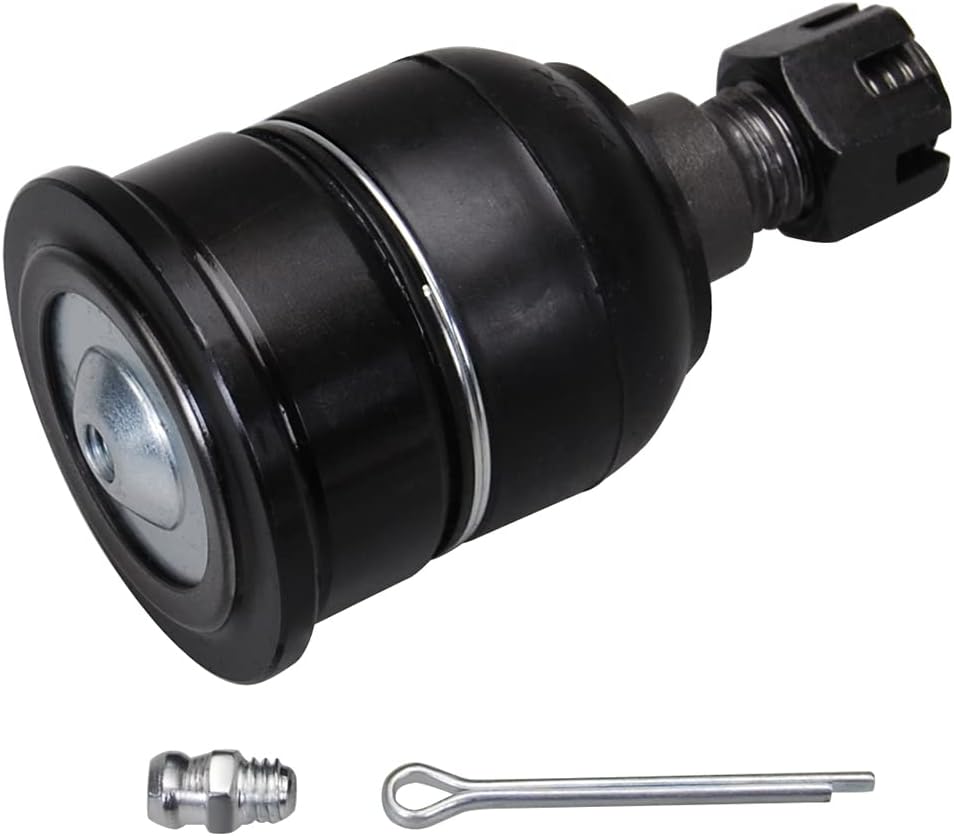
| Position | Front |
|---|---|
| Manufacturer | SCITOO |
| Model | 175020 |
| OEM Part Number | K500315 |
| Exterior | Electrophoretic Coated |
This SCITOO front lower ball joint is a direct replacement part intended to restore steering and suspension stability on compatible Accords and TLX models. It arrives pre-greased with a pre-installed boot and an electrophoretic coating for corrosion resistance, which simplifies installation and reduces initial service steps. Typical use is as a one-for-one factory-style replacement when a worn ball joint produces looseness, uneven tire wear, or front-end noise. The part includes a grease fitting on some units so you can service it after installation for longer life. Practical benefits are straightforward: compatibility with the specified model years, reduced prep time because it is pre-greased, and a finish intended to resist rust. Limitations to be aware of are variable build quality noted in user reports—some buyers found boot fitment or durability issues—so inspect the part on arrival and consider professional installation to ensure correct fit and torque. For budget repairs it offers a low-cost option but may not match premium aftermarket longevity.
Best for: Buyers looking for an affordable, ready-to-install replacement to get a 2013–2017 Accord or 2015–2019 TLX back on the road quickly without extra prep work.
Less Ideal for: Drivers seeking a long-life premium performance upgrade or those unwilling to accept potential variability in fitment should consider higher-end branded alternatives or OE-level parts.
- Made pre-greased with a pre-installed boot to reduce prep and simplify installation
- Electrophoretic coating offers corrosion resistance for street use
- Sold as a direct-fit replacement for specified Accord and TLX model years
- Some customers report inconsistent boot fit and occasional early failures
- Quality control appears variable across units based on user feedback
Verdict: A budget-friendly, pre-greased front lower ball joint that provides a quick, direct-fit replacement for 2013–2017 Honda Accord and 2015–2019 Acura TLX owners who want an inexpensive repair option.
5. Suspension Dudes Front Lower Ball Joint Kit (pair)

| Manufacturer | Suspension Dudes |
|---|---|
| Model | Front Lower Ball Joint Kit |
| Position | Front Left Lower, Front Right Lower |
| Manufacturer Part Number | SDK500315 |
| OEM Part Number | 51215T2AK01, 51220T2A305 |
This front lower ball joint kit from Suspension Dudes replaces both left and right units and is intended to restore steering feel and suspension stability on compatible Accords and TLX models. The kit uses hardened steel joints with a painted, corrosion-resistant finish so it resists rust and should hold up in wet or salty conditions. Installation is straightforward for a competent DIYer or a mechanic because the parts follow factory fitment and come as a matched pair, which helps eliminate uneven wear. In real-world use the main benefits are firmer steering feel, reduced play, and more even tire wear once the worn joints are removed. The product is simple and focused so it does not include press tools or service instructions, and buyers should expect to use a ball-joint press or shop service for removal and installation. Fitment is limited to the listed Accord and TLX model years, so confirm year and position before ordering. Overall this kit is a practical, reliability-focused replacement for worn lower ball joints on the specified vehicles.
Best for: Buyers who prioritize a durable, no-frills factory-quality replacement to restore steering precision and suspension reliability on their Accord from 2013–2017 or TLX from 2015–2020.
Less Ideal for: If you want a performance-upgrade joint with reinforced bearings or a lifetime maintenance plan, choose a purpose-built aftermarket performance unit instead.
- Sold as a matched pair to ensure even wear and consistent steering feel
- Hardened steel construction with corrosion-resistant painted finish for durability
- Designed to the vehicle-specific fitment for a direct replacement install
- Does not include specialized removal or installation tools or detailed instructions
Verdict: A straightforward, vehicle-specific pair of hardened steel lower ball joints that restores steering control and long-term reliability for 2013–2017 Accords.
6. Detroit Axle 2 Front Lower Ball Joints (replacement)

| Fitment | 2013-2017 Honda Accord, 2015-2019 Acura TLX |
|---|---|
| Quantity | 2 front lower ball joints |
| Manufacturer | Detroit Axle |
| Warranty | 10-Year Warranty |
These Detroit Axle lower ball joints replace the two front lower joints on 2013–2017 Honda Accord and the listed Acura TLX years. The kit includes two preassembled joints that are intended to press into the lower control arms and accept the factory steering knuckle and pinch bolt. In practice the parts are built to a factory-style specification and many buyers report a close fit, durable construction, and long service life when installed correctly. They include grease fittings for routine lubrication and the brand states testing and a 10-year warranty. Expect typical installation steps: remove control arm or use a ball-joint press, press the old joints out and press these in, then torque the stud to factory specs and grease. Limitations: a minority of reviewers found fitment or diameter variance on some vehicles that required returns or shop work, so confirm fitment for your exact submodel before installation. These are a value-oriented aftermarket alternative that suit routine suspension repairs when fitment checks out and proper pressing tools are used.
Best for: Buyers who prioritize verified user feedback and want a budget-friendly, factory-style replacement for routine front lower ball joint repairs on the specified Accord/TLX years.
Less Ideal for: Do not choose this if you need a guaranteed perfect fit without any verification; professional shops or owners who cannot confirm submodel fitment ahead of time may prefer to source a confirmed-match part from a local supplier.
- Sold as a two-piece kit covering both front lower joints for a complete side repair
- Manufactured to factory-style specifications and widely reported to fit and perform like OEM replacements
- Grease fittings allow periodic lubrication to extend service life
- Backed by a long stated warranty and brand testing for durability
- Some users reported incorrect match information or slight diameter variance causing fitment issues on certain vehicles
Verdict: A value-focused, factory-style replacement pair that delivers OEM-like durability for 2013–2017 Accord front lower ball joint repairs when fitment is confirmed.
7. AUQDD Front Lower Ball Joints K500315 (pair) Compatible with 2013-2017 Honda Accord / 2015-2020 Acura TLX

| Manufacturer | AUQDD |
|---|---|
| Item model number | K500315 539-784 |
| Manufacturer Part Number | B500315-15 |
| Compatible vehicles | 2013-2017 Honda Accord; 2015-2020 Acura TLX |
These AUQDD front lower ball joints are a direct replacement pair designed to restore wheel steering articulation and suspension control on the specified Accord and TLX years. They are typically used as a like-for-like service part when worn ball joints produce looseness, noise, or uneven tire wear. The parts are machined and forged with CNC processes and come assembled ready for installation, which makes them straightforward for a professional or competent DIY mechanic to fit. Practical benefits include accurate fitment to the listed vehicles, a metallic finish for corrosion resistance, and an aftermarket construction intended to meet factory-style tolerances. Reported positives are solid fit and acceptable build for the price, while some users note average perceived long-term durability and grease/boot quality that may not match premium OE-grade parts. If installed and torqued to spec, they should return stable steering feel and stop play from worn joints, but buyers seeking longest-life, high-mileage confidence might prefer a higher-end brand.
Best for: Buyers who want an affordable, ready-to-install replacement that restores steering precision and removes play without extensive modification and who prefer parts that match the vehicle’s original fit and function.
Less Ideal for: Drivers seeking the longest-lasting, heavy-duty upgrade or those doing high-mileage or performance driving should consider upgraded premium or heavy-duty ball joints instead.
- Sold as a pair and preassembled for direct lower ball joint replacement
- Machined and forged components produced with CNC processes for consistent fit
- Designed to match specified 2013–2017 Honda Accord and 2015–2020 Acura TLX fitment
- Metallic finish and manufacturing process aimed at corrosion resistance and strength
- Some users report the internal grease and boot quality feel average compared with premium replacements
- Perceived long-term durability may be lower than higher-end or factory-quality ball joints
Verdict: A budget-friendly, vehicle-specific replacement pair that restores factory-style fit and steering control for the listed Accord and TLX years.
Choosing the Right 2013-2017 Honda Accord Ball Joint: Key Factors to Consider
Fitment and Compatibility
Correct fitment is the single most important factor for the 2013-2017 Honda Accord. A ball joint must match the factory stud diameter, taper, and mounting style for either the front lower or upper position as applicable. Even small differences in stud length or mounting flange thickness can prevent proper installation or alter steering geometry.
When selecting a replacement, verify the part explicitly lists compatibility with the 2013-2017 Accord year range. If you are replacing a front lower ball joint versus an upper ball joint, confirm the specific position because the load profiles and mounting differ. Proper compatibility reduces installation time and avoids the need for additional adapters or control arm changes.
Durability and Materials
Durability affects how long the ball joint will maintain alignment and steering feel between services. Look for parts with hardened and heat-treated studs, corrosion-resistant finishes, and housings made from robust steel or forged components rather than thin cast pieces. The bearing surface inside the joint should be engineered to resist wear from road loads common to Accord driving, such as daily commuting and occasional pothole impacts.
Boot and seal materials also influence longevity. Thick, multi-lip rubber boots or thermoplastic elastomer seals keep dirt and moisture out longer than thin boots. For Accords that see salted roads or high-mileage commuting, those stronger materials extend service life and reduce the chance of early failure.
Serviceability and Maintenance
Decide whether you want a sealed-for-life ball joint or a greaseable unit that accepts a grease fitting. Greaseable ball joints allow periodic lubrication which can extend life if you or your shop will maintain them. Sealed units reduce maintenance needs but will require full replacement when worn.
Consider how the joint is installed. Some replacements are press-fit and need a ball joint press tool to remove and install, while others use a bolt-in design that simplifies DIY installation. For owners planning a self-repair on an Accord, factor in the tools and time required to perform a safe, correct replacement.
Boot and Seal Design
The boot and seal are the first line of defense against contaminants that cause premature joint wear. Effective boots have tight clamping around the stud and robust material that resists cracking over time. A well-designed dust boot prevents grit ingress that leads to abrasive wear between the stud and socket, which in turn produces excess play and steering looseness on an Accord.
Examine whether the replacement uses a multi-lip seal and how it is retained. A poorly designed boot that slides or tears under load will dramatically reduce service life, so choose units with proven sealing strategies.
Load Capacity and Design for Driving Conditions
Ball joints on a front-wheel-drive Accord must support steering and suspension loads from daily commuting, occasional highway speeds, and impacts from potholes or curbs. Choose joints rated for the load and usage you expect. Heavier-duty designs can resist deformation and maintain alignment longer if your driving includes rough roads or heavier payloads.
If you frequently carry passengers or luggage, prioritize a design with solid bearing support and minimal deflection under load so handling remains predictable and tire wear stays even.
Installation Requirements
Installation complexity can influence total cost and downtime. Press-fit ball joints often require a ball joint press tool and sometimes removal of the control arm. Bolt-in designs can reduce install time but must still align correctly to avoid steering geometry changes. Confirm whether replacement requires an alignment afterward; most joint replacements affect toe or camber and a professional alignment is commonly recommended for the Accord.
Also account for related parts you may need to replace at the same time, such as control-arm bolts or cotter pins. Preparing the right hardware and tools ahead of time makes the job smoother and reduces the risk of improper installation.
Identifying Ball Joint Symptoms on a 2013-2017 Accord
Recognizing early signs of ball joint wear helps you address problems before they affect safety. Common symptoms on the 2013-2017 Honda Accord include uneven tire wear, a loose or wandering steering feel, knocking noises over bumps, and a vibration that may become more noticeable at certain speeds.
When you hear clunking during slow turns or feel a shimmy through the steering wheel, inspect the ball joints and control-arm pivots. A physical check for play by lifting the front end and moving the wheel by hand can help isolate which joint is worn.
- Knocking or clunking when driving over bumps
- Excessive play or looseness in steering
- Uneven or accelerated tire wear
- Wheel vibration at certain speeds
Tools and Prep for Replacing an Accord Ball Joint
Before beginning a ball joint replacement on a 2013-2017 Accord, assemble the necessary tools and safety gear. Essential items typically include jack stands, a quality hydraulic jack, socket and wrench sets, and a torque wrench to ensure fasteners meet factory specs.
If you are working with press-fit joints, a ball joint press tool and appropriate adapters are required. For bolt-in styles, you still need basic suspension tools and possibly a breaker bar. Always follow service manual torque values and safety procedures when lifting the vehicle and supporting control arms.
- Hydraulic jack and jack stands
- Ball joint press tool and adapters (for press-fit joints)
- Torque wrench and socket set
- Safety glasses and gloves
Greaseable Versus Sealed Ball Joints: Pros and Cons
Greaseable joints let you top up lubrication periodically, which can extend service life if maintenance is performed. They are a smart choice if you prefer to maintain suspension components and have access to a grease gun. However, they demand regular attention and a monthly or annual check depending on driving conditions.
Sealed units require no routine greasing and are convenient for owners who want a low-maintenance solution. When these fail, replacement is necessary. Consider the typical use and maintenance habits for your 2013-2017 Accord when choosing between these types.
- Greaseable: longer potential life with maintenance, requires grease gun
- Sealed: maintenance-free until replacement, simpler for DIY swaps
When to Replace Front Lower Versus Upper Ball Joints
The 2013-2017 Accord can use ball joints in different suspension positions that experience distinct loads. Front lower ball joints typically carry more vertical load and show wear through tire cupping and steering play. Upper ball joints, when present, control camber and can show symptoms as vibration and uneven inner tire wear.
Inspect both positions when you diagnose a worn joint. If only one position shows play, replace that joint and recheck alignment. Often replacing a single worn joint will fix the immediate symptom, but if other suspension components are aged, a combined service is prudent.
- Lower joints: bear heavier loads, often first to show wear
- Upper joints: influence camber and inner tire wear, less commonly replaced
Cost Factors and Planning the Job
When planning a ball joint replacement for a 2013-2017 Accord, account for part selection, tools, and potential alignment costs. While part price varies, remember that choosing a robust option that properly fits can reduce repeat repairs. If your replacement requires a press, factor in the time for tool setup or rental.
Expect to schedule an alignment after the job. Having a professional alignment right after installation ensures toe and camber are corrected and helps prevent uneven tire wear.
- Account for tool needs such as a press or specialized sockets
- Budget time for a post-replacement alignment
- Consider replacing related hardware like mounting bolts or control-arm bushings if worn
Still looking for the perfect fit?
Select your Honda Accord configuration to see the most relevant Ball Joints recommendations
How We Chose the Best 2013-2017 Honda Accord Ball Joint
We focused on selection criteria that matter specifically for the 2013-2017 Honda Accord chassis from 2013 through 2017. Our editorial filters emphasized correct fitment to the Accord's suspension points, construction materials that resist wear under everyday driving, and serviceability for DIY or shop installations. We prioritized ball joints built with hardened bearing surfaces and robust housings to reduce premature play, and models offering sealed or greaseable designs depending on typical owner preferences.Evaluation criteria included fitment accuracy to factory mounting points and stud dimensions, bearing and stud material/finish for corrosion and wear resistance, dust boot and seal quality to keep contaminants out, and whether the unit supports grease fittings for periodic maintenance. We also considered installation factors such as whether the joint requires a press or can be installed with a bolt-in design, and whether replacement restores correct ride height and steering geometry.Exclusions: we excluded units that lacked clear fitment data for the 2013-2017 Accord, parts intended only for collision-damaged control arms, or items with poor documented sealing or excessive aftermarket modifications. The goal was to surface durable, properly specified ball joints that restore safe steering and predictable handling for Accord owners.
Our full evaluation process is outlined in our review methodology.
FAQ
How can I tell if my 2013-2017 Accord ball joint is bad?
Common indicators include clunking over bumps, a vague steering feel, uneven tire wear, or wheel vibration. A hands-on check with the front end raised and the wheel rocked can reveal play in the joint.
Can I replace a ball joint on an Accord without special tools?
It depends on the part type. Bolt-in designs may be replaced with basic suspension tools, but press-fit joints typically need a ball joint press tool and adapters. Plan accordingly based on the replacement style.
Do I need an alignment after replacing a ball joint on my Accord?
Usually yes. Replacing a ball joint can change toe and camber, so a professional alignment is commonly recommended to restore correct steering geometry and prevent uneven tire wear.
Are greaseable ball joints better for the 2013-2017 Accord?
Greaseable joints can offer longer service life if you perform periodic maintenance, but they require access to a grease gun and regular checks. Sealed joints are lower maintenance but will need replacement when worn.
How long do replacement ball joints typically last on an Accord?
Lifespan varies with driving conditions, maintenance, and build quality. Under normal commuting, a durable ball joint can last many tens of thousands of miles, while harsh roads or lack of maintenance will shorten life.
Will replacing a single worn ball joint fix steering vibration?
Sometimes a single worn joint is the cause, and replacing it can eliminate vibration. Because other suspension components can contribute, inspect adjacent parts and confirm the vibration is resolved after replacement and alignment.
Final Verdict
When replacing ball joints on a 2013-2017 Honda Accord, prioritize correct fitment, robust materials, and an appropriate boot design to restore safe, predictable steering. Decide between greaseable and sealed units based on how much maintenance you want to perform, and account for installation needs such as a press tool and a post-replacement alignment.Balancing durability and serviceability will give you the best long-term value. Focus on parts that match the Accord's mounting specifics and offer solid sealing or greaseability so you can drive confidently and reduce the chance of repeat repairs.
Explore More:
- Check out all Honda Accord parts & accessories
- Explore Ball Joints Maintenance & Repair Guides
- Explore Suspension & Steering
- Browse all Auto Parts
