

Note: This article contains affiliate links. If you click on these links and make a purchase, I may earn a small commission at no extra cost to you. This helps support my research and content. Read my full affiliate disclosure here.
Picking the right engine oil for your Ford F-150 2.7L matters for daily drivability, towing readiness, and long-term engine health. The wrong viscosity or a product with weak additive protection can increase wear, reduce fuel economy, and worsen cold-start performance.This guide shortlists seven top-performing engine oils suitable for the 2.7L F-150, concentrating on cold-flow behavior, wear inhibitors, and compatibility with modern engine seals and turbochargers where applicable. Below you will find the reasoning behind each pick and the evaluation criteria used to compare them.
Looking for other parts? See all Ford F-150 parts & accessories.
Top Picks at a Glance
| Best Overall Engine Oil A balanced top pick that combines protection, specs, and price | Castrol EDGE 5W-20 Full Synthetic Motor Oil, 5 Quart Jug |  |
| Best Budget Engine Oil A low-cost option that still meets basic viscosity and protection needs | Havoline 5W-20 Synthetic Blend Motor Oil, 6-Quart Pouch |  |
| Best OEM‑spec Engine Oil Motorcraft and OEM-formulated fluids that match factory specifications exactly | Motorcraft SAE 5W-20 Synthetic Blend Motor Oil, 5-Quart Jug |  |
| Best Full Synthetic 5W-30 Top full-synthetic 5W-30 oils for maximum protection and longevity | Castrol EDGE 5W-30 Full Synthetic Motor Oil, 5 Quart Jug |  |
| Best Full Synthetic 5W-20 Advanced full-synthetic 5W-20 oils for modern, tighter-clearance engines | Mobil 1 High Mileage Full Synthetic Motor Oil 5W-20, 5 Quart |  |
| Best High‑Mileage Engine Oil Formulas with seal conditioners and additives for engines with more miles | Valvoline MaxLife Full Synthetic High Mileage 5W-20 Motor Oil, 5 qt |  |
| Best Multi‑Quart / Bulk Pack Larger multi‑quart or multi‑pack options for frequent DIY maintenance | Newparts Full Synthetic Motor Oil SAE 5W-20 — 12 Quart Pack |  |
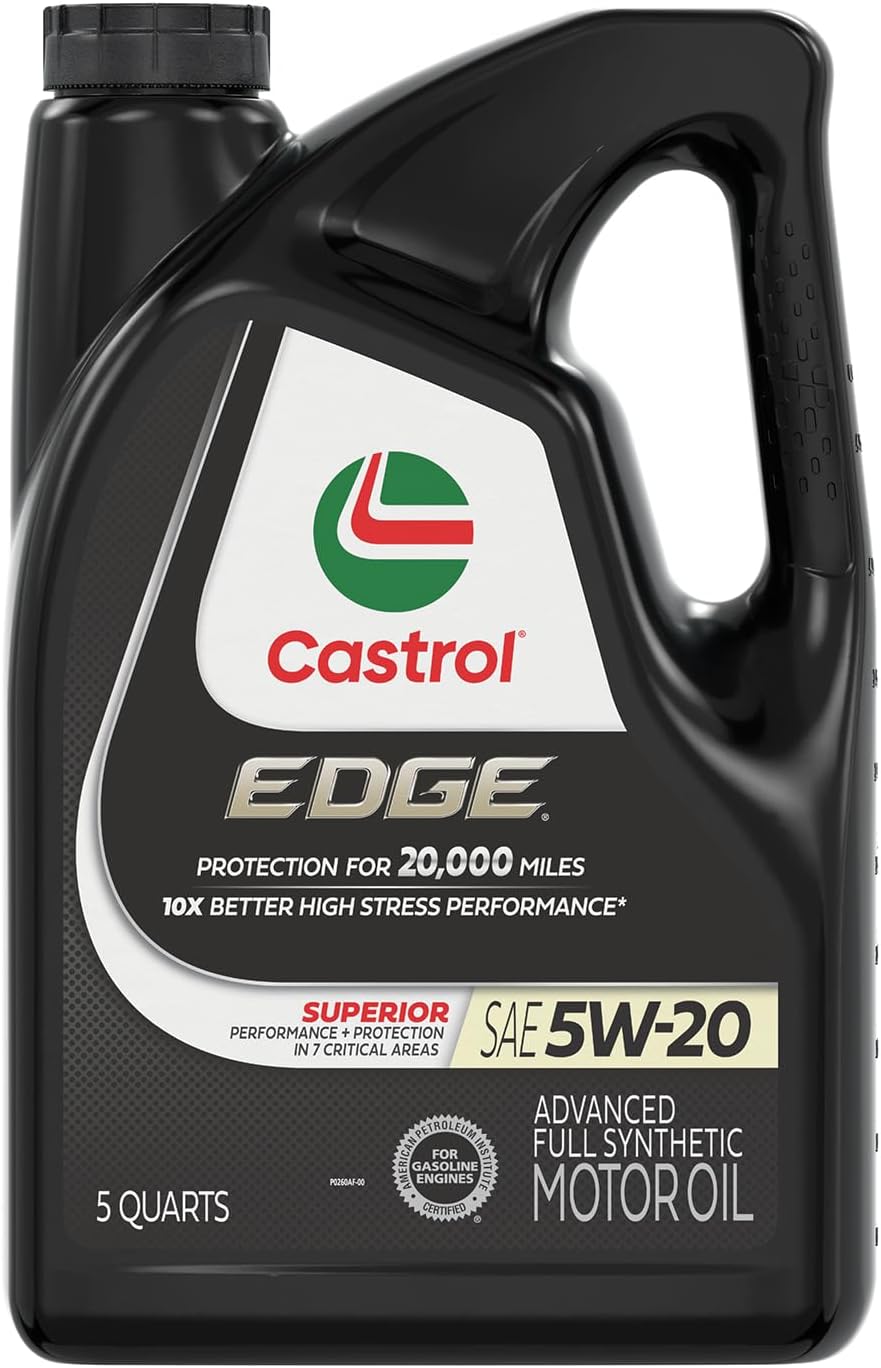
Castrol EDGE 5W-20 Full Synthetic Motor Oil, 5 Quart Jug
Best Overall Engine Oil
| SAE Grade | 5W-20 |
|---|---|
| Container Type | Jug |
| Liquid Volume | 5 Quarts |
| Compatible Vehicle Type | Car, Truck |
Castrol EDGE 5W-20 is a full synthetic motor oil designed to protect modern gasoline engines while helping maintain fuel economy and thermal control. In real-world use it replaces factory-spec 5W-20 oil for routine oil changes and is suitable for daily driving, highway miles, and light towing typical of a Ford F-150 2.7L. Notable features include a formulation aimed at reduced viscosity breakdown at high temperature and additives to limit sludge and metal wear, which support longer-lasting engine cleanliness and consistent performance under load. The product is offered in a recyclable EcoBox option and in convenient 5 quart jugs for easy servicing at home or the shop. Limitations are that extended drain claims should be balanced with manufacturer service intervals and that this grade is only appropriate where 5W-20 viscosity is specified; vehicles requiring different viscosity or high-mileage treatments should use a matched product. Overall it is a robust, widely accepted synthetic choice for owners wanting reliable protection and stable performance.
Best for: Buyers who want a single top-performing synthetic 5W-20 oil that reliably protects a modern engine during daily driving, highway miles, and occasional light towing while keeping maintenance straightforward.
Less Ideal for: Do not choose this if your engine requires a different viscosity grade or a high-mileage/formulated-for-worn-engines oil; also avoid relying solely on extended drain intervals without oil analysis or following manufacturer guidance.
- Full synthetic formula designed to reduce sludge and protect against high-temperature breakdown
- Formulated to minimize engine wear and maintain viscosity under stress
- Supports fuel economy by reducing internal friction
- Available in 5 quart jug size convenient for DIY oil changes
- Meets a range of modern industry and manufacturer performance specifications
- Extended oil change interval claims should not replace following the vehicle manufacturer’s recommended schedule
Verdict: Choose this when you want the single best all-around engine oil that meets common OEM specs and delivers reliable protection for daily driving and towing.
Havoline 5W-20 Synthetic Blend Motor Oil, 6-Quart Pouch
Best Budget Engine Oil

| SAE J300 Viscosity Grade | 5W-20 |
|---|---|
| Container Type | Pouch |
| Liquid Volume | 6 Quarts |
| Compatible with Vehicle Type | Car, Truck, Bus |
The Havoline 5W-20 synthetic blend is a value-focused motor oil packaged as a six-quart pouch that covers standard oil-change needs for many modern engines. It is formulated to reduce sludge and deposits, provide anti-wear protection for camshafts and bearings, and help preserve fuel economy compared with conventional oils. The pouch format gives an extra quart over typical five-quart jugs, which can be convenient for vehicles that require more than five quarts or for topping off after a change. It also reduces plastic waste compared with single-use hard jugs. Practical benefits include decent cold-start performance for a 5W-20 grade and claims of LSPI mitigation that are relevant to turbocharged, direct-injection engines. Limitations to note are that this is a synthetic blend rather than a full synthetic, so it may not deliver the same extended drain intervals or top-tier thermal stability that some full-synthetic products offer. For routine maintenance on a naturally aspirated or small-displacement turbo engine in a Ford F-150 2.7L, it covers the required viscosity and basic protection expectations at a lower cost profile.
Best for: Buyers who prioritize a low-cost, factory-quality replacement oil for regular maintenance on a small-displacement engine and want practical packaging with an extra quart.
Less Ideal for: Do not choose this if you want maximum high-temperature stability or the longest possible drain intervals offered by premium full-synthetic oils.
- Covers SAE 5W-20 viscosity suitable for engines specifying 5W-20
- Six-quart pouch provides an extra quart compared with standard 5-qt jugs
- Formulated to limit sludge and deposit buildup for cleaner running
- Offers anti-wear additives to protect camshafts and bearings
- Pouch packaging reduces plastic waste versus rigid jugs
- Synthetic blend rather than full synthetic so fewer high-temperature performance benefits
Verdict: Pick this if you need a wallet-friendly motor oil that covers routine maintenance without sacrificing minimum performance or required viscosity.
Motorcraft SAE 5W-20 Synthetic Blend Motor Oil, 5-Quart Jug
Best OEM‑spec Engine Oil

| SAE J300 Viscosity Grade | 5W-20 |
|---|---|
| Liquid Volume | 5 Quarts |
| Compatible with Vehicle Type | Car, SUV, Truck, Van |
| Automotive Fit Type | Vehicle Specific Fit |
Motorcraft SAE 5W-20 is a factory-formulated synthetic blend intended for Ford family gasoline and flex-fuel engines. In practice it is used as a direct replacement oil at scheduled service to preserve manufacturer performance and compatibility. The formula combines hydro-processed base stocks and performance additives to help minimize deposits and wear, resist high-temperature oxidation and turbocharger deposits, and reduce low-speed pre-ignition risk through SN PLUS and WSS-M2C960-A1 coverage. For routine oil changes it delivers the expected friction-reducing and fuel-economy benefits of a 5W-20 grade versus thicker oils. Packaged in a 5-quart jug, it is convenient for do-it-yourself maintenance and small shops. Limitations are those common to the grade: it is a synthetic blend rather than a full synthetic and is only suitable where the manufacturer specifies 5W-20, so it is not a one-size-fits-all oil for engines requiring other viscosities or specifications.
Best for: Buyers who prioritize using the manufacturer-recommended oil to maintain factory performance and warranty conformity for Ford 2.7L engines and similar gasoline applications.
Less Ideal for: Drivers seeking a full-synthetic oil for maximum high-temperature or extended-interval performance, or vehicles that require a different viscosity or specification, should consider alternate oils.
- Factory-formulated to meet Ford specifications for compatible engines
- SN PLUS and WSS-M2C960-A1 coverage reduces LSPI risk and supports turbocharged engines where applicable
- Designed to minimize deposits and wear for long-term engine protection
- 5-quart jug is convenient for DIY oil changes and service intervals
- Synthetic blend rather than full synthetic may offer less thermal and shear stability than full synthetic oils
Verdict: Use this slot when you want factory-formulated oil designed to meet the vehicle maker's specifications and preserve warranty or OEM performance characteristics.
Castrol EDGE 5W-30 Full Synthetic Motor Oil, 5 Quart Jug
Best Full Synthetic 5W-30

| SAE Viscosity | 5W-30 |
|---|---|
| Liquid Volume | 5 Quarts |
| Compatible Vehicle Type | Car, Truck |
| Unit Count | 160.0 Fluid Ounces |
Castrol EDGE 5W-30 is designed for drivers who need a full synthetic oil that stays stable under high temperature and high load conditions. It is typically used in routine oil changes for cars and light trucks and is especially suitable for turbocharged or high-revving engines that run hotter. The formula emphasizes endurance and cleanliness, with additives aimed at reducing sludge, controlling viscosity breakdown, and protecting metal surfaces from wear. That translates to smoother operation, consistent oil pressure, and the potential for longer oil-change intervals when paired with manufacturer guidance. Castrol lists approvals and test results against multiple industry specifications, which supports compatibility with many modern engine requirements. Limitations are that you must follow your Ford F-150 2.7L owner manual for approved grades and drain intervals, and extended drain claims depend on driving style and service conditions rather than being automatic for every vehicle.
Best for: Drivers who prioritize robust thermal stability and wear protection for higher-stress driving or turbocharged light-duty engines and who follow factory service guidance when selecting oil.
Less Ideal for: Drivers who strictly follow short, frequent oil-change schedules regardless of oil formulation or those required to use a different viscosity by their vehicle manufacturer.
- Full synthetic formula offers strong high-temperature stability and resistance to viscosity breakdown.
- Engine-cleaning additives help reduce sludge and keep internal components cleaner.
- Meets multiple industry specifications and manufacturer test requirements for broad modern engine compatibility.
- Packaged in a 5 quart jug that covers most light-duty oil change needs in a single purchase.
- Extended oil change interval claims depend on real-world driving and may not apply to all service schedules.
Verdict: Choose a full-synthetic 5W-30 from this slot when you want superior thermal stability and wear protection for higher-stress driving or longer oil-drain intervals.
Mobil 1 High Mileage Full Synthetic Motor Oil 5W-20, 5 Quart
Best Full Synthetic 5W-20

| SAE Viscosity | 5W-20 |
|---|---|
| Container Type | Bottle |
| Liquid Volume | 160 Fluid Ounces |
| Compatible Vehicle Type | Car |
Mobil 1 High Mileage 5W-20 is a full-synthetic oil designed to protect older engines while still offering the low-viscosity flow modern powertrains require. It is intended for vehicles with higher mileage and uses Mobil 1’s Triple Action Formula to help reduce deposits, control oxidation, and lower operating temperatures. In practical use the oil flows easily on cold starts and maintains stability at high temperatures, which helps reduce wear and can improve fuel economy in engines tuned for 5W-20. The product is offered in a five-quart bottle for multiple oil changes and claims protection for up to 10,000 miles between services when paired with proper filters and maintenance. Limitations include that it is targeted at high-mileage engines rather than brand-new builds, and some buyers expect extended drain intervals to vary with driving conditions so following Ford’s maintenance guidance is still important.
Best for: A Ford F-150 2.7L owner who wants a low-viscosity synthetic that improves cold-start performance and helps control wear in a higher-mileage or well-driven engine.
Less Ideal for: Drivers who prefer strictly factory-replacement service intervals or who want an oil specifically formulated for brand-new engines without high-mileage additives.
- Full synthetic formulation for stable protection across temperatures
- 5W-20 viscosity suitable for improved cold-start flow and fuel economy
- Formulated to help reduce sludge and deposits in higher-mileage engines
- Claims extended protection up to 10,000 miles between changes under recommended conditions
- Marketed toward engines with over 75,000 miles rather than new or lightly used engines
Verdict: Select a 5W-20 full synthetic here if you need a lower-viscosity oil optimized for modern engines that prioritize fuel economy and cold-start protection.
Valvoline MaxLife Full Synthetic High Mileage 5W-20 Motor Oil, 5 qt
Best High‑Mileage Engine Oil

| SAE J300 Viscosity Grade | 5W-20 |
|---|---|
| Liquid Volume | 5 Quarts |
| Compatible with Vehicle Type | Car, Truck |
| Viscosity Level | Low to Medium |
| Flash Point | 390 Degrees Fahrenheit |
Valvoline MaxLife Full Synthetic 5W-20 is a high‑mileage motor oil designed to protect engines that have seen significant miles. It is typically used as a direct replacement during oil changes for vehicles that need extra protection against wear, deposits, heat, and leaking seals. Notable features include a full synthetic base and Valvoline’s MaxLife additives and seal conditioners, which aim to reduce oil consumption and rejuvenate hardened gaskets and seals. In practice this oil provides stronger wear protection, better sludge defense, and improved heat resistance compared with industry baseline specs, which helps reduce noise and oil burn in older engines. For a Ford F-150 2.7L that qualifies for 5W-20, MaxLife gives targeted help for engines past 75,000 miles without changing service procedures. Limitations to keep in mind are the required SAE grade match and manufacturer specifications for the F-150 2.7L; using 5W-20 is appropriate only where the truck’s engine manual lists that viscosity and the correct API/ILSAC approvals are met.
Best for: Buyers maintaining a higher‑mileage Ford F-150 2.7L who prioritize extending engine life and want an oil that targets leaks, seal conditioning, and reduced wear without changing service routines.
Less Ideal for: Drivers whose F-150 2.7L requires a different viscosity or who prefer manufacturer‑recommended alternative formulations for warranty or spec reasons.
- Formulated specifically for high‑mileage engines with seal conditioners to help reduce leaks
- Full synthetic base offers improved wear protection and heat resistance over conventional oils
- Claims stronger sludge control to keep older engines cleaner
- Available in a 5 quart bottle with an anti‑glug pour design for easier filling
- Only appropriate when the vehicle calls for SAE 5W-20; not a universal viscosity solution
Verdict: Pick this when you’re maintaining a higher‑mileage engine and want additives that help reduce leaks, condition seals, and address wear from extended service life.
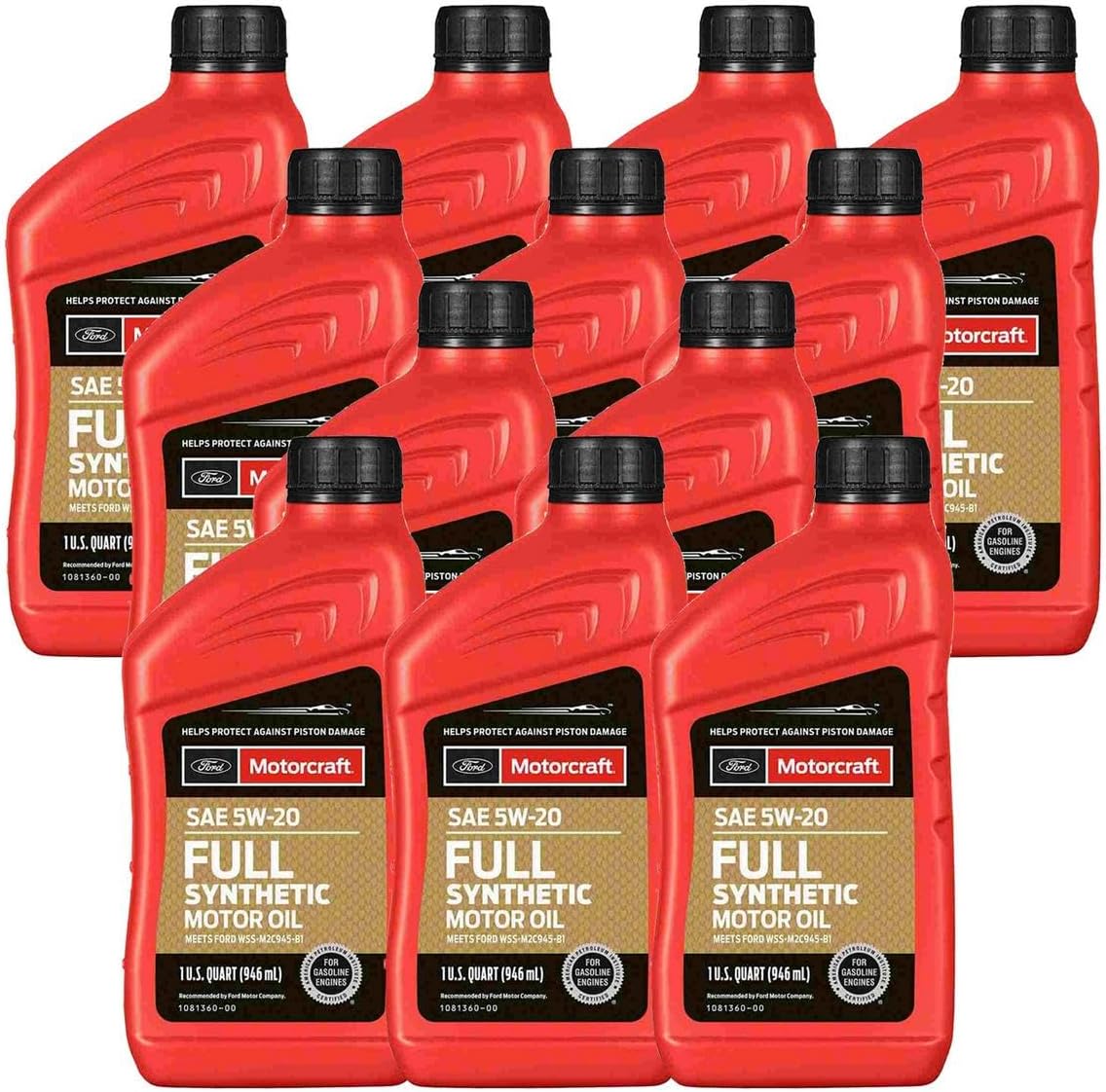
Newparts Full Synthetic Motor Oil SAE 5W-20 — 12 Quart Pack
Best Multi‑Quart / Bulk Pack
| Viscosity | 5W-20 |
|---|---|
| Quantity | 12 x 1 quart |
| Brand | Newparts |
This 12‑quart pack contains twelve 1‑quart bottles of Newparts full synthetic SAE 5W‑20 motor oil, packaged for people who change oil frequently or maintain multiple vehicles. It supplies a multi‑quart quantity so you can do several service intervals without buying single bottles, reducing trips to the store and simplifying storage. As a full synthetic 5W‑20, it matches the viscosity recommended for many modern light‑duty engines that call for lower viscosity oils, offering the potential for reliable cold starts and steady film protection at operating temperatures. The main practical benefits are convenience and per‑quart value when you perform regular DIY maintenance. Limitations are that the listing does not include detailed performance specs such as API or ILSAC certifications and it does not state compatibility for specific engine requirements, so you should confirm your Ford F‑150 2.7L owner manual recommends 5W‑20 and any required certifications before use.
Best for: Someone who performs regular DIY oil changes on a Ford F‑150 2.7L and values fewer shopping trips and lower per‑quart cost when stocking replacement oil.
Less Ideal for: Drivers who need oils with specific manufacturer certifications, unusual performance grades, or who prefer single high‑performance premium bottles rather than bulk packs.
- Large 12‑quart pack reduces purchase frequency and storage hassle for frequent oil changes
- Full synthetic formulation suitable where manufacturers call for 5W‑20 viscosity
- Uniform single‑quart bottles make pouring and measuring easy during DIY service
- Good option for fleet owners or households with multiple vehicles that accept 5W‑20
- Product details do not list API, ILSAC, or manufacturer engine certifications on the listing
Verdict: Choose a bulk or multi‑quart pack if you do your own frequent oil changes and want better per‑quart value and fewer trips to buy oil.
Choosing the Right Ford F-150 2.7L Engine Oil: Key Factors to Consider
Viscosity Grade and Climate Fit
Viscosity determines how the oil flows at cold start and at operating temperature. Choosing the correct grade for the Ford F-150 2.7L ensures rapid lubrication on startup without compromising film strength at highway temps.
If you drive in cold climates, lower cold-flow numbers improve start-up protection and reduce wear. In hotter conditions or frequent towing, a grade that maintains film thickness at high temperatures prevents metal-to-metal contact. Follow the owner's recommendations but opt for the grade that matches your typical operating environment.
Synthetic Vs Conventional Formulation
Full synthetic oils offer more consistent molecular structure, better shear stability, and generally superior cold-flow performance compared with conventional oils. That translates to improved protection during startup and longer intervals between oil breakdown and oxidation.
Blended or conventional oils may be adequate for light-duty use and infrequent heavy loads, but for repeated towing, turbocharged use, or extended service intervals, full synthetic formulations typically preserve performance and reduce engine wear.
Additive Package and Wear Protection
Additives like zinc dialkyldithiophosphate and dispersants protect metal surfaces, neutralize acids, and keep contaminants suspended. A strong additive package helps the 2.7L engine resist wear from startup and intermittent high-load events.
Look for oils with comprehensive anti-wear, detergent, and dispersant chemistries. These additives are especially important if you drive in stop-and-go traffic, do highway towing, or extend drain intervals beyond basic service schedules.
Compatibility with Seals and Emission Systems
Modern engines use elastomer seals and emissions-control components that can be sensitive to certain base oils and additive chemistries. Using a formulation that is compatible with the engine's seals avoids leaks and premature seal hardening.
Also consider oils that meet recommended specifications for emission system compatibility, because incompatible oils can affect catalytic converter performance or contribute to smoke and deposits over time.
Manufacturer and Industry Specifications
Certifications and manufacturer-recommended specifications indicate that an oil has passed laboratory tests for wear, oxidation, and viscosity retention. These standards are important signals of baseline performance and help ensure the oil meets the mechanical needs of the F-150 2.7L.
Check for approvals or industry ratings that match Ford's guidance. Oils with up-to-date API and ILSAC or equivalent ratings are usually a safer choice than untested or non-certified products.
Service Interval and Oil Life
How long an oil can reliably protect the engine affects maintenance scheduling and ownership costs. Some synthetic oils are formulated for extended drain intervals, while others are intended for standard service intervals.
Consider your driving patterns and whether you tow, idly run the engine, or do many short trips, because these conditions influence oil contamination and breakdown. Selecting an oil with adequate oxidation stability for your intended service interval will help preserve engine cleanliness and performance.
Recommended Viscosity Choices for Different Uses
For everyday commuting and mixed seasonal driving, choose the viscosity grade recommended in the owner's manual unless your local climate or use case suggests otherwise. Lower cold-viscosity ratings help protect the engine during winter starts, while grades with stronger high-temperature viscosity retention help under heavy loads.
- Cold-weather starts: prioritize lower low-temperature viscosity numbers for faster oil flow.
- Towing and hauling: choose a grade with proven high-temperature film strength.
- Year-round moderate climates: use the manufacturer-recommended grade for balanced protection.
How Towing and Load Affect Oil Selection
Towing raises engine temperatures and can increase oil shear and oxidation. Oils with stronger anti-foaming agents, higher thermal stability, and superior shear resistance maintain film strength under these stresses and reduce wear on bearings and cylinder walls.
- Look for oils with high temperature/high shear (HTHS) ratings suited to sustained loads.
- Prioritize formulations with robust detergent and dispersant packages to manage soot and combustion byproducts during heavy use.
Cold-Start Performance and Short Trips
Short trips prevent the engine from reaching full operating temperature, increasing moisture and contaminant accumulation. Oils with excellent low-temperature flow reduce wear during frequent cold starts and help the engine reach operating conditions faster, limiting fuel dilution and deposit formation.
- Full synthetic formulations generally offer the best cold-start flow.
- If most driving is short trips, change intervals should be conservative to avoid contamination buildup.
Extended Drain Intervals: Risks and Rewards
Extended drain intervals can reduce maintenance frequency but require oils with proven oxidation resistance and additive longevity. If you plan to extend intervals, choose oils specifically rated for longer service and follow oil analysis or a strict inspection schedule to confirm continued protection.
- Confirm that the oil's industry specifications include extended service recommendations.
- If you tow or operate in severe conditions, stick to standard or manufacturer-recommended intervals rather than extended ones.
Pour Point and Seasonal Storage Considerations
If the vehicle sits unused for long periods or is stored in cold environments, pour point and low-temperature performance become critical. Oils that remain fluid at lower temperatures prevent thickening that can delay startup lubrication and stress the starter and battery.
- Infrequent drivers should prioritize oils with low pour points.
- Consider seasonal swaps only if climate extremes warrant a different viscosity.
Still looking for the perfect fit?
Select your Ford F-150 configuration to see the most relevant Engine Oils recommendations
How We Chose the Best Ford F-150 2.7L Engine Oil
We evaluated candidate oils by focusing on factors that directly affect longevity and performance in the Ford F-150 2.7L. Primary filters included viscosity compatibility for the vehicle's recommended ranges, and formulation type, distinguishing full synthetic from blended options. We prioritized oils with proven wear-control additive packages, strong high- and low-temperature performance, and compatibility with engine seals and emission control systems.Additional criteria included cold-start viscosity (to protect the engine on startup), oxidation resistance for extended drain intervals, and manufacturer or industry certifications that indicate lab testing against standard benchmarks. We also checked suitability for vehicles that do occasional towing or carry heavier payloads.We excluded outdated or discontinued formulations, products without proper industry certifications, and oils formulated specifically for vehicles outside the 2.7L scope. The list emphasizes technical fit and real-world durability rather than marketing claims or packaging features.
Our full evaluation process is outlined in our review methodology.
FAQ
How often should I change the engine oil in my F-150 2.7L?
It depends on the oil type and driving conditions. Many modern full synthetics can safely cover the manufacturer's suggested interval under normal driving, but frequent short trips, towing, or heavy-duty use usually means shorter intervals. When in doubt, follow the vehicle's service manual and inspect oil condition periodically.
Can I switch between viscosity grades seasonally?
Yes, switching grades for seasonal climates is common, provided the grades are within the manufacturer's acceptable range. Use a lower cold-viscosity grade for harsh winters and revert for hotter months if the manual allows multiple grades.
Does synthetic oil benefit the 2.7L's turbocharger, if equipped?
Synthetic oils typically offer better thermal stability and shear resistance, which supports turbocharger bearings and reduces deposit formation. That often translates to more consistent turbo performance and longer component life under high-temperature operation.
Is high mileage oil necessary for an older 2.7L engine?
High mileage formulations can help if the engine has accumulated significant miles and shows minor seal wear or oil consumption. Those oils include conditioners aimed at seals and can reduce leaks, but they are not a substitute for addressing mechanical issues.
Will changing to a different oil affect fuel economy?
Oils with lower friction and appropriate viscosity can produce small improvements in fuel economy, especially if the previous oil was degraded or the wrong grade. Expect modest gains rather than dramatic changes.
Final Verdict
Prioritize viscosity that matches your climate and typical loads, and choose a formulation with proven wear protection and oxidation resistance for the Ford F-150 2.7L. Full synthetic oils generally offer the best combination of cold-start protection and high-temperature stability, making them a strong choice for towing and extended service intervals. Balance your choice against your driving patterns, and when in doubt, adhere to the vehicle's recommended specifications while favoring oils with current industry certifications for reliable protection.
Explore More:
- Check out all Ford F-150 parts & accessories
- Explore Fluids & Chemicals
- Browse all Accessories
