

Note: This article contains affiliate links. If you click on these links and make a purchase, I may earn a small commission at no extra cost to you. This helps support my research and content. Read my full affiliate disclosure here.
A properly chosen cabin air filter makes a noticeable difference in daily comfort and in-cabin air quality for Honda Civic LX drivers. Swapping a worn or clogged filter improves ventilation, reduces pollen and dust entering the cabin, and helps HVAC systems run more efficiently. This guide presents seven shortlisted cabin air filters that fit the Honda Civic LX and explains the practical differences you should weigh.We evaluated each option for filtration performance, fit and sealing, durability, and ease of installation so you can pick the right replacement for city commuting, allergy seasons, or everyday driving. Read on to see what matters when replacing the Civic LX cabin air filter and how to choose the best match for your needs.
Looking for other parts? See all Honda Civic parts & accessories.
Top Picks at a Glance
| Best Overall The best all-around choice for most situations | BOSCH 6029C HEPA Cabin Air Filter |  |
| Best Quality Built to a higher standard if you want something more solid | ECOGARD XC36080 Cabin Air Filter |  |
| Best Value The sweet spot between price and what you get | Puroma Cabin Air Filter with Activated Carbon, 2-Pack (Replacement for CP182) |  |
| Best Budget The cheapest option that still gets the job done reliably | Carory Cabin Air Filter with Activated Carbon, CF182 |  |
| Highest Rated A top-rated pick with lots of positive feedback | SPEARHEAD Breathe Easy Activated Carbon Cabin Air Filter (BE-182) |  |
| Most Popular A crowd favorite that many people choose with confidence | EPAuto CP182 Cabin Air Filter (CF11182) — compatible with select Honda and Acura models |  |
| Best Seller A high-volume bestseller chosen again and again | Puroma HCF134 Cabin Air Filter with Activated Carbon | 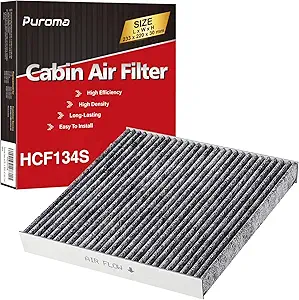 |
1. BOSCH 6029C HEPA Cabin Air Filter

| Brand | Bosch |
|---|---|
| Model | 6029C |
| Filtration efficiency | 99.97% at 0.3 microns |
| Recommended replacement interval | 12 months or 12,000 miles |
The Bosch 6029C is a HEPA‑grade cabin air filter meant to replace the factory unit and deliver much cleaner cabin air during daily driving. It combines a melt‑blown electrostatic layer, a dense HEPA media and an added static cotton layer to capture very small particles; Bosch claims 99.97% efficiency at 0.3 microns. The filter is built with structural ribs so it holds shape and seals in the housing, and most users report an OEM-like fit and simple, minutes‑long installation behind the glove box. In practical use you should notice reduced dust, pollen and outside odors, which is a real benefit for allergy sufferers or city drivers. Because the media is denser than a basic paper filter there can be a slight reduction in maximum fan output, so drivers with weaker HVAC systems may need a higher blower setting to get the same airflow. Replacement is recommended about once a year or every 12,000 miles depending on conditions.
Best for: Drivers who prioritize noticeably cleaner cabin air and allergy relief in daily driving and want a higher-filtration replacement that fits Honda Civic LX and similar models.
Less Ideal for: If you need maximum HVAC airflow in an older vehicle with a weak blower or prefer the lowest initial cost replacements, a high-density HEPA filter may not be the best choice.
- True HEPA-level media with claimed 99.97% efficiency at 0.3 microns
- Multi-layer construction (electrostatic melt‑blown plus cotton layer) increases particle capture and capacity
- Structural ribs and precise fit help prevent gaps and maintain airflow characteristics
- Easy, tool-free installation for most compatible Honda/Acura models
- Denser HEPA media can reduce peak blower velocity compared with thinner charcoal or paper filters
Verdict: Choose this Bosch HEPA cabin filter when you want a straightforward, high‑efficiency upgrade to improve in‑car air quality and reduce allergens in your Honda Civic LX.
2. ECOGARD XC36080 Cabin Air Filter

| Material | Paper |
|---|---|
| Part Number | XC36080 |
| Included Components | One Cabin Air Filter |
| Filtration Claim | Removes 99.5% of dust, pollen and airborne contaminants |
The ECOGARD XC36080 is a direct-fit replacement cabin air filter that captures common contaminants before they enter the passenger compartment. It installs in the factory filter housing and is intended for routine DIY swaps that typically take a few minutes. The filter media is paper-based and the manufacturer claims up to 99.5% removal of dust, pollen, pet dander and similar particles, which helps keep HVAC airflow smooth and reduces odors. Buyers will appreciate the simple single-piece design, compatibility guidance for Honda Civic and other models, and the included installation instructions. Because it is a basic paper filter it provides good seasonal filtration at a budget-friendly price, but it does not include activated carbon for odor absorption or a multilayer synthetic media for extended life. A few users note the fit can be snug in some housings so pay attention to the airflow arrow during installation. For Civic LX drivers wanting effective, inexpensive cabin filtration you can change yourself, this is a practical choice; if you need specialized odor control or longer service intervals consider upgraded media types.
Best for: Drivers who prioritize reliable, low-cost cabin filtration and prefer to replace the part themselves to maintain clean airflow and reduce allergens inside the car.
Less Ideal for: Buyers seeking strong odor removal or longer-life, premium multi-layer filters should consider carbon or high-efficiency synthetic options instead.
- Direct-fit design for compatible Honda and Acura models makes DIY replacement quick
- Claims high particulate removal efficiency for seasonal allergens and dust
- Simple single-piece paper media keeps airflow smooth and helps protect the HVAC blower
- Compact, lightweight package is easy to handle and store
- Paper media lacks activated carbon so it will not actively remove odors or vehicle smells
- May fit tightly in some housings requiring a bit of extra force and attention to arrow orientation during install
Verdict: A practical, budget-friendly cabin filter that restores clean airflow and reduces allergens for Honda Civic owners who want a simple DIY replacement.
3. Puroma Cabin Air Filter with Activated Carbon, 2-Pack (Replacement for CP182)

| Item model number | 80291-T5R-A01 |
|---|---|
| Manufacturer Part Number | HCF182 |
| Compatible vehicles | Select Honda and Acura models listed in product description |
| Package quantity | 2 filters |
This Puroma cabin air filter is a budget-focused replacement designed to trap dust, pollen and odors with a layered non-woven filter and an activated carbon sheet. It installs in minutes using the printed airflow arrow and drops into the housing like a factory filter, making it a straightforward DIY maintenance item for routine service. The activated carbon layer helps reduce common cabin smells while the close-mesh filter keeps particulates out of the HVAC system, which can help maintain heater and A/C performance. Reviews and the build details indicate a fit and frame similar to factory parts, though the pleat density and long-term durability are modest compared with premium aftermarket filters. You get two filters in the package, so it is easy to keep up with the recommended replacement interval. If you prioritize low cost and correct fit for regular maintenance, this provides a practical balance of filtration and value, but buyers who want the absolute best filtration efficiency may prefer a higher-end option.
Best for: Drivers who want a low-cost, correctly fitting replacement that keeps cabin air reasonably fresh and makes routine maintenance quick and inexpensive.
Less Ideal for: Those who need medical-grade filtration or the highest possible particle capture should consider premium filters with denser media and certified ratings.
- Activated carbon layer reduces odors and improves cabin air freshness
- Close-meshed non-woven layer captures dust and pollen to protect HVAC components
- Easy, tool-free installation with airflow direction printed on the frame
- Two filters included so you can replace on schedule without a second purchase
- Pleat density and materials appear less robust than premium filters, which may affect longevity
Verdict: A practical, inexpensive two-pack replacement that fits CP182 Honda Civic applications and improves odor control while making routine cabin filter changes simple.
4. Carory Cabin Air Filter with Activated Carbon, CF182

| Reference numbers | 80291-T5R-A01, 80291-TF0-405, 80291-TF0-E01 and others |
|---|---|
| Compatible models | Honda and Acura models including Civic 2016-2025 |
This Carory cabin air filter replaces the factory cabin filter and adds an activated carbon layer to help reduce odors and capture fine dust and pollen. It is intended for simple DIY replacement during routine maintenance and fits a wide range of Honda and Acura vehicles listed by reference numbers, so finding the correct part for a Civic LX is straightforward. The activated carbon helps with smells from traffic and smoke, while the pleated filter media traps common airborne particles to improve in-cabin air quality. Installation is typically tool-free or requires minimal tools depending on model year, making it a quick service for owners on a budget. The product focuses on basic filtration and odor control rather than advanced allergen or antimicrobial protection, and compatibility should be checked against the listed reference numbers for exact year and trim fit. For budget-focused shoppers who want better smell control than a plain paper filter, this is a practical swap-in option.
Best for: Honda Civic LX owners looking for an inexpensive, direct-replacement cabin filter that improves odor control and basic air filtration without specialty features.
Less Ideal for: Buyers who need certified allergy-grade filtration, antimicrobial protection, or specialized performance filters should consider higher-end options.
- Activated carbon layer reduces odors from traffic and smoke
- Pleated media captures dust, pollen, and common airborne particles
- Wide listed compatibility with many Honda and Acura reference numbers
- Easy, mostly tool-free installation for routine maintenance
- Does not advertise advanced allergen or antimicrobial treatments
Verdict: A budget-friendly cabin filter that upgrades smell control and basic particle filtration for Civic LX owners who want a simple, effective replacement.
5. SPEARHEAD Breathe Easy Activated Carbon Cabin Air Filter (BE-182)

| Material Type | Electrostatic Filter Media |
|---|---|
| Air Filter Construction | Pleated |
| Unit Count | 1.0 Count |
| Compatible Devices | Automobile Cabin |
The SPEARHEAD Breathe Easy BE-182 is a replacement cabin air filter built for cleaner, fresher cabin air and longer service intervals. It combines thick electrostatic pleated media with a layer of real coconut-shell activated carbon to trap fine dust, pollen, exhaust fumes and odors before they reach the interior. Typical use is a simple DIY swap behind the glove box and the filter is sized for many Honda and Acura applications including recent Civic model years that use this fit. The brand claims up to 25% longer life versus standard filters and the denser media feels sturdier during installation, which should reduce frequency of replacements for drivers who prioritize reliability. The carbon layer helps with urban or highway odor control but denser media can slightly increase airflow restriction compared with the lightest OEM-type filters, so HVAC blower noise or max A/C output could be perceptibly different in older low-power systems. Packaging includes an install guide for straightforward fit and orientation.
Best for: Buyers who prioritize dependable cabin air filtration and less frequent replacements will appreciate this filter for daily commuting and family use in urban or highway conditions.
Less Ideal for: Drivers who need the absolute minimum airflow restriction for maximum A/C performance or who replace filters very frequently for lowest cost per change should consider lighter-weight alternatives.
- Activated coconut-shell carbon layer reduces odors and adsorbs fumes
- Thick electrostatic pleated media captures fine particles like pollen and dust
- Designed for up to 15,000 miles service life, about 25% longer than standard filters
- Sturdy construction and included install guide make DIY replacement straightforward
- Denser media and carbon layer may slightly restrict airflow compared with the lightest factory-spec filters
Verdict: Choose this filter if you want stronger particle capture and real activated carbon odor control with longer service intervals for reliable, low-maintenance cabin air protection.
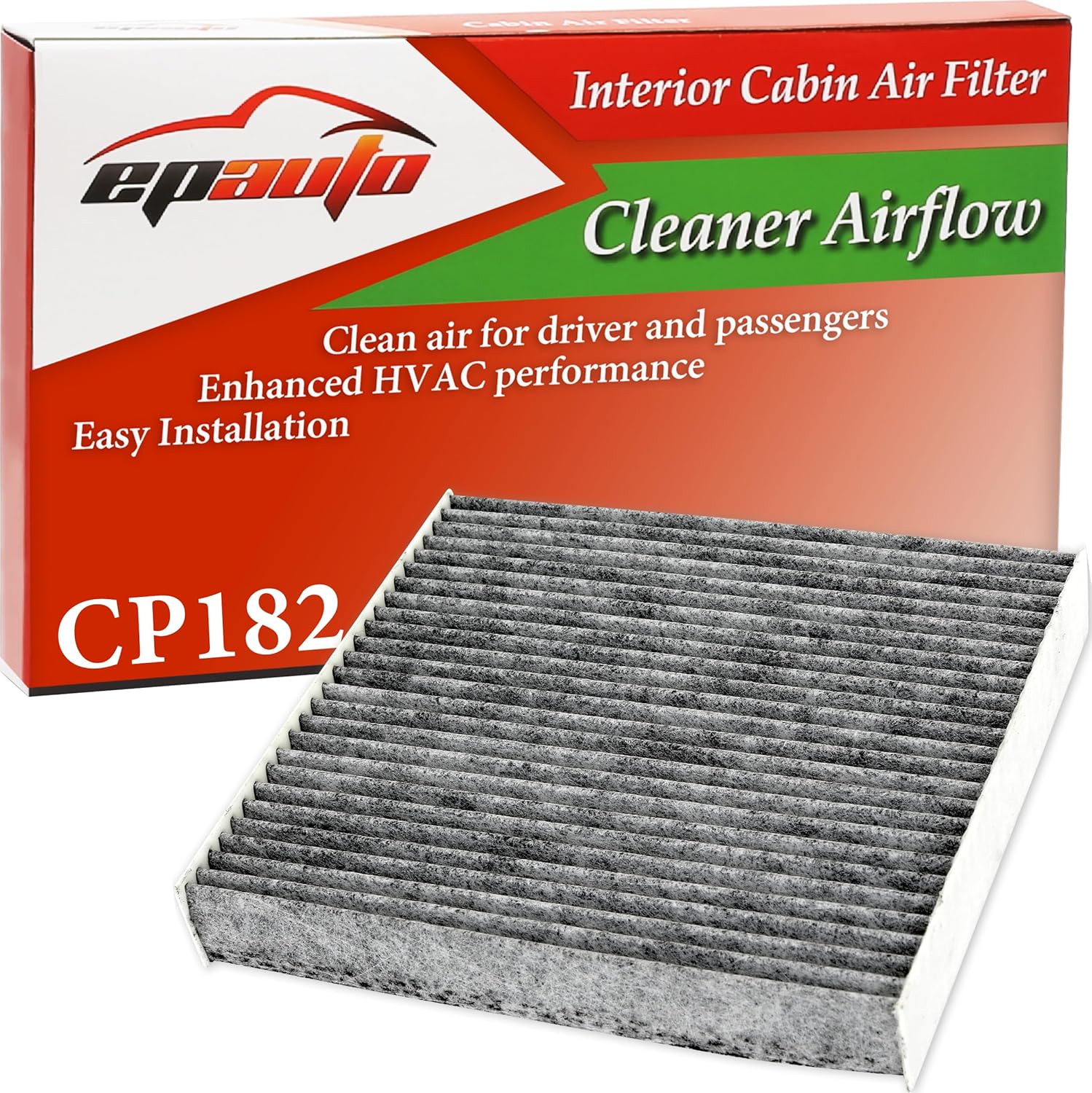
6. EPAuto CP182 Cabin Air Filter (CF11182) — compatible with select Honda and Acura models
| Compatible models | Select Honda and Acura models including Civic 2016-2025 |
|---|---|
| Activated carbon | Included for odor control |
| Replacement interval | 12 months or 12,000 miles |
| Made for | Replacement for Honda part numbers such as 80292-TBA-A11 |
The EPAuto CP182 is a direct-replacement cabin air filter that installs behind the glove box and is intended to trap dust, pollen, and common road irritants while reducing cabin odors with an activated carbon layer. Typical use is simple: drop the glove box, remove the cover, slide the old filter out and insert the CP182. The filter matches several Honda Civic and other model years listed by the maker and is presented as a factory-style replacement. Practical benefits include easy DIY installation, improved cabin air freshness compared with a dirty filter, and lower cost than dealer parts. Multiple customer reports note reliable fit and filtration performance when the correct model-year fit is selected. Limits to expect are occasional fitment variance on some late-model vehicles that may need minor trimming, and this is a single-use disposable element with replacement recommended about every 12 months or 12,000 miles.
Best for: Buyers who prioritize proven user feedback and a budget-friendly, easy-to-install cabin filter for routine maintenance on Honda Civic LX vehicles.
Less Ideal for: If you demand an exact factory-branded part or have a Civic with an uncommon configuration that has tight tolerances, consider purchasing a verified factory replacement from the dealer.
- Activated carbon layer helps reduce odors as well as particulate capture
- Straightforward glove-box access makes DIY replacement quick
- Covers a wide range of Honda and Acura model years for easy sourcing
- Lower cost than factory replacement while matching common OEM part numbers
- Some buyers report the filter can be slightly oversized and may require minor trimming for a perfect fit
Verdict: A cost-effective, easy-to-install cabin filter with activated carbon that most Civic LX owners will trust based on wide user approval.
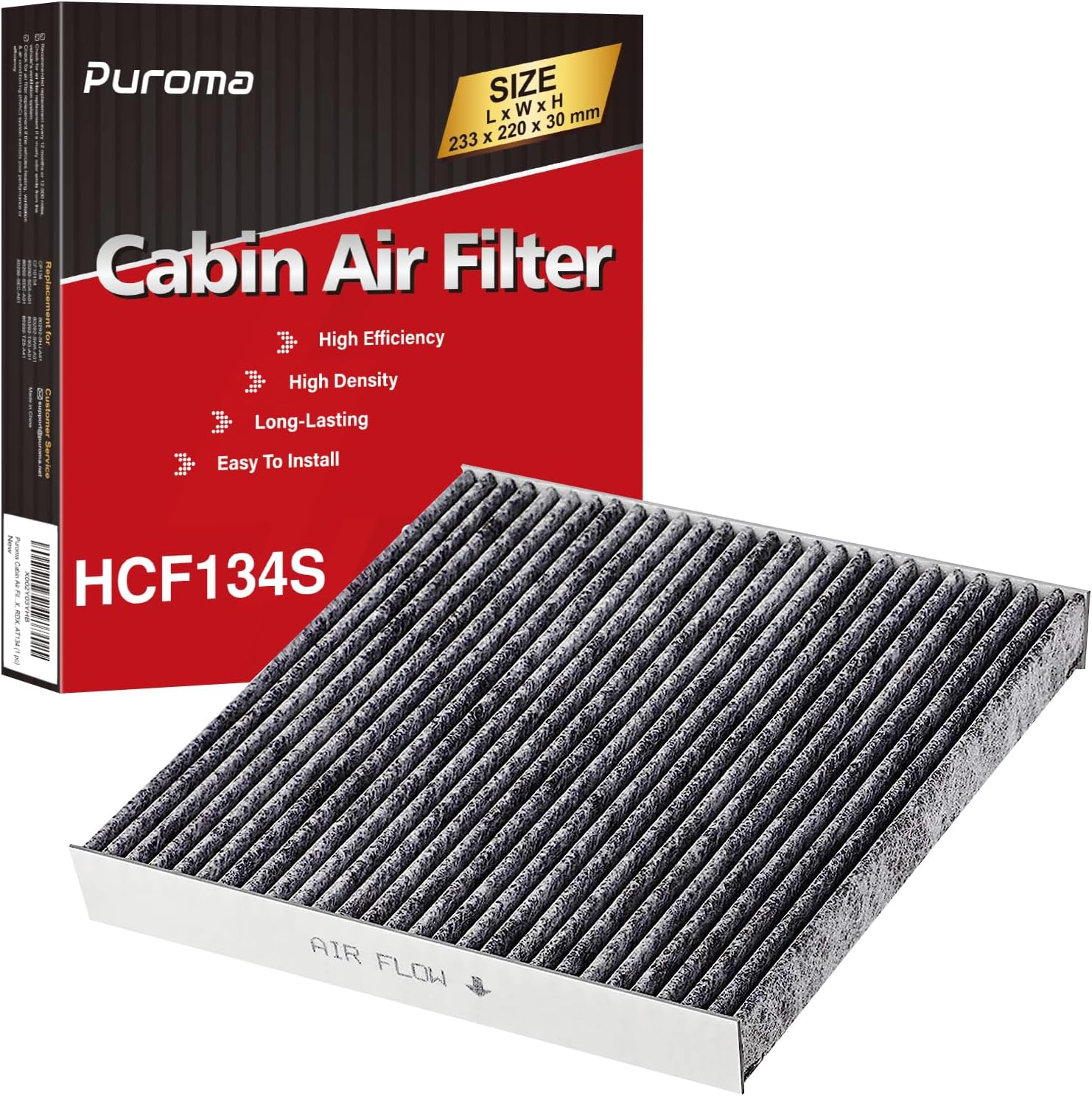
7. Puroma HCF134 Cabin Air Filter with Activated Carbon
| Manufacturer | Puroma |
|---|---|
| Item model number | HCF134S |
| OEM Part Number | 80292-SDA-A01, 80292-SDC-A01, 80292-SEC-A01, 80292-SHJ-A41, 80292-SWA-A01, 80292-T0G-A01, 80292-TZ5-A41 |
| Compatible vehicles | Select Honda and Acura models (see fitment list) |
The Puroma HCF134 is a cabin air filter built as a direct replacement for factory filters on compatible Honda and Acura vehicles. It uses a multilayer non-woven media plus an activated carbon layer to trap dust, pollen, and odor-causing gases while maintaining airflow to the HVAC system. Installation is straightforward and quick thanks to a rigid frame and a clear airflow arrow, so most owners can swap it in without tools in under 10 minutes. In everyday use it noticeably freshens vent air and helps keep the HVAC system working efficiently. Practical benefits include a close fit that seals the housing and an activated carbon layer that reduces stale or road odors. The filter is intended for annual replacement or sooner for drivers in dusty or polluted areas, so expect routine maintenance. It does not claim special performance certifications beyond fitment and basic filtration, so buyers seeking advanced allergen or HEPA-level filtration should consider higher-grade alternatives.
Best for: Drivers who prioritize reliable, easy-to-install replacements that restore fresh vent air and maintain HVAC performance without paying dealership prices.
Less Ideal for: Buyers who need allergen-grade or HEPA-level cabin filtration or who want aftermarket filters advertised with specialized certifications.
- Activated carbon layer helps reduce odors inside the cabin
- Rigid frame and accurate dimensions provide a snug, leak-free fit
- Multi-layer non-woven media filters dust and pollen while preserving airflow
- Simple, tool-free installation with an airflow arrow for correct orientation
- Not marketed as high-efficiency HEPA or medical-grade allergen filtration
Verdict: A dependable, OEM-style cabin filter replacement that refreshes vent air and installs in minutes for routine maintenance on compatible Hondas.
Choosing the Right Honda Civic LX Cabin Air Filter: Key Factors to Consider
Filtration Efficiency and Particle Size Capture
Filtration efficiency determines how well a cabin air filter removes particulates like dust, pollen, and fine soot from incoming air. Filters rated to capture smaller particles, including PM2.5, will improve comfort for allergy sufferers and reduce visible dust inside the cabin. Higher-efficiency media often has a tighter weave or electrostatically charged fibers to trap small particles without excessively restricting airflow.
For the Honda Civic LX, prioritize a filter that balances small-particle capture with preserved ventilation. An overly restrictive filter can reduce HVAC performance, while an underperforming one leaves occupants exposed to allergens and road dust. Knowing typical driving environments—city smog, rural pollen seasons, or dusty roads—helps choose the right media efficiency for your needs.
Fit, Frame Quality, and Sealing
The correct cabin air filter size and a well-designed frame are essential to prevent air bypass around the filter. A snug fit ensures all incoming air passes through the filter media rather than slipping around edges, which would negate filtration benefits. Some filters include rubber gaskets or reinforced frames to maintain shape and seal under HVAC airflow and temperature changes.
Because the Civic LX uses a specific filter dimension and housing design, choose options with explicit fitment for the LX configuration. Inspect materials for rigidity and a flat, even sealing surface to avoid folds or gaps during installation and operation.
Activated Carbon and Odor Control
Activated carbon layers reduce odors from traffic, exhaust, and organic sources while also adsorbing some gaseous pollutants. If you frequently drive in heavy traffic, park near idling engines, or want a fresher cabin environment during long commutes, a filter with carbon treatment can make a meaningful difference. Carbon does not substitute for particle filtration, so ensure a carbon layer is combined with effective particulate media.
Consider the expected lifespan of the carbon layer. Over time it can become saturated and lose efficacy, so factor that into replacement intervals if odor control is a priority.
Airflow Resistance and HVAC Performance
A filter must trap contaminants without significantly restricting airflow, which affects defrosting, cabin heating, and cooling performance. High resistance can make the blower work harder, reduce overall airflow, and lengthen HVAC response times. For the Honda Civic LX, maintaining adequate airflow is important for quick defogging and consistent cabin temperature control.
Look for filters that report pressure drop or are described as balanced for filtration and airflow. This tradeoff matters most in extreme climates where rapid heating or cooling is frequently required.
Durability and Moisture Resistance
Cabin air filters sit in an environment subject to humidity, temperature swings, and occasional moisture ingress. Durable media and a sturdy frame resist sagging, tearing, or mold growth over the service interval. Filters that handle moisture well reduce the risk of odors and premature degradation.
For Civic LX owners in wet climates or those who frequently use recirculation modes, choose filters with materials rated for moisture resistance and that maintain structural integrity over months of use.
Installation Ease and Replacement Interval
A straightforward installation encourages timely cabin pollen filter replacement and proper seating of the new unit. Many Civic LX owners perform this service themselves, so features like a clear orientation arrow, a rigid frame, and access-friendly dimensions matter. Ease of installation reduces the chance of improper fit that leads to bypass or damage.
Also consider recommended replacement intervals for the filter media given your driving conditions. Shorter intervals might be preferable in dusty or high-pollen areas, whereas longer-life media may suit light-traffic, low-dust environments.
When To Replace Your Cabin Air Filter
Recognizing when to replace the cabin air filter helps maintain HVAC efficiency and in-cabin air quality. Common indicators include reduced airflow from vents, a persistent musty or stale odor, increased dust inside the cabin, or visible debris in the filter housing. These symptoms often appear gradually, so periodic inspection is important.
Factory guidance varies, but environmental conditions are the real determinant. If you regularly drive in urban areas, near construction, or through heavy pollen seasons, expect to replace the cabin filter more often than in low-traffic rural settings. A visual check every 12 months or during seasonal service is a practical routine for the Honda Civic LX.
- Reduced vent airflow can signal clogging
- Musty odors indicate trapped moisture or biological growth
- Visible debris and discoloration mean replacement is due
- High pollen seasons and dusty roads accelerate wear
DIY Replacement: Tools and Steps
Replacing the cabin air filter on the Civic LX is typically a straightforward task that many owners can complete with minimal tools. You will usually need a screwdriver or simple hand tools to access the glove compartment or filter cover, depending on the exact year's housing layout. Always check the vehicle manual for access instructions specific to your model year.
Key steps include removing the access panel, extracting the old filter, inspecting the housing for debris, and installing the new filter with the correct airflow orientation. Take care to seat any gaskets or frame lips so the filter seals evenly. A clean housing and a correctly oriented filter deliver the intended filtration and airflow performance.
- Gather basic tools and a replacement filter sized for Civic LX
- Work on a cool, parked vehicle to avoid hot surfaces
- Check orientation arrow on the filter before final seating
- Inspect and clean the housing before installing the new filter
Matching Filter Types to Driving Conditions
Different filter constructions suit different driving environments. A standard pleated paper filter provides effective particle capture for routine city driving and moderate pollen exposure. For drivers frequently exposed to traffic odors, activated carbon filters are preferable. High-efficiency or multi-layer filters are better for heavy pollen and fine particulate concerns.
Consider your typical commute and exposures when choosing. If you face both high pollen and occasional odors, a multi-layer filter with particulate media plus a carbon layer offers a balanced solution. Conversely, if maximum airflow is essential in extreme heat or cold, prioritize lower airflow resistance while still meeting basic particle capture needs.
- Pleated paper: good general-purpose capture
- Activated carbon: adds odor and gas adsorption
- Multi-layer: combines particle filtration with odor control
- Low-resistance media: favors HVAC responsiveness
Maintaining the HVAC System Alongside Filter Changes
A fresh cabin air filter is one element of a properly functioning HVAC system. Keep drains and intake areas clear of leaves and debris to prevent moisture buildup and filter contamination. Periodic cleaning of the blower housing and vent outlets helps preserve airflow and reduces the load on the new filter.
When you replace the cabin filter, use the opportunity to run the HVAC on fresh air mode briefly to verify proper airflow and to detect any persistent odors that may indicate deeper contamination within ducts or the evaporator housing.
- Clear intake screens and drains to reduce water ingress
- Inspect evaporator area if odors persist after filter replacement
- Run HVAC in fresh-air mode to check airflow after installation
Disposal and Environmental Considerations
Used cabin air filters contain trapped particulates and sometimes activated carbon that will not easily break down. Dispose of used filters according to local waste regulations and consider sealing them in a bag to prevent dust release during transport. Some areas offer recycling or specialized disposal for automotive consumables; check local guidance.
If reducing environmental impact is important, look for filters that advertise recyclable components or longer service lives to cut the frequency of replacements. Longer-life filters can reduce waste, but confirm they still meet the filtration needs for your driving conditions.
- Seal used filters before disposal to contain dust
- Check local rules for automotive waste handling
- Consider longer-life or recyclable options to reduce waste
Still looking for the perfect fit?
Select your Honda Civic configuration to see the most relevant Cabin Air Filters recommendations
How We Chose the Best Honda Civic LX Cabin Air Filter
Our selection process prioritized items that meet the specific fitment and performance needs of the Honda Civic LX. We focused on concrete, measurable attributes: filtration efficiency across particle sizes (including PM2.5 and pollen), the quality and density of filter media to balance airflow with capture rate, and the presence of activated carbon or odor-reducing layers where relevant. Fit and sealing were key filters: only options that match the Civic LX's cabin filter dimensions and offer a reliable frame or gasket to prevent bypass were considered. Durability criteria included expected service life under typical urban driving and resistance to moisture or sagging.We also weighed installation practicality, favoring filters that allow straightforward access and minimal tools for a quick cabin air filter replacement. We excluded any options lacking clear fitment data for the Civic LX or with unverified material specifications. Final choices reflect a balance of filtration performance, installation ease, and construction quality rather than price alone.
Our full evaluation process is outlined in our review methodology.
FAQ
How often should I replace the cabin air filter in a Honda Civic LX?
Replacement frequency depends on driving conditions. Often, a visual check every 12 months is useful; in high-pollen or dusty environments you may need to replace it every 6 to 9 months. Follow more frequent intervals if you notice reduced airflow or odors.
What are common cabin air filter symptoms that indicate replacement?
Typical symptoms include diminished vent airflow, persistent musty or stale odors, and increased dust inside the cabin. Allergy flare-ups or more visible pollen on interior surfaces can also suggest the filter is no longer effective.
Can I install a higher-efficiency filter without affecting HVAC performance?
Higher-efficiency filters can capture more fine particles but may increase airflow resistance. Choose filters designed to balance filtration and airflow so defrosting and heating are not noticeably impaired. Look for filters that state low pressure drop or are marketed as balanced for automotive HVAC.
Is activated carbon necessary for my Civic LX?
Activated carbon helps reduce odors and some gaseous pollutants, which is useful if you frequently encounter traffic fumes or unpleasant smells. If your main concern is pollen or dust, a high-quality particulate filter may be sufficient without carbon.
Where is the cabin air filter located on the Honda Civic LX?
The cabin air filter is located behind the glove compartment or under an access panel near the passenger side, depending on the exact model year layout. Consult the vehicle manual for the precise access procedure and any fastener locations.
Can I clean and reuse the cabin pollen filter instead of replacing it?
Most disposable pleated filters are not designed for effective cleaning and reuse; attempts to clean them can damage the media and reduce filtration efficiency. Replacing with a new filter sized for the Civic LX is typically the recommended approach for reliable performance.
Final Verdict
When choosing a cabin air filter for the Honda Civic LX, prioritize a balance of filtration efficiency and airflow resistance that matches your driving environment. Fit and sealing are essential to ensure all intake air passes through the media, while activated carbon is a useful add-on if odor control matters. Consider durability and ease of installation so you actually keep replacement intervals up to date.Focus on the factors that matter most to your daily use—pollen capture, odor reduction, or HVAC responsiveness—and select a filter that meets those needs while matching the Civic LX fitment. That approach will deliver cleaner cabin air and dependable ventilation without unnecessary compromises.
Explore More:
- Check out all Honda Civic parts & accessories
- Explore Cabin Air Filters Maintenance & Repair Guides
- Explore HVAC
- Browse all Auto Parts
