

Note: This article contains affiliate links. If you click on these links and make a purchase, I may earn a small commission at no extra cost to you. This helps support my research and content. Read my full affiliate disclosure here.
If your 2008-2012 Honda Accord is showing a soft or sinking brake pedal, a failing master cylinder is a common cause that directly affects stopping confidence. Choosing the right brake master cylinder for this Accord generation matters because fitting, seal durability, and bore sizing determine pedal feel, fluid integrity, and long-term reliability.This guide covers seven shortlisted master cylinders selected for fit and durability for the 2008-2012 Honda Accord. We explain the main symptoms to watch for, the installation and maintenance considerations, and the evaluation criteria used to narrow the list so you can pick the best option for your driving needs. Read on to compare how these units address common failure modes and installation practicalities.
Looking for other parts? See all Honda Accord parts & accessories.
Top Picks at a Glance
| Best Overall The best all-around choice for most situations | Dorman M630604 Brake Master Cylinder |  |
| Best Quality Built to a higher standard if you want something more solid | Raybestos Professional Grade Brake Master Cylinder MC391101 |  |
| Best Value The sweet spot between price and what you get | PHILTOP Brake Master Cylinder Assembly for Honda Accord 2008–2012 / Acura TSX 2009–2014 |  |
| Best Budget The cheapest option that still gets the job done reliably | ApplianPar Brake Master Cylinder with Reservoir for Honda Accord 2008–2012 |  |
| Highest Rated A top-rated pick with lots of positive feedback | TAUTOY Brake Master Cylinder Assembly with Reservoir for Honda Accord 2008–2012 / Acura TSX 2009–2014 |  |
| Most Popular A crowd favorite that many people choose with confidence | A-Premium Brake Master Cylinder with Reservoir and Sensor (13/16 inch Bore) |  |
| Best Seller A high-volume bestseller chosen again and again | Nakkaa Brake Master Cylinder with Reservoir — replacement for Accord/TSX (2008–2014) |  |
1. Dorman M630604 Brake Master Cylinder

| Manufacturer | Dorman Products |
|---|---|
| Model | M630604 |
| Manufacturer Part Number | M630604 |
| OEM Part Number | 11-3477; 13-3477; 130.40072; MC142936; MC391101; NM55344; 46100-TA1-A01 |
| Compatible Years/Models | Acura TSX 2009-2014; Honda Accord 2008-2012 |
This Dorman M630604 is a 100% new brake master cylinder built to replicate the original unit for specific Acura TSX and Honda Accord years. It is typically used as a direct replacement during brake system repairs when the master cylinder is leaking, spongy, or failing to maintain proper hydraulic pressure. Notable features include a casting-matched housing for similar performance, EPDM rubber components resistant to glycol-based brake fluid, and manufacture to SAE standards. In practice the part offers straightforward installation for mechanically inclined DIYers or professional shops when the correct vehicle fitment is confirmed. The all-new construction avoids remanufactured wear points and should deliver predictable pedal feel and braking response when bled and installed correctly. Limitations are that fitment is vehicle-specific so you must verify year and trim compatibility before buying, and it does not include ancillary items like brake fluid or hoses, so additional parts or bench bleeding may be needed depending on the repair.
Best for: Buyers who want a reliable, factory-style replacement master cylinder for routine brake repairs on the specified Accord and TSX model years and prioritize durability and a direct-fit solution.
Less Ideal for: Not a good choice for someone looking for a universal or multi-vehicle master cylinder or for projects requiring included ancillary components such as hoses or fluid.
- Built entirely from new materials rather than remanufactured components
- Housing cast to match original design for comparable performance
- EPDM rubber seals resist degradation from glycol-based brake fluid
- Manufactured to SAE standards for consistent fit and function
- Fitment limited to the specific vehicle years listed so compatibility must be confirmed
Verdict: Choose this Dorman master cylinder when you need a durable, all-new factory-style replacement that restores original braking performance on the covered Accord and TSX years.
2. Raybestos Professional Grade Brake Master Cylinder MC391101

| Brand | Raybestos |
|---|---|
| Model | MC391101 |
| Exterior | Machined |
The Raybestos MC391101 is a machined, professional-grade replacement master cylinder meant to restore braking hydraulics to factory performance. It replaces a worn or leaking primary cylinder and is used during brake system repairs where the reservoir and pushrod interface remain compatible. Raybestos says the part matches or exceeds factory form, fit and function and the machined exterior and factory-style construction make it straightforward to install for a competent DIYer or a professional technician. In real-world use this cylinder should deliver consistent pedal feel and reliable hydraulic pressure for daily driving and spirited use on a stock vehicle. Limitations to note are that fitment and reservoir/pushrod specifics must match your Accord year and submodel, and the listing does not include vehicle-specific installation hardware or detailed fitment notes, so verify compatibility before purchase.
Best for: Buyers wanting a performance-oriented, factory-quality replacement to restore original brake feel on a 2008–2012 Honda Accord and who prioritize consistent pedal response during everyday and spirited driving.
Less Ideal for: If you need a direct-fit part that explicitly lists exact Accord year and trim compatibility or includes vehicle-specific hardware, look for a part advertised with detailed fitment or a vehicle-specific kit.
- Manufactured to match or exceed factory form, fit and function
- Machined exterior and professional-grade construction for durability
- Designed to restore consistent pedal feel and hydraulic pressure
- Broad aftermarket support from an established brake parts maker
- Product listing lacks detailed vehicle-specific fitment and installation hardware information
Verdict: Choose this Raybestos master cylinder if you want a professional, factory-quality replacement to restore consistent pedal feel and reliable hydraulic performance on a 2008–2012 Honda Accord.
3. PHILTOP Brake Master Cylinder Assembly for Honda Accord 2008–2012 / Acura TSX 2009–2014
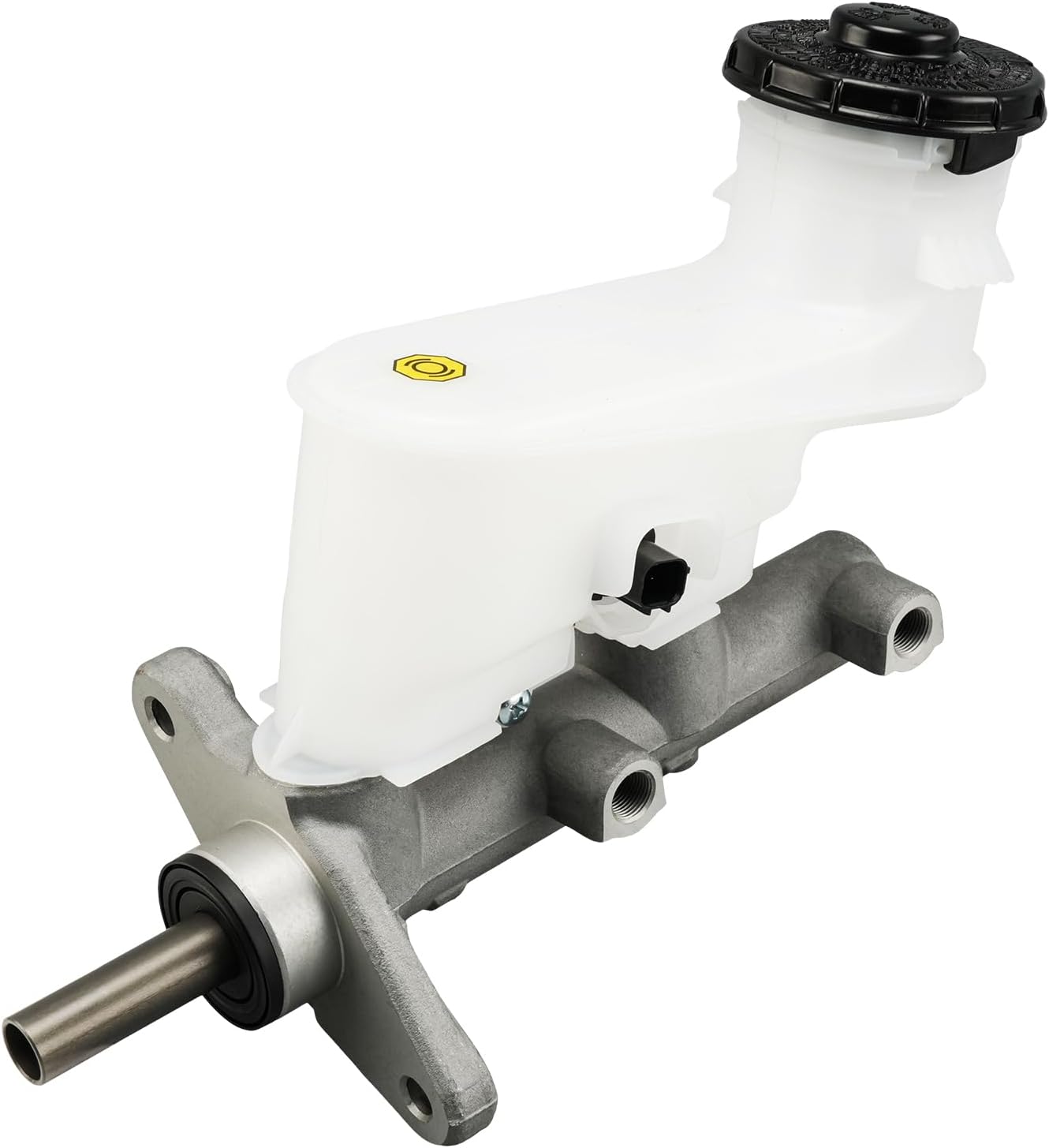
| Fitment | Honda Accord 2008-2012; Acura TSX 2009-2014 |
|---|---|
| Material | Aluminium |
| Bore Diameter | 0.813 in |
| Number of Outlets | 2 |
| Rearward Outlet Size | M12 x 1.0 |
This PHILTOP master cylinder is a full replacement unit intended to restore hydraulic braking function on compatible vehicles. It arrives as a new, not remanufactured, aluminum housing with a 0.813 inch bore, integrated reservoir and sensor and two outlets sized to match the factory plumbing. Typical use is a one-to-two hour repair to replace a worn or leaking master cylinder when brake pedal feel is spongy or fluid is lost. The factory-style construction and EPDM rubber components resist glycol-based brake fluid and aim to match original fit and performance. Practical benefits include having the reservoir and sensor included so you do not need to transfer parts from the old unit and a bore size that matches factory specifications for predictable pedal travel. Limitations are that this is an aftermarket unit from a single supplier so long-term durability beyond initial fitment depends on installation and driving conditions, and any vehicle-specific installation notes should be checked before starting the job.
Best for: Buyers who want a cost-effective, practical replacement that restores factory-style braking performance with minimal parts transfer and straightforward installation.
Less Ideal for: If you prioritize branded OEM provenance or need a part with an extended proven service history under heavy-duty or racing use, consider sourced factory replacements or performance-specific units instead.
- Complete assembly includes reservoir and brake fluid level sensor for easier swap and reduced installation steps
- Aluminum housing and EPDM rubber parts resist brake fluid corrosion and match factory casting material
- Bore diameter specified (0.813 in) to maintain intended pedal travel and braking feel
- Aftermarket part from one brand so long-term reliability data is limited compared with long-standing factory suppliers
Verdict: A practical, ready-to-install replacement master cylinder that matches factory bore and includes reservoir and sensor for a straightforward brake system repair.
4. ApplianPar Brake Master Cylinder with Reservoir for Honda Accord 2008–2012

| Brand | ApplianPar |
|---|---|
| Model | M630604 |
| Appliable for | Honda Accord 2008-2012; Acura TSX 2009-2014 |
This ApplianPar brake master cylinder is a straightforward replacement unit that combines the master cylinder and plastic reservoir in one assembly for use on 2008–2012 Honda Accord and compatible Acura TSX models. Installation is typical for a brake master swap: remove the old unit, transfer or replace the brake fluid lines, bench-bleed the new cylinder, and bleed the system on the car. The integrated reservoir reduces plumbing steps and makes installation cleaner for a DIY mechanic or an independent shop. Practical benefits include a factory-style mounting pattern and a complete assembly that avoids sourcing a separate reservoir. The part is lightweight and compact, which eases handling during fitment. Limitations to note are that this is an aftermarket unit rather than a factory brand part and the listing includes only the master cylinder assembly, so you should have appropriate seals and brake fluid on hand. Buyers should also follow proper brake-bleeding procedures after installation to ensure safe operation.
Best for: Budget-minded owners looking for a complete, ready-to-install master cylinder assembly to restore braking function without sourcing separate components and who are comfortable performing or supervising a standard brake replacement.
Less Ideal for: Shoppers seeking an OEM-branded part or a performance-upgraded master cylinder should consider factory replacements or performance-specific options instead.
- Direct-fit design for Honda Accord 2008–2012 and Acura TSX 2009–2014 for straightforward replacement
- Integrated reservoir and master cylinder supplied as one assembly to simplify installation
- Factory-style mounting pattern and connections that match original placement
- Lightweight unit that is easier to handle during removal and installation
- Aftermarket part rather than a factory-brand component which may differ slightly in finish or sourcing
- Package includes only the master cylinder assembly so additional seals or fluid may be needed
Verdict: A cost-conscious, complete master cylinder assembly that makes replacing the worn unit on a 2008–2012 Accord quick and practical.
5. TAUTOY Brake Master Cylinder Assembly with Reservoir for Honda Accord 2008–2012 / Acura TSX 2009–2014

| Manufacturer | TAUTOY |
|---|---|
| OEM Part Number | 46100TA1A01, M630604, 46101-SDC-A01 |
| Fitment | Honda Accord 2008-2012 2.4L/3.5L; Acura TSX 2009-2014 2.4L/3.5L |
| Exterior | Machined |
| Certification | TS16949 |
This TAUTOY master cylinder assembly replaces the factory unit and includes the reservoir so it ships ready for installation. It is manufactured in TS16949 certified facilities and uses machined metal components that aim to resist wear and provide long service life. Typical use is as a like-for-like replacement when a leaking or failing master cylinder causes a soft pedal or fluid loss. Buyers will appreciate the preassembled reservoir and OEM part number compatibility that simplify fitment and reduce bench work. In practical driving the part restores firm brake pedal feel and proper hydraulic pressure when installed and bled correctly. Limitations are that installation requires moderate mechanical skill and proper bleeding to avoid introducing air into the system, and you should verify the listed OEM numbers match your vehicle before purchase. The 1-year replacement/50,000 km promise offers added assurance but does not replace a professional inspection when diagnosing brake issues.
Best for: Buyers who prioritize a reliable, factory-style replacement to restore brake function on affected Accord or TSX models and prefer a preassembled unit to minimize installation prep.
Less Ideal for: Anyone who wants a plug-and-play swap without any mechanical work or those who prefer dealer-sourced parts and support for extended coverage.
- Preassembled with reservoir for faster, cleaner replacement
- Manufactured in TS16949 certified facilities with machined metal exterior
- Direct-fit by OEM part numbers matching common Accord and TSX variants
- Designed to restore proper pedal feel and hydraulic pressure when installed and bled
- Requires competent installation and careful brake bleeding to avoid performance issues
- Warranty limited to 1 year or 50,000 km which may be shorter than some dealer options
Verdict: A factory-style, preassembled master cylinder that focuses on dependable, long-life performance to restore proper brake feel on the specified Accord and TSX models.
6. A-Premium Brake Master Cylinder with Reservoir and Sensor (13/16 inch Bore)

| Bore Diameter | 13/16 inch (20.64 mm) |
|---|---|
| Material | Aluminum Alloys 101 |
| Number of Outlets | 2 |
| Rearward Outlet Size | M12 x 1.0 |
| Secondary Outlet Thread Diameter | M12 x 1.0 |
This A-Premium brake master cylinder replaces the factory unit and provides brake fluid metering, reservoir storage, and a sensor input for the vehicle warning system. It installs in place of the original assembly on compatible 2008–2012 Honda Accord and 2009–2014 Acura TSX models that use a 13/16 inch bore. The unit is made from aluminum alloy and includes two outlet ports and the fluid level sensor, so it covers the main functions needed to restore brake pedal feel and warning light operation. In practice this part will suit a DIY mechanic or shop doing a full master cylinder swap, but buyers must verify bore and outlet thread sizing before purchase because several reviewers reported mismatched line fittings. When the fit is correct the part has been reported to bolt in and bleed normally, but incorrect outlet orifice sizes will require adapters or line changes. The manufacturer offers a one-year unlimited-mileage guarantee which helps reduce risk when matching fitment for this vehicle family.
Best for: Buyers who prioritize restoring full brake system function on the specified Accord/TSX models and who will carefully confirm bore and outlet thread compatibility before ordering.
Less Ideal for: If you want a guaranteed direct-fit without any chance of plumbing differences or you prefer parts matched by VIN at a local parts store, this aftermarket option may not be the best choice.
- Designed to match factory function with integrated reservoir and fluid sensor
- Aluminum alloy construction intended to resist corrosion and provide durable performance
- Includes two outlet ports matching common Honda/Acura configurations
- Bore diameter clearly specified (13/16 inch) so buyers can verify fit before ordering
- Some listings deliver with brake line orifice/thread sizes that do not match the vehicle, requiring adapters or return
- Fitment varies across Accord trims and model years so verification is essential before installation
Verdict: A practical, factory-function replacement for compatible 2008–2012 Accord and 2009–2014 TSX owners who will double-check bore and outlet sizing before fitting.
7. Nakkaa Brake Master Cylinder with Reservoir — replacement for Accord/TSX (2008–2014)

| Compatible years | Accord 2008–2012, TSX 2009–2014 |
|---|---|
| Replace part numbers | 46100TA1A01 / M630604 |
| Exterior | Machined |
| Included components | 1 x Brake Master Cylinder |
This Nakkaa brake master cylinder is a direct-replacement unit intended to replace part numbers 46100TA1A01 and M630604 on compatible Accords and TSX models. It includes the reservoir and is described as machined aluminum construction for corrosion resistance and durability. Installation is bolt-on style for a straightforward swap if you have basic mechanic skills or a shop can install it quickly. The practical benefit is restoring proper brake fluid pressure and pedal feel after a failing or leaking master cylinder, returning the system to factory-style operation without modifying brake lines. Because it is a replacement part rather than an OEM-branded unit, expect variability in finish and fitment tolerances; buyers should double-check the part numbers and vehicle year before installation. For risk-averse buyers, a professional installation and bleeding of the brake system will ensure safe, reliable performance.
Best for: Buyers who want a straightforward replacement to restore safe braking on a 2008–2012 Accord or compatible TSX and who prioritize a direct-fit part and reliable function over buying a factory-branded assembly.
Less Ideal for: Those seeking an exact factory-branded master cylinder for warranty or brand-matching reasons or buyers who prefer to replace multiple brake components at once rather than a single unit.
- Direct replacement designed to match Honda part numbers 46100TA1A01 and M630604
- Includes reservoir so no separate component is required
- Machined aluminum exterior for improved corrosion resistance
- Bolt-on installation intended to simplify swap with no modifications
- Not an OEM-branded part so finish and fit tolerances may vary
Verdict: A direct-fit replacement that restores factory-style brake function for 2008–2012 Accords and compatible TSX models, making it a practical choice for cautious buyers needing a dependable swap.
Choosing the Right 2008-2012 Honda Accord Brake Master Cylinder: Key Factors to Consider
Correct Bore Size and Pushrod Geometry
Bore diameter and pushrod positioning determine the hydraulic leverage and pedal travel you will feel. On a 2008-2012 Honda Accord, using a master cylinder with the factory bore ensures the pedal effort and modulation you expect, preventing an overly stiff or mushy pedal.
If the bore is slightly different, the change in hydraulic ratio can amplify or reduce pedal travel, which affects how the ABS and proportioning valves behave under hard stops. Ensuring the pushrod geometry matches the pedal arm prevents binding and odd pedal angles that can cause premature wear or inconsistent response during braking.
Seal Material and Resistance to Brake Fluid
Brake fluid is hygroscopic and can degrade some rubber compounds over time. Choosing a master cylinder with seals rated for DOT-specified fluids and high-temperature stability reduces the risk of swelling, seal shrinkage, or stickiness that lead to internal leaks or dragging brakes.
Better seal materials also resist common failure modes specific to the 2008-2012 Accord, such as seal hardening after repeated heat cycles. Durable seals extend service intervals and lower the chance of a sudden loss of hydraulic pressure that would manifest as a soft or sinking pedal.
Reservoir and Cap Compatibility
The reservoir shape and cap venting must align with the Accord's brake fluid routing and space under the hood. A correctly shaped reservoir avoids stress on mounting tabs and ensures proper fluid feed to the master cylinder under varying vehicle tilt and load conditions.
Cap venting and the presence of reliable level sensors matter for later model Accords that use warning switches. A mismatched reservoir or cap can lead to false warnings or improper venting that traps air and makes bench bleeding or road bleeding more difficult.
Seal Leak History and Corrosion Protection
Many master cylinder failures start as small seal leaks or corroded bores that compromise internal seals. Check design features that mitigate these risks, such as plated or stainless internals, protective coatings on the bore, and robust external boots where applicable.
Reducing exposure to rust and contamination is particularly important for Accords kept in areas where road salt or moisture is common, since corrosion accelerates seal wear and leads to visible brake fluid leaks at the master cylinder mounting area.
Serviceability and Availability of Rebuild Parts
A rebuildable unit can save time and effort if you prefer to replace seals rather than the entire cylinder. Confirm that seal kits and common wear components are available and that the unit's design allows straightforward disassembly without special tools.
For owners who perform routine brake system maintenance, ease of sourcing rebuild kits and clear instructions for replacing seals or the reservoir can reduce downtime and long-term ownership costs.
Installation Fit and Bleeding Access
Correct mounting hole alignment, compatible brake line fittings, and good access to bleed ports influence how quickly a professional or DIYer can install the master cylinder without modifying surrounding components. The 2008-2012 Accord's engine bay layout benefits from units that keep the bleed nipples accessible and maintain clearance for the brake booster.
Units that allow effective bench bleeding and straightforward road bleeding reduce the risk of trapped air after installation, which directly impacts immediate pedal firmness and overall braking performance.
Common Master Cylinder Symptoms on a 2008-2012 Accord
Recognizing early signs of master cylinder trouble helps you decide whether repair or replacement is necessary. Typical symptoms include a spongy or sinking brake pedal, visible brake fluid at the firewall or under the master cylinder, and inconsistent pedal height after holding pressure.
Other indicators are a brake warning light tied to fluid level or pressure irregularities and occasional brake drag when seals begin to stick. Observing when symptoms occur, such as after extended driving or during cold starts, helps pinpoint whether seals, bore wear, or reservoir problems are the likely cause.
- Soft, spongy, or gradually sinking pedal
- Visible brake fluid near the master cylinder or beneath the vehicle
- Brake warning light or low-fluid sensor alerts
- Intermittent pedal firmness or brake drag after parking
Replacing Vs Rebuilding the Master Cylinder
Deciding whether to replace the entire master cylinder or rebuild it depends on bore condition, internal corrosion, and seal availability. If the bore is scored or pitted, rebuilding may be ineffective because new seals will not seat properly against a compromised surface.
Rebuilding can be a cost-efficient option when the bore is in good condition and a reliable rebuild kit is available. It also requires careful cleaning, proper lubrication for seals, and bench bleeding to ensure no air remains in the hydraulic circuits before installation.
- Inspect the bore and seal surfaces before choosing rebuild
- Ensure rebuild kits match the Accord's seal materials and dimensions
- Bench-bleed and pressure-test after rebuilding for safety
Bleeding and Brake Fluid Considerations
Proper bleeding is essential after any master cylinder service to expel trapped air and restore correct pedal feel. The 2008-2012 Accord responds well to a sequence that starts with bench bleeding the master cylinder before installation, then performing a correct wheel-bleeding order after mounting.
Use the correct DOT-rated fluid specified for the vehicle and replace the fluid if it is old or contaminated. Clear fluid lines and clean reservoirs reduce the chance of introducing debris that can damage seals and accelerate wear.
- Bench-bleed the master cylinder before installation
- Follow the specified wheel-bleeding sequence for the Accord
- Replace old fluid and avoid mixing fluid types
DIY Installation Tips for Home Mechanics
If you plan to install the master cylinder yourself, gather the right hand tools, a torque wrench, and a bleed kit. Disconnecting and reconnecting the brake lines without introducing air requires capped fittings and a clear plan for bench bleeding and wheel bleeding afterward.
Take care with the pushrod adjustment to maintain the correct free play at the pedal. After installation, confirm pedal travel under static and dynamic conditions and check for any leaks around fittings and the reservoir. A careful initial test drive at low speed helps verify proper function before normal driving.
- Use a bench-bleeding kit before installation
- Torque mounting bolts to factory values and avoid overtightening
- Verify pushrod clearance and pedal free play after installation
Maintenance Practices to Extend Master Cylinder Life
Regularly inspect the reservoir for cracks and the mounting area for signs of fluid seepage. Keeping fresh, uncontaminated brake fluid in the system reduces internal corrosion and prolongs seal life. Scheduled fluid changes help prevent moisture-related degradation.
Address small leaks and seal weeping early; fixing a minor seal leak is easier and less costly than dealing with a failing cylinder and potential ABS or caliper contamination. Routine checks during oil changes are a good opportunity to spot early issues before they become urgent.
- Inspect for seepage at each service interval
- Change brake fluid at recommended intervals
- Catch small leaks early to prevent cascading failures
Understanding Installation Cost Drivers
Installation cost can vary depending on whether the unit is being replaced or rebuilt, and whether additional parts like new brake lines or a fresh reservoir are needed. Labor time increases if corrosion or seized fittings require extra work to disconnect and clean connections safely.
Choosing a unit that fits without modification reduces installation time. If you plan to have a shop perform the work, ask whether bench-bleeding and road-bleeding are included and whether they will inspect related components such as the booster and proportioning valve.
- Labor increases with seized fittings or additional repairs
- Rebuilds can reduce parts cost but require shop time
- Confirm that proper bleeding procedures are performed
Still looking for the perfect fit?
Select your Honda Accord configuration to see the most relevant Brake Master Cylinders recommendations
How We Chose the Best 2008-2012 Honda Accord Brake Master Cylinder
We prioritized units that match the 2008-2012 Honda Accord's factory specifications for bore size, reservoir configuration, and brake line fitting to ensure correct pedal ratio and bleedability. Seal material and construction were key filters because the Accord's brake system demands durable rubber compounds and corrosion-resistant internals to resist fluid breakdown and moisture exposure.Durability and leak resistance were assessed by looking at reported longevity indicators and the design details that reduce common failure modes such as seal extrusion and reservoir cracking. Ease of installation mattered for many owners, so we favored designs with correct mounting hole locations, compatible pushrod geometry, and straightforward bleed ports. Replacement parts availability was also considered, including whether rebuild kit components and seals are commonly accessible for maintenance.We excluded units that required major modifications to the pedal pushrod, nonstandard reservoir adaptors, or significant brake-line rerouting. We did not include options that lack clear specifications for bore diameter or reservoir capacity. Final selections balanced fit, sealing reliability, and serviceability for typical Accord ownership scenarios.
Our full evaluation process is outlined in our review methodology.
FAQ
What are the first signs that the master cylinder is failing on my 2008-2012 Accord?
Early signs often include a spongy or sinking brake pedal, visible brake fluid near the master cylinder, or a brake warning light triggered by low fluid or pressure irregularities. Intermittent pedal firmness and brake drag can also indicate internal seal issues.
Can I rebuild the master cylinder instead of replacing it?
You can rebuild the unit if the bore is smooth and not corroded, and if a compatible rebuild kit is available. Rebuilding is cost effective when internal surfaces are in good condition, but a scored or pitted bore usually requires full replacement.
How important is bench bleeding before installation?
Bench bleeding is very important because it removes trapped air from the master cylinder before it is installed, reducing the amount of bleeding needed after mounting and helping ensure firm pedal feel immediately after service.
Will a minor external leak at the master cylinder always require replacement?
Not always. Small seal weeps can sometimes be addressed by seal replacement or by tightening fittings if appropriate. However, visible fluid around the mounting area or persistent leaks usually indicate the need for full replacement to restore reliable sealing.
Does brake fluid type affect master cylinder longevity?
Yes. Using the manufacturer-specified DOT fluid and replacing it at recommended intervals limits moisture uptake and chemical degradation of seals. Mixing fluid types or using contaminated fluid can accelerate seal wear and reduce component life.
What should I check after installing a new master cylinder?
After installation, check for leaks at all fittings, confirm correct pedal free play and travel, and perform a full bleeding procedure. A short low-speed test drive to verify pedal firmness and check for warning lights is a prudent final step.
Final Verdict
When addressing master cylinder issues on a 2008-2012 Honda Accord, prioritize correct bore sizing and durable seals to preserve pedal feel and prevent leaks. Consider rebuilds only if internal surfaces are in good condition and rebuild kits match the vehicle's specifications.Balance ease of installation, long-term sealing reliability, and parts availability when choosing a replacement. Following proper bleeding procedures and routine fluid maintenance will maximize service life and restore consistent braking performance so you can drive with confidence.
Explore More:
- Check out all Honda Accord parts & accessories
- Explore Brake Master Cylinders Maintenance & Repair Guides
- Explore Brake System
- Browse all Auto Parts
