

Note: This article contains affiliate links. If you click on these links and make a purchase, I may earn a small commission at no extra cost to you. This helps support my research and content. Read my full affiliate disclosure here.
If your Honda Pilot is showing inconsistent fan speeds, weak airflow, or the blower only works on one setting, the blower motor resistor is often the component at fault. Picking the right Honda Pilot blower motor resistor matters because fitment, thermal tolerance, and connector compatibility determine whether the repair will be quick and durable. This guide shortlists the top options for this vehicle and explains the criteria used to evaluate them, including fit accuracy and heat resistance. Read on to see the top picks and the practical considerations to help you pick the best replacement for your Pilot.
Looking for other parts? See all Honda Pilot parts & accessories.
Top Picks at a Glance
| Best Reviewed A top-rated pick with lots of positive feedback | YAOPEI Rear Blower Motor Resistor (79330-S3V-A51) for Honda Pilot / Acura MDX |  |
| Most Popular A crowd favorite that many people choose with confidence | FAERSI HVAC Blower Motor Resistor (Replacement for Honda models) |  |
| Best Quality Built to a higher standard if you want something more solid | A-Premium Front HVAC Blower Motor Resistor (79330S3VA01) |  |
| Best Budget The cheapest option that still gets the job done reliably | TVM TRAVERMAN Blower Motor Resistor 79330-SDA-A01 Compatible with Honda |  |
| Most Sold A high-volume bestseller chosen again and again | TRQ Blower Motor Resistor Module (HCA40053) |  |
| Best Value for Money The sweet spot between price and what you get | A-NAFTULY HVAC Front Blower Motor Resistor Control Module for Honda and Acura |  |
| Best Overall The best all-around choice for most situations | YHTAUTO Front Blower Motor Resistor for Acura MDX 2001–2006 and Honda Pilot 2003–2008 |  |
1. YAOPEI Rear Blower Motor Resistor (79330-S3V-A51) for Honda Pilot / Acura MDX

| Compatible vehicles | 2003–2008 Honda Pilot, 2001–2006 Acura MDX |
|---|---|
| Position | Rear |
| Manufacturer part number | YP-131 |
| Item model number | 79330-S3V-A51 |
This YAOPEI rear blower motor resistor is a factory-replacement style unit that restores the rear HVAC blower speed control on compatible Honda Pilot and Acura MDX vehicles. It installs under the center console next to the blower motor and is typically swapped in place of a failed resistor by removing a few screws and the old module. The listing references multiple OEM part numbers, so it matches the factory fit for the rear blower application and returns lost back-seat airflow when the resistor fails. Buyers report quick, straightforward installs and immediate improvement in rear A/C performance. The practical benefit is a low-cost repair that avoids replacing the blower assembly when only the resistor has failed. Limitations to expect are occasional variability in longevity compared with higher-cost factory parts and the rare unit that may arrive defective, which can require a replacement.
Best for: Reliability-focused owners who want a practical, low-risk repair to restore rear HVAC functionality on a Honda Pilot without unnecessary parts replacement.
Less Ideal for: Owners seeking an exact factory-brand part with the highest OEM-backed longevity or those troubleshooting a failed blower motor rather than the resistor.
- Sold as a direct replacement for multiple OEM part numbers ensuring fit for the listed models
- Simple, quick installation that most DIYers can complete with basic tools
- Low-cost option that restores rear HVAC function without replacing the blower motor
- Positive user reports of immediate improvement in rear air conditioning performance
- Some buyers report isolated units arriving nonfunctional requiring a replacement
- May not match the long-term durability of higher-priced factory-brand parts
Verdict A budget-friendly, direct-fit replacement that reliably restores rear blower control for Honda Pilot owners willing to accept some variation in aftermarket durability.
2. FAERSI HVAC Blower Motor Resistor (Replacement for Honda models)

| Voltage | 12 Volts |
|---|---|
| Manufacturer | FAERSI |
| Safety Rating | ISO/TS 16949 Qualified |
| OEM Part Numbers | RU-398, 79330SDRA0, 79330SDAA01, 79330-SDA-A01, 79330-SDG-W41, RU1583 |
This FAERSI blower motor resistor replaces the failed resistor module that controls blower fan speeds in applicable Honda/Acura HVAC systems. It is a direct-replacement design intended for manual climate-control systems and installs behind the lower passenger-side trim where the factory resistor sits. The unit is rated for 12 volts, carries several interchangeable OEM part numbers, and FAERSI says each piece is tested before shipping. In real-world use this part is useful as the first diagnostic replacement when the blower only works on high or not at all because it is quick to access and much cheaper than replacing the blower motor. Buyers report straightforward plug-and-play installation and restored fan operation for models like the Accord and TSX. Limitations: longevity can vary compared with factory parts and this is only for vehicles that use the listed resistor numbers and manual control housings, so verify compatibility before replacing other HVAC components. Some owners may still choose a dealer part for long-term peace of mind.
Best for: Convenience-driven buyers who want a quick, low-effort repair to restore HVAC fan function without a shop visit and prefer an affordable, ready-to-install replacement.
Less Ideal for: Those seeking a long-term factory-sourced part or owners whose vehicles use automatic climate-control systems should consider dealer or model-specific alternatives.
- Direct-fit replacement for affected Honda/Acura manual HVAC systems using listed OEM numbers
- Simple installation accessible from lower passenger-side trim for quick DIY repairs
- Marketed as 100% tested before shipping with ISO/TS 16949 production qualification
- Restores blower fan speed control so you can avoid costly blower motor replacement or dealership diagnosis
- Longevity may vary compared with factory-original parts
- Only compatible with vehicles that use the listed OEM part numbers and manual control housings
Verdict A budget-friendly, direct-fit resistor that gets Honda/Acura cabin fans working again quickly, but expect variable long-term durability compared with dealer parts.
3. A-Premium Front HVAC Blower Motor Resistor (79330S3VA01)

| Vehicle Fitment | Acura MDX 2001-2006; Honda Pilot 2003-2008 |
|---|---|
| Position | Front Side |
| Bolt Hole Quantity | 4 |
| Terminal Quantity | 4 |
| Terminal Type | Blade |
This blower motor resistor replaces the front resistor that controls fan speeds on compatible Acura MDX and Honda Pilot models. It installs in the HVAC housing using the same mounting points and blade terminals as the factory part, so installation is typically a simple removal of the old unit and screw-in of the new one. Notable features include four mounting holes, four blade terminals, and a design intended to match factory fit and function. In practice it brings back stepped blower control when a failed resistor left the fan stuck or dead, and many buyers report straightforward DIY replacement with basic tools. The resistor does not include a wiring harness, so expect to reuse the vehicle connector. Some users have reported fitment inconsistencies on specific model years and occasional differences in gasket thickness, so check physical fit before final installation. The part is backed by a one-year unlimited-mileage guarantee from the brand for added confidence.
Best for: Performance-oriented DIY owners who want a reliable, factory-quality repair to restore proper blower speed control and prefer fixing HVAC faults themselves rather than paying a shop.
Less Ideal for: People who prefer a ready-to-go plug-and-play kit with extra harnesses or those who want dealer-installed service and diagnostics included.
- Direct-replacement design intended to match factory mounting and terminal pattern
- Restores stepped blower speed control for affected vehicles
- Easy DIY installation with common tools for accessible repairs
- Includes a one-year unlimited-mileage guarantee from the manufacturer
- Wiring harness not included so the vehicle connector must be reused
- Some buyers reported fitment or mounting-lug placement issues on certain model years
Verdict A practical factory-style replacement that restores blower speed control for Pilots and MDXs, best for hands-on owners who want a high-quality DIY repair.
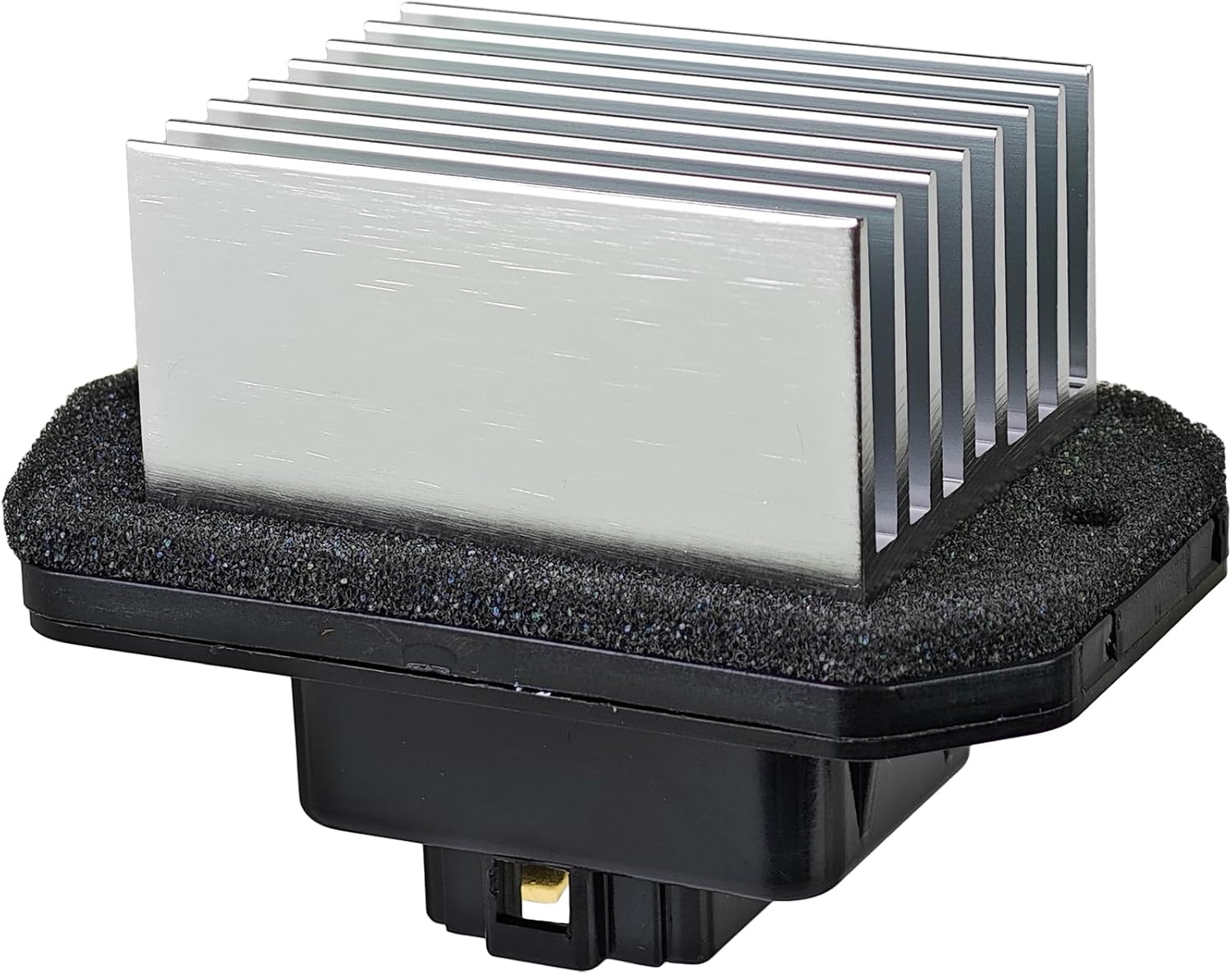
4. TVM TRAVERMAN Blower Motor Resistor 79330-SDA-A01 Compatible with Honda
| Brand | TVM TRAVERMAN |
|---|---|
| Model | 79330-SDA-A01 |
| Manufacturer Part Number | TVM79330-SDA-A01 |
| Vehicle Fitment | Multiple Honda models including Civic, Accord, CR-V, Odyssey, Pilot, Element, Insight, Crosstour, TSX, RDX, EL |
This blower motor resistor replaces the factory control module that regulates blower fan speeds on Honda vehicles. It is used to fix common failures where the fan only works on high or loses lower speeds by swapping the old resistor for this unit under the passenger-side dash. The part is built to OEM-style dimensions and electrical performance and includes a metal heat sink and a reinforced PA66-M40 base to manage heat and vibration, which helps reliability in everyday driving. Installation is straightforward for a DIYer: remove the lower trim, unplug the harness, and swap the screws for a direct fit. Practical benefits are restored multi-speed control and lower repair cost compared with replacing the whole blower assembly. Limitations are typical for budget aftermarket parts: long-term durability may vary by climate and driving habits, and this unit does not address failures in the blower motor, wiring, or control switch itself.
Best for: Budget-conscious Honda owners who prefer a practical DIY repair to restore HVAC fan control and avoid a larger shop bill.
Less Ideal for: Drivers who want an extended warranty or absolute factory-part longevity should consider dealer parts or higher-end replacement modules.
- Lists direct replacement part numbers for straightforward fitment to compatible Honda models
- OEM-grade design with a metal heat sink and reinforced base to manage heat and vibration
- Simple, no-modification installation under the passenger-side dash that is accessible for DIY repair
- Restores full blower fan-speed control so you can recover lower speeds without replacing the blower motor
- Long-term durability may be less certain than a factory part in extreme climates
- Does not repair a failed blower motor, wiring fault, or HVAC control switch so additional diagnosis may be required
Verdict A cost-effective, OEM-style replacement resistor that lets budget-minded Honda owners quickly restore blower fan speeds without replacing the entire blower assembly.
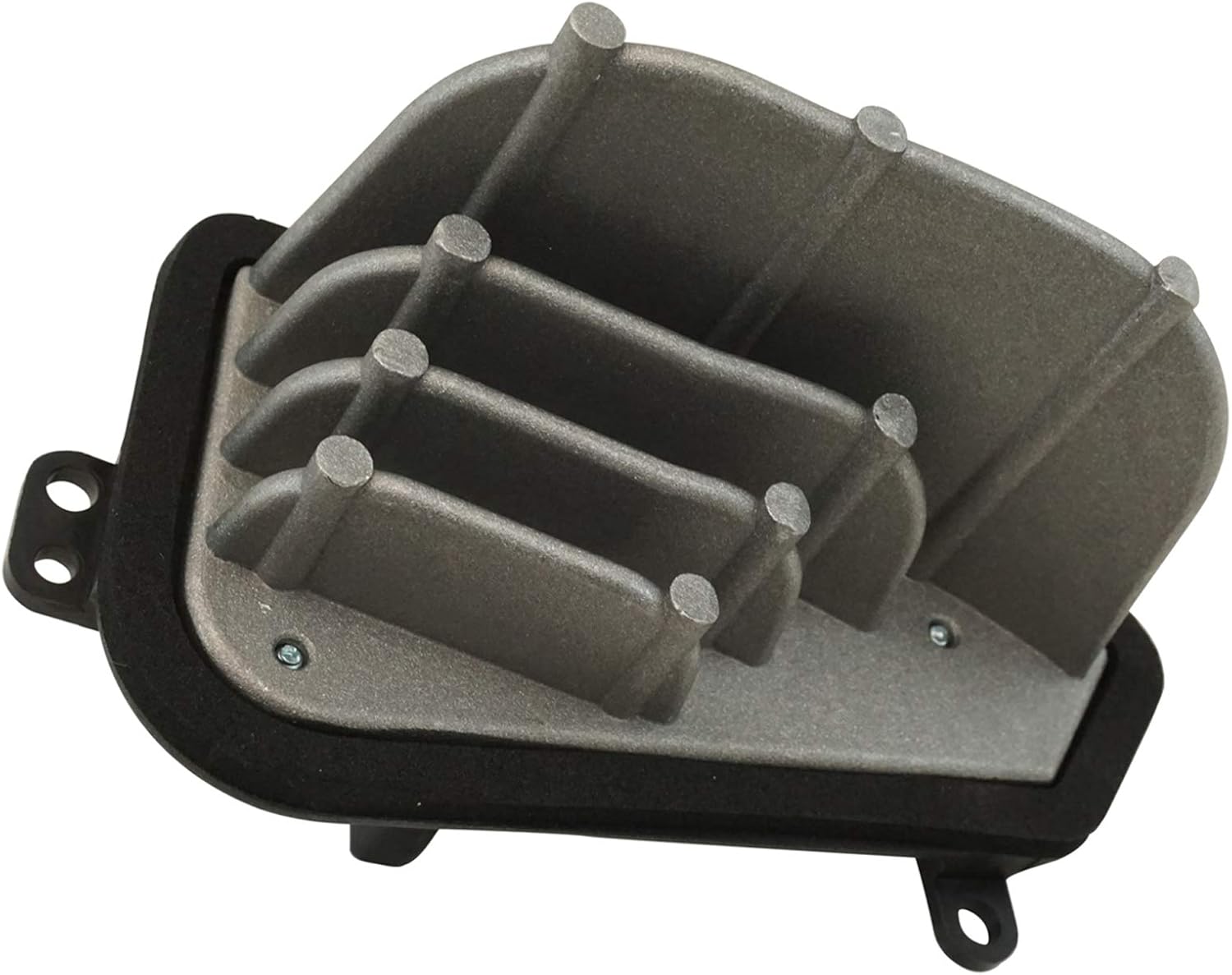
5. TRQ Blower Motor Resistor Module (HCA40053)
| Model | TRQ HCA40053 Blower Motor Module |
|---|---|
| Compatibility | Front blower resistor for Honda Pilot models (see fitment) |
This TRQ blower motor resistor module replaces the front blower resistor in compatible Honda Pilot models and restores fan speed control when the original unit fails. It ships as a pre-assembled module for a plug-and-play swap, so installation is typically a straightforward in-cabin repair that avoids cutting or modifying wiring. TRQ highlights quality testing and provides DIY videos to guide installation, which helps less experienced owners complete the job with basic hand tools. In practice the module performs the core job of regulating multi-speed blower motor output and reviewers report reliable operation when fitted correctly. Be aware this is a direct replacement part rather than an upgraded performance component, so it will match factory behavior but will not improve airflow or quiet the blower. Fitment should be confirmed for the exact year and submodel before purchase to avoid compatibility issues.
Best for: Risk-averse mainstream buyers who want a factory-style, direct replacement to restore HVAC fan control on their Honda Pilot with minimal fuss and predictable results.
Less Ideal for: Drivers seeking performance upgrades, quieter aftermarket blower solutions, or a fix for a failed blower motor rather than the resistor module should look elsewhere.
- Direct-fit pre-assembled module for straightforward replacement
- Includes manufacturer DIY videos and guidance to simplify installation
- Built and tested to TRQ product standards for consistent fan speed control
- Not an upgraded or noise-reducing blower solution
- Fitment must be verified for exact model years before install
- Does not address blower motor failures—only the resistor module
Verdict A practical, factory-style replacement resistor module for Honda Pilot owners who want a straightforward, tested repair to restore fan speed control.
6. A-NAFTULY HVAC Front Blower Motor Resistor Control Module for Honda and Acura

| Brand | A-NAFTULY |
|---|---|
| Manufacturer Part Number | AN70233 |
| Model | 79330SDAA01, 79330-SDG-W41,79330SDRA01 |
| Compatible Part Numbers Replaced | 79330-SDA-A01, 79330-SNA-A01, 79330-SDG-W41 |
This A-NAFTULY blower motor resistor is a direct-replacement control module designed to restore the HVAC fan speed range when a factory resistor fails. It installs on the lower passenger side and is used when the fan sticks at one speed or does not run at all; replacement typically requires removing a small access panel and a few screws. The listing highlights compatibility with a long list of Honda and Acura models and references multiple OEM part numbers, which helps verify fitment for affected vehicles. Buyers will appreciate the easy swap-in installation and that it claims factory-quality fit while avoiding a dealer visit. Some customers report fast, durable fixes while a few note early failures, so longevity may vary unit to unit. If your blower symptoms are intermittent or the fan is dead on multiple speeds, this part offers a low-cost, practical repair option compared with dealer pricing, but be prepared to test the new module after installation in case of premature electronic failure.
Best for: Practical optimizers looking to fix HVAC fan issues affordably and quickly without paying dealer labor costs, and who prefer a straightforward parts swap to extend an older vehicle's service life.
Less Ideal for: Buyers seeking an upgraded or heavy-duty aftermarket solution for extreme climates or high-cycle commercial use should consider more robust options or professional replacement services.
- Direct replacement designed to match factory mounting and connector layout
- Simple installation accessible from passenger side with basic hand tools
- Compatible with many Honda and Acura models and lists multiple OEM part numbers
- Low-cost repair that can restore full HVAC function without dealer labor
- Some reports of early failure suggest inconsistent long-term reliability
- No included harness or additional mounting hardware for nonstandard installs
Verdict A budget-friendly, easy-to-install replacement that often fixes Honda/Acura blower speed problems but may show variable durability on some units.
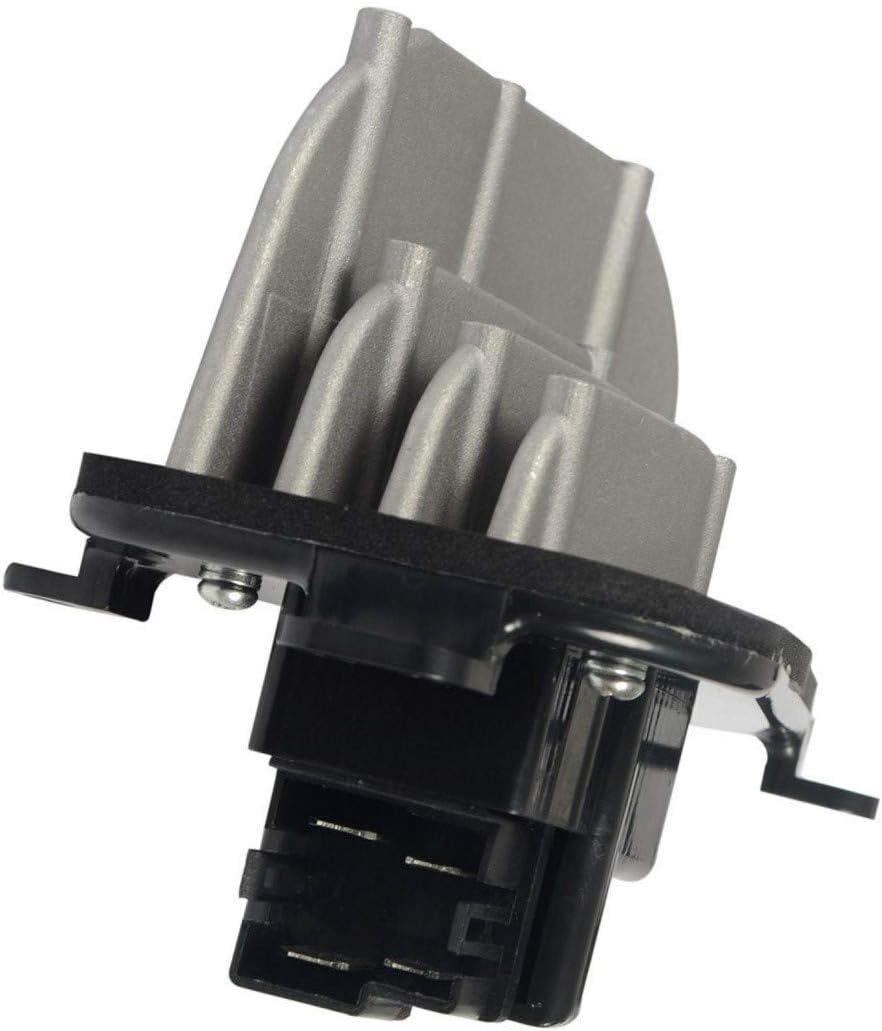
7. YHTAUTO Front Blower Motor Resistor for Acura MDX 2001–2006 and Honda Pilot 2003–2008
| Connector | 4 Pins |
|---|---|
| Reference Number | 79330S3VA01, RU-351 |
| Fits | Acura MDX 2001-2006; Honda Pilot 2003-2008 |
This YHTAUTO front blower motor resistor replaces the factory speed regulator for the front cabin blower on compatible Acura MDX and Honda Pilot model years. It installs in the blower housing and connects via the vehicle 4-pin connector, restoring multiple fan speeds when the original resistor has failed. The unit features multiple heat-dissipating fins compared with older designs, which helps manage the high current the blower demands. In practice it is a straightforward DIY replacement for owners comfortable working under the dash and can save significant labor costs versus a shop visit. Reported benefits include good fitment and reliable operation for many users, though a small number of buyers saw early failures or brief audio interference at startup. Expect occasional tight access during installation on these vehicles and test the resistor or blower motor if problems persist after fitting.
Best for: Balanced all-round buyers who want a cost-effective, factory-replacement style fix for a failed front blower speed regulator and prefer the option to install the part themselves rather than pay shop labor.
Less Ideal for: People who want an exact OEM-made part from the original manufacturer or those who prefer having dealer installation and diagnostics included.
- Direct-fit replacement for Acura MDX 2001–2006 and Honda Pilot 2003–2008 using the factory 4-pin connector
- More heat-dissipating fins than older designs to improve thermal performance under high current
- Simple swap that enables DIY repair and avoids shop labor
- Multiple user reports of reliable operation for a year or more after installation
- Some buyers reported premature failures on a minority of units
- A few users experienced brief engine noise or audio interference immediately after startup
Verdict A practical, direct-fit blower resistor that restores fan speed control on specified MDX and Pilot models and offers good value for DIY-minded, balanced buyers.
Choosing the Right Honda Pilot Blower Motor Resistor: Key Factors to Consider
Fit and Connector Compatibility
Correct mechanical fit and matching electrical connectors are essential because the resistor must seat securely in the HVAC housing and mate with the factory wiring harness. A poor fit can cause vibration, intermittent connections, or require trimming and adapters that complicate installation.
Connector compatibility reduces installation time and the chance of loose terminals. When terminals line up with the factory plug and mounting tabs match original locations, you avoid modifying the dash or HVAC housing and preserve the integrity of the vehicle’s wiring.
Thermal Durability and Heat Dissipation
Blower motor resistors dissipate significant heat as they regulate fan speed, so materials and design that manage temperature are critical. Components with robust resistive elements, adequate spacing, and metal heat sinks tolerate long periods of use without degrading.
A resistor with poor thermal management can fracture, develop hotspots, or compromise solder joints, leading to premature failure. Look for designs that facilitate airflow around the resistor and use materials rated for repeated heating cycles.
Corrosion and Moisture Resistance
HVAC resistors are exposed to cabin air that may carry moisture, dust, and condensate, so corrosion-resistant terminals and protected solder joints extend service life. Plated contacts and sealed or coated components reduce oxidation that can increase electrical resistance and cause intermittent operation.
Moisture ingress can also short circuits or accelerate material breakdown. Resistive elements and housings that resist humidity and chemical exposure help maintain consistent fan performance over time.
Electrical Load and Wattage Ratings
The resistor must be rated to handle the motor’s current draw at different fan speeds without overheating or changing resistance characteristics. Proper wattage and power dissipation specifications ensure the resistor maintains stable voltage drops under load.
Underrated parts may run hotter and age faster, leading to speed loss or failure. Confirming the resistor’s electrical ratings relative to your vehicle’s blower motor demands helps avoid repeated repairs.
Ease of Installation and Serviceability
A design that allows straightforward access, standard fasteners, and clear wiring reduces repair time and error. Some resistors plug directly into the factory harness and mount on existing brackets, while others require additional hardware or trimming.
Serviceability also includes replaceable modules or accessible terminals. Choosing a unit that installs without extensive dash removal or cutting helps preserve vehicle interiors and lowers labor complexity.
Warranty and Documentation
A clear warranty and technical documentation indicate manufacturer confidence and help with troubleshooting if issues arise. Installation guides, wiring diagrams, and stated warranty periods give you recourse if a part fails prematurely.
Documentation also aids correct installation and ensures electrical connections conform to expected specifications. Favor products with transparent testing data and reasonable warranty coverage.
FAQ
What are common blower resistor symptoms in a Honda Pilot?
Common symptoms include the blower working only on the highest speed, intermittent fan operation, or complete loss of some speed settings. You may also notice reduced airflow or unusual heating of the HVAC housing near the resistor.
Where is the blower motor resistor location in the Honda Pilot?
The resistor is usually mounted near the blower motor within the HVAC housing, often accessible from under the dash or through the passenger footwell. Exact placement varies by model year, so consult vehicle-specific guides or service manuals for the precise access point.
How can I test the HVAC blower resistor before replacing it?
You can perform a visual inspection for corrosion, damaged terminals, or burnt elements. For an electrical test, measure continuity across the resistor terminals and verify expected resistance values with the fan set at different speeds. Use a multimeter and follow safety precautions when testing live circuits.
Is blower motor resistor replacement difficult for a home mechanic?
Difficulty depends on the Pilot model year and your familiarity with dashboard or glovebox removal. Many replacements are straightforward when the resistor is accessible from the passenger footwell, requiring only basic hand tools. If access is restricted, additional panel removal may be necessary.
What causes a blower resistor to fail prematurely?
Frequent heavy use of the HVAC fan, high current draw from a failing blower motor, moisture exposure, and corroded terminals are common causes. Poor heat dissipation or substandard materials in the resistor assembly can also shorten service life.
Will replacing the resistor fix all blower-related problems?
Replacing the resistor often resolves speed control issues, but it may not fix problems caused by a failing blower motor, faulty control switches, or wiring faults. If symptoms persist after replacement, further diagnosis of the motor, switch, and harness is usually needed.
How We Chose the Best Honda Pilot Blower Motor Resistor
We focused on components designed specifically for the Honda Pilot and prioritized criteria that matter in real-world repairs. Key evaluation factors included accurate electrical fit and connector compatibility with factory harnesses, thermal durability under prolonged HVAC use, and resistance to corrosion and moisture since resistors sit in the airflow path. We also considered ease of installation, including whether the unit fits original mounting points and requires minimal modification, and the quality of terminals and solder joints that affect long-term reliability. Finally, we reviewed available technical documentation and warranty terms to gauge manufacturer confidence.Products that were excluded include universal or generic resistors without clear Pilot-specific fitment data, items lacking proper terminal or harness compatibility, and components with insufficient information about thermal ratings or corrosion resistance. The final list contains only candidates that meet the electrical, mechanical, and durability filters relevant to routine HVAC repairs on this vehicle.
Our full evaluation process is outlined in our review methodology.
Conclusion
When choosing a Honda Pilot blower motor resistor, prioritize fitment with the factory connector, thermal durability, and corrosion resistance. Those factors most directly affect whether the repair will restore steady fan speeds and last through repeated use.Be mindful of tradeoffs between ease of installation and long-term reliability. If you are unsure about access or electrical testing, gather vehicle-specific fitment information and consider professional diagnostics to confirm the root cause before replacing the resistor.
Explore More:
- Check out all Honda Pilot parts & accessories
- Explore Blower Motor Resistors Maintenance & Repair Guides
- Explore HVAC
- Browse all Auto Parts
