

Note: This article contains affiliate links. If you click on these links and make a purchase, I may earn a small commission at no extra cost to you. This helps support my research and content. Read my full affiliate disclosure here.
If you drive a Subaru Forester XT, the air filter you choose affects turbo response, engine longevity, and fuel economy. A clogged or improperly sized air filter can reduce airflow, let abrasive particles through, and make the turbocharger work harder. Conversely, the right filter preserves performance while protecting the engine.This guide shortlists the top options for the Forester XT and explains the practical tradeoffs between airflow, filtration efficiency, and durability. We evaluated items that fit the XT configuration and focused on real-world concerns like fitment, maintenance intervals, and impact on engine behavior. Read on to see which types and features matter most for this vehicle and why each shortlisted option made the cut.
Looking for other parts? See all Subaru Forester parts & accessories.
Top Picks at a Glance
| Best Overall The best all-around choice for most situations | Subaru Engine Air Filter 16546AA16A (Genuine OEM) |  |
| Best Quality Built to a higher standard if you want something more solid | K&N High-Flow Lifetime Engine Air Filter (33-5064) |  |
| Best Value The sweet spot between price and what you get | EPAuto GP295 Engine Air Filter (FP-088-1) for Subaru and Mitsubishi Select Models |  |
| Best Budget The cheapest option that still gets the job done reliably | Carory Engine Air Filter AF997 (vehicle-specific replacement) |  |
| Highest Rated A top-rated pick with lots of positive feedback | K&N High-Flow Lifetime Engine Air Filter (33-2304) |  |
| Most Popular A crowd favorite that many people choose with confidence | EPAuto GP997 (FP-012-1) Engine Air Filter — compatible with select Subaru models | 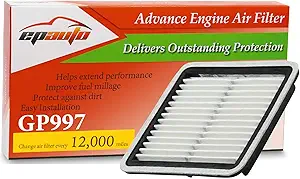 |
1. Subaru Engine Air Filter 16546AA16A (Genuine OEM)

| OEM Part Number | 16546AA16A |
|---|---|
| Automotive Fit Type | Vehicle Specific Fit |
| Model | Air Filter |
| Manufacturer | Subaru |
This genuine Subaru engine air filter (16546AA16A) is a factory-quality replacement intended to restore proper intake filtration and airflow on compatible Subaru vehicles. It installs the same way as the factory unit and is used during routine maintenance to trap dust and debris before they reach the engine. The rectangular, vehicle-specific design ensures a precise fit for Forester, Ascent, Outback, Legacy, Impreza, Crosstrek, and WRX model years listed by the manufacturer. Being an OEM part, the filter matches factory filtration performance and fitment so you avoid fitment tweaks or adapters. The clear benefit is straightforward maintenance confidence and unchanged engine breathing characteristics compared with aftermarket alternatives. The main limitation is that it is a direct replacement filter only and does not advertise extended-life or high-performance media, so drivers who want heavy-duty dust shedding or increased airflow for tuned engines may prefer specialty performance filters instead.
Best for: Drivers who want a reliable, factory-equivalent replacement that restores original filtration and fit without fuss during routine maintenance.
Less Ideal for: Enthusiasts seeking increased airflow or reusable/filter upgrades for performance tuning should consider aftermarket performance filters instead.
- Genuine Subaru part ensures factory-quality fit and filtration
- Vehicle-specific shape provides direct, hassle-free installation
- Matches factory airflow characteristics for predictable engine performance
- Clear compatibility with multiple Subaru models and model years listed
- Not marketed as a long-life or high-performance media compared with specialty filters
Verdict: Buy this genuine Subaru air filter if you want a direct, factory-quality replacement that restores original fit and filtration for routine maintenance.
2. K&N High-Flow Lifetime Engine Air Filter (33-5064)

| Model | High-Flow Engine Air Filter |
|---|---|
| OEM Part Number | 16546AA150, 16546AA16A |
| Automotive Fit Type | Vehicle Specific Fit |
| Made in | USA |
This K&N High-Flow engine air filter replaces the factory paper element with multilayer cotton gauze media treated to boost airflow and sustain filtration over long service intervals. It is intended to drop into the stock air box for quick installation and is marketed to increase horsepower and acceleration by allowing more air into the engine. The washable, reusable design means you clean and re-oil the filter instead of replacing it, with K&N recommending service roughly every 75,000 miles under typical highway driving. Notable features include a multilayer filter media, durable construction intended for long life, and a lifetime limited warranty. For a Subaru Forester XT this filter gives a straightforward way to gain a small performance edge without intake modifications, and it reduces recurring waste from disposable filters. Expect modest measurable gains at the top end and a more responsive throttle; however, it still requires periodic cleaning and correct re-oiling to avoid sensor or MAF issues, and peak gains depend on the rest of the intake and engine setup.
Best for: Buyers who prioritize small, reliable performance improvements and want a long-lasting, reusable filter that installs in the factory air box with minimal fuss.
Less Ideal for: Drivers seeking large horsepower increases without additional intake or tuning work or those who prefer maintenance-free disposable filters.
- Washable, reusable design reduces recurring filter purchases and landfill waste
- Multilayer cotton gauze media engineered for higher airflow and potential horsepower gains
- Fits into the factory air box for quick, no-modification installation
- Long recommended service interval (approximately 75,000 miles under normal highway driving)
- Requires correct cleaning and re-oiling to avoid MAF or sensor contamination
- Performance gains are modest and depend on the rest of the intake and engine tuning
Verdict: A simple, reusable high-flow replacement that gives Forester XT drivers an easy, factory-fit way to squeeze modest performance and improved airflow without major modifications.
3. EPAuto GP295 Engine Air Filter (FP-088-1) for Subaru and Mitsubishi Select Models

| Fit Type | Vehicle Specific Fit |
|---|---|
| Product Grade | Replacement Part |
| OEM Equivalent Part Number | 16546-AA16A |
| Compatible Models | Select Subaru and Mitsubishi models 2016–2026 |
The EPAuto GP295 is a direct-fit engine air filter made to replace Subaru part 16546-AA16A on compatible Forester, Crosstrek, Outback, Impreza, Ascent, Legacy, WRX and select Mitsubishi Outlander PHEV models. It installs in the factory airbox and is intended to trap dust and debris while maintaining airflow for efficient combustion. Typical use is routine maintenance during scheduled service intervals; EPAuto recommends replacement roughly every 12,000 miles. The filter uses high-efficiency media to help protect intake components and can support slightly better fuel economy and emissions by preserving proper airflow. Notable features include vehicle-specific fitment and cross-reference compatibility with FRAM CA12295. Limitations are that this is an aftermarket replacement rather than a factory-branded part and performance depends on correct fit and installation in the specified models; it does not offer washable or reusable media. For a Forester XT focused on reliable, no-frills maintenance, this filter gives straightforward protection at a value-oriented price point.
Best for: Buyers who prioritize practical, cost-effective maintenance for their Subaru—people who want a reliable, easy-to-install replacement that protects the engine without extra features.
Less Ideal for: Drivers seeking a performance or reusable washable filter, or those who only want factory-branded parts should consider other options.
- Vehicle-specific fit for multiple Subaru models including Forester and WRX
- High-efficiency filter media to trap dust and debris and protect the engine intake
- Cross-referenced to common replacement part FRAM CA12295 for easy sourcing
- Simple direct replacement that installs in the stock airbox without modification
- Aftermarket unit rather than factory-branded part so fit or media may vary slightly from factory replacement
Verdict: A practical, vehicle-specific replacement that protects the intake and preserves airflow for Subaru owners who want reliable, no-frills maintenance.
4. Carory Engine Air Filter AF997 (vehicle-specific replacement)

| Brand Name | Carory |
|---|---|
| Model Number | AF997 |
| Product Grade | Replacement Part |
| Fit Type | Vehicle Specific Fit |
This Carory AF997 is a straightforward replacement engine air filter sized for a range of Subaru applications including Forester model years listed in the fitment. It installs in the factory airbox and is intended to restore proper airflow and filtration after the original element ages. The filter claims to maintain steady airflow to help combustion efficiency, which in practice means smoother idle and consistent throttle response compared with a clogged filter. Use it as a routine service part during scheduled maintenance or when the OEM filter shows heavy contamination. The product is vehicle-specific and sold as a single unit, so fit should be direct without trimming. Expect basic construction typical of aftermarket paper media filters: effective at trapping road dust and debris but not reusable. If you value a low-cost, drop-in replacement that meets expected filtration needs for daily driving, this is a sensible choice; those wanting washable, high-flow performance upgrades should look elsewhere.
Best for: Buyers who need a low-cost, direct-fit replacement to restore factory airflow and filtration during routine maintenance on eligible Subaru Forester models.
Less Ideal for: Drivers looking for a reusable or aftermarket high-flow performance filter or those who want a filter marketed specifically as a performance upgrade.
- Vehicle-specific fit for direct installation in compatible Subaru airboxes
- Designed to maintain steady airflow and support combustion efficiency
- Affordable replacement that restores factory filtration performance
- Sold as a single unit matched to OEM reference numbers for easier cross-checking
- Uses disposable paper media so it is not washable or reusable
Verdict: A budget-friendly, direct-fit replacement that restores factory-style airflow and filtration for compatible Subaru Forester models.
5. K&N High-Flow Lifetime Engine Air Filter (33-2304)

| Model | High-Flow Engine Air Filter |
|---|---|
| Manufacturer Part Number | 33-2304 |
| Automotive Fit Type | Vehicle Specific Fit |
| Brand | K&N |
This K&N High-Flow engine air filter is a washable, reusable replacement designed to boost airflow and service life compared with disposable paper filters. It installs directly into the factory air box and is pre-oiled, so typical use is a straightforward drop-in swap that takes only minutes. The multilayer cotton gauze media and tacking coat trap contaminants while allowing increased airflow that can help throttle response and modest horsepower gains in street-driven Subaru Forester XT applications. Because it is washable, the filter reduces ongoing replacement waste and maintenance cost; K&N recommends cleaning around every 75,000 miles under normal highway driving. The product is built for longevity and backed by a long limited warranty, but it does require occasional cleaning and re-oiling which is more hands-on than a throwaway filter. For buyers who prioritize consistent filtration and low recurring cost, this filter provides a durable, repeatable solution, though it is not a no-maintenance option.
Best for: Buyers who want a dependable, low-running-cost filtration upgrade for routine driving and who are willing to perform or schedule periodic maintenance to preserve performance.
Less Ideal for: Those seeking a maintenance-free disposable filter or anyone unwilling to follow the cleaning and re-oiling schedule should consider alternative disposable filters.
- Washable, reusable design cuts recurring replacement waste and cost
- High-flow multilayer cotton media increases airflow for improved throttle response
- Pre-oiled and engineered to drop into the factory air box for quick installation
- Long service interval under normal driving with durable construction
- Requires periodic cleaning and re-oiling rather than simple replacement
Verdict: A durable, washable filter that lowers long-term cost and preserves reliable airflow for Subaru Forester XT owners who will keep up with scheduled cleaning.
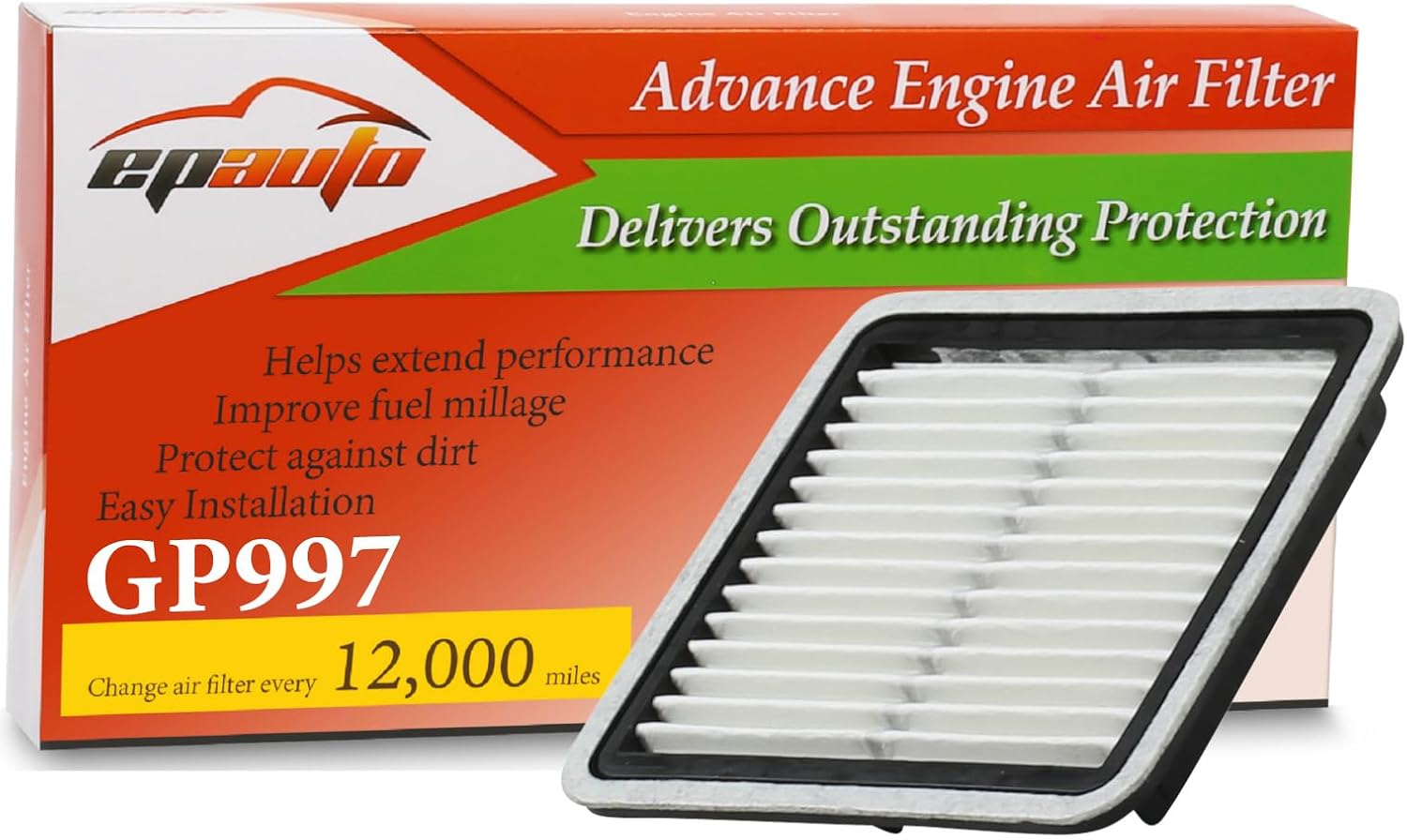
6. EPAuto GP997 (FP-012-1) Engine Air Filter — compatible with select Subaru models
| Brand | EPAuto |
|---|---|
| Automotive Fit Type | Vehicle Specific Fit |
| OEM Part Number | 16546-AA090, 16546-AA10A, 16546-AA120, 16546-AA12A |
| Item model number | FP-012-1 |
| ASIN | B01AXAQ4OC |
The EPAuto GP997 engine air filter is a direct-fit replacement intended to keep intake air clean on compatible Subaru models. It installs in the factory airbox using the same rectangular form factor as the factory filter, so replacement is straightforward and can be done during routine maintenance. The media appears pleated and dense enough for typical road use, helping prevent dirt and grit from reaching the throttle body and engine internals and supporting consistent airflow and fuel efficiency between service intervals. The listing notes compatibility with a wide range of Subaru Forester, Impreza, Legacy, Outback, WRX and Tribeca years and matches several Subaru part numbers, which makes it a convenient option when you need a like-for-like swap. Limitations include that it is a disposable paper-style filter rather than a reusable performance element, so it must be replaced at recommended intervals and it will not increase peak airflow for tuned engines.
Best for: A cautious Subaru owner who wants a reliable, factory-style replacement that matches OEM part numbers and is easy to install during routine maintenance.
Less Ideal for: Not the best choice for owners seeking a high-flow or reusable performance filter for modified or tuned engines that demand increased airflow.
- Direct vehicle-specific fit for many Subaru models matching factory part numbers
- Pleated media provides reliable dirt capture for everyday driving
- Straightforward installation in the factory airbox for quick DIY replacement
- Widely reviewed and commonly purchased replacement with strong social proof
- Disposable paper-style element; not washable or reusable
Verdict: Choose this EPAuto GP997 if you want an inexpensive, factory-style replacement that fits Subaru Forester XT models and other Subaru vehicles for dependable day-to-day engine protection.
Choosing the Right Subaru Forester XT Air Filter: Key Factors to Consider
Fitment and Seal Integrity
Correct fitment to the Forester XT intake assembly is essential. A filter that is even slightly undersized or has a poorly designed gasket can allow unfiltered air to bypass the media, exposing the turbo and cylinder walls to abrasive particles.
A robust sealing interface reduces the chance of leaks during boost and vibration. Consider the mounting profile, gasket material, and whether the filter retains its shape when compressed. Filters that require trimming or additional adapters increase installation complexity and the risk of improper sealing.
Filtration Efficiency Vs Airflow
Higher filtration efficiency captures finer particles but often increases pressure drop, which can slightly restrict airflow to a turbocharged engine. For the Forester XT, which relies on responsive turbo spool, strike a balance where the filter removes damaging particulates while maintaining adequate flow.
Look for media that provide documented particle capture ratings or multi-layer constructions that improve efficiency without excessive resistance. Consider how the vehicle is driven: frequent highway driving favors lower pressure drop, while dusty off-road use prioritizes filtration efficiency.
Material Durability and Maintenance
Filter media and frame materials determine how the air filter ages. Paper filters are disposable and cheap but can fail more quickly in humid or oily environments. Cotton or synthetic reusable media can offer longer service life but need correct cleaning and re-oiling procedures if applicable.
Assess how often you are willing to service the filter and whether the maintenance process is straightforward. Durable frames and corrosion-resistant gaskets help maintain a consistent seal over time, which is especially important in climates with large temperature swings or road salt.
Impact on Turbocharger and Engine Response
The Forester XT's turbocharger depends on predictable intake airflow. Filters that introduce turbulence or significant pressure drop can delay spool-up and reduce throttle responsiveness. Conversely, overly permissive filters that sacrifice filtration for small airflow gains risk engine wear.
Choose a filter with stable flow properties across the engine's operating range. Pay attention to any manufacturer data on flow improvement at relevant flow rates, and keep in mind that real-world gains are usually modest unless intake plumbing is changed.
Maintenance Interval and Replacement Costs
How often you need to replace or service the filter affects the ownership experience. Disposable filters require periodic replacement, which is straightforward but adds recurring cost. Reusable filters reduce waste and long-term expense but need proper cleaning, reconditioning, and possibly re-oiling.
Consider your driving environment. In dusty conditions you will replace or service filters more often. Ensure replacement intervals are realistic and that replacement elements are readily available for the Forester XT to avoid interim performance issues.
Compatibility With Emissions and Warranty Considerations
Some filters or filter treatments can affect intake sensors or leave residues that interfere with emissions systems. While the filter itself is a passive component, ensure chosen options do not require intake modifications that could alter emissions behavior.
Also consider warranty implications. Filters that fit without modification and do not require intake changes are less likely to create installation scenarios that complicate warranty claims. When in doubt, opt for straightforward, direct-fit solutions that maintain the stock intake path.
Understanding Engine and Cabin Filter Differences
The Forester XT requires an engine air filter that handles higher intake flow and protects the turbo from fine particulates. Cabin filters serve a different purpose: they clean the air entering the passenger compartment and address odors, pollen, and particulate matter. Do not confuse the two when ordering or performing maintenance.
Engine filters are sized and shaped to fit the airbox and must handle increased suction and positive pressure during turbo operation. Cabin filters are designed to fit the HVAC housing and have different media characteristics focused on allergen and odor capture.
- Engine filters affect performance, turbo health, and fuel economy.
- Cabin filters affect interior air quality and HVAC efficiency.
- Always confirm you are selecting an engine air filter for maintenance related to turbo function.
How Filter Choice Affects Fuel Economy
Airflow resistance can influence engine load and fuel consumption. A filter with excessive pressure drop forces the engine to work harder to draw air, which can slightly harm fuel economy under some conditions. However, differences are usually small on modern engines and are secondary to driving style and maintenance.
For the Forester XT, aim for a filter that maintains steady flow at the volumes the turbo and engine require. Prioritizing reasonable airflow while keeping good filtration will preserve fuel economy without risking increased engine wear.
- Small airflow gains rarely deliver measurable MPG improvements alone.
- Keeping the intake system clean and replacing clogged filters has a clearer benefit to economy than marginal filter performance differences.
Installation Tips for a Proper Seal
When installing a new filter in the Forester XT, clean the filter housing and inspect the gasket surface for old residue or damage. A clean sealing surface ensures a tight fit and prevents bypass. Handle reusable filters carefully to avoid deforming the frame or contaminating the media.
Tighten any housing clips or fasteners evenly and check for gaps at the intake snorkel connection. After installation, start the engine and listen for any unusual intake noises that could indicate a poor seal or misalignment.
- Replace any damaged housing seals before fitting a new filter.
- Lubricate rubber gaskets lightly if the manufacturer recommends it for better sealing.
- Verify that the filter sits flush and that the housing closes without forcing.
When to Replace or Service Your Forester XT Air Filter
Replacement intervals depend on driving conditions. In normal, mostly paved driving, inspect the engine air filter annually or at the manufacturer-recommended service interval. In dusty or off-road environments, check it more frequently and be prepared to replace it sooner.
Reusable filters will need cleaning and reconditioning according to the supplier's schedule and only with recommended cleaning agents. Improper cleaning or over-oiling can harm sensors or reduce filtration effectiveness, so follow instructions carefully.
- Check the filter visually for heavy dirt, oil contamination, or media damage.
- If performance issues or a drop in fuel economy appear, inspect the filter as part of diagnostics.
- Keep a maintenance log to track replacement or cleaning dates.
Sizing and Ordering: Avoiding Fitment Mistakes
Although many filters share similar shapes, the Forester XT intake housing has specific dimensions and clamp arrangements. Use exact fitment references tied to the Forester XT configuration rather than generic size guides. When in doubt, measure the old filter and compare key dimensions: outer frame length, width, and height, plus gasket shape.
Be cautious of universal filters that require trimming or adapters. While they can work, they add complexity and potential sealing issues that are easily avoided with direct-fit options designed for the Forester XT.
- Measure the old element and verify mounting points match.
- Prefer direct-fit replacements over universal units when possible.
- Keep the OEM element on hand as a reference during installation.
Still looking for the perfect fit?
Select your Subaru Forester configuration to see the most relevant Air Filters recommendations
How We Chose the Best Subaru Forester XT Air Filter
We narrowed choices by applying vehicle-specific fitment and performance filters tailored to the Forester XT. First, we required exact fitment to the XT intake housing and intake snorkel geometry to avoid trimming or modification. Next, we prioritized filtration efficiency at particle sizes that matter for turbocharged engines and materials that resist oil carryover or collapse under boost. Airflow characteristics were judged on published pressure-drop data and construction features that promote consistent flow under load.Durability and maintenance were next: we favored options with clear cleaning or replacement procedures and lifespan data appropriate to typical driving conditions. Installation ease and whether the filter required no modifications were also considered. We excluded any item lacking documented fitment for the Forester XT, filters intended only for racing use with high maintenance burdens, and those that sacrifice filtration for marginal airflow gains. Final selections balanced protection, predictable airflow, and practical serviceability for everyday owners.
Our full evaluation process is outlined in our review methodology.
FAQ
How often should I change the engine air filter in my Forester XT?
It depends on driving conditions. Under normal paved driving, inspect annually or at your service interval. In dusty or off-road conditions check it more frequently and replace when heavily soiled or damaged.
Can I use a reusable air filter in the Forester XT?
Yes, reusable filters are compatible if they are direct-fit and maintain proper sealing. They require periodic cleaning and, if applicable, correct re-oiling. Follow the maintenance procedure closely to avoid contaminating sensors or reducing filtration efficiency.
Will a higher-flow air filter void my warranty?
Simply installing a direct-fit filter that does not require intake modifications is unlikely to affect warranty coverage. Issues arise when intake alterations or improper installations lead to engine problems. Keep documentation of correct fitment and installation to be safe.
Does the engine air filter affect turbocharger longevity?
Yes. The filter protects the turbo and downstream components from abrasive particles. Poor filtration can allow contaminants to erode compressor blades or enter the engine, accelerating wear. Use a filter that balances capture efficiency with steady airflow to protect the turbo.
How do I tell if my air filter is clogged?
Signs include reduced throttle response, decreased fuel economy, or visible heavy dirt on the filter media. A visual inspection is often definitive: if the media is dark and clogged with debris, or if airflow feels restricted during idle and acceleration, replace or service the filter.
Should I choose OEM or aftermarket options for the Forester XT?
Both OEM and reputable aftermarket options can be suitable. Prioritize exact fitment, documented filtration performance, and maintenance practicality. Evaluate the tradeoffs between cost, serviceability, and documented flow or efficiency data when making your choice.
Final Verdict
For the Subaru Forester XT, prioritize a filter that delivers reliable particle capture without introducing significant pressure drop. Fitment and seal integrity come first because a well-sealed, correctly sized filter protects the turbo and engine components. After that, weigh the maintenance regime you prefer: disposable elements are simple, while reusable media reduce waste but require careful servicing.Focus on predictable airflow, realistic maintenance intervals for your driving conditions, and materials that hold up to the Forester XT environment. With those priorities in mind, you can choose an option that preserves performance and engine health with minimal compromise.
Explore More:
- Check out all Subaru Forester parts & accessories
- Explore Air Filters Maintenance & Repair Guides
- Explore Engine
- Browse all Auto Parts
