

Note: This article contains affiliate links. If you click on these links and make a purchase, I may earn a small commission at no extra cost to you. This helps support my research and content. Read my full affiliate disclosure here.
If you own a 2003-2008 Subaru Forester, choosing the right air filter is an easy way to protect the engine, maintain performance, and potentially help fuel economy. The wrong filter or an improper fit can reduce airflow, increase wear, or allow contaminants past the intake, so fitment and filtration matter more than simple price or brand names. This guide shortlists seven top options that fit the Forester range, and explains the key differences you should weigh.Below you will find our top picks followed by clear explanations of the factors we considered, practical installation and maintenance notes, and answers to common Forester owner questions to help you decide which air filter is right for your car.
Looking for other parts? See all Subaru Forester parts & accessories.
Top Picks at a Glance
| Best Overall The best all-around choice for most situations | KAX CA4309+CF10745 Engine and Cabin Air Filter Kit for Subaru Forester 2004–2008 |  |
| Best Quality Built to a higher standard if you want something more solid | KAX Cabin Air Filter with Activated Carbon (CF10745) | 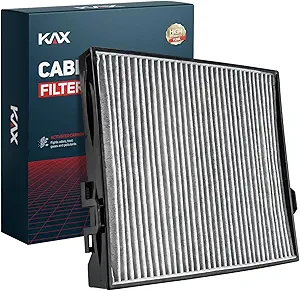 |
| Best Value The sweet spot between price and what you get | ECOGARD XC25875 Premium Cabin Air Filter |  |
| Best Budget The cheapest option that still gets the job done reliably | IKENEF Cabin Air Filter for Subaru Forester 2.5L (2003–2008) |  |
| Highest Rated A top-rated pick with lots of positive feedback | K&N High-Flow Lifetime Engine Air Filter (33-2304) |  |
| Most Popular A crowd favorite that many people choose with confidence | FRAM Extra Guard CA4309 Engine Air Filter |  |
| Best Seller A high-volume bestseller chosen again and again | A-Premium Cabin Air Filter with Activated Carbon for Subaru Forester 2003–2008 | 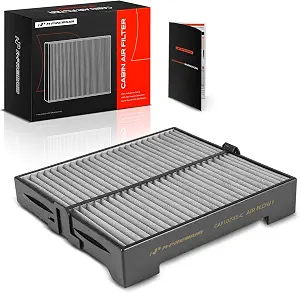 |
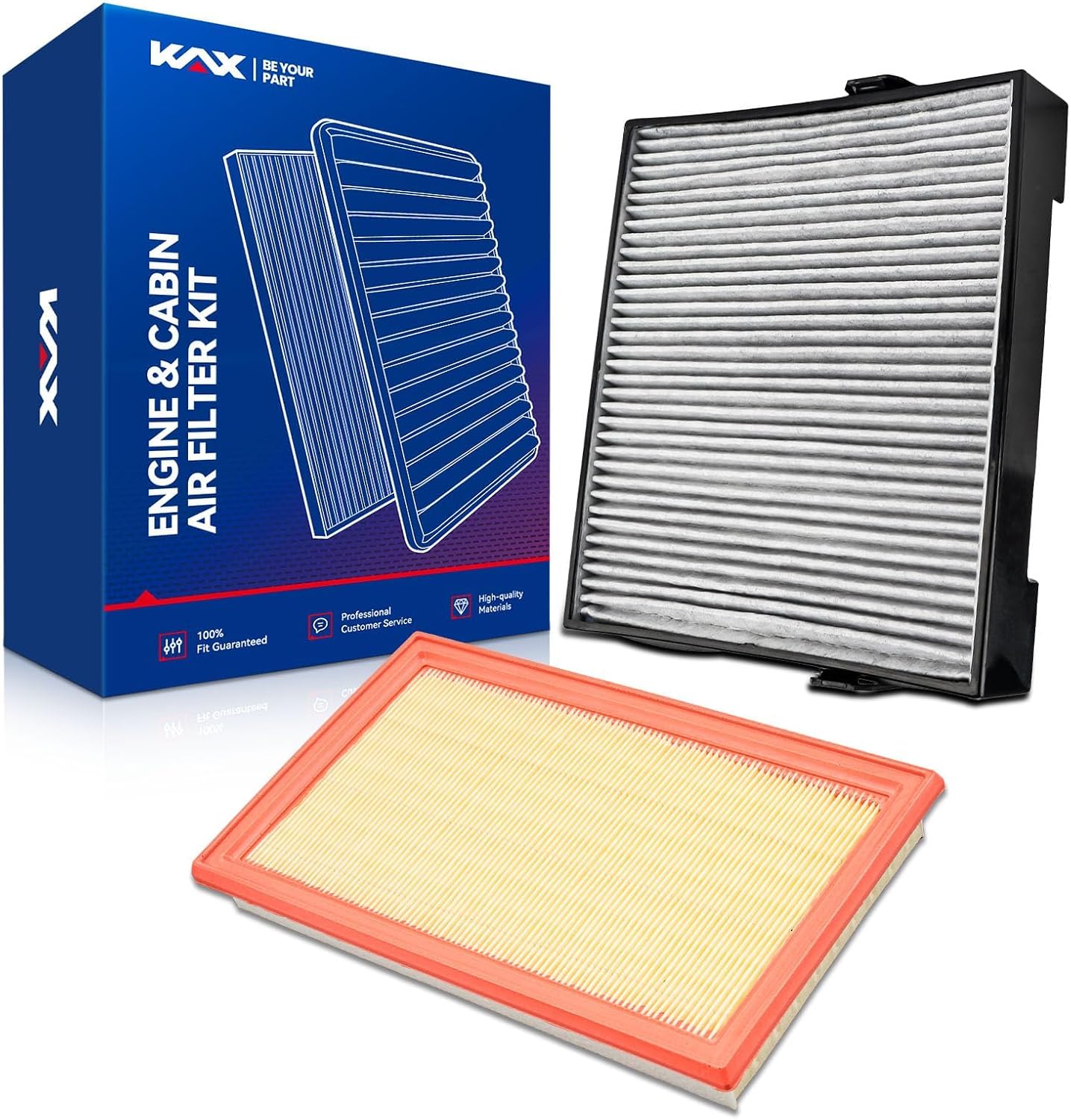
1. KAX CA4309+CF10745 Engine and Cabin Air Filter Kit for Subaru Forester 2004–2008
| Unit Count | 2 Count |
|---|---|
| Included Components | Engine & Cabin Air Filter Kit |
| Fit Type | Vehicle Specific Fit |
| Manufacturer | KAX |
This KAX kit bundles an engine air filter and a cabin air filter sized for Subaru Forester 2004–2008 2.5T models to let you handle both routine filtration needs at once. The engine filter replaces the factory intake element to help keep dirt and dust out of the engine while the cabin filter uses coconut shell activated charcoal and a multilayer media to reduce odors and trap pollen and particulates for cleaner in‑car air. Installation is straightforward and typically takes only a few minutes for each filter, so it is an easy DIY maintenance item. The two-in-one packaging saves a step compared with buying filters separately and makes staggered replacement less likely. Note that this is a replacement-grade aftermarket part, so fit and media performance are what matter most rather than premium performance claims; follow the recommended 12-month or 12,000-mile replacement interval for best results. If you want a simple, practical filter refresh for both engine and cabin that emphasizes convenience and odor control, this kit delivers.
Best for: Drivers who want a straightforward, cost-effective way to refresh both engine intake and cabin air on a 2004–2008 Forester and prefer a convenient bundled purchase that includes odor control.
Less Ideal for: Buyers seeking high-performance or specialty filtration for racing or heavy-duty off-road conditions should consider performance-grade or heavy-duty alternatives tailored to those demands.
- Includes both engine and cabin filters so you can replace both systems in a single maintenance session
- Cabin filter uses coconut shell activated charcoal to reduce odors as well as trap particulates
- Vehicle-specific fit intended for Subaru Forester 2004–2008 which simplifies installation
- Easy DIY installation that typically takes only a few minutes per filter
- Aftermarket replacement-grade product rather than a high-end premium performance filter
Verdict: A convenient two-piece replacement kit that refreshes both engine and cabin air for 2004–2008 Subaru Forester owners who want practical, odor-reducing filtration in one purchase.
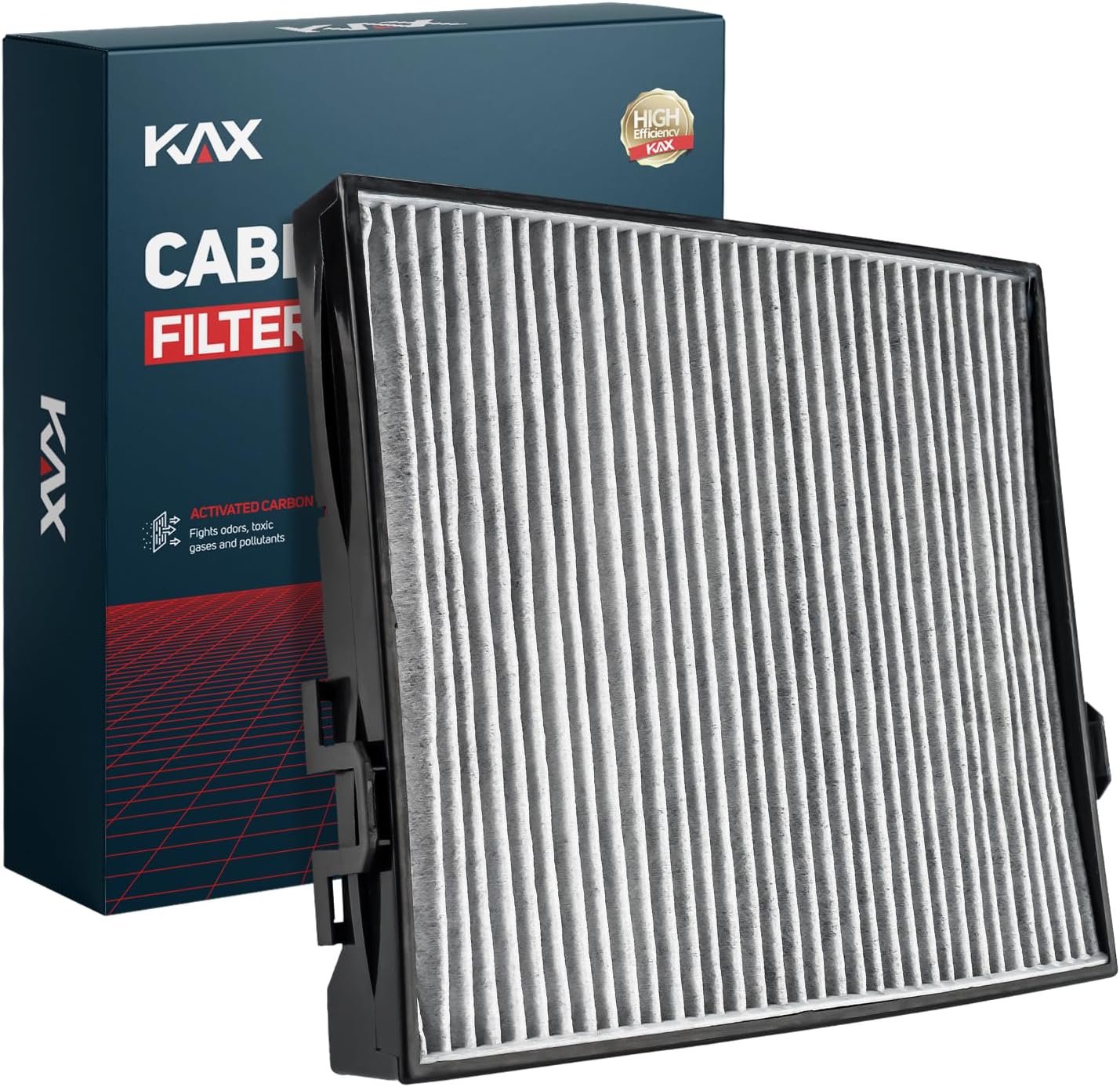
2. KAX Cabin Air Filter with Activated Carbon (CF10745)
| Vehicle application | Subaru Forester 2003-2008 |
|---|---|
| Filtration efficiency | Up to 99.9% (multi-effect media) |
| Structure | 5-layer design with activated carbon |
| Washable | No |
| Package quantity | 1pcs |
The KAX CF10745 cabin air filter is a direct-fit replacement for Subaru Forester models from 2003 through 2008 that combines layered filtration media and activated carbon to cut dust, pollen, and odors from incoming cabin air. It installs in the passenger compartment filter housing and is intended to be replaced roughly every 12 months or 12,000 miles. Notable features include a five-layer construction with high‑efficiency nonwoven fabric and a long-fiber electrostatic cotton layer that increases dust-holding capacity while maintaining airflow for HVAC heating and cooling performance. The activated carbon layer helps absorb vehicle odors and some VOCs, making it a practical upgrade over basic paper filters. Limitations are that it is disposable rather than washable or reusable, and like all denser multi-layer filters it may slightly alter blower airflow compared with the lightest stock filters. For drivers focused on cleaner cabin air and reduced smells, it offers a measurable improvement in comfort and HVAC effectiveness without any vehicle modifications.
Best for: Drivers who prioritize cleaner, fresher cabin air and improved HVAC comfort in a 2003–2008 Subaru Forester and want a straightforward, no-modification replacement.
Less Ideal for: Owners who want a washable or reusable filter solution or those who prioritize maximum airflow over filtration and odor control.
- Five-layer filtration with activated carbon captures dust, pollen, and helps reduce cabin odors.
- Long-fiber electrostatic cotton increases dust-holding capacity to extend service life between changes.
- Designed to fit 2003–2008 Subaru Forester passenger compartment filter housings for straightforward replacement.
- Not washable or reusable so it must be replaced on a schedule.
- Denser multi-layer media can marginally affect blower airflow compared with the lightest stock filters.
Verdict: If you want noticeably cleaner, less odorous cabin air in a 2003–2008 Subaru Forester, this activated-carbon multi-layer replacement is an easy and effective upgrade.
3. ECOGARD XC25875 Premium Cabin Air Filter

| MERV Rating | 14 |
|---|---|
| Compatible Devices | Subaru Forester 2003-2008 HVAC System |
| Product Grade | new |
| Material Type | Paper |
The ECOGARD XC25875 is a direct-fit cabin air filter for 2003–2008 Subaru Forester that removes fine dust, pollen, pet dander, and other contaminants before they enter the cabin. It uses a high-efficiency media (MERV 14) to capture a wide range of particles, which improves interior air quality and helps HVAC fans move air more freely compared with a clogged filter. Installation is straightforward and usually takes only a few minutes with the included instructions, so seasonal replacement is convenient. The paper-based media is engineered to match factory fit and airflow characteristics, so it does not require modification to the vehicle. On the downside the filter is single-use paper media so it needs regular replacement and it does not include activated-carbon odor control. For buyers who prioritize cleaner cabin air and easy, no-fuss maintenance, this filter delivers solid filtration performance and reliable fitment for the specified Forester years.
Best for: Buyers who want a reliable, easy-to-install cabin filter that noticeably improves cabin air quality and keeps HVAC airflow near factory performance with minimal fuss.
Less Ideal for: Drivers seeking reusable filters or active odor and gas removal should consider alternatives with washable media or activated-carbon layers instead.
- High-efficiency MERV 14 media captures fine dust, pollen, and allergens
- Direct-fit for 2003–2008 Subaru Forester for straightforward installation
- Improves HVAC airflow and cabin air quality when replaced seasonally
- Includes installation instructions and is quick to change without special tools
- Paper media is disposable and requires periodic replacement
- No activated-carbon layer for odor or gas adsorption
Verdict: A straightforward, high-efficiency cabin filter that delivers strong particle filtration and hassle-free fitment for 2003–2008 Subaru Forester owners focused on practical air-quality improvement.
4. IKENEF Cabin Air Filter for Subaru Forester 2.5L (2003–2008)

| Fitment | Subaru Forester 2.5L 2003-2008 |
|---|---|
| Item Offered | 1 cabin air filter |
| Manufacturer Part Number | GXZA80058-A0066A0062 |
| OEM Part Number | 72880-SA000 |
This IKENEF cabin air filter is a basic replacement designed for the Subaru Forester 2.5L (2003–2008). It installs in the vehicle's cabin filter housing and is used to trap pollen, dust, and other particulates before they enter the ventilation system. The listing supplies a single white filter and a short set of installation steps, so routine DIY replacement is straightforward for anyone comfortable with simple under-hood or glovebox access tasks. Because it is a standard aftermarket unit, you get a cost-effective way to refresh cabin airflow and reduce allergens without paying for premium multilayer or activated-carbon versions. Expect adequate particle capture for general driving and seasonal pollen, but this filter does not advertise enhanced odor control or high-efficiency filtration for heavy pollution environments. Fitment references and common OEM part numbers are provided to help confirm compatibility with the specified Forester models.
Best for: Buyers who prioritize a low-cost, straightforward replacement to restore cabin airflow and reduce pollen and dust in a 2003–2008 Forester without needing premium odor or pollutant filtration.
Less Ideal for: Drivers seeking heavy-duty filtration for urban smog, strong odors, or allergen-sensitive occupants should consider higher-spec or carbon-equipped filters instead.
- Direct fit references and multiple OEM part numbers listed to simplify compatibility checks
- Sold as a single replacement unit suitable for routine DIY cabin filter changes
- Economical aftermarket option that restores ventilation and reduces pollen and dust in the cabin
- No mention of activated carbon or enhanced odor removal capability
Verdict: A wallet-friendly, direct-fit cabin filter that restores basic particle filtration for 2003–2008 Forester owners who want a simple DIY replacement.
5. K&N High-Flow Lifetime Engine Air Filter (33-2304)

| Automotive Fit Type | Vehicle Specific Fit |
|---|---|
| Model | High-Flow Engine Air Filter |
| Manufacturer Part Number | 33-2304 |
| OEM Part Number | 16546AA090, 16546AA10, 16546AA10A, 16546AA120, 16546AA12A |
This K&N High-Flow engine air filter replaces the factory panel filter and is built to deliver increased airflow and long service life for compatible Subaru Forester models. It uses multilayer cotton gauze media treated to trap contaminants while allowing higher airflow, so drivers can expect modest gains in throttle response and steady performance under normal driving. The filter is washable and reusable, with cleaning recommended roughly every 75,000 miles in typical highway use, which reduces waste and long-term replacement costs versus disposable paper filters. Installation is simple because it drops into the factory air box without modifications. The main practical trade-off is that washable filters require occasional cleaning and re-oiling and careful servicing to maintain filtration performance; users who skip maintenance risk reduced protection. For reliability-focused owners who will follow K&N's care procedure, this filter offers durable construction and a lifetime service intent compared with single-use replacements.
Best for: Forester owners who prioritize long-term reliability and lower lifetime maintenance costs and who are willing to perform scheduled cleaning and re-oiling to keep the filter effective.
Less Ideal for: Drivers who prefer a truly maintenance-free disposable filter or who do not want to follow a cleaning schedule should consider a conventional paper replacement instead.
- Washable and reusable design reduces landfill waste and long-term replacement needs
- High-flow multilayer cotton gauze media is engineered to increase airflow and improve throttle response
- Vehicle-specific fit installs into the factory air box for easy, tool-light replacement
- Durable construction intended for long service life and backed by a long-term limited warranty
- Requires periodic cleaning and re-oiling to maintain filtration and performance
Verdict: A durable, washable replacement that delivers increased airflow and long-term service for Forester owners who will perform regular maintenance.
6. FRAM Extra Guard CA4309 Engine Air Filter

| Model | CA4309 |
|---|---|
| Automotive Fit Type | Vehicle Specific Fit |
| Position | Front, Rear |
| Change Interval | Up to 12,000 miles |
The FRAM Extra Guard CA4309 is a direct-fit replacement engine air filter designed for select model applications including 2003–2008 Subaru Forester 2.5L. It captures dust and damaging particles with a fine filter media while maintaining ample airflow so engine performance and acceleration are preserved between changes. Installation is straightforward and intended for quick do-it-yourself swaps—remove the old element, seat the new filter around the perimeter, and re-secure the cover in minutes. FRAM states the Extra Guard media offers increased protection versus standard retail-brand filters and recommends change intervals up to 12,000 miles, which reduces service frequency for drivers who prefer longer intervals. The filter is vehicle specific rather than universal, so fit and sealing are generally reliable, but if you push beyond manufacturer-recommended intervals in very dusty climates you may need to change it sooner to avoid reduced airflow. Overall it is a practical, easy-to-install option for routine maintenance on covered Forester engines.
Best for: Buyers who prioritize a proven, easy-to-install replacement that balances particle capture and maintained airflow for routine maintenance on their Forester.
Less Ideal for: Drivers who frequently operate in very dusty, off-road, or severe environments and prefer specialized high-flow or heavy-duty filtration solutions.
- Direct vehicle-specific fit for compatible Forester engines improves sealing and installation ease.
- Fine filter media traps a wide range of dust and debris while preserving airflow.
- 12,000-mile recommended change interval reduces the frequency of replacements under normal driving conditions.
- Simple DIY installation that can be completed in minutes without special tools.
- Recommended 12,000-mile interval may be too long in heavy-dust or off-road conditions, requiring earlier changes.
Verdict: A straightforward, vehicle-specific replacement that delivers reliable particle trapping and preserved airflow for routine Forester maintenance.
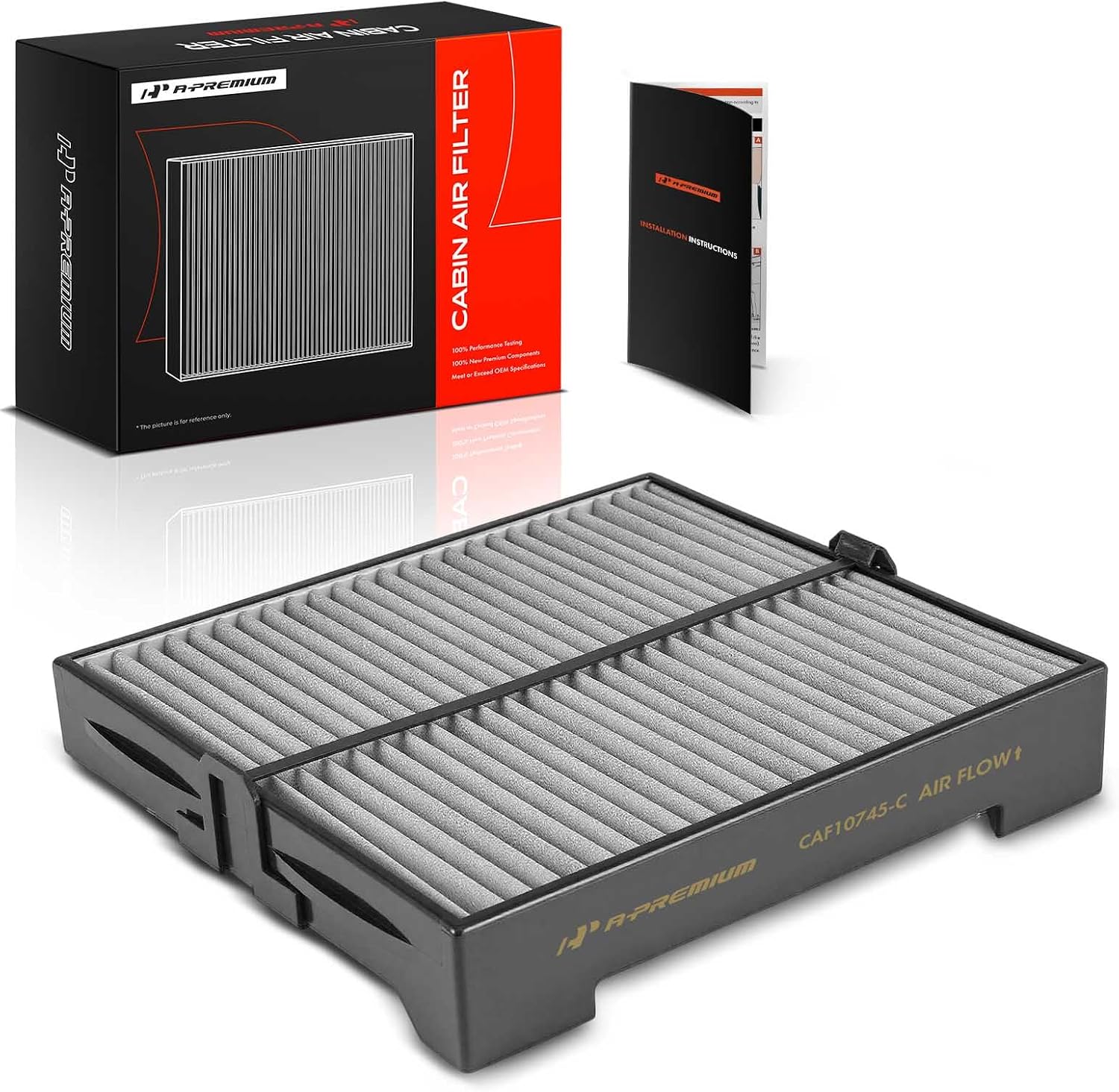
7. A-Premium Cabin Air Filter with Activated Carbon for Subaru Forester 2003–2008
| Vehicle fitment | Subaru Forester 2003-2008 H4 2.5L AWD |
|---|---|
| Location | Behind glove box |
| Activated carbon included | Yes |
| Washable | No |
| Package quantity | 1 |
This cabin air filter replaces the factory cabin filter behind the glove box and uses a multilayer media with activated carbon to trap dust, pollen, and odors before they reach the cabin. Installation is straightforward for anyone comfortable with basic glove-box removal and filter swaps, and the part matches the listed Subaru reference numbers for an accurate fit. The activated carbon layer is useful for reducing exhaust smell and some volatile odors, while the high-efficiency pleated media captures common particulates. It is a single-use, non-washable cartridge, so plan on replacing it at the recommended interval rather than attempting cleaning. The filter is sold as one unit in box packaging and is intended to be replaced about every 12 months or 12,000 miles depending on driving conditions. If you want a simple, drop-in replacement that improves cabin air quality and controls odors without modification, this does the job reliably, though it is not a reusable or high-end HEPA solution for severe allergies.
Best for: Buyers who prioritize reliable, factory-style replacements and cleaner cabin air with minimal fuss and straightforward installation.
Less Ideal for: Drivers seeking a washable or reusable filter system or those who need medical-grade HEPA filtration for severe allergy or respiratory conditions.
- Direct-fit for Subaru Forester 2003–2008 with referenced OEM part numbers for accurate compatibility
- Activated carbon layer helps reduce odors and some gaseous contaminants
- Pleated multi-layer media provides better particulate capture than a basic paper filter
- Simple drop-in replacement that most DIYers can install behind the glove box
- Single-use, non-washable design requires periodic replacement rather than cleaning
Verdict: A practical, direct-fit activated-carbon cabin filter that restores factory-quality airflow and reduces odors for 2003–2008 Forester owners who want a low-risk replacement.
Choosing the Right 2003-2008 Subaru Forester Air Filter: Key Factors to Consider
Filtration Efficiency
Filtration efficiency describes how well the media captures particles of various sizes. For the 2003-2008 Forester, capturing fine dust and pollen reduces abrasive wear on intake components and the cylinders. A higher-efficiency media will trap more small particles but can increase airflow restriction unless designed to balance both.
When comparing options, look for published micron ratings or particle capture percentages. Efficiency matters most if you frequently drive on dusty roads or in regions with high airborne contaminants. For primarily city driving, moderate efficiency with low restriction can be acceptable, while high-efficiency media is preferable for mixed or off-road use.
Airflow And Engine Performance
Airflow resistance influences throttle response and the engine's ability to draw in the volume of air it needs. On the Forester, excessive restriction can reduce low-end torque and marginally increase fuel consumption. Filters designed to maximize airflow use pleated or layered media and low-pressure-drop designs.
Consider the tradeoff between peak filtration and unrestricted flow. If you prioritize responsiveness and slight fuel economy gains, choose a filter with low measured pressure drop. If you prioritize maximum particle capture for harsh conditions, accept a modest increase in resistance but ensure it does not upset engine behavior.
Fitment And Seal Integrity
Correct dimensions and a reliable sealing gasket are critical for a proper installation in the Forester's airbox. A filter that is slightly out of spec can allow unfiltered air past the edges, negating filtration benefits and permitting contaminants into the intake.
Check that the filter matches the Forester's airbox depth, width, and sealing profile. Seals made from molded rubber or compressible closed-cell foam create the best long-term barriers. Ease of installation is also part of fitment; a filter that sits securely without forcing the airbox cover into tension is preferable.
Durability And Media Lifespan
Durability covers how well the filter media and frame hold up over time and through service intervals. For the 2003-2008 Forester, filters that resist collapsing, fraying, or frame deformation deliver consistent performance between changes.
Evaluate media construction—synthetic blends and layered papers offer different service lives. A longer-lasting filter reduces replacement frequency and the risk of degraded filtration due to media breakdown. Also consider conditions you drive in; frequent dusty conditions shorten service intervals and demand more durable materials.
Maintenance And Replacement Interval
Some filters are disposable paper elements replaced at each service interval; others are reusable media meant to be cleaned and reinstalled. Maintenance type affects lifecycle cost and convenience for Forester owners. Disposable filters typically require less hands-on care but more frequent replacements, whereas reusable filters need cleaning kits and correct procedures to avoid media damage.
Assess how often you are willing to service the filter. If you perform your own maintenance, a washable option can be economical over many years. If you prefer minimal upkeep, choose a high-quality disposable filter with a recommended replacement interval that fits your driving pattern.
Compatibility With Driving Conditions
Driving environment should guide your selection. The 2003-2008 Forester is often used in mixed conditions including highway, city, and light off-road. Filters that perform well in dusty, wet, or salty environments provide better long-term protection for engines exposed to those elements.
Consider features like water-resistant treatments for media, robust gaskets that handle temperature changes, and designs that avoid trapping moisture. If you frequently encounter dusty trails or winter road salt, prioritize media and construction that resist clogging and deterioration.
Engine Air Filter Replacement Basics
Replacing the engine air filter on a 2003-2008 Forester is a straightforward maintenance task that protects internal engine components. The engine relies on a steady supply of clean air; a clogged or damaged filter restricts flow and allows harmful particles into the intake tract.
Most owners can access the airbox and replace the filter with basic tools. When performing an engine air filter replacement, inspect the housing and intake snorkel for debris, ensure the sealing surfaces are clean, and confirm the new filter seats properly before reinstalling the cover.
- Inspect the airbox for leaves, nests, or debris before installing a new filter.
- Make sure the filter flange aligns with the airbox lip to prevent bypass.
- Rotate or mark service dates so you know when the next replacement is due.
Cabin Versus Engine Air Filters
The Forester uses separate filters for engine intake and the cabin ventilation system. Cabin air filters protect passengers and HVAC components from dust and pollen, while engine air filters protect the engine itself. The two filters serve different purposes and are not interchangeable.
When planning maintenance, check both filters. A clogged cabin filter will reduce HVAC flow and increase pollen exposure inside the car, whereas a clogged engine filter affects combustion efficiency and engine wear.
- Replace cabin filters on a different schedule than engine filters based on pollen seasons and HVAC performance.
- Inspect cabin filters if you notice reduced ventilation or unpleasant odors.
Fitment Tips For The 2003-2008 Forester
Fitment can vary slightly by model year and engine option within the 2003-2008 Forester range. Confirm the filter's listed compatibility with your specific year and engine code before purchase. Pay attention to overall depth and sealing flange shape to ensure a snug fit.
When installing, compress the gasket evenly and avoid forcing the airbox cover. If the cover does not close smoothly, double-check filter orientation and seating to prevent gaps that could allow unfiltered air into the intake.
- Match dimensions and part reference where available rather than relying solely on generic descriptions.
- If unsure, remove the old filter and measure length, width, and depth to verify replacements.
Cleaning And Reusing Washable Filters
Washable or reusable filters can be cleaned and reinstalled multiple times, reducing waste and potentially lowering lifetime costs. Proper cleaning requires a compatible cleaning solution, gentle rinsing, complete drying, and correct re-oiling procedures where applicable.
Over-oiling is a common mistake that can lead to sensors being contaminated. Follow manufacturer guidance on cleaning intervals and re-oiling amounts, and allow the media to dry fully before reinstallation to avoid trapping moisture in the intake.
- Use only recommended cleaners and oils for the specific filter media type.
- Allow at least several hours for complete drying after rinsing before reinstallation.
How Filter Choice Affects Fuel Economy
Airflow restriction from a poorly designed or heavily clogged filter can subtly affect fuel consumption. The engine management system can compensate for some variation, but persistent restriction reduces volumetric efficiency and can slightly increase fuel use on the Forester.
Selecting a low-restriction filter that still provides adequate particle capture helps maintain the factory balance between performance and economy. Regular inspection and timely replacement are often as important as the filter type itself for maintaining optimal fuel economy.
- Monitor fuel economy after changing filter type to spot any noticeable changes.
- Keep service intervals consistent to avoid degradation of fuel efficiency over time.
Common Installation Mistakes To Avoid
Owners sometimes forget to check the airbox seal or install the filter upside down. These errors lead to air bypass or compromised filtration. Always orient the filter according to the airbox shape and confirm the gasket is evenly seated.
Another common issue is leaving debris in the airbox. Small stones or leaves left behind can cause noise, block airflow paths, or damage the filter media soon after installation.
- Clean the airbox interior before fitting the new filter.
- Ensure all clips and fasteners are reinstalled to secure the cover and maintain a proper seal.
Still looking for the perfect fit?
Select your Subaru Forester configuration to see the most relevant Air Filters recommendations
How We Chose the Best 2003-2008 Subaru Forester Air Filter
We focused on attributes that directly affect longevity, engine protection, and day-to-day performance for the 2003-2008 Subaru Forester. Our editorial filters emphasized fitment accuracy for the 2003-2008 Forester intake housings, measured or reported filtration efficiency, and the airflow characteristics that influence throttle response and fuel burn. We also considered media durability and maintenance needs, since replacement intervals and serviceability matter to owners.Concrete evaluation criteria included filtration material and micron rating, dimensional fit and sealing design, airflow resistance or pressure drop characteristics, media lifespan and serviceability, and construction quality of the frame and sealing gasket. We prioritized options that balance low restriction with proven particle capture and that are rated for the Forester's intake dimensions.We excluded items lacking clear fitment data for the 2003-2008 Forester or those clearly intended for performance-modified intake systems. We also removed products with unverified filtration specifications or poor construction reports. The remaining selections reflect a cross-section of common approaches to engine air filtration suitable for this vehicle.
Our full evaluation process is outlined in our review methodology.
FAQ
How often should I change the engine air filter in my 2003-2008 Forester?
It depends on driving conditions. For normal city and highway driving, many owners change the engine air filter every 12,000 to 20,000 miles. If you drive frequently on dirt roads or in dusty conditions, shorten intervals and inspect the filter more often.
Can I use a reusable washable filter in my Forester?
Yes, reusable filters are an option if you follow proper cleaning and re-oiling procedures. They can be cost-effective over time but require careful maintenance to avoid media damage or over-application of oil that could affect sensors.
Will a high-flow air filter improve my Forester's horsepower?
A low-restriction filter may produce minor improvements in throttle response, but significant horsepower gains are unlikely without other intake or engine modifications. Choose a filter that balances airflow with adequate particle capture to protect the engine.
Do I need a different filter for highway versus off-road use?
You do not need a separate filter, but you may need to replace or inspect the filter more frequently after off-road use. For heavy and frequent off-road driving, select a filter with higher particle-holding capacity and durability.
How can I tell if the air filter is installed correctly?
The filter should sit flush with the airbox sealing surface and the cover should close without forcing it. Check for visible gaps around the seal and listen for unusual intake noises that could indicate air bypass.
Does the cabin filter affect engine performance?
No. The cabin filter only affects the HVAC system and passenger air quality. It does not influence engine breathing or performance, which is handled by the engine air filter.
Final Verdict
Prioritize a filter that balances filtration efficiency and airflow while matching the exact fitment for the 2003-2008 Subaru Forester. Think about your primary driving conditions: dusty or off-road use argues for higher-efficiency, more durable media and more frequent service, while mostly highway driving allows for lower restriction options that aid responsiveness and economy.Ultimately, regular inspection and timely replacement or cleaning are as important as the specific filter type. Choose based on documented fit and filtration specs, and maintain a schedule that reflects your driving environment to protect the engine and preserve performance.
Explore More:
- Check out all Subaru Forester parts & accessories
- Explore Air Filters Maintenance & Repair Guides
- Explore Engine
- Browse all Auto Parts
