

Note: This article contains affiliate links. If you click on these links and make a purchase, I may earn a small commission at no extra cost to you. This helps support my research and content. Read my full affiliate disclosure here.
Replacing the air filter on a 2014–2018 Subaru Forester is one of the simplest maintenance steps that can pay real dividends in engine longevity and day-to-day performance. The right air filter keeps dust and road contaminants out of the intake while preserving airflow so the engine runs smoothly and efficiently. This guide covers the top shortlisted air filters that fit Foresters from 2014 through 2018, assessed for fitment reliability and filtration performance.Below you will find the recommended options and the criteria used to evaluate them, so you can pick an air filter that suits your driving conditions and maintenance preferences.
Looking for other parts? See all Subaru Forester parts & accessories.
Top Picks at a Glance
| Best Overall The best all-around choice for most situations | SCREW RHINO Engine and Cabin Air Filter Combo for Subaru Forester and Related Models |  |
| Best Quality Built to a higher standard if you want something more solid | K&N High-Flow Lifetime Engine Air Filter (33-2304) |  |
| Best Value The sweet spot between price and what you get | Forccord Cabin and Engine Air Filter Kit for Subaru Forester 2009-2018 (H4 2.5L / 2.0L) |  |
| Best Budget The cheapest option that still gets the job done reliably | VINMS CA9997 Engine Air Filter (replacement for Subaru 2014–2018 Forester) |  |
| Highest Rated A top-rated pick with lots of positive feedback | EPAuto GP997 (FP-012-1) Engine Air Filter for Subaru Models | 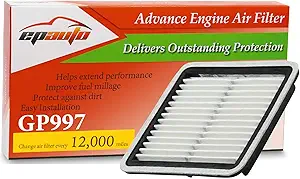 |
| Most Popular A crowd favorite that many people choose with confidence | SPEARHEAD Max Thrust Engine Air Filter (MT-997) |  |
| Best Seller A high-volume bestseller chosen again and again | RVgolf Engine and Cabin Air Filter Kit for Subaru Forester (2009-2018) and Select Impreza/WRX/Crosstrek Models |  |
1. SCREW RHINO Engine and Cabin Air Filter Combo for Subaru Forester and Related Models
| Fits | Subaru Forester 2009-2018 and related models |
|---|---|
| Replaces | Engine CA9997 / Cabin CF10930 |
| Product Grade | Replacement Part |
| Manufacturer Warranty | 2 Year Manufacturer |
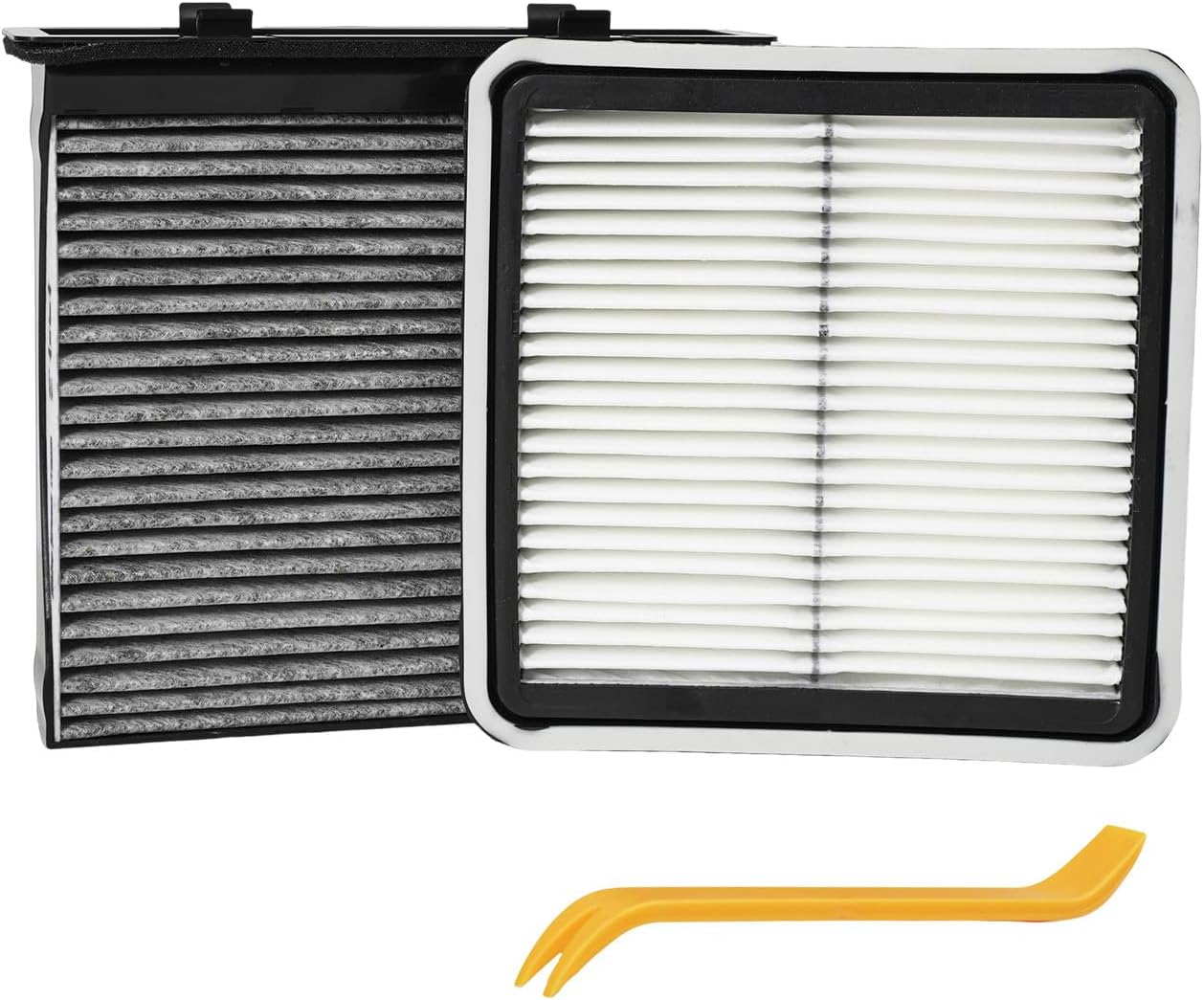
This SCREW RHINO combo includes both an engine air filter (replacing CA9997 series numbers) and a cabin air filter (replacing CF10930) built for direct fit on compatible Subaru models. The engine filter protects the intake from larger particles while the cabin filter uses a multi-layer design with an activated carbon layer to reduce dust, pollen, odors, and gaseous contaminants inside the passenger compartment. Installation is the same straightforward replacement procedure as factory filters, making it an easy DIY service item at the recommended 12 months or 12,000–15,000 miles interval. The cabin filter's reinforced rim and thicker multi-layer media aim to hold up better in regular use, and the filters come from a specialist brand that highlights HEPA-style filtration. On the downside this is a replacement-grade aftermarket part rather than a factory-branded filter, so fit and filtration performance can vary slightly by vehicle and driving conditions; always verify part numbers before ordering. For routine maintenance this combo gives a convenient way to refresh both intake and cabin air with improved odor control compared with basic paper cabin filters.
Best for: Buyers who want a convenient, single purchase to refresh both engine intake and cabin air on a Subaru Forester and similar models and value improved cabin odor control and layered filtration over basic stock replacements.
Less Ideal for: Drivers seeking exact factory-branded parts or professional shops requiring manufacturer-specified filters for warranty or diagnostic work should consider genuine Subaru parts instead.
- Includes both engine and cabin filters in one kit for coordinated maintenance
- Cabin filter uses multi-layer media with activated carbon to reduce odors and gases
- Vehicle-specific fit intended to match factory mounting and simplify installation
- Recommended replacement interval and reinforced construction support reliable service life
- Aftermarket replacement that may not match factory-brand filtration exactly
Verdict: A practical, all-in-one replacement kit that refreshes both engine intake and cabin air with multi-layer cabin filtration and straightforward vehicle-specific fitment.
2. K&N High-Flow Lifetime Engine Air Filter (33-2304)

| Model | High-Flow Engine Air Filter |
|---|---|
| Manufacturer Part Number | 33-2304 |
| Automotive Fit Type | Vehicle Specific Fit |
| OEM Part Number | 16546AA090, 16546AA10, 16546AA10A, 16546AA120, 16546AA12A |
This K&N High-Flow engine air filter replaces the factory paper element with multilayer cotton gauze media that is pre-oiled and ready to install in the factory air box. For a 2014–2018 Subaru Forester it is intended to boost airflow and can provide modest gains in throttle response and acceleration without other intake or tuning changes. The washable, reusable design means you clean and re-oil the filter instead of buying disposables; K&N recommends cleaning roughly every 75,000 miles in normal highway use. Construction is robust and the filter drops into the stock housing for a quick install in minutes. Expect improved airflow and long service life, but realize this is not a forced-induction upgrade and real horsepower gains will be modest unless combined with broader intake or tuning work. Also it requires periodic cleaning and re-oiling, which is more maintenance than a throwaway paper filter.
Best for: Buyers focused on incremental performance and long-term value who want a simple, bolt-in upgrade to improve airflow and throttle response in their Forester without changing the factory air box.
Less Ideal for: Drivers who prefer zero-maintenance disposable filters or those seeking large horsepower gains from a single, bolt-on part should consider other upgrades.
- Washable, reusable media reduces disposable filter waste
- Higher airflow media designed to improve throttle response and acceleration
- Pre-oiled, ready-to-install construction for quick drop-in replacement
- Durable multilayer cotton gauze construction for long service life
- Provides modest performance gains by itself; larger power increases require additional intake or tuning work
Verdict: If you want a hassle-removable replacement that raises airflow and responsiveness for a 2014–2018 Forester, this washable K&N filter is a straightforward, long-lasting choice.
3. Forccord Cabin and Engine Air Filter Kit for Subaru Forester 2009-2018 (H4 2.5L / 2.0L)

| Compatible vehicles | Subaru Forester 2009-2018 H4 2.5L; Forester 2014-2018 H4 2.0L |
|---|---|
| Included components | 1 cabin filter and 1 engine filter |
| OEM equivalent part numbers | CF10930 & 16546AA090 |
| Unit count | 2 Count |
| Product grade | New |
This Forccord kit bundles a cabin air filter and an engine air filter sized for Subaru Forester models from 2009–2018 (2.5L) and 2014–2018 (2.0L). The cabin filter uses a multilayer HEPA-style media with melt-blown layers and activated filtering claimed to capture fine particulates and pollutants for improved in-cabin air quality, while the engine filter uses higher-precision HV filter paper aimed at trapping dust and debris before they reach the intake. Installation is typical for factory-replacement filters and should be straightforward with basic tools and the included guidance. The seller claims extended service life—up to about 20,000 miles for each filter—which reduces how often you need to swap parts compared with standard replacements. Practical benefits include cleaner cabin air, better engine protection from contaminants, and fewer replacements over time. Limitations to note are that performance claims are manufacturer-stated and not independently verified here, and fitment is vehicle-specific so confirm part numbers against your Forester before ordering.
Best for: Buyers who prioritize low-maintenance, budget-conscious maintenance and want a matched cabin-plus-engine filter set that fits specified Forester engine configurations.
Less Ideal for: Shoppers seeking performance-tuned or specialty filters with independent lab certification for filtration efficiency, or those who need fitment for vehicles outside the listed Forester engine years.
- Includes both cabin and engine filters in one kit tailored for specified Forester engines
- Multi-layer cabin filter with HEPA-style and melt-blown media for finer particle capture
- Engine filter uses HV filter paper designed for higher filtration precision
- Manufacturer states extended service life up to about 20,000 miles, reducing replacement frequency
- Extended life and filtration percentages are manufacturer claims and not independently validated
Verdict: A convenient, vehicle-specific cabin-plus-engine filter kit for Forester owners who want cleaner air and fewer filter changes without hunting for separate parts.
4. VINMS CA9997 Engine Air Filter (replacement for Subaru 2014–2018 Forester)

| Brand Name | VINMS |
|---|---|
| Model Number | CA9997 |
| Included Components | Engine Air Filter 1 Pcs |
| Fit Type | Vehicle Specific Fit |
This VINMS CA9997 is a direct-fit replacement air filter built from pleated filter paper to capture dust, pollen and other contaminants before they reach the intake. It's used the same way as any factory-style panel filter: remove the airbox cover, swap the old element for this one, and reseal the housing. The filter claims a durable construction aimed at longer service life and is marketed to match Subaru part numbers so fitment to 2014–2018 Forester models should be straightforward. In practical terms owners can expect cleaner intake air, which helps maintain combustion efficiency and can prevent premature wear of intake components. The product is simple to install without special tools and comes with one-year support from the seller. Limitations are typical of paper replacement filters: it is not a reusable or high-flow performance element, so it will not increase horsepower and must be replaced on a regular schedule to retain filtration effectiveness.
Best for: Buyers who prioritize a low-cost, easy-to-install factory-style replacement to keep a 2014–2018 Forester running cleanly and reliably.
Less Ideal for: Do not choose this if you want a reusable filter or are seeking a high-flow performance upgrade for modified engines.
- Vehicle-specific fit simplifies installation and reduces fitment guesswork
- Pleated filter paper construction provides effective capture of dust, pollen and common road debris
- Sold as a single direct-replacement unit that matches common Subaru part numbers
- Backed by one-year seller support for post-purchase assistance
- Not a washable or reusable element so recurring replacement cost applies
- Not designed to increase airflow or provide performance gains
Verdict: If you need an inexpensive, direct-fit replacement to restore proper filtration for a 2014–2018 Subaru Forester, this VINMS CA9997 is a practical, no-frills choice.
5. EPAuto GP997 (FP-012-1) Engine Air Filter for Subaru Models
| Compatible models | Subaru Forester 2009-2018 (and select other Subaru models) |
|---|---|
| OEM part cross | 16546-AA090, 16546-AA10A, 16546-AA120, 16546-AA12A |
| Item model number | FP-012-1 |
| ASIN | B01AXAQ4OC |
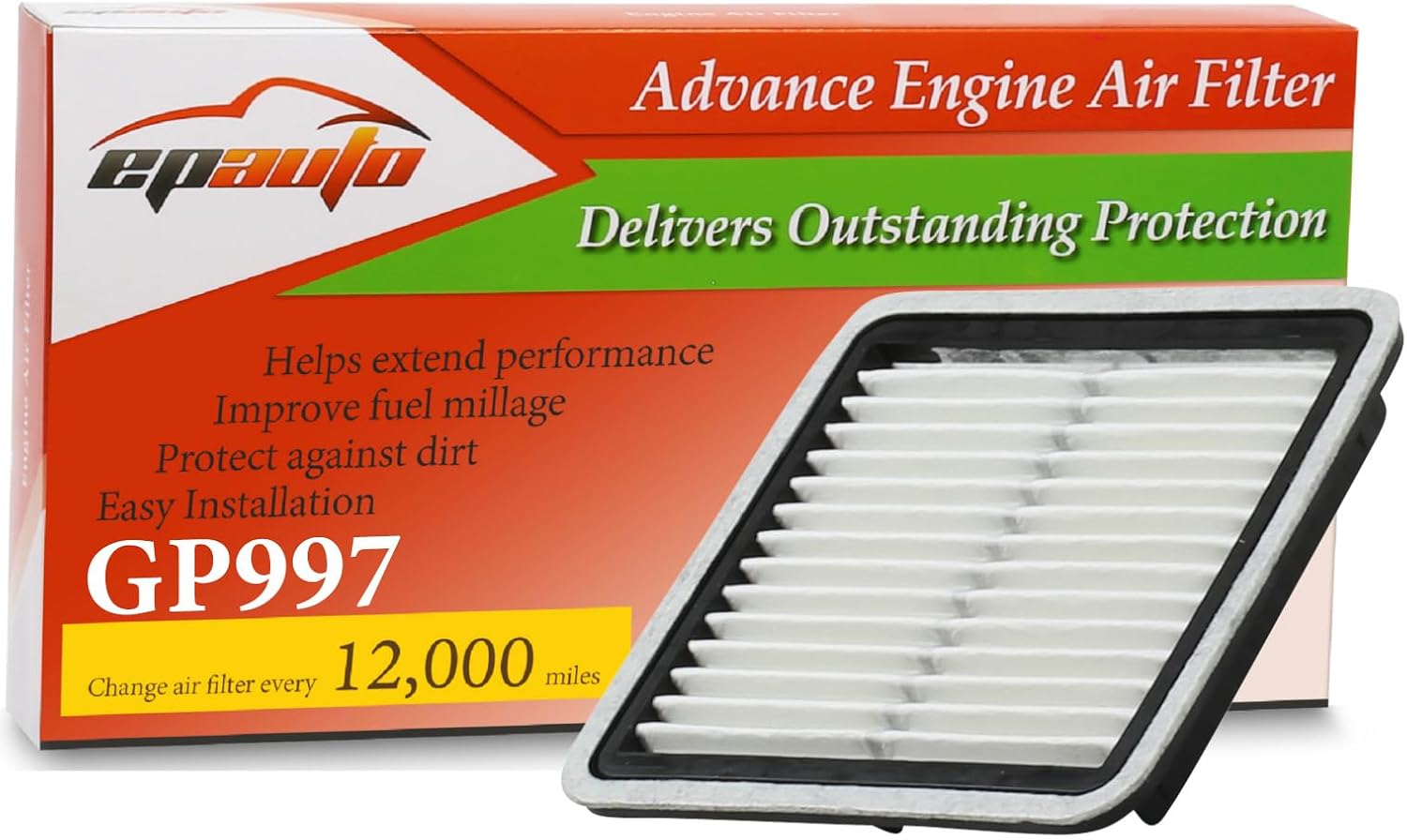
The EPAuto GP997 is a direct-fit replacement engine air filter made to match Subaru factory part numbers for models including the Forester (2009-2018). It installs in the stock airbox and is used the same way as a factory filter: remove the cover, swap the element, clean the housing, and reinstall. The filter’s rectangular pleated media captures dust and road grime to help protect the intake and maintain airflow, which supports consistent engine performance and fuel economy between service intervals. Its compatibility with multiple Subaru part numbers makes ordering straightforward for owners who value reliability. Expect a no-frills component that prioritizes fit and filtration over performance upgrades; it is not a high-flow or washable performance element but a budget-friendly replacement that keeps the engine protected when changed at recommended intervals. If you follow the suggested maintenance schedule, this filter delivers dependable service and peace of mind without modification.
Best for: Owners who prioritize dependable, factory-style maintenance and want a straightforward replacement that preserves engine protection without upgrades.
Less Ideal for: Drivers seeking increased airflow, reusable washability, or performance tuning should look for aftermarket high-flow or washable filter options instead.
- Vehicle-specific fit matched to Subaru part numbers for straightforward installation
- Pleated filter media captures dirt and debris to protect the engine intake
- Compatible with a broad list of Subaru models including 2009-2018 Forester
- Lightweight, factory-replacement style element that installs with basic hand tools
- Not a performance or high-flow filter and cannot be cleaned and reused
Verdict: A reliable, vehicle-specific replacement filter that restores factory-quality protection for Subaru Forester engines without performance pretensions.
6. SPEARHEAD Max Thrust Engine Air Filter (MT-997)

| Item model number | MT-997 |
|---|---|
| Manufacturer Part Number | MT-997 |
| OEM Part Number | CA9997 |
| Service interval | Up to 15K miles or 1 year |
The SPEARHEAD Max Thrust engine air filter is a direct-fit replacement for many Subaru engines and is built to trap more contaminants than a standard paper element. It uses a hex-pleat, multi-layer media to increase dust-holding capacity while maintaining airflow, which the brand says supports better throttle response and fuel economy over the life of the filter. Installation is straightforward for routine DIY maintenance—swap the old element for this one in the airbox without special tools. Notable features include a claimed 2x dirt-trapping capacity versus standard filters and a service interval rated to about 15,000 miles or one year. Practical benefits are cleaner intake air for engines that see dusty roads and a longer interval between changes, which reduces maintenance frequency. Limitations to consider are that performance gains are incremental compared with a properly functioning factory replacement and vehicles with airflow sensors may trigger an alert if the filter construction alters sensor readings; confirm exact fitment for your Forester year and engine before buying.
Best for: Forester owners who prioritize reliable, higher-capacity replacement filters and want a straightforward DIY swap to reduce service frequency while maintaining intake protection.
Less Ideal for: Drivers seeking measurable performance upgrades over stock intake systems or those who prefer performance air intakes and custom filtration solutions.
- Designed to be a direct replacement for specified Subaru airboxes for easy DIY installation
- Hex-pleat multi-layer media increases dust-holding capacity without heavily restricting airflow
- Rated service interval up to 15,000 miles or one year which reduces replacement frequency
- Claims of doubled dirt-trapping are manufacturer statements and actual gains depend on driving conditions and engine state
Verdict: If you want a higher-capacity, drop-in replacement filter for your Forester that reduces how often you change the element, this is a practical choice.
7. RVgolf Engine and Cabin Air Filter Kit for Subaru Forester (2009-2018) and Select Impreza/WRX/Crosstrek Models

| Manufacturer | RVgolf |
|---|---|
| Item model number | RV00072 |
| Manufacturer Part Number | RV00072 |
| Applicable engine replacement number | 16546AA090 / CA9997 |
| Cabin filter replacement number | CF10930 / CP930 |
This RVgolf kit includes both an engine air filter and a cabin air filter sized to replace the factory units on 2009–2018 Foresters and compatible Subaru models. The engine filter uses a high-fiber media aimed at trapping fine particulates while maintaining airflow, and the cabin filter uses multi-layer material to reduce pollen, dust, and suspended impurities inside the vehicle. The manufacturer highlights a low-resistance design intended to improve intake efficiency and reduce noise from the intake and HVAC systems. Installation is straightforward and can be completed by the owner with basic tools, and RVgolf recommends replacement roughly every 12 months or 12,000 miles. For cautious buyers the kit offers a direct replacement feel and clear reference numbers for cross-checking fitment, though you should confirm exact compatibility for your specific trim before ordering.
Best for: Forester owners who prioritize reliable, factory-replacement style filtration and want a straightforward, owner-installable kit to maintain engine breathing and cabin air quality.
Less Ideal for: Shoppers looking for high-performance intake filters or specialized allergen-grade cabin filters should consider purpose-built alternatives instead.
- Includes both engine and cabin filters for a complete airflow refresh
- High-fiber and multi-layer filtration media designed to capture fine particulates
- Low-resistance design intended to preserve intake airflow and reduce noise
- Easy owner-installation with manufacturer guidance and reference part numbers
- Fitment covers a range of Subaru models and years so buyers must verify trim-specific compatibility
Verdict: A complete, easy-to-install engine plus cabin filter kit that restores factory-style filtration and quieter airflow for 2009–2018 Forester owners who prefer low-risk, reliable replacements.
Choosing the Right 2014-2018 Subaru Forester Air Filter: Key Factors to Consider
Filtration Efficiency
Filtration efficiency determines how well an air filter captures dust, pollen, and fine particulates before they reach the engine. Higher-efficiency media trap smaller particles, which reduces abrasive wear on cylinder walls, throttle components, and sensors over time.
For a 2014–2018 Forester, prioritize media that balance particle retention with airflow. Extremely dense media may increase restriction, so look for filters that specify particle-capture metrics or multi-layer constructions that combine a fine layer for small particles with a coarser support layer to maintain flow.
Airflow and Engine Performance
Airflow affects how the engine breathes and can influence throttle response, turbo spool (if applicable), and fuel consumption. A filter that restricts airflow too much can make the engine work harder, while excessively permissive filters can sacrifice filtration for flow.
Choose a filter that maintains near-stock airflow characteristics for the Forester unless you have other intake modifications. Manufacturers that provide pressure-drop or flow-test data give better guidance. Consider how you drive: city traffic and short trips favor slightly denser filtration, while sustained highway driving benefits from smoother airflow.
Fitment and Seal Quality
Correct fitment is essential to prevent unfiltered air bypassing the media. The 2014–2018 Forester uses a specific intake housing shape and sealing surface, so a filter that matches those dimensions and provides a snug gasket seal reduces the risk of contaminant entry.
Inspect how the filter seats in the housing, the quality of any rubber or foam gasket, and whether the filter requires extra clamps or adaptors. Filters that force a tight, uniform seal without deformation are preferable for consistent performance.
Material Durability and Service Life
A durable filter media resists tearing, collapsing, and degradation from heat and moisture. Service life affects how often you must replace or clean the filter, which influences long-term maintenance costs and convenience.
For the Forester, consider the expected miles between changes under your typical conditions. Some media are washable and reusable, which lowers recurring expense but requires proper cleaning and re-oiling procedures. Disposable pleated paper or synthetic filters offer predictable performance but need scheduled replacement.
Ease of Installation
Many Forester owners perform routine maintenance themselves. A filter that is easy to install reduces time in the driveway and lowers the chance of improper seating that can lead to bypass.
Look for filters that fit the stock housing without trimming, use straightforward gaskets, and come with clear instructions. If you plan to change the filter on the roadside, prioritize options that do not require special tools or removal of additional components.
Effect on Fuel Economy
While a single air filter change will not radically alter fuel consumption, a properly flowing and sealed filter helps the engine maintain its designed air-fuel balance, which supports consistent fuel economy over time. Restricted filters can increase fuel use, particularly under load or during acceleration.
When selecting for a 2014–2018 Forester, weigh small gains in airflow against potential losses in filtration. Filters marketed for improved economy should still provide adequate particle capture for long-term engine health.
Engine Air Filter Vs Cabin Filter: Which Matters for Driveability
The engine air filter and cabin filter serve distinct purposes. The engine air filter protects internal engine components and sensors from contaminants, while the cabin filter cleans the air entering the passenger compartment. For driveability, the engine filter is the relevant component because it directly affects combustion air quality and airflow.
If you are noticing performance issues like reduced throttle response or decreased fuel efficiency, start by checking the engine air filter. Cabin filter condition will not cause engine performance problems, though it does affect interior air quality and HVAC performance.
- Engine filter impacts combustion air and engine wear.
- Cabin filter affects interior air quality and HVAC airflow.
- Always check the engine air filter first for driveability concerns.
When to Replace the Engine Air Filter on a 2014–2018 Forester
Replacement intervals depend on driving conditions and filter type. For normal suburban and highway driving, many owners change the engine air filter every 12,000 to 20,000 miles. If you drive in dusty, off-road, or high-pollen environments, inspect the filter more frequently and expect to replace it earlier.
Also consider visual inspection at regular service intervals. A dark, heavily soiled filter with compressed media should be replaced regardless of mileage. Filters that are reusable will need cleaning and proper reassembly to avoid damaging the media or the gasket.
- Normal driving: inspect at 12,000 miles, replace by 20,000 miles.
- Severe conditions: inspect every oil change and replace as needed.
- Reusable filters: follow cleaning schedule and re-oil instructions carefully.
How Filter Media Types Differ and What Works Best
Common media types include pleated paper, synthetic blends, and oiled cotton or foam. Pleated paper filters are economical and provide consistent filtration for typical driving. Synthetic media can offer better dust-holding capacity and moisture resistance. Oiled cotton or foam filters can improve airflow but require correct maintenance to avoid over-oiling sensitive sensors.
For the 2014–2018 Forester, choose a media type that matches your maintenance habits and driving conditions. If you prefer minimal upkeep and predictable replacement intervals, pleated paper or synthetic disposables are practical. If you regularly maintain components and want potential airflow gains, a washable option may be suitable.
- Pleated paper: low maintenance, predictable replacements.
- Synthetic: improved moisture resistance, good dust-holding.
- Oiled cotton/foam: potential airflow gains, requires careful maintenance.
Measuring Fit: Air Filter Size and Housing Considerations
Although many filters are marketed for the Forester, confirm dimensions against the stock housing to ensure correct fit. Pay attention to overall length, width, and gasket shape. A mismatch in height or gasket diameter can lead to poor sealing and allow unfiltered air to bypass the media.
If you are ordering a replacement based on size charts, use the Forester-specific housing measurements rather than only relying on generic size names. When in doubt, compare the new filter to the removed unit before final installation.
- Confirm length, width, and gasket profile before installation.
- Avoid filters that require trimming or modification of the housing.
- Compare new filter to removed unit for a final fit check.
Practical Tips for Installation and Inspection
Always park the vehicle on level ground and allow the engine bay to cool before beginning. Remove the intake housing cover carefully and note the orientation of the old filter so you can seat the replacement correctly. Clean the housing interior of accumulated debris before installing the new filter to prevent immediate contamination.
Check the gasket seating and close the housing to confirm there are no gaps. After installation, start the engine and listen for unusual intake noises that might indicate a poor seal. Keep the old filter until you have verified fit and performance for a short drive.
- Clean housing interior before installing new filter.
- Note filter orientation and seal the gasket evenly.
- Test for intake noise after installation as a quick seal check.
Still looking for the perfect fit?
Select your Subaru Forester configuration to see the most relevant Air Filters recommendations
How We Chose the Best 2014-2018 Subaru Forester Air Filter
We focused on criteria that matter to Forester owners when replacing the engine air filter. Primary evaluation factors included filtration efficiency measured by particle capture ratings or media construction, airflow impact and how it affects throttle response and fuel economy, and exact fitment to the 2014–2018 Forester intake housing to avoid gaps or installation issues. Durability and expected service life were weighed to estimate replacement intervals under normal and dusty conditions. We also considered ease of installation for owners doing the job themselves and whether the filter required any housing adjustments or special tools.We excluded filter options that did not explicitly list compatibility with the 2014–2018 Forester or that required modifications to the intake system. Filters with inadequate sealing designs, unclear media specifications, or inconsistent fit reports were not included. In short, we prioritized reliable fit, measurable filtration performance, reasonable airflow characteristics, service life, and owner usability when assembling this list.
Our full evaluation process is outlined in our review methodology.
FAQ
How often should I inspect the engine air filter on my 2014–2018 Forester?
You should visually inspect the engine air filter at least every 12,000 miles or during routine service. If you regularly drive on dusty roads, check it more frequently and replace it sooner when the media appears dark and congested.
Can I use a washable or reusable filter in my Forester?
You can use a washable or reusable filter if it is specified to fit the Forester and you follow proper cleaning and re-oiling procedures. Reusable filters require more maintenance and careful handling to avoid over-oiling, which can affect sensors.
Will a higher-flow air filter damage my Forester's engine?
A higher-flow filter should not damage the engine if it still provides adequate filtration and seals correctly. Problems arise when media sacrifices particle capture or when poor fitment allows unfiltered air to enter the intake.
Does changing the engine air filter improve fuel economy in the Forester?
Replacing a clogged filter can restore lost airflow and may yield small improvements in fuel economy, especially during acceleration or sustained loads. The effect is usually modest unless the previous filter was severely restricted.
Are OEM and aftermarket air filters equally reliable for the 2014–2018 Forester?
Both OEM and reputable aftermarket filters can be reliable, but quality varies. Evaluate filters on fitment accuracy, media specifications, and seal quality rather than assuming one category is always better.
How do I tell if my engine air filter is causing rough idle or reduced power?
A heavily clogged filter can contribute to reduced throttle response and decreased power. Inspect the filter for heavy soiling and compare airflow sensation before and after replacing it. Rule out other causes like spark plugs or fuel system issues if symptoms persist.
Final Verdict
When replacing the engine air filter on a 2014–2018 Subaru Forester, prioritize a balance between filtration efficiency and airflow, exact fitment, and a service interval that matches your driving environment. Durable media and a secure gasket seal reduce the risk of unfiltered air entering the intake, while reasonable airflow preserves throttle response and fuel economy.Weigh the tradeoffs of washable versus disposable media based on how much maintenance you are willing to perform. Focus on accurate fit and documented performance metrics to choose confidently for long-term engine protection and consistent driveability.
Explore More:
- Check out all Subaru Forester parts & accessories
- Explore Air Filters Maintenance & Repair Guides
- Explore Engine
- Browse all Auto Parts
