

Note: This article contains affiliate links. If you click on these links and make a purchase, I may earn a small commission at no extra cost to you. This helps support my research and content. Read my full affiliate disclosure here.
If you own a 2011-2019 Ford Explorer, choosing the right air filter matters for engine longevity, throttle response, and fuel economy. A clean, correctly fitting air filter keeps dust and debris out of the intake while allowing adequate airflow, which helps the engine run smoothly and reduces wear over time. This guide shortlists the top options for this model range and explains the practical differences between filtration efficiency, airflow, and fitment.Below you will find the top picks for Explorer owners, along with the buying factors we used to evaluate each option and straightforward guidance on installation and maintenance.
Looking for other parts? See all Ford Explorer parts & accessories.
Top Picks at a Glance
| Best Overall The best all-around choice for most situations | Forccord Engine and Cabin Air Filter Kit (Vehicle-Specific Fit) |  |
| Best Quality Built to a higher standard if you want something more solid | K&N VF1011 Washable Cabin Air Filter |  |
| Best Value The sweet spot between price and what you get | KAX Premium Engine Air Filter GAF031 (CA10242) |  |
| Best Budget The cheapest option that still gets the job done reliably | Spectre Essentials Engine Air Filter SPA-2395 |  |
| Highest Rated A top-rated pick with lots of positive feedback | K&N High-Flow Lifetime Engine Air Filter (33-2395) |  |
| Most Popular A crowd favorite that many people choose with confidence | Carory Cabin Air Filter with Activated Carbon (CF176) |  |
| Best Seller A high-volume bestseller chosen again and again | FRAM Extra Guard CA10242 Engine Air Filter |  |
1. Forccord Engine and Cabin Air Filter Kit (Vehicle-Specific Fit)

| Compatible Models | Explorer 2011-2019, Flex 2010-2019, Fusion 2010-2012 3.5L, Taurus 2009-2019, MKT 2010-2019, Lincoln MKS 2010-2016 |
|---|---|
| Filter Type | Engine and activated carbon cabin filter kit |
| Product Grade | Replacement Part |
| Fit Type | Vehicle Specific Fit |
This Forccord filter kit pairs an engine air filter with a multi-layer activated carbon cabin filter to address both engine breathing and in-car air quality in one purchase. The engine filter uses high-precision HV filter paper to trap fine debris while maintaining low airflow resistance, which helps preserve power and fuel efficiency. The cabin filter combines meltblown fabric and activated carbon layers to capture dust, pollen, and exhaust odors for faster cooling and cleaner cabin air. Installation is straightforward thanks to the vehicle-specific fit, so routine swaps take only minutes for someone comfortable with basic maintenance. The kit recommends replacement every 6 to 12 months or around 12,000 miles, which keeps performance consistent but does mean you should plan periodic purchases. This package is a practical, no-frills option if you want to refresh both filters at once and regain factory-like airflow and cabin comfort without needing specialized tools.
Best for: Buyers who want a straightforward, complete filter replacement to restore engine airflow and improve in-cabin air quality without fuss and who prioritize balanced performance and convenience.
Less Ideal for: Drivers seeking premium OEM-branded filters with documented OEM testing or those who prefer washable/reusable filter solutions should consider other options.
- Includes both engine and activated carbon cabin filters for a complete refresh
- Engine filter media balances high dust capture with low airflow resistance
- Cabin filter removes odors and common allergens using multi-layer and meltblown materials
- Vehicle-specific fit simplifies installation and reduces installation time
- Replacement interval requires buying new filters every 6–12 months to maintain benefits
Verdict: A convenient one-stop kit to restore factory-quality airflow and cleaner cabin air for 2011–2019 Ford Explorer and similar vehicles.
2. K&N VF1011 Washable Cabin Air Filter

| Brand | K&N |
|---|---|
| Model | VF1011 |
| Washable | Yes |
| Pretreated | Helps control odors |
The K&N VF1011 is a washable cabin air filter that replaces the factory disposable unit to improve HVAC airflow and help control interior odors. It installs in the vehicle's cabin air box in minutes with no tools and arrives pretreated to resist unpleasant smells. The washable media is designed for repeated cleaning with low-pressure water, which cuts long-term filter spend and reduces landfill waste compared with one-time-use filters. For drivers focused on performance feel and HVAC responsiveness, the increased airflow can translate to crisper heater and A/C performance and less strain on blower motors. The main compromise is that washable filters require periodic maintenance — rinse and dry cycles — and they do not provide a disposable swap-and-forget convenience. Fitment is intended for the Explorer model years covered by the product listing, and the filter is built to be a long-lasting replacement rather than a temporary upgrade.
Best for: Buyers who prioritize sustained airflow and HVAC responsiveness and are willing to perform occasional maintenance to reduce running costs and waste.
Less Ideal for: Drivers who prefer zero-maintenance disposable filters or who want to replace the cabin filter quickly without any cleaning steps.
- Washable, reusable media designed to last the life of the vehicle
- Improved airflow that can enhance heating and cooling responsiveness
- Pretreated to help reduce odors in the cabin
- Simple drop-in installation with no tools required
- Requires periodic cleaning and drying rather than disposable replacement
Verdict: Choose this washable K&N cabin filter if you want better airflow and lower long-term cost in exchange for occasional cleaning maintenance.
3. KAX Premium Engine Air Filter GAF031 (CA10242)
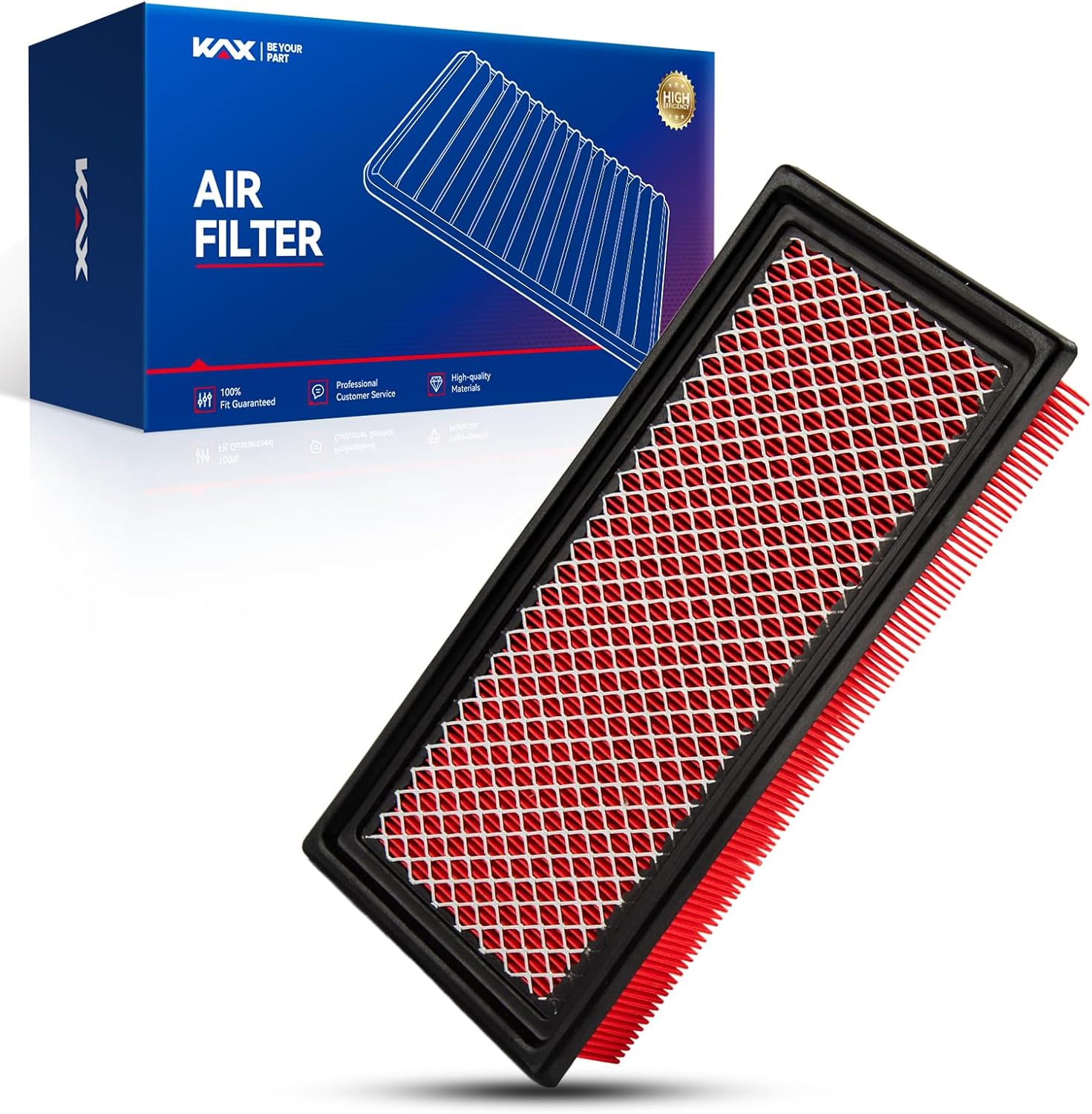
| Model | Premium Engine Air Filter |
|---|---|
| Item model number | GAF031 (CA10242) |
| Automotive Fit Type | Vehicle Specific Fit |
| Washable | No |
The KAX GAF031 (CA10242) is a direct-fit engine air filter made to replace the factory unit in compatible Ford applications. It installs into the factory airbox without modification and is intended for routine engine protection and maintained performance. The filter media is described as a specially embossed paper with high crease stability and a large dust-holding capacity, which the listing says delivers up to 20,000 miles between changes and 99.9 percent filtration of fine particles like dust, pollen, and soot. That combination should help preserve engine internals and throttle response compared with a heavily clogged element. Installation is simple for DIY maintenance during scheduled service. Important limitations are that this is a disposable paper filter, not washable or reusable, so it requires periodic replacement rather than cleaning. Buyers should also confirm exact fitment for their Explorer year and engine before purchase.
Best for: Drivers who prioritize practical, cost-effective maintenance and want a ready-to-install replacement that extends intervals between air filter changes while protecting engine performance.
Less Ideal for: Owners seeking a washable or long-term reusable performance filter should look at reusable media options instead.
- Vehicle-specific design installs directly into the factory airbox with no modification
- Filter media claims high dust-holding capacity for longer service intervals
- Rated filtration of fine particles to help protect the engine from contaminants
- Up to 20,000 miles between replacements as stated by the manufacturer
- Disposable paper construction means it cannot be washed or reused
Verdict: A straightforward, vehicle-specific disposable filter that gives practical engine protection and longer service intervals for routine maintenance of compatible Ford Explorers.
4. Spectre Essentials Engine Air Filter SPA-2395

| Model Number | SPA-2395 |
|---|---|
| OEM Equivalent Part Number | Ford 7T4U9601AA, Lincoln 7T4U9601AA |
| Manufacturer | K&N Engineering, Inc. |
| Included Components | Air Filter |
This Spectre Essentials engine air filter is a direct-fit replacement designed to drop into the factory air box without modifications. It uses a high-capacity media that the manufacturer says holds up to 50% more dirt than standard paper filters and extends the recommended change interval to about 18,000 miles, which reduces how often you need to open the air box. The filter advertises over 99% efficiency, so it should provide solid engine protection and consistent airflow for daily driving and light towing. Installation is simple and quick, making it an easy DIY swap during routine maintenance. Keep in mind this is a replacement paper-style filter with a finite service life, so you will still need periodic changes rather than a washable performance element. For buyers focused on lowering routine maintenance cost, the longer change interval and straightforward fit offer clear, practical savings over the stock interval.
Best for: Buyers looking to reduce routine maintenance costs with an easy, no-fuss replacement filter that lasts longer than typical stock paper filters.
Less Ideal for: Drivers seeking a washable reusable filter or aftermarket performance gains should consider other reusable or performance-focused options.
- Vehicle-specific fit installs directly into the factory air box with no modification
- Higher dirt-holding capacity claims 50% longer life versus standard paper filters
- Manufacturer states over 99% filtration efficiency for engine protection
- Longer change interval reduces maintenance frequency and lowers upkeep costs
- Not a washable or reusable performance element so it still requires replacement at intervals
Verdict: A budget-friendly, vehicle-specific replacement that extends service intervals and lowers upkeep for routine Ford Explorer maintenance.
5. K&N High-Flow Lifetime Engine Air Filter (33-2395)

| Model | High-Flow Engine Air Filter |
|---|---|
| Shape | Panel |
| Automotive Fit Type | Vehicle Specific Fit |
| Manufacturer | K&N Engineering |
This K&N High-Flow engine air filter replaces the disposable paper element with a multilayer cotton gauze design that is washable and intended to last the life of the vehicle. It is engineered to fit the factory air box for direct replacement and is pre-oiled so installation typically takes only a few minutes. The multilayer media aims to increase airflow up to 50%, which can modestly improve throttle response and acceleration in everyday driving without other modifications. Because the filter is reusable you clean it rather than replace it; K&N recommends cleaning intervals based on driving conditions, with a common guideline of once every 75,000 miles under normal highway use. The durable construction and lifetime approach reduce waste and long-term maintenance cost, but the filter does require periodic servicing and proper re-oiling to maintain filtration performance. This option is best for drivers who want a durable, long-lasting replacement that favors airflow and lower recurring expense over the convenience of disposable filters.
Best for: Drivers who prioritize long-term reliability and lower lifetime maintenance costs and want a direct-fit, durable replacement that favors airflow and sustained performance.
Less Ideal for: Drivers who prefer fully maintenance-free disposable filters or who do not want to perform periodic cleaning and re-treatment of the filter element.
- Washable, reusable design reduces landfill waste and recurring filter purchases
- Engineered to fit factory air box for straightforward drop-in installation
- Multilayer cotton gauze media designed to increase airflow and improve throttle response
- Durable construction with long service life and backed by a long-term warranty
- Requires periodic cleaning and proper re-oiling to retain filtration efficiency
Verdict: Choose this filter if you want a durable, reusable direct-fit unit that boosts airflow and cuts long-term replacement costs for your Ford Explorer.
6. Carory Cabin Air Filter with Activated Carbon (CF176)

| Compatible Vehicles | Ford Explorer 2011-2019; Flex 2009-2019; Taurus 2009-2019; Lincoln MKS/MKT ranges |
|---|---|
| Filter Mounting Type | Slide In |
| Filter Shape | Rectangular |
| Material Type | Paper |
The Carory CF176 is a cabin air filter that fits 2011–2019 Ford Explorer and several related Ford and Lincoln models and uses an activated carbon layer to trap odors, VOCs, and typical particulates. Installation is the same slide-in swap as factory filters, so it is intended for routine cabin-filter service intervals and can be changed without special tools. The activated carbon adds an extra layer of odor control compared with plain paper filters, which helps keep the cabin smelling fresher after driving in traffic or through smoky/polluted areas. Made from paper media, it balances filtration and airflow for normal passenger use but is not a heavy-duty particulate or pollen specialist. Buyers should note the filter is a direct replacement part rather than an upgraded high-efficiency HEPA unit, so if severe allergy control or fine particle capture is a priority, a dedicated high-efficiency filter may be preferable. Overall it provides an affordable, easy-to-install way to reduce odors and basic contaminants for Explorer owners following recommended maintenance intervals.
Best for: Buyers who prioritize a proven, easy-to-install cabin filter that reduces odors and common pollutants and want reassurance from strong customer feedback.
Less Ideal for: Drivers seeking maximum allergen or ultrafine particle removal who need a specialized high-efficiency filter for severe sensitivities.
- Activated carbon layer reduces odors and volatile organic compounds.
- Direct slide-in replacement designed to fit specified Ford and Lincoln models.
- Simple paper media construction maintains adequate airflow for everyday driving.
- Packaged as a single unit for straightforward one-time replacement.
- Not a high-efficiency HEPA or medical-grade filter for extreme allergy or fine-particle capture.
Verdict: A straightforward, activated-carbon cabin filter that provides affordable odor control and a direct, factory-style replacement fit for 2011–2019 Ford Explorer owners.
7. FRAM Extra Guard CA10242 Engine Air Filter

| Manufacturer Part Number | CA10242 |
|---|---|
| Automotive Fit Type | Vehicle Specific Fit |
| Position | Front, Rear |
| Brand | Fram |
The FRAM Extra Guard CA10242 is a drop-in engine air filter meant as a direct replacement for compatible Ford and related vehicles, including many Explorer model years within the specified range. It uses a multi-layer filter media designed to capture dust and debris and is marketed to provide up to 12,000 miles between changes. Installation is straightforward and can be completed in minutes with basic hand tools since it fits the factory airbox with no modification. In real-world use this filter helps maintain airflow while reducing the amount of contaminant reaching the intake, which supports steady acceleration and engine responsiveness over the service interval. The product is focused on value and convenience rather than high-performance filtration, so drivers wanting maximum filtration efficiency for extreme dust or extended service might prefer a premium or high-efficiency alternative. For routine maintenance on daily-driven Explorers this offers a familiar, easy-to-install option that follows standard change intervals.
Best for: Buyers who prioritize reliable, no-fuss maintenance and want a factory-style replacement that is easy to install and keeps routine service simple.
Less Ideal for: Drivers who frequently operate in heavy dust, off-road environments, or who want the highest-efficiency aftermarket filtration for extended intervals should consider premium alternatives.
- Vehicle-specific fit for compatible Ford/Lincoln/Mazda/Mercury applications makes installation quick and simple
- Filter media designed for everyday protection up to 12,000 miles between changes
- Captures common dust and debris to help preserve engine performance and airflow
- Not marketed as a high-efficiency or extended-life performance filter for severe or off-road conditions
Verdict: A straightforward, vehicle-specific replacement that delivers convenient, factory-style filtration and up to 12,000-mile service intervals for routine-maintenance Explorers.
Choosing the Right 2011-2019 Ford Explorer Air Filter: Key Factors to Consider
Fitment and Seal
A correct fit and tight seal matter because leaks around the filter allow unfiltered air into the intake, which can accelerate engine wear. For the 2011-2019 Explorer, small differences in airbox shape and intake snorkel routing mean that only filters designed or specified for this model will reliably seal. When the filter sits flush in the housing and the seal material conforms to the mating surface, it prevents bypass under vacuum and ensures filtration works as intended.
Fit also affects installation time and the chance of accidental damage to the housing or intake ducts. Filters that match factory dimensions reduce the risk of misalignment and make periodic replacement or inspection a straightforward task during scheduled service.
Filtration Efficiency
Filtration efficiency describes how well the media captures particles of various sizes. Higher efficiency reduces the amount of dirt and abrasive particles reaching the engine, which matters for both longevity and maintenance of internal components. For Explorer owners who drive on dusty roads or in regions with heavy pollen, leaning toward higher-efficiency media helps protect the intake and mass airflow sensor from contamination.
Be mindful that efficiency is often reported at specific particle sizes; look for data or media descriptions that indicate performance against fine particulates. Filters with layered media or denser fibers typically trap smaller particles more effectively than single-layer pleated paper alone.
Airflow and Engine Response
Airflow characteristics directly influence throttle response and, in some cases, fuel economy. If a filter is too restrictive, the engine may work harder to draw air, which can slightly reduce acceleration feel and efficiency. Conversely, a very high-flow media might allow more contaminants through unless it also provides adequate filtration.
For the Explorer, which balances family driving and occasional towing or highway use, choosing a filter that maintains near-factory airflow while improving filtration is often the best compromise. Consider how you use the vehicle and whether you prioritize immediate throttle response or maximum particle capture.
Durability and Service Life
Durability affects how often you need to replace the air filter and how it performs in moist or harsh conditions. Media that resists collapsing, a reinforced frame, and corrosion-resistant seal materials all contribute to longer service life. For owners who prefer longer intervals between replacements, a more robust filter can reduce maintenance frequency while maintaining protection.
Service life estimates should reflect typical driving environments. If you frequently drive in dusty or construction areas, expect to replace filters more often than in clean suburban conditions. Durable construction also reduces the chance of media shedding or frame distortion during installation.
Maintenance and Installation Ease
Ease of installation matters because it determines whether you can perform the replacement yourself during routine maintenance. Filters that require no tools or only basic hand tools reduce time in the garage and lower the chance of incorrect installation. Clear orientation markers and a stable seal surface make swapping the filter straightforward.
Maintenance considerations also include how the media handles cleaning if it is a serviceable type, and whether the filter design allows easy visual inspection for buildup. Filters that simplify inspection and replacement minimize downtime and help owners stick to recommended intervals.
Compatibility With Mass Airflow and Sensors
The Explorer's intake system relies on accurate airflow measurement. Filters that shed fibers or allow excessive particulates can foul the mass airflow sensor and other intake sensors, causing drivability issues. Choosing a media that is stable under varying airflow and temperature conditions reduces the risk of particles migrating downstream.
Also consider whether the filter design directs airflow in a way that keeps intake temperature readings stable. A stable, predictable airflow pattern helps maintain sensor accuracy and consistent engine management across different driving conditions.
When to Replace Your Explorer's Air Filter
Replacement intervals vary with driving conditions. For normal city and highway driving, inspecting the air filter every 12,000 to 15,000 miles is a reasonable starting point, but heavy dust, towing, or off-road use calls for more frequent checks. Look for visible dirt packed into the pleats or darkening of the media as cues for replacement.
If you notice reduced throttle response, a drop in fuel economy, or unusual engine noise, inspect the filter as part of a basic diagnostic. A clogged filter is one common, easily remedied cause of these symptoms.
- Inspect during oil changes or every 12,000 miles in normal conditions
- Check earlier if you frequently drive on unpaved roads or in dusty environments
- Replace immediately if the media shows damage, holes, or heavy contamination
Engine Air Filter Vs Cabin Air Filter on the Explorer
The engine intake air filter and the cabin air filter serve different purposes. The engine filter protects internal components by removing particulates from incoming combustion air, while the cabin filter improves passenger air quality by trapping dust, pollen, and other airborne irritants that enter the HVAC system.
Do not substitute one for the other. Each filter is sized and positioned for its specific function. When servicing your Explorer, inspect both filters on the same schedule to maintain engine health and interior air quality.
- Engine filter affects performance, fuel economy, and engine wear
- Cabin filter affects interior air quality and HVAC efficiency
- Both should be checked regularly, especially in high-pollen seasons
How Filter Media Types Compare for the Explorer
Common media types include pleated paper, high-efficiency composite media, and washable cotton or foam on serviceable filters. Pleated paper offers predictable filtration and low cost, while composite or layered media can improve fine particle capture for drivers in dusty environments.
Serviceable media that can be cleaned may save money over many service intervals but require correct cleaning procedures and allow a small risk of improper reinstallation. Evaluate whether you prefer a disposable filter with consistent performance or a reusable option that needs more owner attention.
- Pleated paper: predictable, low cost, disposable
- Composite media: higher fine-particle capture, often longer life
- Washable/serviceable: cost-effective long term if maintained properly
Installation Tips Specific to 2011-2019 Explorers
When replacing the engine air filter on the Explorer, ensure the housing latches are fully disengaged before lifting the cover and that the filter is seated squarely in the tray. Verify the orientation; some filters use arrows or edge markings to indicate airflow direction.
Inspect the housing flange and the mating surface for dirt or debris and clean gently before installing the new filter. A small amount of lubricant or seal dressing is not necessary and can attract dirt; instead, ensure the sealing edge of the filter is clean and undamaged.
- Release latches or screws carefully to avoid breaking plastic tabs
- Align filter edges with the housing channel to ensure a full seal
- Do a quick visual check after installation for any gaps or misalignment
How Air Filters Affect Fuel Economy
A moderately clogged air filter can increase engine pumping losses and reduce fuel economy, particularly under load or during acceleration. However, the effect is usually incremental rather than dramatic for the Explorer unless the filter is severely restricted.
Choosing a filter that maintains near-factory airflow while improving filtration is the best way to protect the engine without sacrificing fuel efficiency. Regular inspection and timely replacement deliver the most consistent economy gains.
- Slight reductions in economy are typical with heavy filter restriction
- Maintaining airflow and filtration provides the best overall benefit
- Address severe restriction immediately to avoid longer-term engine strain
Storage and Handling of Spare Filters
Store spare filters in a dry, dust-free environment and keep them in their original packaging until use. Avoid stacking heavy items on top of stored filters that could deform frames or pleats.
When handling a new filter, hold by the rigid frame instead of the media itself to avoid transferring oils or damaging the pleats. A clean installation area reduces the chance of introducing debris into the intake during replacement.
- Keep spares in original packaging away from direct sunlight
- Handle by the frame and avoid touching the media surface
- Check stored filters before installation for any signs of compression or damage
Still looking for the perfect fit?
Select your Ford Explorer configuration to see the most relevant Air Filters recommendations
How We Chose the Best 2011-2019 Ford Explorer Air Filter
We evaluated candidate air filters for the 2011-2019 Ford Explorer using five vehicle-specific criteria focused on real-world use. First, fitment accuracy and seal quality were prioritized to ensure a correct, leak-free installation in the Explorer airbox across the 2011–2019 model years and available engine configurations. Second, particulate filtration performance was weighed to protect the intake and engine components from dust and contaminants typical of daily driving and light off-road use. Third, airflow characteristics were assessed because overly restrictive filters can reduce throttle response and fuel economy while undersized or poorly constructed filters may sacrifice protection. Fourth, build quality and media durability were considered to determine service life and resistance to collapse or moisture. Fifth, ease of installation and serviceability were included to reflect how quickly owners can replace or inspect the filter during routine maintenance.We excluded filters with uncertain fitment claims or lacking measurable filtration data. We also excluded specialty filters that require nonstandard modification of the Explorer airbox. The list focuses on filters with clear compatibility across the 2011–2019 Explorer range, documented filtration metrics or clear construction details, and practical service life expectations.
Our full evaluation process is outlined in our review methodology.
FAQ
How often should I change the engine air filter in my 2011-2019 Explorer?
It often depends on driving conditions. For typical driving, inspect every 12,000 to 15,000 miles and replace as needed. In dusty or off-road conditions, check and likely replace more frequently.
Can I use a washable air filter in the Explorer to save money?
Washable filters can be cost-effective if cleaned and reinstalled correctly. They require proper cleaning, drying, and reinstallation; improper maintenance can reduce filtration performance or allow debris into the intake.
Will a high-flow air filter harm my Explorer's engine management system?
Not usually. A filter that maintains proper filtration while improving airflow should not harm engine management. Avoid filters that shed fibers or have poor particle capture, as those can foul sensors over time.
Does replacing the air filter improve fuel economy on the Explorer?
Replacing a heavily clogged filter can restore lost efficiency and improve throttle response. The effect is typically modest for routine replacements but noticeable if the previous filter was severely restricted.
Are aftermarket filters compatible with all 2011-2019 Explorer engine options?
Compatibility depends on the part's stated fitment. Choose filters specified for the 2011-2019 Explorer and inspect the seal and dimensions during installation to ensure proper fit with your engine configuration.
Should I change the cabin filter at the same time as the engine air filter?
It is practical to inspect both at the same service interval. While they serve different systems, checking both saves time and helps maintain passenger air quality and HVAC performance.
Final Verdict
Prioritize a filter that fits the 2011-2019 Ford Explorer airbox accurately and balances filtration efficiency with airflow. For most owners, a well-constructed pleated or composite media filter that seals correctly will protect the engine without noticeably affecting performance or fuel economy. If you drive in particularly dusty or harsh conditions, favor higher-efficiency media and check the filter more often.Focus on fitment, filtration performance, and durability when choosing for this vehicle. Regular inspection and timely replacement are the simplest, most effective steps to keep your Explorer running reliably.
Explore More:
- Check out all Ford Explorer parts & accessories
- Explore Air Filters Maintenance & Repair Guides
- Explore Engine
- Browse all Auto Parts
