

Note: This article contains affiliate links. If you click on these links and make a purchase, I may earn a small commission at no extra cost to you. This helps support my research and content. Read my full affiliate disclosure here.
If your 2013-2017 Honda Accord is blowing warm air or showing signs of refrigerant loss, the AC condenser is a likely suspect. Choosing the right AC condenser matters because fitment differences, core design, and leak protection determine how quickly your system returns to reliable cooling and how long it stays sealed.This guide highlights seven shortlisted AC condensers selected for this specific Accord generation. We focus on fitment, leak resistance, and ease of install so you can pick a replacement that restores cooling performance with minimal fuss. Below you will find practical buying criteria and repair-oriented guidance to help you decide which condenser suits your needs.
Looking for other parts? See all Honda Accord parts & accessories.
Top Picks at a Glance
| Best Overall The best all-around choice for most situations | Spectra Premium 7-4165 A/C Condenser for 2013–2017 Honda Accord | 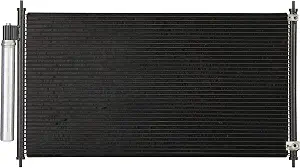 |
| Best Quality Built to a higher standard if you want something more solid | AUTOSAVER88 A/C Condenser for 2013–2017 Honda Accord (2.4L & 3.5L) |  |
| Best Value The sweet spot between price and what you get | DWVO A/C Condenser Compatible with 2013–2017 Honda Accord |  |
| Best Budget The cheapest option that still gets the job done reliably | SCITOO A/C Condenser for 2013–2017 Honda Accord |  |
| Highest Rated A top-rated pick with lots of positive feedback | A-Premium Air Conditioning Condenser with Receiver Drier for 2013–2017 Honda Accord |  |
| Most Popular A crowd favorite that many people choose with confidence | TRQ A/C Condenser and Receiver Drier Assembly (direct-fit) |  |
| Best Seller A high-volume bestseller chosen again and again | Orceed Air Conditioning Condenser for Honda Accord 2013–2017 |  |
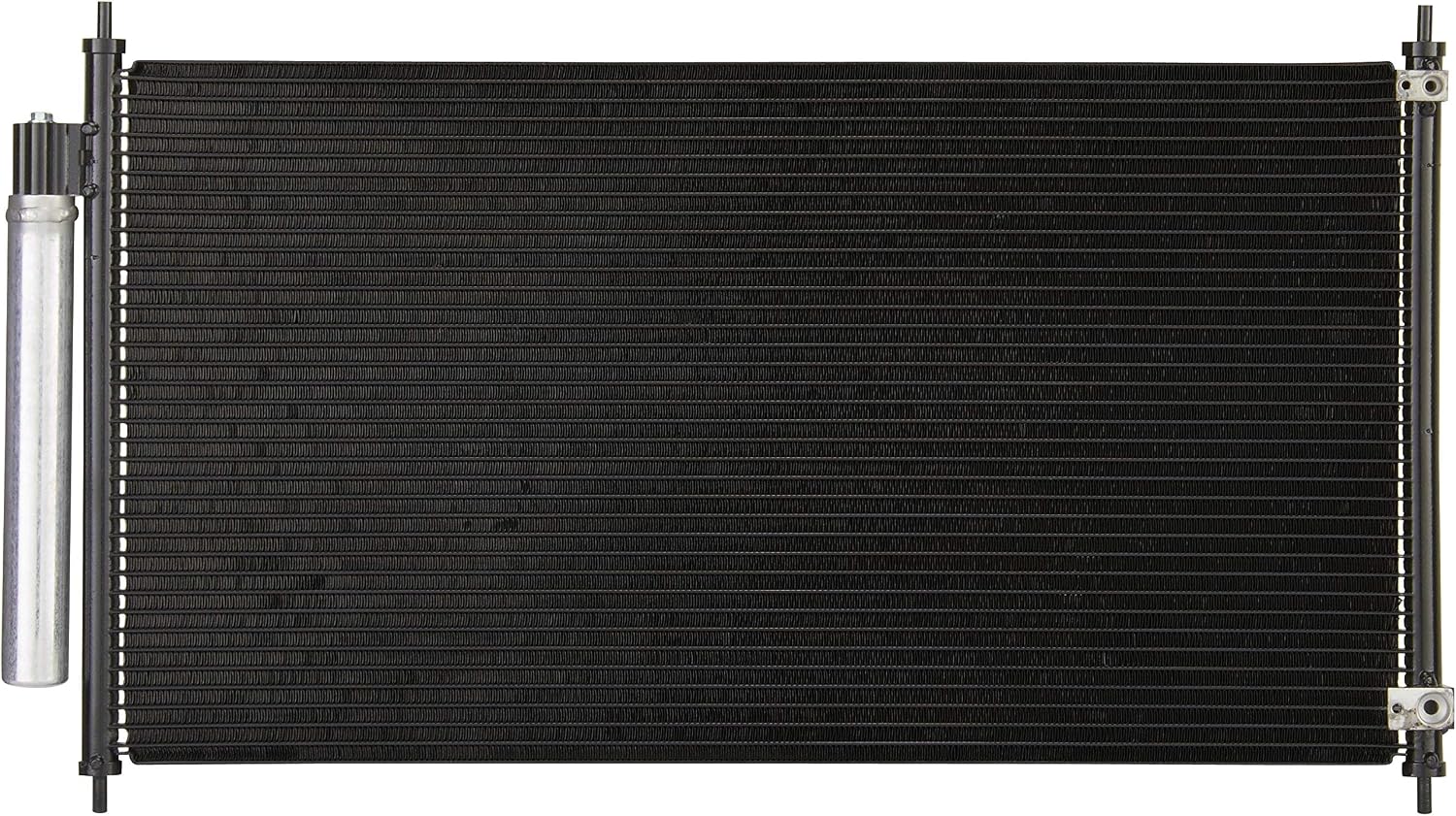
1. Spectra Premium 7-4165 A/C Condenser for 2013–2017 Honda Accord
| Brand | Spectra Premium |
|---|---|
| Model | 7-4165 |
| Manufacturer Part Number | 7-4165 |
| OEM Part Number | 80110T2FA01 |
This Spectra Premium condenser is a direct replacement designed to restore the air conditioning cooling circuit on 2013–2017 Honda Accord L4 and V6 models. It installs in place of the factory unit and uses a high-density fin design to improve heat exchange, which helps the system reach and hold lower cabin temperatures more efficiently. The unit is nitrogen leak-tested at the factory to reduce the chance of installation damage and features heavy gauge mounting brackets to limit vibration and movement once installed. Expect a straightforward swap for mechanically competent DIYers or professional installers when combined with proper evacuation and recharge of the refrigerant. Limitations to note are the absence of included fittings or lines in the package and the need to confirm exact vehicle configuration before purchase to ensure the correct connections and mounting points. For someone replacing a failing condenser this offers a practical balance of factory-style fit and durability without extra accessories.
Best for: Buyers who want a reliable, factory-style replacement condenser to restore A/C performance on a 2013–2017 Honda Accord and prefer a straightforward install with proven manufacturing checks.
Less Ideal for: Do not choose this if you need a complete A/C repair kit with hoses and fittings included or if you expect plug-and-play components for a heavily modified cooling system.
- Direct-fit design made to match factory mounting and fitment for the specified Accord years
- High-density fins for improved heat exchange and cooling efficiency
- Nitrogen leak-tested to reduce the risk of shipping or production damage at installation
- Heavy gauge mounting brackets to reduce movement and vibration after installation
- Does not include refrigerant lines, fittings, or O-rings so additional parts may be required for installation
- Product listing does not supply detailed installation hardware or step-by-step instructions
Verdict: A practical, factory-style replacement condenser that restores reliable cooling for 2013–2017 Honda Accords with an emphasis on fit and tested build quality.
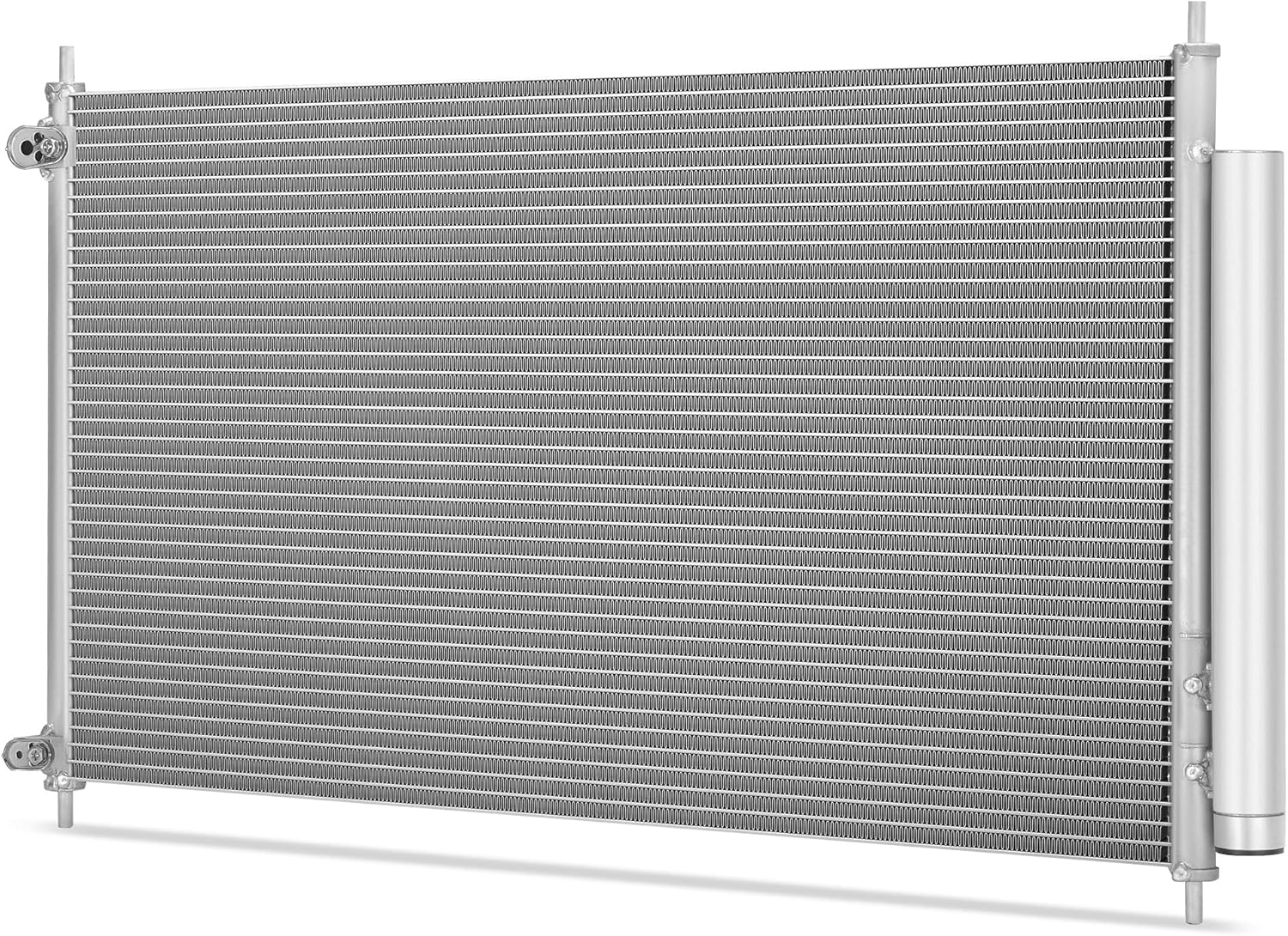
2. AUTOSAVER88 A/C Condenser for 2013–2017 Honda Accord (2.4L & 3.5L)
| Compatibility | 2013–2017 Honda Accord EX/EX-L/LX/LX-S/Sport/Touring 2.4L & 3.5L |
|---|---|
| OEM Part Number | 80110T2FA01 |
| Core Size | 14.48" x 27.20" |
| Leak Test | 2.94MPa (30kgf/cm) for 1 minute |
This AUTOSAVER88 condenser is a direct-fit replacement for 2013–2017 Honda Accord 2.4L and 3.5L models and is built to restore or improve cabin cooling. It installs like a factory-style part and is intended for professional or experienced DIY installation. The core uses denser, multi-louvered fins and brazed corrugated aluminum tubes to increase heat dissipation so the system reaches comfortable temperatures more quickly after startup. The condenser passed an air-tight leak check under pressure, and the unit ships with corner foam protection and a user manual. In practice the denser fins should help maintain lower refrigerant temperatures during heavy use or hot climates, but buyers should inspect and clean surrounding components and replace seals as needed during installation since spare sealing hardware is not included. Packaging minimizes shipping damage, though a few buyers reported minor dents on arrival. Overall this is a solid performance-minded replacement if you need reliable cooling recovery for your Accord.
Best for: Buyers who prioritize restoring strong, fast cabin cooling and want a performance-oriented, direct-fit condenser for a 2013–2017 Accord; ideal for owners planning professional installation or confident DIY work.
Less Ideal for: If you need a plug-and-play kit with all installation seals and hardware included or prefer an assembly sold with OEM seals, consider other options or buy seals separately before starting the job.
- Direct-fit for 2013–2017 Accord 2.4L and 3.5L for straightforward installation
- High-density multi-louvered fins and brazed aluminum construction for improved heat dissipation
- Passed air-tight leak detection at 2.94MPa indicating good initial leak resistance
- Includes protective foam packaging and a user manual to reduce transit damage
- Does not include spare O-rings or AC line seals which may be needed during installation
Verdict: If you want a performance-minded, direct-fit condenser to quickly restore strong cooling on a 2013–2017 Accord, this unit offers denser fins and solid leak testing to deliver faster temperature recovery.
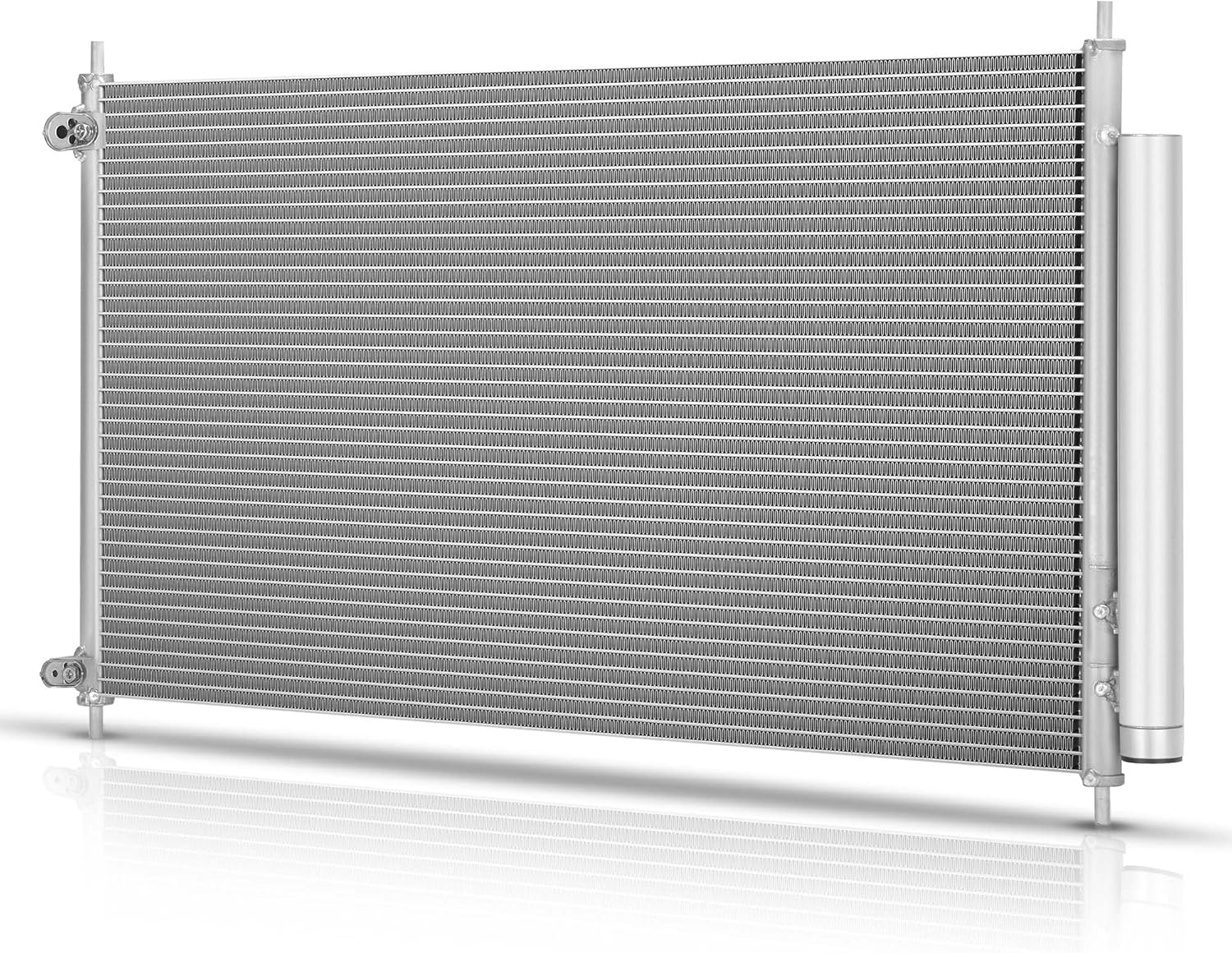
3. DWVO A/C Condenser Compatible with 2013–2017 Honda Accord
| Replacement OEM Part Number | 80110T2FA01 |
|---|---|
| Compatible Years | 2013–2017 Accord (listed trims) |
| Core Construction | Aluminum core with multi-louvered fins |
| Inlet/Outlet Tanks | PA66 GF30, TIG-welded |
This DWVO A/C condenser replaces the factory unit for 2013–2017 Honda Accord (EX, EX-L, LX, LX-S, Sport Touring and SE Sport) and is intended as a direct-fit repair part. It installs in place of the OEM condenser and is used to condense refrigerant vapor back into liquid so the vehicle air conditioning can blow cold air. The unit uses a high-density multi-louvered fin core and TIG-welded aluminum construction with PA66 GF30 inlet/outlet tanks to resist leaks and corrosion. The listing notes foam corner protection in the package and recommends professional installation, which is practical if you want proper brazing and system evacuation. User feedback indicates reliable fit and sealed connections in most cases, and the treated coating should extend service life. Expect the usual caveats of replacement condensers: you must have the AC system evacuated and recharged by a shop, and minor mounting or orientation differences can require small adjustments during install.
Best for: Buyers who prioritize restoring factory cooling performance at a reasonable cost and prefer a ready-to-install replacement that closely follows the original part design.
Less Ideal for: Drivers looking for a performance or upgraded aftermarket condenser with different cooling capacity or those who want a DIY install without professional AC evacuation and recharge.
- Direct-fit design matching OEM part number 80110T2FA01 for 2013–2017 Accord models
- High-density multi-louvered fins for efficient heat transfer
- TIG-welded aluminum core and treated coating to resist leaks and corrosion
- Includes protective foam packaging to reduce shipping damage
- Professional service required to evacuate and recharge the A/C system after installation
Verdict: A cost-effective, factory-fit replacement condenser that restores OEM-style cooling for 2013–2017 Honda Accord models.
4. SCITOO A/C Condenser for 2013–2017 Honda Accord

| Fitment | 2013–2017 Honda Accord 2.0L/2.4L/3.5L |
|---|---|
| Receiver/Drier | Built-in, included |
| Core Material | Aluminum |
| Condition | New |
This SCITOO A/C condenser is a budget-friendly, direct-fit replacement for 2013–2017 Honda Accord models and includes a built-in receiver/dryer to simplify reinstall. It replaces the factory condenser and is intended for straightforward swap-in installation using the vehicle-specific mounting points and connections. The all-aluminum core and tank construction offers decent corrosion resistance and thermal transfer for restoring air-conditioning performance after a failed condenser. Because it is sold as a single condenser assembly, it reduces the need to source a separate receiver/drier. Practical benefits include restoring cold airflow and avoiding more expensive dealer parts while keeping repair costs low. Important limitations are that this is an aftermarket part from a third-party brand so finish and long-term durability may vary compared with factory replacements, and professional charging and leak-checking are required during installation. Buyers should confirm exact trim and model year fitment before ordering to avoid fitment issues.
Best for: Buyers looking to restore A/C cooling on a 2013–2017 Accord while keeping parts cost low and who prioritize a ready-to-install replacement over OEM branding.
Less Ideal for: Those seeking a factory-branded part with guaranteed long-term OEM-backed warranty or owners planning a full system overhaul who want dealer-specified components.
- Designed for 2013–2017 Honda Accord fitment with vehicle-specific mounting points
- Built-in receiver/drier included for easier installation and service
- Aluminum core and tank for effective heat transfer and corrosion resistance
- Sold as a complete condenser assembly so no separate receiver/drier purchase required
- Aftermarket build quality may differ from factory replacements and vary between units
Verdict: A budget-oriented, vehicle-specific condenser that restores A/C function on 2013–2017 Accords without the premium cost of dealer parts.
5. A-Premium Air Conditioning Condenser with Receiver Drier for 2013–2017 Honda Accord

| Vehicle fitment | Honda Accord 2013-2017 L4 2.4L and V6 3.5L |
|---|---|
| Built-in receiver dryer | Yes |
| Fitting type | Block Fitting |
| Manufacturer part number | APCON670 |
This A-Premium condenser is a direct bolt-on, factory-quality replacement for 2013–2017 Honda Accord models with the 2.4L or 3.5L engines and comes with a built-in receiver drier for easier installation. It is engineered for efficient heat dissipation and matches the original fit points so it installs like a factory part. Typical use is swap-in replacement during an AC repair or condenser failure; the built-in drier reduces the number of external components to swap and can speed up a standard repair job. The unit is advertised as OEM-quality and lists several reference part numbers to aid fitment. Practical benefits include straightforward installation for experienced DIYers or shops and restored cooling performance comparable to the original condenser. Limitations are that it does not fit Accord models with the 2.0L L4 engine and the listing does not include a built-in mounting bracket, so some installations may require reusing or sourcing the bracket separately.
Best for: Buyers who prioritize a reliable, factory-style replacement to restore their Accord's air conditioning quickly and with minimal fuss, whether doing the repair themselves or working with a shop.
Less Ideal for: Drivers with the 2013–2017 Accord equipped with the 2.0L L4 engine or those who need a condenser that includes mounting brackets and all installation hardware.
- Direct bolt-on design intended to match factory fit and mounting points
- Built-in receiver drier simplifies replacement and reduces separate parts
- Engineered for effective heat dissipation to restore AC cooling performance
- Fits both 2.4L L4 and 3.5L V6 Accord engine options from 2013–2017
- Not compatible with the 2.0L L4 Accord engine
- No built-in mounting bracket included, may require reusing or sourcing a bracket
Verdict: A practical, factory-style condenser replacement for 2013–2017 Accord 2.4L and 3.5L owners who want a reliable, bolt-on repair with a built-in receiver drier.
6. TRQ A/C Condenser and Receiver Drier Assembly (direct-fit)

| Compatibility | 2013-2017 Honda Accord EX EX-L LX LX-S Sport Touring |
|---|---|
| Core Material | Aluminum |
| Mounting Hardware Included | Yes |
| Core Thickness | 0.63 in |
This TRQ assembly replaces the factory condenser and receiver drier in 2013–2017 Honda Accord variants listed as direct-fit. It comes pre-assembled with mounting hardware so you can swap the old unit without modifying the core support or refrigerant lines, which speeds a DIY or shop installation. The core is aluminum and the listing includes core thickness and dimensions used for fit reference. Buyers report straightforward fitment and reliable cooling performance when installed alongside compatible compressors and expansion valves. Because the receiver drier is included the system is ready for evacuation and recharge after installation, reducing extra parts purchases. Limitations: you still need proper A/C tools and refrigerant handling to evacuate and recharge the system, and fit depends on matching the vehicle trim and year exactly, so double-check connector orientations and the vehicle-specific fitment chart before ordering. Quality feedback is mostly positive but there are mixed reports in global reviews, so verify fitment and inspect the part on arrival.
Best for: Buyers who prioritize verified fit and community-tested reliability and want a ready-to-install condenser assembly that minimizes additional parts and installation guesswork.
Less Ideal for: If you cannot or will not have the A/C system evacuated and recharged by a shop this product is not suitable; also avoid if you need universal or multi-vehicle compatibility.
- Direct-fit replacement that includes the receiver drier to simplify repairs
- Pre-assembled with mounting hardware to reduce installation time
- Aluminum core for acceptable heat transfer and corrosion resistance
- Product listing gives core thickness and dimensions for fit verification
- Requires professional A/C evacuation and recharge; not a plug-and-play refrigerant solution
- Fit depends on correct connector orientation and exact year/trim match
Verdict: A practical direct-fit condenser assembly that includes the receiver drier and mounting hardware for a faster, community-validated replacement on 2013–2017 Honda Accords.
7. Orceed Air Conditioning Condenser for Honda Accord 2013–2017

| Compatible vehicles | Honda Accord 2013 2014 2015 2016 2017 L4 2.4L V6 3.5L |
|---|---|
| Material | Aluminum |
| Includes | Receiver drier |
| Manufacturer | Orceed |
This Orceed condenser is a factory-style replacement made for 2013–2017 Honda Accord 2.4L and 3.5L engines and ships with a receiver drier included. It uses an aluminum core with high-density multi-layered fins to improve heat transfer and speed up cooling compared with a failing original unit. The part is intended as a drop-in replacement with an OE-style footprint so installation should be straightforward for a professional installer or a DIYer comfortable with refrigerant evacuation and recharge. Gaskets and sealing rings are treated for thermal shock resistance to help reliability in cold cycles. It does not include a mounting bracket so expect to reuse the factory bracket or source one separately. For drivers wanting a low-risk, direct replacement to restore A/C performance, this condenser covers the basics without aftermarket performance claims.
Best for: Buyers who want a straightforward, low-risk replacement to restore factory A/C function on a 2013–2017 Honda Accord without upgrading performance, and prefer parts that match factory fit and finish.
Less Ideal for: Drivers seeking performance upgrades, custom cooling solutions, or a complete accessory kit including mounting hardware should look elsewhere.
- Designed to match factory fit and mounting points for easy installation
- Aluminum core with high-density multi-layered fins for improved cooling efficiency
- Includes receiver drier for a more complete replacement
- Sealing gaskets and rings treated for thermal shock resistance
- Does not include the mounting bracket, which may need to be reused or purchased separately
Verdict: A reliable, factory-style aluminum replacement condenser that restores A/C cooling for 2013–2017 Honda Accord owners who prioritize a direct-fit, low-risk repair.
Choosing the Right 2013-2017 Honda Accord AC Condenser: Key Factors to Consider
Fitment and Port Alignment
Correct fitment is the single most important factor when replacing an AC condenser on a 2013-2017 Honda Accord. Even small differences in mounting bracket locations, inlet and outlet port orientation, or line connection spacing can require additional adapters or modification. That increases labor time and raises the chance of future leaks.
When you evaluate options, check that the condenser matches the Accord's factory mounting points and that the suction and discharge ports align with the existing hoses. Consider whether the replacement includes compatible O rings or if new seals are needed. Proper alignment minimizes installation errors and keeps the system sealed under pressure.
Core Construction and Leak Resistance
The core material and how the tubes and fins are joined determine long-term leak resistance. Look for condensers with robust brazing or welded seams rather than weak crimped connections. Aluminum cores are common, but manufacturing quality varies widely; denser fin packing improves heat transfer but may be more susceptible to clogging from debris.
Condenser tanks and end caps should be formed and joined to resist vibration and thermal cycling. Also consider whether the unit has factory-applied corrosion protection or protective coatings to extend life in environments with road salt or coastal humidity. These choices reduce the likelihood of AC condenser leak repair shortly after installation.
Heat-Exchange Efficiency
A condenser's ability to reject heat affects how quickly the system cools the cabin. Efficiency depends on tube count, fin density, and overall surface area. For the 2013-2017 Honda Accord, a condenser that closely matches the original equipment's heat-transfer capacity preserves system balance and prevents excessive head pressure.
Overly large or undersized condensers can change system pressures and affect compressor workload. Choose a unit designed with comparable thermal characteristics to the factory part to maintain reliable cooling performance and reasonable operating pressures under typical driving conditions.
Pressure Rating and Compatibility
AC condensers must tolerate the system's operating pressures and occasional pressure spikes. Confirm the replacement's service pressure rating and ensure it is compatible with the Accord's refrigerant type and system design. Materials and joint quality determine how well a condenser handles thermal stress and pressure cycling.
A condenser with insufficient pressure rating can develop leaks or fail prematurely. Compatibility with the vehicle's refrigerant and oil circulation characteristics is also important to prevent internal corrosion or clogging of expansion components downstream.
Corrosion Protection and Environmental Durability
Condensers are exposed to water, salt, road grime, and impact from debris. Corrosion protection, such as treated fins or anti-corrosion coatings, lengthens service life, especially in climates with winter road treatments or near the coast. Consider how well the unit resists galvanic reactions where dissimilar metals may interface.
Durability also includes resistance to vibration and small impacts. Reinforced end tanks, protective fin spacing, and robust header design reduce the chance of early failure. Prioritizing corrosion and durability features reduces the need for repeat AC condenser replacement later.
Serviceability and Installation Readiness
Ease of installation matters to minimize labor and chances for improper assembly. Favor condensers that come with the correct mounting hardware, pre-flanged connections, and included seals when possible. If a unit requires additional adapters, calculate the total parts and potential shop time before deciding.
Serviceability also involves accessibility for common maintenance tasks such as evacuation, recharge, and leak detection. A design that permits straightforward access to ports and fittings makes routine AC condenser leak repair and system servicing simpler and faster.
Common Symptoms of a Failing Condenser
On a 2013-2017 Honda Accord, early signs of condenser problems include reduced cooling performance, warm spots in the cabin, or longer run times to reach a set temperature. You might also notice visible oil on or around the condenser cores, which indicates refrigerant leakage at a joint or fitting.
Another common symptom is elevated head pressure in the system, which can cause the compressor to cycle more frequently or trigger high-pressure cutouts. Airflow restrictions from bent fins or debris can mimic condenser failure, so inspect the front core for physical damage before replacing the unit.
- Warm air from vents despite compressor engagement
- Visible oil or dye near condenser seams or fittings
- Bent or clogged fins reducing airflow
- Intermittent cooling correlating with vehicle speed or ambient temperature
Diagnosing Leaks and Confirming Condenser Failure
Effective diagnosis starts with a visual inspection for oil residue, physical damage, and corroded joints. Use a UV dye or electronic leak detector to pinpoint small leaks that are not apparent by sight. Low refrigerant charge often signals a leak in the condenser on this Accord generation because condensers are exposed at the front of the vehicle.
Pressure testing the system after evacuation is another reliable method. A pressure drop under static conditions typically indicates a leak, and isolating the condenser by capping off lines can confirm whether it is the culprit. Always follow safe handling procedures for refrigerant and pressurized systems.
- Visual inspection with focus on seams and fittings
- UV dye tracing to locate small leaks
- Electronic leak detection for pinpointing microleaks
- Static pressure test after evacuation to confirm loss
Preparing the Vehicle and System for Replacement
Before replacing the AC condenser, recover and dispose of refrigerant following applicable regulations. Remove any obstructing components to access the condenser and inspect adjacent parts such as the condenser fan and radiator for damage. Carefully note the routing of lines and any clips or harnesses that will need to be reinstalled.
Plan to replace associated seals, O rings, and possibly the receiver/drier or accumulator if contamination or moisture ingress is suspected. Flushing the system and replacing the drier may be necessary to prevent oil contamination and protect a new condenser.
- Recover refrigerant safely before opening the system
- Inspect and clear debris from the front-end area
- Have replacement seals, O rings, and drier on hand
- Follow manufacturer torque and sealing specifications
Installation Tips to Avoid Future Leaks
When installing a new condenser on a 2013-2017 Accord, use new O rings sized for the factory fittings and lubricate them with the correct AC oil. Hand-start fittings to avoid cross-threading and torque to the recommended values. Ensure the condenser sits squarely in its mounting locations to avoid stress on the connections.
After installation, perform a vacuum and leak test before recharging. A sustained vacuum indicates good sealing. If the system holds, charge with the specified refrigerant weight and monitor pressures during a warmup cycle to confirm proper function.
- Use new, correctly sized O rings and proper lubrication
- Hand-thread fittings first, then torque to spec
- Vacuum-test after installation before charging
- Monitor system pressures during initial operation
When to Replace the Drier or Receiver with the Condenser
Replacing the drier or receiver is recommended when installing a new condenser if the system has been open to atmosphere or shows signs of contamination. The drier absorbs moisture and traps particulates that can damage expansion devices and the new condenser. On the 2013-2017 Accord, it is a cost-effective step that helps protect downstream components.
If the original drier has been in service for a long time or the system experienced a compressor failure, change it to ensure the new condenser operates in a clean, dry environment. Skipping this step can lead to early clogging or oil contamination.
- Replace drier after system exposure to air
- Always change if compressor failure occurred
- Fresh drier prevents moisture-related corrosion and clogging
Preventive Care to Extend Condenser Life
Regularly inspect the front-end area for debris buildup and bent fins after winter or off-road use. Straighten minor fin damage with a fin comb and clean the unit to maintain airflow. Address any oil traces promptly, as they can indicate small leaks that will worsen over time.
Avoid corrosive buildup by rinsing the condenser with fresh water after exposure to road salt. Keep mounting hardware tight and check for vibration or rubbing points that could wear through a joint or line over time.
- Inspect and clean fins periodically
- Flush salt and road grime from the front core
- Check mounting hardware and line routing for wear
Still looking for the perfect fit?
Select your Honda Accord configuration to see the most relevant AC Condensers recommendations
How We Chose the Best 2013-2017 Honda Accord AC Condenser
We prioritized components and attributes that directly affect cooling performance and long-term reliability for the 2013-2017 Honda Accord. Our selection criteria emphasized: accurate vehicle-specific fitment to the Accord 2013-2017 chassis, durable core construction and brazing or welded seams that minimize leak risk, and pressure ratings compatible with the factory air conditioning system. We also evaluated condenser inlet and outlet port orientations and mounting hole locations to reduce installation adjustments.Corrosion resistance and protective coatings were considered because condensers sit exposed to road debris and salt. Heat-exchange efficiency and fin density were assessed as proxies for cooling capacity. Ease of installation was included, looking for condensers that match factory line connections and require minimal additional parts. Finally, we vetted warranty coverage and documented manufacturing quality controls where available.Items excluded from consideration were universal-fit cores requiring custom fabrication, condensers designed for other vehicle years or models, and units lacking basic pressure or corrosion resistance specifications. The result is a focused list of options that meet the dimensional and performance needs of a 2013-2017 Honda Accord owner.
Our full evaluation process is outlined in our review methodology.
FAQ
How long does an AC condenser typically last on a 2013-2017 Accord?
Lifespan depends on exposure to road salt, debris, and corrosion. Many condensers last a decade or more with regular care, while units exposed to harsh environments may fail sooner. Routine inspections and timely repairs extend service life.
Can a small condenser leak be repaired or should the condenser be replaced?
Small leaks from accessible fittings can sometimes be repaired if the leak source is a serviceable connection. Leaks from the core or brazed joints usually require replacement because repairs are not reliably long-lasting and can lead to recurrent refrigerant loss.
Do I need to flush the system when replacing the condenser?
Flushing is advisable if there is evidence of internal contamination such as metal shavings, oil degradation, or following a compressor failure. If the system was clean and the drier is replaced, a targeted flush may not be necessary, but confirm with a pressure and contamination check.
What are the signs that the condenser is causing high head pressure?
Signs include elevated discharge pressures on gauges, the compressor cycling more frequently, and reduced cooling efficiency on hot days. Physical restrictions like bent fins or internal blockage raise head pressure and should be inspected before replacing other components.
Will replacing the condenser fix all AC cooling issues?
Replacing the condenser fixes issues that originate from leaks, physical damage, or poor heat rejection. However, cooling problems can also stem from low refrigerant charge, compressor faults, expansion device issues, or airflow problems. Diagnose the whole system to be sure.
How do I check if a new condenser fits without trial installation?
Compare mounting hole locations, overall dimensions, and the orientation and size of inlet and outlet ports with the original unit. Verify included hardware and confirm the manufacturer states compatibility with 2013-2017 Honda Accord fitment to reduce the risk of surprises during installation.
Final Verdict
When replacing an AC condenser on a 2013-2017 Honda Accord, prioritize accurate fitment, robust core construction, and corrosion resistance. These criteria minimize installation complexity and reduce the likelihood of premature leaks. Balance heat-exchange efficiency and pressure compatibility to preserve compressor life and overall system performance.If you suspect a condenser problem, confirm the diagnosis with leak detection and pressure testing before replacing parts. Selecting a condenser that matches the Accord's factory connections and includes proper protective features gives the best chance of long-term cooling reliability.
Explore More:
- Check out all Honda Accord parts & accessories
- Explore AC Condensers Maintenance & Repair Guides
- Explore HVAC
- Browse all Auto Parts
