

Note: This article contains affiliate links. If you click on these links and make a purchase, I may earn a small commission at no extra cost to you. This helps support my research and content. Read my full affiliate disclosure here.
If your 2008-2012 Honda Accord is blowing warm air or showing signs of refrigerant loss, replacing the AC condenser often fixes the root cause. The condenser sits at the front of the car and handles heat rejection for the air conditioning system, so a failing unit can mean poor cooling, noisy operation, or refrigerant leaks that damage other components.This guide shortlists seven top options selected for fitment to the 2008-2012 Accord and evaluates them across the most relevant criteria for reliable service life and effective cooling. We highlight what to look for in replacement condensers, common symptoms that signal condenser trouble, and practical steps for installation and leak checks before you choose a part.
Looking for other parts? See all Honda Accord parts & accessories.
Top Picks at a Glance
| Best Overall The best all-around choice for most situations | DWVO A/C Condenser Compatible with 2008–2012 Honda Accord and 2010–2015 Crosstour |  |
| Best Quality Built to a higher standard if you want something more solid | Denso A/C Condenser 477-0625 |  |
| Best Value The sweet spot between price and what you get | Brock Replacement A/C Condenser Cooling Assembly for 2008–2012 Accord |  |
| Best Budget The cheapest option that still gets the job done reliably | SCITOO A/C Condenser for 2008–2012 Honda Accord and Crosstour (with Receiver/Dryer) |  |
| Highest Rated A top-rated pick with lots of positive feedback | A-Premium A/C Condenser Compatible with 2008-2012 Honda Accord |  |
| Most Popular A crowd favorite that many people choose with confidence | AUTOSAVER88 A/C Condenser Compatible with 2008-2012 Honda Accord and 2012-2015 Crosstour |  |
1. DWVO A/C Condenser Compatible with 2008–2012 Honda Accord and 2010–2015 Crosstour

| Manufacturer Part Number | MADWVhKx0Y |
|---|---|
| OEM Part Number | HO3030151 |
| Compatible Engines | 2.4L and 3.5L V6, L4 |
| Construction | Aluminum core with TIG-welded tanks |
This DWVO A/C condenser is a direct-fit replacement intended to restore air conditioning performance on 2008–2012 Honda Accord and compatible Crosstour models. It installs in place of the factory condenser and is used when the original unit leaks, corrodes, or loses cooling capacity. The condenser uses a high-density fin core and TIG-welded construction with reinforced inlet and outlet tanks to improve cooling efficiency and resist leaks. Its treated coating and packaged foam protection aim to reduce corrosion and shipping damage. For a balanced buyer this unit offers factory-style fitment and a complete condenser assembly that simplifies replacement compared with repairing a damaged core. Expect professional installation for best results since refrigerant handling and system evacuation are required. The part does not include hoses, or mounting hardware beyond the condenser itself, so budget for any extra O-rings or fittings your shop recommends. Overall it is a solid factory-replacement option for restoring A/C performance on the specified Honda models.
Best for: Buyers who want a reliable, factory-style replacement condenser to restore A/C cooling on 2008–2012 Accord or compatible Crosstour models and prefer a component that closely matches the original equipment.
Less Ideal for: People seeking a full-service kit with hoses, fittings, or a DIY novice who cannot handle refrigerant evacuation and recharge without professional help.
- Direct-fit design matching OEM part number HO3030151 for straightforward replacement
- High-density multi-louvered fins for improved cooling efficiency
- TIG-welded core and reinforced inlet/outlet tanks to reduce leak risk
- Protective coating and foam packaging to limit corrosion and transit damage
- Does not include peripheral installation items like hoses, O-rings, or fittings
Verdict: A solid factory-style replacement condenser that restores A/C cooling for 2008–2012 Honda Accord and compatible Crosstour models with straightforward direct-fit installation.
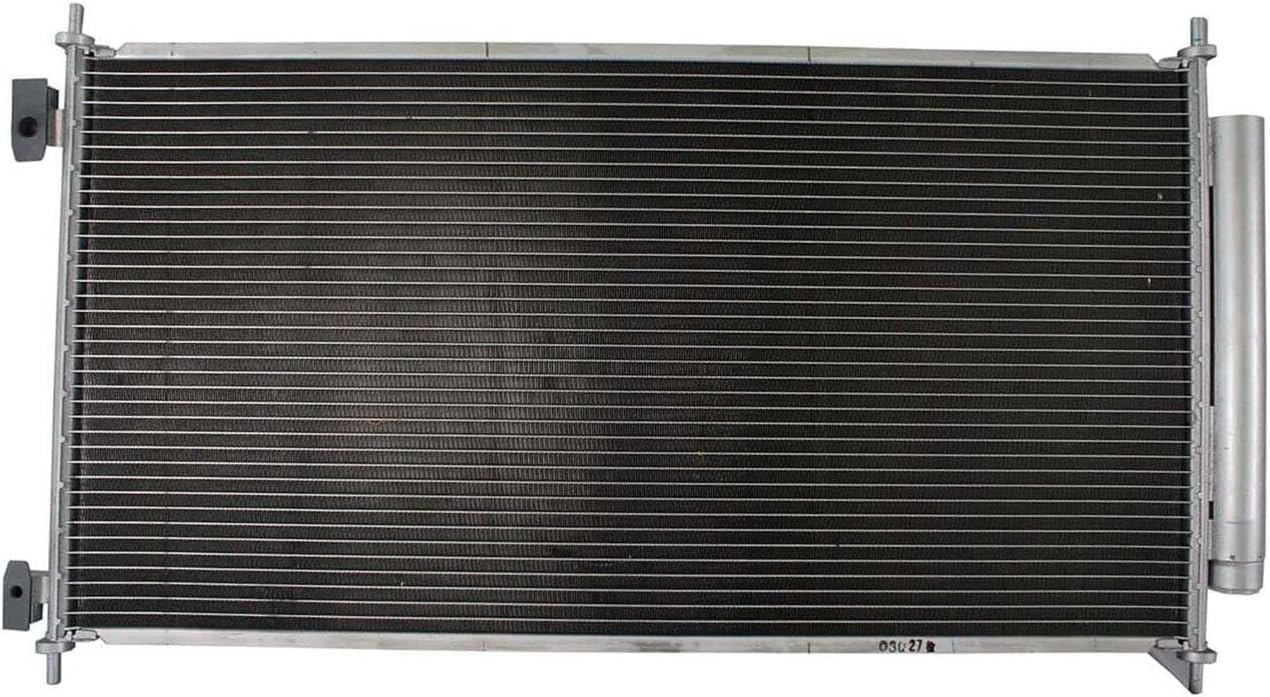
2. Denso A/C Condenser 477-0625
| Manufacturer | Denso |
|---|---|
| Model | Condenser A/C |
| Position | Front, Rear |
This Denso A/C condenser is a direct-replacement climate control part intended to cool refrigerant and support the vehicle's air conditioning system. It is used when the original condenser is leaking, damaged, or being replaced alongside other A/C components during a compressor service. As a product from a major OEM supplier, it aims to meet factory-quality standards and arrives ready to install with no core charge. In practice the condenser provides reliable heat rejection and should restore normal A/C performance when paired with a properly charged system. Notable features include machined construction and designation for front or rear position, which supports versatility in fitment. Buyers should expect a straightforward swap-in replacement, but some users report fins or coils that differ slightly from factory parts and occasional shipping damage, so inspect the unit on arrival. This condenser is a sensible choice for technicians or owners looking for a manufacturer-backed replacement that balances cost and quality, though longevity compared with exact factory originals may vary.
Best for: Drivers and independent technicians who need a cost-conscious replacement condenser that restores A/C cooling and prefers parts from a reputable automotive supplier.
Less Ideal for: Buyers seeking an exact factory-identical condenser for a long-term, high-mileage restoration project may want to consider confirmed OEM parts or higher-end aftermarket options.
- Manufactured by a major Tier 1 supplier with factory-quality manufacturing standards
- Designed for front or rear installation to match common replacement needs
- Ships with no core charge and is ready for direct replacement
- Machined exterior construction for consistent fit and function
- Some buyers report fins or coil spacing that differ from original factory parts
- A few units have arrived with minor shipping dents or dings
Verdict: Choose this Denso condenser when you want a reputable, ready-to-install replacement that restores A/C performance without paying OEM premiums.
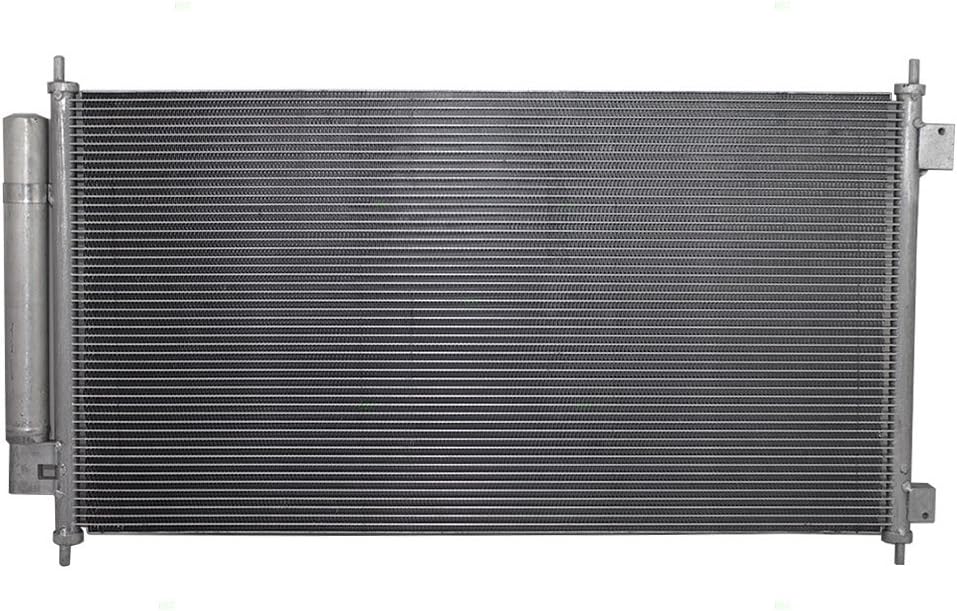
3. Brock Replacement A/C Condenser Cooling Assembly for 2008–2012 Accord
| Position | Front |
|---|---|
| Voltage | 12 Volts |
| Manufacturer | Brock |
| OEM Part Number | 80110-TA0-A01 |
This Brock condenser is a complete replacement cooling assembly built to match factory fit and function for 2008–2012 Honda Accord models and compatible Crosstour years listed. It arrives as a ready-to-install unit intended to replace the front condenser without cutting or modification, which makes it useful for DIY installation or a straightforward shop swap. The part is advertised as meeting OEM specifications and includes a 12-volt design and front positioning consistent with the original component. Practical benefits include full compatibility with the vehicle’s existing mounting points and refrigerant lines and a design aimed at restoring A/C cooling performance after a failed or corroded condenser. Limitations are typical of aftermarket condensers: finish and long-term corrosion resistance can vary versus higher-end branded cores, and warranty handling requires contacting the seller directly. For buyers who want a practical, ready-fit replacement to get a factory-like A/C system back on the road, this unit delivers function and easy installation.
Best for: Buyers who want a practical, cost-conscious replacement that restores factory-style A/C performance with minimal installation hassle and prefer a part that fits like the original.
Less Ideal for: Shoppers seeking the highest-end corrosion protection or a condenser backed by national OEM-level support should consider premium branded cores or dealer replacements instead.
- Direct-fit design intended to match factory mounting points for 2008–2012 Accord
- Complete assembly shipped ready for installation with no modifications required
- Engineered to align with OEM specifications for form and function
- Covers front condenser position and standard 12-volt electrical systems
- Long-term corrosion resistance and finish may vary compared with premium branded cores
- Warranty service requires contacting the seller rather than a national brand support network
Verdict: A practical, ready-to-install condenser that restores factory-style A/C cooling for 2008–2012 Accords without modification.
4. SCITOO A/C Condenser for 2008–2012 Honda Accord and Crosstour (with Receiver/Dryer)

| Fitment years/models | 2008–2012 Accord, 2010–2015 Crosstour (specified variants) |
|---|---|
| Condition | New |
| Built-in Receiver/Dryer | Yes |
| Reference number | 3669; HO3030151 |
This SCITOO condenser is a budget-focused, vehicle-specific replacement designed to restore air conditioning performance on 2008–2012 Honda Accord and matching Crosstour variants. It includes a built-in receiver/dryer which simplifies installation and helps ensure the system is moisture-free after service. The unit is described as precision engineered for model fitment so it bolts in like a factory piece and is typically used when the original condenser is leaking, clogged, or collision-damaged. In practice the main benefits are reduced repair time and avoiding expensive OEM pricing while getting a full condenser assembly ready to install. Expect typical aftermarket trade-offs such as variability in fitment tolerances and the need to verify vehicle trim and refrigerant line alignment before installing. The seller offers technical support for installation questions but professional recharge and leak testing are still recommended to ensure long-term performance.
Best for: Buyers replacing a failed or damaged condenser who prioritize a low-cost, ready-to-install unit that restores A/C function without paying OEM prices.
Less Ideal for: Those looking for guaranteed factory-spec parts or buyers who want an installer-free solution; also avoid if you need a condenser specified for other vehicle families or years.
- Includes built-in receiver/dryer for a more complete replacement
- Sold as a full condenser assembly ready to install
- Designed for direct fit with specified 2008–2012 Accord and Crosstour models
- Lower-cost alternative to factory replacement parts
- Aftermarket fit tolerances can vary so test-fit and inspect connections before final installation
- Requires professional refrigerant evacuation and recharge to meet safety and performance standards
Verdict: A cost-effective, ready-to-install condenser that restores A/C performance on 2008–2012 Honda Accord and Crosstour models without the OEM price tag.
5. A-Premium A/C Condenser Compatible with 2008-2012 Honda Accord

| Compatible Vehicles | 2008-2012 Honda Accord; 2010-2015 Accord Crosstour |
|---|---|
| Built-in Receiver Dryer | Yes |
| Built-in Bracket | Yes |
| Fitting Type | Block Fitting |
This A-Premium A/C condenser is a direct bolt-on replacement designed for 2008–2012 Honda Accord and select Crosstour years. It replaces the factory condenser and includes a built-in receiver dryer and mounting bracket so installation is straightforward for a shop or experienced DIYer. The unit is described as factory-quality with core dimensions optimized for heat dissipation, which should restore cooling performance after a failed or leaking condenser. Practical benefits include simplified installation because of the built-in fittings and a design meant to match factory connections, plus a one-year unlimited-mileage guarantee for added reassurance. Limitations are that it is a like-for-like replacement rather than an upgraded high-capacity performance condenser, and proper installation requires evacuation and recharge of the A/C system. Buyers should also verify the exact OE part references before ordering to ensure precise fitment for their Accord or Crosstour configuration.
Best for: Buyers who prioritize a reliable, factory-style replacement to restore proper air conditioning function in 2008–2012 Accord and compatible Crosstour models and who want straightforward installation with factory-style fittings.
Less Ideal for: Drivers seeking a higher-capacity or performance-oriented condenser or those who want to avoid shop service for refrigerant handling should consider other options.
- Direct bolt-on design with built-in receiver dryer and bracket for easier installation
- Manufactured to match factory fit and connections for the specified Accord and Crosstour years
- Core designed for effective heat dissipation to restore A/C cooling performance
- Comes with a one-year unlimited-mileage guarantee for added reliability assurance
- Not a performance upgrade; matches factory capacity rather than increasing cooling output
- Requires professional A/C evacuation and recharge after installation
Verdict: A practical, factory-fit condenser that restores reliable A/C performance for 2008–2012 Accords with minimal fitment hassle.
6. AUTOSAVER88 A/C Condenser Compatible with 2008-2012 Honda Accord and 2012-2015 Crosstour

| Compatible models | 2008-2012 Accord; 2012-2015 Crosstour |
|---|---|
| Core size | 14.25" x 27" |
| OEM part number | HO3030151 |
| Leak test | 2.94 MPa for 1 minute |
This AUTOSAVER88 condenser is a straightforward direct-fit replacement for 2008-2012 Accord and compatible Crosstour models, offered as a complete unit ready to swap into the vehicle. It uses high-grade aluminum with brazed corrugated fins and tubes and a denser multi-louvered fin pack to improve heat dissipation, which should deliver noticeably faster cooling when the rest of the A/C system is in good condition. The part is pressure-tested for airtightness, and packaging includes foam corner protection to reduce shipping damage. Installation is typical of condenser replacements and usually requires A/C system evacuation and recharge, so professional installation is recommended unless you have the tools and experience. The product focuses on fit and cooling performance rather than extras like fittings or sensors, so you should verify connector style and any receiver-drier or bracket needs for your car before buying. If your car has oil contamination, bent fins, or other underlying A/C faults those need addressing separately for the condenser to perform at its best.
Best for: Buyers who want a proven, factory-quality condenser replacement for a 2008–2012 Accord or compatible Crosstour and who prioritize parts that match factory fit and demonstrated leak testing.
Less Ideal for: If you prefer a plug-and-play kit with hoses, fittings, or a built-in drier, or if you need a repaired A/C system rather than just a condenser replacement, consider other options.
- Direct-fit replacement manufactured to factory specification for listed Accord and Crosstour models
- High-grade aluminum construction with brazed corrugated fins and multi-louvered fin pack for improved cooling
- Passed airtight leak detection at 2.94 MPa for one minute
- Arrives protected in foam-packed carton to reduce risk of shipping damage
- Does not include installation hardware or receiver-drier which may be required depending on your vehicle
- Professional A/C evacuation and recharge are needed after installation
Verdict: A factory-spec replacement condenser that delivers better heat dissipation and proven leak testing for 2008–2012 Accord and compatible Crosstour owners seeking reliable cooling performance.
Choosing the Right 2008-2012 Honda Accord AC Condenser: Key Factors to Consider
Exact Fit and Mounting
Correct physical fit matters because the condenser must align with the Accord's mounting brackets, receiver-drier or accumulator connections, and cooling fan shroud. An exact-fit condenser reduces the risk of stress on hoses and fittings that can cause future leaks.
When a condenser does not match mounting points or overall depth, installers may need to bend brackets or modify hoses, which compromises durability. For the 2008-2012 Accord, ensure bolt patterns, bracket locations, and inlet/outlet orientations match OEM geometry before purchase to avoid extra labor and potential sealing issues.
Core Design and Heat Rejection
Core construction—tube size, fin density, and the internal flow path—determines how effectively the condenser removes heat from the refrigerant. A condenser with a denser fin pack and optimized tube layout typically restores cold-air performance faster under stop-and-go conditions and in hot climates.
However, higher fin density can trap debris more easily and may require careful cleaning during service. Balance the desire for strong heat rejection with expected driving conditions and maintenance access when choosing a condenser for daily use or hotter regions.
Leak Resistance and Connection Quality
Leaks are the most common cause of premature AC failure. Check for reinforced end tanks, quality brazing, and robust port fittings. Units with better sealing practices and factory pressure testing reduce the likelihood of refrigerant loss and oil leaks.
Consider how the condenser interfaces with the vehicle's lines and whether replacement O-rings or new fittings are recommended. Parts that ship with sealed, pre-tested ports and clear installation guidance typically reduce post-install leaks and callbacks.
Corrosion Protection and Material Durability
Condensers are exposed to road spray, salt, and debris. Aluminum cores with protective coatings or treated fins resist corrosion longer, preserving thermal performance. Durability of end tanks and the integrity of brazed joints influence how long the condenser will remain serviceable on the Accord.
If you drive in coastal areas or regions with heavy winter salt, prioritize condensers with documented corrosion protection to avoid pitting and eventual leaks that are difficult to repair.
Serviceability and Installation Requirements
Some replacements are near-direct swaps while others may require system flushing, new O-rings, or receiver-drier replacement. Assess whether the condenser requires a flush to remove debris from a failed unit or whether it is recommended to replace associated components during installation.
Ease of access to ports, the need for special tools, and how the part integrates with the Accord's electrical fan and shroud should factor into the buying decision, especially if you plan to DIY the swap.
Compatibility With Refrigerant and System Capacity
Ensure the condenser is compatible with the refrigerant type used in the vehicle and does not alter system volume in a way that requires charge recalculation. Some condensers specify internal oil capacity or differ slightly in internal volume; installers should verify refrigerant charge and oil levels during service to maintain proper cooling performance.
Incorrect system charge or mismatched oil capacity can lead to reduced cooling or compressor stress, so clarity on compatibility and service procedures is important when selecting a replacement for the Accord.
Common Symptoms of a Failing Condenser
A failing condenser often shows up as reduced cold air from the vents, especially during idle or slow traffic. You may notice the system cycles more frequently or takes longer to reach the desired cabin temperature.
Additional signs include visible refrigerant oil on the condenser fins, a noticeable hissing sound near the front of the vehicle when the system is off, or intermittent cooling that improves at higher road speeds. Pay attention to these symptoms early to avoid collateral damage to the compressor and lines.
- Warm or lukewarm air at the vents at idle
- Visible oil or wetness on condenser surface
- Hissing noises or loss of refrigerant pressure
- Frequent cycling of the AC compressor
Pre-Installation Checks and Preparations
Before removing the old condenser, confirm the system is properly evacuated and that the correct refrigerant recovery procedures are followed. Inspect the evaporator, accumulator or receiver-drier, and hoses for contamination or debris that could contaminate a new condenser.
Measure mounting points and note inlet/outlet orientations. If the old unit failed from corrosion or internal debris, plan to flush the lines or replace inline components as needed. Gather replacement O-rings and follow torque specs for fitting connections to avoid leaks.
- Verify bolt locations and shroud clearance
- Have new O-rings and recommended seals on hand
- Plan for a system vacuum and correct refrigerant recharge
Leak Detection and Diagnosis
Diagnosing a condenser leak starts with a visual inspection for oil traces and physical damage from road debris. Confirm leaks using electronic leak detectors or UV dye if the system has been marked during prior service.
Low-pressure and high-pressure port checks during operation can reveal abnormal readings that point to a failing condenser. For intermittent or slow leaks, a soap-solution test on suspect joints while the system is pressurized can help locate the source before replacement.
- Look for oil staining on fins and connections
- Use UV dye or electronic detectors for small leaks
- Check pressure readings under normal operating conditions
Installation Tips to Minimize Future Issues
When installing a new condenser on the Accord, replace any recommended O-rings with correct-size, refrigerant-compatible seals and lubricate them with the specified oil. Torque fittings to manufacturer guidance and avoid over-tightening, which can distort ports and cause leaks.
Ensure the condenser is seated without stress on hoses and that the fan shroud clears all surfaces. After installation, perform a vacuum test to remove moisture and verify a stable hold before recharging the system to the correct refrigerant volume.
- Replace O-rings and lubricate with compatible oil
- Perform a vacuum leak test before recharging
- Observe torque specifications and avoid hose stress
When to Replace Associated Components
A failed condenser can contaminate the whole AC system. If the original condenser leaked internally or the compressor shows signs of contamination, replace the receiver-drier or accumulator and consider flushing or replacing lines as appropriate. These associated parts often prevent repeat failures when replaced alongside the condenser.
Replacing the receiver-drier is a low-cost preventative measure and frequently recommended whenever the system is opened to the atmosphere. Inspect the compressor and expansion device for signs of metal particles or excessive wear before reassembly.
- Replace receiver-drier or accumulator when opening the system
- Flush lines if debris or metal contamination is suspected
- Inspect compressor and expansion valve for contamination
DIY Vs Professional Replacement Considerations
DIY replacement is possible for mechanically skilled owners with access to refrigerant recovery and recharge equipment. Accurate evacuation, vacuum hold testing, and correct refrigerant charge are critical to avoid poor performance or compressor damage.
Professional service ensures proper recovery and recycling of refrigerant and may be preferable when leak diagnosis is ambiguous or when specialized tools are required. Decide based on your comfort with AC system procedures and the availability of proper equipment.
- DIY requires proper recovery, vacuum, and recharge tools
- Professionals can confirm leak repair and system charge accuracy
- Consider professional help if contamination or compressor damage is suspected
Still looking for the perfect fit?
Select your Honda Accord configuration to see the most relevant AC Condensers recommendations
How We Chose the Best 2008-2012 Honda Accord AC Condenser
We selected condensers based on a mix of vehicle-specific fitment checks and durability-focused performance criteria relevant to the 2008-2012 Honda Accord. Our evaluation prioritized exact physical fit to the Accord chassis and mounting points, condenser core design and tube-fin density that affect heat rejection, and the quality of connections and service ports to minimize leak risk. Corrosion resistance and coating were considered to extend service life in road salt or coastal environments. We also weighed manufacturing tolerances and materials used for end tanks and brazed joints because these influence long-term sealing.Practical service considerations factored in as well, including whether the condenser requires flushing before install, the accessibility of inlet/outlet ports for hose connections, and compatibility with factory refrigerant capacities. We excluded units lacking clear vehicle fitment data or those with known seal-quality concerns based on technical documentation. Items that require substantial, model-specific modification to fit were not included. Our shortlist balances reliability, fitment certainty, and serviceability for Accord owners replacing a failed condenser.
Our full evaluation process is outlined in our review methodology.
FAQ
What are the most common signs that the condenser needs replacement on a 2008-2012 Accord?
Common signs include warm air from the vents at idle, visible oil on the condenser fins, hissing noises indicating refrigerant escape, and more frequent compressor cycling. These symptoms often point to reduced heat rejection or a refrigerant leak in the condenser.
Can I replace the condenser myself on the 2008-2012 Accord?
You can if you have mechanical experience and access to refrigerant recovery and recharge equipment. Proper evacuation, vacuum testing, and accurate refrigerant charging are essential. If you lack specialized tools or leak-detection equipment, professional service is recommended.
Do I need to replace the receiver-drier when changing the condenser?
It is usually recommended to replace the receiver-drier or accumulator when you open the system, because it traps moisture and contaminants that can damage a new condenser. Replacing it reduces the risk of repeat failures after repairs.
How do I know if a condenser leak is repairable or if the whole unit should be replaced?
Small external leaks at fittings or flange joints sometimes can be repaired if the damage is localized and the core is otherwise sound. Punctures, severe corrosion, or internal contamination usually necessitate full replacement to ensure reliable service.
Will installing a different condenser change the refrigerant charge for my Accord?
Possibly. Some replacement condensers vary slightly in internal volume and oil capacity, which can affect total system charge. After installation, the system should be evacuated and recharged to the vehicle's specified refrigerant amount and checked for correct performance.
What should I check before buying a replacement condenser for my Accord?
Confirm physical fitment including mounting points and inlet/outlet orientation, verify corrosion protection and port quality, and ensure the part documentation specifies compatibility with 2008-2012 Honda Accord refrigerant and service procedures.
Final Verdict
Prioritize a condenser that matches the Accord's mounting geometry and provides reliable sealing to avoid repeat leaks. Balance core heat-rejection capability with corrosion protection and serviceability, and plan to replace related components like the receiver-drier when opening the system.Choosing a part with clear fitment information and robust connection quality will help restore consistent cooling and reduce the chance of follow-up repairs, allowing you to confidently return the AC system to proper operation.
Explore More:
- Check out all Honda Accord parts & accessories
- Explore AC Condensers Maintenance & Repair Guides
- Explore HVAC
- Browse all Auto Parts
