

Note: This article contains affiliate links. If you click on these links and make a purchase, I may earn a small commission at no extra cost to you. This helps support my research and content. Read my full affiliate disclosure here.
If you tow with a Subaru Forester XT, picking the right trailer hitch matters for safety, load management, and long-term vehicle wear. The wrong hitch can limit payload, stress mounting points, or complicate trailer hookup. This guide covers seven shortlisted trailer hitches chosen for the XT, each vetted for fit, construction, and towing capability.You will get a concise explanation of the criteria we used, including weight ratings and fitment, plus practical notes on installation and compatibility with common hitch accessories. Read on to compare the top options and find the approach that matches your towing needs.
Looking for other parts? See all Subaru Forester parts & accessories.
Top Picks at a Glance
| Best Overall Trailer Hitch The best all-around hitch balancing strength, fit, and ease of use | CURT Class 3 Trailer Hitch 2-Inch Receiver (fits select Subaru Forester) |  |
| Best Budget Trailer Hitch A low-cost hitch that safely handles common towing needs | BALOCEO 2" Class 3 Trailer Tow Hitch Receiver for 2014–2018 Subaru Forester |  |
| Best Premium Trailer Hitch Higher-end materials and finish with advanced features and durability | Draw-Tite Class 3 Trailer Hitch 2" Receiver for Subaru Forester and WRX |  |
| Best Heavy-Duty Trailer Hitch Maximum towing and tongue weight capacity for heavier loads and trailers | CURT Class 3 Trailer Hitch 2-Inch Receiver for Subaru Forester |  |
| Best 2-Inch-Receiver Trailer Hitch Standard 2-inch receiver size for broad accessory and trailer compatibility | DBXB-RV Class 3 2" Trailer Hitch Receiver for Subaru Forester (2019–2026) |  |
| Best Low-Profile Trailer Hitch Compact, tucked-under design that preserves ground clearance and aesthetics | Curt Class 3 Trailer Hitch Receiver 2" for Subaru Forester 2014–2018 |  |
| Best Easy-Install Trailer Hitch Designed for straightforward bolt-on installation with minimal tools | APS Class 3 Trailer Hitch Receiver for Subaru Forester (2019–2026) |  |
1. CURT Class 3 Trailer Hitch 2-Inch Receiver (fits select Subaru Forester)
Best Overall Trailer Hitch

| Receiver size | 2-inch x 2-inch |
|---|---|
| Gross trailer weight | 3,500 lbs |
| Tongue weight | 525 lbs |
| Material | Carbon Steel |
| Finish Type | Co-cured liquid A-coat and powder coat |
This CURT Class 3 hitch converts select Subaru Forester models into a ready-to-tow vehicle with a 2-inch receiver and a 3,500 lb gross trailer weight rating (525 lb tongue weight). Designed as a vehicle-specific kit, it bolts to factory mounting points for a clean fit and is useful for hauling boats, small travel trailers, utility trailers, and hitch-mounted cargo or bike carriers. Construction uses high-strength carbon steel with precise welds and a co-cured dual finish of liquid A-coat plus black powder coat to resist rust, chips, and UV exposure. Practical benefits include the common 2-inch receiver size for wide accessory compatibility and a tested design developed with on-vehicle validation to meet SAE J684 performance expectations. Installation is straightforward for experienced DIYers using basic tools, but heavier hardware and alignment can make the install two-person work. This hitch is focused on towing and does not include wiring or hitch accessories, so plan to add a ball mount, wiring harness, and safety chains as needed.
Best for: Owners who want a dependable, factory-style hitch that balances towing capacity and long-term durability for common recreational and utility towing tasks.
Less Ideal for: Do not choose this if you need an integrated wiring solution, a lighter removable hitch for occasional use, or a hitch rated for heavy commercial towing above 3,500 lb.
- Vehicle-specific design for a neat, secure fit on compatible Forester models
- 3,500 lb GTW and 525 lb TW rating covers most small trailers and recreational loads
- Durable co-cured liquid A-coat plus powder coat finish for strong corrosion and chip resistance
- Standard 2-inch receiver provides broad accessory compatibility
- Manufactured with precise welding and real-world testing to SAE J684
- Does not include wiring, ball mount, or other towing accessories
- Hefty steel unit may require two people to position and install
Verdict: The best all-around trailer hitch that balances towing capacity, build quality, ease of installation, and everyday usability for most DIY owners.
2. BALOCEO 2" Class 3 Trailer Tow Hitch Receiver for 2014–2018 Subaru Forester
Best Budget Trailer Hitch

| Vehicle fit | Compatible with 2014-2018 Subaru Forester |
|---|---|
| Material | Alloy Steel |
| Finish | Powder Coated |
| Receiver size | 2" Class 3 |
| Towing capacity | 3,500 lb (max) |
This Class 3 2-inch receiver gives Forester owners a straightforward, budget-friendly way to add towing capability. It bolts to factory mounting points and is intended to carry up to 3,500 lb gross trailer weight with a 525 lb tongue rating, which is enough for small trailers, bike racks, and cargo carriers. Built from alloy steel with a black powder coat, the unit resists rust and should hold up under normal road exposure. Installation requires bolting the hitch in place and uses included hardware, though professional installation is recommended if you do not have tools or experience. The hitch focuses on essential performance rather than extras so it does not include wiring or plug-in wiring harnesses, trim pieces, or decorative covers. For buyers needing a simple, factory-style receiver that restores towing function without paying for higher capacity or added features, this is a practical choice; if you need heavy-duty towing or integrated wiring solutions you will need additional parts or a different model.
Best for: Buyers who want an affordable, no-frills way to add safe towing capability to a 2014–2018 Forester and prioritize reliable basic function over extras.
Less Ideal for: Drivers who plan frequent heavy towing, need factory-integrated wiring, or want an all-in-one tow package should choose a higher-capacity or fully featured hitch solution.
- Vehicle-specific fit for 2014–2018 Subaru Forester simplifies alignment and fitment
- Class 3 2" receiver provides up to 3,500 lb towing capacity and 525 lb tongue weight suitable for small trailers and accessories
- Alloy steel construction with powder-coated finish offers corrosion resistance for long-term use
- Includes installation hardware and manual so you have the basic parts needed to mount the receiver
- Does not include wiring harness, ball mount, or electrical connectors so additional purchases are required for trailering
Verdict: The best budget trailer hitch for buyers who want a safe, functional tow solution at a lower price without unnecessary features or excess capacity.
3. Draw-Tite Class 3 Trailer Hitch 2" Receiver for Subaru Forester and WRX
Best Premium Trailer Hitch
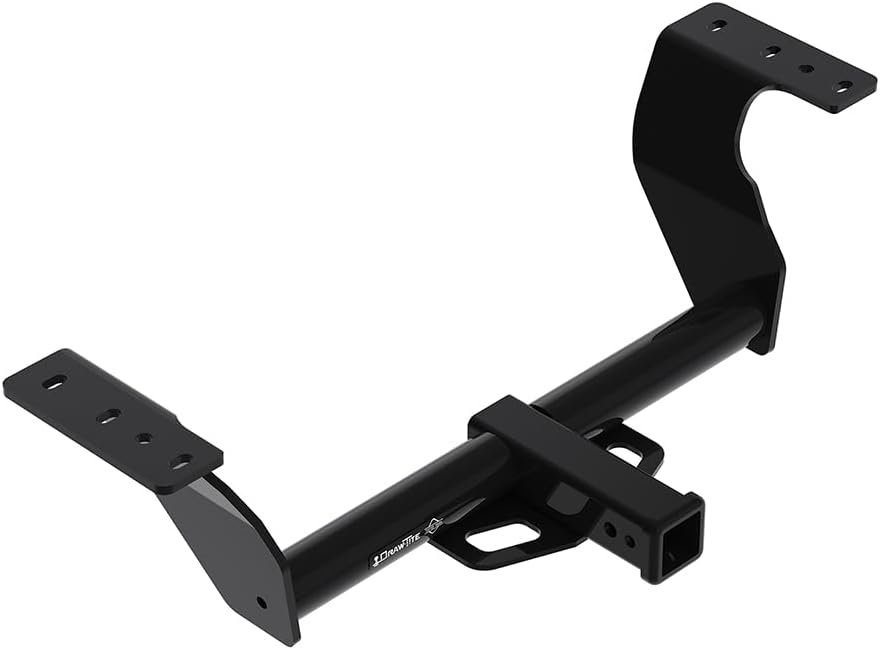
| Maximum Towing Capacity | 3500 pounds |
|---|---|
| Pull Force | 3500 pounds |
| Included Components | Class 3 Trailer Hitch, 2 Inch Square Receiver |
| Material Type | Alloy Steel |
| Finish Type | Powder Coated |
This Draw-Tite Class 3 hitch is a vehicle-specific, bolt-on receiver designed to restore full towing capability to compatible Forester and WRX models. It provides a 2 inch square receiver opening for standard accessories such as bike racks, cargo carriers, and small trailers, and is rated to tow up to 3,500 pounds with a 525 pound tongue weight. The hitch is built from solid welded alloy steel and finished with a black powder coat to resist corrosion, which helps it hold up to seasonal road conditions. Draw-Tite includes mounting hardware for a relatively straightforward install that keeps the bumper profile clean and lets you use weight distribution systems up to the listed capacity. The practical limits are the Class 3 capacity itself and the need to follow vehicle tow ratings and installation instructions; this is a purpose-built replacement rather than a heavy commercial hitch. For buyers prioritizing durable materials, tested strength, and a factory-style fit on a Forester or WRX, this hitch delivers reliable, long-term service.
Best for: Buyers seeking a durable, vehicle-tailored hitch for a Forester or WRX who prioritize long-term corrosion resistance and a refined, factory-style installation.
Less Ideal for: People who need higher-capacity or commercial-grade towing hardware or those planning heavy frequent towing beyond the listed capacity should consider heavier-duty alternatives.
- Vehicle-specific design for a precise, factory-style fit
- Solid all-welded alloy steel construction for strength
- Black powder coat finish improves corrosion resistance
- 2 inch receiver accepts common towing accessories
- Includes mounting hardware for bolt-on installation
- Rated to 3,500 lb GTW which may be low for heavier towing needs
Verdict: The best premium trailer hitch for buyers willing to pay more for superior materials, corrosion resistance, refined fitment, and long-term durability.
4. CURT Class 3 Trailer Hitch 2-Inch Receiver for Subaru Forester
Best Heavy-Duty Trailer Hitch
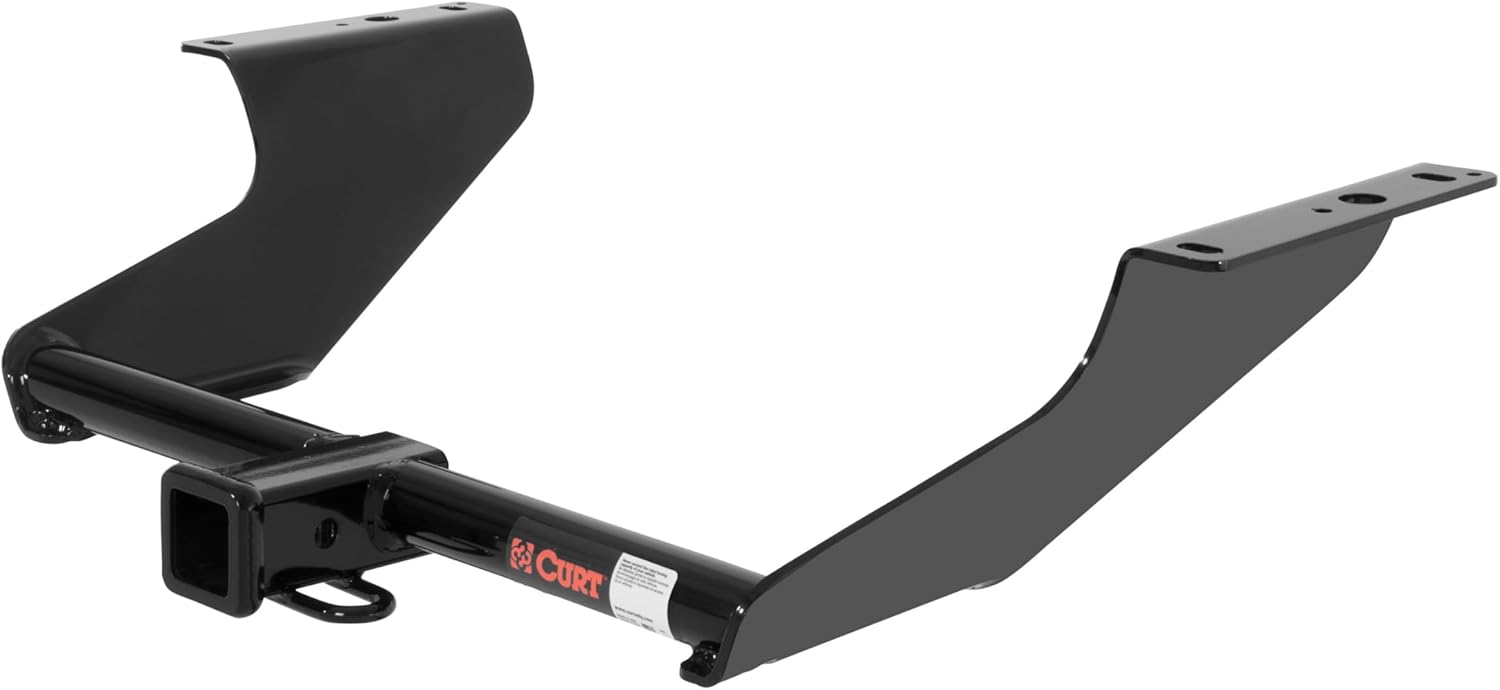
| Receiver size | 2 inches |
|---|---|
| Gross trailer weight | 4,000 lbs |
| Tongue weight | 400 lbs |
| Material | Carbon Steel |
This CURT Class 3 trailer hitch provides a factory-style, vehicle-specific mount for select Subaru Forester models and installs at the rear to add a standard 2-inch receiver. It is built from high-strength carbon steel with precision welding and a co-cured liquid A-coat plus powder coat finish for long-term corrosion resistance. Typical uses include hauling utility trailers, small campers, boats, ATVs and cargo carriers that fit within the 4,000 lb gross trailer weight and 400 lb tongue weight limits. The receiver design lets you run common hitch-mounted accessories such as ball mounts, cargo carriers and bike racks built for a 2-inch tube. Installation is straightforward for an experienced DIYer or installer because the hitch is vehicle-specific, which also helps keep fit and finish close to factory. The main limitation is its weight rating: owners who tow heavier trailers or require higher tongue capacity should select a higher-class or heavy-duty hitch, and vertical-hang bike racks that rely on hanging bikes are not compatible with this receiver orientation.
Best for: Owners of select Subaru Forester models who regularly haul small to mid-size trailers or carry hitch-mounted cargo and prioritize a vehicle-specific, durable factory-style hitch.
Less Ideal for: Drivers who tow large travel trailers, heavy equipment, or frequently need higher tongue-weight capacity should look for a heavier-duty hitch rated above Class 3.
- Vehicle-specific design for a precise fit on select Subaru Forester models
- 4,000 lb gross trailer weight and 400 lb tongue weight ratings suitable for common trailers
- Durable co-cured liquid A-coat plus powder coat finish for strong rust and chip resistance
- Standard 2-inch receiver accepts a wide range of hitch-mounted accessories
- Not rated for very heavy towing or high tongue-weight applications above class 3 limits
Verdict: The best heavy-duty trailer hitch for owners who need higher towing and tongue-weight ratings for frequent heavy loads or larger trailers.
5. DBXB-RV Class 3 2" Trailer Hitch Receiver for Subaru Forester (2019–2026)
Best 2-Inch-Receiver Trailer Hitch
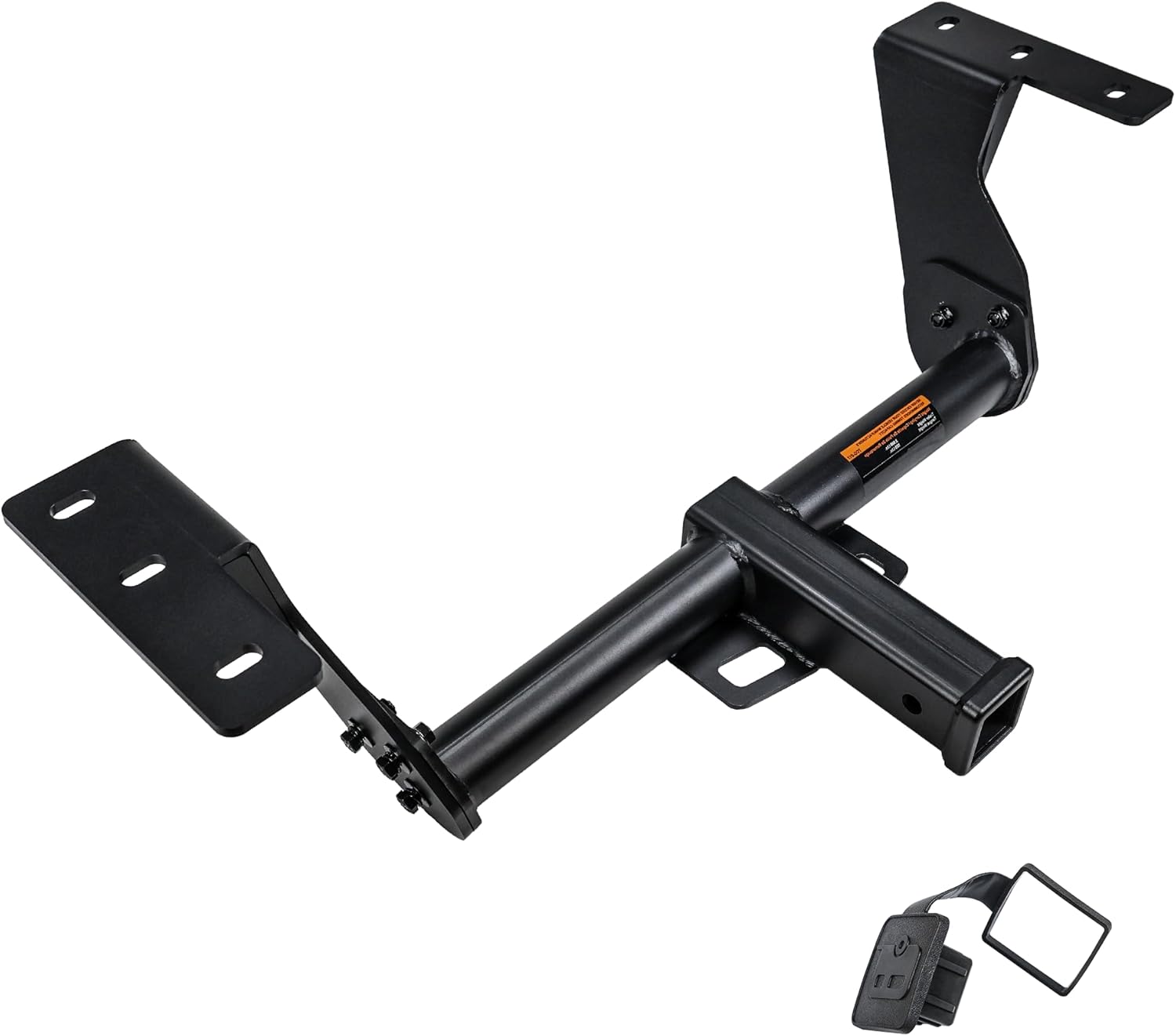
| Compatible with Vehicle Type | Forester 2019-2026 |
|---|---|
| Maximum Towing Capacity | 3500 pounds |
| Pull Force | 3500 pounds |
| Material Type | Carbon Steel |
| Finish Type | Black Matte Powder Coated |
This DBXB-RV Class 3 2-inch receiver is a vehicle-specific hitch made to mount to Subaru Forester (2019–2026) frames and provide a common, versatile attachment point for ball mounts, bike racks, and cargo carriers. It is constructed from carbon steel with an all-welded design and finished in black matte powder coat for corrosion resistance. Rated for up to 3,500 pounds GTW and 525 pounds tongue weight, it covers everyday towing and haul tasks for small trailers and heavier accessories. Installation follows the included manual and is intended to be straightforward for a basic DIY install, though the listing warns some Forester models may need minor enlargement of factory mounting holes. The hitch’s vehicle-specific fit helps deliver a secure connection and neat appearance under the bumper. Buyers should note the potential need to clear or adjust mounting holes during installation and that tongue weight limit is governed by the lowest-rated component in the towing setup.
Best for: Buyers who want a common 2-inch receiver that mounts neatly to a 2019–2026 Forester and supports a wide variety of bikes, cargo carriers, and light trailers with factory-style fit and finish.
Less Ideal for: Drivers who need maximum professional towing capacity or plan heavy commercial towing should choose a higher-capacity hitch or a dedicated towing setup.
- Vehicle-specific design for Subaru Forester 2019–2026 for a secure, tidy fit
- Common 2-inch receiver size that works with a wide range of ball mounts, bike racks, and carriers
- 3,500 lb gross towing capacity and 525 lb tongue weight suitable for many trailers and heavy accessories
- All-welded carbon steel construction with black matte powder coat for durability and corrosion resistance
- Some vehicle mounts may require minor hole enlargement or slight modification during installation
Verdict: The best 2-inch-receiver trailer hitch for buyers who need the common, versatile receiver size that supports a wide range of bikes, cargo, and towing accessories.
6. Curt Class 3 Trailer Hitch Receiver 2" for Subaru Forester 2014–2018
Best Low-Profile Trailer Hitch

| Maximum Towing Capacity | 4500 pounds |
|---|---|
| Pull Force | 4500 pounds |
| Tongue Weight | 675 lbs |
| Receiver Tube Size | 2 inches |
| Material Type | Carbon Steel |
This Curt Class 3 trailer hitch is a bolt-on receiver engineered specifically for 2014–2018 Subaru Forester models, including the 2.5i and 2.0XT. It provides a 2-inch receiver tube and a factory-style fit that preserves the car's appearance while enabling towing up to 4,500 pounds and a tongue weight of 675 pounds. Made from carbon steel with a powder coat finish, the hitch resists corrosion and sits low-profile against the rear bumper to keep ground clearance and visual impact minimal. Installation is straightforward with vehicle-specific mounting points and no cutting required for most trims. The hitch is practical for towing trailers, bike racks, or cargo carriers without significantly altering the Forester's look or ride height. Limitations include the fixed 2-inch opening that requires compatible accessories and the weight rating that is sufficient for most small trailers but not for heavy duty towing applications. Expect professional installation if you want perfectly flush alignment and torque specifications followed.
Best for: Buyers who prioritize a discreet, factory-integrated towing solution for their Forester and want to keep the vehicle's appearance and ground clearance intact while retaining everyday towing capability.
Less Ideal for: Drivers planning heavy towing, frequent high tongue-weight loads, or those who need a modular hitch with multiple receiver sizes should consider heavier duty or alternative hitch systems.
- Vehicle-specific bolt-on fit preserves bumper appearance and simplifies installation
- Low-profile mounting maintains ground clearance and a subtle rear profile
- 2-inch receiver is compatible with common hitch accessories like racks and carriers
- Powder coated carbon steel construction resists corrosion for long service life
- 2-inch receiver and 4,500 lb capacity limit use to light and medium towing needs
Verdict: The best low-profile trailer hitch for users who want a subtle, low-visibility mount that maintains ground clearance and vehicle appearance while remaining functional.
7. APS Class 3 Trailer Hitch Receiver for Subaru Forester (2019–2026)
Best Easy-Install Trailer Hitch

| Maximum Towing Capacity | 3500 pounds |
|---|---|
| Pull Force | 3500 pounds |
| Automotive Fit Type | Vehicle Specific Fit |
| Material Type | Carbon Steel |
| Finish Type | Powder Coated |
This APS Class 3 receiver is a vehicle-specific hitch engineered for Subaru Forester 2019–2026 and aimed at DIY installation. It is built from carbon steel with a powder-coated, multi-layer corrosion protection and includes all mounting hardware, a rubber hitch cover, and printed instructions so no drilling is required for the bolt-on fit. Rated for 3,500 pounds gross trailer weight and tested to relevant SAE standards, it handles common towing tasks like small trailers, bike racks, and cargo carriers while supporting weight-distribution setups. The clear fitment and included hardware make garage installation straightforward for someone with basic tools and moderate mechanical experience. The hitch’s construction and finish promise long-term durability, though installation still requires lifting and access to the vehicle rear and basic torqueing of fasteners. If you need higher capacities or a different receiver size, choose a different model; this unit focuses on factory-style fit and ease of install for Forester owners.
Best for: DIY-minded Forester owners who want a straightforward, no-drill bolt-on hitch with clear instructions and included hardware for garage installation.
Less Ideal for: Buyers who need heavier commercial towing capacity or who prefer a multi-vehicle hitch solution should look at higher-capacity or universal alternatives.
- Vehicle-specific design for a precise, bolt-on fit to Subaru Forester 2019–2026
- Includes all mounting hardware and printed DIY instructions for easy installation
- 3,500 lb towing capacity suitable for trailers, bike racks, and cargo carriers
- Triple-layer corrosion protection with E-coating and powder coat for long-term durability
- Item requires vehicle access and basic tools; physical lifting and torqueing of hardware still needed
Verdict: The best easy-install trailer hitch for DIYers who prioritize a straightforward bolt-on install, clear instructions, and minimal drilling or professional help.
Choosing the Right Subaru Forester XT Trailer Hitch: Key Factors to Consider
Weight Rating and Towing Capacity
Trailer hitch weight ratings determine how much load you can safely tow and carry. Pay attention to both the tongue weight rating and the gross trailer weight rating, since tongue weight affects vehicle handling and suspension. Using a hitch with insufficient ratings can lead to trailer sway, overloading of the rear suspension, and reduced braking performance.
For the Forester XT, match the hitch rating to your typical trailers or cargo carriers rather than the maximum theoretical capacity. Remember that the vehicle's own towing and payload limits also apply, so choose a hitch that provides a comfortable margin under those constraints to reduce strain during steep grades or emergency maneuvers.
Receiver Size and Hitch Class
Receiver size governs which ball mounts and accessories you can use. A 2 inch hitch receiver is the most common for light-truck and SUV towing and fits many ball mounts and hitch-mounted accessories. Hitch class corresponds to rated capacity and typical receiver dimensions, with Class III being a common choice for midsize SUV towing needs.
Selecting the correct class and receiver size ensures you can pair the hitch with your intended accessories without adapters that introduce extra leverage or wear. Also consider whether you need a higher-capacity class for heavier trailers or a low-profile design for improved ground clearance when not towing.
Mounting Design and Fitment
Mounting design affects installation complexity and how the hitch integrates with the Forester XT structure. Some hitches use frame-mounted tabs and bolts while others rely on cross-tube designs that require precise alignment. A good fit reduces stress on the bumper cover and avoids interference with exhaust outlets or factory sensors.
Verify that the hitch provides clearances for rear sensors, spare tire access, and trailer wiring routes. Hitches engineered specifically for the Forester XT are preferable because they account for bumper contours and factory reinforcements, yielding a cleaner installation and fewer trimming or modification requirements.
Corrosion Protection and Build Quality
Exposure to road salt, moisture, and grit accelerates corrosion on underbody components. Look for hitches with robust powder-coat finishes, e-coated surfaces, or other durable coatings that resist chipping and rust. Material thickness, welding quality, and plated hardware contribute to long-term reliability.
A well-protected hitch maintains its strength and appearance over years of use. Corrosion can weaken mounting points and make removal or service more difficult, so pay attention to the protective measures manufacturers use and whether replacement hardware is stainless or zinc-plated for longevity.
Installation Complexity and Hardware
Installation time and difficulty vary with hitch design and the availability of mounting hardware. Some hitches bolt to existing threaded holes in the vehicle frame and install with hand tools in under an hour, while others require dropping the exhaust or temporarily supporting the bumper to access fasteners.
Consider whether you plan to install the hitch yourself or have it professionally installed. Check if the kit includes correct-grade mounting bolts, washers, and detailed instructions. Easier installs reduce labor needs and lower the likelihood of incorrect torqueing or missed steps that can compromise safety.
Accessory Compatibility and Clearance
Think about the accessories you intend to use such as ball mounts, hitch-mounted bike racks, or cargo carriers. Compatibility with common ball diameters, pin sizes, and anti-rattle devices will influence daily usability. Some hitches feature integrated mounting points or built-in threaded inserts for accessories which improve convenience.
Also review ground clearance and receiver exit height to avoid contact with steep driveways or off-camber roads. Accessory fitment should not obstruct the rear bumper or impede cargo loading. Choosing a hitch that accommodates your typical accessories prevents the need for extra adapters or modifications.
Understanding Capacity Limits of the Forester XT
The Forester XT has its own vehicle-level towing and payload limits that interact with the hitch's ratings. A hitch is only one part of the towing equation, so compare the hitch capacity with the vehicle's specified limits before loading a trailer. Overloading the vehicle or hitch can impair braking and steering responsiveness.
When planning a tow, consider combined weight of trailer, cargo, passengers, and any rooftop gear. Accounting for real-world conditions such as steep inclines or highway driving with a loaded trailer helps ensure you pick a hitch that maintains safe margins under stress.
- Verify tongue weight against cargo distribution to avoid excessive rear sag.
- Allow reserve capacity for heavier loads during mountain or highway driving.
- Confirm the vehicle's payload limit before selecting heavy accessories.
Wiring and Electrical Considerations
Trailer wiring affects safety and legal compliance. Wiring harnesses for the Forester XT often route near the hitch area, so choose hitches that leave access for connectors or provide attachment points for the harness. Integrated harness routing clips or pre-existing holes in the hitch can simplify the wiring process.
Consider whether you will need a separate brake controller or a wiring adapter for additional functions like trailer brakes or auxiliary power. Planning the electrical setup at the time of hitch selection can reduce rework and ensure connectors remain protected from road debris and moisture.
- Look for hitches that allow neat harness routing and secure connector placement.
- Plan for a brake controller location inside the cabin if towing trailers with brakes.
- Protect exposed wiring with loom or conduit to prevent chafing.
Installation Tips for a Cleaner Fit
A tidy installation improves appearance and reduces long-term issues. Use factory torque specs for mounting bolts and consider thread-locking compound where manufacturer instructions permit. If the hitch requires lowering the exhaust, support the exhaust system properly to avoid hangar damage.
Ensure any bumper trim panels are reinstalled correctly to maintain airflow and protect sensor function. After installing the hitch, inspect for rubbing or contact points and adjust accessory heights to restore factory ground clearance where possible.
- Hand-start all bolts before final torque to align mounting holes.
- Retighten hardware after a few hundred miles of towing if recommended.
- Keep a spare set of mounting bolts and a small hardware kit with your towing gear.
Choosing the Right Ball Mount and Accessories
Selecting the correct ball mount and related accessories is as important as choosing the hitch itself. Match ball diameter and drop/rise height to the trailer coupler and vehicle-to-trailer geometry. The right combination minimizes tongue weight issues and keeps the trailer level during transit.
Invest in quality anti-rattle devices, a robust hitch pin, and properly rated safety chains. For cargo carriers and bike racks, check rated tongue weight and overall capacity to avoid overloading the receiver and the vehicle's rear structure.
- Measure vehicle-to-trailer height with the trailer loaded to determine mount drop or rise.
- Use a ball mount with adequate shank length to clear rear bumper components.
- Choose accessories rated to the hitch's tongue weight capacity.
Maintaining Your Hitch for Longevity
Routine inspection and maintenance extend the service life of a hitch. Periodically check for loose hardware, surface corrosion, and paint or coating damage. Clean the receiver tube and apply a light coat of anti-corrosion spray to internal surfaces to prevent moisture buildup.
If you tow frequently, schedule inspections at regular intervals and after driving through salty or muddy conditions. Replace worn or corroded fasteners and repair damaged coatings to preserve structural integrity and safe towing performance.
- Lubricate moving parts such as lock pins and anti-rattle mechanisms.
- Inspect welds and mounting points for signs of fatigue or cracking.
- Store removable accessories indoors to reduce exposure to corrosion.
Still looking for the perfect fit?
Select your Subaru Forester configuration to see the most relevant Trailer Hitches recommendations
How We Chose the Best Subaru Forester XT Trailer Hitch
We focused on criteria that directly affect real-world towing performance and fit for the Subaru Forester XT. Primary evaluation factors included certified trailer hitch weight ratings, verifying both tongue and gross trailer weight capacities appropriate for typical XT use. We also prioritized hitch receiver size and class to ensure match with common ball mounts and accessories.Fitment and mounting design were assessed to confirm clean attachment to the Forester XT frame and to minimize interference with exhaust, bumper, and rear sensors. Durability factors like material thickness, weld quality, and protective finishes were considered to gauge long-term corrosion resistance in varied climates. Ease of installation, available hardware, and compatibility with wiring harness routing were examined to estimate how straightforward the install process would be.We excluded any components that required frame cutting or permanent body modification, and we did not consider cargo carriers or accessory-specific products as substitutes for a proper trailer hitch. Final selections reflected the balance of rated capacity, installation practicality, and durable construction for safe, everyday towing with the Forester XT.
Our full evaluation process is outlined in our review methodology.
FAQ
What receiver size should I choose for the Forester XT?
Most owners find a 2 inch receiver balances versatility and capacity for common trailers and accessories. It fits a wide range of ball mounts and hitch-mounted cargo or bike carriers without needing adapters.
Can I install a trailer hitch myself on the Forester XT?
Many hitches are designed for do-it-yourself installation using standard hand tools, but complexity varies. If the install requires lowering the exhaust or manipulating the bumper, having a lift or professional help is advisable for safety and correct torqueing.
How do I know the hitch will not interfere with rear sensors?
Choose hitches engineered for the Forester XT that account for bumper contours and sensor locations. Verify clearance visually during trial fit and consult the hitch documentation for guidance on sensor-friendly mounting positions.
Do I need a wiring harness when adding a trailer hitch?
If you plan to tow a trailer with lights or brakes, a properly routed wiring harness is necessary. Many harnesses plug into factory connectors and are routed near the hitch area; plan for secure mounting and protection from road debris.
What maintenance does a hitch require?
Regular checks for loose bolts, surface rust, and coating damage are recommended. Clean the receiver tube and apply rust inhibitor as needed, especially after exposure to salt or moisture.
How should I match a ball mount to my trailer?
Measure the loaded trailer height at the coupler and compare it to the Forester XT hitch height to determine the required drop or rise. Choose a ball mount with the correct ball diameter and enough rise or drop to keep the trailer level during towing.
Final Verdict
Prioritize hitch capacity, fitment, and corrosion protection when selecting a trailer hitch for your Subaru Forester XT. Match the hitch's tongue and gross weight ratings to your typical trailer loads while ensuring the receiver size and mounting design suit the accessories you plan to use. Consider installation complexity and electrical routing up front to avoid surprises during setup.Decide based on the combination of rated capacity and real-world practicality rather than maximum numbers alone. With the right balance of strength, fit, and protection, you will have a dependable towing setup that maintains vehicle function and reduces maintenance over time.
Explore More:
- Check out all Subaru Forester parts & accessories
- Explore Other Accessories
- Browse all Accessories
