

Note: This article contains affiliate links. If you click on these links and make a purchase, I may earn a small commission at no extra cost to you. This helps support my research and content. Read my full affiliate disclosure here.
If you plan to tow with a 2003-2008 Subaru Forester, choosing the right trailer hitch matters for safety, load capacity, and long-term reliability. A properly fitted hitch ensures correct weight distribution and reduces wear on the vehicle frame and suspension. It also affects how easily you can attach accessories such as bike racks or cargo carriers.This guide covers the top shortlisted trailer hitches that fit Forester models from 2003 through 2008. We focused on options that match factory mounting locations and deliver clear weight ratings, and we evaluate each option on fitment, build quality, and installation effort. Read on to see the picks and the criteria used to choose them before diving into installation and maintenance considerations.
Looking for other parts? See all Subaru Forester parts & accessories.
Top Picks at a Glance
| Best Overall Trailer Hitch The best all-around hitch balancing fit, strength, and value | CURT Class 3 Trailer Hitch 2-Inch Receiver for Subaru Forester |  |
| Best Budget Trailer Hitch A low-cost hitch that covers basic towing needs reliably | Gelacie Class 2 1.25" Trailer Hitch Receiver for 1998-2008 Subaru Forester |  |
| Best Premium Trailer Hitch Higher-end materials, finish, and features for long-term use | CURT Class 2 Trailer Hitch with 1-1/4-Inch Receiver for Subaru Forester |  |
| Best Compact Trailer Hitch A low-profile, space-saving hitch that minimizes rear overhang | ALMULOO Trailer Tow Hitch Receiver 1.25-inch Class 2 for 1998–2008 Subaru Forester |  |
| Best Corrosion-Resistant Trailer Hitch Superior coatings and materials to resist rust and weathering | CURT Class 2 Trailer Hitch with 1-1/4-In Receiver and Ball Mount |  |
1. CURT Class 3 Trailer Hitch 2-Inch Receiver for Subaru Forester
Best Overall Trailer Hitch
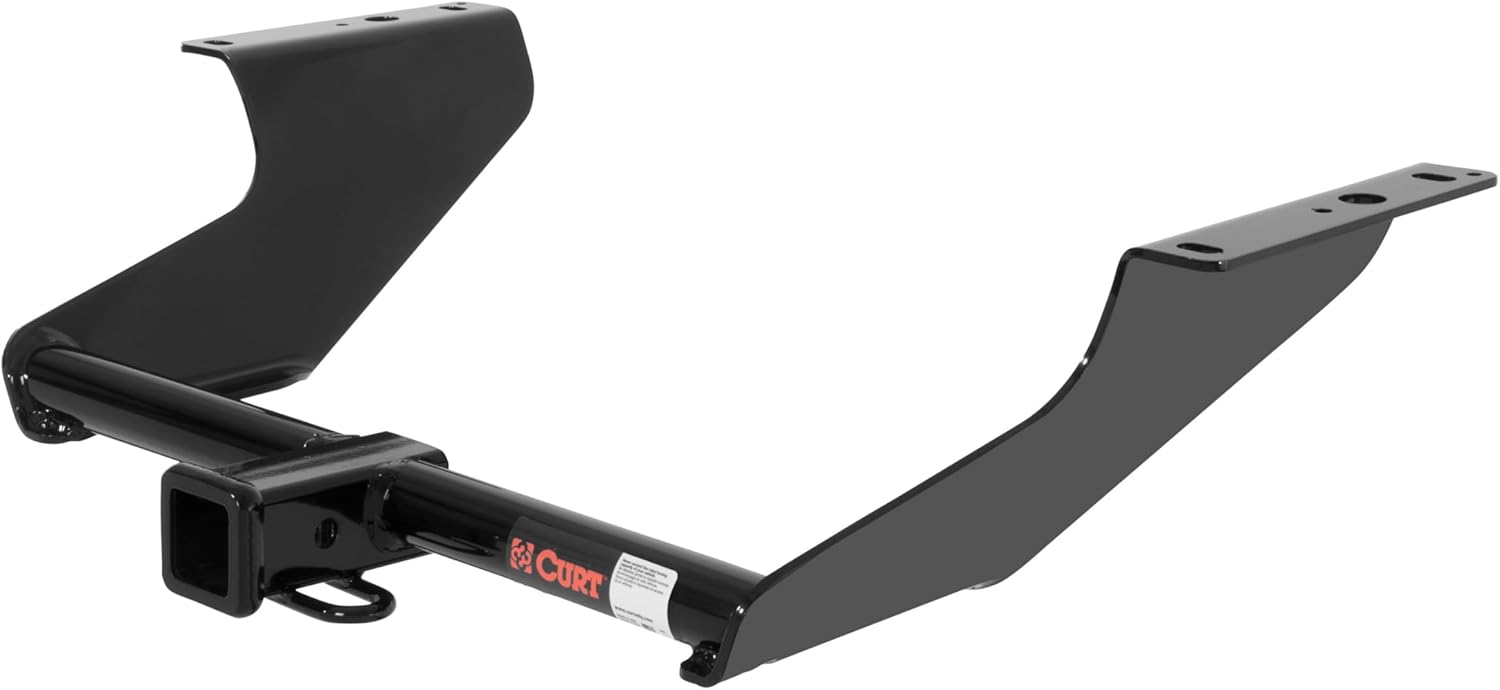
| Receiver size | 2-inch x 2-inch |
|---|---|
| Gross trailer weight | 4,000 lb GTW |
| Tongue weight | 400 lb TW |
| Material | Carbon Steel |
This CURT Class 3 hitch is a custom-fit rear receiver engineered for compatible Subaru Forester model years and provides a standard 2-inch x 2-inch receiver for everyday towing. It is designed to carry up to 4,000 lb gross trailer weight and 400 lb tongue weight, making it suitable for small campers, boat trailers, utility trailers and hitch-mounted cargo or racks rated for a 2-inch tube. The hitch is made from high-strength carbon steel with precise welding and a co-cured dual-layer finish of A-coat plus black powder coat for good resistance to rust, chipping and UV exposure. Because it is vehicle-specific, installation is straightforward and typically bolts to existing frame points with minimal modification. The main limitations are that fitment is limited to the Forester years listed by CURT and the hitch follows the vehicle's lowest-rated towing component, so you must check your Forester's towing package and brakes before exceeding capacities. For Forester owners who need a reliable, factory-quality receiver without extra features, this is a practical, well-built option.
Best for: Drivers of Subaru Forester looking for a reliable, factory-style receiver to handle typical light towing and hitch-mounted accessories with an easy bolt-on installation.
Less Ideal for: Drivers who need higher towing capacity, multi-vehicle compatibility, or an adjustable/drop hitch system for heavy hauling or unusual trailer setups should look elsewhere.
- Vehicle-specific design for an accurate, bolt-on fit
- 4,000 lb gross trailer weight and 400 lb tongue weight capacity suitable for common light towing
- 2-inch receiver supports a wide range of hitch-mounted accessories
- Durable co-cured A-coat plus powder coat finish resists rust and chipping
- Constructed from high-strength steel with precise welding for long-term durability
- Compatibility limited to specific Subaru Forester model years so verify application before purchase
- Does not increase the vehicle's factory towing limits and depends on the lowest-rated component
Verdict: The best all-around trailer hitch that balances reliable strength, broad compatibility, straightforward installation, and good value for most towing needs.
2. Gelacie Class 2 1.25" Trailer Hitch Receiver for 1998-2008 Subaru Forester
Best Budget Trailer Hitch

| Compatible vehicle | 1998-2008 Subaru Forester |
|---|---|
| Receiver size | 1.25 inches |
| Maximum towing capacity | 3500 pounds |
| Material | Alloy Steel |
| Finish | Powder Coated |
This Gelacie Class 2 hitch is a straightforward bolt-on 1.25" receiver made for 1998–2008 Subaru Forester models to add towing and cargo-carrying ability. It installs using the factory mounting points with included hardware and does not require drilling, so it is typically fitted by a competent DIYer or a shop in one short session. The hitch is built from alloy steel with a powder-coated finish, which helps resist corrosion and holds up under regular use. With a 3,500 lb gross trailer weight rating and 350 lb tongue weight it is suitable for light trailers, cargo carriers, and small utility loads. The design focuses on essential function rather than extras, so you get a compact, low-profile receiver without integrated wiring, removable accessories, or higher-capacity options. If you need a simple, affordable way to tow occasionally or carry rear-mounted cargo on a Forester, this hitch delivers dependable, factory-style performance, but it is not intended for heavy towing or specialized trailer setups.
Best for: Buyers who prioritize a low-cost, durable hitch to add basic towing or rear cargo capability to a 2003–2008 Forester without extra features or high capacity needs.
Less Ideal for: Drivers who regularly tow heavy trailers, need a 2" receiver, or want built-in wiring and accessory features should consider higher-capacity or feature-rich alternatives.
- Vehicle-specific bolt-on fitment for 1998–2008 Subaru Forester that installs without drilling
- 3,500 lb gross trailer weight and 350 lb tongue weight ratings suitable for light towing and cargo carriers
- Alloy steel construction with powder-coated finish for corrosion resistance
- Includes the hitch receiver and installation hardware for a complete basic install
- No integrated wiring or electrical connectors included for trailer lights
Verdict: The best budget trailer hitch for buyers who need a safe, no-frills towing solution that keeps upfront cost low without sacrificing essential durability.
3. CURT Class 2 Trailer Hitch with 1-1/4-Inch Receiver for Subaru Forester
Best Premium Trailer Hitch

| Material Type | Carbon Steel |
|---|---|
| Included Components | Class 2 Hitch |
| Compatible with Vehicle Type | Subaru Forester |
| Gross Trailer Weight | 3,500 lbs |
| Tongue Weight | 350 lbs |
This CURT Class 2 hitch is a custom-fit receiver for select Subaru Forester model years intended for light towing and accessory mounting. It installs in place of a factory bumper attachment points and provides a standard 1-1/4-inch receiver tube for ball mounts, cargo carriers, or bike racks. Constructed from carbon steel with robotic welding and a co-cured liquid A-coat plus black powder coat, the finish aims to resist rust and chips over time. Rated for 3,500 lb gross trailer weight and 350 lb tongue weight, it handles small trailers, lightweight boats, and most cargo-carrying accessories without stressing the vehicle. The hitch is SAE J684 tested for safety, and CURT emphasizes vehicle-specific fit to minimize trimming or modification during install. Limitations to consider are the smaller receiver size, which restricts heavy towing and some accessory types, and the product is intended only for the specified Forester years so fit verification is required. For buyers prioritizing a refined finish and a tested, vehicle-specific design, this hitch is a solid premium choice for light-duty towing needs.
Best for: Buyers who want a vehicle-specific, well-finished hitch for a Forester and value corrosion-resistant coatings and tested construction over the lowest price.
Less Ideal for: Drivers who need heavy towing capacity or who plan to use large-frame accessories that require a 2-inch receiver should look at heavier-duty alternatives.
- Custom-fit design for Subaru Forester which reduces installation fiddling
- Durable carbon steel construction with robotic welding for strength
- Co-cured liquid A-coat plus powder coat provides stronger corrosion and chip resistance
- SAE J684 testing offers a verified safety standard for light towing applications
- 1-1/4-inch receiver limits use to lighter trailers and many heavy-duty accessories
Verdict: The best premium trailer hitch for buyers willing to pay more for superior materials, refined finishes, longer warranties, and extra corrosion protection.
4. ALMULOO Trailer Tow Hitch Receiver 1.25-inch Class 2 for 1998–2008 Subaru Forester
Best Compact Trailer Hitch

| Automotive Fit Type | Vehicle Specific Fit |
|---|---|
| Maximum Towing Capacity | 3500 pounds |
| Pull Force | 3500 pounds |
| Material Type | Alloy Steel |
| Finish Type | Powder Coated |
This ALMULOO trailer hitch is a vehicle-specific Class 2 receiver designed to bolt to 1998–2008 Subaru Forester frames and give owners a compact towing option. It uses a 1.25-inch receiver opening and is built from alloy steel with a powder-coated finish for corrosion resistance. Typical uses include mounting bike racks, small cargo carriers, and light trailers within its 3,500 lb gross towing and 350 lb tongue load ratings. The hitch’s compact 1.25-inch profile helps keep the rear bumper line clean and preserves ground clearance compared with larger 2-inch receivers, while the powder coat helps resist road salt and weather. Installation requires basic hardware and the included manual, but professional installation is recommended to ensure secure attachment and correct torque. Limitations are the smaller receiver size, which restricts larger trailer accessories and heavier towing; buyers needing heavy-duty towing should choose a higher-class or 2-inch option instead.
Best for: Buyers who want a minimal, low-profile hitch that maintains rear ground clearance and the Forester's appearance while supporting light towing tasks like bike racks and compact cargo carriers.
Less Ideal for: Drivers planning to tow large trailers, heavy loads, or who need a 2-inch receiver for commercial-style towing should choose a heavier-class hitch instead.
- Vehicle-specific fit for 1998–2008 Subaru Forester simplifies installation and alignment
- Powder-coated alloy steel construction resists corrosion and everyday wear
- 1.25-inch receiver keeps a low profile and preserves rear aesthetics and ground clearance
- Rated for 3,500 lb gross trailer weight and 350 lb tongue weight, suitable for bikes and small trailers
- 1.25-inch receiver limits compatibility with larger hitches and heavy-duty towing accessories
Verdict: The best compact trailer hitch for buyers who prioritize a low-profile, short-length design that preserves ground clearance and vehicle rear aesthetics.
5. CURT Class 2 Trailer Hitch with 1-1/4-In Receiver and Ball Mount
Best Corrosion-Resistant Trailer Hitch

| Pull Force | 3500 pounds |
|---|---|
| Automotive Fit Type | Vehicle Specific Fit |
| Material Type | Carbon Steel |
| Finish Type | Gloss, Powder-Coated |
This CURT Class 2 trailer hitch is a custom-fit receiver for select 2003–2008 Subaru Forester models that lets you tow small trailers, mount a hitch cargo carrier, or attach a bike rack that uses a 1-1/4-inch receiver. It includes a ball mount, hitch pin, and mounting hardware so installation is straightforward and you get a complete kit out of the box. The hitch is made from welded carbon steel and finished with CURT’s multi-stage dual-coat process that includes liquid A-coat and a powder coat top layer to resist rust, chips, and UV exposure. Rated for 3,500 pounds gross trailer weight and 350 pounds tongue weight, it is suitable for lightweight boats, utility trailers, and similar loads when used within the vehicle’s towing limits. Because it is vehicle-specific, the fit is precise and installation is cleaner than universal hitches, but this kit is limited to Forester fitment and uses a 1-1/4-inch receiver size, which may not accept larger accessories without adapters.
Best for: Drivers in salt-prone or wet climates who want a factory-quality, vehicle-specific hitch that prioritizes long-term corrosion protection and a clean fit for Subaru Forester towing needs.
Less Ideal for: People who need a higher-capacity receiver or plan to use accessories that require a 2-inch receiver should consider a different hitch or use an approved adapter.
- Vehicle-specific design for a precise, integrated fit on select Subaru Forester models
- Dual-coat finish (A-coat plus powder coat) for strong resistance to rust, chips, and UV damage
- Includes ball mount, hitch pin, and hardware for a complete installation
- Welded carbon steel construction with a 3,500 lb gross trailer weight rating
- 1-1/4-inch receiver limits compatibility with larger-capacity hitch accessories without an adapter
Verdict: The best corrosion-resistant trailer hitch for drivers who need long-lasting protection from road salt, moisture, and rust-prone environments.
Choosing the Right 2003-2008 Subaru Forester Trailer Hitch: Key Factors to Consider
Weight Rating and Towing Capacity
Knowing the hitch's gross trailer weight rating and tongue weight rating is essential because these figures determine what you can tow without risking structural damage or unsafe handling. For a 2003-2008 Subaru Forester, the hitch must match or be within the vehicle's factory towing limits. Exceeding either the gross trailer weight or the tongue weight can overload the hitch, the vehicle's frame, and the suspension, which increases stopping distances and can cause steering instability.
When evaluating weight rating, confirm both the maximum trailer weight and the maximum vertical load the hitch can carry on the ball or accessory. Remember that payload carried inside the vehicle and on a rear cargo carrier affects tongue weight, so plan loads accordingly to stay within limits. Choosing a hitch with a slightly higher rating than your intended trailer gives a safety margin, but never assume ratings exceed the vehicle manufacturer recommendations.
Receiver Size and Class
Receiver size and hitch class determine the accessories and ball mounts you can use. Many Forester owners prefer a 2 inch hitch receiver because it accepts a wide range of ball mounts, cargo carriers, and bike racks suitable for SUVs. The hitch class—often Class II or Class III for this vehicle segment—indicates typical capacity and build robustness.
Confirm the receiver opening dimension and class to ensure compatibility with the accessories you intend to use. If you plan to tow heavier loads or frequently use a cargo carrier or hitch-mounted accessories, selecting a higher-class receiver with a 2 inch opening can offer more flexibility. Pay attention to the pin diameter used by the receiver and the available drop or rise in common ball mount options.
Fitment and Mounting Method
How the hitch mounts to your Forester affects installation complexity and long-term integrity. The best options use existing factory mounting points or bolt-on brackets designed for the 2003-2008 Forester frame to avoid cutting or welding. A hitch that aligns with factory holes reduces labor, preserves structural integrity, and simplifies future removal.
Check whether the hitch requires trimming of the bumper fascia, whether included hardware is metric or imperial, and if any additional brackets or reinforcement plates are necessary. A bolt-on design that uses supplied hardware and clearly labeled attachment points is preferable because it minimizes the need for special tools and modification.
Corrosion Resistance and Finish
Exposure to road salt, moisture, and debris can quickly degrade a hitch that lacks proper corrosion protection. For Foresters that see winter conditions or coastal driving, a durable finish such as powder coating or a multi-layer protective treatment extends the hitch's lifespan. Zinc plating on fasteners and welded joints helps prevent rust at critical points.
Look for hitches with documented protective coatings and consider the warranty period on the finish. Corrosion not only looks unsightly, it can weaken welds and attachment points over time. Regular inspections after winter use and prompt touch-up of scratched areas will also help maintain structural integrity.
Installation Effort and Required Tools
Installation complexity affects whether you can reasonably do the job in a home garage or should plan for professional installation. Some hitches offer straightforward bolt-on installs with common hand tools, while others require minor trimming of the bumper or temporary removal of underbody panels. Consider the number of fasteners, whether torque specs are provided, and whether special tools like a torque wrench, jack stands, or a vehicle lift are needed.
If a hitch requires drilling or welding, factor in the additional time and skills required and the possible impact on vehicle resale. Clear instructions and included hardware shorten installation time and reduce the risk of errors that could compromise safety.
Accessory Compatibility and Practical Use
Think about how you will use the hitch beyond towing—such as carrying bikes, cargo carriers, or using a weight-distributing system. Compatibility with common hitch-mounted accessories, available clearance, and receiver height above the ground affect everyday usability. A hitch with a lower profile may improve ground clearance for off-road or rough-road driving, while one that sits higher may make loading accessories easier.
Also verify the hitch's compatibility with standard locking pins, wiring harness routing, and whether it permits easy access to the vehicle's spare tire or rear hatch. Selecting a hitch that integrates cleanly with your intended accessories reduces the need for adapters and keeps installation tidy.
Understanding Forester Towing Limits and Trailer Types
The 2003-2008 Subaru Forester was designed primarily as a compact SUV, and that affects the practical towing limits you should observe. Matching the trailer type to the vehicle's capabilities is important whether you plan occasional utility hauling, a small camper, or a bike rack setup. Lighter single-axle trailers and small utility trailers are the most common tow partners for this Forester generation.
When considering trailer types, account for loaded weight including cargo and passengers. A small enclosed trailer or a utility trailer with a properly distributed load will place different stresses on the hitch and suspension compared with a swing-out bike rack or cargo carrier. Think through realistic towing scenarios to pick a hitch whose ratings and mounting method suit those uses.
- Confirm the vehicle's published towing limit and compare it with the hitch gross trailer weight rating.
- Plan for the combined mass of trailer, cargo, and tongue load when choosing a hitch.
- For frequent towing, prioritize a higher tongue weight capacity to reduce strain on the rear suspension.
Preparing Your Forester for Hitch Installation
Before starting installation, gather the required tools and clear a flat, well-lit workspace. Typical tools include a torque wrench, sockets, a breaker bar, and jack stands or ramps. Inspect the underbody for corrosion or damaged mounting points that should be addressed before attaching a hitch.
Remove any underbody shields or spare tire carriers that obstruct access to the frame. Keep fasteners and hardware labeled during removal so you can reference factory torque specs if the hitch instructions call for reusing any original bolts. Having a helper to position the hitch during initial alignment makes bolt insertion easier and reduces the risk of dropped hardware.
- Check the instructions for specific fastener sizes and torque values.
- Clean and inspect mounting surfaces for rust or damage before install.
- Protect painted surfaces with tape when aligning the hitch to prevent scratching.
Wiring and Electrical Considerations for Towing
Towing a trailer requires functional lighting and, for some trailers, an electric brake controller. Plan wiring routing so that the connector is accessible but protected from road debris and water. Many installations use a dedicated trailer wiring harness that taps into the vehicle's taillight circuits with minimal modification.
Test the lighting functions thoroughly after installation, including turn signals, brake lights, and running lights. If your trailer has electric brakes, ensure you have the correct brake controller and that the controller is installed where you can adjust it while driving. Use dielectric grease on connector pins to improve corrosion resistance and maintain a reliable electrical connection.
- Choose a harness that is labeled for the 2003-2008 Forester to simplify plug-and-play routing.
- Secure wiring away from heat sources and moving parts.
- Verify ground connections and test each lighting function before towing on public roads.
Routine Inspection and Maintenance
Regular inspection keeps a hitch safe and reliable. Check mounting bolts for tightness, look for signs of rust or loose welds, and inspect the receiver opening for deformation. Clean off mud and salt after winter driving and apply rust-inhibiting treatments as needed to exposed metal.
Lubricate moving components such as hitch pins and anti-rattle devices to prevent seizing. Replace worn or corroded hardware promptly rather than deferring repairs. Keeping a maintenance log that notes torque checks and inspections can be helpful if you tow frequently or use seasonal trailers.
- Torque-check mounting bolts after the first 100 miles and periodically thereafter.
- Wash underside after salty or muddy conditions and reapply touch-up coatings where paint is chipped.
- Replace fasteners that show significant corrosion or thread damage.
Common Installation Challenges and How to Address Them
Some owners encounter alignment issues where bolt holes do not line up exactly due to prior repairs or minor frame deformation. In most cases, carefully positioning the hitch with a jack and using a drift to align holes will resolve the problem. Avoid enlarging holes unless instructed by the hitch manufacturer and documented for the Forester model years.
Another frequent challenge is tight clearance between the hitch and exhaust or spare tire components. Verify clearance before final tightening and make temporary adjustments such as lowering the spare or repositioning heat shields as the instructions allow. If the install requires trimming a nonstructural bumper fascia, mark cuts precisely and protect painted surfaces.
- Use a floor jack or helper to support the hitch while aligning bolt holes.
- Do not force bolts into place; check for obstructions and correct hardware orientation.
- Consult the hitch instructions for any required trimming and follow template guides if provided.
Still looking for the perfect fit?
Select your Subaru Forester configuration to see the most relevant Trailer Hitches recommendations
How We Chose the Best 2003-2008 Subaru Forester Trailer Hitch
We prioritized hitches that explicitly fit the 2003-2008 Subaru Forester and that provide clear published weight ratings and compatible mounting hardware. Key evaluation criteria included structural design and materials, the hitch's published gross trailer weight and tongue weight capacities, and whether the hitch uses factory attachment points to minimize drilling or frame alteration. Ease of installation and the typical installation time were considered so owners can plan whether to self-install or seek professional help.Corrosion resistance and finish were weighed because this generation of Forester often sees varied weather and road salt conditions. We also looked at how the hitch accommodates standard receiver sizes used on this vehicle, and compatibility with common accessories such as ball mounts and bike racks. Finally, we excluded any options that required major body modification, permanent cutting, or that lacked clear documentation for this year range of Forester. The resulting shortlist reflects parts that balance safety, fitment, and practical installation for Forester owners.
Our full evaluation process is outlined in our review methodology.
FAQ
Can my 2003-2008 Forester tow a small trailer safely?
Usually it can tow small trailers within the vehicle's published towing limit. Check the Forester's owner manual for the exact vehicle towing capacity and be sure the hitch's weight rating does not exceed that limit. Also account for tongue weight and cargo inside the vehicle when planning loads.
Is a 2 inch receiver necessary for typical Forester towing needs?
A 2 inch receiver is a common choice because it supports a wide range of ball mounts and accessories and often aligns with Class III capacity options. Whether it is necessary depends on the loads and accessories you plan to use; for light-duty uses a smaller receiver may be sufficient, but a 2 inch receiver offers greater flexibility.
Can I install a trailer hitch myself on a Forester?
Many owners can install a bolt-on hitch at home with common tools, a torque wrench, and proper safety supports. Installation difficulty varies by hitch design; choose a model with a bolt-on fitment and clear instructions if you plan to DIY. If the hitch requires drilling, welding, or complex wiring, professional installation is recommended.
How do I know if the hitch will interfere with the spare tire or exhaust?
Inspect the underside of your Forester and review the hitch instructions for any noted clearance concerns. Some hitches are designed to fit around the spare and exhaust without removal, while others may require temporarily lowering the spare or adjusting heat shields during installation. The hitch documentation should describe needed steps for the 2003-2008 Forester.
Do I need a special wiring harness for trailer lights?
Usually you will use a dedicated trailer wiring harness that connects to the Forester's taillight circuits. Harnesses designed for the 2003-2008 Forester simplify routing and reduce the need for splicing. Ensure the harness includes a solid ground and water-resistant connector for reliable operation.
How often should I inspect the hitch for wear or corrosion?
Inspect the hitch after heavy use and at least once per season if you tow regularly. Also check after winter driving in salted conditions. Look for loose bolts, surface rust, cracked welds, or deformation and address any issues promptly to maintain safe towing performance.
Final Verdict
When choosing a trailer hitch for a 2003-2008 Subaru Forester, prioritize a hitch that matches the vehicle's published towing limits and uses factory or documented bolt-on mounting points. Balance receiver size and class with the types of trailers and accessories you plan to use, and favor durable finishes that resist corrosion in wet or salty conditions. Installation complexity and wiring needs should factor into whether you DIY or seek professional help.Ultimately, pick a hitch whose weight ratings and mounting method align with realistic towing scenarios for your Forester. That approach keeps towing safe, protects the vehicle structure, and makes everyday use—such as attaching cargo carriers or bike racks—more reliable and straightforward.
Explore More:
- Check out all Subaru Forester parts & accessories
- Explore Other Accessories
- Browse all Accessories
