

Note: This article contains affiliate links. If you click on these links and make a purchase, I may earn a small commission at no extra cost to you. This helps support my research and content. Read my full affiliate disclosure here.
If you tow with a 2019–2024 Subaru Forester, choosing the right trailer hitch matters for safety, load capacity, and how the vehicle handles while towing. A properly sized hitch that matches the Forester's mounting points and weight limits reduces sway, avoids overloading suspension, and keeps wiring and accessories tidy. This guide covers the top shortlisted trailer hitches for the 2019–2024 Forester, focusing on correct fitment, towing capacity, and installation practicality. Below we explain how each pick measures up on fit, build quality, and weight rating, then walk through the factors you should weigh before buying.
Looking for other parts? See all Subaru Forester parts & accessories.
Top Picks at a Glance
| Best Overall Trailer Hitch The all-around top choice balancing fit, strength, and convenience | CURT Class 3 Trailer Hitch 2-Inch Receiver (Fits Select Subaru Forester) |  |
| Best Budget Trailer Hitch A low-cost hitch that covers basic towing safely and affordably | Gelacie Class 3 Trailer Tow Hitch, 2" Receiver for 2019–2024 Subaru Forester |  |
| Best Premium Trailer Hitch Higher-end materials and features for long-term durability and performance | Draw-Tite Class 3 Trailer Hitch 2-Inch Receiver (Model 76271) |  |
| Best Class III Trailer Hitch A common mid‑weight rating for towing trailers, bikes, and cargo carriers | APS Class 3 Trailer Hitch Receiver for Subaru Forester 2019–2026 |  |
| Best Low-Profile Trailer Hitch A compact, low-clearance design that preserves ground clearance and looks | T-TOP WLS Class III 2" Trailer Hitch Receiver for 2019–2026 Subaru Forester |  |
1. CURT Class 3 Trailer Hitch 2-Inch Receiver (Fits Select Subaru Forester)
Best Overall Trailer Hitch

| Receiver size | 2-inch x 2-inch |
|---|---|
| Gross trailer weight | 3,500 lbs |
| Tongue weight | 525 lbs |
| Material | Carbon Steel |
This CURT Class 3 hitch is a custom-fit receiver designed to equip compatible Subaru Forester years with a standard 2-inch x 2-inch towing receiver. It provides 3,500 lb gross trailer weight capacity and 525 lb tongue weight, making it suitable for towing small campers, boat trailers, utility trailers, and common cargo carriers. The hitch is made from high-strength carbon steel with precision welding and a co-cured liquid A-coat plus powder coat finish that improves resistance to rust, chipping and UV exposure. CURT emphasizes on-vehicle testing to SAE J684 standards, so installation aligns with factory-style mounting points for a secure fit; many buyers report straightforward bolt-on installation when fitment is correct. Because it is a vehicle-specific design, fit and alignment are typically precise, but you must verify the application list for your Forester year and trim. The unit does not include ball mounts or wiring, so plan to add the appropriate trailer wiring harness and hitch accessories for full functionality.
Best for: Buyers who want a durable, factory-style receiver hitch for a Subaru Forester that balances strong towing capacity with straightforward installation and long-term corrosion protection.
Less Ideal for: Shoppers who need a hitch with included mounting accessories or who require higher tongue or gross trailer weight capacities than this Class 3 hitch provides should consider other options.
- Vehicle-specific design for a precise, factory-style fit on compatible Subaru Forester models
- 2-inch receiver with 3,500 lb GTW and 525 lb tongue weight suited for common towing tasks
- Durable dual-coat finish (liquid A-coat plus powder coat) for improved corrosion and chip resistance
- Rugged carbon steel construction with precise welding and testing to SAE J684 standards
- Does not include ball mount, hitch pin, or wiring harness so additional purchases are required
Verdict: The best overall trailer hitch for most buyers, offering a strong combination of build quality, ease of installation, and towing capability for everyday hauling needs.
2. Gelacie Class 3 Trailer Tow Hitch, 2" Receiver for 2019–2024 Subaru Forester
Best Budget Trailer Hitch

| Compatible with Vehicle Type | Car |
|---|---|
| Maximum Towing Capacity | 3500 pounds |
| Pull Force | 3500 pounds |
| Material Type | Alloy Steel |
| Finish Type | Powder Coated |
This Gelacie Class 3 trailer hitch is a straightforward, budget-focused tow solution made to fit 2019–2024 Subaru Forester models. It provides a 2-inch receiver and a factory-style bolt-on installation so you can add towing or a hitch-mounted cargo carrier without cutting or welding. The hitch is built from alloy steel with a powder-coated finish to resist corrosion and wear, and it is rated at 3,500 pounds gross towing weight and 525 pounds gross tongue weight, which covers most light trailers, bike racks, and cargo carriers. The package includes hardware and an instruction manual to simplify DIY fitting, though some buyers may prefer professional installation. There are no extras like wiring harnesses or integrated sway control, so this unit keeps cost and complexity down but requires you to supply accessories you might need. If you want a simple, economical way to add dependable towing capacity to a Forester, this does the job without frills.
Best for: Buyers who need the most affordable way to add reliable towing capacity to a 2019–2024 Forester and prioritize a simple bolt-on hitch over extra features.
Less Ideal for: Drivers who tow heavy trailers regularly, need built-in towing electronics, or want a hitch with advanced features should consider higher-end or feature-rich alternatives.
- Vehicle-specific bolt-on design for direct fit to 2019–2024 Subaru Forester
- Rated 3,500 lb gross towing weight and 525 lb tongue weight suitable for light trailers
- Alloy steel construction with powder-coated finish for corrosion resistance
- Includes installation hardware and manual for DIY mounting
- Does not include wiring harness or towing accessories
- Limited to basic hitch function with no integrated features like sway control
Verdict: The best budget trailer hitch for buyers prioritizing price, delivering reliable towing capacity and a straightforward design without unnecessary extras.
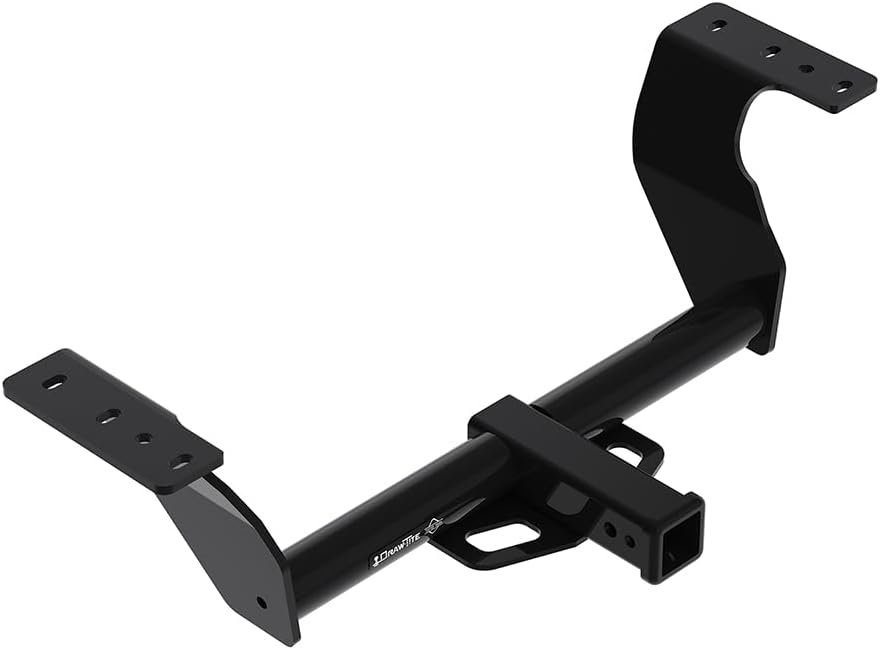
3. Draw-Tite Class 3 Trailer Hitch 2-Inch Receiver (Model 76271)
Best Premium Trailer Hitch
| Maximum Towing Capacity | 3500 pounds |
|---|---|
| Pull Force | 3500 pounds |
| Automotive Fit Type | Vehicle Specific Fit |
| Material Type | Alloy Steel |
| Finish Type | Powder Coated |
This Draw-Tite Class 3 hitch is a vehicle-specific, welded steel receiver designed to give Forester owners a durable towing option with a 2-inch receiver for common hitch accessories. It installs using the vehicle's factory mounting points and is intended for towing small trailers, boats, cargo carriers, or attaching bike racks. Notable features include a powder-coated finish to resist corrosion, solid all-welded alloy steel construction for strength, and testing to V-5 and SAE J684 standards. Rated for 3,500 pounds GTW and 525 pounds tongue weight, it also supports weight distribution systems within the same capacity. The practical benefits are straightforward: a robust, no-frills hitch that handles everyday towing and accessory use while minimizing corrosion on exposed surfaces. Limitations are that it is a vehicle-specific fit meant only for the listed Forester/WRX application and does not include integrated wiring or advanced anti-corrosion treatments beyond the powder coat, so long-term coastal exposure may still require extra care.
Best for: Buyers who prioritize a heavy-duty, vehicle-specific hitch with a refined welded build and reliable towing capacity for regular use on a Subaru Forester.
Less Ideal for: Drivers who need built-in wiring, advanced corrosion protection for frequent saltwater exposure, or a hitch intended for heavier commercial towing.
- Solid all-welded alloy steel construction designed for strength under frequent use
- 2-inch receiver supports common accessories like bike racks and cargo carriers
- Powder-coated finish provides basic corrosion resistance for everyday driving
- Rated 3,500 lb GTW and 525 lb tongue weight and compatible with weight distribution systems
- No integrated wiring or electrical connectors included
- Powder coat is protective but not a specialized marine-grade corrosion system
Verdict: The best premium trailer hitch for users willing to pay more for superior materials, corrosion resistance, refined finish, and heavier-duty components that last longer under frequent use.
4. APS Class 3 Trailer Hitch Receiver for Subaru Forester 2019–2026
Best Class III Trailer Hitch

| Maximum Towing Capacity | 3500 pounds |
|---|---|
| Pull Force | 3500 pounds |
| Automotive Fit Type | Vehicle Specific Fit |
| Material Type | Carbon Steel |
| Finish Type | Powder Coated |
This APS Class 3 trailer hitch is a vehicle-specific receiver built to fit Subaru Forester models from 2019 through 2026. It mounts with included hardware in a no-drill bolt-on installation and is intended for towing trailers, carrying bike racks, and supporting cargo carriers commonly used with Class 3 systems. The hitch is made from carbon steel with a triple-layer rust protection process and a powder-coated finish to resist corrosion in wet or salty conditions. Rated for up to 3,500 pounds towing and 525 pounds tongue weight, it matches the mid-range capacity most owners need for boats, small trailers, and heavy accessories. The package includes a rubber hitch cover and DIY instructions to simplify fitting. Limitations to note are that the rating requires proper vehicle towing equipment and following the Forester's towing limits, and heavier towing will need a weight-distributing setup and proper wiring and brakes which are not included. For owners who want a clean, factory-style installation and solid mid-range capacity, this hitch is a practical choice.
Best for: Buyers who need a mid-range, factory-integrated hitch for towing trailers, mounting bike racks, or carrying cargo carriers on a 2019–2024 Subaru Forester and who value straightforward bolt-on installation.
Less Ideal for: Those planning to tow above the vehicle’s recommended limits, frequently haul heavy loads that require weight distribution, or who need an integrated wiring or brake controller solution.
- Vehicle-specific fit for Subaru Forester 2019–2026 for a clean, factory-style installation
- 3,500 pound towing capacity and 525 pound tongue weight suitable for many mid-range towing needs
- Carbon steel construction with triple-layer corrosion protection and powder coat finish
- Includes mounting hardware, DIY instructions, and a rubber hitch cover for a complete install
- Does not include wiring, trailer brakes, or weight-distributing components required for heavier trailers
Verdict: The best Class III trailer hitch for buyers who need the standard mid-range towing capacity and accessory compatibility used for many trailers, cargo carriers, and bike racks.
5. T-TOP WLS Class III 2" Trailer Hitch Receiver for 2019–2026 Subaru Forester
Best Low-Profile Trailer Hitch

| Compatible Vehicle | 2019–2026 Subaru Forester (all trims) |
|---|---|
| Receiver Size | 2-inch |
| Maximum Towing Capacity | 3500 pounds |
| Finish Type | Powder Coated |
| Automotive Fit Type | Vehicle Specific Fit |
This Class III hitch is engineered specifically for 2019–2026 Subaru Forester models and installs using the factory frame holes, so no drilling is required for a clean bolt-on fit. It provides a standard 2-inch receiver opening and a 3,500 lb gross trailer weight rating with 525 lb tongue weight, making it suitable for small campers, utility trailers, bike racks, and cargo carriers. The hitch uses a hidden cross-tube design and a dual-layer corrosion protection process (acid clean plus powder coat) that helps it stay low-profile and resist rust, chips, and road salt while preserving rear clearance. All mounting hardware and torque specs are included to achieve a rattle-free installation. The hitch is heavy-duty steel with solid welds, so it adds reliable towing capability but does increase rear mass and requires correct torque procedures during install; professional installation is recommended if you are not comfortable with heavy fasteners. Overall, it balances discreet appearance and real towing capacity for Forester owners who want functionality without a bulky receiver showing beneath the bumper.
Best for: Buyers who prioritize a discreet, factory-like receiver that preserves rear clearance and reduces snagging while keeping full Class III towing capability on a Forester.
Less Ideal for: Drivers who need maximum towing capacity beyond 3,500 lb or want a universal hitch for use on multiple vehicle models.
- Vehicle-specific bolt-on design uses existing frame holes so no drilling is needed.
- Hidden cross-tube and low-profile receiver reduce visual bulk and snagging risk.
- 3,500 lb GTW and 525 lb TW ratings cover common small-trailer and accessory loads.
- Durable dual-layer corrosion protection (acid clean plus powder coat) improves long-term resistance to rust and road salt.
- Includes mounting hardware and torque specifications for a secure, rattle-free installation.
- Adds weight and presence at the rear of the vehicle and may require professional installation for proper torque and alignment.
- Fitment limited to 2019–2026 Forester models so it is not universal.
Verdict: The best low-profile trailer hitch for owners who want a visually discreet receiver with reduced snagging and better ground clearance while retaining towing functionality.
Choosing the Right 2019-2024 Subaru Forester Trailer Hitch: Key Factors to Consider
Fitment and Vehicle Scope
Correct fitment is the single most important factor when selecting a hitch for the 2019–2024 Subaru Forester. A hitch designed specifically for this model will align with the factory mounting points and avoid unnecessary drilling, trimming, or fabrication. Poor fitment can interfere with bumper components, exhaust hangers, or sensors and may change the load distribution on the rear subframe.
Make sure the hitch documentation explicitly lists the 2019–2024 Forester or provides detailed diagrams that match the vehicle's underbody. If the product requires minor fascia trimming, understand what is involved and whether the trim piece is reusable. When fitment is correct, installation time and the chance of unintended interference are both lower, and electrical connector routing is usually simpler.
Weight Rating and Tongue Weight
Verify both the gross trailer weight rating and the tongue weight rating for any hitch you consider. The Forester has specific towing and tongue weight limits; the hitch must not only support the trailer's gross weight but also the concentrated load on the ball mount. Choosing a hitch with conservative margins gives you flexibility for heavier trailers or accessory loads like cargo carriers.
Be aware that aftermarket hitches may advertise a maximum capacity that depends on correct installation and the vehicle's own limits. The lower of the hitch rating and the vehicle's published towing limits governs safe operation, so factor both into your decision.
Receiver Size and Class
Receiver size determines what ball mounts, bike racks, and cargo carriers will fit. For most Forester towing tasks, a 2 inch hitch receiver and a Class III rating are common because they balance strength and accessory compatibility. Larger classes may offer higher capacity but are often unnecessary for typical SUV towing scenarios and may add weight.
Consider the accessories you plan to use and choose the receiver size that matches them. If you intend to tow frequently or use heavy accessories, prioritize a Class III-rated hitch with a 2 inch receiver and confirm that mounting hardware and pin diameters match your chosen accessories.
Corrosion Resistance and Materials
A hitch is exposed to road debris, water, and salt, so corrosion resistance is important for long-term reliability. Look for hitches with factory-applied coatings, powder coats, or e-coated finishes and steel thick enough to resist bending or cracking under repeated loads. Weld quality and plate thickness are additional material indicators.
Higher corrosion resistance reduces the chance of structural weakening over time and lowers maintenance needs. If you live in a high-salt or coastal area, prioritize hitches with superior coatings or galvanized components.
Installation Complexity and Hardware
Installation complexity affects both cost and how likely you are to get a correct, secure fit. Bolt-on hitches that utilize existing holes typically install with standard hand tools and can be done in a garage with the vehicle on ramps. Hitches that require cutting bumper covers or temporary removal of heat shields increase installation time.
Check whether the hitch includes all mounting hardware and whether specialized tools are required. Consider whether you will install the hitch yourself or hire a professional, and account for any need to route wiring for trailer lights or to install an electrical harness.
Compatibility With Accessories and Wiring
Think about how you will use the hitch beyond towing a trailer. A 2 inch receiver supports the most common ball mounts and accessory carriers. Confirm there is adequate ground clearance and that the hitch does not block access to the exhaust or rear sensors.
Also check how trailer wiring is routed with the hitch in place. Some installations provide convenient mounting points for a trailer wiring harness or include brackets that make plugging in a connector easier. If you plan to use sway control, weight distribution, or electrical brake systems, ensure the hitch layout and rating support these accessories.
Match Hitch Class to Your Towing Needs
Choosing the correct hitch class for your Forester comes down to the weight and type of loads you plan to tow. For light trailers, cargo carriers, or bike racks, a Class II or Class III hitch with a 2 inch receiver covers most needs while keeping weight and bulk low. If you plan occasional heavier towing, prioritize a Class III option with higher tongue weight ratings.
Using the proper class reduces stress on the vehicle frame and makes it easier to fit common towing accessories. Remember that the vehicle's published towing limits still apply even when a hitch is rated higher.
- Class III with 2 inch receiver is common and versatile
- Match tongue weight rating to accessories like cargo carriers
- Higher class may be unnecessary for light-duty towing
Preparing Your Forester for Installation
Preparation makes installation smoother. Park on level ground and use ramps or jack stands to provide safe access under the rear of the vehicle. Inspect the underbody for corrosion or damage that could affect mounting locations.
Gather hand tools, torque wrench, and any required hardware before starting. If the hitch requires trimming of the rear bumper or removal of a heat shield, verify instructions so you know what to expect and what tools are needed.
- Check for existing factory plug locations for trailer wiring
- Have torque specs ready to ensure fasteners are tightened properly
- Consider a helper to hold the hitch during alignment
Electrical and Wiring Considerations
Trailer wiring installation is frequently needed alongside hitch installation. Decide whether you need a basic tail-light connection or a full 4- or 7-pin harness that supports brakes and auxiliary circuits. Some Forester years include factory wiring points that make tapping in easier.
Choose a wiring harness that meets the electrical demands of your trailer. Proper grounding and waterproof connectors reduce the chance of intermittent lighting faults. For trailers with brakes, ensure the brake controller location is accessible and that the vehicle wiring can be routed without chafing.
- Check if a vehicle-specific wiring harness is available
- Use dielectric grease on connector seals to reduce corrosion
- Secure wiring with zip ties away from heat and moving parts
Maintaining Your Hitch and Mounting Hardware
After installation, periodic inspection keeps the hitch safe and reliable. Check fastener torque, look for paint chips that expose bare metal, and touch up any exposed spots to prevent rust. Inspect welds and mount points for signs of fatigue or movement after heavy towing events.
Keep the receiver clean and lubricate the pin and hitch ball as needed. Remove road salt after winter driving and consider applying additional rust-inhibiting coatings if you live where corrosion is aggressive.
- Inspect bolts and welds after the first few hundred miles of towing
- Touch up chipped paint to prevent corrosion
- Store removable accessories dry and off the receiver when not in use
Common Accessory Choices for Forester Owners
Forester owners often add accessories like bike racks, cargo carriers, and small utility trailers. A 2 inch receiver gives the widest range of compatible accessories. When selecting an accessory, check both its weight and the combined tongue weight to ensure the hitch and vehicle limits are respected.
If you intend to frequently swap accessories, consider a hitch-mounted anti-rattle device for a tighter fit and quieter operation.
- Bike racks and cargo carriers fit most 2 inch receivers
- Anti-rattle devices improve ride quality with loose accessories
- Confirm accessory weight plus cargo does not exceed tongue weight
Still looking for the perfect fit?
Select your Subaru Forester configuration to see the most relevant Trailer Hitches recommendations
How We Chose the Best 2019-2024 Subaru Forester Trailer Hitch
We focused on compatibility with the 2019–2024 Subaru Forester and prioritized products that offered reliable fitment to the Forester's frame and factory mounting points. Evaluation emphasized towing capacity and tongue weight rating because those determine safe loads for this vehicle. We considered receiver size and class level as they directly affect hitch accessories and common trailers owners will use. Corrosion protection and material quality were assessed to estimate long-term durability under road salt and wet conditions. Installation considerations such as bolt-on fitment, whether minor trimming of fascia is typically required, and the typical hardware included were part of the selection filters. We excluded hitches that require major modifications to the frame or extensive drilling beyond factory attachment locations. We also filtered out options with unclear weight ratings or insufficient documentation for Forester-specific fitment. The final list balances strength, ease of install, corrosion resistance, and documented compatibility for owners who need a dependable towing solution for their Forester.
Our full evaluation process is outlined in our review methodology.
FAQ
Can I install a trailer hitch on my Forester myself?
Often yes. Many hitches for the 2019–2024 Forester are bolt-on and can be installed with common hand tools and a torque wrench. Installation times vary, and you should be comfortable working under the vehicle and following torque specifications. If the hitch requires trimming or special tools, professional installation may be advisable.
Do I need a 2 inch hitch receiver for common accessories?
A 2 inch receiver covers most bike racks, cargo carriers, and ball mounts used with the Forester. It offers broad accessory compatibility without adding unnecessary bulk. Verify accessory pin size and weight before purchasing.
How do I know the hitch weight rating is safe for my towing needs?
Compare the hitch's gross trailer weight and tongue weight ratings against the Forester's published towing limits and the weight of your trailer plus cargo. The safe operating limit is the lower of the vehicle and hitch ratings. Allow margin for dynamic loads and for any extra cargo carried on the hitch.
Will installing a hitch affect my Forester's warranty or sensors?
A correctly installed hitch that uses factory mounting points typically does not void parts of the vehicle warranty, but policies vary. Improper installation that modifies structural components or damages sensors could cause issues. Route wiring and mount brackets to avoid interference with sensors and consult dealer or manufacturer documents if you have warranty questions.
What maintenance does a trailer hitch need?
Routine checks include fastener torque, inspecting for corrosion, and touching up paint chips. Clean the receiver tube and lubricate removable components as needed. After towing in wet or salty conditions, rinse the hitch to reduce corrosion risk.
Can I use a hitch-mounted accessory and tow a trailer at the same time?
That depends on combined tongue weight and the hitch's capacity. Accessories like cargo carriers add tongue weight, which reduces available capacity for a trailer. Always calculate combined tongue weight and ensure it does not exceed the hitch or vehicle tongue weight rating.
Final Verdict
When choosing a trailer hitch for a 2019–2024 Subaru Forester, prioritize correct fitment to the vehicle frame, appropriate gross trailer and tongue weight ratings, and a receiver size that matches the accessories you plan to use. Consider corrosion protection and how the hitch routes wiring to avoid sensor interference and simplify installation. Balance your need for higher capacity against added weight and complexity. With those tradeoffs in mind, select a hitch that cleanly matches Forester mounting points and offers enough margin in its ratings so you can tow safely and confidently.
Explore More:
- Check out all Subaru Forester parts & accessories
- Explore Other Accessories
- Browse all Accessories
