

Note: This article contains affiliate links. If you click on these links and make a purchase, I may earn a small commission at no extra cost to you. This helps support my research and content. Read my full affiliate disclosure here.
If you plan to tow with a 2009-2013 Subaru Forester, choosing the right trailer hitch affects safety, payload, and daily drivability. A properly matched hitch keeps loads stable, preserves vehicle ground clearance, and minimizes stress on the rear structure. This guide presents the top shortlisted trailer hitches built for the 2009-2013 Forester and explains the practical tradeoffs between towing capacity, receiver size, and installation requirements.We evaluated each option for how it performs on this vehicle, how easy it is to install, and the real-world load ratings you can rely on. Read on to see which hitch types and features best match your towing needs and vehicle usage.
Looking for other parts? See all Subaru Forester parts & accessories.
Top Picks at a Glance
| Best Overall Trailer Hitch The all-around best hitch balancing fit, strength, and price | CURT Class 3 Trailer Hitch with 2" Ball for 2009–2013 Subaru Forester |  |
| Best Budget Trailer Hitch A low-cost hitch that keeps price down without breaking safety | APS Trailer Hitch Receiver for Subaru Forester 2009–2013 |  |
| Best 2-Inch Receiver Trailer Hitch A hitch with a 2-inch receiver for common towing accessories | CURT Class 3 Trailer Hitch 2-Inch Receiver for Subaru Forester |  |
| Best Heavy-Duty Trailer Hitch Built for higher tow and tongue weights, tougher use | maXpeedingrods 2" Class 3 Trailer Hitch Receiver for Subaru Forester 2009–2013 |  |
| Best Easy-Install Trailer Hitch Designed for straightforward bolt-on fitment and minimal tools | Tuxtreme 2" Class 3 Trailer Hitch Receiver for Subaru Forester 2009–2013 |  |
1. CURT Class 3 Trailer Hitch with 2" Ball for 2009–2013 Subaru Forester
Best Overall Trailer Hitch
| Compatible with Vehicle Type | Trailer |
|---|---|
| Material Type | Alloy Steel, Aluminum, Carbon Steel, Stainless Steel |
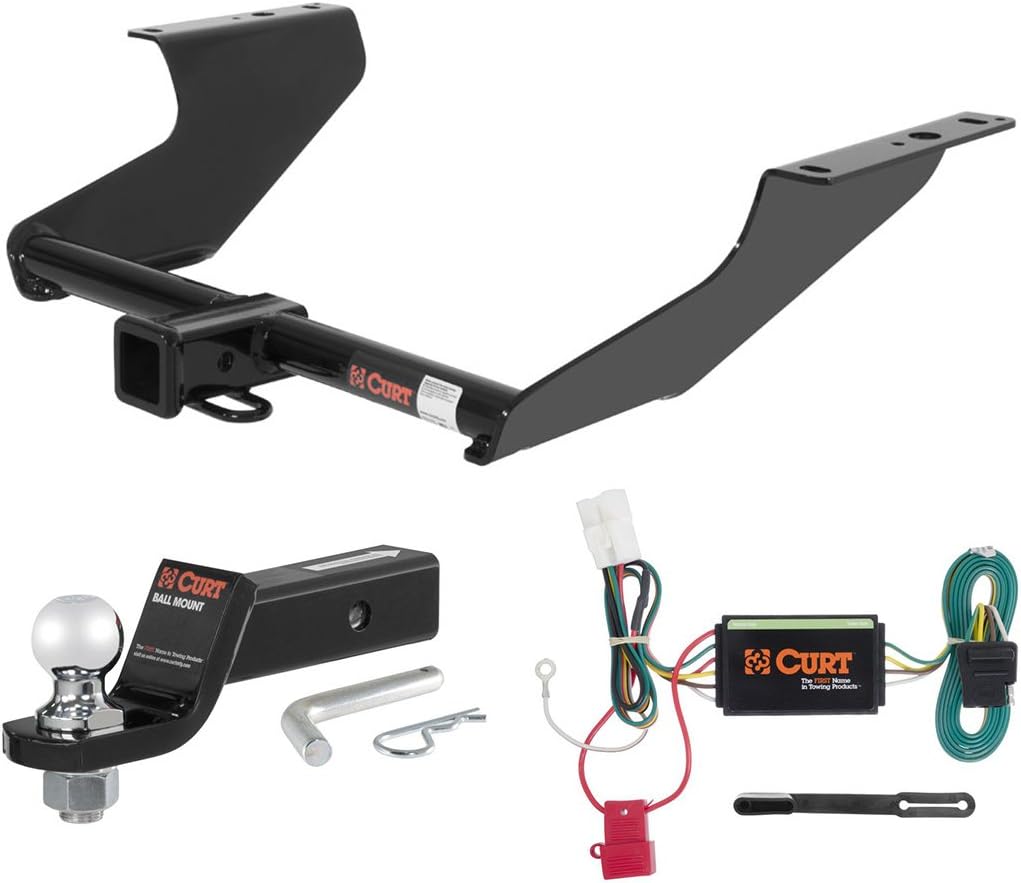
This CURT Class 3 hitch package is a vehicle-specific tow solution for 2009–2013 Subaru Forester owners looking to add routine towing capability. It mounts to the Forester frame and comes with a 2-inch ball so you get a ready-to-use setup rather than sourcing parts separately. Constructed from a mix of alloy steel, carbon steel and stainless components, the assembly emphasizes strength and corrosion resistance for seasonal use and occasional towing. Typical uses include small trailers, bikes on a carrier, and light utility loads within a Class 3 rating. Installation is straightforward for a capable DIYer: bolt-on mounting points and a single integrated drawbar simplify fitment and reduce installation time compared with modular kits. The package approach keeps fitment correct for the targeted model years but means the kit is specific to those Foresters and not universal. Expect solid build quality and reliable day-to-day towing performance, though heavier commercial towing or trailer setups beyond the vehicle manufacturer limits will need a higher-capacity solution.
Best for: DIY-minded Forester owners who need a dependable, ready-to-install hitch for light towing and frequent use while prioritizing proper fit and corrosion-resistant construction.
Less Ideal for: Drivers who plan heavy commercial towing, need a multi-vehicle hitch, or want a modular hitch that accepts a wide range of aftermarket accessories.
- Vehicle-specific design ensures correct fitment for 2009–2013 Forester models
- Includes a 2-inch ball so the hitch is ready to tow out of the box
- Mixed steel construction offers strength with improved corrosion resistance
- Class 3 capacity covers most light trailer, cargo carrier, and bike rack needs
- Kit is limited to the specified Forester years and not suitable for other vehicles
Verdict: The best all-around trailer hitch that balances towing capacity, build quality, corrosion protection, and straightforward installation for most DIY owners.
2. APS Trailer Hitch Receiver for Subaru Forester 2009–2013
Best Budget Trailer Hitch

| Compatible vehicle years | 2009-2013 Subaru Forester |
|---|---|
| Material Type | Carbon Steel |
| Finish Type | Powder Coated |
| Automotive Fit Type | Vehicle Specific Fit |
This APS trailer hitch receiver provides a straightforward, vehicle-specific towing solution for Subaru Forester models from 2009 through 2013. It is a bolt-on design that includes mounting hardware and a rubber hitch cover and is intended for basic towing tasks where a reliable, no-frills receiver is required. Constructed from carbon steel with a black powder-coat finish and additional rust-resistant coating, it aims to resist corrosion during regular use. Installation is mostly bolt-on but notes that drilling may be required on some vehicles, so expect a modest DIY effort or a quick shop install. The hitch meets standard safety testing references and is suitable for everyday towing of small trailers, cargo carriers, or bike racks. Limitations are typical for budget-focused receivers: fit and finish are utilitarian, corrosion resistance is good but not premium, and specialized towing features or higher capacity options are not part of this design.
Best for: Buyers who prioritize an affordable, factory-style receiver that delivers safe, practical towing for light to moderate everyday use and prefer a straightforward bolt-on install path.
Less Ideal for: Shoppers who need maximum towing capacity, advanced features, or a premium corrosion-resistant finish should consider higher-end or specialized hitches instead.
- Vehicle-specific fit for 2009–2013 Subaru Forester simplifies installation and alignment
- Carbon steel construction with powder-coat and rust-resistant coating for basic durability
- Includes mounting hardware and a rubber hitch cover so no extra parts are needed
- Bolt-on installation design keeps installation straightforward for competent DIYers or shops
- Drilling may be required during installation on some vehicles, adding time and complexity
Verdict: The best budget trailer hitch for buyers who need a safe, no-frills towing solution that trims cost while still meeting basic load and durability needs.
3. CURT Class 3 Trailer Hitch 2-Inch Receiver for Subaru Forester
Best 2-Inch Receiver Trailer Hitch
| Receiver size | 2 inches |
|---|---|
| Gross trailer weight | 4,000 lbs |
| Tongue weight | 400 lbs |
| Material | Carbon Steel |
| Finish type | Gloss black powder coat with liquid undercoat |
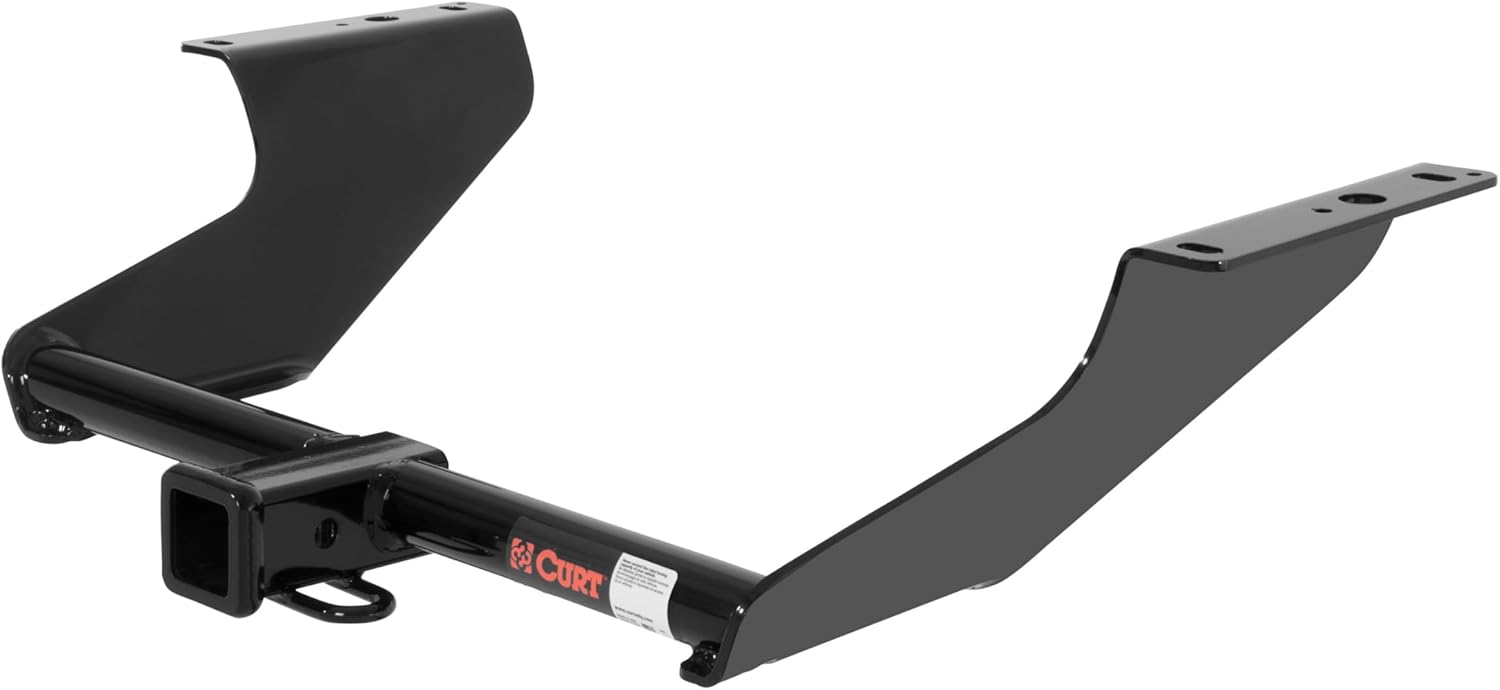
This CURT Class 3 trailer hitch is a custom-fit receiver engineered to mount at the rear of select 2009–2013 Subaru Forester models and converts the vehicle to a standard 2-inch x 2-inch towing receiver. It is built from high-strength carbon steel with precise welding and a co-cured liquid undercoat plus black powder coat for corrosion and chip resistance. Rated for 4,000 lb gross trailer weight and 400 lb tongue weight, the hitch is suited to tow midweight trailers, small campers, boats and utility loads while also accepting common 2-inch accessories like ball mounts, cargo carriers, and hitch-mounted racks. Installation is vehicle-specific to preserve a factory-style fit and is typical of bolt-on custom hitches, so you should expect a straightforward fitment using existing mounting points. The design focuses on durability and everyday towing rather than lightweight or modular features, and its fitment must be checked against the Forester application list to confirm compatibility with your model year and trim.
Best for: Buyers who need the wider 2-inch receiver for standard towing accessories and plan to haul midweight trailers from a 2009–2013 Subaru Forester, prioritizing a strong, vehicle-specific installation.
Less Ideal for: Anyone seeking a universal or multi-vehicle hitch solution or those who need higher-capacity towing beyond the listed 4,000 lb GTW should consider other class options.
- Vehicle-specific design for a custom, factory-style fit on compatible Forester years
- 2-inch receiver widely compatible with heavier loads and standard hitch accessories
- 4,000 lb gross trailer weight and 400 lb tongue weight capacity suitable for campers, boats, and utility trailers
- Durable carbon steel construction with co-cured undercoat and powder coat for rust and chip resistance
- Compatibility limited to specific Subaru Forester years so you must verify exact fitment before purchase
Verdict: The best trailer hitch with a 2-inch receiver, ideal for owners who require the wider, more versatile receiver size for heavier loads and standard accessories.
4. maXpeedingrods 2" Class 3 Trailer Hitch Receiver for Subaru Forester 2009–2013
Best Heavy-Duty Trailer Hitch

| Receiver size | 2 inches |
|---|---|
| Class rating | Class 3 |
| Gross trailer weight | 4000 LBS |
| Tongue weight | 600 LBS |
This maXpeedingrods Class 3 trailer hitch installs at the rear of Subaru Forester model years 2009 through 2013 to provide a factory-style 2-inch receiver for towing and accessory mounting. Built from heavy-duty steel with a powder-coated finish, it is designed for repeated towing use and resists corrosion in wet conditions. The hitch is rated for a 4,000 lb gross trailer weight and 600 lb tongue weight, so it accommodates midweight trailers, cargo carriers, and most bike racks without overstress. Included rubber hitch cover helps keep debris and moisture out of the receiver when not in use. Expect a bolted installation that follows vehicle-specific fitment points; professional installation or a strong DIY skillset is recommended to ensure correct torque and alignment. The unit adds real towing capability to Foresters but does add weight and requires following the published GTW and TW limits and proper trailer setup for safe use.
Best for: Buyers who tow frequently with a Forester and prioritize higher rated towing capacity and a durable steel receiver built for regular, demanding use.
Less Ideal for: Drivers who only need occasional lightweight hauling or who prefer a removable or lower-profile hitch setup should consider lighter or different mounting options.
- Vehicle-specific fit for Subaru Forester 2009–2013 for straightforward alignment and mounting
- Solid heavy-gauge steel construction with powder-coat to resist rust during repeated towing
- Class 3 2-inch receiver supports common towing accessories and most midweight trailers
- 4,000 lb GTW and 600 lb tongue weight ratings suitable for frequent moderate towing
- Rubber hitch cover included to keep the receiver tube clean and protected when not in use
- Adds substantial mass to the rear which may affect lift/handling when not loaded
- No hardware or torque specs are listed in the product details so installation may require sourcing bolts or professional fitment
Verdict: The best heavy-duty trailer hitch for users who need higher rated towing and tongue weights and stronger materials for frequent or demanding towing tasks.
5. Tuxtreme 2" Class 3 Trailer Hitch Receiver for Subaru Forester 2009–2013
Best Easy-Install Trailer Hitch

| Pull Force | 4000 pounds |
|---|---|
| Automotive Fit Type | Vehicle Specific Fit |
| Material Type | Carbon Steel |
| Finish Type | Powder Coated |
This Tuxtreme 2-inch Class 3 hitch is designed to mount directly to the Forester frame points and provides a straightforward bolt-on installation for DIYers. Built from carbon steel with a powder coat and additional undercoating, it aims to resist corrosion and handle regular towing use. Rated for 4,000 pounds GTW and 400 pounds tongue weight, it fits common uses like utility trailers, bike racks, cargo carriers, and small campers. The package includes mounting hardware, a rubber hitch cover, and instructions, and installation typically requires only basic hand tools and some drilling on most vehicles. Because it is vehicle-specific, alignment and fitment are simplified compared with universal hitches, which speeds installation and reduces the need for modifications. The hitch meets SAE J684 testing standards, offering a level of structural assurance for towing tasks. Buyers should plan for a weekend install and have a jack or stands to safely support the rear of the vehicle during the bolt-on process.
Best for: DIY-focused owners of 2009–2013 Subaru Forester who want a direct-fit, bolt-on hitch that minimizes fabrication and fitment guesswork and can be installed with basic tools.
Less Ideal for: People who want a no-drill, factory-install alternative or who prefer professional installation with no vehicle lifting or alignment work.
- Vehicle-specific design that mounts to factory frame points for simpler alignment
- Includes all mounting hardware, DIY instructions, and a hitch rubber cover
- Powder coated with additional undercoating for improved corrosion resistance
- Class 3 rating with 4,000 lb GTW and 400 lb tongue weight suitable for common towing accessories
- Most installs require drilling, so some drilling tools and basic mechanical skill are needed
Verdict: The best easy-install trailer hitch for DIYers who prioritize a straightforward bolt-on installation with clear instructions and minimal special tools required.
Choosing the Right 2009-2013 Subaru Forester Trailer Hitch: Key Factors to Consider
Receiver Class and Size
Receiver class and size determine what towing gear you can use and the maximum loads the system supports. For the 2009-2013 Forester, many owners use a 2 inch receiver, which is compatible with a wide range of ball mounts, cargo carriers, and bike racks. Choosing the correct class ensures the hitch matches the vehicle's towing capability and prevents undersized hardware from being overstressed.
When evaluating receiver class, inspect the hitch's stamped ratings and the vehicle's tow limits. A heavier-duty receiver may offer extra durability, but it will not increase the Forester's factory tow capacity; instead, it provides a margin of safety for repeated towing or heavier accessories. Confirm that accessories you plan to use are rated for the receiver size you select.
Towing and Tongue Weight Ratings
Trailer hitch weight ratings are the primary safety measure for towing. Two numbers matter: the gross trailer weight (GTW) and the maximum tongue weight (TW). The GTW is the maximum total weight the hitch assembly is rated to tow, while TW is the downward force the trailer tongue places on the hitch. Both must be within the vehicle's published limits.
For the Forester, pay attention to tongue weight limits when carrying heavy loads or using a cargo carrier, because exceeding TW affects steering and braking. Look for hitches with clearly stamped or documented weight ratings and note whether the rating applies to towing with a ball mount or just a cargo accessory. Conservative matching of hitch rating to your typical loads improves safety and longevity.
Fitment and Bumper Clearance
Proper fitment reduces noise, vibration, and the need for bumper trimming. A vehicle-specific hitch designed for the 2009-2013 Forester will use factory mounting points and avoid interference with exhaust outlets, sensors, or rear fascia components. Correct alignment also helps maintain ground clearance and departure angles, important for driveways and rough roads.
Check whether the hitch requires removal or modification of the bumper fascia and whether the design includes cutouts for factory sensors. A tidy fitment that hides under the bumper protects the hitch from road debris and improves appearance. If you rely on a specific accessory like a rear-mounted bike rack, verify the clearance when the rack is installed.
Installation Complexity
Installation difficulty affects whether you can DIY or need professional help. Some hitches install with hand tools and factory hardware, while others require drilling, trimming, or removal of heat shields. For the Forester, a bolt-on kit that uses existing weld nuts usually reduces install time and cost and lowers the chance of installation errors.
Consider available instructions and whether the hitch kit includes all required bolts, washers, and spacers. If wiring for trailer lights is needed, factor in routing and connector mounting. Time, tools, and whether you have a jack and stands are practical considerations that influence total installation effort.
Corrosion Resistance and Finish
Hitches are exposed to road salt, water, and grit, so coatings and material thickness matter. A durable powder-coat or e-coat finish with adequate weld protection helps prevent surface rust from compromising structural integrity over time. For drivers in climates with winter road treatment, extra corrosion protection prolongs service life.
Also inspect welded joints and plated hardware for consistent coverage. Some hitches include additional undercoatings or zinctreated hardware to resist galvanic corrosion. Choosing a hitch with proven rust-resistance features reduces maintenance and replacement frequency.
Accessory Compatibility and Electrical Provisions
Think beyond the hitch itself to the accessories you will use. A standard 2 inch receiver accepts a wide range of ball mounts, cargo carriers, and accessory adaptors. Confirm whether the hitch location and receiver orientation allow for your chosen accessories without obstructing the rear bumper or license plate.
Additionally, plan for trailer wiring: some hitch designs include attachment points for trailer wiring modules or pass-through grommets. If you intend to use trailer brakes or lighting, ensure there is a clean mounting area near the rear bumper for the connector and that wiring can be routed safely to the vehicle harness.
Why Vehicle-Specific Hitches Matter
Vehicle-specific hitches are engineered to match the Forester's frame geometry and mounting points, which reduces the need for cutting or fabrication. That fitment precision improves load distribution and minimizes stress on body panels and underbody components.
A bespoke design also helps avoid interference with exhaust, sensors, and suspension parts. For owners who want a near-factory appearance and predictable installation, a Forester-specific hitch is usually the simplest and most reliable choice.
- Uses factory mounting locations when possible
- Preserves ground clearance and bumper lines
- Reduces installation time and potential fitment issues
Common Installation Steps and Time Expectations
Typical installations for a 2009-2013 Forester trailer hitch involve raising the vehicle, removing the spare tire if necessary, and accessing the rear frame rails. Many kits require aligning the hitch to existing weld nuts and securing it with supplied hardware. Expect a few hours for a DIY install if you have basic tools and a lift or jack stands.
Some hitches need trimming of the fascia or temporary removal of heat shields; others are truly bolt-on with no permanent modifications. If trailer wiring is part of the job, add time for routing the harness and mounting the connector near the bumper. Professional installation is an option when fabrication or wiring complexity exceeds your comfort level.
- Prepare with jack stands, torque wrench, and good lighting
- Allow extra time for wiring and test fitting accessories
- Follow torque specs to ensure safe, long-term attachment
Wiring and Electrical Considerations
Towing lights and trailer brakes require proper wiring and sometimes a controller. For the Forester, plan where the connector will mount and whether you will use a dedicated harness or splice into the factory harness. A vehicle-specific wiring kit reduces the risk of electrical issues and typically plugs into existing connectors.
If your trailer uses electric brakes, include a brake controller in your planning and ensure the vehicle wiring and hitch location provide a safe path for the controller wiring. Keep all wiring clear of heat sources and moving parts and secure it with clips or zip ties to prevent chafing.
- Use vehicle-specific wiring harnesses when available
- Mount connectors away from splash zones where possible
- Test all lighting functions before towing
Maintaining Your Hitch for Longevity
Regular inspections help catch corrosion or loose hardware before they become safety issues. Periodically check welds, bolts, and the finish, and touch up any chips in the protective coating. Keep the receiver tube clean and free of debris that can trap moisture.
When not towing, consider removing removable accessories to reduce load on the hitch and decrease exposure to elements. Apply anti-seize or corrosion inhibitor to fasteners if you live in coastal or salted-road environments.
- Inspect bolts and welds every few months or after heavy use
- Clean and dry the receiver tube after wet drives
- Recoat exposed metal areas if paint is chipped
Common Use Cases and Matching Hitch Features
Different owners use hitches for cargo carriers, bike racks, small trailers, or boat dollies. If you primarily carry a cargo carrier, prioritize tongue weight capacity and rear clearance. For occasional light towing, a standard 2 inch receiver with adequate GTW is typically sufficient.
If you expect to tow heavier loads or use weight-distributing setups, check that the hitch rating and receiver orientation are compatible with those accessories. Choosing a hitch that aligns with your primary use case prevents the need to upgrade later.
- Cargo carriers: prioritize tongue weight and clearance
- Bike racks: ensure receiver orientation and pin access
- Light trailers: confirm GTW and TW ratings match trailer specs
Still looking for the perfect fit?
Select your Subaru Forester configuration to see the most relevant Trailer Hitches recommendations
How We Chose the Best 2009-2013 Subaru Forester Trailer Hitch
We shortlisted trailer hitches for the 2009-2013 Subaru Forester using measurable, vehicle-specific criteria to ensure safe and practical towing. Key evaluation points included structural fitment to the Forester frame and factory mounting points, published maximum tongue and gross trailer weight ratings, and whether the design preserves ground clearance and rear departure angles for common driving conditions.We also considered receiver size and class, attachment methods and hardware quality, corrosion resistance of finishes, and compatibility with typical hitch accessories such as ball mounts and wiring brackets. Ease of installation was assessed based on the amount of suspension or bumper trimming required, whether drilling is necessary, and the clarity of installation instructions. Finally, we factored in long-term durability indicators like weld quality and plate thickness.Excluded items included universal or non-vehicle-specific hitches that require major fabrication and any hitches with insufficient published weight ratings for common Forester towing tasks. The resulting list focuses on hitches that balance safe towing capacity, straightforward installation, and serviceable durability for this Subaru model.
Our full evaluation process is outlined in our review methodology.
FAQ
Can I install a trailer hitch on my 2009-2013 Forester myself?
Often you can, if the hitch is a bolt-on kit that uses factory weld nuts and you have basic tools and jack stands. Allow several hours and follow torque specifications. If drilling or bumper modification is required, professional installation may be safer.
Do I need a wiring harness to tow lights on the Forester?
Usually yes. A dedicated wiring harness or vehicle-specific plug-in kit simplifies wiring and avoids splicing into factory circuits. If your trailer has brakes, you will also need a compatible brake controller mounted inside the vehicle.
What receiver size should I choose for common Forester uses?
A 2 inch receiver is the most common choice and supports most ball mounts, cargo carriers, and bike racks. Choose a receiver class that matches your planned GTW and tongue weight to maintain safety margins.
How do I know the hitch weight rating is safe for my Forester?
Compare the hitch's stamped GTW and tongue weight ratings to the vehicle's published towing capacities. Both the hitch and the vehicle limits must be observed; do not exceed the lower of the two ratings.
Will a hitch affect my Forester's ground clearance?
It can. Some hitch designs tuck under the bumper to preserve ground clearance, while others hang lower. Choose a design that maintains adequate clearance for typical driveways and off-road conditions you encounter.
How often should I inspect the hitch on my Forester?
Inspect the hitch and fasteners every few months and after heavy towing or exposure to salted roads. Look for loose bolts, rust progression, and any deformation around welds or mounting points.
Final Verdict
Prioritize a hitch that matches the 2009-2013 Subaru Forester's mounting points, rated towing capacity, and your most frequent towing tasks. Balance receiver size and rating with installation complexity and corrosion protection to find the best long-term fit for your needs.Choose conservatively when in doubt: match the hitch rating to the loads you realistically tow, plan for proper wiring and torqueing during installation, and maintain the assembly to keep towing safe and reliable over time.
Explore More:
- Check out all Subaru Forester parts & accessories
- Explore Other Accessories
- Browse all Accessories
