

Note: This article contains affiliate links. If you click on these links and make a purchase, I may earn a small commission at no extra cost to you. This helps support my research and content. Read my full affiliate disclosure here.
Picking the right tires for your Subaru Outback Limited affects safety, comfort, and fuel economy more than most owners realize. The Limited trim often carries larger wheel sizes and a focus on a quieter, more refined ride, so matching a tire that balances wet and dry traction with a comfortable ride and reasonable tread life matters.This guide covers the top seven options shortlisted for the Outback Limited and explains how we evaluated each choice for things like tread pattern, ride comfort, winter capability, and long-term wear. Use the quick overviews that follow and the buying guidance to decide which tire fits your typical driving conditions and priorities.
Looking for other parts? See all Subaru Outback parts & accessories.
Top Picks at a Glance
| Best Overall The best all-around choice for most situations | Continental ProContact TX All-Season Touring Tire 235/60R18 |  |
| Best Quality Built to a higher standard if you want something more solid | MICHELIN CrossClimate2 All-Season Tire 235/60R18 107V XL | 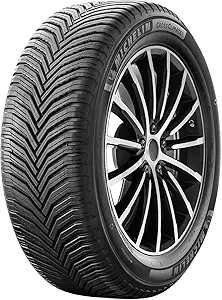 |
| Best Value The sweet spot between price and what you get | Sailun Atrezzo SH408 All-Season Tire 225/65R17 102H |  |
| Best Budget The cheapest option that still gets the job done reliably | Accelera Eco Plush All-Season 225/60R16 Truck/SUV Tire |  |
| Highest Rated A top-rated pick with lots of positive feedback | Falken Wildpeak A/T Trail 245/60R18 All-Terrain Tire |  |
| Most Popular A crowd favorite that many people choose with confidence | STARFIRE Solarus AS All-Season 225/60R17 99H Tire |  |
| Best Seller A high-volume bestseller chosen again and again | Fullway HP108 All-Season Performance Tire — 205/55R16 (set of 4) |  |
1. Continental ProContact TX All-Season Touring Tire 235/60R18

| Rim Size | 18 inches |
|---|---|
| Load Index | 103 |
| Speed Rating | H |
| Maximum Pressure | 51 psi |
| Seasons | Year Round |
The ProContact TX is a touring all-season tire built to deliver predictable grip and a comfortable ride for everyday driving. It is typically used as a factory-style replacement on midsize crossovers and passenger cars, offering symmetrical tread for even wear and confident wet braking. Notable features include ContiSilent and ContiSeal on select sizes, a 103 load index rated to carry standard loads, and a mileage-backed limited treadwear coverage. In practice the tire provides a quiet, smooth highway ride with adequate light-snow traction and responsive handling in wet conditions, making it a good match for mixed commuting and family driving. Limitations include modest off-road capability and no claim of deep-snow or winter-optimized performance, so drivers in heavy-snow regions should consider a dedicated winter tire for the coldest months.
Best for: Drivers seeking a quiet, comfortable all-season touring tire that handles wet roads and light snow well for everyday commuting and family driving.
Less Ideal for: People who frequently drive in deep snow, sustained ice, or off-road conditions should opt for purpose-built winter or off-road tires instead.
- Balanced year-round traction with good wet braking performance
- Comfort-oriented design that reduces road noise for quieter rides
- Includes ContiSilent and ContiSeal on select sizes for added comfort and puncture resilience
- Mileage-backed limited treadwear coverage for long service life
- Not optimized for heavy snow or severe winter conditions
Verdict: A comfortable, low-noise all-season touring tire that balances wet performance and longevity for everyday driving.
2. MICHELIN CrossClimate2 All-Season Tire 235/60R18 107V XL

| Size | 235/60R18 107V XL |
|---|---|
| Tread Depth | 10 32nds |
| Tread Type | Directional |
| Maximum Pressure | 50 PSI |
| Special Features | 60,000-mile warranty; PIANO Noise Reduction Tuning |
The MICHELIN CrossClimate2 is a premium all-season tire built to deliver strong braking and long tread life for crossover and SUV applications. In everyday use it prioritizes wet and dry stopping power with a directional tread that maximizes road contact to resist hydroplaning and shorten stopping distances even as the tire wears. Michelin highlights a compound designed to adapt to changing road conditions and offers PIANO noise reduction tuning for reduced cabin noise. The XL load rating and 107 load index mean it supports heavier loads common on loaded Outbacks. Real-world benefits include confident all-season performance, an expected improvement in tread life versus several competitors, and a comprehensive 60,000-mile treadwear warranty. The trade-offs are typical for a premium touring all-season: it is not a dedicated winter tire for severe snow and the directional tread may limit rotation options compared with non-directional patterns.
Best for: Drivers who want a high-performing, long-lasting all-season tire that emphasizes confident braking and low noise for everyday driving and highway miles on a Subaru Outback Limited.
Less Ideal for: Drivers who need a dedicated winter tire for frequent deep snow or icy mountain use or those who prefer non-directional tires for maximum rotation flexibility.
- Excellent wet and dry braking thanks to a tread compound and pattern optimized for contact and hydroplaning resistance
- Long tread life backed by a 60,000-mile treadwear limited warranty
- PIANO noise reduction tuning reduces road noise for a quieter ride
- XL 107V load rating supports heavier loads and cargo
- Directional tread improves wet grip and straight-line stability
- Not intended as a winter-rated tire for heavy snow or ice conditions
Verdict: Choose the CrossClimate2 for confident all-season braking and long tread life on a Subaru Outback Limited when you prioritize performance and low road noise.
3. Sailun Atrezzo SH408 All-Season Tire 225/65R17 102H

| Size | 225/65R17 |
|---|---|
| Load Range | SL |
| Construction Type | Radial |
| UTQG | 420-A-A |
| Tread Type | Asymmetrical |
The Sailun Atrezzo SH408 is an all-season radial tire intended for everyday passenger use, with a tread pattern and four circumferential grooves that help channel water and reduce hydroplaning. It is typically used as a replacement tire for daily-driven vehicles, offering a quieter ride thanks to its staggered lug design and an optimized footprint for stability. The manufacturer backs the tire with a 55,000-mile limited tread-life coverage, which points to its targeting of long-term value rather than high-performance handling. Notable features include an asymmetrical tread for grip in varied conditions and a UTQG rating of 420-A-A indicating good treadwear and traction. Practical benefits include predictable wet-weather braking and a comfortable ride for commuting and light touring. Limitations are that this tire is positioned as a budget to midrange option, so drivers seeking top-tier wet grip, spirited handling, or winter-specific performance may prefer premium or dedicated all-weather tires instead.
Best for: A practical buyer who wants a cost-conscious, long-lasting all-season tire for daily driving and commuting on a Subaru Outback Limited without sacrificing ride comfort.
Less Ideal for: Drivers who need aggressive handling performance, dedicated winter traction, or high-performance summer grip should consider premium or specialty tires instead.
- All-season tread with four circumferential grooves to improve wet traction and resist hydroplaning
- Asymmetrical, optimized footprint and staggered lug design for a quiet, comfortable ride
- 55,000-mile limited tread-life backing for long-term value
- High UTQG treadwear rating (420) suggesting durable tread life
- Designed for general all-season use so it does not match performance or severe winter tires for extreme conditions
Verdict: Choose the Sailun Atrezzo SH408 for a quiet, durable all-season tire that delivers reliable wet and dry performance at a budget-friendly value for everyday Outback use.
4. Accelera Eco Plush All-Season 225/60R16 Truck/SUV Tire

| Rim Size | 16 Inches |
|---|---|
| Load Index | 102 |
| Speed Rating | W |
| Load Capacity | 1874 Pounds |
| Seasons | Year Round |
The Accelera Eco Plush is an all-season radial tire built for light trucks, SUVs, and passenger vehicles that need a durable, mileage-oriented replacement. It is typically used as a direct replacement tire for daily driving and mixed weather conditions, delivering a claimed 45,000-mile treadlife and an XL load range for heavier loads. Notable features include a non-directional symmetrical tread, a W speed rating for confident highway speeds, and a 51 psi maximum inflation for stable handling. In practical terms this tire favors longevity and predictable wet and dry traction over aggressive handling or winter performance; the tread design and construction make it a sensible choice for drivers who want solid everyday ergonomics and lower replacement frequency. Trade-offs are its modest ply rating and tread depth compared with premium all-season or true all-weather tires, so drivers in severe winter or sporty driving conditions may notice less grip. For routine commuting and light towing on an Outback Limited, it is a capable, value-oriented option.
Best for: Drivers prioritizing a low-cost, longwearing all-season tire for everyday commuting and occasional light hauling on their Outback Limited.
Less Ideal for: Drivers who regularly encounter heavy snow, ice, or who demand sharp handling at the limit should consider a dedicated winter tire or a higher-performance all-season alternative.
- Claimed 45,000-mile treadlife for longer replacement intervals
- All-season tread design provides balanced wet and dry traction
- XL load range supports higher payloads and light towing
- W speed rating allows sustained highway speeds
- Modest ply and tread depth compared with premium or true winter tires
- Not optimized for severe snow or aggressive spirited driving
Verdict: A cost-conscious, long-life all-season tire that gives reliable everyday traction and higher load capacity for drivers who want value over winter or high-performance specialization.
5. Falken Wildpeak A/T Trail 245/60R18 All-Terrain Tire

| Rim Size | 18 Inches |
|---|---|
| Load Index | 105.0 |
| Speed Rating | H |
| Tread Type | Asymmetrical |
| Ply | 6-Ply |
The Falken Wildpeak A/T Trail is an all-terrain tire built for CUVs and smaller SUVs that delivers confident grip off-road without much compromise on pavement. It pairs a silica-based compound and an optimized tread for steady on-road handling and even wear, while deep 3D Canyon sipes and 11/32 tread depth give extra biting edges for wet and winter traction as the tire wears. The tire's crossover-specific construction and rugged upper sidewall improve stability for taller unibody vehicles and add protection against rocks and trail debris. A 65,000-mile limited treadlife backing suggests long service life under normal driving. Limitations include a non-winter seasonal designation in the spec block despite manufacturer snowflake claims, and a slightly heavier, more aggressive design that may increase road noise and rolling resistance compared with highway-focused touring tires. Overall this is a durable, versatile choice when you need dependable year-round performance plus occasional off-road capability.
Best for: Buyers who prioritize durable, reliable tires that handle mixed driving including occasional trails and want long tread life and robust sidewall protection for a crossover-style vehicle.
Less Ideal for: Drivers who mostly do long highway miles seeking the quietest, most fuel-efficient touring tire or those who need a dedicated winter tire for severe snow conditions.
- Crossover-specific construction improves handling and stability on unibody SUVs
- Deep 11/32 tread and 3D Canyon sipes boost wet and winter traction as tread wears
- Rugged upper sidewall and 2-ply construction resist off-road damage
- Silica-based compound and optimized design promote even wear and long treadlife
- Designed for all-terrain use so it may be noisier and less fuel-efficient than highway touring tires
- Specified as non-winter in the features despite enhanced winter traction claims
Verdict: Choose this tire if you want a crossover-focused, long-lasting all-terrain tire that reliably handles on-road driving and occasional off-road abuse.
6. STARFIRE Solarus AS All-Season 225/60R17 99H Tire

| Rim Size | 17 Inches |
|---|---|
| Load Index | 99.0 |
| Speed Rating | H |
| Tread Type | Symmetrical |
| Seasons | Year Round |
The STARFIRE Solarus AS is an all-season touring tire aimed at drivers who prioritize mileage, comfort, and predictable traction. It uses a re-engineered tread compound, a solid center rib for stability, and shoulder control technology with deep slots and biting edges to improve wet grip and lateral control. The variable pitch tread helps reduce road noise, making highway miles quieter, and the tire is M+S rated for light mud and snow. With a 50,000-mile treadwear warranty and a load capacity listed at 1,709 pounds for the 99 load index, this tire suits everyday commuting and long-distance driving where steady wear and a smooth ride matter. Limitations include its touring-oriented construction, which favors comfort over aggressive winter or sporty performance, and the 4-ply build that is lighter duty than some premium touring tires. Buyers should expect solid all-season behavior rather than specialized snow or high-performance summer handling.
Best for: Drivers who want a quiet, comfortable all-season replacement with long tread life and consistent everyday traction for commuting and long highway miles.
Less Ideal for: Drivers who need heavy snow traction, winter-specific tires, or high-performance handling should look for purpose-built winter or performance tires instead.
- Long 50,000-mile treadwear warranty for extended service life
- All-season compound and tread design deliver reliable wet and dry traction
- Variable pitch tread and solid center rib reduce highway noise and improve stability
- M+S rating provides light snow capability for year-round use
- Designed for touring comfort rather than aggressive winter or high-performance driving
Verdict: Choose this tire if you want a budget-friendly, quiet all-season touring tire that prioritizes long tread life and steady everyday performance.
7. Fullway HP108 All-Season Performance Tire — 205/55R16 (set of 4)

| Size | 205/55R16 |
|---|---|
| Tread Type | Asymmetrical |
| Load Capacity | 1356 Pounds |
| Load Range | SL |
| UTQG | Treadwear 380, Traction A, Temperature A |
The Fullway HP108 is an all-season performance passenger tire offered in 205/55R16 and sold here as a four-pack for a full-vehicle replacement. It uses an asymmetrical tread pattern intended to balance wet traction and steering response, and its UTQG ratings (Treadwear 380, Traction A, Temperature A) indicate respectable durability and grip for everyday driving. Typical use is highway commuting and light spirited driving in mixed weather rather than heavy snow or aggressive performance driving. The 4-ply SL load rating and radial construction suit standard passenger car load demands. Practical benefits include a focus on long tread life and reliable wet traction at a budget price point, plus the convenience of replacing all four tires at once. Important limitations are that this is a value-brand tire where noise, ride refinement, and high-performance handling will likely lag premium touring or OEM replacement tires, and it is not specialized for severe winter conditions.
Best for: Drivers of a Subaru Outback Limited who prioritize reliable year-round wet traction and long tread life at a lower cost and want a straightforward full-vehicle replacement.
Less Ideal for: Drivers seeking premium comfort, quiet highway touring, high-performance handling, or dedicated winter traction should consider higher-tier or season-specific tires instead.
- Asymmetrical tread designed for balanced wet traction and steering response
- UTQG 380/ A/ A indicates above-average treadwear and good wet traction
- Sold as a set of four for full-vehicle replacement convenience
- 4-ply radial construction meets standard passenger load requirements
- Value-brand tire so cabin noise and ride refinement may be inferior to premium options
- Not engineered for severe winter or heavy snow driving
Verdict: Choose the Fullway HP108 if you want an affordable, all-season set that emphasizes wet grip and long tread life for everyday driving on your Subaru Outback Limited.
Choosing the Right Subaru Outback Limited Tires: Key Factors to Consider
Tire Size and Load Rating
Ensuring correct tire size and load rating is the first priority for the Outback Limited. The vehicle often uses larger wheel diameters and may carry additional passenger or cargo weight, so selecting a tire that matches the recommended overall diameter prevents speedometer and handling issues. The load rating indicates how much weight each tire can safely support; choosing a tire with an insufficient load rating can risk premature damage or unsafe handling.
Fitment also affects clearance and rubbing during suspension travel. If you plan to add roof cargo or tow occasionally, account for the extra load when reviewing ratings. Avoid guessing sizes—consult your vehicle placard or owner manual and cross-check the tire sidewall codes when shopping so the tires you pick maintain factory handling characteristics.
Wet and Dry Traction
Traction in wet and dry conditions directly influences braking distances and cornering confidence. The Outback is frequently driven in rainy climates, so a tire with strong wet-grip compounds and effective water evacuation channels reduces hydroplaning risk. Look for asymmetric or directional tread patterns that channel water away and for compound formulations that maintain grip at typical local temperatures.
Dry traction matters for responsive steering and highway stability. Tires that prioritize longevity sometimes compromise ultimate grip, so balance the need for long tread life against the Outback Limited's handling expectations. Consider how often you drive spiritedly versus commuting; prefer higher-traction choices if you value sharper response.
Winter Capability and Seasonal Use
If you encounter snow or freezing temperatures, winter capability becomes a major decision factor. All-season tires can handle mild cold but lose flexibility in very low temperatures, which reduces traction. Dedicated winter tires maintain pliability and have tread designs with extra sipes for biting edges in snow and slush. For many Outback Limited owners, the choice is between year-round convenience and the safety benefits of a winter tire set.
Assess local winter severity and how often you travel on untreated roads. If winters are harsh, a separate winter tire set with proper studs or a softer compound can significantly shorten stopping distances and improve control. For milder winters, a high-performing all-season with good winter markings may be the best compromise.
Ride Comfort and Noise
A quiet, comfortable ride is part of the Outback Limited ownership experience. Tire construction, tread block design, and compound stiffness all influence road noise and perceived comfort. Touring-oriented tires typically have smaller, more uniform tread blocks and special noise-reduction technology to lower cabin sound.
Consider how much highway driving you do; longer trips make noise and comfort more salient. Tires that prioritize comfort may trade off a small amount of ultimate cornering grip or tread life, so weigh those tradeoffs against your driving habits. Also remember that proper installation, balancing, and wheel alignment contribute heavily to the perceived ride quality.
Tread Life and Wear Patterns
Tread life determines how often you replace tires and affects long-term ownership cost. Treadwear ratings and user-reported lifespan give an indication, but actual wear depends on alignment, driving style, and road surfaces. Choose a tire with a tread compound and pattern designed to wear evenly across the contact patch to avoid cupping or feathering.
Rotating tires on schedule and keeping the vehicle aligned will extend life. For owners who keep their Outback Limited for many years, a tire with a longer projected tread life often makes sense, while those who prioritize peak performance may accept faster wear for better traction.
Braking Performance and Handling Balance
How a tire performs under braking and during evasive maneuvers affects real-world safety. Look for tires that offer predictable, linear feedback and maintain contact with the road under load. The Outback's all-wheel-drive system helps traction, but tires still determine stop distances and cornering limits.
Handling balance between understeer and oversteer is important for confident driving in wet or twisty roads. Tires with stable shoulder blocks and reinforced sidewalls can improve steering response while maintaining a compliant ride. Consider the type of driving you do and choose a tire whose braking and handling characteristics match that use.
Understanding Tire Types for the Outback Limited
Tire categories—touring, all-season, summer, and winter—affect daily driving on the Outback Limited. Touring and grand-touring tires prioritize comfort, low noise, and tread life, which fits the Limited's refined focus. All-season tires aim to handle a wide range of conditions but vary widely in winter performance depending on compound and tread design.
Summer-oriented tires are designed for warm temperatures and deliver sharper steering and shorter braking distances in dry conditions, but they lose grip in cold weather. Dedicated winter tires use softer compounds and aggressive siping to improve traction on snow and ice. Match the tire type to your local climate and driving needs rather than choosing solely on marketing labels.
- Touring: comfort and mileage
- All-season: balanced performance for varied climates
- Summer: high dry grip in warm temperatures
- Winter: optimized for cold, snow, and ice
How Tread Patterns Affect Snow and Wet Performance
Tread pattern geometry influences water evacuation and snow traction. Directional patterns excel at channeling water away at highway speeds and reduce hydroplaning risk, while asymmetric patterns can separate dry and wet performance zones across the tread.
For snowy conditions, look for deep grooves and high siping density to provide more biting edges. A tire with interlocking tread blocks can also improve stability while maintaining traction in slush and packed snow. Consider pattern details alongside compound information to judge likely winter capability.
- Directional patterns: strong water evacuation
- Asymmetric patterns: tuned dry and wet sections
- High siping: improved snow and ice bite
Matching Tires to Driving Habits and Load
Think about typical routes and load. If you spend most time on highways with a modest load, prioritize low rolling resistance and comfort. If you regularly carry gear and passengers or tow light loads, ensure the tire load rating and sidewall strength support the extra weight without sacrificing stability.
Owners who frequently drive on rough or unpaved roads may prefer tires with tougher sidewalls and a tread pattern that resists cuts. Conversely, if you value sharp handling for twisty roads, a performance-oriented touring tire may suit better than a long-life oriented compound.
- Highway commuters: comfort and low rolling resistance
- Heavier loads: higher load rating and reinforced sidewalls
- Rough roads: durable construction and cut-resistant tread
Maintaining Tire Health on the Outback Limited
Routine maintenance extends tire life and preserves safety. Regularly check tire pressure to the recommended values, inspect for uneven wear, and rotate tires at manufacturer-recommended intervals. Proper balancing and alignment keep handling crisp and prevent premature wear patterns.
Monitoring tread depth and using the wear indicators will tell you when replacement is needed. Also watch for sidewall damage or bulges after hitting potholes; such damage can compromise safety and should be inspected promptly.
- Check pressure monthly
- Rotate every 6,000 to 8,000 miles or as recommended
- Balance and align after replacing tires or if vibration appears
Installation, TPMS, and Calibration Notes
When replacing tires on the Outback Limited, ensure the tire pressure monitoring system is reset or calibrated as required. New tires and wheels can change TPMS readings, so address that during installation. Proper torque on lug nuts and following the vehicle manufacturer's torque specs prevents wheel issues.
Have the installer perform a dynamic balance and check for wheel runout. If you change to a tire with a different rolling circumference, recheck speedometer accuracy and consider recalibration if necessary to maintain accurate vehicle systems.
- Reset TPMS after installation if required
- Use manufacturer torque specs for lug nuts
- Request dynamic balancing and runout checks
Still looking for the perfect fit?
Select your Subaru Outback configuration to see the most relevant Tires recommendations
How We Chose the Best Subaru Outback Limited Tires
We focused on criteria that matter specifically for Subaru Outback Limited owners and the driving roles those vehicles commonly fill. Primary evaluation factors included wet and dry traction performance, since the Outback is often used in mixed weather; ride comfort and noise levels, reflecting the Limited trim's expectation for a quieter cabin; and tread life projections based on manufacturer ratings and tread compound design.We also weighted winter capability for those who drive in snow and cold conditions, looking at tread pattern, siping density, and any winter-rated markings. Fuel economy impact and rolling resistance were considered for owners who prioritize efficiency on long commutes. Finally, fitment compatibility and load capacity were checked against typical Limited wheel sizes to ensure safe load ratings and correct overall diameter.We excluded tires that do not meet the Outback Limited's recommended load rating, those with incompatible overall diameters, and specialty tires intended primarily for high-performance sports cars or heavy-duty trucks. Tires with limited user feedback or unclear wear data were also left out to keep the shortlist practical and reliable.
Our full evaluation process is outlined in our review methodology.
FAQ
How often should I replace tires on my Outback Limited?
It often depends on mileage, driving style, and road conditions. Many tires last between 40,000 and 70,000 miles, but inspect tread depth yearly and replace when depth approaches 4/32 inch for wet safety. Also replace if you see sidewall damage, bulges, or uneven wear that cannot be corrected by alignment.
Can I use all-season tires for winter in my area?
All-season tires can handle mild winters but may not perform well in heavy snow or prolonged freezing temperatures. If your area sees frequent snow or icy roads, switching to dedicated winter tires provides significantly better traction and shorter stopping distances.
Does tire balancing and alignment really matter for ride comfort?
Yes, proper balancing and alignment are essential for a smooth ride and even tread wear. Unbalanced tires cause vibration at certain speeds, while misalignment leads to rapid or uneven wear and can reduce handling precision.
How do I read the tire size guide on the sidewall?
The sidewall shows a sequence like P225/60R17 where numbers indicate width, aspect ratio, and wheel diameter. The load index and speed rating appear after that. Always match the overall diameter and load rating to the vehicle recommendations to maintain accurate speedometer readings and safe load capacity.
What does the tire tread wear indicator mean?
Tread wear indicators are raised bars in the grooves that appear when the tread depth nears the legal minimum. When these bars are flush with the tread, it signals the tire needs replacement for safe wet traction.
Are cheap tires safe for the Outback Limited?
Lower-cost tires can be safe if they meet the correct size and load ratings, but they often sacrifice long-term wear, noise, or wet traction. Weigh the short-term savings against potential earlier replacement or reduced performance in adverse conditions.
Final Verdict
For Subaru Outback Limited owners, prioritize tires that match the vehicle's load and wheel specifications while delivering the right balance of wet traction, ride comfort, and tread life. If you face regular winter weather, consider a dedicated winter set; otherwise, a high-quality all-season or touring tire will usually provide the most balanced everyday performance.Make choices based on your typical routes, cargo needs, and how much you value comfort versus ultimate grip. Proper installation, regular maintenance, and timely replacement are as important as the tire choice itself in keeping your Outback Limited safe and comfortable on the road.
Explore More:
- Check out all Subaru Outback parts & accessories
- Explore Tires Maintenance & Repair Guides
- Explore Wheels & Tires
- Browse all Auto Parts
