

Note: This article contains affiliate links. If you click on these links and make a purchase, I may earn a small commission at no extra cost to you. This helps support my research and content. Read my full affiliate disclosure here.
Choosing the right tires for your Subaru Outback Wagon directly affects safety, fuel economy, and ride comfort. The Outback Wagon spends time on pavement, gravel, and occasional snow, so tire selection should balance wet and dry traction, durability, and a comfortable ride.This guide covers seven shortlisted tire options that suit the Outback Wagon's handling and load needs. We evaluate each choice for traction in common New England and mountain conditions, tread life expectations, and comfort. Read on to understand the criteria we used and which characteristics matter most for this vehicle before you pick the set that fits your driving routine.
Looking for other parts? See all Subaru Outback parts & accessories.
Top Picks at a Glance
| Best Overall The best all-around choice for most situations | MICHELIN Primacy A/S Touring Tire 225/65R17 102H |  |
| Best Quality Built to a higher standard if you want something more solid | Bridgestone Alenza AS Ultra 225/65R17 Highway All-Season Tire |  |
| Best Value The sweet spot between price and what you get | BFGoodrich Advantage Control All-Season Tire 205/60R16 92H |  |
| Best Budget The cheapest option that still gets the job done reliably | STARFIRE Solarus AS All-Season 195/65R15 91H Tire |  |
| Highest Rated A top-rated pick with lots of positive feedback | Hankook Kinergy ST H735 All-Season Touring Tire (205/60R15 91T) |  |
| Most Popular A crowd favorite that many people choose with confidence | Falken Wildpeak A/T Trail 225/65R17 All-Terrain Tire |  |
| Best Seller A high-volume bestseller chosen again and again | STARFIRE Solarus AS All-Season Touring Tire — 225/65R17 102H | |
1. MICHELIN Primacy A/S Touring Tire 225/65R17 102H

| Size | 225/65R17 |
|---|---|
| Load Index | 102 |
| Speed Rating | H |
| Tread Type | Symmetrical |
| Seasons | Year Round |
The MICHELIN Primacy A/S is a touring, all-season passenger tire built for steady, comfortable performance on paved roads. It is typically used as a replacement tire for mid-size crossovers and wagons that prioritize a quiet ride and predictable handling in dry, wet, and light winter conditions. The tire’s symmetrical tread and 10/32 tread depth suggest even wear and long tread life while the 102 load index supports higher payloads found on loaded family vehicles. A 51 psi maximum pressure and radial construction help deliver stable highway manners and responsive steering. Practical benefits include reduced road noise, comfortable ride quality, and confident wet traction for commuting and long-distance driving. Limitations are that this is a touring all-season tire, so it will not match dedicated winter tires in heavy snow or match sport tires for very aggressive cornering, and buyers seeking extreme off-road or winter performance should look elsewhere.
Best for: Buyers who want a comfortable, quiet touring tire that handles daily commuting and long highway miles reliably on a family wagon like the Outback.
Less Ideal for: Drivers who need a dedicated winter tire for heavy snow or those seeking high-performance summer grip or off-road capability.
- Designed for year-round touring use with balanced dry and wet performance
- Symmetrical tread and deep initial tread depth for even wear and longevity
- High 102 load index suitable for heavier loads or fully loaded wagons
- Radial construction and 51 psi max pressure for stable highway handling
- Not optimized for severe winter conditions or deep snow
- Not designed for aggressive performance driving or off-road use
Verdict: A comfortable, long-wearing all-season touring tire that suits Outback owners looking for quiet, dependable highway and everyday performance.
2. Bridgestone Alenza AS Ultra 225/65R17 Highway All-Season Tire

| Size | 225/65R17 |
|---|---|
| Load Index | 102 |
| Speed Rating | H |
| Tread Type | Directional |
| Seasons | Year Round |
The Bridgestone Alenza AS Ultra 225/65R17 is an all-season highway tire aimed at drivers who want a quiet, long-lasting replacement for crossover and wagon applications. It uses a high-silica compound and Snow Vices to boost wet and light-snow traction, while QuietTrack technology reduces tread noise for a more comfortable cabin experience on long drives. With a directional tread and a 4-ply radial construction, this tire balances straight-line stability and predictable handling for daily highway and suburban use. The 80,000 mile limited warranty highlights its focus on longevity, but that durability comes from a tread tuned more for rolling efficiency and wear than for aggressive cornering performance. Buyers should expect confident wet braking and lower cabin noise, and adequate light-winter capability, but those who seek sharp steering response or maximum performance driving dynamics will notice the tire leans toward comfort and life span instead of sporty grip.
Best for: Drivers who prioritize a quiet, long-wearing all-season tire for daily highway and mixed-condition driving on an Outback-style wagon and want reliable wet and light-snow performance.
Less Ideal for: Enthusiasts seeking maximum cornering grip or track-capable performance should consider a dedicated performance summer or all-weather tire instead.
- High-silica compound and Snow Vices improve wet and light-snow traction
- QuietTrack technology reduces tread noise for a quieter ride
- Directional tread and radial construction provide stable highway handling
- Backed by an 80,000 mile limited warranty for long tread life
- Designed for comfort and longevity rather than sharp, sporty handling
Verdict: Choose this tire if you want a quiet, long-lasting all-season option that improves wet and light-snow traction for your Outback-style wagon.
3. BFGoodrich Advantage Control All-Season Tire 205/60R16 92H

| Rim Size | 16 inches |
|---|---|
| Load Index | 92 |
| Speed Rating | H |
| Tread Type | Symmetrical |
| Seasons | Year Round |
The BFGoodrich Advantage Control is an all-season radial tire engineered for everyday driving on cars and crossover-style wagons like the Subaru Outback. It combines a symmetrical tread and a g-Wedge sidewall stabilizer to improve steering precision and deliver a quieter, more comfortable ride compared with some competitors. The compound and tread design aim to resist hydroplaning and shorten wet braking distances, which is useful for wet Pacific Northwest conditions many Outback drivers encounter. A long limited tread life warranty reflects its focus on longevity for mileage-oriented buyers. Limitations include its focus on on-road performance rather than aggressive off-road traction, so it will not match dedicated all-terrain tires for mud or deep snow. Buyers should also confirm the 205/60R16 92H size fits their Outback trim before purchase because fitment varies across model years and equipment levels.
Best for: Practical Subaru Outback drivers who prioritize a comfortable, quiet daily ride, reliable wet-weather braking, and long tread life for high-mileage highway and suburban use.
Less Ideal for: Drivers who regularly take their Outback on rough off-road trails or need maximum winter traction should choose a dedicated all-terrain or winter tire instead.
- All-season tread for year-round traction in rain and light snow
- G-Wedge sidewall stabilizer contributes to a quieter, more controlled ride
- Engineered to resist hydroplaning and improve wet braking
- Limited tread life warranty covering high mileage on rated sizes
- Not optimized for aggressive off-road or deep-snow conditions compared with all-terrain or winter tires
Verdict: A mileage-focused all-season tire that gives Outback owners a quieter, confident on-road ride with dependable wet-weather braking.
4. STARFIRE Solarus AS All-Season 195/65R15 91H Tire

| Seasons | Year Round |
|---|---|
| Rim Size | 15 Inches |
| Load Index | 91.0 |
| Speed Rating | H |
| Tread Type | Symmetrical |
The STARFIRE Solarus AS is an affordable all-season touring tire aimed at drivers who want steady year-round performance without a big investment. It uses an updated tread compound and a solid center rib to provide controlled handling and reduced highway noise, while deep shoulder grooves and biting edges help maintain wet traction as the tread wears. Typical use is daily driving and highway commuting where predictable grip in rain and a comfortable ride matter more than high-performance cornering. The tire carries a 50,000 mile treadwear warranty and an H speed rating, which makes it suitable for moderate-speed driving on paved roads. Limitations include its budget focus, so it will not match premium touring tires for ultimate wet braking or handling precision, and the 8-ply designation suggests a heavier construction that may slightly affect fuel economy compared with ultra-lightweight designs. For drivers of Subaru Outback wagons seeking an economical, all-season replacement that balances comfort and longevity, this is a practical choice.
Best for: Budget-minded drivers who want a dependable, comfortable all-season tire for daily commuting and highway miles on a Subaru Outback wagon.
Less Ideal for: Drivers who prioritize maximum wet braking, sport handling, or the lightest possible tire for fuel savings should consider higher-tier touring or performance tires instead.
- Updated tread compound and shoulder grooves that improve wet and dry traction
- Solid center rib and variable pitch tread reduce highway noise for a smoother ride
- 50,000 mile treadwear warranty indicates long expected tread life
- H speed rating and 91 load index cover typical passenger car driving needs
- Performance and wet braking do not match premium touring tires
- Heavier 8-ply construction may slightly reduce fuel efficiency compared with lighter alternatives
Verdict: A cost-conscious all-season touring tire that delivers quiet, reliable wet and dry performance with long tread life for everyday Subaru Outback driving.
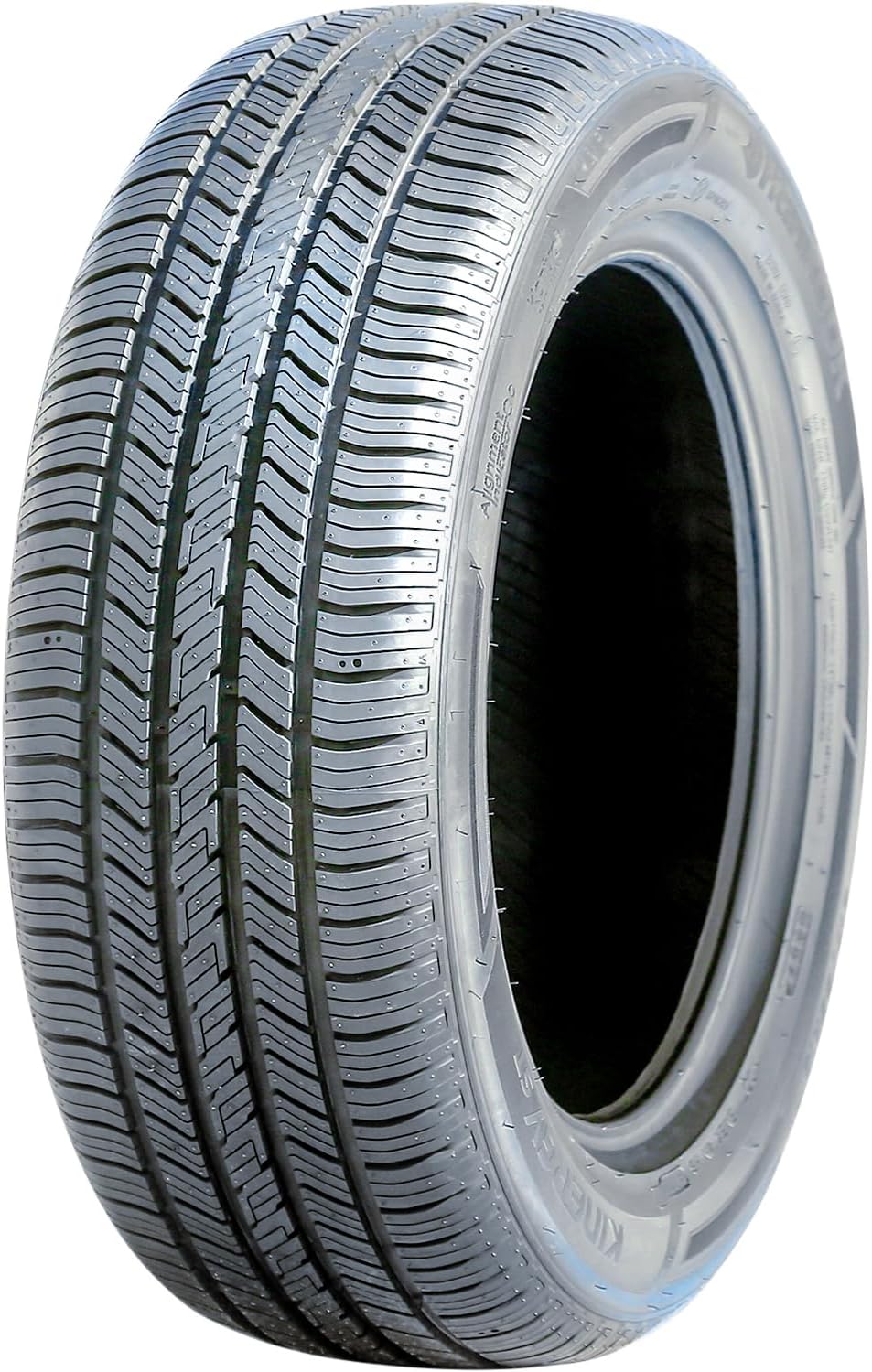
5. Hankook Kinergy ST H735 All-Season Touring Tire (205/60R15 91T)
| Rim Size | 15 inches |
|---|---|
| Load Index | 91 |
| Speed Rating | T |
| Maximum Pressure | 51 psi |
| Seasons | Year Round |
The Hankook Kinergy ST H735 is an all-season touring tire intended for everyday driving on passenger cars. It combines a symmetrical tread and radial construction to deliver predictable handling in dry and wet conditions while aiming for long tread life via a 70,000-mile treadwear warranty. Typical use is daily commuting and long highway miles where comfort and low road noise matter; the tire’s Load Index 91 and T speed rating suit standard passenger applications. Notable features include a universal fit sizing option, a 4-ply construction, and a 51 psi maximum inflation for consistent load support. In practice the tire should feel composed during highway cruising and provide confident wet traction, but it is not a dedicated winter or high-performance summer tire, so expect reduced grip in heavy snow or spirited driving. Buyers seeking a balance of mileage, ride comfort, and reliable year-round performance will find this a sensible factory-quality replacement, while drivers needing specialized winter capability should plan to switch to a winter-specific tire seasonally.
Best for: Drivers who prioritize reliable, high-mileage touring performance and a comfortable daily driving experience for an everyday wagon or sedan.
Less Ideal for: Drivers who need specialized winter traction or aggressive performance handling should consider dedicated winter tires or performance models instead.
- Long treadwear warranty aimed at high mileage driving
- All-season symmetric tread for predictable wet and dry handling
- Touring design prioritizes a comfortable, quiet ride
- Standard load and speed ratings suitable for typical passenger use
- Not designed for heavy snow or severe winter conditions
Verdict: Choose this tire if you want a comfortable, long-lasting all-season touring tire that emphasizes mileage and steady year-round performance.
6. Falken Wildpeak A/T Trail 225/65R17 All-Terrain Tire

| Size | 225/65R17 |
|---|---|
| Load Capacity | 1874 Pounds |
| Tread Depth | 11 32nds |
| Construction Type | Radial |
| UTQG | 680AA |
The Falken Wildpeak A/T Trail is an all-terrain radial tire built for CUVs and smaller SUVs that need a capable, year-round tire for mixed driving. It uses a crossover-specific construction and a silica-based compound to resist uneven wear and provide confident grip on dry and wet pavement, while a deeper tread and 3D Canyon Sipe Technology add bite for snow and loose surfaces. The tire's reinforced upper sidewall and two-ply polyester construction improve puncture resistance and durability when you stray off the beaten path. With a 65,000-mile limited tread-life backing and a Three Peak Mountain Snowflake winter rating, it suits drivers who want a single tire that performs in light off-road, wet, and winter conditions. Expect slightly more road noise and a firmer ride than touring tires because of the aggressive tread, and performance-minded drivers may prefer a dedicated winter or highway tire for extreme conditions or quieter highway cruising. For everyday driving with occasional trails and winter commutes this tire is a practical, confidence-focused choice.
Best for: Buyers seeking a single, reliable tire for an Outback-style wagon who prioritize proven performance across wet, snowy, and light off-road conditions and want evidence-backed durability.
Less Ideal for: Drivers who prioritize the quietest possible highway ride or who need extreme off-road or high-performance summer handling should consider more specialized tires.
- Crossover-specific construction tuned for CUV/SUV handling and stability
- Deep tread with 3D Canyon Sipe Technology for improved wet and winter traction
- Durable 2-ply polyester and rugged upper sidewall for better off-road puncture resistance
- Backed by a 65,000-mile limited tread life for long-term value
- More road noise and firmer ride compared with highway-focused touring tires
Verdict: Choose the Wildpeak A/T Trail if you want a durable, crossover-tuned all-terrain tire that confidently handles wet, snowy, and light off-road driving for a Subaru Outback–style wagon.
7. STARFIRE Solarus AS All-Season Touring Tire — 225/65R17 102H
| Size | 225/65R17 102H |
|---|---|
| Speed rating | H |
| Load index | 102 |
| Tread depth | 9 32nds |
| Seasons | Year Round |
The STARFIRE Solarus AS is an all-season touring tire built for everyday driving and long mileage. Intended for universal fitment on 17-inch rims in the 225/65R17 size, it uses a re-engineered tread compound, a solid center rib and shoulder control features to deliver steady stability, predictable handling, and reduced road noise at highway speeds. Deep shoulder slots and biting edges help maintain wet-weather grip while the symmetrical tread and variable pitch pattern aim to extend tread life and lower cabin noise. It carries a 50,000-mile treadwear warranty and a 102 load index that supports most midsize crossover and wagon needs. On the downside this is a touring tire rather than a performance or off-road design, so cornering grip at the limit and traction in heavy snow or deep mud will be limited compared with specialized winter or all-terrain tires. Expect a comfortable, fuel-efficient ride for daily commuting and long highway trips, especially if you prioritize mileage and quietness over aggressive handling or extreme winter traction.
Best for: Buyers seeking a dependable, low-noise touring tire for daily driving and long highway miles who prioritize longevity and predictable all-season performance.
Less Ideal for: Drivers who need strong winter-specific traction, high-performance handling at the limit, or off-road capability should choose a specialized winter or all-terrain tire instead.
- All-season compound tuned for wet and dry traction
- Variable pitch symmetric tread reduces highway noise
- Solid center rib and shoulder control improve stability and steering response
- 50,000-mile treadwear warranty for long mileage confidence
- 102 load index suitable for typical midsize wagon loads
- Not designed for severe winter conditions or deep snow use
Verdict: A cost-conscious all-season touring tire that delivers quiet, long-lasting highway performance for everyday wagon use.
Choosing the Right Subaru Outback Wagon Tires: Key Factors to Consider
Tire Size and Load Rating
Choosing the correct tire size and load rating is essential because the Outback Wagon's handling, speedometer accuracy, and safety margins depend on tires that match manufacturer specifications. Use the vehicle placard or owner manual to confirm the factory size range and the minimum load index. Installing a tire with a lower load rating can reduce braking performance and accelerate wear when carrying cargo or towing.
Beyond safety, size affects ride quality and clearance. A taller or wider tire may change gearing and steering response and can interfere with fender clearance if not within the recommended tolerance. When in doubt, stick to the tire sizes listed for the Outback Wagon or consult a trusted installer to ensure the chosen size preserves the vehicle's intended performance.
Seasonal Performance and Weather Ratings
Consider the climates you routinely encounter. For areas with regular snow or icy patches, look for tires with three-peak mountain snowflake markings or dedicated winter-rated designs. All-season tires can be fine for mild winters but often compromise winter grip and braking compared with winter-specific rubber.
If you travel between regions or need year-round convenience, choose a tire that balances wet and winter traction without overly sacrificing tread life. Evaluate manufacturer testing claims for snow and wet braking distances, and consider carrying a second set of wheels with winter tires if you experience prolonged snow seasons.
Tread Life and Warranty
Tire longevity matters for overall cost of ownership and convenience. Look for treadwear warranties and real-world mileage expectations that align with how many miles you drive annually. Higher treadwear ratings usually indicate durable compounds but may trade off some grip, particularly in wet or cold conditions.
Understand warranty coverage caveats, such as prorated mileage limits and requirements for documented rotations. Tires with strong real-world longevity maintain even wear patterns and resist cupping or feathering, which helps prevent premature replacement and preserves stable handling over time.
Wet Traction and Hydroplaning Resistance
The Outback Wagon is often used for commuting and touring in wet conditions, so wet traction is a top safety consideration. Tire compounds and tread patterns designed to evacuate water reduce stopping distances and lower hydroplaning risk. Look for circumferential grooves and siping that maintain contact in standing water.
Consider how tread design balances water evacuation with road noise and rolling resistance. Tires engineered for strong wet performance can also improve driver confidence during sudden downpours and heavy highway spray.
Ride Comfort and Road Noise
Ride comfort is important for a vehicle like the Outback Wagon, which is frequently used for long drives and mixed-surface trips. Tire construction, sidewall stiffness, and tread design influence how bumps transfer to the cabin and how much road noise you hear at speed.
Prioritize tires with noise-reducing features and compliant sidewalls if you value a quiet, cushioned ride. Keep in mind that very soft compounds or oversized knobby treads improve off-road traction but may increase noise and reduce steering precision on pavement.
Maintenance Needs: Rotation, Balancing, and Alignment
Proper maintenance extends tire life and preserves handling. Regular rotation patterns help equalize wear across the Outback Wagon's tires, while correct balancing prevents vibration and premature wear. Wheel alignment ensures the vehicle tracks straight and that steering feels predictable.
Pay attention to recommended rotation intervals and alignment checks, especially after hitting potholes or when changing to a different tire profile. Tires that are sensitive to alignment will show uneven wear faster, so factor maintenance frequency and alignment costs into your decision.
Choosing Between All-Season and Winter Tires
Decide whether you need dedicated winter tires or an all-season compromise based on local weather and driving patterns. In regions with persistent snow and cold temperatures, winter tires with softer rubber compounds and deeper siping provide noticeably better traction and braking. All-season tires are convenient for moderate climates but will not match a winter tire's stopping performance on ice.
If you do not want to swap wheels twice a year, look for all-season tires with strong winter performance markings, but recognize that these still represent a compromise. For frequent mountain travel or long winter commutes, a dedicated winter set on separate wheels often yields the best year-round balance of safety and convenience.
- Winter tires excel in temperatures below 45 F
- All-season tires suit mild winters and mixed driving
- Swapping to a winter set improves braking and confidence
Understanding Tire Tread Patterns and Their Tradeoffs
Tread patterns influence water evacuation, noise, and grip on loose surfaces. Asymmetric treads can offer a mix of dry handling and wet performance, while directional patterns are optimized for straight-line water evacuation and reduced hydroplaning risk. Aggressive, blocky treads help on gravel and dirt but usually increase road noise.
When selecting a tread pattern for the Outback Wagon, weigh the importance of quiet highway cruising against occasional light off-road use. The right pattern will meet your typical mix of highway miles and backroad travel without compromising braking distance.
- Asymmetric: balanced dry and wet handling
- Directional: strong hydroplaning resistance
- Aggressive/All-terrain: better off-pavement grip, more noise
How Tire Pressure and Load Affect Performance
Maintaining the correct tire pressure preserves handling, fuel economy, and tread life. Underinflation increases rolling resistance and heat buildup, which accelerates wear and can reduce fuel economy. Overinflation can decrease the contact patch, causing uneven center wear and a harsher ride.
Load conditions, such as carrying roof cargo or towing small loads, require attention to tire load ratings and recommended pressures. Adjust pressures within the manufacturer's guidance when hauling heavier loads to maintain stability and braking performance.
- Check pressure monthly and before long trips
- Adjust pressure when carrying extra cargo
- Use the vehicle placard for recommended pressures
Noise, Comfort, and Long-Distance Touring
If you frequently use the Outback Wagon for long trips, prioritize tires with a reputation for low noise and comfortable sidewall compliance. Touring-oriented tires often include noise-absorbing features and tread designs meant to reduce harmonic frequencies that become noticeable at highway speeds.
Consider how long highway miles factor into your ownership costs. A quieter tire can reduce fatigue on long drives, while a firmer performance-oriented tire might improve cornering but transmit more road harshness to the cabin.
- Look for touring or grand-touring design cues
- Read technical reviews that measure cabin noise where available
- Balance comfort against handling needs for spirited driving
Practical Tips for Buying and Installation
Record your current tire size, load index, and speed rating before shopping. If you plan to buy tires online, verify shipping and installation options from a local installer and confirm the exact size. Keep an eye on the tire manufacture date code to avoid older stock with degraded rubber.
When having tires installed, request a full service including balancing, torqueing lug nuts to spec, and a basic alignment check if the vehicle tracks off-center. Proper installation prevents early wear and maintains the Outback Wagon's predictable handling.
- Have tires balanced and mount checked at installation
- Request documented torque and a post-install alignment check
- Verify manufacture date codes on new tires to avoid old stock
Still looking for the perfect fit?
Select your Subaru Outback configuration to see the most relevant Tires recommendations
How We Chose the Best Subaru Outback Wagon Tires
We focused on performance attributes and real-world fitment for the Subaru Outback Wagon when assembling the shortlist. Criteria included wet and dry traction, snow capability for regions that see winter weather, tread durability as measured by expected life and warranty coverage, and ride comfort to preserve the Outback's long-distance touring character. We also weighed rolling resistance and noise, since these affect fuel economy and cabin comfort on extended trips.Specifically, we prioritized tires that match recommended size ranges and load ratings for the Outback Wagon, demonstrate consistent braking and handling in mixed conditions, and offer clear manufacturer backing such as mileage warranties or winter ratings where applicable. We excluded options that require wheel or suspension changes, tires intended only for high-performance sports cars, and those with load ratings below the vehicle requirements. Fitment compatibility and common user maintenance needs, such as recommended rotation intervals and alignment sensitivity, were also part of the selection process.
Our full evaluation process is outlined in our review methodology.
FAQ
How often should I replace tires on a Subaru Outback Wagon?
Tire replacement depends on tread depth, age, and wear patterns, but many owners replace tires between 4 and 6 years or when tread depth reaches 2/32 inch. Check tire tread wear indicators regularly and consider replacement earlier if you notice cracking, uneven wear, or reduced wet traction.
Can I use all-season tires if I get snow in winter?
All-season tires can handle light snow and occasional cold snaps, but they do not perform as well as dedicated winter tires in sustained snow or icy conditions. If you encounter regular winter storms, dedicated winter tires will provide better braking and handling.
What tire pressure should I run on the Outback Wagon?
Use the tire pressure recommended on the vehicle placard or owner manual, which accounts for the Outback Wagon's load and suspension tuning. Check pressure monthly and before long trips, and adjust when carrying heavy cargo according to the manufacturer guidance.
Are run-flat tires a good option for the Outback Wagon?
Run-flat tires provide the convenience of limited mobility after a puncture but often have stiffer sidewalls that can reduce ride comfort and increase noise. Their suitability depends on how often you prioritize convenience over comfort and whether the vehicle's spare strategy or repair network supports them.
How important is tire balancing and alignment after installation?
Balancing and a basic alignment check are critical after new tires are installed. Proper balancing prevents vibration and uneven wear, while alignment ensures predictable steering and even tread wear. Skipping these steps can lead to premature replacement and degraded handling.
Final Verdict
When choosing tires for your Subaru Outback Wagon, prioritize the factors that match your driving patterns: select correct size and load rating first, then decide between all-season convenience and winter-specific safety based on local climate. Balance wet traction, tread life, and ride comfort to suit the majority of your miles.Tradeoffs are inevitable: tires that maximize winter grip may wear faster in warm weather, and ultra-quiet touring tires may sacrifice some spirited handling. Focus on fitment, weather capability, and maintenance plans to make a confident selection.
Explore More:
- Check out all Subaru Outback parts & accessories
- Explore Tires Maintenance & Repair Guides
- Explore Wheels & Tires
- Browse all Auto Parts
