

Note: This article contains affiliate links. If you click on these links and make a purchase, I may earn a small commission at no extra cost to you. This helps support my research and content. Read my full affiliate disclosure here.
Choosing the right P215/70R16 tires for your Subaru Outback affects safety, ride comfort, fuel economy, and how the vehicle handles in rain or snow. The Outback's combination of light SUV weight and available all-wheel drive means you want tires that deliver predictable traction, a comfortable ride, and durable tread life for varied driving conditions.This guide covers seven top P215/70R16 options that fit the Outback and explains the evaluation criteria used to shortlist them. You will get practical guidance on traction, noise, and wear so you can match a tire to your driving environment and maintenance habits. Read on for a concise overview before the detailed product list.
Looking for other parts? See all Subaru Outback parts & accessories.
Top Picks at a Glance
| Best Overall The best all-around choice for most situations | Continental CrossContact LX P215/70R16 Touring All-Season Tire |  |
| Best Quality Built to a higher standard if you want something more solid | Bridgestone WeatherPeak Touring Tire 215/70R16 |  |
| Best Value The sweet spot between price and what you get | Mastertrack M-TRAC CUV 215/70R16 100H — Set of 4 Tires (Tire Only) |  |
| Best Budget The cheapest option that still gets the job done reliably | Aplus Comfort HP Touring 215/70R16 100H All-Season Tire |  |
| Highest Rated A top-rated pick with lots of positive feedback | Falken Wildpeak A/T Trail 215/70R16 All-Terrain Tire |  |
| Most Popular A crowd favorite that many people choose with confidence | Firestone All Season Touring Tire 215/70R16 (Load Index 100, Speed S) |  |
| Best Seller A high-volume bestseller chosen again and again | GT Radial Adventuro HT P215/70R16 All-Season Tire |  |
1. Continental CrossContact LX P215/70R16 Touring All-Season Tire

| Rim Size | 16 inches |
|---|---|
| Load Index | 100 |
| Speed Rating | S |
| Maximum Pressure | 44 psi |
| Seasons | Year Round |
The Continental CrossContact LX is a touring all-season tire sized P215/70R16 intended for year-round street use on crossover and wagon platforms. It uses an asymmetrical tread with noise-reducing grooves and stone-rejecting channels to keep road noise down and help resist chipping, which makes daily driving and long highway miles more comfortable. The construction emphasizes lower rolling resistance for modest fuel-economy gains and the tire’s 100 load index supports typical Outback loads. It performs predictably in wet and dry conditions thanks to Continental’s compound and tread design, though it is not marketed as an aggressive winter or off-road tire. Installation is straightforward as a direct fit for vehicles that accept this size, and the 44 psi maximum pressure and standard load rating keep service simple. If you need a quiet, durable touring tire that balances comfort, fuel efficiency, and reliable all-season traction, this model is a strong choice, but owners who encounter heavy snow or require off-road grip should consider a dedicated winter or all-terrain option instead.
Best for: Drivers seeking a balanced, quiet, and fuel-efficient all-season tire for daily driving and highway touring on a Subaru Outback-sized vehicle.
Less Ideal for: Drivers who regularly face deep snow, ice, or off-road terrain and need a dedicated winter or all-terrain tire for those conditions.
- Quiet touring-focused tread reduces road noise for comfortable highway miles
- Asymmetrical tread with stone-rejecting grooves helps resist damage and maintain tread life
- Lower rolling resistance design can improve fuel efficiency during daily driving
- Year-round traction for wet and dry conditions thanks to Continental compound and tread pattern
- 100 load index supports normal passenger/cargo loads for SUVs and wagons
- Not intended for heavy snow or serious off-road use since it is a touring all-season tire
Verdict: A quiet, fuel-efficient touring all-season tire that delivers balanced wet and dry performance for everyday Outback use.
2. Bridgestone WeatherPeak Touring Tire 215/70R16
| Rim Size | 16 Inches |
|---|---|
| Load Index | 100 |
| Speed Rating | H |
| Tread Type | Symmetrical |
| Maximum Pressure | 44 Pound per Square Inch |
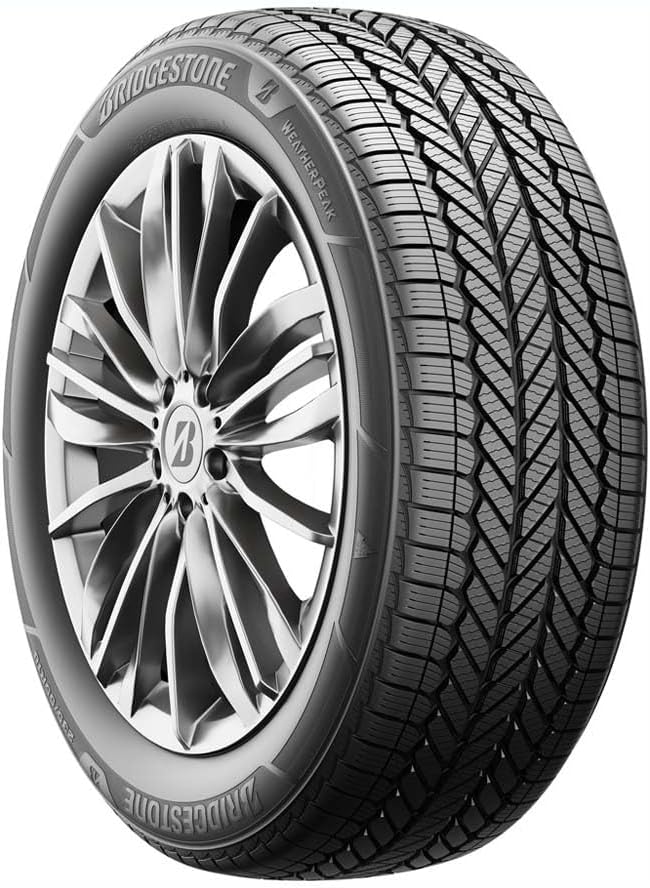
The Bridgestone WeatherPeak in 215/70R16 is a touring all-weather tire aimed at drivers who want year-round traction without switching to dedicated winter rubber. It combines full-depth 3D sipes, evolving groove channels, and open shoulder slots to move water and compact snow out of the contact patch for improved wet and snowy-road grip. In everyday use the tread design favors a comfortable, quiet ride and predictable handling, making it suitable for highway mileage and commuting. The listed 70,000-mile warranty suggests long wear life when rotated and aligned properly. On the downside this is a touring-design tire, so drivers seeking maximum dry grip for spirited driving or track use will find its handling less aggressive than performance summer tires. Also, while it handles light snow well, it is not a dedicated winter tire for deep snow or sustained subfreezing conditions. For Subaru Outback drivers who prioritize secure all-weather confidence with a smooth ride, the WeatherPeak is a strong, low-noise option that balances year-round usability and tread life.
Best for: Buyers who want a single tire that delivers confident wet and light-winter traction with a comfortable, low-noise touring feel for everyday driving.
Less Ideal for: Drivers who prioritize maximum dry grip for spirited driving or who need a purpose-built winter tire for deep snow and very low temperatures.
- All-weather tread with 3D sipes and evolving grooves for improved wet and light-snow traction
- Designed for a quiet, comfortable touring ride on highways and daily driving
- 70,000-mile manufacturer warranty indicating long tread life potential
- Open shoulder slots and water evacuation channels reduce hydroplaning risk
- Not optimized for high-performance dry handling compared with summer or performance tires
- Not a substitute for a dedicated winter tire in heavy snow or extreme cold
Verdict: Choose the WeatherPeak if you want a quiet, long-wearing P215/70R16 that delivers reliable wet and light-snow performance for year-round Outback driving.
3. Mastertrack M-TRAC CUV 215/70R16 100H — Set of 4 Tires (Tire Only)

| Size | 215/70R16 |
|---|---|
| Load Index | 100 |
| Speed Rating | H |
| Tread Type | Directional |
| Seasons | Year Round |
The Mastertrack M-TRAC CUV 215/70R16 comes as a four-pack of all-season radial tires aimed at crossover and CUV applications. Its directional tread, wide lateral grooves, and enhanced siping are tuned to shed water and reduce hydroplaning while improving wet grip and steering response. Shoulder block reinforcement promises more stable cornering and reduced tread squirm for everyday driving, and the 4-ply construction plus a stated 1764-pound load capacity support typical family loads. These tires include a three-year road hazard and tread wear out warranty that covers some premature failures.In practice the design should deliver confident wet traction and a quieter ride than aggressive performance rubber, making them a sensible fit for daily commuting, highway miles, and light cargo duties. Expect reasonable longevity on well-maintained roads, though the performance focus is on comfort and all-season reliability rather than sporty handling or extreme snow traction. Fitment is the factory 215/70R16 size so installation is straightforward on vehicles that accept that size. If you prioritize a balanced, cost-conscious tire for a Subaru Outback-sized crossover, these cover the essentials without unnecessary complexity.
Best for: Buyers seeking a practical, budget-conscious replacement tire for daily driving on a midsize crossover who value wet handling, comfort, and straightforward fitment.
Less Ideal for: Drivers who need dedicated winter traction, high-performance sporty handling, or load ratings for heavy towing should consider specialized tires instead.
- Directional tread and wide drainage grooves that reduce hydroplaning risk in wet conditions
- Reinforced shoulder blocks and enhanced siping for improved cornering stability and even wear
- 4-ply radial construction with a 1764 lb load capacity suitable for typical crossover loads
- Includes a 3-year road hazard and tread wear out warranty for added protection
- Sold as a set of four for quick matching replacements
- Not designed for heavy snow or severe winter conditions where dedicated winter tires are recommended
Verdict: A sensible all-season 215/70R16 tire set for crossover owners who want dependable wet performance and comfort at a practical value.
4. Aplus Comfort HP Touring 215/70R16 100H All-Season Tire

| Size | 215/70R16 |
|---|---|
| Load Index | 100 |
| Speed Rating | H |
| Maximum Pressure | 44 psi |
| Seasons | Year Round |
The Aplus Comfort HP is a budget-focused all-season touring tire that targets everyday driving duties like commuting and light highway use. In 215/70R16 it offers a symmetrical tread with lateral grooves and sipes to help evacuate water and reduce hydroplaning risk, while a flexible compound and optimized tread block layout aim to deliver a comfortable ride and predictable steering. The tire carries a 100 load index and H speed rating, so it supports typical compact SUV or wagon loads and moderate highway speeds. Construction is radial with a 4-ply build and a 44 psi maximum pressure, which should keep sidewall stiffness reasonable without being sporty. Expect decent tread life for the price and usable wet traction, though wet and winter grip will not match premium all-season or dedicated snow tires. This tire is a practical, lower-cost replacement for drivers who prioritize value, comfort, and steady year‑round performance over high-performance handling or deep snow capability.
Best for: Buyers seeking an affordable, factory‑replacement style all‑season tire for routine commuting and mixed road conditions who prioritize value and comfort over sport handling.
Less Ideal for: Drivers who routinely encounter deep snow, severe winter conditions, or who demand high‑performance cornering should consider premium all‑season or dedicated winter tires instead.
- Available in 215/70R16 size suitable for many Outback factory wheels
- Symmetrical touring tread with sipes and grooves improves wet traction and hydroplane resistance
- 100 load index supports typical passenger wagon loads
- Designed for a comfortable, quiet ride for daily driving
- 4-ply radial construction balances durability and cost
- Not optimized for heavy snow or aggressive winter driving compared with dedicated winter tires
- Performance and steering precision lag behind premium touring or all‑season models
Verdict: Aplus Comfort HP delivers an inexpensive, comfortable all‑season replacement in 215/70R16 that suits Subaru Outback owners focused on value and everyday driving.
5. Falken Wildpeak A/T Trail 215/70R16 All-Terrain Tire

| Size | 215/70R16 |
|---|---|
| Load Index | 100 |
| Speed Rating | H |
| Maximum Pressure | 51 psi |
| Construction Type | Radial |
The Falken Wildpeak A/T Trail in 215/70R16 is an all-terrain tire engineered for crossovers and smaller SUVs that need both on-road comfort and occasional off-road durability. Its optimized tread and silica-based compound aim to resist uneven wear for longer tread life while 3D Canyon Sipe Technology and increased tread depth enhance traction in wet and snowy conditions. The tire uses a crossover-specific construction and a rugged upper sidewall with a 2-ply polyester carcass to protect against punctures from rocks and trail debris, making it suitable for light off-road excursions. It also carries a long limited treadlife backing which supports confidence in replacement intervals. Expect a quieter, more predictable on-road feel than aggressive mud tires, but realize this is a balanced all-terrain rather than a hardcore off-roader; peak off-road grip and extreme-mud clearing will be less than specialized MT designs. For drivers prioritizing durable, year-round performance with occasional trails, this is a solid choice.
Best for: Drivers who value dependable, long-lasting all-weather performance on a Subaru Outback-style crossover and who occasionally drive unpaved roads but still prioritize on-road comfort and consistent mileage.
Less Ideal for: Drivers who regularly tackle extreme off-road trails, deep mud, or who need maximum rock-climbing traction should consider a more aggressive off-road specialty tire.
- Crossover-specific construction tuned for CUV/SUV handling and stability
- 3D Canyon Sipe Technology and deeper tread for improved wet and winter traction
- Rugged upper sidewall and 2-ply polyester build for enhanced puncture resistance
- Silica-based compound and optimized design to reduce uneven wear and extend tread life
- Backed by a 65,000-mile limited manufacturer tread life warranty
- All-terrain balance means it is not as aggressive in extreme off-road or deep-mud conditions as dedicated mud-terrain tires
Verdict: Choose the Wildpeak A/T Trail if you want a durable, crossover-tuned all-terrain tire that delivers long tread life and confident year-round traction for an Outback-style vehicle.
6. Firestone All Season Touring Tire 215/70R16 (Load Index 100, Speed S)

| Rim Size | 16 Inches |
|---|---|
| Load Index | 100.0 |
| Speed Rating | S |
| Tread Type | Symmetrical |
| Seasons | Year Round |
The Firestone All Season Touring Tire in 215/70R16 is a highway-focused, vehicle-specific touring tire intended for everyday driving. Its symmetrical tread with deep sipes is designed to hold wet- and light-snow traction while delivering a comfortable, quiet ride for commuting and long-distance miles. Typical use is on passenger cars like the Subaru Outback for all-season commuting, wet-weather braking, and steady handling at posted speeds. Notable features include a 55,000-mile manufacturer mileage backing, a load index of 100 that supports typical mid-size sedan and small SUV loads, and a maximum inflation rating that supports recommended pressure ranges. Practical benefits are predictable handling, longer expected tread life for drivers focused on mileage, and broad all-season capability without aggressive performance compromises. Limitations are that this is a touring tire aimed at comfort and longevity rather than sporty grip or heavy off-road use, and its S speed rating is suitable only for standard driving speeds rather than high-speed performance driving.
Best for: Buyers who prioritize predictable, quiet all-season performance and long tread life for daily driving on a Subaru Outback and want reassurance from a known brand and mileage backing.
Less Ideal for: Drivers seeking high-performance grip, aggressive winter tires, or off-road capability should consider performance or dedicated snow tires instead.
- All-season tread with deep sipes for improved wet and light snow traction
- 55,000-mile manufacturer mileage warranty for long expected service life
- Symmetrical touring design prioritizes ride comfort and low road noise
- Load index 100 supports common mid-size wagon and crossover loads
- S speed rating limits suitability for high-speed spirited driving
Verdict: A dependable, long-life all-season touring tire that delivers quiet, predictable wet and light-snow performance for everyday driving on a Subaru Outback.
7. GT Radial Adventuro HT P215/70R16 All-Season Tire
| Rim Size | 16 Inches |
|---|---|
| Load Index | 99 |
| Speed Rating | T |
| Tread Type | Asymmetrical |
| Seasons | Year Round |
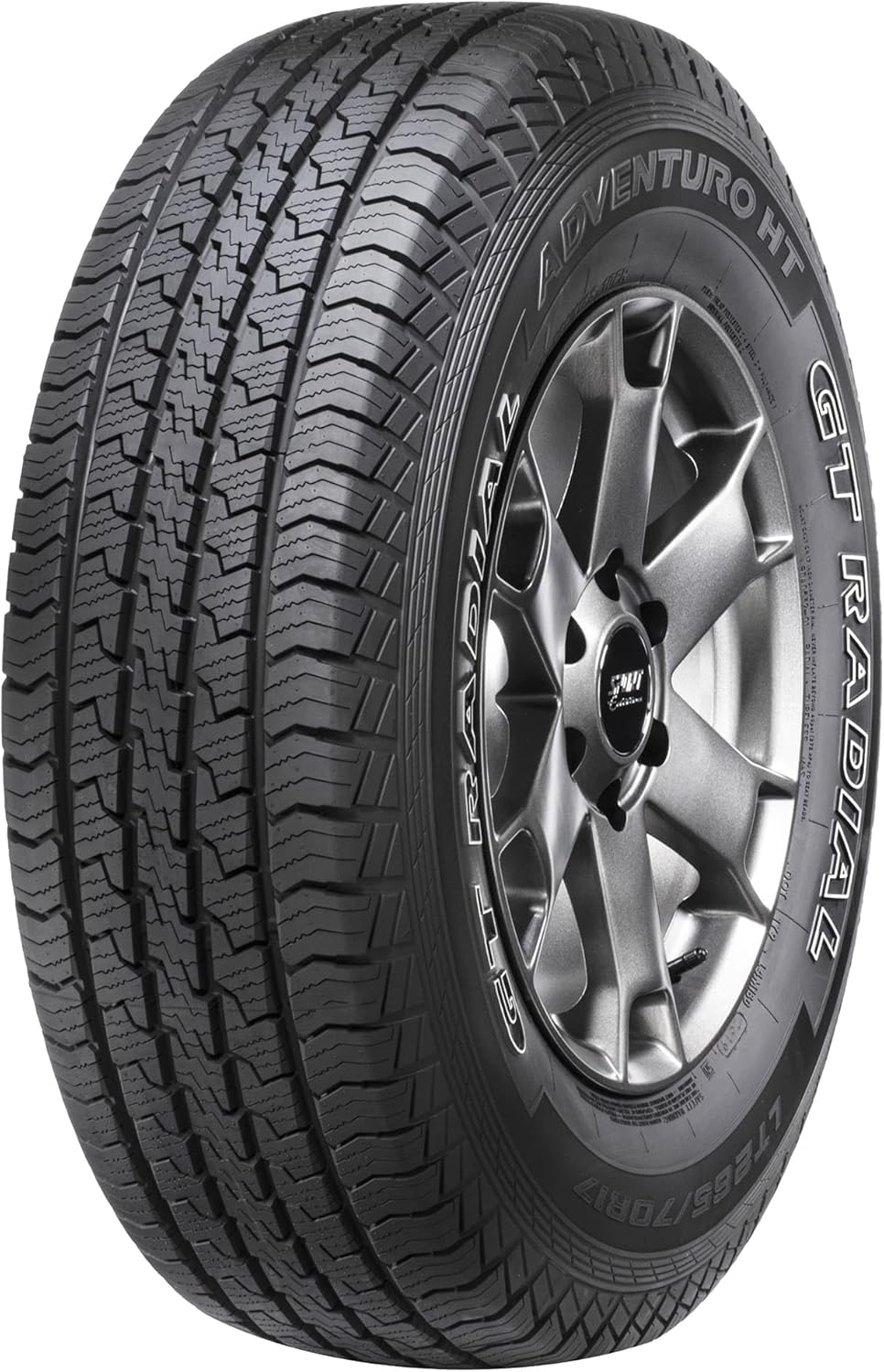
The GT Radial Adventuro HT is an all-season highway-terrain tire sized P215/70R16 intended for light trucks and SUV applications and suitable for everyday driving on a Subaru Outback. Its asymmetrical tread with full-depth wavy sipes and chamfered edges helps repel water and improve grip on wet or light winter roads, while a continuous center rib boosts high-speed stability and reduces braking distance. The design also uses an optimized pitch sequence to lower road noise for a more comfortable cabin experience, and a dual sidewall lets owners choose the appearance they prefer. Backed by a 60,000-mile limited tread-life claim and a 30-day test drive, this tire targets drivers who want predictable, low-stress performance in mixed conditions. Expect solid wet traction and a quiet highway ride, but note this is a highway-terrain all-season tire rather than an aggressive winter or off-road tread, so deep snow or heavy off-road use are outside its intended capability.
Best for: Buyers who prioritize predictable, low-stress year-round performance and a quiet highway ride on a daily-driven Subaru Outback will appreciate this tire.
Less Ideal for: Drivers who need aggressive winter traction or heavy off-road capability should choose a dedicated winter or all-terrain tire instead.
- All-season tread with full-depth sipes for improved wet and light-snow traction
- Continuous center rib that enhances stability and shortens braking distances at speed
- Optimized pitch sequencing reduces road noise for a quieter ride
- Dual sidewall design offers two appearance options to match vehicle styling
- 60,000-mile limited tread-life backing and 30-day test drive for added confidence
- Designed for highway-terrain use so it is not intended for heavy snow or serious off-road driving
Verdict: A conservative, all-season P215/70R16 option that delivers quiet, stable highway performance and dependable wet-weather grip for risk-averse daily drivers.
Choosing the Right Subaru Outback P215/70R16 Tires: Key Factors to Consider
Traction in Wet and Snow Conditions
Traction is one of the most important factors for Subaru Outback owners because the vehicle is frequently driven in wet or variable weather. A tire's compound, tread pattern, and siping determine how well it evacuates water and bites into light snow. For the Outback, you want consistent braking distances and predictable cornering in rain and slush.
Tires with higher traction ratings or winter-oriented siping will provide better grip, but may trade off some tread life or fuel economy. Evaluate real-world wet-braking tests and look for design features such as wide circumferential grooves and multi-directional tread blocks that help resist hydroplaning while maintaining stability.
Tread Life and Warranty
Tread life affects long-term cost and replacement frequency. The Outback is often used for long trips and commuting, so a longer-wearing tire can reduce downtime and expense. Look at manufacturer mileage warranties and independent estimates of wear rates to set realistic expectations.
Remember that actual life depends on driving style, road conditions, and proper maintenance such as rotation and alignment. A tire with a robust tread compound and reinforced casing can better handle uneven surfaces and last longer without sacrificing ride quality.
Ride Comfort and Noise
Subaru Outback buyers often value a composed, quiet ride. Tire construction, tread block stiffness, and noise-absorbing features influence cabin noise and comfort over varying pavement. A softer sidewall and tread designed to minimize harmonic noise will improve long-distance comfort.
If you do a lot of highway driving, prioritize tires engineered for low road noise and consistent damping. Conversely, ultra-stiff performance-oriented tires may give sharper steering feedback but can transmit more noise and harshness into the cabin.
Handling and Steering Response
How a tire responds to steering inputs affects safety and driver confidence. Tires with well-defined shoulders and stable tread patterns maintain contact patch shape during cornering, improving lateral grip and reducing understeer or vague steering feel. For the Outback, predictable handling at normal highway speeds and during evasive maneuvers is more important than extreme high-speed performance.
Consider whether you prefer a more compliant tire that prioritizes comfort or a firmer one that gives quicker response. Balance is key: enough feedback for controlled driving without making the ride unsettled over rough roads.
Seasonal Suitability and All-Season Vs Winter
Deciding between year-round all-season tires and dedicated winter tires depends on local climate and driving habits. All-season tires provide adequate performance across a range of conditions, but dedicated winter tires typically offer superior traction in sustained snow and subfreezing temperatures. The Outback's AWD helps, but tire compound still dictates low-temperature grip.
If you live where winters bring frequent snow or extended cold periods, plan for a winter set. If winters are mild or rare, an all-season tire with good wet and light-snow capability may be the most practical choice.
Load Capacity and Construction
Tire load rating and construction must match the Outback's weight and any cargo or towing you plan to carry. Using the correct load index ensures safe handling and prevents premature wear or failure. Reinforced or touring constructions can offer better sidewall protection and stability under load.
Also consider the tire's ply and belt design for resistance to impacts and durability on mixed surfaces. Tires built to handle heavier loads without sacrificing ride quality are a prudent choice when regularly carrying gear or passengers.
Choosing Between All-Season and Winter Tires
If your area sees extended periods of snow and ice, a dedicated winter tire will deliver significantly better stopping distances and traction than an all-season option. Winter tread compounds stay pliable at low temperatures, and deeper siping patterns help bite into snow.
For drivers in regions with milder winters, a high-quality all-season tire rated for light snow can provide year-round convenience while avoiding the hassle of seasonal swaps. Factor in local road conditions and how often you encounter sustained freezing temperatures when making this choice.
- Winter tires excel below about 45 degrees Fahrenheit.
- All-season tires work well for mixed climates with occasional snow.
- Consider storage and mounting costs if choosing seasonal tires.
Tire Maintenance Practices That Extend Life
Regular maintenance keeps P215/70R16 tires performing longer and safer. Check inflation at least monthly and before long trips; proper pressure ensures even wear and the expected handling characteristics. Rotate tires at recommended intervals to even out wear across positions.
Monitor tread depth and look for uneven wear patterns that may indicate misalignment or suspension problems. Balancing and alignment are simple services that prevent vibration and premature wear, preserving ride quality and safety.
- Check tire pressure monthly and before long trips.
- Rotate tires every 5,000 to 7,500 miles or per owner manual.
- Have alignment checked if you notice pulling or uneven tread wear.
Interpreting Treadwear Ratings and Indicators
Treadwear ratings and wear bars give practical signals about remaining life. The uniform tire code and manufacturer mileage warranties provide estimates, but real-world factors often change outcomes. Use tread depth gauges and inspect the tread wear indicator bars to decide when to replace tires.
Small reductions in tread depth can significantly affect wet traction and braking. Replace tires before they reach the legal minimum; for the Outback, maintaining adequate tread is especially important for wet and snowy driving.
- Tread wear indicators appear as small raised bars across grooves.
- Replace tires when tread reaches 2/32 inch or sooner for wet/snow-prone driving.
- Regularly inspect for sidewall damage and embedded objects.
How Tire Choice Affects Fuel Economy
Rolling resistance varies between tire models and influences fuel consumption. Tires engineered for low rolling resistance can shave fuel use, which is beneficial for drivers covering high mileage. However, the absolute gains are modest compared with driving habits and vehicle maintenance.
When comparing P215/70R16 tires, consider whether slightly better fuel economy is worth potential tradeoffs in traction or tread life. Look for tires that balance efficiency with the grip and durability needed for your driving conditions.
- Lower rolling resistance improves highway fuel economy.
- Eco-oriented tires may trade some wet traction for efficiency.
- Maintain correct pressure to get the rated fuel benefits.
When to Consider Professional Balancing and Alignment
Professional balancing and alignment restore smoothness and correct steering geometry after a tire change, collision, or noticeable vibration. These services reduce uneven wear and ensure the Outback tracks straight, which helps the tires reach their expected life.
If you install new tires, have them balanced and perform a baseline alignment. After hitting potholes or curbs, recheck alignment to avoid progressive wear that shortens tire life.
- Balance new tires to prevent steering wheel vibration.
- Alignment keeps tire contact patch even for predictable wear.
- Recheck alignment after suspension work or impacts.
Still looking for the perfect fit?
Select your Subaru Outback configuration to see the most relevant Tires recommendations
How We Chose the Best Subaru Outback P215/70R16 Tires
We shortlisted P215/70R16 tires based on criteria that matter to Subaru Outback owners and everyday driving. Key evaluation points included wet and dry traction performance, because the Outback commonly sees rain and light snow; tread life estimates, derived from manufacturer-rated warranties and common real-world expectations; and ride comfort, since the Outback is often used for longer commutes and road trips.We also weighed rolling resistance and its impact on fuel economy, plus noise levels reported in tests and user feedback to ensure a quiet cabin. Snow and light-ice handling was considered for options with winter-capable tread designs or ratings. Durability against potholes and sidewall impacts was another factor given typical mixed-surface use.Excluded items included tires sized other than P215/70R16 and tires intended strictly for high-performance sports cars or heavy trucks that do not match the Outback's load and ride profile. Our final selections favor balanced performance, safety, and longevity for Subaru Outback drivers.
Our full evaluation process is outlined in our review methodology.
FAQ
How often should I replace P215/70R16 tires on my Outback?
Tire replacement frequency depends on driving habits, road conditions, and maintenance. Many tires last 40,000 to 70,000 miles under normal use, but check tread depth and inspect for damage regularly and replace sooner if wear is uneven or tread reaches low levels.
Can I use all-season tires year-round on the Subaru Outback?
You can use all-season tires year-round in regions with mild winters. They provide balanced performance in wet and dry conditions but do not match dedicated winter tires in sustained snow or icy conditions.
How important is matching the load rating for P215/70R16 tires?
Matching the correct load index is important to ensure safe handling and to prevent premature wear when carrying cargo or passengers. Use the vehicle's specified load rating as a baseline and choose tires with equal or higher capacity if you regularly carry heavier loads.
Will tire balancing and alignment affect tire wear on my Outback?
Yes, proper balancing and alignment reduce vibration and uneven wear, which extends tire life and maintains steering precision. Have balancing done when mounting new tires and check alignment periodically or after impacts.
How can I tell when tread depth is too low for safe driving?
Measure tread depth with a gauge or check wear bars molded into the grooves. When tread reaches about 2/32 inch you should replace tires; consider replacing earlier if you drive frequently in wet or snowy conditions.
Are cheaper tires a good option for the Outback?
Cheaper tires can be tempting, but they often trade off longer-term durability, wet traction, or noise control. Evaluate overall value by considering tread life, traction performance, and warranty rather than upfront cost alone.
Final Verdict
Prioritize traction, tread life, and ride comfort when selecting P215/70R16 tires for a Subaru Outback. Your local climate and driving style should determine whether to favor a winter-capable tire or a long-wearing all-season option. Maintain proper pressure, rotate regularly, and address alignment to get the most from any tire.Focus on the combination of wet and snow performance, a reasonable treadwear expectation, and quiet ride characteristics to choose confidently. Balancing these tradeoffs will help you find the best fit for how you drive the Outback.
Explore More:
- Check out all Subaru Outback parts & accessories
- Explore Tires Maintenance & Repair Guides
- Explore Wheels & Tires
- Browse all Auto Parts
