

Note: This article contains affiliate links. If you click on these links and make a purchase, I may earn a small commission at no extra cost to you. This helps support my research and content. Read my full affiliate disclosure here.
Choosing the right tires for your Subaru Outback Premium changes how the car feels, handles, and performs in everyday driving and bad weather. The wrong set can reduce grip, increase road noise, or shorten tire life, while the right tires improve wet braking, ride comfort, and durability for your driving routine.This guide covers the seven top picks shortlisted for the Outback Premium, explaining why each type is a strong fit and how we evaluated traction, wear, and comfort. Read on to understand the key tradeoffs and which tire attributes matter most for your Outback Premium.
Looking for other parts? See all Subaru Outback parts & accessories.
Top Picks at a Glance
| Best Overall The best all-around choice for most situations | MICHELIN CrossClimate2 All-Season Tire 235/60R18 XL 107V | 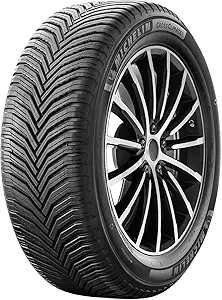 |
| Best Quality Built to a higher standard if you want something more solid | MICHELIN Pilot Sport 4 SUV — 225/60R18 100V (single tire) |  |
| Best Value The sweet spot between price and what you get | Goodyear Assurance Finesse All-Season Tire — 225/65R17 |  |
| Best Budget The cheapest option that still gets the job done reliably | Hankook H737 Kinergy PT All-Season Radial Tire, 225/65R17 102H |  |
| Highest Rated A top-rated pick with lots of positive feedback | Bridgestone Weatherpeak All-Weather Tire 245/60R18 105H |  |
| Most Popular A crowd favorite that many people choose with confidence | Starfire Solarus HT All-Season 245/60R18 105H Tire |  |
| Best Seller A high-volume bestseller chosen again and again | STARFIRE Solarus AS All-Season 225/60R17 99H Tire |  |
1. MICHELIN CrossClimate2 All-Season Tire 235/60R18 XL 107V

| Size | 235/60R18 107V XL |
|---|---|
| Load Capacity | 2149 Pounds |
| Tread Depth | 10 32nds |
| Tread Type | Directional |
| Construction Type | Radial |
The MICHELIN CrossClimate2 is a premium all-season tire designed to deliver confident year-round performance with a focus on safety and longevity. It uses a directional tread and an adaptive compound to improve wet braking and resist hydroplaning, while also claiming shorter dry braking versus several competitors. The tire includes noise reduction tuning for a quieter ride and carries a 60,000-mile treadwear limited warranty that reflects its emphasis on durability. Typical use is daily driving on paved roads and mixed seasonal conditions where predictable braking, low noise, and extended tread life matter. The XL 107V load rating supports heavier loads for crossover and SUV applications. Downsides are typical for a high-performance all-season: it is not a dedicated winter tire for severe snow and ice, and premium construction and warranty mean a higher upfront cost compared with budget all-season options.
Best for: Drivers who want a quiet, durable all-season tire that balances wet and dry stopping performance and long tread life for everyday driving on a crossover or wagon.
Less Ideal for: Drivers who frequently encounter deep snow, prolonged icy conditions, or who need a dedicated winter tire should choose a specialized winter option instead.
- Strong wet braking and hydroplaning resistance from directional tread and adaptive compound
- 60,000-mile treadwear limited warranty signaling long-lasting tread life
- PIANO noise reduction tuning for a quieter ride
- Higher load index (107) and XL rating suitable for heavier crossover/SUV loads
- Not optimized for severe winter conditions compared with dedicated winter tires
- Premium tire construction typically comes with a higher purchase cost
Verdict: Choose this tire if you want a quiet, long-lasting all-season tire that prioritizes wet and dry braking performance for daily driving on an Outback-class vehicle.
2. MICHELIN Pilot Sport 4 SUV — 225/60R18 100V (single tire)

| Rim Size | 18 inches |
|---|---|
| Load Index | 100 |
| Speed Rating | V |
| Tread Type | Asymmetrical |
| Seasons | Year Round |
The MICHELIN Pilot Sport 4 SUV is a performance-oriented all-season tire built for SUVs and crossovers, delivering strong dry-road grip and precise steering feel while still handling wet braking well. It is typically used as a replacement or upgrade for drivers who want sharper handling and a quieter, more comfortable ride compared with standard touring tires. The asymmetric tread and SUV-focused construction aim to extend tread life and resist wear under heavier vehicle loads, and a 100 load index supports typical Outback-sized crossover duty. Expect crisp cornering and predictable response at higher speeds, with Michelin tuning to limit road noise for daily driving. Limitations include that it is a performance tire rather than a dedicated winter design, so traction on ice and deep snow will lag winter-specific options. Also buyers seeking the longest possible tread life or the lowest cost per mile may prefer grand-touring or touring all-season tires instead of this premium performance model.
Best for: Drivers who prioritize sporty handling and precise steering on an everyday crossover and want a premium tire that improves cornering and road feel without sacrificing comfort.
Less Ideal for: Drivers who need maximum winter traction in icy or deep snow conditions or those whose primary priority is lowest upfront cost or maximum treadwear miles.
- Strong dry-road grip and responsive steering for confident handling
- Asymmetrical tread and SUV-specific construction for improved longevity under heavier loads
- Designed to reduce road noise for a more comfortable daily-drive experience
- Not optimized for severe winter conditions or deep snow compared with dedicated winter tires
Verdict: Choose this tire if you want a premium, performance-focused all-season that sharpens handling and reduces road noise on your Outback-class crossover.
3. Goodyear Assurance Finesse All-Season Tire — 225/65R17

| Size | 225/65R17 |
|---|---|
| Load Capacity | 1874 Pounds |
| Tread Depth | 7.6 Millimeters |
| Maximum Pressure | 51 Pound per Square Inch |
| Construction Type | Radial |
The Goodyear Assurance Finesse is a touring all-season tire built for everyday road use where comfort and mileage matter. It uses a symmetrical tread and a specially formulated rubber to lower rolling resistance, which helps fuel economy while still providing grip in wet, dry, and light winter conditions. The tread design emphasizes a quiet, smooth ride and optimized contact area for even wear, so it is typically used on cars, CUVs, and family SUVs driven mostly on paved roads. Practical benefits include predictable handling, long tread life per the optimized contact patch, and a comfortable ride that reduces road noise. Limitations: this is a touring all-season tire rather than a dedicated winter or performance tire, so drivers who need aggressive snow traction or spirited handling will want a specialized winter tire or ultra high-performance alternative. Fitment should be confirmed for your vehicle and wheel size before purchase.
Best for: Buyers prioritizing comfort, predictable all-season performance, and fuel efficiency for daily driving on paved roads who want a long-wearing, low-noise touring tire.
Less Ideal for: Drivers who regularly encounter deep snow, ice, or who demand high performance cornering should choose a dedicated winter tire or a performance-focused tire instead.
- Comfort-oriented tread pattern reduces road noise for smoother daily driving
- All-season compound offers usable traction in wet, dry, and light snow conditions
- Low rolling resistance formulation can improve fuel efficiency and extend range
- Symmetrical tread and optimized contact area promote even treadwear and longer life
- Not intended for heavy snow or ice where a dedicated winter tire is required
Verdict: A comfortable, fuel-efficient touring all-season tire that delivers quiet, long-wearing performance for everyday driving.
4. Hankook H737 Kinergy PT All-Season Radial Tire, 225/65R17 102H

| Rim Size | 17 Inches |
|---|---|
| Load Index | 102.0 |
| Speed Rating | H |
| Tread Type | Symmetrical |
| Seasons | Year Round |
The Hankook H737 Kinergy PT is an all-season touring tire built for everyday driving on pavement. It delivers predictable handling and a quiet ride thanks to its symmetrical tread pattern and touring-focused construction. Typical use is commuting, highway cruising, and light-duty family driving where mileage and comfort matter more than aggressive performance. The 102 load index supports heavier passenger vehicles and the 51 psi maximum pressure provides a wide operating range for road use. Noticeable benefits include comfortable noise levels, stable wet traction for seasonal rain, and a relatively deep tread that should help with wear life. Limitations are that this is not a performance or winter-specific tire, so drivers who regularly face deep snow or want spirited cornering will want a dedicated winter or performance option; also the manufacturer warranty is short at one year. For buyers prioritizing comfort, predictable handling, and good all-season value, the Kinergy PT is a sensible choice for daily driving on paved roads.
Best for: Drivers seeking an affordable, comfortable, and durable all-season touring tire for regular commuting and highway use on a Subaru Outback Premium.
Less Ideal for: Drivers who need dedicated winter traction, high-performance handling, or off-road capability should choose specialized tires instead.
- All-season symmetrical tread for reliable wet and dry traction
- Touring design delivers a quiet, comfortable highway ride
- 102 load index supports heavier passenger cars and light SUVs
- Relatively deep tread depth suggests decent wear life
- Not designed for severe winter conditions or heavy snow performance
- Manufacturer warranty coverage is limited to one year
Verdict: A sensible, budget-friendly all-season touring tire that prioritizes comfort and reliable everyday performance for the Outback Premium.
5. Bridgestone Weatherpeak All-Weather Tire 245/60R18 105H

| Rim Size | 18 inches |
|---|---|
| Load Index | 105 |
| Speed Rating | H |
| Maximum Pressure | 44 psi |
| Seasons | Year Round |
The Weatherpeak is Bridgestone's all-weather touring tire aimed at drivers who want dependable year-round traction without changing tires seasonally. It uses full-depth 3D sipes, snow vices, and open shoulder slots to maintain grip on wet and snowy roads while channeling water to reduce hydroplaning risk. The design emphasizes even wear and tread longevity, backed by a 70,000 mile limited treadwear warranty. For a Subaru Outback Premium, this size and load rating suit light towing and daily driving, delivering a quiet, comfortable ride typical of touring tires and confident traction in mixed conditions. Limitations include that it is a touring all-weather tire rather than a dedicated winter or performance summer tire, so extreme winter conditions or spirited driving will benefit from specialized rubber. Also the listed load capacity entry appears incorrect in the product metadata, so confirm load requirements for heavier loads before buying.
Best for: Buyers who prioritize reliable, low-maintenance year-round traction and long treadlife for everyday driving and occasional winter conditions.
Less Ideal for: Drivers who frequently encounter severe winter conditions, need maximum snow/ice performance, or who prioritize high-performance handling in dry conditions.
- Designed for year-round traction with 3D sipes and snow vices for improved wet and snow grip
- Tread pattern and open shoulder slots help evacuate water to reduce hydroplaning risk
- Engineered for even wear and backed by a 70,000 mile limited treadlife warranty
- Touring construction provides a comfortable, quiet ride suitable for daily driving
- Not a dedicated winter tire so performance in extreme snow and ice is limited compared with studded or winter-specific tires
- Product metadata lists an implausible load capacity value in pounds; verify correct load rating for heavier use
Verdict: Pick the Weatherpeak if you want a comfortable, long-lasting all-weather tire that delivers dependable wet and light-snow traction for a Subaru Outback Premium.
6. Starfire Solarus HT All-Season 245/60R18 105H Tire

| Rim Size | 18 Inches |
|---|---|
| Load Index | 105.0 |
| Speed Rating | H |
| Load Capacity | 2039 Pounds |
| Seasons | Year Round |
The Starfire Solarus HT is a touring all-season tire designed to deliver steady highway manners for vehicles that use 245/60R18 fitments, such as the Subaru Outback Premium when it requires that size. Its symmetrical five-rib pattern and traction sipes aim to provide predictable wet and light-snow grip while the construction focuses on even treadwear and a quiet ride over long miles. You can expect comfortable highway cruising and reduced road noise compared with more aggressive all-terrain options, plus a 50,000-mile treadwear warranty that supports confidence in longevity. It is a budget-oriented tire manufactured by Cooper with M+S mud-and-snow capability, so it handles year-round commuting and family trips rather than deep snow or spirited performance driving. The main compromises are modest winter traction limits compared with dedicated winter tires and fewer high-performance handling cues; if you need stronger grip for heavy snow or sporty driving, choose a specialized tire instead.
Best for: Drivers of a Subaru Outback Premium seeking a quiet, long-lasting all-season touring tire for everyday commuting and family road trips who value proven user satisfaction and warranty support.
Less Ideal for: Drivers who regularly face deep snow, long winter mountain passes, or who demand sporty, high-grip handling should consider winter or performance-specific tires instead.
- Engineered for even treadwear to help the tire last through long highway mileage
- Symmetrical 5-rib pattern and sipes for consistent wet and light-snow traction
- Quiet touring-oriented ride suited to daily commuting and long trips
- Backed by a 50,000-mile treadwear warranty from the manufacturer
- Not designed for heavy snow or extreme winter conditions compared with dedicated winter tires
- Performance handling and cornering grip are moderate rather than sporty
Verdict: A budget-friendly, quiet all-season touring tire with a 50,000-mile warranty that suits Subaru Outback Premium drivers who prioritize longevity and dependable everyday traction.
7. STARFIRE Solarus AS All-Season 225/60R17 99H Tire

| Rim Size | 17 Inches |
|---|---|
| Load Index | 99.0 |
| Speed Rating | H |
| Tread Type | Symmetrical |
| Seasons | Year Round |
The STARFIRE Solarus AS is an all-season touring tire that aims to deliver steady, low-noise driving for everyday use. It uses a re-engineered tread compound, a solid center rib, and shoulder control features with deep slots and biting edges to improve wet and dry grip and directional stability. Typical usage is on commuter sedans and crossovers where mileage, comfort, and predictable handling matter more than extreme performance. The variable pitch tread helps reduce highway noise while the 50,000-mile treadwear promise targets buyers who want long service life. Because it is a universal-fit radial with an M+S marking, it provides basic light snow capability but is not a dedicated winter tire. Expect competent traction in rain and dry pavement, comfortable ride quality, and economical wear, with limited capability in heavy snow or aggressive spirited driving situations.
Best for: Drivers prioritizing a comfortable, quiet ride and long tread life for daily commuting and highway miles who prefer a reliable, conservative choice over sporty performance.
Less Ideal for: People who need dedicated winter traction in heavy snow or those seeking high-performance handling for aggressive driving should consider specialized winter or performance tires instead.
- All-season compound tuned for wet and dry traction
- Solid center rib and shoulder control for stable, predictable handling
- Variable pitch tread reduces highway noise for a quieter ride
- Backed by a 50,000-mile treadwear specification
- M+S rating provides basic light snow capability
- Not intended for severe winter conditions or heavy snowfall
- Performance limits for spirited driving or high-speed cornering
Verdict: A cost-conscious all-season touring tire that delivers quiet, stable highway performance and long tread life for everyday driving.
Choosing the Right Subaru Outback Premium Tires: Key Factors to Consider
Tire Size and Load Rating
Selecting the correct tire size and load rating is the fundamental step for the Subaru Outback Premium. The factory size ensures proper fitment, correct speedometer readings, and intended handling. Choosing a tire with an insufficient load rating can overstress the tire under heavy loads and affect safety.
When replacing tires, use the size printed on the sidewall of your current tires or consult the vehicle placard. Keeping the overall diameter within the manufacturer's tolerance preserves ground clearance and helps the Outback's stability control and traction systems operate as designed. Don't mix drastically different diameters across axles because that can alter all-wheel-drive system behavior and lead to uneven wear.
Tread Pattern and Wet Traction
Tread design determines how effectively a tire channels water away from the contact patch, which impacts hydroplaning resistance and wet braking. For the Outback Premium, which sees mixed weather, a tread that balances straight-line water evacuation with lateral grip is ideal.
Deeper grooves and multiple biting edges generally improve wet performance but can increase road noise. Look for tread compounds and siping patterns that advertise reliable wet stopping distances and predictable mid-corner grip without sacrificing long-term wear.
All-Season Versus Winter Performance
Deciding between all-season tires and a dedicated winter set depends on local climate and driving habits. All-season tires offer acceptable performance across a wide temperature range and are convenient for year-round use. However, they typically cannot match the traction of purpose-built winter tires in sustained snow and ice.
If you encounter regular heavy snow or icy roads, consider a dedicated winter tire for those months to improve braking and lateral control. If winters are mild, a high-quality all-season tire can provide the balance of dry, wet, and light-snow capability suitable for most Outback Premium drivers.
Tread Life and Warranty
Treadwear expectations affect long-term ownership costs and replacement cycles. Manufacturers often provide a treadwear rating or mileage warranty; higher-rated tires usually last longer but may compromise wet grip or ride comfort.
Assess the warranty terms and realistic treadwear claims, and factor in your annual mileage. A longer-wearing tire can be more economical for drivers who log many highway miles, while a softer compound may benefit drivers prioritizing grip over longevity.
Ride Comfort and Noise
The Subaru Outback Premium is often chosen for its comfortable ride and refined interior. Tires with a plush sidewall and optimized tread blocks can reduce road harshness and lower cabin noise. Conversely, performance-oriented tread patterns or stiffer sidewalls can transmit more road feel and increase noise.
Consider how much you value a quiet, comfortable ride versus sharper steering response. If you routinely undertake long highway trips, prioritize tires engineered to minimize road noise and vibration.
Cost, Availability, and Maintenance
Budget and local availability influence practical selection. Some tires are widely stocked in standard Outback sizes, making replacement straightforward. Consider routine maintenance needs such as rotation intervals and potential repairability as well.
Regular tire balancing and alignment help preserve even wear and maintain the Outback's handling characteristics. Factor in expected maintenance costs and how easy it is to source replacements or matching sets when it is time to change tires.
Matching Tires to Driving Style
Think about how you use your Outback Premium. If most of your miles are highway commuting, prioritize lower rolling resistance, long tread life, and a quiet ride. Drivers who spend more time on winding back roads may prefer tires that sharpen steering response and lateral grip.
For owners who occasionally carry heavier loads or tow lightweight trailers, select tires with a sufficient load rating and stable sidewall construction to maintain predictable handling under load.
- Daily highway driving: comfort and low rolling resistance
- Frequent canyon or twisty roads: responsive tread compound and stiffer sidewalls
- Light towing or heavy cargo: higher load rating and consistent sidewall support
Seasonal Options and Storage Tips
If you decide on separate winter tires, plan for storage when they are not in use. Properly cleaned and stored tires retain their properties longer. Label wheel/tire positions before removal to maintain consistent wear patterns when remounting.
For all-season buyers, check the tire's wet and snow performance indicators to ensure the compound suits your winter conditions. Even all-season tires can vary significantly in low-temperature traction.
- Store off-vehicle tires in a cool, dry place away from direct sunlight
- If swapping directional tires, keep rotation patterns consistent to avoid uneven wear
- Check tire inflation before reinstallation after storage
Reading Tire Sidewall Markings
Understanding sidewall markings helps you pick a correct replacement. You will find the tire size, load index, speed rating, and manufacturing codes on the sidewall. These indicate what fits your Outback Premium and the tire's designed capabilities.
Pay attention to the load index and speed rating relative to your vehicle placard. Replacing with a tire that has a lower load index than recommended can reduce safety margins when the car is fully loaded.
- Example elements to check: size (e.g., 225/60R17), load index, speed rating
- DOT code shows manufacture week and year for age verification
- Treadwear, traction, and temperature grades give comparative performance clues
Maintaining Tires for Longevity
Routine maintenance preserves performance and maximizes tread life. Rotate tires at regular intervals, usually every 5,000 to 7,500 miles, and maintain the recommended tire pressure. Proper alignment prevents uneven shoulder wear, and balancing minimizes vibration that can accelerate degradation.
Monitor tires for signs of damage and address punctures promptly. Small issues left unattended can lead to irregular wear patterns that shorten overall life.
- Rotate tires to equalize wear across axles
- Check inflation monthly and before long trips
- Have alignment checked after hitting large potholes or curb strikes
Noise and Comfort Tradeoffs
Tread block size and pattern influence road noise. Tires optimized for low noise often have staggered block pitches and softer compounds that absorb road harshness. Performance-oriented treads with larger blocks may increase road roar but provide crisper feedback.
If cabin quiet is a priority for your Outback Premium, look for tires advertised for quiet ride or acoustic technology. Remember that winter tires can be louder due to aggressive siping patterns, so expect some tradeoffs during winter months.
- Acoustic features can noticeably reduce cabin noise
- Larger tread blocks give more grip but may raise noise
- Consider tradeoffs between comfort and sporty responsiveness
Still looking for the perfect fit?
Select your Subaru Outback configuration to see the most relevant Tires recommendations
How We Chose the Best Subaru Outback Premium Tires
We evaluated candidates against criteria that matter specifically for Subaru Outback Premium owners. Our primary filters included wet and dry traction performance, tread life estimates and warranty coverage, and ride comfort tuned to the Outback's suspension. We also prioritized noise levels and rolling resistance because they directly affect cabin comfort and fuel economy on long highway drives.Fitment and handling were assessed with attention to the factory-recommended tire sizes and load rating for the Premium trim. We considered winter capability where relevant to ensure predictable behavior in light snow and slush. Availability and fitment options for common Outback tire sizes were also checked to avoid selections that require nonstandard wheel changes.Excluded items included tires intended for light trucks with different load ratings and tires designed solely for high-performance sports cars, as those do not match the Outback's intended use. We focused on tires that balance safety, longevity, and ride comfort for everyday driving and seasonal variability.
Our full evaluation process is outlined in our review methodology.
FAQ
How often should I replace tires on my Outback Premium?
It depends on driving habits, but many drivers replace tires every 40,000 to 70,000 miles. Check tread depth regularly and use the tread wear indicators; replace tires sooner if tread depth falls below safe levels or if you notice uneven wear.
Can I use all-season tires year-round on the Outback Premium?
Often yes in mild climates. All-season tires provide balanced performance for dry, wet, and light snow conditions. If you experience frequent heavy snow or ice, dedicated winter tires will deliver much better traction and shorter stopping distances in those conditions.
What tire pressure should I use for the Outback Premium?
Use the tire pressure specified on the vehicle placard in the driver door jamb. That pressure balances ride comfort, handling, and tire wear. Check pressures monthly and before long trips, adjusting for load and temperature changes.
Do I need to replace all four tires at once?
Not always. You can replace a single damaged tire, but matching tread depth, size, and load rating across axles is important to maintain predictable all-wheel-drive behavior. If wear is uneven or two tires are worn, replacing pairs or the full set is often recommended.
How important is wheel alignment for tire life on the Outback Premium?
Alignment is very important. Misalignment causes uneven wear patterns that shorten tire life and can affect handling. Have alignment checked after significant impacts or if you notice steering pull or uneven tread wear.
What do the tread wear indicators mean?
Tread wear indicators are small raised bars in the grooves that show when tread depth approaches the legal or safe minimum. When the tread surface is level with the indicator, it is time to replace the tire to maintain proper wet traction and braking performance.
Final Verdict
Prioritize correct fitment, adequate load rating, and the traction characteristics that match your climate and driving style when choosing tires for the Subaru Outback Premium. Tradeoffs are inevitable: tires that maximize tread life may be quieter and last longer but could offer slightly less ultimate grip, while softer compounds improve traction at the expense of faster wear.Decide first whether you need year-round all-season capability or a dedicated winter set, then choose a tire that balances wet braking, ride comfort, and expected mileage. With the right priorities, you can select tires that keep your Outback Premium safe, comfortable, and predictable in everyday driving.
Explore More:
- Check out all Subaru Outback parts & accessories
- Explore Tires Maintenance & Repair Guides
- Explore Wheels & Tires
- Browse all Auto Parts
