

Note: This article contains affiliate links. If you click on these links and make a purchase, I may earn a small commission at no extra cost to you. This helps support my research and content. Read my full affiliate disclosure here.
Upgrading to 3 inch wheel spacers on a Ford Ranger can transform appearance and create the extra clearance needed for wider tires or larger brakes. Done correctly, spacers improve track width and stance while preserving safe wheel alignment and hub engagement. Done poorly, they can introduce vibration, improper loading, or clearance problems.This guide covers the top shortlisted 3 inch wheel spacers chosen for fitment and construction specifically for the Ford Ranger. We evaluate build quality, hub centric design, bolt pattern compatibility, and installation considerations so you can pick a spacer that meets your needs and reduces installation guesswork. Read on for key buying factors and practical installation notes before you start the upgrade.
Looking for other parts? See all Ford Ranger parts & accessories.
Top Picks at a Glance
| Best Overall The best all-around choice for most situations | Torchbeam 3" 6×5.5 Lug-Centric Wheel Spacers (set of 4) |  |
| Best Quality Built to a higher standard if you want something more solid | AUTOSITY 3" 6×5.5 Lug-Centric Wheel Spacers (108mm CB) – 4 Pack |  |
| Best Budget The cheapest option that still gets the job done reliably | ECCPP 3" 6×5.5 (6×139.7) Wheel Spacers — 3-Pack |  |
| Highest Rated A top-rated pick with lots of positive feedback | ezaccessory 3" 5×4.5 to 5×4.5 Wheel Adapters (Pair) with 1/2"-20 Studs |  |
| Most Popular A crowd favorite that many people choose with confidence | YHTAUTO 3" 6×5.5 Wheel Spacers with M12x1.5 Studs, Set of 2 |  |
1. Torchbeam 3" 6×5.5 Lug-Centric Wheel Spacers (set of 4)

| Bolt pattern | 6×5.5" |
|---|---|
| Thickness | 3 inch (76.2mm) |
| Thread pitch | M12x1.5 |
| Center bore | 108mm (no hub lip) |
These Torchbeam 3-inch wheel spacers bolt onto 6×5.5 hubs to move wheels outward for a wider track and more aggressive stance. They are CNC-machined from 6061-T6 aluminum billet and forged under high pressure, which the manufacturer says improves strength versus cast spacers; hardened mounting bolts are included and the recommended torque is 70 to 80 ft-lb. Installation is straightforward for anyone comfortable swapping wheels: remove wheels, fit the spacer to the hub, torque the studs, then reinstall the wheel. The expanded track can improve cornering stability and reduce body roll on a lifted or aftermarket-wheel-equipped Ranger while also providing extra clearance between brake calipers and wider wheels. These are lug-centric, have a 108mm center bore without a hub lip, and use M12x1.5 thread pitch, so confirming fitment for a Ranger year and hub is required. Expect a basic bolt-on solution rather than a hub-centric, sealed upgrade and follow the recommended torque and periodic recheck of fasteners after initial miles.
Best for: Buyers who want a balanced, all-round spacer that improves stance and handling while keeping installation simple and mostly bolt-on for a Ford Ranger with 6×5.5 bolt pattern.
Less Ideal for: Those seeking a sealed, hub-centric spacer solution or a product guaranteed for every Ranger year and hub without additional fitment checks should look elsewhere.
- Forged 6061-T6 aluminum construction for higher strength than typical cast spacers
- CNC machining and heat-treated bolts for precise fit and improved durability
- Bolt-on installation with included studs and clear torque recommendation
- 3-inch thickness provides noticeable track widening for improved stability and aesthetics
- Center bore is lug-centric (108mm without hub lip) which may require hub-centric rings for perfect concentricity
Verdict: If you want a durable, forged 3-inch spacer that widens the track and is simple to bolt on for a Ranger with a 6×5.5 pattern, this set is a strong balanced choice.
2. AUTOSITY 3" 6×5.5 Lug-Centric Wheel Spacers (108mm CB) – 4 Pack

| Bolt pattern | 6×5.5 (6×139.7mm) |
|---|---|
| Center bore | 108mm (no hub lip) |
| Thread pitch | M12x1.5 |
| Thickness | 3 inch (76.2mm) |
These AUTOSITY 3-inch wheel spacers bolt directly to the hub to move the wheel out by 76.2mm, increasing track width and inner wheel well clearance to accommodate wider rims or tires. Built from anodized 6061-T6 aluminum with CNC machining and forged construction, the kit aims for consistent fit and strength while keeping weight lower than cast alternatives. Hardware uses high-strength bolts (stated as 10.9 / 12.9 grade) to resist shear and corrosion in demanding conditions. Installation is bolt-on with no drilling required, but the maker recommends verifying fitment and re-torquing lug hardware after 25 to 50 miles and professional installation if you are inexperienced. For performance-focused drivers the widened track can improve perceived stability and cornering feel and allows more aggressive tire setups, but the added offset will change scrub radius and may affect steering feedback and wheel bearing loads over time. This kit is strictly a spacer solution and does not address alignment or suspension tuning, so plan for alignment and inspection after installation.
Best for: Drivers focused on handling and a wider stance who plan to fit larger tires or more aggressive wheels on a Ford Ranger and are prepared to follow installation and alignment steps.
Less Ideal for: Drivers seeking a maintenance-free cosmetic upgrade without any changes to steering feel or long-term drivetrain stresses, or those unwilling to perform post-install inspections and alignment.
- Thick 3-inch offset provides substantial track widening for aggressive tire fitment and improved clearance.
- Forged, CNC-machined 6061-T6 aluminum construction for better strength and corrosion resistance than typical cast spacers.
- Includes high-grade steel bolts to reduce risk of breakage and corrosion in off-road conditions.
- Bolt-on design with lug-centric fit makes installation straightforward on compatible hubs.
- Affects steering geometry and bearing loads so suspension or alignment adjustments may be required.
- Requires careful torqueing and recheck after initial miles; professional installation recommended if inexperienced.
Verdict: If you want a solid, forged 3-inch spacer to run wider tires and sharpen the Ranger's stance for more confident cornering, this kit delivers the necessary offset and durable hardware.
3. ECCPP 3" 6×5.5 (6×139.7) Wheel Spacers — 3-Pack

| Bolt pattern | 6×5.5 (6×139.7mm) |
|---|---|
| Thickness | 3 inches |
| Center bore | 108mm |
| Stud thread | 12×1.5 |
| Stud grade | 10.9 |
These ECCPP wheel spacers are a budget-friendly way to widen track width and create a more aggressive stance while helping improve lateral stability. Sold as a set of three 3-inch, hub-centric spacers machined with a 108mm center bore, they use 12×1.5 threaded studs rated 10.9 for high tensile strength. Typical use is to move the wheel flange outward to clear larger tires or to change wheel offset; install requires cleaning mating surfaces, following torque specs, and confirming stud length and fender clearance. CNC machining and hardened studs suggest decent fit and strength for street use, but the three-piece kit means you must confirm whether it matches your Ranger's front or rear fitment and whether additional hardware is required. These spacers can alter load on wheel bearings and steering components, so routine inspection after installation is recommended. For cost-conscious projects this offers a workable balance of precision machining and affordability, provided you verify fitment and install carefully.
Best for: Practical buyers seeking an inexpensive way to push wheels outward for clearance or stance on a Ranger while prioritizing cost over premium branding.
Less Ideal for: Drivers who want a factory-direct replacement set sized for both front and rear or those unwilling to check and possibly modify stud length should look elsewhere.
- Hub-centric 108mm center bore for better wheel centering
- CNC machined for consistent fit and finish
- Hardened 10.9 grade studs for strong tensile capacity
- Three-inch thickness provides significant track widening and tire clearance
- Sold as a three-piece set which may not cover both axles without buying multiple kits
Verdict: A cost-effective 3-inch, hub-centric spacer option to widen a Ranger's track and clear larger tires if you verify fitment and install carefully.
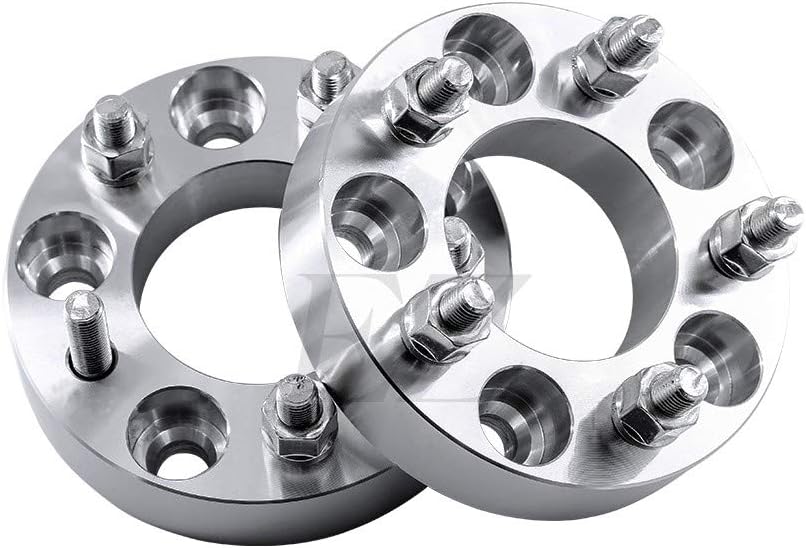
4. ezaccessory 3" 5×4.5 to 5×4.5 Wheel Adapters (Pair) with 1/2"-20 Studs
| Vehicle Bolt Pattern | 5×4.5 (5×114.3mm) |
|---|---|
| Wheel Bolt Pattern | 5×4.5 (5×114.3mm) |
| Stud Thread Size | 1/2"-20 |
| Hub Bore Size | 73mm |
| Torque Spec | 85 ft-lbs |
These 3-inch wheel adapters let you space 5×4.5 wheels out from the hub to clear brakes, suspension, or to create a wider stance. Machined from 6061-T6 billet and anodized for corrosion resistance, the adapters are designed to be strong yet relatively light; heat-treated 10.9-grade steel studs are preinstalled and the set comes with matching open-end lug nuts. Installation is straightforward for a mechanically comfortable DIYer but the product notes that factory studs may need shortening if they protrude through the adapter. In practical use the adapters provide the intended clearance and improve fitment for wider tires while keeping ride characteristics unchanged. Buyers should follow the listed 85 ft-lbs torque spec and verify hub bore and stud interference before installation. These are sold as a pair for two wheels, so plan to order two pairs for a full-vehicle fitment. The construction and included hardware make this a durable option for routine on-road use, though any spacer setup requires careful torque and periodic rechecks.
Best for: Buyers who prioritize a robust, factory-quality spacer solution to reliably correct clearance issues or run wider tires on a Ranger while keeping normal on-road behavior.
Less Ideal for: Drivers seeking a temporary aesthetic-only change or those unwilling to perform basic hub checks and potential stud modification should consider alternatives or professional installation.
- CNC machined from 6061-T6 billet for high strength and corrosion resistance
- Preinstalled 1/2"-20 heat-treated 10.9-grade studs with included lug nuts
- 3-inch thickness provides clearances for brakes, struts, and wider tires
- Anodized finish and aerospace-grade material for good long-term durability
- Sold as a pair only so two pairs are required to fit all four wheels
- May require trimming factory hub studs if they protrude through the adapter
Verdict: A durable, billet 3-inch spacer option that reliably creates clearance and allows wider tire fitment while emphasizing long-term reliability and included hardware.
5. YHTAUTO 3" 6×5.5 Wheel Spacers with M12x1.5 Studs, Set of 2

| Bolt pattern | 6×5.5 (6×139.7mm) |
|---|---|
| Thickness | 3 inch |
| Stud size | M12x1.5 |
| Stud grade | 12.9 |
| Center bore | 108 mm |
These YHTAUTO 3-inch wheel spacers move your wheels outward for a wider, more aggressive stance and extra clearance for larger brakes or suspension changes on a Ranger. They are lug-centric 6×5.5 (6×139.7mm) spacers with 12.9-grade M12x1.5 studs and come as a pair with a thread locker and installation instructions. Machined from forged 6061-T6 aluminum, they are lightweight yet stiff and use a 108 mm center bore to locate on the hub. Typical installation is bolt-on: swap the factory studs for the supplied studs or use the provided studs to mount the spacer, torque to the recommended 70-80 ft-lbs, then retorque after initial miles. The practical benefits are simpler fitment for lifted Rangers, improved brake clearance, and the ability to correct wheel offset on aftermarket rims. Limitations to note are the fixed 3-inch offset which may require fender trimming or affect steering feel, and these spacers rely on proper torque, thread locker, and periodic retorque to avoid loosening over time.
Best for: Buyers who want a proven, bolt-on way to increase wheel clearance and achieve a wider stance on a Ranger while prioritizing components with solid construction and visible customer feedback.
Less Ideal for: Drivers seeking adjustable offsets, a zero-impact ride feel, or those unwilling to follow installation and retorque maintenance should consider alternatives.
- Forged 6061-T6 aluminum construction provides a strong, corrosion-resistant spacer without large weight penalty
- Comes with 12.9-grade M12x1.5 studs and included thread locker for secure mounting
- Three-inch thickness creates substantial extra clearance for larger brake kits and suspension lifts
- Lug-centric 6×5.5 fitment simplifies alignment on compatible hubs and helps center aftermarket wheels
- Fixed 3-inch offset can require fender trimming or change steering/handling characteristics
- Requires correct installation practices and periodic retorque to maintain safety
Verdict: If you want a durable, bolt-on 3-inch spacer to gain clearance and a wider stance on a Ranger, this forged 6061-T6 kit with hardened studs is a straightforward choice.
Choosing the Right Ford Ranger 3 Inch Wheel Spacers: Key Factors to Consider
Bolt Pattern and Stud Engagement
Ensuring the spacer matches the Ranger bolt pattern and provides adequate stud or lug engagement is critical. Mismatched bolt patterns will not fit, and insufficient thread engagement reduces clamping strength which can lead to stud failure or wheel loosening. When you add 3 inches of spacing, stud length requirements change; the spacer must either extend existing studs with appropriate replacement hardware or provide properly sized studs that leave at least the manufacturer-recommended number of engaged threads.
Consider how the spacer attaches: some use through-bolts while others are press-on with extended studs. Verify thread pitch and seat type to avoid cross-threading. Pay special attention to torque specifications and re-torque procedures after initial installation because a longer torque cycle and the extra moment arm from the spacer increase stress on fasteners.
Hub Bore and Hub Centric Design
A hub centric spacer centers the wheel on the vehicle hub rather than relying solely on the lug nuts. For the Ford Ranger, maintaining a correct center bore alignment reduces the chance of vibration and premature bearing wear. If a spacer is not hub centric, the wheel may float slightly and the lug nuts then bear the entire centering load, which is not ideal for high-mileage or heavier duty use.
Check that the spacer's center bore matches the Ranger hub diameter or that it includes a reliable hub-centric ring. Tolerances matter: a snug, machined fit minimizes runout. Also consider whether the spacer is a one-piece unit that transfers load back to the hub or a multi-piece design that relies on fasteners; load path affects long-term durability.
Material, Manufacturing, and Corrosion Resistance
Spacer material and manufacturing quality determine strength and longevity. Forged or CNC-machined 6061-T6 aluminum is common because it balances strength and weight, but manufacturing tolerances and heat treatment affect performance. Poorly cast or stamped materials can crack under cyclic loads, especially when increasing leverage with a 3 inch spacer.
Look for spacers with conservative wall thickness, consistent machining marks, and protective finishes such as anodizing to resist corrosion. Threads and studs should be high-strength grade with anti-seize or appropriate plating to prevent galling. Consider how the finish will react to road salts and off-road exposure typical of Ranger usage.
Wheel Offset Change and Brake Clearance
A 3 inch spacer changes effective offset and alters how the wheel sits relative to suspension and brakes. This can be beneficial for clearance when fitting wider tires or aftermarket wheels, but it can also create rubbing issues with fenders or inner tubs if not planned. Consider the final tire and wheel combination to ensure sufficient clearance for brake calipers, rotors, and suspension components.
Also factor in steering geometry changes. Moving the wheel outward affects scrub radius and can increase steering effort or change handling feel. For Rangers that see towing or heavy loads, confirm the spacer does not create interference during full suspension travel or steering lock.
Fastener Hardware and Torque Procedures
The right hardware and proper torque are essential for safety when fitting 3 inch spacers. Spacers may require longer studs or specific wheels studs and nuts rated for the additional leverage. Use hardware that meets or exceeds OEM strength ratings and follow torque specs supplied by the spacer maker or standard vehicle torque if appropriate.
After installation, re-torque lug nuts at short intervals because torque can settle as materials compress. Also inspect fasteners periodically for signs of loosening or corrosion. If a spacer requires thread locker or anti-seize, follow manufacturer guidance to avoid over-tightening or thread damage.
Legal and Insurance Considerations
Modifying wheel offset with spacers can affect safety regulations and insurance coverage depending on local rules. Some jurisdictions treat spacers as modifications that alter vehicle track width or wheel fitment tolerances. Before committing to a 3 inch spacer, check local vehicle modification laws and any requirements for inspections or certifications.
Document fitment changes and keep installation records. If you plan to use the vehicle for work or in conditions where inspections are common, confirm whether the spacer design meets recognized standards or has traceable material and hardware specifications.
How a 3 Inch Spacer Changes Handling and Ride
Moving the wheels outward by 3 inches changes the vehicle's track width and scrub radius, which directly affects handling. Expect a modest increase in lateral grip due to the wider stance, but also a possible increase in steering effort and feedback because the leverage on the steering components grows.
For everyday driving on a Ranger, the tradeoff is usually manageable, but owners who carry heavy loads or tow frequently should watch for altered steering feel under load. If you use larger tires with the spacer, that additional rotational mass can also change braking and acceleration response.
- Wider track can improve cornering stability
- Increased scrub radius may raise steering effort
- Larger rotating mass amplifies braking and acceleration changes
Compatibility With Brake and Suspension Upgrades
A 3 inch spacer is often installed alongside bigger brakes or lifted suspension. Verify clearance not only for the rotor and caliper but also for caliper brackets and ABS sensors. Some brake upgrades require the wheel to sit farther out; spacers can provide that clearance without wheel redesign.
When combined with lift kits, check for interaction at full suspension travel and during steering lock. Suspension geometry changes from lifts already impact alignment and handling; adding spacers compounds those changes and should be addressed during alignment and inspection.
- Confirm rotor and caliper clearance before installing spacers
- Inspect ABS sensor and brake line routing after spacer fitment
- Re-align suspension after combining spacers with lift kits
Fitment Checklist Before You Buy
Before purchasing a 3 inch spacer, gather key specs: your Ranger's bolt pattern, hub center bore diameter, stud thread pitch, and current wheel backspacing. Also note whether your wheels are hub centric or lug centric and whether aftermarket wheels will require different fastener lengths.
Measure brake caliper clearance and check inside fender space with expected tire sizes. If you are unsure, have a mechanic verify fitment dimensions to avoid returns or unsafe installations.
- Confirm bolt pattern and hub bore
- Measure wheel backspacing and expected tire clearance
- Determine required stud or bolt length for safe engagement
Maintenance and Inspection After Installation
After fitting 3 inch spacers, perform a re-torque at 50 to 100 miles and again after a few hundred miles. Periodically check for signs of corrosion or movement, and inspect studs and nuts for thread wear. Road salt and mud can accelerate corrosion, so clean and protect fasteners in harsh climates.
Watch for vibration or unusual noise which may indicate runout or poor centering. If vibration appears, confirm spacer and wheel centering and check hub surface for debris or scoring.
- Re-torque at short intervals after installation
- Inspect fasteners and spacer finish regularly
- Address vibration promptly by checking centering and runout
Tools and Kits You Might Need
Installing a 3 inch spacer typically requires longer studs or supplied hardware, a torque wrench, jack stands, and a properly rated jack. Some installations benefit from anti-seize or thread locker and a hub-centric ring if the spacer does not match the hub bore exactly.
A wheel spacer installation kit that includes replacement studs and nuts simplifies the job and ensures correct engagement. If you are uncomfortable with torque specifications or centering checks, have a qualified shop perform the install.
- Torque wrench with correct range
- Replacement studs or installation kit
- Hub-centric rings and anti-seize compound as needed
Still looking for the perfect fit?
Select your Ford Ranger configuration to see the most relevant Wheel Spacers recommendations
How We Chose the Best Ford Ranger 3 Inch Wheel Spacers
We shortlisted candidates using criteria that reflect the real-world demands of Ford Ranger owners who want a 3 inch spacer. First, fitment accuracy was paramount: spacers had to match the Ranger bolt pattern, center bore requirements, and maintain proper stud engagement for a 3 inch offset change. Second, construction and material quality were assessed, favoring forged or precision-machined billet aluminum with corrosion-resistant finishes and consistent tolerances.Third, hub centric design and how the spacer transfers load to the hub were prioritized because proper centering reduces vibration and wheel misalignment. Fourth, we examined stud or bolt hardware specifications, including grade and length recommendations, to ensure safe torque and thread engagement. Fifth, installation practicality mattered: spacers that work with common Ford hub features and that do not require excessive modification scored higher.We excluded any options lacking clear spec data for hub bore, stud length, or bolt pattern, and we did not consider spacers that rely on unverified plating or unknown metallurgy. The final list reflects a balance of build integrity, fitment clarity, and installation practicality for the Ford Ranger.
Our full evaluation process is outlined in our review methodology.
FAQ
Will 3 inch wheel spacers cause vibration on my Ford Ranger?
Vibration can occur if the spacer does not center the wheel on the hub or if runout is present. Choosing a hub centric spacer with tight tolerances and ensuring proper installation and torque reduces the risk of vibration.
Do I need longer studs when installing 3 inch spacers?
Often you will need longer studs or supplied hardware to maintain sufficient thread engagement when adding 3 inches of spacing. Verify required stud length based on wheel thickness and ensure the replacement hardware meets strength specifications.
Can I use 3 inch spacers with upgraded brakes or suspension lifts?
Yes, spacers are commonly used to create clearance for larger brakes or to fine-tune wheel position with lift kits. However, you should check interference at full suspension travel and after steering lock and follow up with alignment if geometry changes.
Are hub centric spacers necessary for a Ford Ranger?
Hub centric spacers are strongly recommended because they center the wheel on the hub and reduce reliance on lug nuts for centering. This lowers the likelihood of vibration and uneven bearing loading compared with purely lug-centric spacers.
What torque specs should I follow after installing spacers?
Follow the torque specifications provided with the spacer or the vehicle manufacturer's lug torque if compatible. Re-torque after initial driving intervals and inspect hardware regularly because the added lever arm from a 3 inch spacer increases stress on fasteners.
Will a 3 inch spacer affect my Ranger's alignment?
Moving wheels outward changes scrub radius and track width which can affect steering feel and alignment. After installing spacers, check toe and camber and perform an alignment if you notice pulling, uneven tire wear, or altered steering behavior.
Final Verdict
For Ford Ranger owners, a properly specified 3 inch wheel spacer can deliver the clearance and stance many drivers want while retaining safe wheel centering and reliable fastener engagement. Prioritize hub centric designs, correct bolt pattern and stud engagement, and corrosion-resistant materials to reduce vibration and long-term issues.Balance the benefits of improved track width with the potential changes to steering geometry and load on fasteners. If you follow fitment checks, use the correct hardware, and perform post-install inspections and re-torques, you can confidently add a 3 inch spacer to your Ranger for both function and style.
Explore More:
- Check out all Ford Ranger parts & accessories
- Explore Wheel Spacers Maintenance & Repair Guides
- Explore Wheels & Tires
- Browse all Auto Parts
