

Note: This article contains affiliate links. If you click on these links and make a purchase, I may earn a small commission at no extra cost to you. This helps support my research and content. Read my full affiliate disclosure here.
If you drive a 1998-2011 Ford Ranger, the tires under your truck have a big effect on handling, ride comfort, and towing safety. Picking tires that match your typical roads, load demands, and seasonal challenges makes the truck more predictable and can reduce wear and maintenance needs. This guide covers the top seven tire choices for this Ranger range, narrowed for common factory sizes and typical owner use cases.We evaluated options across traction, durability, load rating, and on-road manners so you can match a set to commuting, light hauling, or occasional off-road work. Read on to compare the shortlisted tires and the decision factors that matter most when fitting your Ranger.
Looking for other parts? See all Ford Ranger parts & accessories.
Top Picks at a Glance
| Best Overall The best all-around choice for most situations | TRAVELSTAR Ecopath AT All-Terrain 235/70R16 Tire (single) |  |
| Best Quality Built to a higher standard if you want something more solid | BFGoodrich All-Terrain T/A KO2 LT235/70R16 104/101S Tire |  |
| Best Value The sweet spot between price and what you get | GT Radial Adventuro AT3 All-Terrain Tire P235/70R16 104T |  |
| Best Budget The cheapest option that still gets the job done reliably | Accelera Omikron H/T 235/70R16 All-Season Truck/SUV Tire |  |
| Highest Rated A top-rated pick with lots of positive feedback | Cooper Discoverer Road + Trail AT All-Terrain Tire, 235/70R16 106T |  |
| Most Popular A crowd favorite that many people choose with confidence | Starfire Solarus AS All-Season 235/75R15 105T Tire |  |
| Best Seller A high-volume bestseller chosen again and again | Lexani LXHT-206 P235/70R16 All-Season Highway Tire |  |
1. TRAVELSTAR Ecopath AT All-Terrain 235/70R16 Tire (single)

| Size | 235/70R16 |
|---|---|
| Load Capacity | 2094.4 Pounds |
| Tread Depth | 12.6 32nds |
| Construction Type | Radial |
| UTQG | 520 AB |
The Ecopath AT is an all-terrain replacement tire built for light trucks and SUVs in 235/70R16 size. It features a symmetrical tread and a 50,000-mile limited treadwear warranty plus a three-year road hazard warranty, so it is aimed at drivers who want long life and protection against common road damage. In everyday use the tire offers predictable handling and a comfortable ride on paved roads while the tread design gives extra traction on loose surfaces for occasional gravel or dirt roads. With a 106 load index and T speed rating it supports typical mid-size pickup loads and highway speeds for 16-inch applications. Practical benefits include strong tread depth and a manufacturer warranty that reduces ownership risk. Limitations are that the design prioritizes longevity over extreme off-road grip or winter-specific performance, and buyers who need specialized mud-terrain traction or studdable winter capability should look elsewhere.
Best for: Drivers seeking a durable, balanced all-terrain tire for daily driving and occasional light off-road use who prioritize long tread life and reduced ownership risk.
Less Ideal for: People who need aggressive off-road mud traction or a dedicated winter tire system for frequent snowy and icy conditions.
- Long 50,000-mile limited treadwear warranty plus three-year road hazard coverage
- Deep symmetrical tread for durable wear and steady on-road traction
- 106 load index and T speed rating suitable for common mid-size pickup and SUV loads
- Not designed for extreme mud-terrain use or severe winter conditions
Verdict: Choose the Ecopath AT if you want a long-wearing, warranty-backed 235/70R16 all-terrain tire that balances everyday comfort with occasional off-road capability.
2. BFGoodrich All-Terrain T/A KO2 LT235/70R16 104/101S Tire

| Rim Size | 16 inches |
|---|---|
| Load Index | 104 |
| Speed Rating | S |
| Maximum Pressure | 50 psi |
| Load Range | C |
The BFGoodrich All-Terrain T/A KO2 is designed to handle both daily driving and serious off-road use, making it a strong match for compact trucks like the Ford Ranger. Its interlocking tread and aggressive block pattern deliver confident traction in mud, gravel, and snow while a reinforced 6-ply construction and tougher sidewalls resist cuts and impacts on rough trails. The tread design aims for even wear, so you can expect longer service life compared with softer off-road tires, and the severe snow rating adds winter capability for year-round use. On paved roads the KO2 balances comfort and stability, though the knobby all-terrain tread produces modestly more road noise than an all-season highway tire. Fitment is for light trucks and SUVs, and the 104/101 load rating supports heavier payloads common in work or weekend setups. If you need a rugged, durable tire that still behaves well on pavement and in winter conditions, the KO2 is a practical performance-focused choice for a 1998–2011 Ranger.
Best for: Buyers who prioritize off-road capability and long-term durability for an everyday-used compact truck and want a tire that performs in snow as well as on dirt.
Less Ideal for: Drivers who mainly commute on highways and want the quietest possible ride or the highest fuel efficiency should consider a highway touring tire instead.
- Aggressive tread and interlocking blocks for strong off-road and snow traction
- Reinforced 6-ply construction and tougher sidewalls for improved resistance to cuts and punctures
- Designed for more uniform wear to extend tread life compared with older all-terrain designs
- Year-round capability with a severe snow rating for winter confidence
- More road noise and slightly reduced on-road refinement compared with highway-focused tires
Verdict: Choose the KO2 if you want a durable, high-traction all-terrain tire that keeps a 1998–2011 Ranger capable off-road and confident in winter conditions.
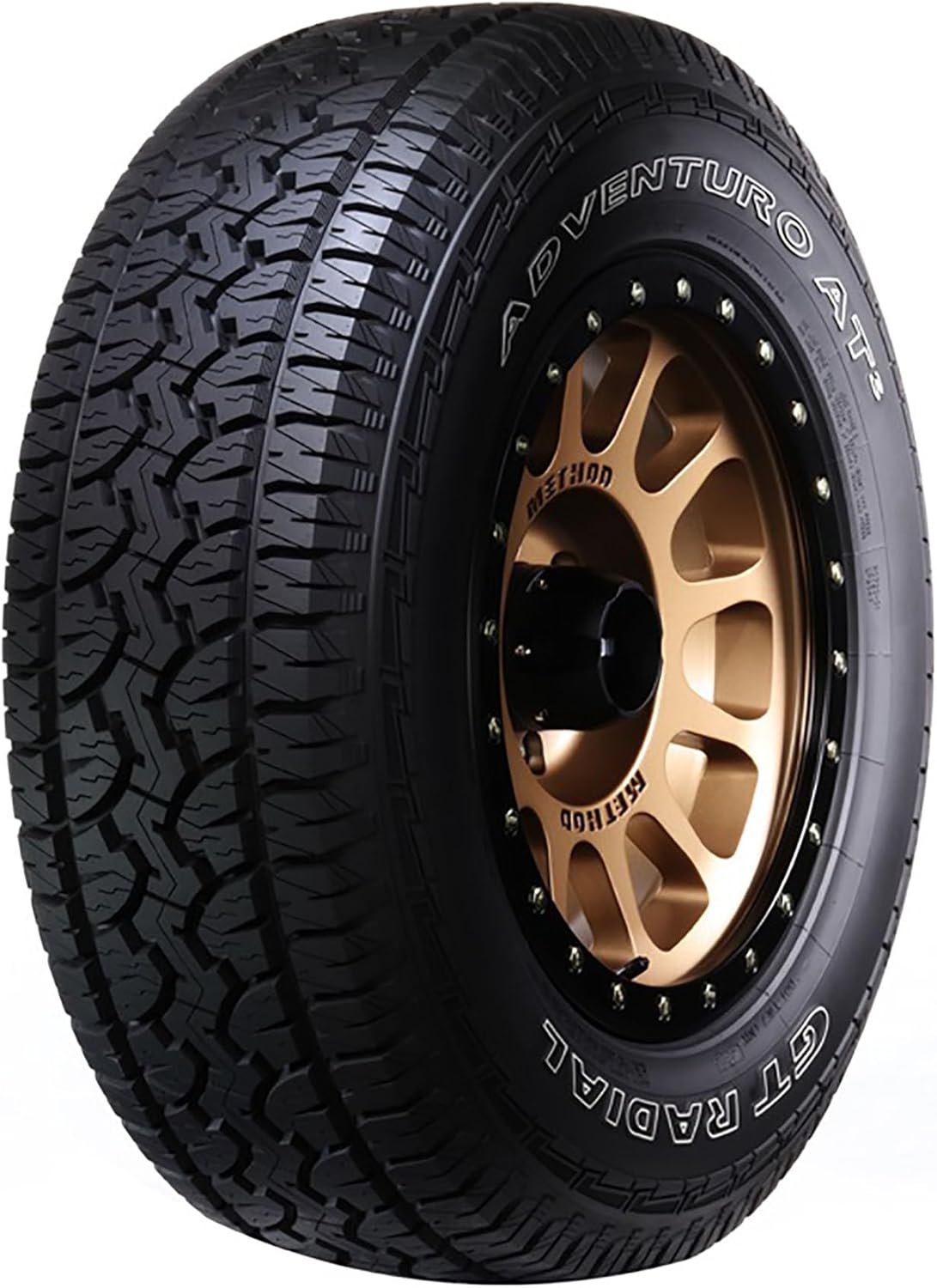
3. GT Radial Adventuro AT3 All-Terrain Tire P235/70R16 104T
| Rim Size | 16 inches |
|---|---|
| Load Index | 104 |
| Speed Rating | T |
| Tread Type | Non-Directional |
| Seasons | Year Round |
The GT Radial Adventuro AT3 is an all-terrain replacement tire aimed at drivers who want aggressive styling without sacrificing everyday manners. It fits P235/70R16 applications and is rated 104T for carrying typical light-truck loads. The non-directional radial tread and 4-ply construction deliver predictable handling and a comfortable ride on pavement while the tread design and depth provide improved off-road traction on dirt and gravel. Owners will appreciate its year-round compound that helps wet grip and stability in mixed conditions. Practical benefits include a solid load capacity suitable for modestly loaded Rangers and a tread pattern that balances noise and bite for weekend trails. Limitations are that it is a standard-load tire rather than a heavier load-range option and the T speed rating limits high-speed performance compared with higher-rated highway tires, so drivers who regularly tow heavy loads or run sustained high speeds should consider different fitments.
Best for: Buyers who prioritize a practical, do-it-all tire that improves appearance and gives dependable year-round traction for daily driving and occasional off-road use on a compact pickup.
Less Ideal for: Drivers who need heavy-duty load-carrying tires or who habitually tow at high speeds should look for higher load-range or higher speed-rated replacements.
- Balanced on-road comfort with a tread tuned for reduced noise
- Tread design offers capable off-road traction on dirt and gravel
- Year-round compound that improves wet grip in mixed conditions
- Load index 104 supports common light-truck payloads
- Standard load range may not suit heavy towing or maximum payload use
- T speed rating (T) limits top-speed performance compared with higher-speed tires
Verdict: A sensible all-terrain choice that gives 1998–2011 Ranger owners improved off-road capability and reliable year-round on-road manners without overbuilding for heavy towing.
4. Accelera Omikron H/T 235/70R16 All-Season Truck/SUV Tire

| Size | 235/70R16 |
|---|---|
| Load Index | 106 |
| Speed Rating | H |
| Load Capacity | 2094 Pounds |
| Seasons | Year Round |
The Accelera Omikron H/T is a highway-focused all-season radial tire offered in 235/70R16 size for light trucks and SUVs. It is intended for everyday driving on pavement, delivering a comfortable ride and steady handling thanks to its non-directional tread and 4-ply construction. Notable features include a 55,000-mile treadlife claim, a 106 load index for typical mid-size truck loads, and a maximum pressure rating of 51 psi which helps with load carrying. In practice this tire performs well for commuting, city driving, and light hauling where long wear and a quiet ride matter more than off-road grip or extreme-weather performance. Limitations include that it is not aimed at aggressive off-road use or winter-only conditions and offers a standard speed rating, so it is not for high-performance driving. For buyers prioritizing low cost per mile and a smooth highway ride on a Ranger, this tire is a practical choice with clear compromises on specialty traction and high-speed capability.
Best for: Buyers seeking a low-cost, long-wearing all-season tire for daily driving and light hauling on a 1998–2011 Ford Ranger who prioritize mileage and comfort over specialty traction.
Less Ideal for: Drivers who need aggressive off-road capability, dedicated winter tires, or high-speed performance should look at purpose-built alternatives.
- Long treadlife claim (55,000 miles) reduces replacement frequency.
- Universal fit and common 235/70R16 size fits many mid-size trucks and SUVs.
- 4-ply radial construction balances durability and ride comfort.
- Non-directional tread promotes even wear and predictable handling.
- Not engineered for serious off-road or severe winter performance.
- Speed rating and performance characteristics are aimed at highway use rather than spirited driving.
Verdict: If you want an affordable, long-wearing all-season highway tire for a Ranger that prioritizes comfort and mileage, the Accelera Omikron H/T is a sensible pick.
5. Cooper Discoverer Road + Trail AT All-Terrain Tire, 235/70R16 106T

| Rim Size | 16 Inches |
|---|---|
| Load Index | 106 |
| Speed Rating | T |
| Tread Type | Asymmetrical |
| Seasons | Year Round |
The Cooper Discoverer Road + Trail AT is an all-terrain tire built to balance on-road comfort with off-road toughness. It features an asymmetrical, interlocking tread design and deeper tread that extends partway down the sidewall for improved grip on soft or uneven surfaces and added protection against cuts and tears on trails. That construction, plus a Severe Snow designation and connected center lugs, makes it usable year-round for light truck and SUV duty including snowy conditions. The tire is rated 106 load index and SL load range for typical mid-size truck use and comes with a long 65,000-mile treadwear warranty. Expect quieter, more stable highway manners than many aggressive ATs, with better longevity and resistance to chipping on gravel or dirt roads. The main compromises are its 2-ply construction and SL load range, which limit heavy commercial towing compared with heavier-duty load-rated tires, and it is not the most aggressive mud or rock tire available.
Best for: Buyers who prioritize long-lasting, dependable tires that perform well on pavement and light off-road trails and who want a quiet, confidence-inspiring all-season tire for a daily-driven Ranger.
Less Ideal for: Drivers who frequently tow heavy loads or need maximum load ratings, and those who require highly aggressive mud or rock capability for extreme off-road use.
- Durable tread that extends down the sidewall for extra protection on rough trails
- Year-round capability with Severe Snow designation for improved winter traction
- Interlocking tread blocks and connected center lugs for stable on-road handling and predictable off-road grip
- Backed by a 65,000-mile treadwear warranty indicating long expected service life
- 2-ply SL construction limits heavy towing and commercial use compared with higher load-range tires
- Less aggressive than mud-terrain tires for extreme off-road rock or deep-mud situations
Verdict: A durable, quiet all-terrain tire that gives 1998–2011 Ford Ranger drivers reliable year-round traction and long tread life for everyday use and light trail duty.
6. Starfire Solarus AS All-Season 235/75R15 105T Tire

| Rim Size | 15 Inches |
|---|---|
| Load Index | 105 |
| Speed Rating | T |
| Tread Type | Symmetrical |
| Seasons | Year Round |
The Starfire Solarus AS is a budget-friendly all-season touring tire built around a solid center rib and a variable-pitch tread to keep highway noise down while delivering predictable handling. It is intended for universal passenger car fitment and is commonly used as a replacement tire on compact trucks and older midsize vehicles that accept 15-inch rims. The tread compound and shoulder control technology add biting edges and deep slots to help maintain wet traction and stability as the tire wears, while the 9/32 tread depth and 4-ply construction aim to balance longevity and load capability. Expect a comfortable, quiet ride and reliable everyday performance in wet and dry conditions, though its T speed rating and SL load range mean it is not optimized for sustained high-speed driving or heavy-duty hauling. The manufacturer advertises a 50,000 mile treadwear warranty, making this a sensible choice when cost and proven user satisfaction matter more than high-performance cornering or severe off-road use.
Best for: Buyers who prioritize proven user feedback and cost-effective, quiet all-season performance for a daily-driven older Ranger or similar vehicle will appreciate the balance of comfort and longevity.
Less Ideal for: Drivers who need high-speed rated tires, heavy-load capacity, aggressive off-road traction, or performance handling should consider other tire types.
- All-season tread compound designed for competent wet and dry traction
- Solid center rib and variable pitch tread reduce highway noise and aid straight-line stability
- Deep shoulder slots and biting edges improve grip as the tire wears
- 50,000 mile treadwear backing for longer expected service life
- Universal fitment for common 15-inch passenger and light-truck applications
- T speed rating and SL load range limit suitability for high-speed or heavy-load use
Verdict: A dependable, budget-minded all-season tire that delivers quiet, long-wearing everyday performance for older Ford Ranger riders who value user-proven reliability.
7. Lexani LXHT-206 P235/70R16 All-Season Highway Tire

| Size | P235/70R16 |
|---|---|
| Load Index | 107 |
| Speed Rating | T |
| Tread Depth | 11 32nds |
| Load Range | XL |
The Lexani LXHT-206 is a highway-terrain, all-season radial built for light trucks and SUVs and sized here as P235/70R16. It uses a special rubber compound and a notched center rib to improve straight-line stability while shoulder ribs and lateral grooves help handling and wet traction. Circumferential grooves evacuate water to reduce hydroplaning risk and the computer-tuned tread pattern aims to cut road noise for a quieter ride. With an XL load range and a 107 load index this tire can handle heavier payloads compared with standard passenger tires. Expect reasonable tread life from the deeper 11/32 tread and a 4-ply construction that balances durability and comfort. Downsides are the lack of a manufacturer warranty and a T speed rating, so drivers expecting higher-speed performance or guaranteed coverage should consider alternatives. For everyday driving on a Ranger that prioritizes stability, wet traction, and a quieter highway ride, the LXHT-206 is a sensible choice.
Best for: Buyers who want a stable, quiet all-season highway tire for daily driving and light-duty hauling on an older Ranger and who prioritize predictable wet traction and tread life over sporty speed performance.
Less Ideal for: Drivers who need a performance tire for high-speed driving, track use, or those who require a backed warranty and extended roadside coverage.
- All-season compound designed for year-round traction
- Notched center rib and shoulder ribs improve straight-line stability and handling
- Circumferential grooves reduce hydroplaning risk on wet roads
- Computer-tuned tread pattern reduces road noise for a more comfortable ride
- No manufacturer warranty is provided with this tire
- T speed rating limits high-speed performance
Verdict: A practical, quiet all-season highway tire that gives a stable, year-round driving experience for a Ford Ranger while focusing on wet traction and durability.
Choosing the Right 1998-2011 Ford Ranger Tires: Key Factors to Consider
Tire Size And Fitment
Using the correct tire size preserves speedometer accuracy, steering feel, and suspension geometry. For a 1998-2011 Ford Ranger, confirm the factory wheel diameter, width, and aspect ratio or the size written on your current tires before shopping.
Fitment also affects load rating and clearances. Upsizing without accounting for wheel offset or fender clearance can cause rubbing on full steering lock or heavy compression. When choosing replacement tires, cross-check the vehicle placard, owner's manual, or the tire sidewall to ensure the new size is compatible and that the load index meets or exceeds the original specification.
Load Rating And Towing Capacity
The load index stamped on a tire indicates its maximum load carrying capability at a specified inflation pressure. Rangers are often used to carry cargo or tow small trailers, so matching or exceeding the original load rating keeps handling and safety margins intact.
Selecting a tire with an insufficient load rating can strain the tire under heavy loads, increase heat buildup, and shorten service life. Consider the typical payload and any towing you do regularly, and choose tires whose load capacity covers those demands with some margin for safety.
Tread Design And Seasonal Performance
Tread pattern governs how a tire evacuates water, digs into loose surfaces, and bites on snow or ice. Symmetric and highway-oriented tread patterns favor low noise and long life on paved roads, while aggressive all-terrain treads improve traction off-road but usually trade some comfort and tread life.
If you live where winters are severe, prioritize tires with winter-rated markings or dedicated winter models for cold-weather traction. For mixed climates, all-season designs that balance wet-weather grip and year-round usage can be a sensible compromise.
Tread Life And Durability
Treadwear ratings and manufacturer mileage warranties give an estimate of how long a tire will remain usable under typical driving. For a Ranger used for commuting and light hauling, longer tread life reduces replacement frequency and total ownership cost.
Durability also includes resistance to cuts, chipping, and sidewall damage. Consider the typical roads you drive: rough tertiary roads and construction zones increase the chance of sidewall damage, while highway-focused driving favors higher-mileage highway tires.
Ride Comfort, Noise, And Handling
Tire construction, sidewall height, and tread pattern affect ride comfort and cabin noise. Lower-profile tires and aggressive tread blocks tend to transmit more vibration and generate more noise, which can be noticeable on a compact pickup like the Ranger.
Good handling matters for safety during evasive maneuvers and highway driving. Look for tires with stable shoulder ribs and consistent tread block patterns that maintain predictable steering response and reduce wandering at speed.
Maintenance: Rotation, Balancing, And Alignment
Proper maintenance extends tire life and preserves vehicle handling. Regular rotation evens tread wear across the four tires, while balancing prevents vibration and uneven wear. Alignment keeps steering centered and prevents premature inner or outer shoulder wear.
For a Ranger carrying variable loads, check tire pressures more often and follow a rotation schedule appropriate to your driving style. Addressing balancing and alignment issues promptly saves money and maintains safe performance.
Common Factory Sizes And How They Affect Choice
Several tire sizes were factory-fitted across the 1998-2011 Ranger model years and trim levels. Knowing your truck's original or currently fitted size helps narrow replacement options and ensures correct load ratings and clearances. Wider or taller tires change effective gearing, steering effort, and ride comfort, so weigh those tradeoffs before altering size.
When selecting tires, match the load-carrying capacity and speed rating to the vehicle's requirements. If you plan to upsize for appearance or off-road clearance, verify fender clearance at full lock and consider potential gearing or speedometer calibration consequences.
- Always confirm tire size on the door placard or sidewall before ordering.
- Upsizing can improve off-road traction but may increase road noise and reduce fuel economy.
- Maintain or exceed the factory load index when changing sizes.
Winter Driving Considerations For Ranger Owners
If you encounter snow, ice, or prolonged cold, select tires designed for winter traction. Winter tires use rubber compounds that stay flexible in low temperatures and tread features that bite into snow. For occasional winter conditions, high-quality all-season tires with a good wet-traction record can be acceptable, but they will not match dedicated winter tires in deep snow or on ice.
When switching between seasonal tires, store the unused set properly and have mounting or swap intervals planned. Maintaining proper pressures in cold months is especially important as air pressure drops with temperature and affects traction and tire wear.
- Look for snowflake or winter-rated markings for true winter capability.
- Rotate winter tires with the same care as all-season sets to preserve even wear.
- Check pressures more frequently in cold weather.
Balancing Towing Needs And Daily Comfort
Many Ranger owners use their trucks for a mix of hauling and daily driving. Tires with higher load ratings and robust construction handle cargo and occasional trailers better, but these tires can be stiffer and louder. If you tow regularly, prioritize load capacity and sidewall strength; if you mostly drive on pavement, focus on ride comfort and lower rolling resistance for better fuel economy.
Consider how often you tow and the typical trailer weight. If towing is frequent, a tire with a higher load index and reinforced construction will provide safer heat dissipation and reduced wear under load.
- Match tire load capacity to your most common towing or cargo scenario.
- Expect a tradeoff between heavy-duty durability and daily ride comfort.
- Check recommended inflation pressures for loaded versus unloaded driving.
When To Replace Tires On A Ranger
Tire age, tread depth, visible damage, and uneven wear all indicate the need for replacement. Generally, measure tread depth with a gauge; many experts recommend replacing tires when tread depth reaches 4/32 inch for wet performance, though legal minimums are lower. Also monitor the tread wear indicators molded into the grooves; when they become flush with the tread surface, replacement is necessary.
Cracks, bulges, or sidewall damage are signs to remove the tire from service regardless of remaining tread. Additionally, tires older than six years should be inspected closely even if tread remains, as rubber compounds degrade over time.
- Use a tread depth gauge or look for tread wear indicators.
- Replace tires showing sidewall damage or bulges immediately.
- Inspect tires older than six years for age-related deterioration.
DIY Checks And When To See A Professional
Regular visual inspections can reveal nails, cuts, or abnormal wear early. Check tire pressures monthly and before long trips, and inspect tread depth in several locations across the tire. Uneven wear patterns may point to alignment, balance, or suspension issues that a technician should diagnose.
If you notice vibration, pulling to one side, or rapid pressure loss, have a professional inspect the tires and the truck. Proper balancing and alignment improve longevity and reduce the chance of premature replacement.
- Perform monthly pressure checks and visual inspections.
- Rotate tires per the maintenance schedule to promote even wear.
- Seek professional help for persistent vibration or uneven wear.
Still looking for the perfect fit?
Select your Ford Ranger configuration to see the most relevant Tires recommendations
How We Chose the Best 1998-2011 Ford Ranger Tires
We selected the seven tires by focusing on criteria that matter specifically to owners of 1998-2011 Ford Ranger trucks. Primary evaluation points included traction across wet and dry surfaces, because Rangers are often driven in mixed conditions; load-carrying capacity and tire load rating, to ensure safe handling when hauling or towing; tread life expectations based on manufacturer-rated mileage and real-world durability reports; and ride comfort and noise, since daily driving comfort matters for commuting and errands. We also considered winter performance where appropriate and the availability of sizes that match the common factory and common owner-upgrade dimensions.We excluded tires designed exclusively for high-performance sports cars or commercial heavy-duty trucks that fall outside the Ranger's typical weight and speed classifications. Tires lacking clear load-rating documentation or with limited regional availability were removed. Final selections balance long-term value, safety-relevant specs, and suitability for the Ranger's common use cases such as light towing, off-pavement access, and everyday driving.
Our full evaluation process is outlined in our review methodology.
FAQ
What tire pressure should I run on my 1998-2011 Ranger?
Check the door placard or owner's manual for the manufacturer-recommended pressures for front and rear. Adjust pressures when carrying heavy loads or towing according to the load charts, and recheck pressures when tires are cold for accurate readings.
How often should I rotate tires on my Ranger?
Rotate tires approximately every 5,000 to 7,500 miles, or follow the vehicle maintenance schedule. More frequent rotations can help even out wear if you do a lot of city driving or heavy hauling.
Can I use larger tires on my Ranger without modifications?
It depends on the specific size change. Small increases in width or diameter may fit without modification, but larger upsizes can require fender trimming, different wheel offsets, or suspension changes. Always verify clearance at full lock and under compression before committing.
Are all-season tires adequate for winter in this Ranger?
All-season tires perform adequately in mild winter conditions, especially if they have good wet traction. For regions with regular snow, ice, or prolonged cold, dedicated winter tires provide significantly better grip and braking performance.
How do I know when my Ranger tires are unsafe to drive on?
Tires with tread worn to the wear indicators, visible cords, sidewall bulges, deep cuts, or consistent rapid air loss should be removed from service. Also consider replacing tires that are six years or older after inspection for age-related cracking.
Does tire balancing and alignment matter for pickup trucks?
Yes. Proper balancing reduces vibration and uneven wear, while correct alignment prevents steering pull and premature shoulder wear. Trucks with variable loads can benefit from more frequent checks to maintain consistent performance.
Final Verdict
When choosing tires for a 1998-2011 Ford Ranger, prioritize matching the correct size and load rating to your typical cargo and towing needs. Balance tread design with the driving you do most: choose quieter, longer-wearing highway-oriented tires for daily commuting and higher-load, more robust patterns if you haul or work off-pavement regularly.Weigh the tradeoffs between traction, tread life, and comfort, and keep up with routine maintenance like pressure checks, rotation, and alignment to protect your investment. That approach will keep your Ranger safe, predictable, and ready for both daily driving and the occasional heavy load.
Explore More:
- Check out all Ford Ranger parts & accessories
- Explore Tires Maintenance & Repair Guides
- Explore Wheels & Tires
- Browse all Auto Parts
