

Note: This article contains affiliate links. If you click on these links and make a purchase, I may earn a small commission at no extra cost to you. This helps support my research and content. Read my full affiliate disclosure here.
Choosing the right tires for your Ford Ranger 2WD affects ride comfort, towing capability, and safety in changing road conditions. The wrong tire can reduce fuel economy, amplify road noise, and shorten service life, while the right tire improves grip, braking, and overall control.This guide highlights the top five tires for the Ranger 2WD that meet common owner priorities. We shortlisted options that perform well for daily driving, light hauling, and mixed seasonal use. Below you will find the criteria used to evaluate each tire and practical notes to help you match tire features to how you use your Ranger.
Looking for other parts? See all Ford Ranger parts & accessories.
Top Picks at a Glance
| Best Overall The best all-around choice for most situations | Cooper Discoverer AT3 4S All-Season 235/70R16 106T Tire |  |
| Best Quality Built to a higher standard if you want something more solid | Goodyear Wrangler TrailRunner AT All-Terrain Tire 235/75R15 |  |
| Best Budget The cheapest option that still gets the job done reliably | Accelera MT-01 Mud-Terrain Light Truck Tire, 235/75R15, Load Range C |  |
| Highest Rated A top-rated pick with lots of positive feedback | Hankook Kinergy ST H735 All-Season Tire (235/75R15) |  |
| Most Popular A crowd favorite that many people choose with confidence | Hankook Dynapro AT2 RF11 All-Terrain Radial Tire, 235/75R15 |  |
1. Cooper Discoverer AT3 4S All-Season 235/70R16 106T Tire

| Rim Size | 16 inches |
|---|---|
| Load Index | 106 |
| Speed Rating | T |
| Load Capacity | 2094 pounds |
| Seasons | Year Round |
The Cooper Discoverer AT3 4S is a year-round all-terrain tire aimed at drivers who want a capable on-road tire that can handle occasional dirt, gravel, and light off-road use. It combines an adaptive silica-based tread compound with features like Snow Groove Technology and Aqua Vac channels to improve wet stopping, reduce hydroplaning, and boost snow traction. The tread design and Secure-Grip elements add confidence on rough surfaces while the non-directional pattern supports even wear. For a Ford Ranger 2WD this tire offers a comfortable highway ride and predictable handling during daily driving, yet gives extra traction for weekend trails or unpaved drives. The 65,000-mile treadwear warranty is strong for this class, though buyers should expect slightly more road noise and less extreme off-road durability than a dedicated mud-terrain tire. This tire is best when you want a single, versatile tire that performs across varied weather and light off-road conditions without sacrificing highway manners.
Best for: Drivers who want a single versatile tire for a Ford Ranger 2WD that delivers confident wet and winter performance plus light off-road capability while preserving highway comfort.
Less Ideal for: Owners who frequently tackle technical off-road trails, heavy mud, or need the most aggressive off-road traction should choose a dedicated off-road tire instead.
- All-season compound with Adaptive-Traction technology improves wet and snow grip
- Tread features (Aqua Vac channels and Snow Groove Technology) reduce hydroplaning and enhance winter traction
- Designed for a balance of on-road comfort and off-road capability suitable for light trails
- 65,000-mile treadwear warranty provides long-term value
- Not as durable or aggressive as dedicated mud-terrain tires for heavy off-road use
Verdict: Choose this tire for a Ford Ranger 2WD when you want a long-wearing, all-season all-terrain that balances highway comfort with reliable wet and light off-road traction.
2. Goodyear Wrangler TrailRunner AT All-Terrain Tire 235/75R15

| Size | 235/75R15 |
|---|---|
| Tread Depth | 12 32nds |
| Load Index | 105 |
| Speed Rating | S |
| Seasons | Year Round |
The Goodyear Wrangler TrailRunner AT is an all-terrain radial that aims to bridge aggressive off-road grip and long-distance highway comfort. It uses large interlocking tread blocks and a symmetrical pattern to deliver confident traction on loose surfaces while keeping road noise and ride harshness relatively subdued for daily driving. Typical use is mixed: weekend dirt or gravel trails and weekday commuting. Practical benefits include a 12/32 tread depth for extended life, a 105 load index that supports heavier light-truck loads, and year-round construction that handles varied conditions without swapping tires seasonally. Because it is a universal-fit 15-inch tire sized 235/75R15, installation is straightforward on compatible Ranger 2WD setups. Limitations are that it is a 4-ply, load-range SL tire so it is not aimed at heavy towing or severe off-road punishment, and its S speed rating means sustained high-speed performance is conservative compared with higher-speed-rated tires.
Best for: Buyers who want a performance-oriented tire that handles weekend trails and daily highway miles without sacrificing comfort or longevity.
Less Ideal for: Drivers who regularly tow heavy loads, require maximum payload durability, or need a high-speed performance tire should consider purpose-built alternatives.
- Balanced on- and off-road tread design that provides traction on loose surfaces and composed highway manners
- Deeper 12/32 tread depth for longer wear life compared with many highway tires
- Year-round construction suitable for mixed seasonal driving
- 105 load index supports typical light-truck loads
- Load Range SL and 4-ply construction limit heavy towing capacity and extreme off-road abuse
- S speed rating is modest for drivers who frequently run at high highway speeds
Verdict: Choose this tire if you want a versatile all-terrain that balances off-road grip with comfortable, long-lasting highway performance for a Ranger 2WD.
3. Accelera MT-01 Mud-Terrain Light Truck Tire, 235/75R15, Load Range C

| Rim Size | 15 Inches |
|---|---|
| Load Index | 104 |
| Speed Rating | Q |
| Load Capacity | 1984 Pounds |
| Tread Type | Directional |
The Accelera MT-01 is a mud-terrain light truck tire built for off-road use while keeping a budget price in mind. Its open scalloped hump and block-slot tread design helps clear water, mud, and small rocks to maintain grip in loose conditions, and the 6-ply, Load Range C construction gives it a sturdier carcass for light trucks and SUVs. Expect strong traction on dirt, mud, and gravel and durable performance for seasonal off-road outings. On pavement the aggressive tread is noticeably louder and will wear faster than all-terrain or highway tires, and the Q speed rating limits sustained high-speed runs. Because it is sized 235/75R15, fitment should be confirmed for your Ranger 2WD wheel and clearance before purchase. For drivers who prioritize low cost and capable mud traction, this tire delivers a practical balance of toughness and value, but it sacrifices road comfort, noise levels, and high-speed handling compared with more street-oriented options.
Best for: Buyers looking to upgrade a Ranger 2WD for weekend off-roading or muddy trails on a limited budget who prioritize traction and durability over road comfort.
Less Ideal for: Drivers who spend most miles on highway or want a quiet, comfortable daily-driving tire should consider street-oriented all-terrain or highway tires instead.
- Aggressive mud-terrain tread that improves traction in mud, dirt, and loose surfaces
- 6-ply Load Range C construction increases sidewall strength for light truck use
- Directional tread and scalloped grooves aid water and debris evacuation
- Year-round, mud-terrain design suitable for seasonal off-road adventures
- Louder and harsher on-road ride compared with all-terrain or highway tires
- More rapid tread wear and reduced high-speed handling due to aggressive tread pattern
- Q speed rating limits sustained high-speed capability
Verdict: If you need an inexpensive mud-terrain tire that boosts off-road traction for a Ford Ranger 2WD, the Accelera MT-01 delivers solid grip and a rugged 6-ply build for the money.
4. Hankook Kinergy ST H735 All-Season Tire (235/75R15)
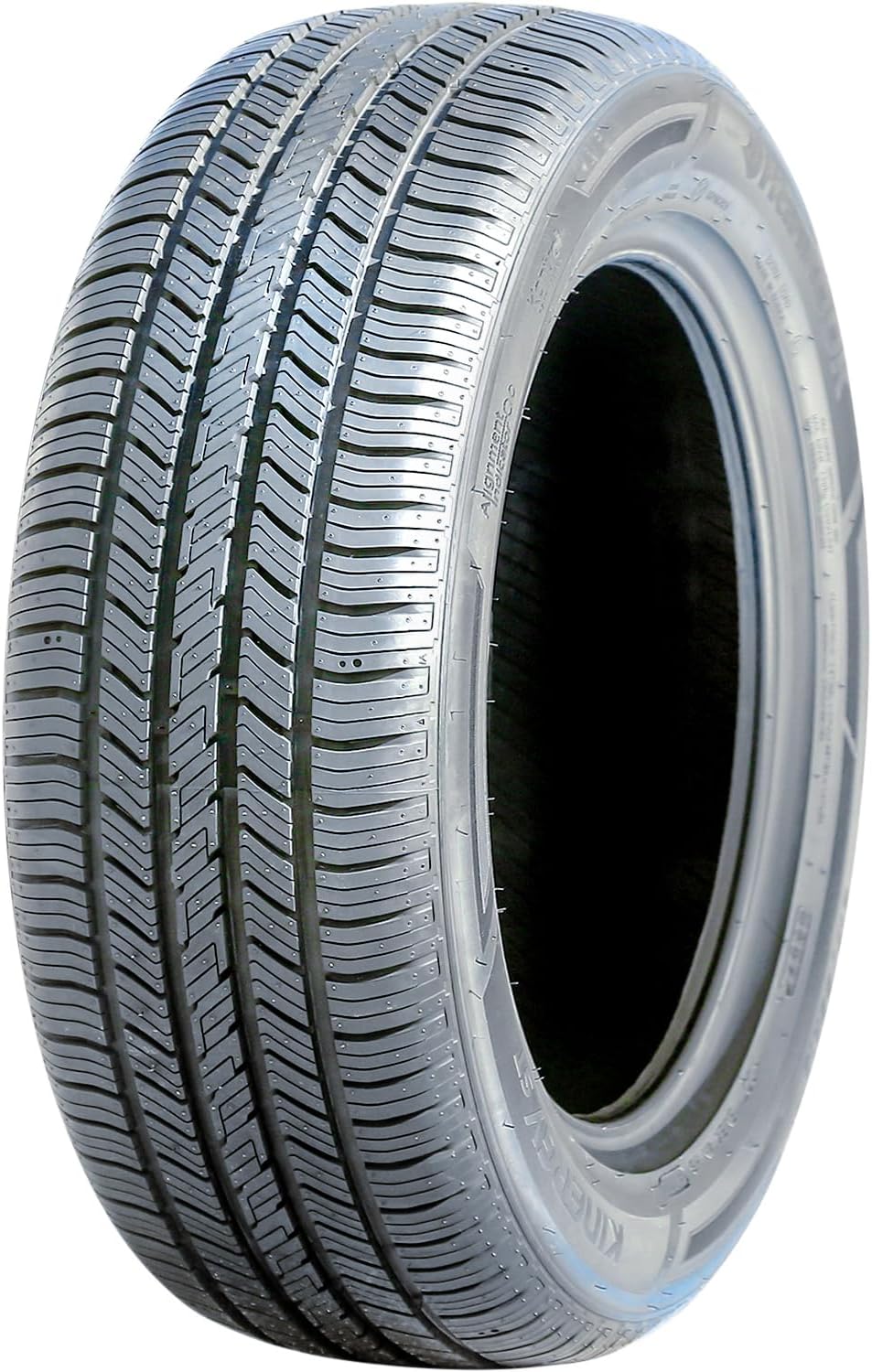
| Size | 235/75R15 |
|---|---|
| Load Capacity | 1201 Pounds |
| Tread Depth | 11 32nds |
| Maximum Pressure | 51 PSI |
| UTQG | 680AA |
The Hankook Kinergy ST H735 is a touring all-season tire built to deliver consistent, long-lasting performance in everyday driving. It uses a dual-filler tread construction and a rigid center rib to give steady dry handling and confident braking, while wide circumferential grooves and optimized sipes help channel water for improved wet traction. The tire is aimed at drivers who prioritize a quiet ride and longevity; its 680 A/A UTQG rating and claimed 70,000-mile warranty reflect that focus. For a Ford Ranger 2WD used primarily on paved roads, the Kinergy ST will provide comfortable highway cruising, predictable handling in rain, and reduced road noise. Limitations include its load range L designation and passenger-car touring design, which mean it is not optimized for heavy towing, off-road use, or aggressive performance driving. Fitment should be confirmed for Ranger wheel and load requirements before purchase.
Best for: Drivers of a Ford Ranger 2WD who prioritize steady, long-lasting on-road performance and a quiet comfortable ride for daily commuting and highway miles.
Less Ideal for: Drivers who frequently tow heavy loads, do serious off-roading, or need a higher load- or off-road-rated tire should consider more robust light truck or all-terrain options.
- Balanced all-season tread for reliable wet and dry grip
- Dual-filler construction and rigid center rib designed for longer tread life and stable handling
- Designed for a quiet, comfortable ride with optimized sipes to reduce road noise
- High UTQG rating and manufacturer mileage warranty indicating durability
- Not intended for heavy towing or off-road use due to touring tire design and load range L
- Single tire listing; replacement should be done in appropriate axle sets to maintain handling consistency
Verdict: Choose the Kinergy ST for a Ford Ranger 2WD when you want a durable, quiet all-season touring tire optimized for long highway miles and reliable wet/dry performance.
5. Hankook Dynapro AT2 RF11 All-Terrain Radial Tire, 235/75R15

| Size | 235/75R15 |
|---|---|
| Load Index | 109 |
| Speed Rating | T |
| Tread Depth | 11.9 32nds |
| Ply | 4-Ply |
The Hankook Dynapro AT2 RF11 is an all-terrain radial tire aimed at drivers who need capable off-road grip without sacrificing everyday highway manners. Its tread uses multi-directional grooves, sipes, and locking shoulder lugs to boost traction on dirt, gravel, and light snow while step block edge technology helps reduce road noise for longer drives. The tire is built as a 4-ply radial with a T speed rating and a 109 load index, so it supports heavier light-truck loads common on mid-size pickups. Typical use will be mixed: daily commuting and highway driving with occasional off-road trails or worksite access. Practical benefits include a deep tread (11.9/32nds) for longer wear and a 60,000-mile limited warranty that reflects expected longevity. Trade-offs are modest: it is not a dedicated mud or winter tire, so extreme off-road mud or deep snow performance will lag specialized options, and buyers should verify this size fits their Ranger model and wheel choice.
Best for: Buyers who want a proven all-terrain tire that performs well on highway miles but can handle occasional trails and worksite driving, prioritizing reliability and broad real-world performance.
Less Ideal for: Drivers who need maximum mud, rock crawling, or deep winter snow capability or those seeking a dedicated highway touring tire focused solely on MPG and ultra-quiet ride.
- Balanced on-road comfort with reduced road noise thanks to step block edge technology
- Deep 11.9/32nds tread for longer wear and improved grip
- Tread design with multi-directional grooves and sipes enhances traction on mixed surfaces
- 4-ply radial construction and 109 load index suit light-truck load demands
- Not optimized for extreme mud or deep snow compared with specialized mud-terrain or winter tires
Verdict: A durable, quiet all-terrain tire that gives Ford Ranger drivers confident mixed-use traction and long tread life.
Choosing the Right Ford Ranger 2WD Tires: Key Factors to Consider
Traction and Wet Braking
Traction affects safety more than any other single factor. For the Ford Ranger 2WD, good traction on wet and dry pavement reduces stopping distance and improves stability while cornering. Look for tread patterns and rubber compounds that channel water effectively and maintain consistent contact with the road.
Wet braking performance is especially important if you drive in rainy climates or on highways where speeds are higher. Tires that brake well in the wet also tend to feel more predictable during sudden maneuvers, which helps prevent loss of control when hauling light loads.
Tread Life and Warranty
Tread life determines how often you must replace tires, making it a major ownership cost factor. For many Ranger owners who log significant miles, a durable tread compound and a manufacturer mileage warranty can justify a higher initial outlay.
Also consider anticipated driving patterns. Frequent highway driving tends to extend actual mileage compared with city stop-and-go use. Pay attention to prorated warranties and what voids them, because real-world longevity depends on proper rotation, alignment, and inflation maintenance.
Load Rating and Sidewall Strength
Load rating ensures each tire can carry the weight of the vehicle plus cargo and any towing tongue weight. For the Ranger 2WD used in hauling or carrying gear, pick tires with suitable load indices and robust sidewalls to resist dents and punctures.
Sidewall stiffness also influences ride quality and resistance to flex when cornering. Heavier loads and frequent highway towing benefit from higher load-rated tires, which will maintain stability and reduce heat buildup under sustained stress.
Ride Comfort and Noise
Tire design affects how the truck feels and sounds at speed. All-terrain or aggressive tread patterns increase road noise and can transmit more vibration through the cab, while touring and highway tires prioritize comfort and quietness.
Consider daily use: if you drive long distances on pavement, prioritize low-noise, comfortable tires. If most driving is work-related or off-pavement, you may accept some noise in exchange for durability and traction.
Seasonal Performance and Temperature Range
Tire rubber compounds behave differently in heat and cold. For drivers in climates with cold winters, a tire with better low-temperature grip or a winter-rated option improves traction on cold, wet, or lightly snow-covered roads. Conversely, summer-oriented tires keep better grip in hot conditions and resist compound softening.
If you need a single-set solution for year-round use, look for all-season tires that balance wet and dry handling while providing acceptable cold-weather performance. Understand the tradeoff: all-season compounds rarely match purpose-built winter tires on packed snow or ice.
Fitment and Size Considerations
Choosing the correct tire size preserves speedometer accuracy, load capacity, and handling characteristics. Using sizes that differ from factory specifications can alter gearing, ride height, and steering feel. For the Ranger 2WD, verify the recommended tire dimensions and verify wheel clearance before upsizing.
Also confirm that the tire's load and speed ratings meet or exceed the vehicle requirements. If you plan to fit aftermarket wheels, ensure the wheel width and offset are compatible with the tire size to avoid sidewall stress or bead seating issues.
Common Tire Sizes and How to Read Them
Most Ford Ranger 2WD models come with a range of factory wheel and tire sizes depending on trim and wheel option. Tire markings provide key fitment info: section width, aspect ratio, and rim diameter, plus load and speed ratings. For example, a marking like 265/65R17 identifies the width in millimeters, the sidewall height as a percentage of that width, and the wheel diameter in inches.
Understanding these numbers helps you pick tires that maintain correct handling and load capacity. When selecting alternate sizes, check offset and clearance to avoid rubbing and consult the vehicle owner manual for permitted variations.
- Section width affects contact patch and steering responsiveness.
- Aspect ratio influences sidewall flex and ride comfort.
- Wheel diameter changes overall tire circumference and speedometer reading.
- Load index must meet or exceed vehicle requirements.
All-Season Vs Winter Tires for the Ranger 2WD
All-season tires offer a compromise between wet, dry, and light winter traction, making them a common choice for drivers in moderate climates. They provide consistent wear and usually lower road noise than aggressive tread designs.
If you face regular winter conditions with snow or ice, dedicated winter tires deliver significantly better grip due to softer compounds and tread features that bite into snow. For most Ranger 2WD owners who experience occasional cold snaps but not sustained winter roads, high-quality all-season tires can be an effective single-set solution.
- All-season: balanced performance, longer tread life, lower noise.
- Winter: superior cold-weather traction, softer compound, reduced tread life in warm months.
Maintaining Tires: Rotation, Balancing, and Alignment
Regular maintenance extends tread life and keeps the Ranger handling predictably. Rotate tires at the intervals recommended in your owner manual or roughly every 5,000 to 7,500 miles. Rotations help even out wear patterns that can be influenced by drive-axle forces and steering loads.
Tire balancing prevents vibrations and premature wear, while alignment ensures correct steering response and symmetric wear across the tread. Check inflation monthly and after significant temperature swings to maintain optimal contact patch and fuel economy.
- Rotate tires regularly to promote even wear.
- Balance tires when replacing or if you notice vibration.
- Check alignment after suspension work or if steering pulls.
Matching Tires to Typical Ranger Uses
Consider how you use your Ranger when choosing tires. For daily commuting with occasional highway trips, touring or highway all-season tires will prioritize comfort, fuel efficiency, and long wear. For frequent light-duty off-road use or worksite driving, opt for more durable tread compounds and reinforced sidewalls.
If towing or carrying heavier loads, prioritize higher load ratings and heat-resistant constructions to manage sustained stress during long drives. Balancing durability against noise and comfort will help you select the most practical tire for your typical use case.
- Commuter: touring/all-season for comfort and efficiency.
- Worksite/light off-road: reinforced sidewalls and durable tread.
- Towing: choose tires with an appropriate load rating and heat resistance.
How Tread Design Affects Performance
Tread pattern determines how a tire moves water away from the contact patch and how it grips loose surfaces. Directional and asymmetric designs can improve water evacuation and high-speed stability, while blocky, open treads enhance bite in gravel and mud.
Consider the balance you need: closed rib patterns yield quieter, more predictable highway manners, while aggressive block patterns trade comfort for traction on loose terrain.
- Directional treads excel in water evacuation.
- Asymmetric patterns balance dry and wet handling.
- Open, aggressive blocks provide off-road grip at the cost of noise.
Still looking for the perfect fit?
Select your Ford Ranger configuration to see the most relevant Tires recommendations
How We Chose the Best Ford Ranger 2WD Tires
We evaluated tires for the Ford Ranger 2WD using criteria that matter for truck owners who use their vehicle for commuting, light towing, and occasional off-pavement work. Key evaluation points included traction across wet and dry surfaces, tread life and warranty coverage, load and speed ratings suited to common Ranger configurations, and ride comfort including noise and vibration.We also assessed handling stability under load and braking performance, along with resistance to irregular wear and ease of maintenance such as rotation intervals. Construction factors like sidewall strength and ply rating informed durability for light truck use. Fuel efficiency implications from rolling resistance were included for drivers who cover higher annual miles.Excluded from consideration were tires intended for heavy commercial use, specialty racing tires, and options not available in common Ranger wheel sizes. The selection prioritized broadly applicable tread designs and ratings that match typical 2WD Ranger use rather than extreme off-road or performance niche applications.
Our full evaluation process is outlined in our review methodology.
FAQ
How do I know the right tire size for my Ford Ranger 2WD?
Check the driver door placard or the owner manual for the factory tire size and recommended pressures. If you consider alternate sizes, verify wheel clearance and that the load and speed ratings meet vehicle requirements.
How often should I replace the tires on my Ranger?
Tire replacement often depends on tread depth, age, and wear patterns. Many owners replace tires when tread reaches 2/32 inch or when uneven wear, sidewall damage, or age-related cracking appears. Check tread depth and inspect tires regularly.
Are all-season tires a good choice for winter driving?
All-season tires perform adequately in mild winter conditions and light snow, but they do not match the grip of dedicated winter tires on ice and packed snow. If you routinely drive on snowy or icy roads, a winter-rated tire is usually safer.
Will upsizing my Ranger's tires affect fuel economy or handling?
Upsizing can change overall circumference and rolling resistance, which may affect speedometer accuracy, fuel economy, and steering feel. Make sure upsized tires maintain appropriate load ratings and do not cause rubbing against suspension or bodywork.
How important is tire balancing and alignment for a truck?
Tire balancing reduces vibration and uneven wear, while alignment ensures predictable steering and even tread wear. Both are important for the Ranger to maintain ride quality, safety, and maximum tire life.
What does a tire tread wear indicator tell me?
Tread wear indicators are molded bars within the grooves that appear as the tread wears down. When these bars become level with the tread surface, it signals the tire has reached minimal safe depth and should be replaced to maintain traction.
Final Verdict
Prioritize the combination of traction, load rating, and tread life that matches how you use your Ford Ranger 2WD. Comfort and noise matter for daily commuting, while reinforced constructions and higher load indices are more important if you carry gear or tow regularly. Recognize the tradeoffs: more aggressive treads boost off-road grip but usually increase noise and wear faster on pavement.If you balance these considerations—fitment, seasonal needs, and maintenance—you can choose tires that deliver safe, predictable performance and acceptable longevity for your Ranger. Use the evaluation criteria above to pick the best option for your driving pattern.
Explore More:
- Check out all Ford Ranger parts & accessories
- Explore Tires Maintenance & Repair Guides
- Explore Wheels & Tires
- Browse all Auto Parts
