

Note: This article contains affiliate links. If you click on these links and make a purchase, I may earn a small commission at no extra cost to you. This helps support my research and content. Read my full affiliate disclosure here.
Lowering your Ford Ranger Edge can sharpen handling, reduce body roll, and give the truck a more purposeful stance. The right Ford Ranger Edge lowering kit affects ride comfort, torsional behavior, and ground clearance, so picking the proper design matters for everyday use and occasional spirited driving.This guide covers six shortlisted lowering kits that suit the Ranger Edge across common use cases. We focus on ride quality, fitment, and durability so you can quickly narrow choices based on how you drive and whether you need adjustable drop or a fixed-height setup. Read on to understand the tradeoffs and which features matter most before you install a kit.
Looking for other parts? See all Ford Ranger parts & accessories.
Top Picks at a Glance
| Best Overall Lowering Kit The best all-around lowering kit balancing droop, ride, and value | MaxTrac K333035 Lowering Kit for 1998–2009 Ford Ranger 2WD Rear/Front Drop |  |
| Best Premium Lowering Kit Higher-end components, refined ride control, and long-term durability | MaxTrac K332124-6 2 in. Front / 5 in. Rear Lowering Kit with Coils, Flip Kit and Shocks |  |
| Best Adjustable Lowering Kit Height-adjustable components for fine-tuning stance and handling | MaxTrac K332124-8 Lowering Kit with Front and Rear Coils, Flip Kit and Shocks | |
| Best Coilover Lowering Kit Integrated coilover design that combines springs and dampers for tuning | QSA 3" Front Lowering Coil Springs for 1993–2013 Ford Ranger 2WD 4‑cyl |  |
| Best Complete Lowering Kit A full kit with all necessary hardware for a straightforward install | RTZ Complete Lowering Kit for Ford Ranger Pickup with 3" Front Drop and 4" Rear Axle Flip + Primo Nitrogen Shocks |  |
| Best Easy-Install Lowering Kit Designed for straightforward, bolt-on installation with minimal specialty tools | AngyMeck 2" Rear Drop Lowering Shackles Kit for Ford Ranger (1998–2011) |  |
1. MaxTrac K333035 Lowering Kit for 1998–2009 Ford Ranger 2WD Rear/Front Drop
Best Overall Lowering Kit

| Compatible vehicles | 1998–2009 Ford Ranger 2WD |
|---|---|
| Auto Part Position | Rear |
| Material Type | Coil spring, Steel |
| Automotive Fit Type | Vehicle Specific Fit |
This MaxTrac lowering kit replaces the front and rear suspension components on 1998–2009 Ford Ranger 2WD trucks to achieve a modest drop and firmer handling. It uses steel coil springs and matched components intended for vehicle-specific fit, so installation is straightforward for an experienced DIY mechanic or a shop familiar with Ranger suspension. Buyers will notice a lower ride height and improved cornering response compared with stock suspension, with a clean black finish that fits the truck's look. The kit is focused on everyday street use rather than track performance, so ride quality remains acceptable for daily driving while reducing body roll. Limitations include a basic parts list without detailed hardware or adjustability and a design aimed at compatibility with non-Stabilitrak models only, so buyers should confirm fitment for their exact truck configuration. Expect professional installation if you lack spring compressors or suspension tools.
Best for: Buyers who want a straightforward, factory-compatible lowering kit that improves handling and stance for daily-driven Ford Ranger Edge trucks and who value a balance of ride comfort and performance.
Less Ideal for: Enthusiasts seeking track-focused, fully adjustable suspension or owners who need fitment for Stabilitrak or 4WD Rangers should look for a different kit.
- Vehicle-specific fit for 1998–2009 Ford Ranger 2WD simplifies installation
- Uses steel coil springs designed to improve handling and reduce body roll
- Black exterior finish provides a clean, factory-style look
- Intended balance of lowered stance and daily-driveable ride quality
- No adjustable components included for fine-tuning ride height or damping
- Product listing lacks a detailed parts or hardware breakdown
Verdict: The best all-around lowering kit for most buyers, balancing ride quality, handling improvement, build quality, and price to suit everyday DIY mechanics and enthusiasts.
2. MaxTrac K332124-6 2 in. Front / 5 in. Rear Lowering Kit with Coils, Flip Kit and Shocks
Best Premium Lowering Kit

| Front drop | 2 in. |
|---|---|
| Rear drop | 5 in. |
| Includes | Front coils, rear coils, flip kit, front and rear shocks |
| Model number | K332124-6 |
This MaxTrac lowering kit provides a full suspension solution to lower a Ford Ranger Edge by 2 inches up front and 5 inches in the rear. It includes front and rear coil springs, a rear flip kit and matched front and rear shocks so buyers get a coordinated setup rather than mixing parts. In everyday use the kit delivers a noticeably lower center of gravity and a cleaner stance while retaining a streetable ride thanks to the included shocks tuned for lowered geometry. The flip kit lets the rear axle be tucked without heavy fabrication, and the matched coils simplify installation compared with sourcing separate components. Buyers should expect firmer ride characteristics compared with stock suspension and may need alignment and minor driveline adjustments after installation. This is aimed at owners who want a durable, engineered lowering solution rather than a basic spacer or coil cut.
Best for: Ford Ranger Edge owners who prioritize a well engineered, long-lasting lowering solution and are willing to pay for a complete, matched kit that improves stance and handling for regular and spirited street driving.
Less Ideal for: Drivers who need a soft, comfort-oriented ride, frequent off-road clearance, or a low-cost, minimal-change lowering method should consider other options.
- Complete kit includes front and rear coils, flip kit and matched shocks for a coordinated installation
- Designed drops of 2 in. front and 5 in. rear give a pronounced lowered stance and improved center of gravity
- Flip kit allows rear lowering without extensive axle modifications
- Matched shocks help preserve drivability compared with using unrelated shock/coil combinations
- Lowering specification may produce a firmer ride and reduced suspension travel compared with stock
- May require alignment and possible driveline or bump stop adjustments after installation
Verdict: The best premium lowering kit for buyers willing to pay more for superior materials, precise engineering, and improved longevity under regular driving and spirited use.
3. MaxTrac K332124-8 Lowering Kit with Front and Rear Coils, Flip Kit and Shocks
Best Adjustable Lowering Kit
| Included Components | Front Coils, Rear Coils, Flip Kit, Front and Rear Shocks |
|---|---|
| Automotive Fit Type | Universal Fit |
| Set Name | Lowering Kit |
| Material Type | Metal |
This MaxTrac lowering kit combines front and rear coil springs, a rear flip kit and front and rear shocks to lower a vehicle and retain a drivable suspension setup. It is typically used to achieve a 2-inch front and 5-inch rear drop for a lower center of gravity, reduced wheel gap and a more aggressive stance while keeping damping matched to the new ride height. The universal-fit designation means installation will require vehicle-specific adjustments and hardware; the flip kit allows the rear axle to be repositioned for the greater drop. Practical benefits include a complete matched set that avoids mixing unmatched springs and shocks and a metal construction that suits regular street and light performance use. Limitations are the universal fit nature, which can add installation complexity for the Ford Ranger Edge and may require alignment, modified mounting, or additional parts for proper corner balance and ride tuning.
Best for: Buyers who want a full lowering solution they can tune for stance and handling and who are comfortable with vehicle-specific installation work and alignment to dial in corner balance.
Less Ideal for: Drivers seeking a bolt-in, vehicle-specific kit with preset ride height and minimal installation work should consider a model engineered specifically for their truck instead.
- Complete kit with front coils, rear coils, flip kit and matching front and rear shocks
- Designed to achieve significant front and rear drop for a lowered stance
- Metal construction intended for durability in suspension components
- Universal fit requires vehicle-specific modification or additional hardware for proper installation
Verdict: The best adjustable lowering kit for users who want precise control over ride height and corner balance to dial in handling or fitment preferences.
4. QSA 3" Front Lowering Coil Springs for 1993–2013 Ford Ranger 2WD 4‑cyl
Best Coilover Lowering Kit
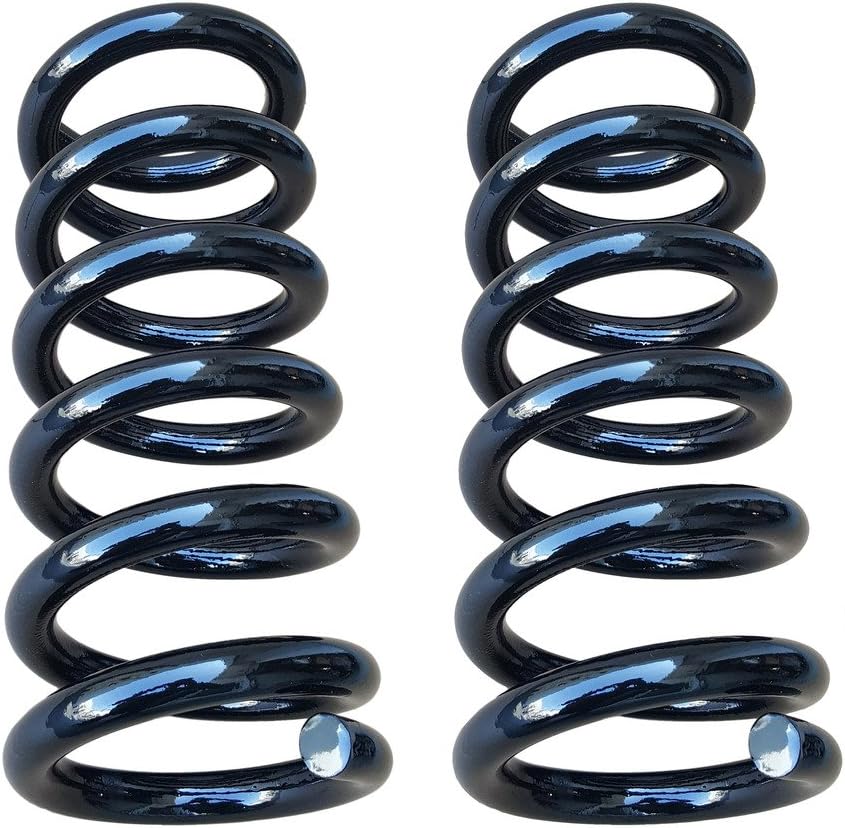
| Drop | 3 Inch Front Lowering |
|---|---|
| Vehicle fit | 1993-2013 Ford Ranger 2WD 4-cylinder |
| Finish | Powdercoat |
| Quantity | Set of 2 |
These front lowering coils replace the factory front springs to lower a 1993–2013 Ford Ranger 2WD four‑cylinder by about 3 inches. They are powder‑coated to resist corrosion and come as a two‑piece set intended for vehicles with coil spring suspension. In everyday use they firm up the front end and reduce ride height for a more aggressive stance and slightly sharper turn‑in. Installation is the same basic process as swapping stock coils, but because these are springs only they do not include dampers or adjustable ride control. That means ride quality and rebound control remain dependent on the Ranger's stock struts or an upgraded shock. Notable benefits are the relatively simple bolt‑in nature and the lifetime warranty against sag according to the maker, but buyers should expect a firmer ride and possibly the need to reindex or adjust alignment after fitment. These coils are a straightforward way to lower a Ranger without replacing struts, but they are not a coilover-style solution with damping or height adjustability.
Best for: Buyers who want a simple, factory-replacement spring solution to lower a Ranger for an improved stance and firmer front-end feel without replacing struts or installing a full coilover system.
Less Ideal for: Drivers seeking integrated damping control, ride-height adjustability, or a true coilover setup for performance tuning should look at full coilover kits instead.
- Designed specifically to lower 1993–2013 Ford Ranger 2WD 4‑cylinder models by 3 inches
- Durable powdercoat finish helps resist rust and corrosion
- Comes as a direct coil replacement set for relatively simple installation
- Manufacturer states springs are load tested and come with a lifetime warranty
- Springs only — no shocks or adjustable damping included so no coilover functionality
- Compatibility limited to 2WD four‑cylinder Ranger models only
Verdict: The best coilover lowering kit for buyers seeking an integrated spring-and-damper solution that allows damping and height adjustments for improved performance and adjustability.
5. RTZ Complete Lowering Kit for Ford Ranger Pickup with 3" Front Drop and 4" Rear Axle Flip + Primo Nitrogen Shocks
Best Complete Lowering Kit
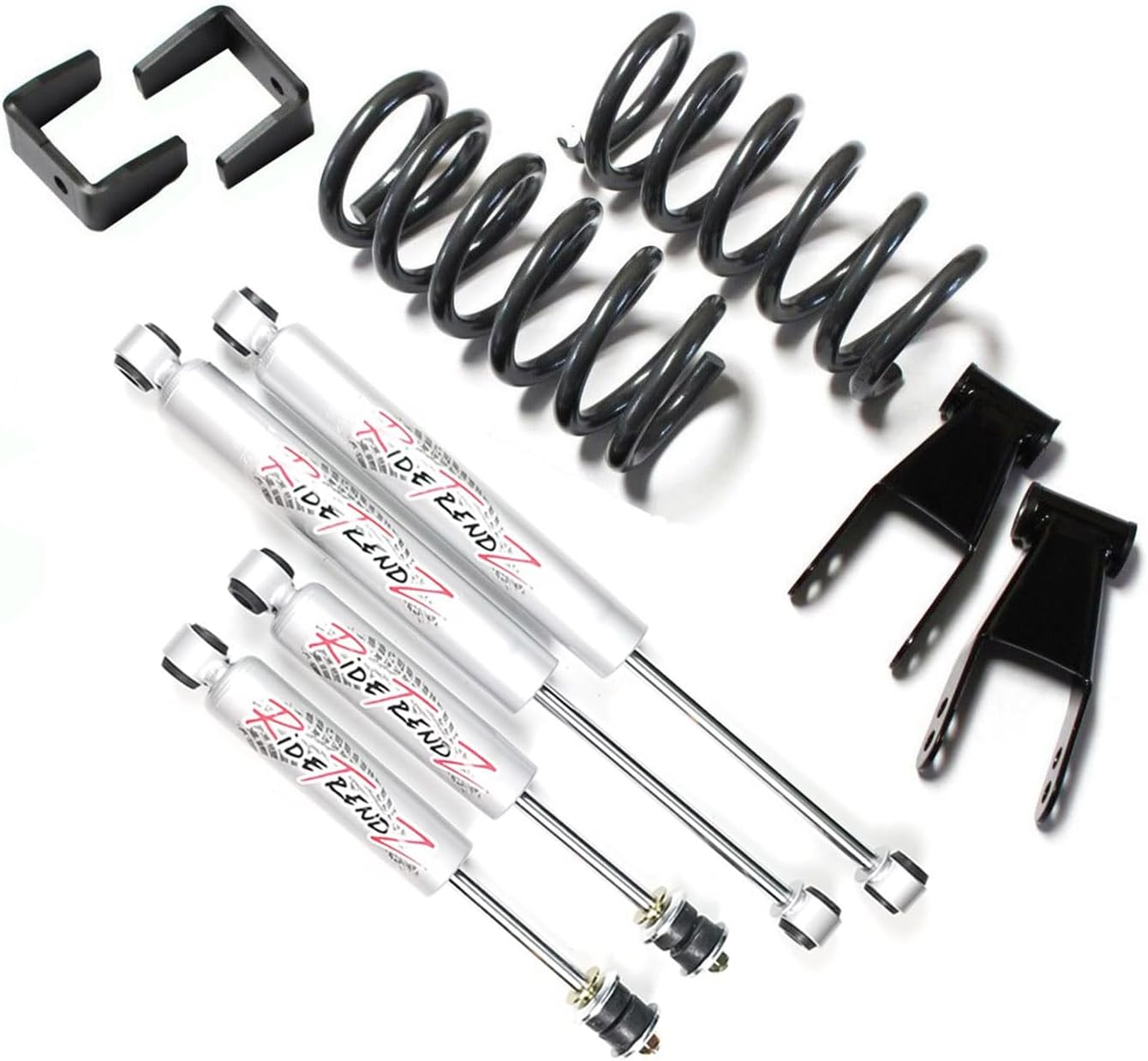
| Fits | 1998-2013 Ford Ranger Pickup & Mazda B Series Pickup 2WD V6 |
|---|---|
| Front drop | 3 inches |
| Rear drop | 4 inches |
| Included shocks | RTZ Primo Nitrogen Gas Charged Shocks |
| Material Type | Alloy Steel |
This RTZ kit is a single-purchase lowering solution designed for 1998–2013 2WD Ford Ranger and Mazda B Series pickups with V6 engines. It replaces the front springs with heat-set 3-inch drop coils engineered for a firmer sport spring rate and adds a 4-inch rear axle flip with relocation brackets and shackles to achieve the rear drop. RTZ bundles Primo nitrogen gas shocks tuned to complement the lowered springs, and the coils are powder-coated and shot-peened to resist corrosion and fatigue. For DIY mechanics the main advantage is completeness: springs, hardware, and shocks arrive together, reducing parts hunting and fitment guesswork. Expect a sportier, lower stance and a firmer ride characteristic of a 15% higher spring rate versus factory. The kit is vehicle-specific and appears built for direct replacement, but proper installation requires suspension experience and equipment because axle relocation and shock fitting need alignment and safety checks. This is a practical all-in-one option if you want a cohesive lowered setup without mixing brands.
Best for: DIY mechanics who want a single, vehicle-specific lowering package that includes springs, shocks, and hardware to install a coordinated lowered suspension without sourcing parts separately.
Less Ideal for: Drivers who prioritize a soft, factory-like ride or those unwilling to perform suspension modifications and alignment work at home should consider gentler alternatives or professional installation.
- Complete kit includes front lowering coils, rear axle relocation brackets, shackles, and matched nitrogen gas shocks
- Coils are heat-set, shot-peened, and powder-coated for reduced spring fatigue and corrosion resistance
- Springs are load tested and tuned to a sport spring rate about 15% stiffer than factory for improved handling
- Vehicle-specific fitment for 1998–2013 2WD Ford Ranger and Mazda B Series V6 reduces fitment guesswork
- Firm spring rate produces a noticeably stiffer ride compared with stock suspension
- Installation involves axle relocation and shock fitting that may require professional tools and alignment
Verdict: The best complete lowering kit for DIY mechanics who prefer a single purchase that includes springs, shocks or struts, and all required mounting hardware for a hassle-free installation.
6. AngyMeck 2" Rear Drop Lowering Shackles Kit for Ford Ranger (1998–2011)
Best Easy-Install Lowering Kit

| Vehicle fitment | 1998–2011 Ford Ranger 2WD/4×4 |
|---|---|
| Rear drop | 2 inches |
| Construction | Powder-coated solid steel |
| Kit contents | Shackles, bushings, grease fittings, hardware |
This AngyMeck rear drop shackle kit lowers the back of a 1998–2011 Ford Ranger by 2 inches to correct the factory rake and give the truck a more level stance. It is a simple bolt-on solution: the kit ships with drop shackles, bushings, grease zerks, and hardware so installation can be completed with basic hand tools in about an hour and without cutting, welding, or drilling. The heavy-duty solid steel shackles are powder-coated to resist corrosion and should hold up well under typical street and light-duty use. Because the kit keeps the factory suspension components, ride comfort is largely preserved while the lower center of gravity can improve handling slightly. Limitations are that this only modifies rear height by 2 inches and does not change springs or dampers, so those seeking a more aggressive drop or full suspension tuning will need additional parts. Also it is specific to Ranger models in the stated years, so fitment must be confirmed before purchase.
Best for: DIY owners of 1998–2011 Ford Rangers who want a quick, bolt-on way to level the rear and improve appearance without cutting or specialized tools.
Less Ideal for: Drivers seeking a larger drop, full suspension performance upgrades, or changes to front ride height should consider full spring or coilover solutions instead.
- True bolt-on installation with all hardware included for DIY installation using basic hand tools
- Includes bushings and zerk grease fittings for easier maintenance and longer bushing life
- Powder-coated solid steel construction for rust resistance and durability
- 2-inch drop specifically tuned to level the factory rake without major changes to ride comfort
- Only reduces rear ride height by 2 inches and does not address front height or overall suspension tuning
Verdict: The best easy-install lowering kit for DIYers who prioritize simple, bolt-on installation with clear instructions and minimal need for specialty tools or fabrication.
Choosing the Right Ford Ranger Edge Lowering Kit: Key Factors to Consider
Target Drop and Adjustability
How much you want to lower the Ranger Edge determines kit type and drivability. A moderate drop preserves suspension travel and reduces the chance of grounding on uneven roads, while aggressive drops produce a more dramatic stance but can introduce scraping and changes to steering geometry.
Adjustable kits let you dial drop height to match your priorities, whether you need a conservative daily setup or a lower show stance. Fixed-height lowering springs are simpler and usually less expensive, but they offer no fine tuning. Consider the intended use and the typical road surfaces you encounter when choosing the desired drop range.
Ride Quality and Damping Compatibility
Lowering springs or spacers change spring rates and center of gravity, which affects ride comfort and control. If a kit lowers the truck substantially, compatible dampers or valved shocks are often necessary to maintain predictable ride behavior and avoid a bouncy or harsh ride.
Look for kits that either include matched shocks or explicitly list compatible shock upgrades. Mismatched spring and damper rates can cause bottoming, increased vibration, or poor rebound control. For daily-driven Rangers, prioritize kits that maintain a composed ride over those that solely prioritize maximum drop.
Fitment and Vehicle Systems
Proper fitment is critical on the Ranger Edge to avoid interference with brake lines, bump stops, sway bar links, and ABS or wheel speed sensors. A kit that lists vehicle-year and configuration compatibility reduces the risk of installation surprises and the need for additional hardware.
Some lowering solutions change the suspension arc, requiring relocation brackets or extended components to keep geometry within safe limits. Confirm whether the kit alters track width or requires camber correction to maintain even tire wear and predictable handling.
Installation Complexity and Tools
Installation difficulty varies from simple bolt-in units to kits needing spring compressors, spring perch modification, or strut disassembly. If you plan DIY installation, choose a kit with clear instructions and that uses standard tools. For more involved installs, factor in shop labor time and whether the installer routinely works on trucks.
Consider whether additional alignments or post-installation checks are required. Many lowering projects need a full alignment to correct camber and toe. Anticipate the secondary services you'll need so you can budget time and resources appropriately.
Ground Clearance and Practical Use
Lowering reduces ground clearance and can affect approach and departure angles, which matters for a truck used on rough roads or driveways with steep entries. Even modest drops can increase the risk of damage to oil pans, bumpers, or aftermarket underbody protection if clearance becomes too low.
Think about load carrying and towing. A lowered bed height can change how the truck handles with heavy cargo, so ensure the chosen drop still allows safe, usable clearance for items you commonly transport.
Durability and Corrosion Resistance
Parts exposed to road salt and debris need robust corrosion protection on a Ranger Edge. Powder-coated springs, stainless hardware, and plated brackets extend service life in harsh climates. Poorly protected components can corrode, seize, or fail prematurely.
Also consider warranty and replacement part availability. Kits from manufacturers that provide clear warranty terms and accessible replacement hardware make long-term ownership easier and reduce unexpected downtime.
Types of Lowering Systems for Ranger Edge
Lowering solutions for the Ranger Edge generally fall into a few categories: lowering springs, spacers or drop spindles, and adjustable coilover-style systems. Each has tradeoffs in cost, adjustability, and installation complexity.
Lowering springs change ride height by replacing coil springs with shorter or higher-rate units and are often the most straightforward option. Drop spindles or lift-style spacers move suspension mounting points to lower the body without altering spring rates, which can preserve ride compliance but may affect scrub radius. Coilover-style or adjustable kits combine height adjustment with integrated damping control, offering the most tuning flexibility for owners who want to fine tune ride and handling.
- Lowering springs: simple, cost-effective, limited adjustability
- Spacers/drop spindles: preserve spring rate but may affect geometry
- Adjustable coilovers: tunable height and damping for precise setup
Alignment and Tire Considerations After Lowering
Lowering affects camber and toe, so a professional alignment is essential after installation. Without proper alignment, you can expect accelerated tire wear and compromised handling. Make sure the alignment shop understands the post-lowering targets for the Ranger Edge and can correct camber and toe within safe ranges.
Tire choice and offset matter for fitment and rub clearance. Lowered trucks sometimes need tires with slightly different sidewall profiles or wheels with appropriate backspacing to avoid rubbing during full lock or compression.
- Schedule a full alignment after install
- Check tire clearance during suspension travel
- Consider corrective camber kits if needed
Common Installation Pitfalls and How to Avoid Them
A few issues frequently show up with lowering installations: insufficient bump stop travel, binding sway bar end links, and interference with brake or ABS lines. Inspect bump stops and extend or replace them if needed to prevent coil bind. Swap in adjustable end links when lowering alters sway bar geometry.
Pre-check all brake and sensor lines for adequate slack through travel. If the kit requires cutting or welding, plan for a professional shop install. Follow torque specs and use thread locker where recommended to reduce the chance of hardware loosening over time.
- Verify bump stop and travel limits
- Use adjustable sway bar end links when necessary
- Inspect brake and ABS line routing before final torque
Legal and Insurance Considerations
Local laws govern permissible vehicle ride heights and modifications in many jurisdictions. Check state and local regulations before committing to a drop to ensure your Ranger Edge remains road-legal. Some areas have specific limits on how much a vehicle may be lowered.
Modifications can affect insurance coverage or policy terms in some cases. While most lowering projects are routine, document the installation and keep records of the kit and any associated alignment or suspension work.
- Verify local ride-height limits
- Keep installation records for insurance and resale
- Understand inspection requirements that may apply
Maintenance After Lowering
A lowered Ranger Edge benefits from periodic checks of suspension fasteners, bushings, and shock mounts especially during the first few hundred miles after installation. Retorque hardware after the initial settling period and again at intervals recommended by the kit manufacturer.
Monitor tire wear and inspect for unusual patterns that may indicate alignment drift or worn components. Corrosion-prone areas should be kept clean and treated to extend component life.
- Retorque hardware after initial break-in
- Inspect tires and alignment regularly
- Treat exposed metal to prevent corrosion
Still looking for the perfect fit?
Select your Ford Ranger configuration to see the most relevant Lowering Kits recommendations
How We Chose the Best Ford Ranger Edge Lowering Kit
Our selection focused on solutions specifically compatible with the Ford Ranger Edge and on components that address the unique geometry and duty cycle of this truck configuration. We prioritized kits that maintain safe suspension travel, preserve alignment range, and limit adverse effects on steering and ABS sensors. Key evaluation criteria included materials and construction quality, stated drop range and adjustability, tested ride comfort across mixed pavement, and ease of installation including whether common shop tools suffice. We also weighed corrosion protection and warranty coverage as indicators of long-term value.We excluded any kits that required major cutting of factory mounts or extensive chassis modification, as those are impractical for most owners. Lightweight cosmetic-only spacers were not considered unless they were part of a comprehensive kit that addressed suspension geometry. The final picks reflect options that balance handling improvements, reliable fitment, and reasonable installation effort for Ranger Edge owners.
Our full evaluation process is outlined in our review methodology.
FAQ
How much can I lower my Ford Ranger Edge safely?
Safe lowering depends on the kit type and intended use. Moderate drops that preserve suspension travel are safer for daily driving, while aggressive drops may require additional geometry corrections. Consult the kit specifications and plan for an alignment.
Will lowering affect towing or payload capacity?
Lowering can change suspension behavior under load and may reduce available travel, which can impact towing and payload performance. If you frequently carry heavy loads, choose a kit that maintains adequate travel or consider adjustable solutions you can reset for hauling.
Can I install a lowering kit myself on a Ranger Edge?
Simple lowering springs or bolt-in spacers can be DIY-friendly if you have the right tools and mechanical experience. More complex kits, coilovers, or installs requiring spring compressors or strut disassembly are better left to a professional shop.
Will sensors or ABS be affected by lowering my Ranger Edge?
Lowering can change the position of components that ABS sensors rely on, but properly designed kits maintain safe routing and sensor clearance. Always verify sensor wiring and line slack during installation to prevent unexpected issues.
Do I need new shocks when I lower the truck?
Not always, but shocks matched to the new spring rates or designed for lowered ride height improve control and comfort. If a kit recommends compatible dampers, follow that guidance to avoid poor rebound characteristics.
How soon should I get an alignment after lowering?
Get a full alignment immediately after installation and again after the first few hundred miles to account for settling. Proper alignment prevents uneven tire wear and maintains handling balance.
Final Verdict
Lowering the Ford Ranger Edge can transform handling and stance, but the right choice depends on how you use the truck. Prioritize fitment, suspension travel, and damping compatibility for daily-driven vehicles, and consider adjustable kits if you alternate between performance and load-carrying needs.Balance the desired drop against ground clearance and long-term durability, and plan for a professional alignment and post-installation checks. With careful selection and installation, you can enjoy improved cornering and a refined look without sacrificing everyday practicality.
Explore More:
- Check out all Ford Ranger parts & accessories
- Explore Suspension & Steering
- Browse all Accessories
