

Note: This article contains affiliate links. If you click on these links and make a purchase, I may earn a small commission at no extra cost to you. This helps support my research and content. Read my full affiliate disclosure here.
If your 1998-2011 Ford Ranger feels loose in turns or makes clunking noises over bumps, worn sway bar links are a common and fixable cause. Choosing the right sway bar link matters because fitment, joint type, and corrosion resistance affect steering feel, noise, and long-term reliability on this truck.This guide shortlists the top options for the Ranger and explains the evaluation criteria used to select them, including fitment accuracy, joint durability, and ease of installation. Read on to compare the best candidates and find the sway bar link solution that matches your driving needs and maintenance plans.
Looking for other parts? See all Ford Ranger parts & accessories.
Top Picks at a Glance
| Best Overall The best all-around choice for most situations | Koxot K7275 Front Stabilizer Sway Bar Link Kit (2‑Pack) |  |
| Best Quality Built to a higher standard if you want something more solid | MOOG Stabilizer Bar Link Kit (Front) |  |
| Best Value The sweet spot between price and what you get | DYZJKWJW Front Stabilizer Sway Bar Link Kit (pair) |  |
| Best Budget The cheapest option that still gets the job done reliably | ALADICHE Front Sway Bar Link Kit (SBL001) | |
| Highest Rated A top-rated pick with lots of positive feedback | Suspension Dudes Front Sway Bar Stabilizer Links with USA-Made Bushings |  |
| Most Popular A crowd favorite that many people choose with confidence | Detroit Axle Complete Suspension Kit — 4WD Shock Absorbers and Front Sway Bar Links for 1998–2011 Ford Ranger |  |
| Best Seller A high-volume bestseller chosen again and again | X4XZ Front Stabilizer Sway Bar End Link (K7275) |  |
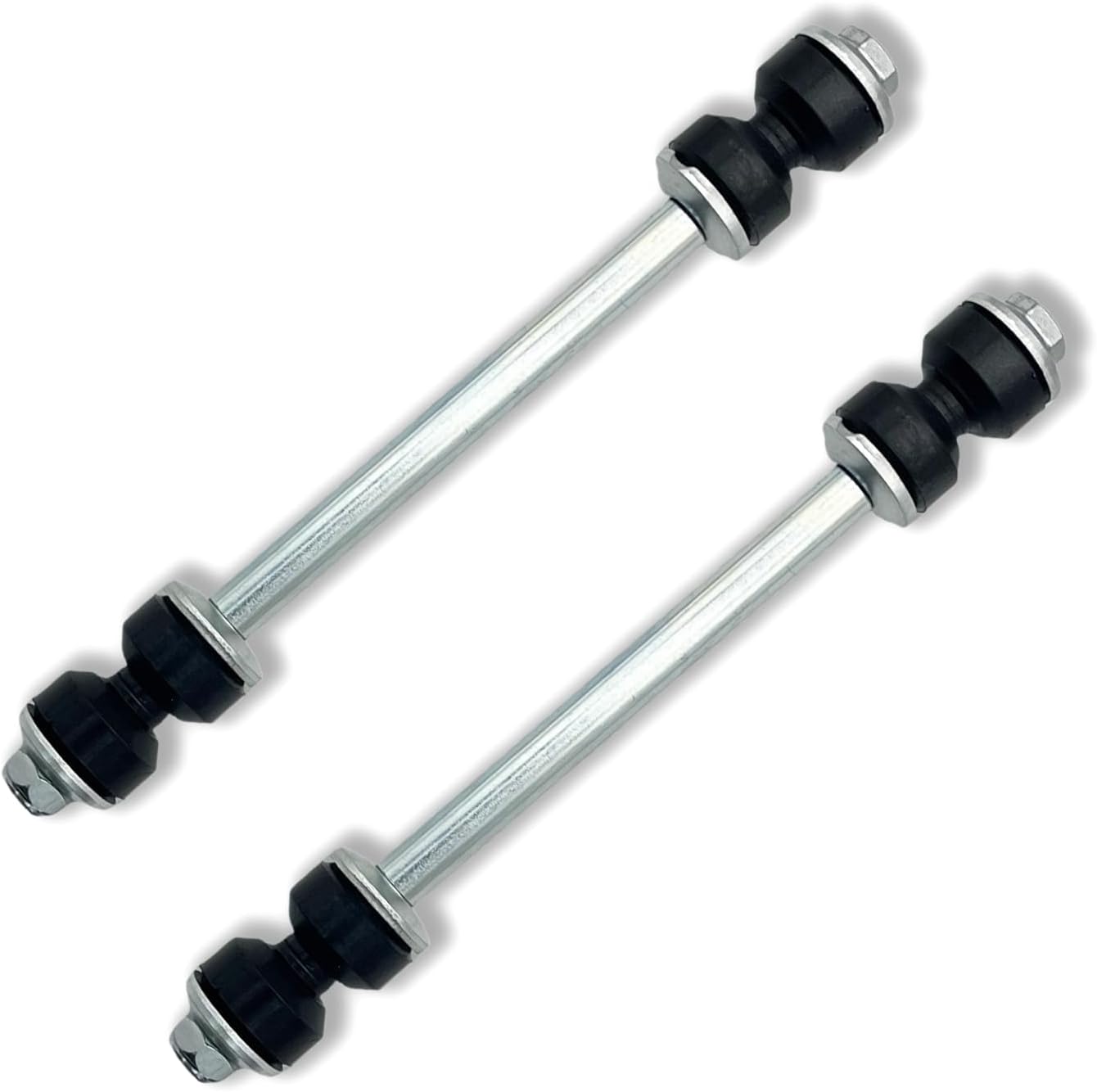
1. Koxot K7275 Front Stabilizer Sway Bar Link Kit (2‑Pack)
| Manufacturer | Koxot |
|---|---|
| Position | Front, Rear |
| Manufacturer Part Number | K7275 |
| Item model number | KT-PHG-2PCS-019 |
The Koxot K7275 kit supplies two front stabilizer bar end links intended as direct replacements on compatible Rangers and similar vehicles. These links are used to reconnect the sway bar to the suspension, restoring anti-roll control and reducing clunking or looseness that shows up during turns and over bumps. The kit emphasizes precision machining and factory-style production, and arrives ready for a basic wrench-and-socket installation with the original mounting hardware pattern. In practice the parts should noticeably reduce suspension noise and improve steering feel when worn or broken links are the cause of the problem. Expect a budget-friendly option rather than a high-end performance upgrade; the design focuses on restoring factory handling rather than changing ride characteristics. Installation is straightforward for DIYers with basic tools, but alignment checks after replacement are recommended. If you need heavy-duty aftermarket strengthening or polyurethane bushings for track use, look elsewhere; this kit is aimed at reliable, cost-effective restoration of stock handling.
Best for: Buyers who want an affordable, OEM-style replacement to stop clunks and restore steady handling on older Rangers and similar trucks without changing ride behavior.
Less Ideal for: Drivers seeking reinforced links for heavy towing, off-road abuse, or performance handling upgrades should choose a purpose-built heavy-duty or polyurethane option instead.
- Two-piece kit replaces both front links to restore symmetric handling
- Precision machining and factory-style fitment for straightforward bolt-on installation
- Reduces clunking and vibration associated with worn sway bar links
- Cost-effective factory-replacement option from a dedicated suspension parts brand
- Not designed as a heavy-duty or performance upgrade for aggressive off-road or track use
- Limited to the specific vehicle fitment years listed rather than universal application
Verdict: A budget-friendly, factory-style two-piece link kit that reliably restores handling and eliminates sway-bar clunks on compatible Rangers.
2. MOOG Stabilizer Bar Link Kit (Front)

| Brand | MOOG |
|---|---|
| Model | Stabilizer Bar Link Kit |
| Position | Front |
MOOG’s front stabilizer bar link kit replaces the worn connection between the sway bar and suspension to restore steering response and reduce body roll. It includes design features aimed at easier installation such as molded bushings that hold coated washers and an easy-thread 1-inch barrel lock nut, which can cut time for a DIY install. The parts are built from premium materials and MOOG calls out induction-hardened studs and protective dust boots on similar chassis parts, suggesting durability for street and light off-road use. In practice this kit is used when you have clunks, loose steering feel, or uneven tire wear from a failing link; swapping both sides typically returns a firmer, more predictable front end. Limitations are that the kit is a direct replacement without performance tuning for aggressive off-road lowering or race setups, and any installation on rusty or seized fasteners can require extra tools or rust-penetrant time. For routine repairs on a Ranger this is a straightforward, factory-quality replacement.
Best for: Buyers who want a reliable, factory-quality replacement to restore steering feel and front-end stability on a 1998–2011 Ford Ranger and prefer a straightforward DIY install.
Less Ideal for: Drivers planning aggressive suspension tuning, motorsports use, or specialty lift/lowered setups should choose an adjustable or performance-specific link instead.
- Direct front sway bar link replacement that restores steering response and reduces body roll
- Molded bushings and easy-thread barrel lock nut simplify installation for DIY mechanics
- Constructed from premium materials for improved durability over generic parts
- Not a performance-tuned or adjustable link for custom lowered or competition setups
Verdict: Choose this MOOG front sway bar link kit to quickly and reliably restore steering response and reduce front-end body roll on a 1998–2011 Ford Ranger.
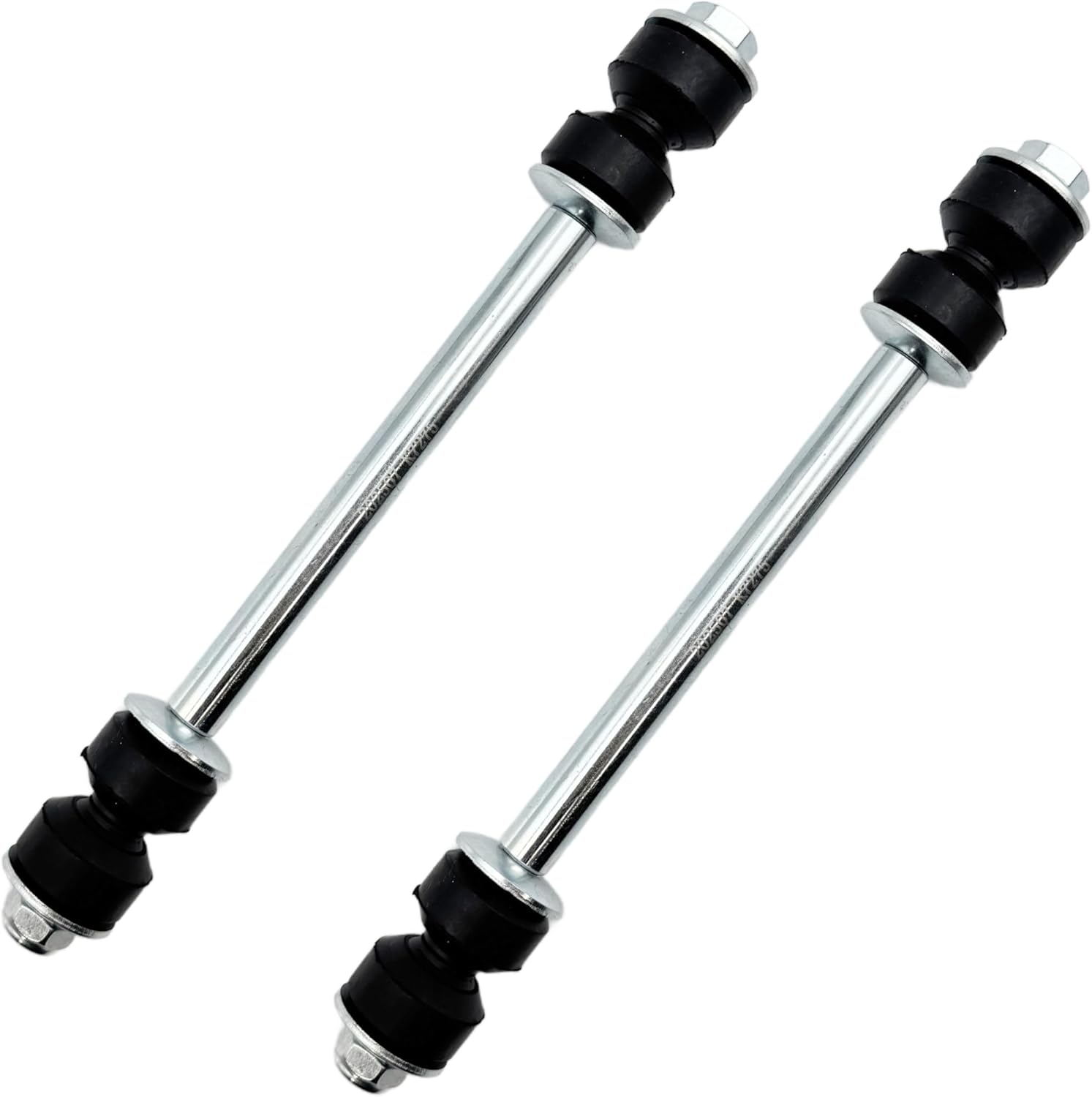
3. DYZJKWJW Front Stabilizer Sway Bar Link Kit (pair)
| Auto Part Position | Front |
|---|---|
| Included Components | 2x Front Stabilizer Sway Bar End Link |
| Manufacturer Warranty Description | 1 year |
| Automotive Fit Type | Vehicle Specific Fit |
These front stabilizer sway bar links are a direct-fit replacement intended for the Ford Ranger (1998–2011) and compatible front-suspension vehicles in that range. Sold as a pair, the links are built with corrosion-resistant coatings and heavy-duty hardware to withstand road salt and high temperatures, which helps extend service life compared with older, rusted links. Installation is straightforward for anyone with basic suspension knowledge and common hand tools because the kit replaces factory links without modification. The practical benefits are improved steering response, reduced sway and clunking over bumps, and a restored feel when cornering or braking. Limitations: the listing covers many makes and years so confirming fitment for your exact Ranger trim and suspension type is necessary, and the kit does not include bushings or other suspension components you might replace at the same time. Expect a solid, budget-friendly replacement rather than an uprated performance part for aggressive off-road use.
Best for: Buyers who want a dependable, cost-conscious factory-style replacement to stop front-end sway, clunks, or uneven handling on a 1998–2011 Ford Ranger and prefer a straightforward install.
Less Ideal for: Drivers seeking performance-tuned sway bar links for heavy off-road or competition use should consider purpose-built aftermarket upgrades instead.
- Direct-fit design made for the specified vehicle range for straightforward installation
- Triple-layer anti-corrosion coating for improved durability in salted or wet climates
- Sold as a pair so both front links are replaced at once to restore balanced handling
- Constructed to meet factory-quality standards for reliable, long-term service
- Does not include additional suspension components such as bushings or sway bar hardware that may also need replacement
Verdict: A practical, corrosion-resistant direct-replacement pair that restores steering stability and suspension smoothness on 1998–2011 Ford Rangers.
4. ALADICHE Front Sway Bar Link Kit (SBL001)
| Position | Front |
|---|---|
| Manufacturer | ALADICHE |
| Model | SBL001 |
| Exterior | Machined |
The ALADICHE front sway bar link kit replaces worn or damaged links to restore proper sway bar connection, improve cornering stability, and eliminate clunks from the front suspension. Intended as a direct replacement for compatible 1998–2011 Ford Ranger and several related trucks and SUVs, the kit uses zinc-nickel components with an anti-corrosion coating for longer life in road conditions. Installers will appreciate the machined exterior and factory-style fit that make installation straightforward on typical front suspension setups. In daily driving this kit reduces body roll and the knocking that comes from failed links, improving ride comfort and steering confidence on turns and rough pavement. Limitations include that it is a vehicle-specific replacement so fitment must be confirmed, and the kit is a direct replacement rather than an upgraded performance part for heavy-duty towing or aggressive off-road use.
Best for: Buyers looking for an affordable, reliable front sway bar link replacement to quiet suspension noise and restore normal handling on a late 1990s to early 2010s Ford Ranger.
Less Ideal for: Drivers who need heavy-duty or performance suspension parts for towing, racing, or serious off-road modification should consider upgraded aftermarket options instead.
- Direct-fit replacement for compatible model years to simplify installation
- Zinc-nickel construction with anti-corrosion coating resists temperature and wear
- Machined exterior for consistent fit and reduced installation fuss
- Designed to eliminate knocking and rattling from worn sway bar links
- Not a performance or heavy-duty upgrade; intended as a factory-style replacement
Verdict: If you need a budget-friendly, vehicle-specific front sway bar link that restores handling and stops suspension noise on a 1998–2011 Ford Ranger, this kit is a practical choice.
5. Suspension Dudes Front Sway Bar Stabilizer Links with USA-Made Bushings

| Auto Part Position | Front Left, Front Right |
|---|---|
| Material | Zinc |
| Automotive Fit Type | Vehicle Specific Fit |
| Manufacturer | Suspension Dudes |
These front sway bar stabilizer links replace the factory front links to restore steering stability and reduce body roll. They come as a pair and are intended for vehicle-specific fitment; the links use black zinc-coated hardware for corrosion resistance and include high-quality Code Red bushings manufactured in the USA. Install is straightforward when the vehicle is at normal ride height, and the parts are typical drop-in replacements for worn or noisy links. In practice the zinc coating helps resist rust in wet climates and the firmer bushings deliver a more consistent steering feel compared with deteriorated rubber. Buyers should note these are replacement links, not adjustable performance end links, so they restore stock geometry rather than change roll stiffness. Also the kit requires correct fitment selection for your Ranger year and trim and may not include additional installation hardware some shops prefer to reuse factory fasteners.
Best for: Buyers who prioritize a reliable, factory-quality steering feel and want solid, made-in-USA bushings to restore handling on an older Ranger without modifying suspension geometry.
Less Ideal for: Drivers looking to tune sway bar preload, adjust ride height clearance, or use performance-adjustable links should consider adjustable aftermarket options instead.
- Vehicle-specific fit for straightforward replacement
- Black zinc coating on hardware improves corrosion resistance
- Includes high-quality USA-made Code Red bushings for durability
- Sold as a matched pair to replace both sides at once
- Not adjustable so cannot be used to tune handling characteristics
Verdict: If you want a dependable, corrosion-resistant direct replacement that restores factory steering feel with durable USA-made bushings, this pair is a solid choice for a Ranger owner.
6. Detroit Axle Complete Suspension Kit — 4WD Shock Absorbers and Front Sway Bar Links for 1998–2011 Ford Ranger

| Fitment | 1998-2011 Ford Ranger (4WD; front torsion bar; excludes FX4/Highrider) |
|---|---|
| Kit contents | 2 front shocks, 2 rear shocks, 2 sway bar end links |
| Material Type | Steel or Aluminum |
| Unit Count | 6 Count |
This Detroit Axle kit bundles two front and two rear fully assembled shock absorbers plus a pair of front stabilizer/sway bar end links to restore ride control on 4WD Ford Rangers with front torsion bar suspension. The shocks come fully assembled so installation avoids coil spring compressors and some specialty tools, making the kit suitable for a competent DIYer or a quick shop job. Electrophoretic coating helps resist corrosion and the parts are designed to match factory fit and function, so handling feels more controlled and body roll is reduced after replacing worn components. The inclusion of matching front and rear shocks plus sway bar links ensures balanced damping and steering stability rather than piecemeal fixes. Limitations: this kit is vehicle-specific and excludes FX4 and Highrider variants, and materials listed as steel or aluminum mean some components may not match higher-end OEM metals or performance part upgrades favored by heavy-duty or off-road users.
Best for: Buyers who want a single coordinated parts kit to restore ride quality and steering stability on a 4WD Ranger without hunting down separate components and who value proven review-backed options.
Less Ideal for: Drivers seeking heavy-duty performance upgrades, off-road-tuned suspension, or fitment for non-torsion-bar Ranger variants should look at specialized performance or vehicle-specific alternatives.
- Complete set includes front and rear fully assembled shock absorbers plus front sway bar end links for a coordinated replacement
- Fully assembled units remove the need for a coil spring compressor and speed up installation
- Electrophoretic coating improves corrosion resistance for longer service life
- Vehicle-specific fit aimed to restore ride height and handling closer to factory behavior
- Not compatible with FX4 or Highrider Ranger variants and only fits specified torsion bar 4WD configurations
Verdict: If you need a complete, ready-to-install shock and sway bar link kit to bring a 4WD Ford Ranger back to factory-like handling quickly, this Detroit Axle set is a practical choice.
7. X4XZ Front Stabilizer Sway Bar End Link (K7275)

| Auto Part Position | Front |
|---|---|
| Material | Rubber, Zinc |
| OEM Part Number | 2L2Z5K483BA |
| Manufacturer Part Number | K7275 |
| Automotive Fit Type | Vehicle Specific Fit |
The X4XZ K7275 front sway bar end link is a direct-fit replacement intended to restore front roll control and eliminate clunking from worn links on compatible Rangers and similar vehicles. It installs in place of the factory link and is typically used when you hear knocking over bumps, notice loose steering, or want to return handling to factory feel. The part uses a zinc-nickel alloy coating to resist corrosion and rubber bushings for vibration damping. Those features mean it should resist rust in salted-road climates and keep road noise subdued compared with stiffer aftermarket designs. Packaging includes a single front link and the part follows the listed OEM number for straightforward fitment checks. Limitations: the listing does not include installation hardware or detailed instructions, and long-term durability depends on driving conditions and whether the rest of the suspension is sound. Expect a routine swap for anyone comfortable with basic suspension work or a quick shop job for others.
Best for: Buyers who prioritize a factory-style, low-risk replacement that restores original handling characteristics on a 1998–2011 Ford Ranger and prefer corrosion-resistant finish and muted NVH.
Less Ideal for: Do not choose this if you need a performance-oriented or heavy-duty sway bar link for aggressive off-road use or modified suspension setups.
- Vehicle-specific fit for direct replacement on listed models including Ford Ranger (1998-2011)
- Zinc-nickel coating provides strong corrosion resistance for salted or wet environments
- Rubber bushings reduce vibration and road noise compared with harder aftermarket bushings
- Package contains a single front link and no printed installation instructions are included
Verdict: A corrosion-resistant, vehicle-specific front sway bar link that restores factory handling on 1998–2011 Ford Rangers with minimal fuss.
Choosing the Right 1998-2011 Ford Ranger Sway Bar Link: Key Factors to Consider
Fitment and Year Coverage
Correct fitment is the single most important factor for the 1998-2011 Ford Ranger because sway bar link lengths, stud diameters, and mounting angles changed across model years and some trim levels. Choosing a link specified for the Ranger year range reduces the risk of improper geometry that can cause binding, uneven stress, or accelerated wear.
Pay attention to whether the link is listed for front or rear application, and whether the part is sold as a left or right piece or as a pair. For repairs, matching the exact orientation and length to the failed link preserves the sway bar geometry and steering feel.
Joint Type and Durability
Sway bar links use different joint types such as ball joints, rubber bushings, or polyurethane joints, and each affects noise, movement, and service life. Ball joints with sealed bearings tend to offer precise articulation but can fail if seals are poor; rubber bushings isolate noise but may compress and allow more play over time; polyurethane lowers compliance and resists wear but can transmit more NVH.
Consider your driving style and priorities: if you need quiet daily driving, a bushing-style link may be preferable; if you want long-lasting, firmer control for spirited driving or heavier use, upgraded polyurethane or sealed metal joints may be better.
Materials and Corrosion Resistance
The Ranger often sees salt, moisture, and road debris depending on climate, so the materials and finishes on sway bar links strongly influence longevity. Steel links with high-quality plating or powder coat resist rust longer than bare metal. Stainless steel or zinc plating plus durable bushings extend service life in corrosive environments.
Also inspect the protective features around the joint, such as boots or seals, because exposure to grit and water accelerates wear. Parts intended for long-term service should include robust sealing or corrosion-resistant coatings.
Included Hardware and Kit Options
Some sway bar links are sold individually, others in pairs, and some come as kits with replacement nuts, bolts, washers, and bushings. For a straightforward repair on a Ranger, kits that include matching hardware reduce the chance of mismatched fasteners and simplify the job.
If you are planning to replace both sides, buying a kit or matched pair ensures consistent wear characteristics and alignment. Check whether replacement bushings or grease fittings are included when evaluating long-term serviceability.
Noise, Play, And Symptom Resolution
Owners commonly replace links due to symptoms like a sway bar link noisy clunk, steering looseness, or pronounced body roll. A good replacement should eliminate audible clunks and restore predictable roll control without introducing new noise. Assess product descriptions for how the joint design addresses common failure modes like play at the stud or degraded bushing resilience.
Expect some break-in for stiffer bushings, but persistent play or new clunks after installation indicate improper fit or low-quality joints. Consider whether the design isolates noise while maintaining firm control for the Ranger's weight and suspension geometry.
Ease Of Installation And Serviceability
How easy a link is to install matters for both DIYers and shop technicians. Factors include whether the stud uses a press-fit or tapered end, if the kit supplies new fasteners, and whether the part allows torquing without special tools. Clear replacement instructions and common fastener sizes speed up the job on a Ranger.
Also consider serviceability features such as grease fittings or replaceable bushings. Links that allow periodic lubrication can last longer and are easier to maintain without full replacement.
Common Symptoms Of Worn Sway Bar Links On The Ranger
Worn or failed links often present as a distinct clunk or rattle from the suspension when driving over bumps or during quick weight transfers. The sound is typically most noticeable at low speeds and can come from either the front or rear end links depending on where the wear has occurred.
Other signs include increased body roll in corners, wandering steering feel, or visible play when the link is inspected with the wheel raised. In many cases, an owner will notice the vehicle feels less stable during lane changes or when cornering at moderate speeds.
- Audible clunking over bumps or during weight transfer
- Noticeable increase in body roll or reduced roll control
- Loose or sloppy steering feel during quick maneuvers
- Visible wear, torn boots, or play at the joint on inspection
Front Versus Rear Link Considerations
On the Ranger, the front sway bar link often experiences different loads compared with the rear due to steering and steering-related suspension motion. Front links that fail can affect steering precision more directly, so correct front fitment and secure attachment are especially important.
Rear links are typically simpler in mounting but still require the correct length and bushing stiffness to preserve roll balance. When replacing links, verify whether the part is intended for front or rear application to avoid geometry issues that create handling imbalance.
- Confirm front or rear designation before purchase
- Front link failure more likely to affect steering feel
- Rear link issues mainly affect roll balance and rear stability
DIY Replacement Tips For Ranger Owners
Many Ranger owners can replace sway bar links with basic tools, a jack, and jack stands. Typical steps are to safely lift the truck, support the axle or control arm, remove the old fasteners, and install the new link while ensuring correct orientation and torque. Having replacement hardware included in a kit reduces surprises during the job.
When you replace links yourself, inspect related components such as sway bar bushings and mounting brackets. Lubricate any grease fittings if present, and retorque fasteners after a short test drive to account for settling. If the job requires special presses or if seized fasteners are present, consider professional assistance.
- Use proper safety support with jack stands when working under the truck
- Keep note of torque specs and retorque after a short drive
- Inspect sway bar bushings and brackets during replacement
Maintenance And Longevity Strategies
Periodic inspection of links and their protective boots helps catch early signs of stabilizer link wear before failure. Look for torn rubber, excessive play at the joint, or corrosion at the fastener points. Cleaning and light lubrication where applicable can extend service life.
For Rangers driven in salty or wet environments, prioritize parts with better corrosion protection and consider more frequent inspections. Replacing one side at a time is common for cost reasons, but matching wear characteristics by replacing both sides can restore more consistent handling.
- Inspect links during routine oil changes or tire rotations
- Prefer sealed joints or protected boots in wet climates
- Replace paired links for consistent handling when possible
How Link Design Affects Ride Quality
The joint stiffness and bushing material shape how much vibration and noise pass into the cabin. Softer rubber bushings reduce noise but allow more movement, which can slightly soften cornering response. Firmer polyurethane or metal-joint links tighten up body roll but may transmit more road noise.
Balance your priorities between comfort and control when choosing a link for the Ranger. If you use the truck for daily commuting and value quiet operation, favor designs that isolate NVH. If you need firmer control for towing or spirited driving, prioritize durable joints and minimal play.
- Rubber = quieter, more compliant handling
- Polyurethane = firmer handling, potential for more NVH
- Sealed metal joints = precise articulation, watch for seal durability
Still looking for the perfect fit?
Select your Ford Ranger configuration to see the most relevant Sway Bar Links recommendations
How We Chose the Best 1998-2011 Ford Ranger Sway Bar Link
We narrowed candidates by focusing on attributes that directly affect performance and longevity on the 1998-2011 Ford Ranger. Our editorial filters prioritized fitment accuracy for the full year range, joint type and materials that resist wear, and construction choices that limit corrosion on vehicles often used in mixed weather. We also evaluated whether parts come as single links or kits and whether they include bushings, mounting hardware, or grease fittings that matter for routine maintenance.Key evaluation criteria included: fitment and fitment notes specific to Ranger model years; joint design and expected service life under typical loads; material and finish for corrosion resistance; included hardware and whether the part is sold individually or as a kit; and ease of installation for technicians and DIYers. We excluded any items lacking documented fitment for the Ranger years in scope or those with inadequate mounting hardware. We also set aside parts with unclear materials or without clear information on joint type because those details strongly influence durability and noise performance.
Our full evaluation process is outlined in our review methodology.
FAQ
How long do sway bar links typically last on a 1998-2011 Ford Ranger?
Lifespan varies with driving conditions and joint type. Under normal conditions, links can last many years, but exposure to salt, off-road use, or high-mileage can shorten life. Expect earlier replacement if you notice noise or visible wear.
Can I replace just one sway bar link or should I do both sides?
You can replace a single failed link, but replacing both sides is often recommended to ensure symmetric handling and matched wear characteristics. For hobbyist repairs, budget and condition of the opposite side guide the decision.
Will a bad sway bar link affect steering alignment on the Ranger?
A worn link can change roll behavior and steering feel but usually does not change static wheel alignment. However, pronounced play may make the truck feel loose during dynamic maneuvers and should be corrected to maintain stable handling.
What are common signs that indicate I need a sway bar link replacement?
Common indicators include a sway bar link noisy clunk over bumps, increased body roll in corners, visible play at the joint, or torn protective boots. Inspecting the link with the wheel raised often reveals excessive movement.
Are sway bar link kits worth buying versus single links?
Kits that include matching hardware and bushings simplify installation and reduce the chance of mismatched fasteners. If both sides show wear or you want a complete refresh, a kit or matched pair often offers better long-term consistency.
What torque specs should I use when installing sway bar links on a Ranger?
Torque specs can vary by model year and whether the link attaches to the control arm or sway bar. Consult a factory service manual or repair reference for the exact torque values. Using correct torque prevents fastener loosening and ensures proper joint preload.
Final Verdict
When choosing sway bar links for your 1998-2011 Ford Ranger, prioritize correct fitment, joint durability, and corrosion resistance based on how you use the truck. Match front or rear designation, consider kit options that include hardware, and weigh bushing versus joint stiffness to balance noise and handling.Addressing the symptoms early and choosing a link with robust sealing and proper materials will restore predictable handling and reduce clunks. Focus on the evaluation criteria outlined here to select the option that best fits your driving conditions and maintenance preferences.
Explore More:
- Check out all Ford Ranger parts & accessories
- Explore Sway Bar Links Maintenance & Repair Guides
- Explore Suspension & Steering
- Browse all Auto Parts
