

Note: This article contains affiliate links. If you click on these links and make a purchase, I may earn a small commission at no extra cost to you. This helps support my research and content. Read my full affiliate disclosure here.
Lowering the rear of your Ford Ranger changes more than appearance. A well-chosen rear lowering kit can sharpen handling, reduce squat under acceleration, and improve overall stance while keeping load-carrying and ride comfort in mind. For owners who want a purposeful, planted look without a harsh ride, the right rear lowering kit makes a noticeable difference.This guide covers six shortlisted rear lowering kits that fit the Ranger and explains how we evaluated them for fitment, ride quality, and durability. Read on to understand the tradeoffs and which features matter most when lowering the rear of your Ranger, so you can pick the kit that matches how you drive and use the truck.
Looking for other parts? See all Ford Ranger parts & accessories.
Top Picks at a Glance
| Best Overall Lowering Kit The best all-around kit balancing performance, fit, and ease of install | HD Suspension 5" Rear Drop Flip Kit for 1989–2013 Ranger (2WD) |  |
| Best Budget Lowering Kit A low-cost kit that delivers noticeable drop without breaking the bank | BST BSSP 2" Rear Drop Shackles Lowering Kit with Hardware for 1989–1997 Ford Ranger |  |
| Best Premium Lowering Kit Higher-end materials and tuning for superior ride and longevity | Belltech 1044SP 2" Front / 4" Rear Lowering Kit for 2019+ Ford Ranger 2WD |  |
| Best Complete Lowering Kit Includes all necessary hardware and components for a full installation | maXpeedingrods 3" Front & 5" Rear Lowering Kit for Ford Ranger/Mazda B4000 (1983–1997) |  |
| Best Short-Drop Lowering Kit Targets smaller drop amounts for mild lowering and improved clearance | AngyMeck 2" Rear Drop Lowering Shackles Kit for Ford Ranger (1998–2011) |  |
| Best Heavy-Duty Lowering Kit Built with beefy components for rugged use and frequent driving | Quality Suspension Advantage 5" Rear Flip Kit for Ford Ranger (1983–2015) |  |
1. HD Suspension 5" Rear Drop Flip Kit for 1989–2013 Ranger (2WD)
Best Overall Lowering Kit

| Vehicle fit | 1989–2013 Ford Ranger 2WD |
|---|---|
| Material Type | Steel |
| Set Name | 5" Rear Drop Flip Kit |
| Included Components | Installation Hardware |
| Unit Count | 2 Count |
This HD Suspension flip kit relocates the rear axle above the leaf springs to create an aggressive 5‑inch drop while retaining predictable suspension geometry. Designed as a vehicle‑specific, bolt‑on solution for 1989–2013 Ford Ranger 2WD models, the kit includes two steel axle flip brackets and all necessary installation hardware for a straightforward DIY installation with standard hand tools. The heavy‑duty steel construction promises long service life and the flip design keeps the axle alignment and leaf spring behavior close to factory characteristics, which helps maintain daily drivability on lowered Rangers. Expect an improved stance and lower center of gravity useful for street and show builds. Limitations are inherent to axle flip kits: ride height is fixed at approximately 5 inches and lowering via axle flip can reduce suspension travel and change load characteristics, so pairing this kit with suitable shocks or spring adjustments is advisable for best ride quality and handling.
Best for: Buyers who want a reliable, straightforward way to lower a 1989–2013 Ford Ranger 2WD for improved stance and street use without a complex fabrication process.
Less Ideal for: Drivers seeking adjustable or progressive lowering, significant off‑road use, or those unwilling to update shocks or springs to match the new ride height should consider other solutions.
- Vehicle‑specific bolt‑on design simplifies DIY installation using standard hand tools
- Heavy‑duty steel brackets built for durability and long service life
- Includes installation hardware so the kit is ready to fit out of the box
- Axle flip maintains suspension geometry to preserve predictable handling compared with some radical lowering methods
- Provides a fixed rear drop around 5 inches which limits adjustability
Verdict: The best all-around lowering kit that balances ride quality, durable components, predictable handling, and straightforward installation for most DIY mechanics.
2. BST BSSP 2" Rear Drop Shackles Lowering Kit with Hardware for 1989–1997 Ford Ranger
Best Budget Lowering Kit

| Maximum Lifting Height | 2 inches |
|---|---|
| Material Type | Steel |
| Auto Part Position | Rear |
| Included Components | Bushing |
This BST BSSP kit replaces the rear shackles with 2-inch drop shackles to lower the rear of 1989–1997 Ford Ranger 2WD and 4×4 trucks. Installation is straightforward for a competent DIYer or a typical shop since the kit includes replacement bolts, bushings, and zerk grease fittings; the shackles are laser cut from 1/4" steel and powder coated for corrosion resistance. In use the kit provides a uniform 2-inch rear drop that helps level a lifted front or give the truck a modest lowered stance without altering springs or shocks. The steel construction and included grease fittings support durability and routine maintenance, but this is a simple mechanical change so it will not improve ride quality or handling beyond changing ride height. Buyers should also expect alignment and potential bump-stop or driveline checks after lowering. For those prioritizing an affordable, vehicle-specific rear drop, this kit delivers the essential hardware and a clean 2" drop with basic longevity features.
Best for: Buyers who want an inexpensive, vehicle-specific way to lower the rear of a 1989–1997 Ford Ranger and prefer a bolt-on solution they can install or have installed without replacing springs.
Less Ideal for: Drivers seeking improved ride handling, adjustable lowering, or a comprehensive suspension overhaul should look at control-arm or full suspension kits instead.
- Vehicle-specific fit for 1989–1997 Ford Ranger rear application
- Includes bushings, zerk grease fittings, and custom bolts for easier installation
- Laser-cut 1/4" steel construction with powder coat for corrosion resistance
- Provides a consistent 2-inch rear drop without modifying springs or shocks
- Basic kit does not address alignment, bump-stop clearance, or driveline geometry which may require additional work
Verdict: The best budget lowering kit for buyers who want a reliable drop and acceptable component quality while keeping overall costs low.
3. Belltech 1044SP 2" Front / 4" Rear Lowering Kit for 2019+ Ford Ranger 2WD
Best Premium Lowering Kit

| Fitment | 2019+ Ford Ranger 2WD |
|---|---|
| Drop | 2" front / 4" rear |
| Included Components | Complete Lowering Kit with shocks and hardware |
| Material Type | Steel |
This Belltech 1044SP lowering kit is a complete, vehicle-specific package for the 2019-and-later Ford Ranger 2WD that combines steel flip hardware with tuned Street Performance shocks and struts. It is installed to lower the front 2 inches and the rear 4 inches, delivering a more aggressive stance while retaining a ride tuned toward daily drivability. The kit includes the flip plates and all necessary hardware so a shop can perform the swap without sourcing extra parts. The Street Performance dampers are aimed at balancing comfort and control rather than an ultra-stiff track setup, so you should expect firm but compliant responses over city bumps and highway driving. Because the kit uses quality steel components and factory-style replacement dampers, it targets longevity and predictable handling as opposed to bargain short-run kits. Limitations are that it is specific to 2WD Rangers and uses steel hardware which will benefit from corrosion protection in harsh climates, and alignment adjustments are required after installation.
Best for: Buyers who prioritize a refined, durable lowering solution for a 2019-and-newer Ford Ranger 2WD and are willing to pay for higher-quality components and tuned damping.
Less Ideal for: Drivers seeking the lowest possible cost, adjustable coilover-style setups, or owners of 4WD Rangers and other non-2WD configurations.
- Vehicle-specific fit for 2019+ Ford Ranger 2WD ensures correct geometry without major modification
- Includes tuned Belltech Street Performance shocks and struts for a balance of comfort and handling
- Complete kit with steel flip plates and all required hardware simplifies installation
- Steel construction offers strong, durable components for long-term use
- Steel hardware can require additional corrosion protection in salted or coastal environments
- Not compatible with 4WD or other vehicle variants
Verdict: The best premium lowering kit for buyers willing to pay more for superior materials, refined damping, corrosion resistance, and long-term durability.
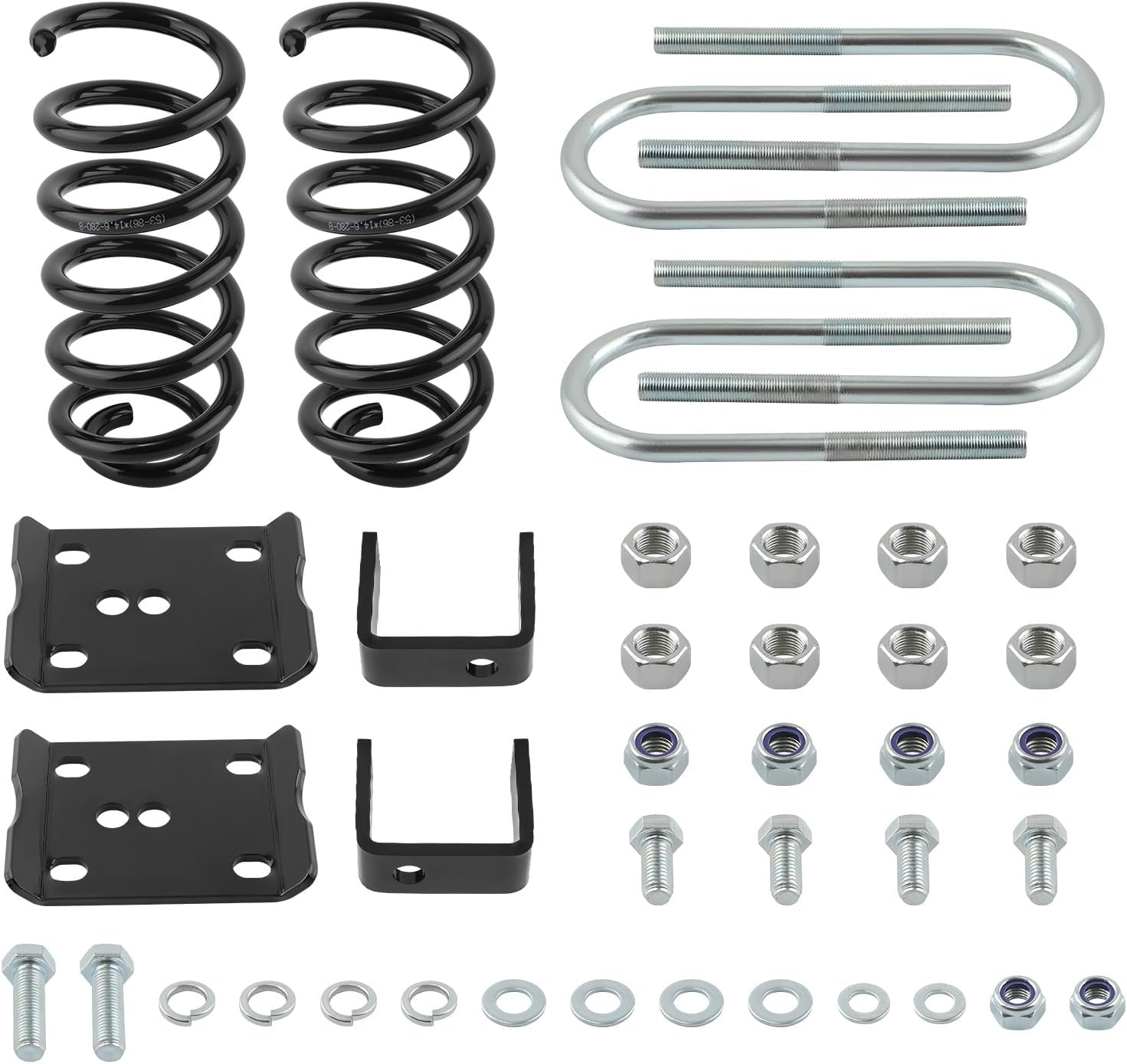
4. maXpeedingrods 3" Front & 5" Rear Lowering Kit for Ford Ranger/Mazda B4000 (1983–1997)
Best Complete Lowering Kit
| Fitment years | Ford Ranger 1983-1997; Mazda B3000/B4000/B2300 1994-1997 |
|---|---|
| Drop amount | 3" front, 5" rear |
| Drive type | 2WD only |
| Manufacturer | maXpeedingrods |
This maXpeedingrods kit provides a single-package solution to lower 2WD Ford Ranger and compatible Mazda B-series trucks from the early generations by 3 inches in the front and 5 inches at the rear. The kit pairs drop front coil springs with rear axle flip lowering brackets and ships with the necessary hardware for installation, so you get everything you need in one purchase. The lowering springs are made from high-strength steel with a durable powder coat to resist corrosion, and the reduced center of gravity improves cornering and gives the truck a more aggressive, lower stance. Installation is intended to be straightforward for a mechanically capable DIYer or a shop, and the included hardware removes the need to source extra parts. Limitations are that the kit is for 2WD models only and reduces ground clearance significantly, which affects rough-road capability and load carrying; alignment and possible bump stop adjustments are also required after installation.
Best for: Buyers who want a single, ready-to-install lowering solution for an early 2WD Ford Ranger or compatible Mazda B-series and prefer to avoid sourcing separate springs, brackets, or hardware.
Less Ideal for: Drivers who need substantial ground clearance, frequent off-road capability, or plan to carry heavy cargo regularly should choose a different suspension setup.
- Complete package with front drop springs, rear axle flip brackets, and installation hardware included
- Durable high-strength steel components with powder-coated finish to resist rust
- Lowers vehicle 3" front and 5" rear for a noticeably more aggressive stance and lower center of gravity
- Designed for straightforward installation by a competent DIYer or a professional shop
- Only compatible with 2WD Ford Ranger (1983–1997) and specified Mazda B-series 2WD models
- Significant reduction in ground clearance which limits off-road and heavy-load use
Verdict: The best complete lowering kit for buyers who want a single package that contains every required component and hardware for a straightforward install.
5. AngyMeck 2" Rear Drop Lowering Shackles Kit for Ford Ranger (1998–2011)
Best Short-Drop Lowering Kit

| Vehicle fitment | 1998-2011 Ford Ranger |
|---|---|
| Drop amount | 2 inches |
| Construction | Powder coated steel |
| Kit contents | Shackles, bushings, zerk fittings, hardware |
This AngyMeck rear drop shackle kit lowers the Ranger's rear by 2 inches to level the truck and sharpen handling without a harsh ride change. The kit is a simple bolt-on design made of solid steel with a black powder-coated finish to resist corrosion, and it ships with bushings, zerk grease fittings, and the hardware needed for installation. Typical use is straightforward: replace the factory shackles with the longer drop shackles to reduce rear rake and slightly lower the center of gravity, which can improve cornering feel and visual stance while keeping everyday comfort. Installation is intended for DIYers and takes about an hour with basic hand tools since no cutting, drilling, or welding is required. The main limitation is that this provides only a modest 2-inch drop and does not address front ride height or springs, so drivers seeking a more aggressive lowered look or full suspension tuning will need additional components.
Best for: Owners who want a modest, factory-friendly rear drop to improve stance and handling while preserving everyday ride comfort and keeping installation simple.
Less Ideal for: Drivers seeking an aggressive lowered look, full suspension tuning, or simultaneous front and rear lowering should consider a more comprehensive kit.
- Simple bolt-on installation with included hardware, bushings, and grease fittings
- Solid steel construction with powder-coat finish resists rust and road corrosion
- Modest 2-inch drop levels the rear and lowers the center of gravity for improved handling
- Designed to be installed in about an hour using basic hand tools
- Only lowers the rear by 2 inches and does not adjust front ride height
- Does not include springs or shocks for a full suspension change
Verdict: The best short-drop lowering kit for owners seeking a modest, factory-friendly drop that improves stance and handling without dramatic ride changes.
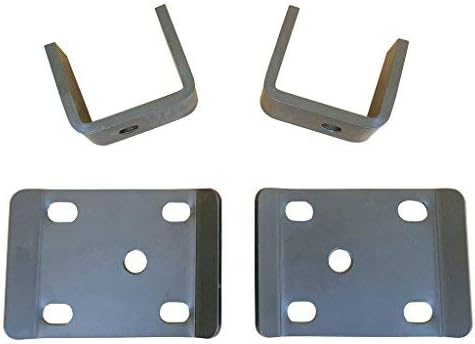
6. Quality Suspension Advantage 5" Rear Flip Kit for Ford Ranger (1983–2015)
Best Heavy-Duty Lowering Kit
| Maximum Lifting Height | 5 inches |
|---|---|
| Automotive Fit Type | Vehicle Specific Fit |
| Auto Part Position | Rear |
| Included Components | Rear Flip Kit |
This rear flip kit lowers the back of compatible Ford Rangers by 5 inches using a vehicle-specific bracket system. It is typically used by owners wanting a pronounced lowered stance while retaining rear suspension geometry and load capability. Notable features include a heavy-duty powdercoated finish for corrosion protection and a design that replaces factory mounting points for a straightforward bolt-on installation. In practical terms the kit gives a clean lowered look without cutting springs or fabricating mounts, and the rugged coating and construction aim to hold up on rough roads and under heavier use. Limitations are that it only addresses rear ride height so overall stance and pinion angle changes may require additional adjustments or components, and installation may need basic tools and alignment checks after fitment. Buyers should also confirm year-by-year fitment within the 1983–2015 Ranger range before ordering.
Best for: Buyers who need a robust, longevity-focused rear lowering solution for a Ford Ranger and prioritize durable construction that stands up to heavier use and rough road conditions.
Less Ideal for: Drivers seeking a full suspension lowering solution or those unwilling to address potential driveline angle or front/rear balance changes after rear-only lowering.
- Vehicle-specific design for direct bolt-on rear lowering on Ford Rangers
- Heavy-duty powdercoat finish improves corrosion resistance and longevity
- Provides a substantial 5-inch rear drop for a lowered stance without spring cutting
- Only lowers the rear so front height and driveline angles may still need separate modification
Verdict: The best heavy-duty lowering kit for buyers who prioritize robust construction and longevity under heavy use, rough roads, or demanding driving conditions.
Choosing the Right Ford Ranger Rear Lowering Kit: Key Factors to Consider
Fitment and Compatibility
Ensuring the rear lowering kit is explicitly compatible with your Ranger is the first priority. Rear suspension geometry varies by model year and configuration, and a kit that does not match your Ranger's rear axle, link layout, or shock mounting can cause improper ride height and unsafe handling.
Fitment affects whether the kit requires additional components such as longer or shorter shocks, control-arm brackets, or alignment adjustments. A correct fitment reduces the need for custom fabrication and helps maintain driveline angles and tire clearance. Always confirm the kit lists the Ranger as a supported vehicle and check whether any optional parts are recommended for your truck's load and tow setup.
Ride Quality and Comfort
Lowering the rear changes spring rates and suspension travel, which directly affects ride comfort. Some kits prioritize a firm, sporty feel that improves body control but can transmit more road harshness to the cabin. Others are tuned to retain compliance for daily driving and light hauling.
Consider how you use your Ranger day to day. If you carry cargo or tow occasionally, choose a kit that preserves some rear compliance. Pay attention to whether the kit uses progressive-rate springs, helper springs, or retains factory dampers, as these design choices influence how the truck rides over urban potholes and rougher surfaces.
Handling and Stability
A rear lowering kit affects the truck's center of gravity and rear roll behavior. Properly matched lowering can reduce squat during acceleration and provide a more planted feel through corners. However, if the rate and ride height change are mismatched, the rear can become overly stiff or introduce lift-steer tendencies.
Look for kits designed to maintain proper rear roll center and to preserve suspension geometry. Some solutions include adjustable components to fine-tune rear track and attitude. Handling improvements are more noticeable when lowering is moderate and paired with appropriate dampers or shock valving adjustments.
Durability and Corrosion Resistance
Rear suspension components are exposed to road spray, salt, and debris, so materials and finishes matter for long-term performance. Kits that use galvanized or powder-coated brackets, stainless or zinc-plated hardware, and springs with protective coatings will resist corrosion better.
Durability also includes fatigue life of the springs and the integrity of welded brackets. Poorly finished components can seize or fail sooner, increasing maintenance and replacement cost. Choose kits with robust finish treatments and clearly specified hardware grades to minimize long-term issues.
Installation Complexity and Required Tools
Installation effort ranges from simple bolt-on assemblies that swap in place of factory components to more involved installs that require alignment, shock replacement, or minor fabrication. Consider your mechanical skill level and available tools when selecting a kit.
Kits that reuse factory fasteners and provide clear instructions reduce installation time. If a kit requires special tools or press-fit components, plan for either professional installation or rental of appropriate tools. Also factor in alignment costs if the rear lowering affects toe or camber specifications.
Load Capacity and Towing Impact
Lowering the rear can change how the Ranger responds under load. Some kits maintain or include provisions for retaining factory load-carrying capacity, while others prioritize static stance at the expense of payload support. If you frequently carry gear or tow, choose a kit that either preserves the factory spring rate range or provides auxiliary load support.
Failing to account for payload effects can lead to reduced rear travel and bottoming under heavy loads. Kits that integrate helper springs or retain compatibility with factory overload springs help maintain safe ride height and control when the truck is carrying weight.
How Rear Lowering Affects Suspension Geometry
Lowering the rear alters spring and shock angles, which in turn changes roll center, anti-squat, and overall rear geometry. Even modest drops can shift the rear roll center and slightly change lateral load transfer during cornering.
Understanding these changes helps you anticipate handling tradeoffs and decide whether additional components, such as adjustable links or revised shocks, are needed to restore balanced behavior.
- Reduced rear ride height lowers the center of gravity but may increase camber or toe changes under compression.
- Shock travel reduction can increase the risk of bottoming on large bumps without revised damping.
- Adjustable components can correct minor geometry shifts without major suspension redesign.
DIY Vs Professional Installation
Some rear lowering kits are straightforward and designed for a competent DIYer with a jack, jack stands, and common hand tools. Others require hydraulic presses, spring compressors, or alignment tools that make professional installation the safer choice.
Factor in your comfort with suspension work. Professional shops can also check alignment and verify clearances after installation, reducing the risk of premature tire wear or driveline vibration.
- Simple bolt-on kits: less time, fewer special tools.
- Kits affecting shocks or mounts: often need shop tools and alignment.
- Budget for installation time and post-fitment checks when planning the project.
Adjustable Options and Fine-Tuning
Adjustable rear lowering kits allow you to dial in ride height and sometimes preload. This flexibility is helpful if you want to balance appearance with practical ground clearance or cargo needs. Adjustable designs are particularly useful when you occasionally change loads or accessories.
Keep in mind that adjustability adds complexity. You should understand how adjustments interact with shock valving and rear geometry to avoid unintended handling consequences.
- Benefits: tailored stance, compensation for varying loads.
- Consider whether you need regular adjustment or a fixed, repeatable drop.
- Confirm adjustment range fits within safe shock and tire clearances.
Common Installation Pitfalls to Avoid
A few recurrent mistakes can compromise a rear lowering install. Not checking for adequate shock travel and clearance can lead to bottoming or damaged components. Failing to torque hardware to specification risks loosening under load.
Also avoid assuming all accessories will clear after lowering. Fender liners, bump stops, and exhaust routing can require minor tweaks. Verify driveline angles if your Ranger has lift or leveling components up front to prevent vibration.
- Always inspect shock travel and bump stop engagement after installation.
- Re-torque hardware after initial break-in miles.
- Test under realistic load conditions before committing to modified ride height.
Maintaining a Lowered Rear Over Time
Maintenance after lowering is largely about inspection and addressing wear early. Check fasteners, spring seats, and protective coatings periodically, especially after winter or off-road use. Corrosion on brackets or hardware can accelerate failure once the truck has been lowered.
Monitor ride height and alignment over the first few hundred miles. If you notice uneven tire wear, have a shop check suspension bushings and geometry to prevent longer-term damage.
- Inspect hardware for corrosion and reapply protective coatings as needed.
- Schedule periodic alignment checks if you haul or carry variable loads.
- Replace worn shocks or bushings promptly to maintain handling and comfort.
Still looking for the perfect fit?
Select your Ford Ranger configuration to see the most relevant Lowering Kits recommendations
How We Chose the Best Ford Ranger Rear Lowering Kit
We evaluated candidate rear lowering kits for the Ford Ranger using several concrete, vehicle-specific criteria. Fitment and compatibility were checked against Ranger rear suspension configurations and common model years to ensure the kits bolt on without extensive modification. Ride quality assessments focused on how the kit affects rear compliance, bump absorption, and rebound characteristics under both unloaded and lightly loaded conditions.Durability and materials were a key filter; we prioritized kits that use corrosion-resistant hardware, heat-treated springs or robust link components, and validated mounting points. Installation complexity and required tools were measured so readers can understand whether a kit is a weekend DIY project or needs professional installation. Load-handling performance was included to gauge how the lowered rear behaves with typical Ranger payloads and towing loads.We excluded any kit that required cutting factory structural members, significant welding, or that lacked clear fitment documentation for the Ranger. We also set aside options that focused solely on extreme show-height setups incompatible with everyday driving. The final shortlist reflects products that balance real-world usability, installation practicality, and long-term reliability.
Our full evaluation process is outlined in our review methodology.
FAQ
Will a rear lowering kit affect towing capacity on my Ranger?
It often depends on the kit design. Some kits preserve load-carrying characteristics or include provisions for helper springs, while others prioritize stance and may reduce effective rear travel when towing. Check kit specifications for load compatibility and consider retaining auxiliary support for frequent towing.
Do I need to replace shocks when installing a rear lowering kit?
Not always, but it is common to need shocks with appropriate travel and valving. Lowering reduces available shock travel and can change damping requirements. If the kit recommends revised shocks or shorter units, it is best to follow that guidance to avoid bottoming or compromised control.
How much lowering is safe for everyday driving on the Ranger?
Moderate lowering that maintains adequate bump stop engagement and shock travel is generally safest for daily use. Drops of a few inches are common for improved stance without sacrificing ride quality. Extreme lowers that remove most suspension travel can lead to a harsh ride and increased risk of damage.
Can I install a rear lowering kit myself?
Some kits are designed for DIY installation with basic tools, while others require special tools and alignment. Your mechanical skill level and access to a safe workspace should determine whether you tackle the job or seek professional help. If in doubt, consult the kit instructions and factor in alignment needs.
Will lowering the rear cause uneven tire wear?
It can if suspension geometry and alignment are not addressed after installation. Changes in camber or toe under compression may increase wear. A proper post-install alignment and periodic checks reduce the risk of uneven tire wear.
Are adjustable rear lowering kits worth the extra cost?
Adjustable kits offer versatility to fine-tune height for different uses, which can be valuable if you frequently change loads or want precise stance control. However, they add complexity and may require more maintenance, so weigh flexibility against your budget and how often you will adjust the setup.
Final Verdict
Choosing the right rear lowering kit for your Ford Ranger means balancing appearance, ride comfort, and practical load-handling. Prioritize kits that explicitly match your Ranger's rear suspension configuration, preserve adequate shock travel, and use durable hardware to withstand road conditions.If you use your Ranger for light hauling or towing, favor kits that retain or supplement load capacity. For owners focused on street handling and stance, consider moderate lowering with compatible damping. Use the evaluation criteria in this guide to narrow options and plan installation so the finished setup meets your driving needs and reliability expectations.
Explore More:
- Check out all Ford Ranger parts & accessories
- Explore Suspension & Steering
- Browse all Accessories
