

Note: This article contains affiliate links. If you click on these links and make a purchase, I may earn a small commission at no extra cost to you. This helps support my research and content. Read my full affiliate disclosure here.
If you drive a 1998-2011 Ford Ranger, worn tie rod ends will show up quickly in steering looseness, uneven tire wear, and poor alignment. Replacing the tie rod ends can return crisp steering feel and help prevent premature tire and suspension damage. This guide shortlists the top options for the Ranger within the 1998–2011 model years and explains the fitment and durability considerations that matter for everyday driving and occasional heavier use.Below you will find the top picks for Ranger tie rod ends along with the evaluation criteria used to choose them and practical advice on installation, alignment, and symptom diagnosis.
Looking for other parts? See all Ford Ranger parts & accessories.
Top Picks at a Glance
| Best Overall The best all-around choice for most situations | Detroit Axle 6pc Front Tie Rods Kit (Inner & Outer) with Boots |  |
| Best Quality Built to a higher standard if you want something more solid | MOOG EV317 Inner Tie Rod End |  |
| Best Value The sweet spot between price and what you get | Koxot Front Inner & Outer Tie Rod Ends Kit (4-piece) for select Ford Ranger, Explorer and compatible Mazda/Mercury models |  |
| Best Budget The cheapest option that still gets the job done reliably | MOOG ES3461 Outer Steering Tie Rod End |  |
| Highest Rated A top-rated pick with lots of positive feedback | Detroit Axle 4-Piece Front Inner and Outer Tie Rod Kit (fits 1998–2011 Ford Ranger) |  |
| Most Popular A crowd favorite that many people choose with confidence | TRQ 4-Piece Front Inner and Outer Tie Rod Set (PSA55096) |  |
| Best Seller A high-volume bestseller chosen again and again | BDFHYK Front Outer Tie Rod Kit (2pc) for Ford Ranger 1998-2011 |  |
1. Detroit Axle 6pc Front Tie Rods Kit (Inner & Outer) with Boots

| Manufacturer | Detroit Axle |
|---|---|
| Kit includes | 2 outer tie rod ends, 2 inner tie rod ends, 2 rack & pinion boots |
| Fitment years | Fits 1998-2011 Ford Ranger and specified related models |
| Manufacturer Part Number | 6S2600504 |
This Detroit Axle 6-piece front tie rod kit supplies two inner tie rod ends, two outer tie rod ends, and two rack-and-pinion boots intended as a direct-fit replacement for compatible Rangers and related models. It is typically used when steering play, uneven tire wear, or torn rack boots indicate worn front-end components. The parts are made from premium alloy with corrosion resistance and a reinforced structure that aims to match factory fit and function, which simplifies installation for a professional or competent DIY mechanic. Including boots in the kit is practical because it lets you replace the common failure points at once rather than reusing degraded seals. The kit is backed by testing claims and a long warranty, which adds confidence in durability. Expect routine wheel alignment after installation and use basic tools or a shop for final torque and safety checks. The kit is focused on front steering service and does not include related suspension parts, so buyers needing a full front-end overhaul may still need additional components.
Best for: Buyers who want a straightforward, factory-quality steering repair for a Ranger-era truck and prefer a complete tie-rod-and-boot kit that simplifies a one-visit replacement.
Less Ideal for: Shoppers planning a full front-end refresh or those who need universal or multi-vehicle compatibility should look at broader suspension kits or vehicle-specific alternatives.
- Complete 6-piece kit includes inner and outer tie rod ends plus rack boots for one-side front-end service
- Premium alloy construction and reinforced design intended to resist wear and corrosion
- Designed as a direct-fit replacement to simplify installation and restore factory steering geometry
- Includes boots so seals are replaced at the same time, reducing risk of premature contamination
- Fitment is limited to specific model years and vehicles so verification before purchase is required
- Does not include other front-end components like control arms or ball joints for broader suspension repairs
Verdict: A ready-to-install, factory-quality tie rod and boot kit that makes restoring steering precision on a Ranger-era truck quick and reliable.
2. MOOG EV317 Inner Tie Rod End
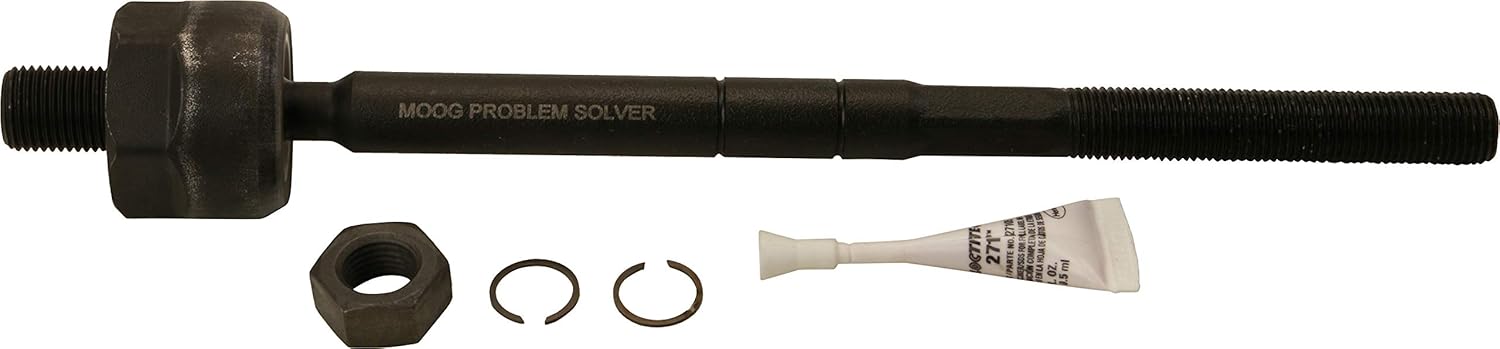
| Compatible Models | 1998-2004 Ford Ranger; 1995-2001 Ford Explorer; 1997-2001 Mercury Mountaineer; 2001-2010 Mazda B2300/1998-2010 Mazda B4000 series |
|---|---|
| Thread Coverage | Fully Threaded |
| Material | Alloy Steel |
| Bushing Material | Rubber Bushings |
| Drive System | Wrench |
The MOOG EV317 inner tie rod end replaces the worn steering linkage that connects the rack to the wheel, restoring precise steering and reducing play. Designed for direct fitment on applicable Ford Ranger model years, it uses heat-treated ball studs and an alloy steel construction to resist fatigue and extend service life. Installation is simplified by wrench flats and pre-applied thread locking compound, and MOOGs preload washer and gusher bearing design reduce socket looseness and friction for a firmer, more responsive steering feel. In practical terms this part is a solid upgrade for drivers who want tighter steering and longer-lasting steering components without modifying the steering system. Expect routine installation in a home garage or shop, but you may still need an alignment afterward and replacement of the outer tie rod is recommended when one side is worn. The part focuses on durability and fit rather than cosmetic finish or weight savings.
Best for: Drivers focused on steering feel and long-term durability who want a stronger, factory-style replacement for the Ranger’s inner tie rod.
Less Ideal for: Those seeking a cosmetic or lightweight aftermarket steering part or drivers wanting an adjustable performance steering upgrade beyond a stock-replacement component.
- Heat-treated ball stud and alloy steel construction for improved fatigue strength and durability
- Pre-applied thread locking compound and wrench flats for easier, more secure installation
- Design features like preload washer and gusher bearing reduce looseness and friction for firmer steering response
- Direct-fit stock size made for specified Ford and related models so no major modifications are needed
- Finished surface is uncoated which may be more exposed to corrosion in harsh environments
Verdict: Choose the MOOG EV317 when you want a durable, problem-solving inner tie rod that restores tight, responsive steering for 1998–2011 Ford Ranger applications.
3. Koxot Front Inner & Outer Tie Rod Ends Kit (4-piece) for select Ford Ranger, Explorer and compatible Mazda/Mercury models

| Fit Type | Vehicle Specific Fit |
|---|---|
| Auto Part Position | Front Inner |
| Unit Count | 4 Count |
| OEM Equivalent Part Number | ES3461, EV317 |
This Koxot kit supplies two front inner and two front outer tie rod ends to restore steering linkage on compatible Ford Ranger and Explorer models and select Mazda and Mercury trucks. Installation is straightforward for a mechanically inclined DIYer or a shop: remove the worn rod ends, match the new parts to factory connections, and torque to spec. The listing emphasizes precision machining and automated production, which suggests consistent fit and finish across the set. In service the kit should recover steering feel and alignment stability lost to worn joints, reducing play, uneven tire wear, and steering wander. Because the package is vehicle-specific, it covers both inner and outer positions so you can refresh the whole front tie-rod assembly at once. Limitations are typical for aftermarket parts: longevity depends on driving conditions and installation quality, and some vehicles may still require alignment after replacement. The kit does not include alignment hardware or detailed vehicle-specific torque specs, so plan for an alignment and standard shop tools during installation.
Best for: Buyers who want a cost-effective, do-it-yourself solution to restore steering feel on compatible late 1990s to 2011 Ford Rangers and similar models and prioritize replacing both inner and outer rod ends at once.
Less Ideal for: Drivers who need heavy-duty or performance-grade steering components for off-road or commercial use or those who expect a lifetime, maintenance-free part should consider upgraded or OEM-grade alternatives.
- Complete 4-piece set replaces both front inner and outer tie rod ends for one axle
- Vehicle-specific fitment listed for Ford Ranger (1998–2011) and other compatible models
- Precision machining and automated production aim to provide consistent dimensions and fit
- Helps restore steering precision, reduce play, and address uneven tire wear
- Does not include alignment hardware or vehicle torque specifications in the package
Verdict: A complete, vehicle-specific 4-piece tie rod end kit that lets practical owners replace front inner and outer rod ends together to quickly restore steering control on compatible Rangers and similar trucks.
4. MOOG ES3461 Outer Steering Tie Rod End

| Brand | MOOG |
|---|---|
| Bearing Number | ES3461 |
| Bearing Type | Ball Bearing |
| Material Type | Rubber |
| Compatible Lubricant | Grease |
The MOOG ES3461 is an outer tie rod end built to restore steering precision and address wear-related looseness on compatible Ford Ranger models. It installs in the steering linkage to connect the steering gear to the knuckle, returning proper toe alignment and reducing uneven tire wear and steering vibration. Notable features include a pressed-in cover plate to keep contaminants out, a greasable socket for periodic lubrication, a Belleville preload washer to maintain bearing tension as parts wear, and heat-treated ball studs for improved fatigue strength. Those design choices make the part easy to install with factory-quality fit and help extend service life compared with basic aftermarket replacements. Expect solid resistance to road debris and simpler maintenance thanks to the greaseable design. The main limitation is that this is a single outer tie rod end so additional steering components or alignment will likely be required after installation to ensure correct tracking and tire life.
Best for: Buyers looking for a durable, serviceable replacement part that restores steering alignment on older Ford Ranger trucks and prioritizes long service life over lowest upfront cost.
Less Ideal for: Drivers seeking the cheapest temporary fix or those who need a complete steering overhaul rather than a single outer tie rod replacement.
- Factory-quality fit and precision tolerances for straightforward installation and alignment adjustment
- Pressed-in cover plate and greasable socket help keep contaminants out and allow serviceable lubrication
- Heat-treated ball stud and gusher bearing design improve durability and reduce bearing friction
- Sold as a single outer tie rod end so additional parts or a full tie rod replacement may be needed to fully correct steering issues
Verdict: Choose the MOOG ES3461 when you want a durable, serviceable outer tie rod end that restores steering precision on 1998–2011 Ford Ranger models.
5. Detroit Axle 4-Piece Front Inner and Outer Tie Rod Kit (fits 1998–2011 Ford Ranger)

| Fitment range | 1998-2011 Ford Ranger |
|---|---|
| Kit contents | 2 front inner + 2 front outer tie rods |
| Material | Premium alloy |
| Manufacturer | Detroit Axle |
This Detroit Axle kit includes two front inner and two outer tie rod ends intended as direct-fit replacements for 1998–2011 Ford Ranger vehicles. The parts are made from premium alloy and built to a high-strength design aimed at resisting wear and corrosion; Detroit Axle markets them as meeting factory-style fit, form, and function. Installation is straightforward for a competent DIYer or mechanic because the kit uses factory mounting points and common steering hardware. In real-world use these tie rods restore steering responsiveness and eliminate play that causes wandering or uneven tire wear. The kit is useful when replacing both inner and outer ends at once to simplify alignment and ensure consistent service life. Limitations include the basic aftermarket finish and the need for a professional alignment after installation; these are replacement steering components rather than performance upgrades. Buyers should also confirm exact fitment for their Ranger year and submodel before purchase.
Best for: Drivers who prioritize dependable, factory-style steering repairs and want a complete front tie rod service kit that restores steering feel and removes play.
Less Ideal for: Drivers seeking high-performance or heavy-duty aftermarket steering upgrades for racing or extreme off-road use should consider specialty parts instead.
- Complete four-piece kit covers both inner and outer front tie rod ends for one axle
- Direct-fit design intended to match factory mounting and simplify installation
- Premium alloy construction and reinforced structure for improved wear resistance
- Made and tested to meet fit and durability expectations typical of replacement steering parts
- Requires professional wheel alignment after installation to restore proper steering geometry
Verdict: Choose this kit if you want a straightforward, factory-quality replacement set that reliably restores steering feel on 1998–2011 Ford Rangers.
6. TRQ 4-Piece Front Inner and Outer Tie Rod Set (PSA55096)

| Model | TRQ PSA55096 4 Piece Tie Rod Set |
|---|---|
| Position | Front Inner, Front Outer |
| Manufacturer Part Number | PSA55096 |
| OEM Part Number | 1F703224X, F87Z3A130BA |
This TRQ 4-piece tie rod set replaces both inner and outer front tie rods on compatible vehicles and is intended as a direct-fit, factory-quality replacement. The kit arrives with pre-machined components and pre-assembled pieces to speed installation and reduce the need for extra parts or modification. Typical use is a front-end steering repair or overhaul when worn tie rods cause play, uneven tire wear, or poor steering feel. Notable features include machined exterior surfaces, OEM cross-reference numbers, and an emphasis on DIY-friendly installation supported by TRQ video resources. Practical benefits are easier installation for home mechanics, full front-side coverage with both inner and outer ends, and a brand reputation for verified fitment. Limitations are that this is a vehicle-specific replacement so fitment must be confirmed for your Ranger year and that the kit does not include installation hardware like alignment service, so a post-install alignment is required to restore proper steering geometry.
Best for: Buyers who prioritize verified fitment and clear social proof and want a straightforward, do-it-yourself replacement that minimizes guesswork during installation.
Less Ideal for: If you prefer a lifetime performance upgrade or need parts for multiple vehicle makes or model years beyond the specified fitment, consider alternatives tailored to those goals.
- Includes both front inner and outer tie rods for a full front-side replacement
- Pre-machined, pre-assembled components for faster DIY installation
- Manufacturer provides installation videos and documented fitment cross-references
- Requires a professional wheel alignment after installation which is not included
Verdict: A complete front inner and outer tie rod kit with verified fitment and DIY installation support, ideal for owners wanting a dependable, direct-fit steering repair.
7. BDFHYK Front Outer Tie Rod Kit (2pc) for Ford Ranger 1998-2011

| Fitment | Ford Ranger 1998-2011; Explorer 1998-2003; Mercury Mountaineer 1998-2003; Mazda B2300/B2500/B3000/B4000 1998-2011 |
|---|---|
| Position | Front outer tie rod ends (driver and passenger) |
| Material | AISI 1045 medium-carbon steel |
| Quantity | 2 pieces |
| Exterior | Machined |
This BDFHYK two-piece outer tie rod kit replaces the front driver and passenger outer tie rod ends to eliminate steering play and restore crisp tracking on compatible Ranger models. Made from medium-carbon 1045 steel with induction heat treatment and a machined exterior, the parts are built for strength and resistance to road debris and corrosion. Installation is typical for front-end steering work and will require an alignment afterward; the kit is intended as a direct mechanical replacement for the listed OE part numbers. In practice the kit provides a firmer steering feel and can reduce uneven tire wear and steering wheel vibrations caused by worn linkages. The product is straightforward for a competent DIYer or a shop to fit, but buyers should confirm year and suspension configuration before ordering and budget for an alignment. There is limited manufacturer information about long-term corrosion coatings and no included alignment hardware, so longevity depends on local conditions and installation quality.
Best for: Buyers who want a direct replacement that restores steering feel and tracking on a 1998–2011 Ford Ranger and prioritize a durable, factory-style mechanical repair delivered as a matched pair.
Less Ideal for: Drivers seeking premium corrosion protection or a lifetime-guaranteed steering upgrade should consider higher-end or coated aftermarket options instead.
- Forged from AISI 1045 medium-carbon steel with induction heat treatment for strength and durability
- Sold as a matched two-piece set covering both front outer tie rod ends
- Machined exterior finish for consistent fitment and straightforward installation
- Designed to replace specific factory part numbers to restore steering precision and reduce wheel vibration
- No explicit corrosion-resistant coating or extended corrosion warranty listed
- Requires professional or shop alignment after installation; alignment hardware not included
Verdict: A straightforward, steel-built matched outer tie rod kit to reliably restore steering precision on 1998–2011 Ford Ranger front ends.
Choosing the Right 1998-2011 Ford Ranger Tie Rod End: Key Factors to Consider
Fitment and Thread Compatibility
Correct fitment is critical because the tie rod end must match the Ranger's steering knuckle taper and the inner tie rod thread pitch. An incorrect taper or thread can lead to loose installation, premature loosening, or damage to the steering arm. Verify whether a part is listed specifically for the 1998–2011 Ranger and confirm whether it is an outer or inner tie rod end where applicable.
Thread length and jam-nut clearances also affect whether you can achieve full range of toe adjustment during alignment. For many DIYers, choosing a part that preserves enough thread engagement for secure clamping while allowing alignment adjustment reduces the chance of repeat disassembly.
Joint Sealing and Dust Boot Quality
The ball joint in a tie rod end relies on a flexible dust boot to keep contaminants out and lubricant in. Boots made from thicker synthetic rubber or thermoplastic elastomers resist cracking from road chemicals and UV exposure, extending service life. A torn or loose boot is a leading cause of joint failure because grit and moisture accelerate wear.
Inspecting boot attachment methods matters too. Some boots use press-fit collars while others rely on crimped or bonded metal retainers. The better-sealed designs help maintain grease pressure and reduce the frequency of replacement, which is especially helpful on Rangers used in salty or off-road conditions.
Ball Stud and Housing Materials
Materials and heat-treatment in the ball stud and housing determine wear resistance under steering loads. Hardened, precision-ground ball studs and housings with corrosion-resistant coatings last longer and keep steering feel tight. Cheaply finished components can pit or corrode, leading to accelerated wear and play in the joint.
Look for components with protective finishes and indications of heat treatment or hardened steel construction. These design choices directly affect long-term durability on a vehicle like the Ranger that may see mixed-road conditions.
Adjustment Range and Alignment Serviceability
After installing new tie rod ends you will need to set toe alignment. Parts that preserve adequate threaded adjustability and have clear markings for left/right application make alignment simpler. Some replacement tie rod ends are length-specific or non-adjustable; those require careful measurement and may increase alignment time or complexity.
If you plan to DIY, choose tie rod ends that allow easy clamping and offer enough thread engagement for secure jam-nut positioning. That reduces the need for machining or spacers and helps technicians quickly deliver a stable alignment.
Durability Under Load and Corrosion Resistance
Ranger owners often encounter wet, salted, or rough-road environments that accelerate component wear. Corrosion-resistant coatings, plated housings, and stainless or treated fasteners extend service life. Durable components maintain steering geometry and reduce the frequency of replacements.
Durability also includes the internal joint design and greasing strategy. Some tie rod ends are pre-greased and sealed, while others include a grease fitting for periodic maintenance. Consider your usage and maintenance habits when selecting between sealed and serviceable options.
Installation and Replacement Practicalities
Ease of installation affects total repair time and the likelihood of a correct job. Components that include hardware such as cotter pins, castellated nuts, or replacement mounting nuts reduce the chance of missing parts during reassembly. Clear instructions or fitment notes specific to the Ranger help avoid common mistakes like incorrect torqueing or improper thread engagement.
Additionally, consider whether you will need special tools such as pullers, pickle forks, or tie rod removal tools. Parts that are designed for straightforward pressing or twisting removal reduce the risk of damage to knuckles and make the job more accessible for home mechanics.
Common Symptoms of a Failing Tie Rod End
Recognizing failing tie rod ends early prevents further steering and tire damage. Typical signs on a 1998–2011 Ranger include uneven tire wear, especially on the inner or outer edges of the front tires, and a loose or wandering steering feel at highway speeds.
You may also hear clunking or knocking noises when turning or driving over bumps. Excessive play in the steering wheel or a vehicle that pulls to one side during braking can also indicate worn tie rod ends. Regular inspection during routine maintenance can catch wear signs before failure.
- Uneven or accelerated tire wear at the front
- Loose steering feel or increased free play
- Clunking noises when turning or over bumps
- Vehicle pulling or drifting under braking
Outer Vs Inner Tie Rod Ends: What to Replace
The outer tie rod end connects directly to the steering knuckle and is most commonly the part that wears first. Replacing the outer unit is often sufficient when play is localized to the outer joint. However, if play exists closer to the steering rack or adjustment range is limited, the inner tie rod or the entire assembly may need attention.
When diagnosing, check both the outer and inner joints because failing inner tie rods can mimic outer wear symptoms. If you replace an outer tie rod end, verify that the inner tie rod is within service limits to avoid repeating the repair shortly afterward.
- Inspect both outer and inner joints during diagnosis
- Replace outer tie rod end if play is isolated to the knuckle connection
- Consider inner tie rod replacement if there is play at the rack end
DIY Replacement Tips for Ranger Owners
If you plan to perform a tie rod end replacement, prepare with the right tools: a tie rod end puller or ball joint separator, the correct sockets and wrenches, torque wrench, and a method to secure the vehicle safely. Before removing the old part, measure the exposed thread length or count turns when loosening to help approximate pre-replacement alignment.
After installing the new tie rod end, tighten to the manufacturer's torque specification and secure any cotter pins or locking hardware. A professional alignment is strongly recommended after replacement because small changes in tie rod length affect toe angle. If you have alignment tools and skills, verify toe specs before driving on the road.
- Measure thread engagement or count turns before removal
- Use a ball joint separator to avoid knuckle damage
- Always torque to spec and secure locking hardware
- Get a professional alignment or verify toe settings
Maintenance: When To Grease Or Inspect Tie Rod Ends
Some tie rod ends are sealed and maintenance-free while others include grease fittings. For serviceable tie rod ends, periodic greasing during routine suspension service helps extend joint life by flushing contaminants and replenishing lubricant. Inspect dust boots for cracks or tears at every oil change or tire rotation.
On the Ranger, inspect linkage during any front suspension work and after off-road use. Replace any component showing boot damage, excessive play, or corrosion that compromises fitment. Proactive maintenance can prevent steering issues at inopportune times.
- Check boots at every oil change or tire rotation
- Grease serviceable joints per schedule
- Inspect after heavy off-road or salted-road use
- Replace if boot is torn, joint is loose, or corrosion is severe
Alignment and Setting Toe After Replacement
Tie rod end replacement changes toe setting, so alignment is a required follow-up. Even small changes in tie rod length alter steering geometry and can cause uneven tire wear and poor handling if not corrected. Use a professional alignment machine or reliable DIY alignment method to set toe to factory specifications for the 1998–2011 Ranger.
When getting an alignment, request that the technician checks steering center and tie rod end torque. A double-check of camber and caster helps ensure the entire front end is within spec after tie rod interventions.
- Alignment is required after tie rod end replacement
- Set toe to factory specs for the 1998–2011 Ranger
- Ask the technician to verify steering center and torque
- Confirm camber and caster are within tolerance
Still looking for the perfect fit?
Select your Ford Ranger configuration to see the most relevant Tie Rod Ends recommendations
How We Chose the Best 1998-2011 Ford Ranger Tie Rod End
We prioritized components that provide reliable fitment and robust mechanical performance for the 1998–2011 Ford Ranger. Key evaluation criteria included: correct ball-stud taper and thread pitch to match Ranger steering knuckle and tie rod dimensions; dust boot quality and joint sealing to resist water and road contaminants; materials and finish, such as corrosion-resistant coatings and hardened steel components; joint play tolerances and manufacturing consistency for predictable steering feel; and warranty coverage or documented durability guidance from manufacturers. We also considered parts designed specifically as outer or inner fit replacements where applicable, and those engineered to allow straightforward alignment adjustments after installation.Excluded items included universal or non-vehicle-specific tie rod ends that do not guarantee the Ranger's correct taper or thread, and components with unclear materials or minimal sealing that risk premature failure. We focused on options that balance durable construction with straightforward installation and alignment compatibility for Ranger owners who perform home repairs or rely on independent shops.
Our full evaluation process is outlined in our review methodology.
FAQ
How long do tie rod ends typically last on a Ranger?
Lifespan varies with driving conditions. Under normal road use, tie rod ends often last many years, but exposure to water, salt, or heavy off-road use accelerates wear. Inspect boots and steering play regularly to catch issues early.
Can I drive with a bad tie rod end on my 1998–2011 Ranger?
Driving with a worn tie rod end is unsafe because it can suddenly fail and cause loss of steering control. If you notice looseness, clunks, or uneven tire wear, do not delay inspection and replacement.
Will replacing just the outer tie rod end fix steering play?
Often replacing the outer tie rod end resolves play localized at the knuckle connection. However, if play originates at the inner tie rod or the steering rack, replacing the outer unit alone may not correct steering looseness.
Do new tie rod ends require special break-in or greasing procedures?
Sealed tie rod ends typically come pre-greased and require no break-in, while serviceable units should be greased after installation and periodically thereafter. Follow the part's maintenance guidance and inspect boots after initial use.
How will I know the replacement restored alignment?
A proper alignment will eliminate tire pull and uneven wear and keep the steering wheel centered at straight ahead. After replacement, have toe checked; if you feel wandering or uneven wear resumes, return for a recheck.
Final Verdict
When replacing tie rod ends on a 1998–2011 Ford Ranger, prioritize correct fitment, robust sealing, and materials that resist corrosion and wear. Balance the convenience of sealed, maintenance-free joints against the serviceability of greasable designs depending on how you use the vehicle. After installation, ensure proper thread engagement and obtain a professional alignment to restore steering geometry.Focusing on these priorities will minimize repeat repairs and deliver predictable steering feel. Choose a part that matches the Ranger's specifications and supports straightforward alignment for the most reliable outcome.
Explore More:
- Check out all Ford Ranger parts & accessories
- Explore Tie Rod Ends Maintenance & Repair Guides
- Explore Suspension & Steering
- Browse all Auto Parts
