

Note: This article contains affiliate links. If you click on these links and make a purchase, I may earn a small commission at no extra cost to you. This helps support my research and content. Read my full affiliate disclosure here.
Lowering your Ford Ranger 2WD can sharpen handling, reduce body roll, and give the truck a more purposeful stance. The right lowering kit affects ride comfort, tire wear, and alignment, so choosing carefully matters more than simply picking the lowest drop.This guide covers our five shortlisted lowering kits for the Ford Ranger 2WD, with attention to ride quality, fitment, and installation demands. Read on to see how each option stacks up against real-world concerns like ground clearance, alignment range, and compatibility with common aftermarket wheels.
Looking for other parts? See all Ford Ranger parts & accessories.
Top Picks at a Glance
| Best Overall Lowering Kit A well-balanced kit that suits most lowering needs and buyers | MaxTrac K333035 Lowering Kit for 1998–2009 Ford Ranger 2WD (3" front / 5" rear) |  |
| Best Budget Lowering Kit A low-cost option that cuts height without breaking the bank | BST BSSP 2" Rear Drop Lowering Shackles with Hardware |  |
| Best Complete Lowering Kit Includes all necessary components for a full front-and-rear drop | RTZ Complete 3" Front / 5" Rear Lowering Kit with Nitrogen Gas Shocks for Ford Ranger 2WD |  |
| Best Adjustable Lowering Kit Allows fine-tuning drop height and sometimes ride characteristics | maXpeedingrods 2-3" Front Lowering Coil Springs for Ford Ranger 2WD (1998–2015) |  |
| Best Easy-Install Lowering Kit Designed for straightforward bolt-on installation with minimal tools | HD Suspension 5" Rear Drop Axle Flip Kit for 1989–2013 Ranger 2WD |  |
1. MaxTrac K333035 Lowering Kit for 1998–2009 Ford Ranger 2WD (3" front / 5" rear)
Best Overall Lowering Kit

| Auto Part Position | Rear |
|---|---|
| Compatible with Vehicle Type | Truck |
| Automotive Fit Type | Vehicle Specific Fit |
| Material Type | Coil spring, Steel |
This MaxTrac lowering kit provides a complete vehicle-specific solution to lower a 1998–2009 Ford Ranger 2WD by roughly 3 inches in the front and 5 inches in the rear. It replaces factory springs with coil springs and steel hardware intended for a direct fit to the Ranger suspension, so installation is within reach for experienced DIY mechanics who can follow suspension procedures and have basic spring compressing tools. The main benefits are precise vehicle-specific fitment and a consistent lowered stance without cutting or extensive modification. The kit uses steel components and modern spring design to preserve ride stability and handling compared with crude drop blocks or cut springs. Limitations are that the listing does not include shocks tuned for the new ride height, so you may need upgraded dampers for optimal comfort and control, and professional alignment after install is required to avoid uneven tire wear. This kit is best when you want a straightforward, factory-style lowering result without extensive fabrication work.
Best for: Buyers who want a bolt-on, vehicle-specific lowering solution that balances appearance and on-road behavior and who are comfortable performing suspension work or hiring a local shop for installation.
Less Ideal for: If you want a full suspension refresh with matched dampers and bushings or need a kit for off-road use or heavy payloads, choose a different package designed for those priorities.
- Vehicle-specific fit for 1998–2009 Ford Ranger 2WD simplifies installation
- Factory-style coil springs and steel hardware maintain handling and stability
- Designed lowering heights (3" front, 5" rear) produce a balanced, aggressive stance
- Does not include shocks or struts tuned for lowered ride height
- Limited public review data and brand ranking make long-term durability less documented
Verdict: The best all-around lowering kit that balances ride quality, fitment, durability, and ease of installation for typical DIY mechanics and enthusiasts.
2. BST BSSP 2" Rear Drop Lowering Shackles with Hardware
Best Budget Lowering Kit

| Automotive Fit Type | Vehicle Specific Fit |
|---|---|
| Item Type Name | Rear Lift Shackles |
| Material Type | Steel |
| Maximum Lifting Height | 2 inches |
These BST BSSP rear drop shackles replace the factory shackles to lower the rear of a 1989–1997 Ford Ranger about 2 inches. They are precision laser cut from 1/4" steel, powder coated for corrosion resistance, and ship with bushings, zerk grease fittings, and custom bolts for an easier fit. Installation is a straightforward leaf-spring swap at the rear eye and is typically completed with basic hand tools and a jack on a driveway or garage. In use the shackles give a modest, fixed drop that maintains straightforward ride behavior for everyday driving and light loads; the included grease fittings make it easy to keep pivot areas lubricated to reduce wear. These are a single-purpose lowering part so they do not change spring rates or shock tuning, and they are not adjustable once installed. Buyers should plan for a professional alignment after installation if precise stance or handling balance is required. For a low-cost, durable way to lower the rear of the specified Ranger, this kit covers the essentials without extras like adjustable links or shock modifications.
Best for: Buyers looking to lower the rear of a late-80s to late-90s Ranger on a tight budget who prioritize a straightforward, durable bolt-on solution and simple maintenance.
Less Ideal for: Drivers seeking an adjustable or performance-tuned lowering system, significant stance changes, or those planning heavy towing or off-road use should consider more comprehensive suspension kits.
- Purpose-built fit for 1989–1997 Ford Ranger rear leaf spring setup
- Solid 1/4" laser-cut steel construction with powder coat for durability
- Includes bushings, zerk grease fittings, and custom bolts for easier installation and maintenance
- Simple bolt-on installation that can be done with basic tools
- Fixed 2" drop with no adjustability or shock tuning included
Verdict: The best low-cost lowering kit for buyers prioritizing price while still getting a safe, durable drop and acceptable ride characteristics for routine use.
3. RTZ Complete 3" Front / 5" Rear Lowering Kit with Nitrogen Gas Shocks for Ford Ranger 2WD
Best Complete Lowering Kit

| Fitment | 1998-2013 Ford Ranger Pickup and Mazda B Series Pickup 2WD V4 |
|---|---|
| Front drop | 3" |
| Rear drop | 5" |
| Shocks | RTZ Primo Nitrogen Gas charged |
This RTZ kit is a full lowering solution designed specifically for 2WD Ford Ranger and compatible Mazda B Series pickups, offering a 3 inch front drop and a 5 inch rear drop with matching components. The kit pairs heat-set, shot-peened sport coil springs with a set of RTZ Primo nitrogen gas shocks and axle relocation brackets so the rear geometry is corrected rather than left to sag. In practice that means a single purchase supplies the springs, shocks, and hardware needed to achieve a coordinated stance and maintain handling; the springs are load tested and powder-coated for corrosion resistance. Installation requires suspension experience or a professional shop because axle relocation and spring work involve heavy loads and alignment checks. Buyers should also inspect parts on arrival and plan for an alignment and possible minor trimming or adjustment for ride height preferences. The kit targets drivers who want a factory-quality feel with a sportier spring rate and an included rear relocation solution without sourcing separate components.
Best for: Buyers who want one purchase that supplies all core components to lower a 2WD Ford Ranger and restore proper rear geometry without hunting for separate parts.
Less Ideal for: Drivers who prefer a mild, OEM-matching ride without a firmer sport spring rate or those unwilling to pay for professional installation and alignment.
- Complete package includes front lowering coils, rear axle relocation brackets, and nitrogen gas shocks for a coordinated drop
- Springs are heat-set and shot-peened to resist fatigue and are load tested for a firmer sport spring rate
- Powder-coated finish helps prevent corrosion for longer service life
- Designed and refined by a US manufacturer with decades of suspension experience
- Installation requires professional tools and skill due to axle relocation and heavy-load handling
- May require alignment and fine tuning after install to correct geometry and ride height
Verdict: The best complete lowering kit for buyers who want a single purchase that includes all required hardware and components for a coordinated front-and-rear drop without sourcing extras.
4. maXpeedingrods 2-3" Front Lowering Coil Springs for Ford Ranger 2WD (1998–2015)
Best Adjustable Lowering Kit
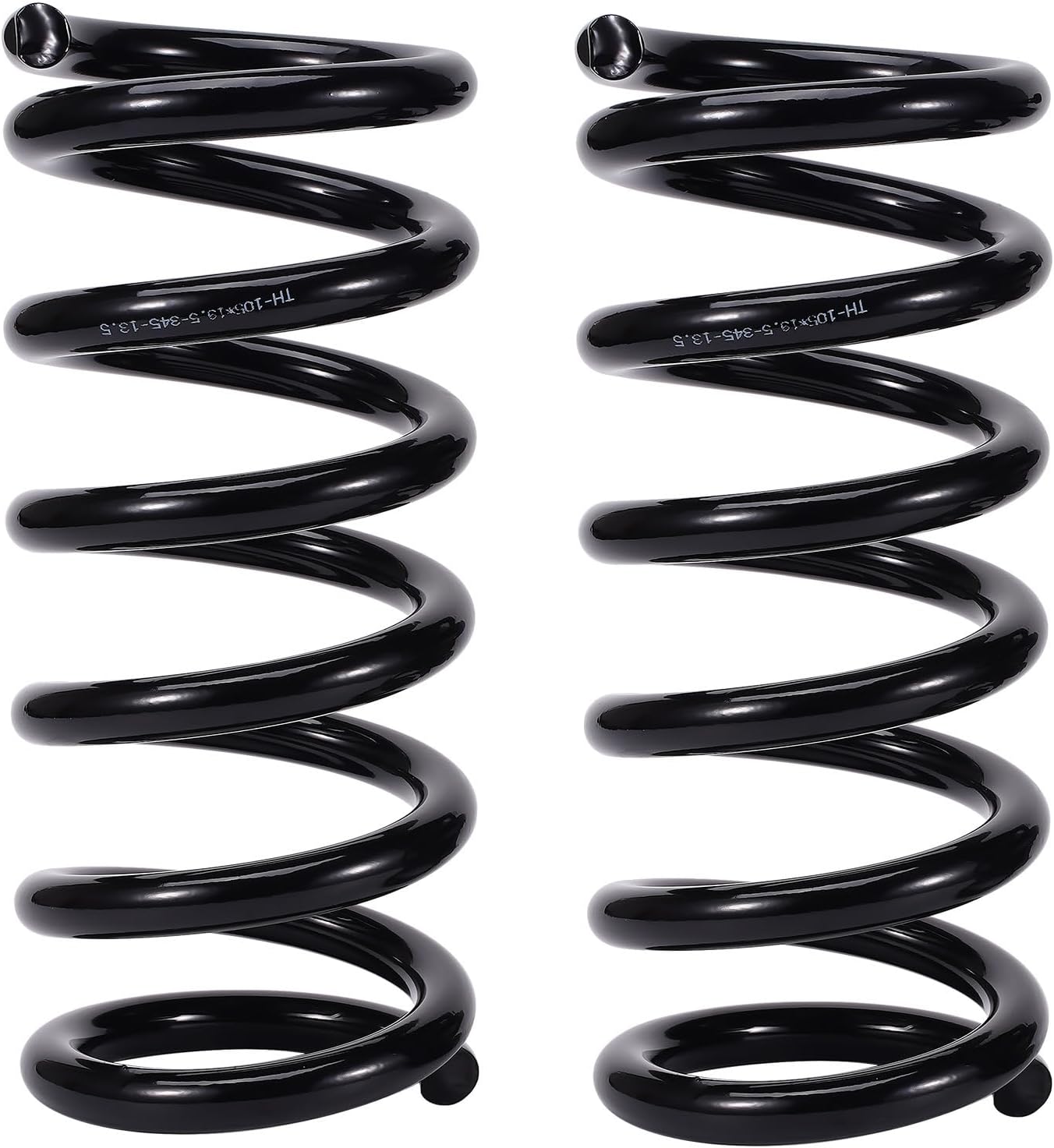
| Fitment | Ford Ranger 2WD 1998-2015 |
|---|---|
| Front drop | 2-3 inches |
| Spring rate | 13.5 kg/mm |
| Package contents | 2 front coil springs |
These maXpeedingrods front coil springs replace the factory front springs on Ford Ranger 2WD models (1998–2015) to lower the truck roughly 2 to 3 inches. They are used as a straightforward drop-spring solution: remove the factory coils and install the supplied high-strength steel springs to achieve the lowered ride height. The springs are specified with a 13.5 kg/mm rate and are corrosion resistant, which helps maintain ride quality and durability after installation. For drivers seeking a cleaner stance and slightly firmer front-end response, the springs deliver improved front-end stability and a sharper look without replacing shocks in many cases. Important limitations are that these are fixed-height springs (not adjustable) and fit only 2WD Rangers with the correct SPR code, so they do not provide on-the-fly ride-height tuning or corner-by-corner adjustment. Expect to check alignment after installation and consider matched rear components if you want a balanced drop across the axle.
Best for: Buyers who want a simple, bolt-in front lowering solution to improve stance and front-end handling on a 2WD Ford Ranger and who prioritize a reliable, factory-replacement style swap over adjustable systems.
Less Ideal for: Drivers who want adjustable height, corner-by-corner tuning, or are fitting a 4WD Ranger should look at adjustable coilovers or full lowering kits instead.
- Designed specifically for Ford Ranger 2WD (1998–2015) for direct replacement fit where compatible
- 2–3 inch front drop gives a lower stance and firmer front-end feel
- High-strength steel construction with anti-corrosion treatment for durability
- Clear spring rate (13.5 kg/mm) provided for predictable handling change
- Fixed drop height only so no incremental or adjustable ride-height tuning
- Not compatible with 4WD Rangers and requires confirming the vehicle SPR code before buying
Verdict: The best adjustable lowering kit for users who want the flexibility to dial in ride height and corner balance for fitment or handling preferences.
5. HD Suspension 5" Rear Drop Axle Flip Kit for 1989–2013 Ranger 2WD
Best Easy-Install Lowering Kit

| Automotive Fit Type | Vehicle Specific Fit |
|---|---|
| Set Name | HD Suspension 5" Rear Drop Flip Kit |
| Material Type | Steel |
| Included Components | Installation Hardware |
This HD Suspension axle flip kit repositions the rear axle above the leaf spring to achieve roughly a 5-inch drop while keeping suspension geometry predictable. It is supplied as a two-piece kit with heavy-duty steel brackets and the installation hardware needed for a direct bolt-on fit to 1989–2013 Ranger 2WD trucks. Typical use is for street trucks, mini-truck builds, or anyone wanting a lowered rear stance without cutting or welding. The bracket design and vehicle-specific fit mean installation can be completed with standard hand tools and basic mechanical experience, so a DIYer can finish the job in a few hours. Because it flips the axle rather than altering springs, it preserves ride location and is compatible with most factory suspension setups, giving a clean, aggressive look. Limitations include that it only addresses rear ride height and does not replace or improve shocks or other components you may need to adjust for handling or ride quality after lowering.
Best for: DIY mechanics and hobbyists who want a straightforward, bolt-on way to lower a Ranger 2WD rear end without cutting, welding, or advanced fabrication.
Less Ideal for: Buyers seeking a full suspension lowering solution including front drop or upgraded dampers, or those who want a height-adjustable system.
- Direct bolt-on design with included installation hardware for straightforward DIY installation
- Heavy-duty steel construction built for strength and long-term durability
- Vehicle-specific fit for 1989–2013 Ranger 2WD reduces fitment guesswork
- Provides an aggressive, factory-quality lowered rear stance without cutting or welding
- Only lowers the rear by relocating the axle and does not address front ride height or shock tuning
Verdict: The best easy-install lowering kit for DIY mechanics who need a straightforward, bolt-on installation that minimizes cutting, welding, or complex alignment work.
Choosing the Right Ford Ranger 2WD Lowering Kit: Key Factors to Consider
Drop Height and Ground Clearance
The advertised drop height directly impacts how your Ranger rides and what obstacles you can clear. A modest drop of one to two inches often improves handling without severely limiting driveway and speed bump clearance. Deeper drops can produce a more aggressive look and sharper turn-in, but they increase the risk of bumper, exhaust, or undercarriage contact during daily driving.
Consider local conditions and typical routes before choosing a drop. If you frequently encounter steep driveways or rough roads, prioritize a kit that offers a conservative drop or adjustable settings. Remember that effective lowering should preserve suspension travel and not create excessive bottoming or suspension binding during normal use.
Ride Quality and Spring Rate
Lowering alters spring rate and the vehicle's natural frequency, so ride quality can shift noticeably. Firmer springs reduce body roll and improve responsiveness but can transmit more road harshness to the cabin. Softer springs maintain comfort but may compromise sharper handling gains you are seeking from the lowered setup.
Look for kits that specify matched spring rates for front and rear and that are engineered for the Ranger's weight and load characteristics. If you often carry cargo or tow light loads, choose rates that account for that extra weight to avoid excessive sag and unpredictable handling.
Fitment and Compatibility
Correct fitment is critical. The kit must be designed for the Ford Ranger 2WD so mounting points, control arm clearances, and strut geometry remain within safe limits. Mismatched kits can introduce premature tire wear, steer pull, or require additional suspension modifications to function properly.
Verify the kit documentation for model years and the 2WD configuration. Pay attention to whether the kit requires supplemental parts such as adjustable camber bolts, extended sway bar links, or different bump stops. Choosing a kit that minimizes additional parts reduces installation time and the chance of alignment issues.
Adjustment and Tuning Options
Adjustability is valuable because it lets you dial in drop height and corner balance. Some lowering systems include per-corner adjusters, threaded bodies, or preload options that help tune ride height and damping balance. Adjustable components make it easier to correct camber and restore proper tire contact after lowering.
If you plan to use aftermarket wheels or different tire sizes, an adjustable kit simplifies achieving a consistent stance and alignment. Even when not adjusting regularly, having built-in options provides flexibility if you later change tires or carry different loads.
Installation Complexity and Alignment Needs
Installation difficulty ranges from bolt-on spring kits to systems requiring strut disassembly or press tools. More complex installs increase labor time and the potential need for professional service. Also factor in alignment requirements after lowering; toe and camber settings often fall outside factory ranges and may need correction with aftermarket alignment components.
If you prefer DIY installation, choose a kit with clear instructions and minimal special tools. For kits that necessitate control arm adjustment or strut work, budget for a professional alignment and consider the additional cost and time involved.
Corrosion Resistance and Hardware Quality
Lowering kits are exposed to road grime, salt, and moisture, so coating and hardware quality affect longevity. Powder coatings, zinc plating, and stainless fasteners reduce the likelihood of seized bolts and premature degradation. Poor-quality hardware can compromise safety, make future servicing difficult, and shorten the functional life of the kit.
Inspect warranty details and the materials list when evaluating a kit. Long-term durability matters for a truck that may see seasonal road conditions or off-pavement use. High-quality hardware also simplifies future removal or further suspension work.
How Lowering Affects Handling on the Ranger 2WD
Lowering a Ford Ranger 2WD centers mass lower and reduces roll moment, which typically sharpens turn-in and reduces body lean. For everyday road use this can translate into more confidence in cornering and a firmer, more connected steering feel.
However, excessive lowering without attention to suspension geometry can increase negative camber and speed up inner shoulder tire wear. Properly chosen kits minimize these downsides by maintaining travel and allowing alignment correction.
- Improved roll stiffness and quicker steering response
- Potential for increased road harshness depending on spring rates
- Need for alignment after installation to manage camber and toe
Wheel and Tire Considerations With a Lowered Ranger
Lowering changes the wheel well clearance and can affect tire rub on fenders or inner arches. When installing a lowering kit, measure clearance with your intended wheel and tire combination to avoid contact during suspension travel and full steering lock.
Offset and backspacing choices interact with lowered ride height, so consider modest changes to wheel fitment and test clearances before committing to larger diameters or wider tires.
- Check full-lock steering and compression travel for rubbing
- Minor wheel spacers may be needed but can alter scrub radius
- Maintain recommended tire load ratings for the Ranger
Common Installation Pitfalls and How To Avoid Them
A frequent mistake is underestimating the alignment work needed after lowering. Even kits marketed as bolt-on often shift camber and toe angles sufficiently to require correction. Plan for a post-install alignment and confirm the alignment shop understands lowered truck geometry.
Another pitfall is not replacing worn suspension components before installing a lowering kit. Old bushings, shocks, or ball joints can undermine the performance benefits of lowering and may lead to premature wear of the new components.
- Inspect and, if needed, replace control arm bushings and shocks first
- Follow torque specifications and use new hardware if supplied
- Test-drive progressively after installation to detect unusual noises or handling
Legal and Insurance Considerations
Modifying suspension can have local regulatory implications. Check local vehicle modification rules for allowable ride height and any inspection requirements that apply to altered suspension. Some jurisdictions require documentation or approval for non-factory ride heights.
Also notify your insurance provider if required by policy terms. While many lowering jobs do not affect coverage, transparency about modifications prevents complications if a claim arises.
- Verify local ride height limits and inspection rules
- Keep installation records and fitment documentation
- Confirm any required declarations with your insurer
When To Choose Adjustable Kits Versus Fixed-Height Springs
Adjustable kits are preferable if you want flexibility to change drop height, accommodate different loads, or fine-tune handling. They are also useful when pairing with aftermarket wheels where minor ride-height tweaks prevent rubbing. The tradeoff is slightly higher complexity and often higher cost.
Fixed-height lowering springs simplify installation and are often lighter on the wallet. They work well when you want a consistent drop and do not plan to frequently change wheels or load configurations. Choose a fixed kit only if the advertised drop and spring rates align well with your driving needs.
- Adjustable kits: flexibility, better tuning, often more components
- Fixed springs: simplicity, lower cost, consistent stance
- Match your choice to how often you change load or wheels
Still looking for the perfect fit?
Select your Ford Ranger configuration to see the most relevant Lowering Kits recommendations
How We Chose the Best Ford Ranger 2WD Lowering Kit
We shortlisted lowering kits based on fitment, safety, ride performance, and installation practicality for the Ford Ranger 2WD. Primary filters required clear compatibility listings for the 2WD configuration and documented drop ranges that match typical Ranger ride geometry. We prioritized kits that provide adjustment or proven ride tuning, because effective lowering should not force excessive negative camber or unusual suspension geometry changes.Our evaluation weighted ride quality and handling improvements heavily, since owners lower trucks primarily for better cornering and reduced body roll. Installation complexity was the next major criterion, including whether the kit can be installed with basic garage tools, whether alignment tolerances are preserved, and whether additional components such as adjustable control arms or sway bar end links are necessary. Corrosion protection and hardware quality were considered to assess long-term durability in varied weather.We excluded kits that lacked clear Ranger 2WD fitment data, required extensive chassis modification, or offered unspecified drop heights. The final picks represent products that balance achievable stance with safe steering and suspension geometry for everyday driving and occasional spirited use.
Our full evaluation process is outlined in our review methodology.
FAQ
Will lowering my Ford Ranger 2WD void the warranty?
It depends on your warranty terms and local laws. Some warranties cover implied components unless damage is directly caused by the modification. Keep records of professional installation and any alignment work to help if warranty questions arise.
How much does lowering affect towing or payload capacity?
Lowering changes suspension geometry and spring rates, which can slightly affect load capacity. Many kits are designed for non-intensive towing; if you regularly tow or carry heavy payloads, choose a kit rated for additional weight or maintain factory ride height.
Can I install a lowering kit myself?
Some bolt-on spring kits are suitable for experienced DIYers with basic tools, but strut disassembly, press work, or control arm adjustments may require special tools or a shop. Factor in alignment costs and safety considerations before attempting a DIY install.
Will lowering increase tire wear on my Ranger?
Lowering can increase wear if camber and toe are not corrected. Proper alignment and, if necessary, adjustable components help maintain even tire contact and reduce the risk of accelerated inner shoulder wear.
Do I need to change shocks when I lower the truck?
Often yes. Shocks tuned for factory ride height may not control suspension motion optimally after lowering. Consider shocks designed for lowered ride heights or compatible replacements that match the new spring rates.
How low should I go on a Ford Ranger 2WD?
Aim for a balance between aesthetics and practicality. A modest drop of one to two inches typically yields handling gains without excessive clearance loss. Heavier drops should only be chosen when you accept tradeoffs in ride comfort and obstacle clearance.
Final Verdict
When selecting a lowering kit for a Ford Ranger 2WD, prioritize fitment, ride quality, and the installation pathway that suits your mechanical skill level. Balance the desired drop with realistic ground clearance needs and the likely need for alignment or supplemental components.Choose adjustable solutions if you want flexibility and tuning options; choose fixed kits if you want a simpler, consistent stance. Focus on kits that preserve safe suspension geometry and provide durable hardware so you get handling benefits without unnecessary tradeoffs.
Explore More:
- Check out all Ford Ranger parts & accessories
- Explore Suspension & Steering
- Browse all Accessories
