

Note: This article contains affiliate links. If you click on these links and make a purchase, I may earn a small commission at no extra cost to you. This helps support my research and content. Read my full affiliate disclosure here.
Lowering your 1998-2011 Ford Ranger can sharpen handling, reduce body roll, and give the truck a cleaner, more purposeful stance. The right lowering kit affects ride comfort, suspension geometry, and tire clearance, so picking a solution that matches how you drive matters.This guide shortlists the top lowering kits for this Ranger generation and explains the evaluation criteria used to rank them. You will find options that prioritize ride quality, those aimed at maximum control on twisty roads, and adjustable choices for owners who want fine tuning. Read on to compare the shortlisted options and learn what to expect from installation and fitment.
Looking for other parts? See all Ford Ranger parts & accessories.
Top Picks at a Glance
| Best Overall Lowering Kit Balanced front-and-rear kit that improves stance while preserving ride quality | maXpeedingrods 3" Front & 5" Rear Lowering Kit for Ford Ranger 1998–2014 |  |
| Best Budget Lowering Kit Low-cost bolt-on options that lower height without breaking the bank | HD Suspension 5" Rear Drop Axle Flip Kit for 1989–2013 Ranger (2WD) |  |
| Best Rear Drop Shackles 2" rear shackle kits with bushings and grease fittings for simple bolt-on drop | AngyMeck 2" Rear Drop Shackles Kit for Ford Ranger (1998–2011) |  |
| Best Front Lowering Spring Kit Front coil spring drop kits designed to lower the nose while keeping ride comfort | maXpeedingrods 3" Front Lowering Spring Kit for Ford Ranger / Mazda B-Series |  |
| Best Axle Flip Lowering Kit Rear axle flip brackets that relocate the axle for a large, stable rear drop | Quality Suspension Advantage 5" Rear Axle Flip Kit |  |
| Best Drop Blocks (Aluminum) Tapered machined drop blocks that lower the rear while maintaining pinion angle | maXpeedingrods 2" Rear Tapered Aluminum Lowering Block Kit |  |
| Best Complete Lowering Kit (Shocks Included) All-in-one kits that include coils, flip hardware and extended shocks for turnkey lowering | DJM Suspension 4" Front / 5" Rear Complete Lowering Kit with Shocks (1998–2010 Ford Ranger) |  |
1. maXpeedingrods 3" Front & 5" Rear Lowering Kit for Ford Ranger 1998–2014
Best Overall Lowering Kit

| Fitment | Ford Ranger 2WD 1998-2014; Mazda B2300/B2500/B3000/B4000 2WD 1998-2010 |
|---|---|
| Drop Height | 3" Front & 5" Rear |
| Material Type | Carbon Steel |
| Included Components | Strut Spacers, Front Coil Spring Spacer, Axle Flip Kit |
This maXpeedingrods lowering kit lowers 2WD Ford Ranger trucks (and compatible Mazda B-series models) roughly 3 inches in front and 5 inches in the rear using front coil spring spacers and a rear axle flip setup. It is designed as a bolt-on, vehicle-specific package intended to improve stance and reduce rake while keeping much of the factory ride comfort. The kit is made from carbon steel with a durable powder coat to resist corrosion, and it includes matched front springs and axle flip components so fitment and alignment are simpler for a DIYer. Expect a noticeably lower center of gravity and sharper-looking profile with only modest changes to day-to-day comfort. Limitations are that it is for trucks with axles below the leaf springs and Ford-built rebadged Rangers only, and heavier hauling or towing will change ride height and handling; professional alignment after install is recommended. Some installers may prefer stronger shocks or additional reinforcements depending on vehicle condition and intended use.
Best for: DIY owners who want a straightforward front-and-rear lowering solution to improve the Ranger's stance and handling without a full suspension overhaul, and who are comfortable performing a bolt-on install and post-install alignment.
Less Ideal for: Drivers who frequently tow or carry heavy loads, or owners of Rangers that are not Ford-built or have different axle/leaf configurations should look for alternative solutions.
- Vehicle-specific fit for Ford Ranger 2WD and compatible Mazda B-series for simplified installation
- Combined front coil spacers and rear axle flip provide a leveled, lowered stance (3" front, 5" rear)
- Carbon steel construction with powder-coated finish for durability and rust resistance
- Includes matched front springs and required flip kit components to reduce parts sourcing
- Not compatible with trucks that do not have axles positioned below the leaf springs or non Ford-built rebadged models
Verdict: The go-to choice for most DIYers who want a proven front-and-rear lowering solution that balances appearance, handling, and install complexity.
2. HD Suspension 5" Rear Drop Axle Flip Kit for 1989–2013 Ranger (2WD)
Best Budget Lowering Kit

| Fitment | 1989–2013 Ford Ranger 2WD |
|---|---|
| Material Type | Steel |
| Included Components | Installation Hardware |
| Set Name | 5" Rear Drop Flip Kit |
This HD Suspension rear drop flip kit relocates the axle above the leaf spring to produce roughly a 5-inch rear drop, giving a lowered, aggressive stance for 1989–2013 Ford Ranger 2WD models. It is a simple, vehicle-specific solution sold as a pair with installation hardware and is designed for bolt-on fitting with common hand tools. The heavy-duty steel brackets provide a durable mounting point and preserve suspension geometry so everyday drivability is retained after lowering. Typical use is for street trucks and budget mini-truck builds where appearance matters more than advanced ride tuning. Because it simply flips the axle, it does not include adjustable components or shock modifications, so additional parts or shock length changes may be needed for optimal ride and alignment on some setups. The kit is best when you want an inexpensive, proven way to lower the rear without complex fabrication, but plan for minor follow-up adjustments for ride height balance and tire clearance on lowered trucks.
Best for: Buyers wanting a low-cost, no-frills rear lowering solution to achieve a lowered stance on a Ranger 2WD without custom fabrication.
Less Ideal for: If you need a fully adjustable lowering setup, improved ride tuning, or are modifying multiple suspension components, this basic flip kit alone will be insufficient.
- Vehicle-specific bolt-on design for 1989–2013 Ranger 2WD simplifies installation
- Includes installation hardware and sells as a complete pair for one truck
- Heavy-duty steel construction for strength and durability
- Preserves suspension geometry by relocating the axle above the leaf spring
- Does not include adjustable components or shock extensions so additional parts may be required for tuning
Verdict: A no-frills, wallet-friendly kit—usually shackle or spring-only—that’s ideal for owners who want a lowered look on a tight budget.
3. AngyMeck 2" Rear Drop Shackles Kit for Ford Ranger (1998–2011)
Best Rear Drop Shackles

| Vehicle fitment | 1998–2011 Ford Ranger 2WD/4×4 |
|---|---|
| Rear drop | 2 inches |
| Construction | Powder-coated solid steel |
This rear drop shackle kit lowers the back of a 1998–2011 Ford Ranger by 2 inches to correct the factory rake and produce a more level, aggressive stance. The kit is a direct-fit, bolt-on replacement that includes powder-coated steel shackles, bushings, grease zerks, and all required hardware so installation can be done with basic hand tools in about an hour. The heavy-duty steel construction and black powder coat help resist corrosion and road wear for longer service life. In real-world use the lowered rear can slightly tighten handling by lowering the center of gravity while leaving the front geometry unchanged, and the included grease fittings make bushing maintenance straightforward. Limitations are that this only addresses rear ride height so it will not lower the front or change spring rate, and owners wanting track-focused handling or large changes to ride quality will need a more comprehensive suspension kit.
Best for: Buyers who want a quick, simple way to level a 1998–2011 Ranger without cutting or complicated suspension work and who prioritize appearance with minimal modification time.
Less Ideal for: Drivers seeking front lowering, significant ride-quality changes, or a complete suspension overhaul should consider full lowering kits or spring/strut replacements instead.
- Direct-fit bolt-on design with all hardware included for straightforward DIY installation
- 2-inch rear drop effectively levels factory rake for a more balanced stance
- Powder-coated solid steel construction resists rust and road corrosion
- Includes bushings and grease fittings for easier long-term maintenance
- Only lowers the rear axle and does not change front ride height or spring stiffness
Verdict: Choose this when you only need a rear drop to level the truck; these direct-fit shackles bolt in quickly and restore a more aggressive stance.
4. maXpeedingrods 3" Front Lowering Spring Kit for Ford Ranger / Mazda B-Series
Best Front Lowering Spring Kit

| Fitment | Ford Ranger 1998-2012; Mazda B4000/B3000/B2500/B2300 1998-2010 (2WD) |
|---|---|
| Drop Height | 3" front |
| Spring Rate | 12.9 kg/mm (722.36 lbs/inch) |
| Material | High-strength steel |
This front lowering coil kit drops the front of 1998–2012 Ford Ranger and compatible Mazda B-series 2WD models about 3 inches using a pair of high-strength steel springs with a powder-coated finish. Intended as a front-only solution, the springs have a published spring rate and are sized to produce a lower stance while retaining a comfortable ride for typical street use. Installation is a straightforward spring swap for anyone comfortable with disassembling the front suspension or using a spring compressor; the kit does not include shocks or rear components so you may need to revalve or replace front dampers for best handling. The powder coating helps resist corrosion and the steel construction aims for long service life, but buyers should plan for alignment and possible bump stop adjustments after lowering. This kit is a practical, low-cost way to achieve a lowered front track without changing rear suspension hardware, though it requires basic mechanical skill and attention to matching damping if you want balanced handling.
Best for: Drivers who want a straightforward way to lower the front of a 1998–2012 Ford Ranger or compatible Mazda B-series without touching the rear suspension and who prioritize a street-friendly drop and visual improvement.
Less Ideal for: People seeking a full-height lowered setup with matched rear drop and tuned damping or anyone unwilling to perform or pay for front suspension work and alignment.
- Drops front ride height roughly 3 inches for an aggressive stance
- Made from high-strength steel with powder-coating for corrosion resistance
- Retains comfortable street ride quality due to moderate spring rate
- Front-only kit lets you lower the front without modifying rear suspension hardware
- Includes only front coils so matching shocks or rear changes may be needed for balanced handling
- Installation requires spring-compressor work or a shop visit
- Limited fitment to 2WD Rangers and specified Mazda B-series models
Verdict: A front-only coil spring kit is the right pick if you want to lower the front track height without modifying rear suspension hardware.
5. Quality Suspension Advantage 5" Rear Axle Flip Kit
Best Axle Flip Lowering Kit
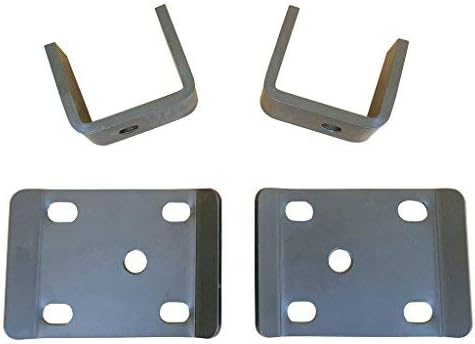
| Maximum Lifting Height | 5 inches |
|---|---|
| Automotive Fit Type | Vehicle Specific Fit |
| Included Components | Rear Flip Kit |
| Brand Name | Quality Suspension Advantage |
This rear axle flip kit drops the vehicle's rear by 5 inches using a bolted flip-style mount that preserves the axle and suspension geometry compared with cutting or welding methods. It is designed as a vehicle-specific fit for Ford Rangers from the listed years and arrives powdercoated for corrosion resistance. Installation replaces the rear axle perch location to reposition the axle relative to the leaf springs, producing a significant, fixed rear drop while keeping the factory leaf springs and axle alignment intact. The kit is simple hardware-focused gear intended for owners who want a solid, long-term lowered stance without modifying springs or the axle itself. Important limitations are that it only provides a fixed 5-inch change in ride height and does not address ride quality, spring rates, or shock length, so shocks or bump stops may need attention after installation. Professional alignment and proper torqueing are recommended for safe, lasting results.
Best for: Buyers who want a robust, fixed rear lowering solution that preserves suspension geometry and prefer a bolted, reversible installation over cutting or spring changes.
Less Ideal for: Drivers seeking adjustable ride height, improved ride comfort, or a complete suspension performance upgrade should consider alternatives that include springs and shocks.
- Provides a substantial 5-inch rear drop while keeping axle and leaf spring geometry intact
- Powdercoated finish improves corrosion resistance for longer service life
- Vehicle-specific design simplifies fitment for the supported Ford Ranger years
- Bolted installation avoids cutting or welding and can be reversed if needed
- Only changes rear ride height and does not address shock length or spring stiffness
Verdict: Pick an axle-flip kit when you need a substantial rear drop with preserved suspension geometry and a solid, bolted installation.
6. maXpeedingrods 2" Rear Tapered Aluminum Lowering Block Kit
Best Drop Blocks (Aluminum)

| Material | 6061 aluminum |
|---|---|
| Drop height | 2 inches |
| Design | 2° tapered |
| Fit axle tube | 3 inch |
This maXpeedingrods kit drops the rear axle about 2 inches using precision-machined 6061 aluminum tapered blocks. The taper design tilts the axle slightly to maintain pinion angle, which helps reduce driveline vibration and lowers stress on U-joints compared with flat steel blocks. Installation is typical for drop-block kits: the axle is lifted, factory blocks removed, and the tapered blocks installed with supplied hardware (users should confirm axle tube diameter and follow torque specs). The aluminum construction resists corrosion and is lighter than steel, so it keeps unsprung weight down and preserves a cleaner look under the truck. It is focused purely on rear ride height change and does not alter ride quality from the springs themselves, so pairing with matching shocks or adjustable components may be needed for optimal handling. Fitment is for mini/mid-size trucks using a 3-inch axle tube; buyers should confirm compatibility with their Ranger model year and rear axle setup before purchase.
Best for: Buyers who want an aluminum drop-block solution to achieve a clean lowered rear while minimizing driveline vibration and corrosion risk, and who plan to match the drop with appropriate shocks or suspension tuning.
Less Ideal for: Drivers seeking a full suspension lowering kit that includes shocks, spring changes, or multi-axle adjustments should look at complete kits instead.
- Tapered 2° design helps preserve pinion angle and reduce driveline vibration.
- Machined from 6061 aluminum for corrosion resistance and lighter weight than steel.
- Provides a clean, 2-inch lowered rear stance for a slammed appearance.
- Only changes rear ride height and does not address shock length or spring tuning needs.
- Fitment requires a 3-inch axle tube so not universal across all Ranger rear axles.
Verdict: Aluminum tapered drop blocks are for buyers who want a clean slammed look while avoiding driveline vibration and corrosion issues from steel blocks.
7. DJM Suspension 4" Front / 5" Rear Complete Lowering Kit with Shocks (1998–2010 Ford Ranger)
Best Complete Lowering Kit (Shocks Included)

| Set Name | DJM 4" Front / 5" Rear Lowering Kit |
|---|---|
| Automotive Fit Type | Vehicle Specific Fit |
| Included Components | Lowering Kit |
| Manufacturer | DJM SUSPENSION |
This complete lowering kit is a vehicle-specific package that lowers a 1998–2010 Ford Ranger 4 inches up front and 5 inches in the rear using upper and lower control arms with coil springs up front and flip-bracket hardware in back. Shocks are bundled with the kit so you receive matched damping designed to work with the reduced ride height and altered suspension geometry. Typical installation replaces control arms, springs, and rear brackets and then fits the included shocks, restoring ride control and travel after the drop. The practical benefit is a single purchase that supplies the main mechanical components needed for a correct lowered setup without sourcing shocks separately. Important limitations are that the kit is specific to the listed Ranger years and that rear shock mounts are staggered, requiring slightly different shock lengths and attention during installation; additional replacement bushings or ball joints are noted as optional parts for a clean rebuild. Fitment is vehicle-specific so verify chassis year and configuration before buying.
Best for: Buy this if you want a one-stop lowering solution for a 1998–2010 Ford Ranger and prefer getting springs, flip brackets, and matched shocks together to avoid mixing parts from multiple sources.
Less Ideal for: Not appropriate if you need a universal or multi-vehicle kit, if you plan on custom drop heights, or if you prefer coilovers or adjustable suspension rather than a fixed-height lowering package.
- Complete package includes front control arms, coil springs, flip-bracket rear hardware, and matched shocks for a single purchase solution
- Designed for vehicle-specific fit to 1998–2010 Ford Ranger for straightforward compatibility when the correct year is selected
- Matched shocks included to preserve ride quality and suspension travel after lowering
- Manufacturer lists replacement part numbers and recommends related components for easier maintenance and future servicing
- Rear shock mounts are staggered and require attention to different shock lengths during installation
Verdict: Go with a complete kit when you want a single purchase that supplies springs/flip hardware and matched shocks for correct ride and travel after lowering.
Choosing the Right 1998-2011 Ford Ranger Lowering Kit: Key Factors to Consider
Drop Height and How It Affects Geometry
The advertised drop height determines how much lower the truck will sit relative to stock and directly influences suspension geometry. On the 1998-2011 Ranger, modest drops are less likely to create extreme negative camber or excessive bump steer. Larger drops can change control arm angles and steering linkage positions, which may require corrective alignment or additional components to maintain predictable handling.
When evaluating drop height, consider the actual measured sag and ride height after installation rather than just the nominal value. Tire clearance and rubbing under full steering lock or during compression should be checked, especially if you run wider tires. For owners who tow or carry heavy loads, remember that the effective drop may be reduced and rear ride height can change depending on payload.
Ride Quality Versus Handling Tradeoffs
Different kits prioritize either a firmer, sportier feel or a more compliant street ride. Stiffer springs and firmer shocks reduce body roll and improve responsiveness but can transmit more road harshness into the cab. Conversely, softer spring rates preserve comfort but limit the improvement in cornering and braking stability.
Think about how you use the Ranger. If most driving is daily commuting and light hauling, a balanced setup that reduces roll without sacrificing too much comfort is better. If you frequently drive spiritedly on winding roads, prioritize handling-oriented valving and spring rates that keep the tires contacting the road consistently.
Shock Absorber Match and Damping Characteristics
A lowering kit is only as effective as the shocks paired with it. Lowering changes the shock stroke and preload, so shocks designed or tuned for lowered ride heights deliver better control and prevent premature wear. Look for kits that either include matched dampers or specify compatible shock models.
Damping characteristics that suit lowered ride heights usually feature firmer rebound control to manage quicker weight transfer. For adjustable kits, the ability to tune compression and rebound helps dial in ride balance after cornering tests or everyday driving. Consider maintenance and serviceability of the shocks, as replacements are a more common long-term cost than springs.
Fitment and Installation Considerations
Correct fitment is essential for safety and handling. For the 1998-2011 Ranger, confirm that mounting points and hardware match the truck's stock suspension layout. Kits that provide all necessary bushings, brackets, and alignment shims reduce surprises during installation. Some installations require spring compressors, torque tools, or minor trimming; owners should assess whether they can do the work themselves or need a professional.
Installation complexity also influences alignment needs. Any change in ride height should be followed by a full alignment to avoid uneven tire wear and compromised handling. Factor in the availability of clear instructions and customer support when choosing a kit.
Adjustability and Tuning Potential
Adjustable lowering kits let you fine tune ride height and sometimes damping, offering flexibility as driving needs change. On this Ranger, adjustable collars or threaded shock bodies allow owners to set a preferred stance while preserving useful suspension travel. Adjustability also helps if you alternate between solo driving and carrying loads.
Remember that added adjustability can introduce more maintenance steps and the potential for improper setup. Keep track of initial settings so you can return to a known baseline if ride quality changes after further modifications.
Durability and Corrosion Resistance
Trucks face harsh environments, so spring coatings, plated hardware, and corrosion-resistant finishes extend component life. Look for powder-coated springs and zinc-plated or stainless hardware to limit rust on the 1998-2011 Ranger, which can accelerate wear in suspension parts. Durable bushings and shock seals also matter for longevity.
Consider warranty coverage and documented longevity in owner reports. Long-term durability affects total cost of ownership because frequent replacements or premature failures negate initial performance gains.
Typical Ride Height Changes And Practical Effects
Most lowering kits for this Ranger range from mild drops that lower the truck by about 1 to 2 inches up to more aggressive setups around 2.5 to 3 inches. Small drops provide a balance of improved handling and minimal fitment issues, while larger drops can require attention to steering geometry and clearance.
Expect differences in ride compliance, approach angle, and rear cargo clearance. Lowering the front will often accentuate front-end turn-in and reduce body roll, but you should verify that the new stance still allows safe travel over typical road obstacles for your use.
- Small drop (1 to 1.5 in): Better daily comfort, minor handling gains
- Moderate drop (1.5 to 2.5 in): Noticeable handling improvement, may need alignment tweaks
- Aggressive drop (2.5 in+): Sporty stance and sharper handling, watch for clearance issues
Adjustable Kits Versus Fixed Springs
Adjustable kits provide height and sometimes damping control, which is ideal if you want to experiment with stance or carry variable loads. They allow fine tuning but add mechanical complexity and potential maintenance points.
Fixed lowering springs are simple, reliable, and usually cheaper. They offer consistent performance without the need for periodic adjustments, making them suitable for owners who want a set-and-forget drop.
- Adjustable: Greater flexibility, higher maintenance
- Fixed: Simpler installation, consistent behavior
Tire And Wheel Considerations After Lowering
Lowering affects wheel well clearance and can change how tires contact the fenders under compression and full lock. For the Ranger, check tire width and offset to avoid rubbing. In many cases a modest drop will accommodate stock wheels and common aftermarket sizes without trimming.
If you plan to run wider tires or lower the truck aggressively, budget time for mock-up checks and consider slight rolling or trimming of the inner lip if necessary. Also keep in mind that wheel alignment should be performed after any height change to reduce uneven wear.
- Verify tire clearance at full lock and with suspension compression
- Re-align after installation to maintain even tire wear
Everyday Maintenance After Lowering
Lowered trucks still need routine chassis inspections. Check spring seats, shock mounts, and bushings more frequently during the first few hundred miles after installation to catch settling or loose hardware. Fasteners can work loose, and seals may show signs of stress if shocks are now operating near their travel limits.
Keep track of ride height and any odd noises. If you notice unusual tire wear, vibration, or handling quirks, address them promptly with an alignment check and component inspection.
- Inspect mounts and fasteners after 100 to 300 miles
- Monitor tire wear patterns and suspension noises
Legal And Insurance Notes For Modified Ride Height
Modifying ride height can affect regulatory compliance in some jurisdictions, particularly when changes alter bumper or lighting heights. Confirm local vehicle code limits before making major changes. Insurance policies occasionally have clauses related to vehicle modifications, so document the work and retain receipts.
Keep modifications reversible when possible. Adjustable kits or components that can be returned to stock height simplify inspections and resale.
- Check local height and lighting regulations
- Document modifications for insurance and resale
Still looking for the perfect fit?
Select your Ford Ranger configuration to see the most relevant Lowering Kits recommendations
How We Chose the Best 1998-2011 Ford Ranger Lowering Kit
We evaluated lowering kits for the 1998-2011 Ford Ranger using a set of vehicle-specific criteria intended to surface practical, reliable options for owners. Primary factors included documented fitment to the 1998-2011 Ranger platform, verified drop range and how it affects suspension geometry, and evidence of durable construction such as hardened springs, quality shocks, or corrosion-resistant coatings. Ride characteristics were assessed via reported ride comfort and handling balance, focusing on everyday street use rather than race-level setups. Installation complexity and the availability of clear instructions or hardware were considered because many owners install kits themselves or expect shop labor that follows typical truck procedures. Adjustability and tuning potential were weighed for buyers who may want to dial in ride height or damping, particularly for mixed street and light performance use.We excluded options that lacked clear fitment data for the 1998-2011 Ranger, kits intended solely for heavy off-road use, and products that required unproven vehicle modifications to achieve advertised ride height. Final selections favored kits with consistent user feedback about long-term durability and preserved alignment geometry when paired with standard wheel and tire sizes for this truck.
Our full evaluation process is outlined in our review methodology.
FAQ
Will lowering my 1998-2011 Ford Ranger harm daily drivability?
It depends on the amount of drop and the kit's design. Small, well-matched drops usually preserve everyday comfort while improving handling. Aggressive drops can make the ride firmer and may cause clearance issues during daily driving.
Do I need new shocks when installing a lowering kit?
Often yes. Lowering changes shock travel and preload, so shocks tuned for lowered ride heights provide better control and longer life. Some kits include compatible dampers or specify recommended replacements.
How much will lowering affect tire wear on my Ranger?
Lowering can increase camber and toe changes, which may accelerate tire wear if not properly aligned. A professional alignment after installation minimizes uneven wear and preserves tire life.
Can I install a lowering kit myself?
Many owners can perform installation with common tools, but some kits require spring compression, torque specifications, or special hardware. Assess your mechanical skill and access to tools; professional installation reduces risk if you are uncertain.
Will lowering change my truck's towing or payload capacity?
Lowering alters suspension geometry and ride height, which can change how the truck handles loads. While the gross vehicle weight ratings do not change, towing and payload dynamics may feel different, and heavy loads can reduce the effective drop.
Are adjustable lowering kits worth it for a Ranger?
Adjustable kits are valuable if you want flexibility to change ride height for different uses or to fine tune handling. They require more setup and occasional checks, so they are best for owners who plan to experiment or frequently alter load conditions.
Final Verdict
For the 1998-2011 Ford Ranger, prioritize a lowering solution that matches how you drive. If you want a daily-friendly truck with crisper handling, choose a kit with conservative drop figures and matched damping. If you seek a more aggressive stance and sharper turn-in, an adjustable or sport-oriented kit gives the tuning range you need but requires careful setup and clearance checks.Balance drop height, shock compatibility, and long-term durability when deciding. Proper installation and a post-installation alignment are essential to realize the handling benefits while avoiding premature wear. With attention to fitment and tuning, a lowering kit can significantly improve the Ranger's road manners and appearance.
Explore More:
- Check out all Ford Ranger parts & accessories
- Explore Suspension & Steering
- Browse all Accessories
