

Note: This article contains affiliate links. If you click on these links and make a purchase, I may earn a small commission at no extra cost to you. This helps support my research and content. Read my full affiliate disclosure here.
If your 2008-2012 Honda Accord has uneven fan speeds, intermittent blower operation, or the heater and AC only work on one setting, a faulty blower motor resistor is a common cause. Replacing the resistor can return full control of the HVAC blower, improve cabin comfort, and eliminate electrical noise that distracts while driving. This guide focuses on the 2008 through 2012 Accord platform and covers the top shortlisted blower motor resistors that fit this range.We evaluated options based on correct fitment for the Accord years in scope, electrical reliability, connector and harness quality, and ease of installation. The following picks reflect those priorities and should help you pick the right replacement resistor for reliable fan control. Read on for installation notes, troubleshooting tips, and how we selected these parts.
Looking for other parts? See all Honda Accord parts & accessories.
Top Picks at a Glance
| Best Overall The best all-around choice for most situations | TVM TRAVERMAN Blower Motor Resistor 79330-SDA-A01 Compatible with Select Honda/Acura Models |  |
| Best Quality Built to a higher standard if you want something more solid | AISIN Blower Motor Resistor BMRH-00084 |  |
| Highest Rated A top-rated pick with lots of positive feedback | A-NAFTULY HVAC Front Blower Motor Resistor Control Module |  |
| Most Popular A crowd favorite that many people choose with confidence | POHILA Blower Motor Resistor HVAC Heater A/C Kit (fits select Honda/Acura) |  |
| Best Seller A high-volume bestseller chosen again and again | Yikesai HVAC Blower Motor Resistor for Honda and Acura |  |
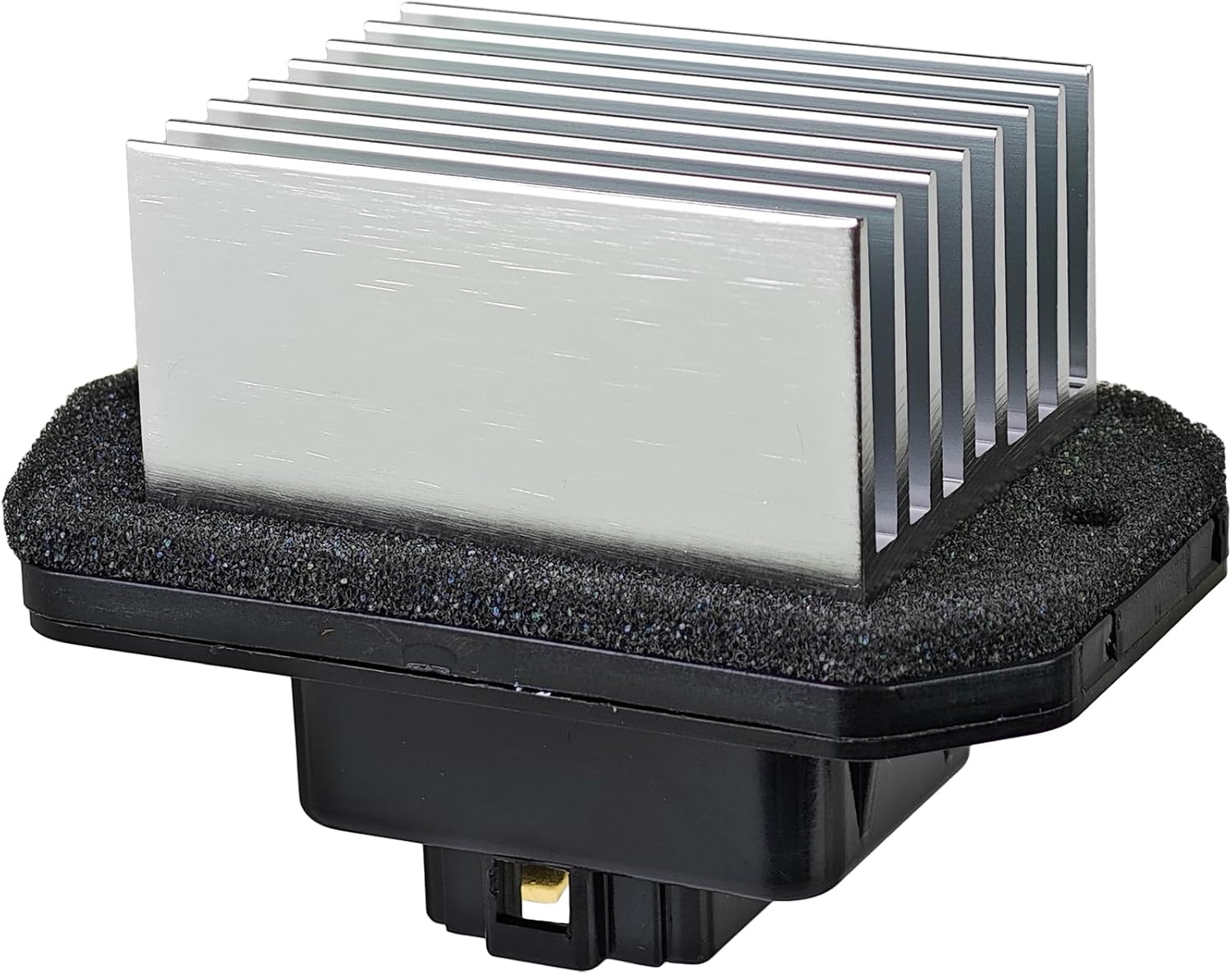
1. TVM TRAVERMAN Blower Motor Resistor 79330-SDA-A01 Compatible with Select Honda/Acura Models
| Manufacturer | TVM TRAVERMAN |
|---|---|
| Model | 79330-SDA-A01 |
| OEM part numbers | 79330-SDA-A01, 79330-SNA-A01, 79330-S5A-942, 79330-S5A-941, 79330-S7A-941, 973-452, JA1390 |
| Vehicle fitment range | Select 2001-2015 Honda and 2004-2012 Acura models (see listing) |
This blower motor resistor replaces the factory control module that regulates blower fan speeds, restoring low and mid fan settings when they fail and leaving high speed intact. It is engineered to match factory form and electrical performance and uses a metal heat sink and reinforced PA66-M40 base to handle heat and vibration in a vehicle environment. Installation is straightforward for a DIYer: the part sits under the passenger-side dash, the wiring harness disconnects easily, and the unit secures with a few screws so you can swap it without modifications. In practice the resistor brings back stepped fan control and stabilizes blower behavior after common failures. Expect a direct-fit replacement for listed Honda and Acura model years, with OEM-style durability at a lower cost than dealer parts. The module does not upgrade fan performance or add features beyond restoring factory functionality, and correct fit depends on selecting the exact part number for your vehicle variant.
Best for: Someone looking for a reliable, cost-conscious repair to restore original HVAC fan-speed control on a compatible Honda or Acura without dealer parts or complex modifications.
Less Ideal for: If you want improved fan output, variable-speed upgrades, or a universal fit for other makes, this direct replacement is not the right choice.
- Direct replacement that restores full stepped fan-speed control
- Metal heat sink and reinforced PA66 base improve thermal and vibration durability
- Designed to match factory electrical performance for straightforward installation
- Accessible location and simple fastener/wiring layout make DIY swap quick
- Does not change blower performance beyond restoring factory speeds
Verdict: A budget-friendly factory-style replacement that reliably restores stepped HVAC blower control on the listed Honda and Acura models.
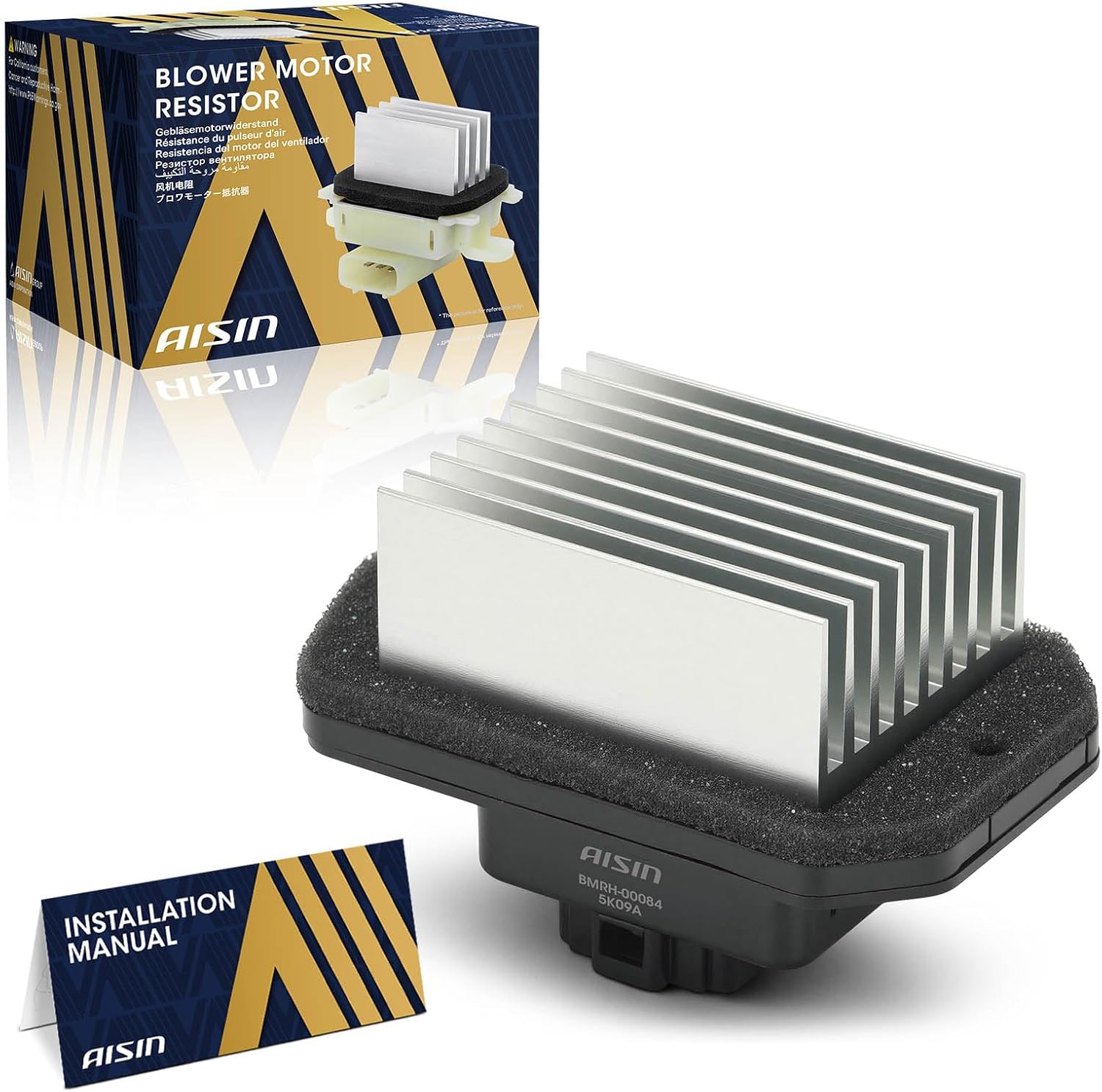
2. AISIN Blower Motor Resistor BMRH-00084
| Manufacturer | AISIN |
|---|---|
| Position | Front |
| Voltage | 12 Volts |
| Terminal Quantity | 4 |
This AISIN blower motor resistor replaces the front resistor assembly to restore stepped fan speeds in affected Honda and Acura vehicles. It installs in the HVAC housing and connects via a four-blade terminal harness; no wiring harness is included so most replacements are a direct plug-in for stock connectors. The part lists two mounting holes and a four-terminal design that matches the factory layout, so it replicates the original control of low to high blower speeds. For performance-focused drivers this part helps eliminate erratic fan behavior and regain precise speed control that can affect cabin airflow during spirited driving or heavy cabin load. The resistor is manufactured by a long-established OEM supplier and ships with an installation manual, which helps with correct installation. Limitations are that it is a direct replacement resistor only and will not increase maximum fan output or change blower motor performance beyond restoring factory operation.
Best for: Buyers who want a reliable, factory-style replacement to restore precise multi-speed HVAC control and eliminate intermittent or missing fan speeds.
Less Ideal for: Not a fit for users seeking increased airflow or upgraded blower performance beyond factory specifications.
- Factory-quality design from a reputable supplier for reliable fit and operation
- Four-blade terminal arrangement matches factory connector for straightforward installation
- Includes installation manual to guide correct replacement
- Direct replacement that restores original stepped fan speed control
- Does not include a wiring harness, so additional adapters may be needed for modified setups
- Restores factory performance only and will not increase maximum blower output
Verdict: A dependable factory-style blower motor resistor that reliably restores correct multi-speed HVAC fan control on compatible Hondas.
3. A-NAFTULY HVAC Front Blower Motor Resistor Control Module

| Brand | A-NAFTULY |
|---|---|
| Model | 79330SDAA01, 79330-SDG-W41, 79330SDRA01 |
| Manufacturer Part Number | AN70233 |
| Compatible Vehicles | Honda Accord and other Honda/Acura models (see fitment) |
This blower motor resistor replaces the factory module that controls the HVAC fan speeds and is intended as a direct-fit replacement for a range of Honda and Acura models including Accord years listed in the product fitment. Installation is straightforward: remove the lower passenger-side access panel, unbolt the old resistor and swap in the new unit with common hand tools. The part is built to match factory mounting and connector locations so it returns stepped fan speed control and can eliminate symptoms like fan stuck on one speed or no blower at all. Buyers report quick installs and restored heating and defrost performance. Expect typical aftermarket variability in longevity; many users see reliable service while a minority report early failures, so keep that in mind if you need a longer-term fix. This unit is a practical, low-cost repair for restoring HVAC function without replacing the blower motor itself.
Best for: A practical buyer who needs a reliable, cost-effective repair to restore HVAC fan speed on a 2008–2012 Accord and prioritizes a straightforward, factory-style replacement.
Less Ideal for: If you want a guaranteed long-term professional-grade rebuild or have an intermittent electrical problem upstream of the resistor, consider a dealer part or professional diagnosis instead.
- Direct-replacement designed to match factory mounting and connector locations
- Simple swap install from the passenger-side access area with basic hand tools
- Restores stepped fan speed control and fixes common blower symptoms quickly
- Compatible with many Honda/Acura models so you can verify fitment and avoid extra parts purchases
- Some users report early failures indicating variable durability across units
Verdict: For a quick, factory-style fix to restore fan speed control on a 2008–2012 Accord, this direct-replacement blower resistor is an efficient and affordable choice.
4. POHILA Blower Motor Resistor HVAC Heater A/C Kit (fits select Honda/Acura)

| Brand Name | POHILA |
|---|---|
| Included Components | Blower Motor Resistor |
| Model Name | 79330-S5A-942, 79330S5A941, 79330S5A942, 79330S7A941, 79330SDAA01 |
| Item Weight | 0.14 Kilograms |
This POHILA blower motor resistor is a plug-and-play replacement intended to restore proper HVAC fan speeds when the original resistor fails. It installs into the factory harness without modification and is commonly used to fix symptoms such as loss of certain fan speeds, blower stuck on high, or intermittent blower operation. The module lists multiple OEM reference numbers and fitment for many Honda and Acura model years, and buyers report straightforward installation and reliable immediate results. Constructed from reinforced materials, the part claims heat and impact resistance to improve durability compared with worn resistors. Because it is a single electrical component, expect it only to resolve resistor-related blower faults; it will not fix problems caused by a failing blower motor, blower relay, or wiring issues. If your issue is intermittent or you prefer dealer parts, confirm the exact reference numbers and harness match before installing. For a straightforward, low-cost repair on supported Accords, this unit performs the basic job effectively.
Best for: Buyers who want a proven, low-risk fix to restore HVAC fan speed control on compatible Hondas and Acuras and who prioritize straightforward installation and peer-verified results.
Less Ideal for: Drivers who prefer dealership-sourced parts, require an all-in-one HVAC system diagnosis, or suspect the blower motor or electrical circuit is the root cause should look elsewhere.
- Direct-fit design plugs into the factory harness for quick, no-modification installation
- Lists multiple OEM reference numbers for easier cross-reference with factory parts
- Reports from buyers indicate consistent restoration of all fan speeds
- Constructed with reinforced materials intended for heat and impact resistance
- Only replaces the resistor function and will not address a bad blower motor, relay, or wiring fault
Verdict: A straightforward, buyer-tested replacement resistor that quickly restores fan speed control on supported 2008–2012 Honda Accord HVAC systems.
5. Yikesai HVAC Blower Motor Resistor for Honda and Acura

| Fitment | Select Honda and Acura models (listed in product details) |
|---|---|
| Replaces part numbers | 79330-S5A-942, 79330-SNA-A01, 79330-SDA-A01 and others |
| Manufacturer | Yikesai |
| Item model number | BMR-HD-001 |
This Yikesai blower motor resistor is a plug-and-play replacement intended to bring back full speed control to the cabin fan when the factory resistor has failed. It fits a range of Honda and Acura models from the early 2000s through the early 2010s and replaces common part numbers so you can match it to your vehicle. In use it restores stepped speed settings that are otherwise lost when a resistor element burns out, allowing normal heating and A/C operation. The part includes a heat-dissipating element and a factory-style connector to simplify installation; many owners report straightforward access behind the glovebox and rapid fixes with basic hand tools. Build quality aims for corrosion resistance and thermal stability, though some users note variability in long-term durability compared with dealer parts. Expect a simple DIY swap that saves time and cost versus a dealer repair but be prepared for a snug under-dash install on some models and the usual caution when working around HVAC wiring.
Best for: Buyers who want a reliable, low-risk repair to restore HVAC blower speeds themselves and prefer a direct-fit part that matches factory part numbers.
Less Ideal for: If you want a factory dealer part with a manufacturer's warranty or plan to avoid any under-dash work, this aftermarket module may not be the best choice.
- Direct replacement that lists multiple Honda and Acura fitments and common part numbers
- Plug-and-play connector and heatsink design make it suitable for DIY swaps behind the glovebox
- Restores full multi-speed blower control so heater and A/C work normally
- Constructed for improved heat dissipation and corrosion resistance compared with basic aftermarket units
- Some buyers report uncertain long-term durability compared with dealer parts
Verdict: A straightforward, direct-fit replacement that lets a careful DIYer restore full HVAC blower speed control on the specified 2008–2012 Accord and related Honda/Acura models.
Choosing the Right 2008-2012 Honda Accord Blower Motor Resistor: Key Factors to Consider
Electrical Compatibility and Pinout
Correct electrical compatibility ensures the resistor matches the Accord blower motor's voltage, current draw, and connector pinout. Using a unit with the wrong pin configuration can leave you with no fan control or risk burning connectors. When the resistor matches the factory pinout you avoid cutting or splicing wires, which reduces corrosion and future failure points.
Confirming the pinout also helps diagnose if symptoms come from a harness issue or the resistor itself. A correct-pinout unit will mate securely with the stock wiring harness and maintain stable electrical contact through vibration and temperature cycles experienced in the HVAC cavity.
Thermal Design and Durability
Blower motor resistors dissipate heat as they limit current for different fan speeds, so thermal design is critical. Look for resistors with substantial heat-sink surfaces, protective housings, or airflow-friendly construction to prevent overheating. A resistor that manages heat well will last longer under repeated use when the fan operates at low speeds for extended periods.
Durability also covers materials and protective coatings that resist moisture and corrosion from cabin humidity. Robust construction reduces the chance of cracked solder joints or degraded resistive elements that commonly cause intermittent operation or total failure.
Connector and Mounting Quality
Mounting points and connector retention determine if the resistor will stay securely in place behind the glove box. Proper mounting reduces movement that can stress wires and connectors. Check that the replacement uses the same screw or clip points as the factory part to keep installation simple.
Connector quality affects long-term electrical contact. Corrosion-resistant terminals and tight-fitting housings prevent voltage drops that produce weak fan speeds. A good mounting and connector design also simplifies future service and reduces rattles or vibration-related faults.
Resistance Values and Fan Speed Performance
The resistor must provide the correct resistance steps to deliver the expected fan speed range in the Accord. Incorrect resistance values can make some speeds unusable or cause the fan to run only at high speed. Accurate resistance steps ensure smooth transitions between blower settings and predictable cabin airflow control.
Understanding whether the assembly provides discrete resistive stages or uses a different control approach helps set expectations for performance. For models where multiple speed stages are controlled, the resistor should replicate those steps closely to match original behavior.
Installation Ease and Access
Ease of installation matters for owners doing the job themselves or for straightforward shop labor. Many 2008-2012 Honda Accord blower resistors are accessible behind the glove box, but the level of disassembly varies. Choose parts that allow direct replacement without extensive dash removal, and look for options that include necessary clips, screws, or pigtails.
Clear instructions or an installation guide reduce the chance of mistakes during replacement. A unit that fits without trimming or additional hardware saves time and reduces the risk of improper reassembly that could affect HVAC performance.
Warranty and Replacement Support
A warranty gives peace of mind against early failure due to manufacturing defects. Evaluate the length and scope of coverage when comparing parts. Warranty terms that cover electrical failure and connector issues indicate manufacturer confidence in the assembly.
Replacement support also includes availability of documentation or clear return policies. For vehicle owners, simple warranty claims and accessible support reduce downtime and help ensure you receive a properly functioning resistor if an issue arises soon after installation.
Common Symptoms of a Failing Resistor in the Accord
Recognizing resistor-related symptoms helps you decide whether to test or replace the part. Typical signs include loss of certain fan speeds, the blower working only at the highest setting, intermittent fan operation, or a burning electrical smell when the HVAC is active. These symptoms often appear gradually and may be worse at low speeds where the resistor dissipates more heat.
Because the resistor is located in the airflow path, moisture or debris can accelerate failure. Pay attention to any correlation between weather and symptom severity, and inspect the blower housing area when you have the dash open.
- Fan only runs at high speed
- Intermittent blower operation
- Weaker-than-normal airflow on certain settings
- Burning or electrical odor from the dash area
How to Locate the Blower Motor Resistor on Your Accord
On the 2008-2012 Honda Accord the resistor is typically mounted near the blower motor housing on the passenger side HVAC plenum. Access usually requires lowering or removing the glove box to reach the resistor assembly and its connector. Knowing the general location streamlines diagnosis and reduces disassembly time.
Before disconnecting electrical connectors, ensure the ignition and fan are off to prevent short circuits. Take note of any retaining clips or screw locations to make reinstallation straightforward.
- Passenger side HVAC plenum near the blower motor
- Often accessible after glove box removal
- Connector typically has a multi-pin housing matching factory harness
Basic HVAC Blower Resistor Tests You Can Do
Simple tests can confirm whether a resistor is the cause of blower issues. You can perform a visual inspection for burned traces or corrosion, check for loose connectors, and test continuity across resistor terminals with a multimeter. Another practical check is to confirm whether the blower runs at full speed when the resistor is bypassed or unplugged, which indicates the motor and power supply are functional.
If you measure resistance values, compare them to expected steps for the Accord application or look for open circuits. Be cautious when working near moving parts and energized circuits; disconnect the battery if you need to probe connectors while the HVAC is energized.
- Visual inspection for burn marks or corrosion
- Continuity and resistance checks with a multimeter
- Confirm blower runs at full speed when resistor is bypassed
Installation Tips to Avoid Common Mistakes
When replacing the resistor, support the glove box and disconnect the negative battery terminal if you will be probing live circuits. Ensure the replacement's connector fully seats until you hear a click and secure all mounting fasteners to prevent movement. Avoid forcing connectors at an angle to prevent bent terminals.
If the replacement includes a pigtail, route the wiring so it does not contact the blower wheel or other moving parts. Reassemble panels carefully to avoid pinching wires and double-check that the blower operates through all speeds before finishing.
- Disconnect power when probing circuits
- Seat connectors until they click and tighten all fasteners
- Route pigtails away from moving parts and recheck operation
When to Inspect the Blower Motor Alongside the Resistor
A failing blower motor can contribute to resistor stress and vice versa. If the resistor failed prematurely or you notice unusual motor noise, inspect the blower motor for worn bearings, debris in the wheel, or signs of excessive current draw. Replacing a resistor while an overloaded motor remains in service may lead to repeated failures.
Measure motor current if possible or listen for grinding and rubbing noises that indicate mechanical wear. Addressing motor issues at the same time avoids a repeat repair and restores reliable HVAC performance.
- Inspect the blower wheel for debris or damage
- Listen for unusual motor sounds during operation
- Consider motor current checks if tools are available
Maintenance Habits That Extend Resistor Life
Keeping the HVAC intake and cabin air filter clean reduces dust and debris that can enter the blower housing and settle on the resistor, which can accelerate heat buildup and corrosion. Replace cabin filters at manufacturer-recommended intervals and clear leaves or blockages from the intake cowl area.
Regularly run the fan at varying speeds to prevent prolonged stress on a single resistive stage. If you store the vehicle in humid conditions, periodic inspection of the blower cavity can catch early signs of corrosion before they lead to failure.
- Replace cabin air filter per schedule
- Keep intake and blower housing clear of debris
- Exercise the fan at multiple speeds periodically
Still looking for the perfect fit?
Select your Honda Accord configuration to see the most relevant Blower Motor Resistors recommendations
How We Chose the Best 2008-2012 Honda Accord Blower Motor Resistor
We prioritized parts that match the 2008-2012 Honda Accord electrical and mechanical fitment to avoid wiring modifications or extra adapters. Fitment accuracy was confirmed by checking mounting points, connector pinouts, and specification sheets for the Accord model years in scope.Electrical reliability was a top factor. We considered resistive element quality, heat-sink design, and materials used in the resistor assembly since these affect long-term performance under HVAC load. Thermal management and ventilation design were weighed because resistors operate in a heated airflow environment behind the glove box.Connector and harness integrity mattered for durability. We favored assemblies with corrosion-resistant terminals, secure clip retention, and pigtail options where appropriate to reduce failure risk at the connection. Ease of installation was also considered: parts that allow direct plug-and-play replacement or simple fastener access scored higher.We excluded units that required vehicle-side wiring changes, nonstandard adapters, or unclear fitment for the specified Accord years. Products lacking basic published electrical specs or with insufficient thermal protection were not considered. Final selections emphasize correct mechanical fit, electrical durability, and straightforward installation for Accord owners.
Our full evaluation process is outlined in our review methodology.
FAQ
What are the first things to check if my Accord's blower only works on high?
Often the blower motor resistor or its connector has failed. Start with a visual inspection for burned or corroded contacts, then check for continuity across the resistor terminals. Confirm the blower runs at full speed when the resistor is bypassed to isolate the issue.
Can I drive with a faulty blower motor resistor in my Accord?
You can usually drive safely, but you may lack climate control at certain fan speeds which affects comfort and defogging. Because electrical faults can produce smells or smoke, inspect and address obvious burning odors promptly and avoid extended use until repaired.
How hard is it to replace the resistor on a 2008-2012 Accord?
Replacement is typically straightforward for someone comfortable with basic tools. Access generally requires lowering the glove box, removing a few screws, and unplugging the connector. Follow safety precautions when working near electrical components.
Will replacing the resistor fix intermittent blower operation?
If intermittent operation is caused by a failing resistor or a loose connector, replacing the resistor and securing connections often resolves the issue. If the problem persists, the blower motor or wiring should be inspected for additional faults.
Should I test the blower motor before replacing the resistor?
Testing the motor helps confirm the root cause. If the blower runs at full speed when the resistor is bypassed, the motor and main power supply are likely fine and the resistor is the probable culprit. Checking both components prevents repeated repairs.
How can I avoid blowing out a new resistor after installation?
Ensure correct fitment and secure connectors, keep the blower housing free of debris, and address any blower motor issues that increase current draw. Proper routing of pigtails and avoiding pinched wires also reduces failure risk.
Final Verdict
For the 2008-2012 Honda Accord, prioritize a replacement blower motor resistor that matches the factory electrical pinout, offers robust thermal management, and includes secure connectors and proper mounting. Pay attention to related factors such as blower motor condition and intake cleanliness to avoid repeated failures.Balancing fitment accuracy, durability, and installation simplicity will lead to the most reliable outcome. Choose a part that minimizes wiring work, provides clear installation guidance, and has support or coverage to protect against early defects.
Explore More:
- Check out all Honda Accord parts & accessories
- Explore Blower Motor Resistors Maintenance & Repair Guides
- Explore HVAC
- Browse all Auto Parts
