

Note: This article contains affiliate links. If you click on these links and make a purchase, I may earn a small commission at no extra cost to you. This helps support my research and content. Read my full affiliate disclosure here.
A failing blower motor resistor can mean you lose low or variable fan speeds in your 2013-2017 Honda Accord, which makes climate control less comfortable and can strain other HVAC components. Selecting the right blower motor resistor matters because correct fitment, thermal durability, and reliable electrical connections determine whether the repair fixes the symptom long term.This guide covers six shortlisted blower motor resistors chosen for fit and performance across the 2013 to 2017 Accord models. It explains the symptoms to watch for, the tests technicians use, and the factors that matter when replacing the part so you can pick the most appropriate option for your Accord. Next, we outline the criteria used to select these top picks and what to expect during installation and troubleshooting.
Looking for other parts? See all Honda Accord parts & accessories.
Top Picks at a Glance
| Best Overall The best all-around choice for most situations | Dorman 973-471 Front HVAC Blower Motor Resistor |  |
| Best Quality Built to a higher standard if you want something more solid | AISIN HVAC Blower Motor Resistor BMRH-00313 |  |
| Best Value The sweet spot between price and what you get | Aspligo Blower Motor Resistor R202026.A for select Honda and Acura models |  |
| Best Budget The cheapest option that still gets the job done reliably | COOLIGO Blower Motor Resistor Fit for 2013–2017 Honda Accord and Select Honda/Acura Models |  |
| Highest Rated A top-rated pick with lots of positive feedback | Dcmr Blower Motor Resistor for Honda and Acura HVAC Systems |  |
1. Dorman 973-471 Front HVAC Blower Motor Resistor

| Model | Dorman 973-471 |
|---|---|
| Manufacturer | Dorman Products |
| OEM Part Number | JA1945; RU1071; RU815; 79330TR0A01 |
This Dorman blower motor resistor is a straightforward direct replacement intended to restore proper fan speed control when the original resistor fails. It installs in the HVAC blower circuit and returns full range fan speeds so heating and cooling work as designed. The part is built to match the fit and function of the factory unit for the listed Acura and Honda model years, and Dorman says it is tested and validated for safe operation. Typical use is a one-time repair for a fan stuck on a single speed or not working at all; installation is usually a short, garage-friendly job when paired with access to the blower housing. Practical benefits include factory-style operation without modifying the vehicle and a readily available aftermarket option when the resistor burns out. Limitations are that fitment is limited to specific model years and trims, so confirming the exact vehicle trim is necessary before buying, and a small number of buyers reported receiving a damaged unit that required replacement.
Best for: Buyers seeking a reliable, factory-style replacement to repair a failing blower resistor on supported 2013–2017 Honda Accord or similar Acura/Honda models and who prioritize a straightforward fix over upgrades.
Less Ideal for: People who want an upgraded performance HVAC component or those who need a universal resistor for multiple vehicle types should look elsewhere.
- Direct replacement designed to match factory fit and function for listed Acura and Honda models
- Restores full fan speed control to repair HVAC systems stuck on one speed
- Tested and validated for safe operation by the manufacturer
- Simple installation suitable for basic garage repairs
- Only fits specific model years and trims, requiring confirmation before purchase
- Some buyers reported receiving a defective or damaged unit that needed replacing
Verdict: Choose this resistor when you want a tested, factory-style replacement to restore proper fan speed control on the specified 2013–2017 Honda Accord and compatible Acura/Honda models.
2. AISIN HVAC Blower Motor Resistor BMRH-00313

| Position | Front |
|---|---|
| Voltage | 12 Volts |
| Terminal Quantity | 4 |
| Bolt Hole Quantity | 2 |
This Aisin blower motor resistor replaces the factory resistor assembly to restore proper fan speed stages and steady airflow in affected Honda and Acura models. It installs in the front blower housing and uses four blade terminals and two bolt holes for a direct-fit replacement where the original resistor has failed. Typical use is straightforward: remove the glovebox or access panel, disconnect the harness, swap the resistor, and reassemble. Aisin emphasizes factory-level engineering, so the unit delivers predictable fan speed steps and stable operation rather than variable or noisy output. The resistor does not include a wiring harness so expect to reuse the factory connector, and the package is a single resistor with an installation manual. For performance-focused owners this part keeps climate control functioning correctly and prevents overheating of the blower circuit, but it does not upgrade blower power or add variable electronic control. If you need improved airflow or a higher-capacity blower motor, this is a repair-oriented replacement rather than a performance modification.
Best for: Drivers who prioritize restoring reliable, factory-style HVAC fan control on 2013–2017 Honda Accord vehicles and want a direct, maintenance-focused replacement that preserves stock behavior.
Less Ideal for: Do not buy this if you are seeking a performance upgrade to increase airflow or add custom fan control; look for higher-capacity blower motors or electronic controllers instead.
- Direct-fit design for front blower housings on specified Honda and Acura models
- Factory-quality engineering aimed at restoring stable, stepped fan speeds
- Uses standard blade terminals for straightforward connection to the factory harness
- Includes installation manual to guide a quick replacement job
- Does not include a replacement wiring harness
- Not designed to increase blower output or add variable speed control
Verdict: Choose this Aisin resistor when you need a dependable, factory-quality replacement to restore correct fan speed control on a 2013–2017 Honda Accord.
3. Aspligo Blower Motor Resistor R202026.A for select Honda and Acura models

| Voltage | 12 Volts |
|---|---|
| Included Components | Blower Motor Resistor |
| Part Number | R202026.A |
This Aspligo blower motor resistor replaces the multi-step speed controller that sits between the blower switch and fan motor to restore or improve HVAC fan speed selection. It is intended as a direct replacement for vehicles listed in the fitment and uses a resistor pack of multiple elements to provide the different fan speeds. Installation is typical for cabin HVAC resistors: access the blower housing, unplug the old resistor, swap in the new unit and reconnect the harness. The construction notes aluminum and ceramic-wrapped resistors for heat dissipation, which should help reliability under repeated use. Because it is a single-purpose replacement part, the product delivers straightforward benefits: restores fan speeds, is simple to install for a competent DIYer or tech, and minimizes extra energy loss compared with a failed or shorted resistor. Limitations are inherent to resistor-style speed control: it does not upgrade the blower motor or provide active variable-speed control beyond the factory multi-speed steps, and compatibility must match the listed model years and part numbers exactly.
Best for: Buyers who want a practical, factory-style repair to restore HVAC fan speeds on the specified Accords and compatible Honda/Acura models and prefer a straightforward, install-and-forget replacement.
Less Ideal for: Anyone looking to upgrade to a variable-speed HVAC system, boost blower performance, or use the part on vehicles outside the listed fitment should consider other solutions.
- Direct-fit replacement for the listed Acura and Honda model years and OEM interchange numbers provided
- 12 Volt design built with aluminum and ceramic-wrapped resistor elements for improved heat dissipation
- Simple swap-in installation that restores factory multi-speed blower control
- Reduces energy waste from a failing resistor by restoring proper voltage drops across speed steps
- Does not provide continuous variable speed control or performance upgrades to the blower motor
Verdict: If you need a straightforward, factory-style replacement to restore the Accord's blower speed functions, this resistor is a practical direct-fit option.
4. COOLIGO Blower Motor Resistor Fit for 2013–2017 Honda Accord and Select Honda/Acura Models

| Brand Name | COOLIGO |
|---|---|
| Part Number | R202026-3-C157 |
| Vehicle Fitment | 2013–2017 Honda Accord and select Honda/Acura models |
This COOLIGO blower motor resistor replaces a failed resistor to restore proper fan speed control for compatible Honda Accord and related models. It is installed in the HVAC housing and controls the blower motor speeds that your vehicle uses for low, medium, and high fan settings. Buyers can expect a straightforward replace-and-go repair when the original resistor leaves the blower stuck on one speed or not running at all. The listing cites multiple factory replacement numbers for fit verification and emphasizes durable materials intended to handle regular cabin climate cycling. For a budget repair this part delivers the core function without unnecessary extras. Limitations are typical for aftermarket resistors: installation requires removing dashboard trim and accessing the blower housing, and fit must be confirmed against your vehicle year and part numbers to avoid mismatch. There is no detailed warranty information in the product details, so keep your original part number handy before ordering.
Best for: Buyers looking for an affordable, functional replacement to fix a blown blower resistor and get their Accord's climate fan speeds working again; good choice if you prioritize a low-cost repair over OEM-branded parts.
Less Ideal for: Drivers who want a plug-and-play OEM-branded assembly with documented manufacturer warranty or buyers unwilling to remove interior trim for installation should consider alternatives or professional installation.
- Restores full blower fan speed control for compatible Honda and Acura models
- Lists multiple factory part numbers to help confirm correct fitment
- Marketed as durable construction for reliable day-to-day HVAC use
- Requires dashboard/blower housing access for installation which can be moderately involved
- No explicit warranty details provided in the product information
Verdict: A cost-effective replacement that restores multi-speed blower function on 2013–2017 Accord models, ideal for budget repairs.
5. Dcmr Blower Motor Resistor for Honda and Acura HVAC Systems
| Voltage | 12 Volts (DC) |
|---|---|
| Speed | 3000 RPM |
| Horsepower | 0.2 Horsepower |
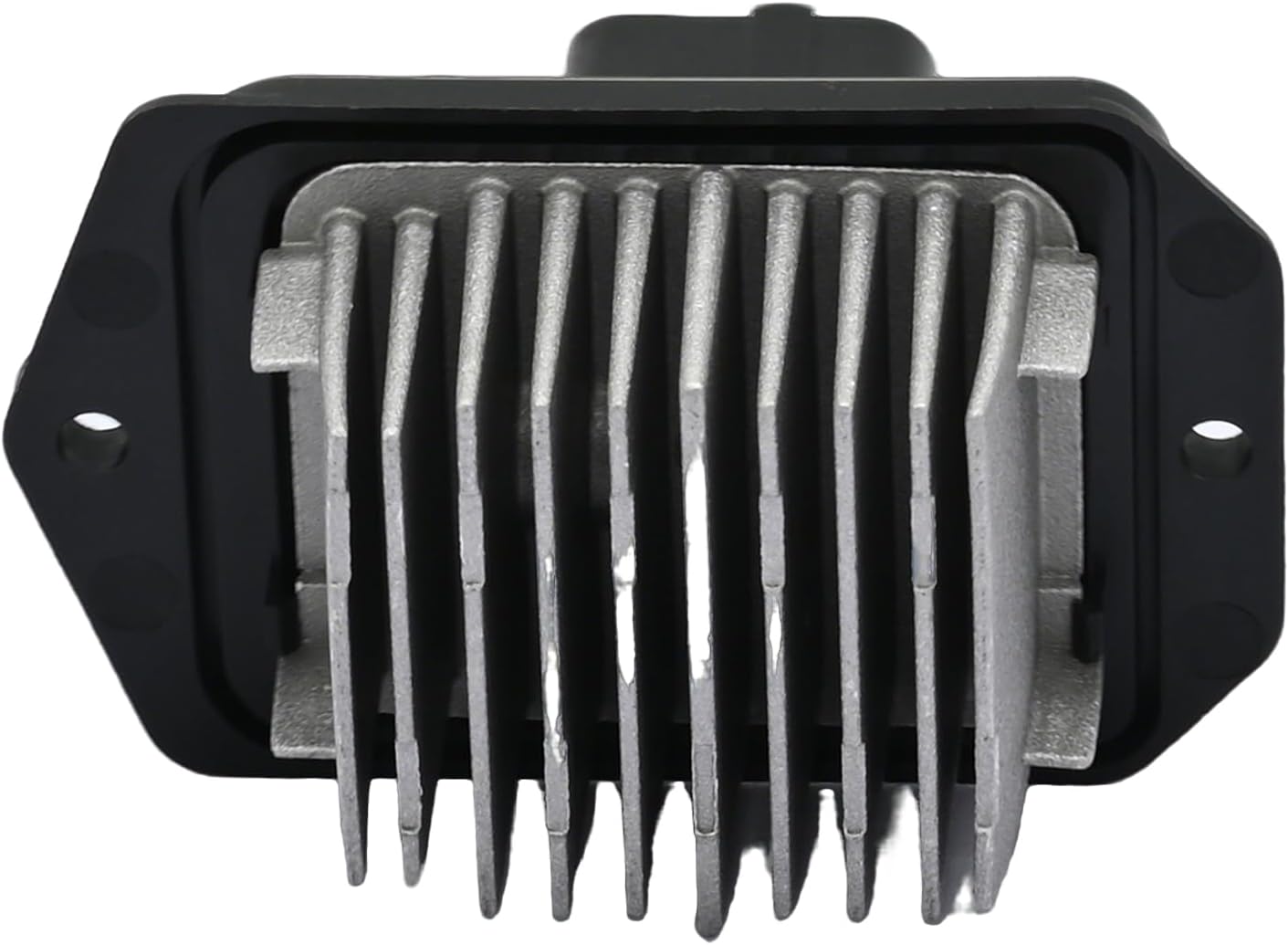
This Dcmr blower motor resistor replaces failed factory resistors that cause a heater or A/C fan to run on only one speed or stop working altogether. It installs in-line with the vehicle blower motor to re-establish low and mid fan speeds while allowing the blower to use full power on high. Buyers report straightforward fitment to 2013–2017 Honda Accord, Civic, CR-V and 2013–2020 Acura ILX/RDX applications when the OEM part numbers match. Constructed from metal and plastic with a 12 V rating and a specified motor speed spec, it functions as a direct HVAC replacement rather than an upgraded performance part. The main practical benefit is restoring normal climate control without replacing the entire blower assembly. Limitations are that correct fit depends on verifying OEM part numbers and wiring connectors, and the unit does not address blower motor failures or intermittent electrical issues elsewhere in the HVAC circuit. Expect a repair that is inexpensive and effective when the resistor is the root cause, but not a fix for unrelated blower or wiring problems.
Best for: Buyers looking for a reliable, cost-effective repair to restore proper fan speed control in 2013–2017 Honda Accord and similar Honda/Acura models who prioritize restoring factory functionality over upgrades.
Less Ideal for: Anyone whose vehicle has a failed blower motor, damaged wiring, or intermittent electrical faults beyond the resistor should consider diagnosing and replacing those components instead.
- Direct replacement for specified Honda and Acura blower resistor part numbers
- Re-establishes multi-speed fan control without replacing the blower motor
- Simple swap-in installation when OEM connector and mounting match
- Uses standard 12 V automotive electrical rating compatible with vehicle HVAC systems
- Requires confirming OEM part number and connector match before purchase
Verdict: Choose this resistor when you need a dependable, factory-style replacement to quickly restore proper fan speed control in applicable 2013–2017 Honda and Acura HVAC systems.
Choosing the Right 2013-2017 Honda Accord Blower Motor Resistor: Key Factors to Consider
Correct Fitment and Connector Type
Fitment is the first priority because most blower motor resistors mount into the HVAC housing with a specific shape and connector orientation. Using a resistor with the wrong mounting points or pin layout can lead to improper electrical contact, intermittent operation, or require housing modification that compromises airflow and sealing.
Confirming that the replacement uses the same multi-pin connector and matches the 2013-2017 Accord mounting bracket reduces installation time and the risk of future failure. For owners who prefer DIY replacement, a direct-fit unit that lines up with existing screw locations and connector clips avoids trimming, soldering, or splicing.
Thermal Durability and Heat Management
Blower motor resistors sit in the airflow stream but are still exposed to heat generated by the resistor elements and the ambient bay. Materials that tolerate high temperatures, such as heat-stable plastics and ceramic or wire-wound resistors, help prevent deformation, cracked housings, and degraded electrical contacts.
Parts with better heat dissipation designs and protective housings last longer under frequent fan cycling and extended blower operation. For an Accord that sees heavy HVAC use, prioritizing thermal resilience can reduce repeat failures and the need for additional repairs.
Electrical Reliability and Resistance Consistency
The resistor's job is to provide stable resistance values for each blower speed. Units with well-specified resistance stages and consistent electrical performance maintain predictable fan speeds and reduce strain on the blower motor. Poorly engineered resistors can shift resistance under load and cause erratic speeds or no-speed conditions.
Check for sealed resistor elements and quality terminals that resist corrosion. Consistent resistance across temperature changes also prevents sudden speed loss during operation, a common issue in aging or low-quality replacements.
Connector and Terminal Quality
The quality of the electrical connector and terminals affects both installation and long-term reliability. Corroded, loose, or poorly plated terminals increase contact resistance, which can cause heat buildup and intermittent failures. A corrosion-resistant finish and tight-fitting connector help maintain a reliable electrical path.
For the 2013-2017 Accord, ensure the replacement's connector matches the factory harness and that the pins are robust enough to tolerate repeated plug cycles without deformation.
Build Materials and Sealing
Housing materials and the presence of seals influence how well the resistor resists moisture, dust, and HVAC contaminants. A sealed housing with a durable plastic or phenolic base limits intrusion that can short terminals or corrode connections. Materials that resist cracking under thermal cycling are preferable for longevity.
Consider whether the replacement includes gaskets or rubber seals where it mounts into the airflow housing. Proper sealing helps maintain correct airflow paths and protects the resistor from debris that accelerates wear.
Warranty and Manufacturer Support
Warranty terms indicate manufacturer confidence and provide recourse if the part fails prematurely. A reasonable warranty on blower motor resistors suggests quality control and available support for replacements. Documentation, such as clear installation notes and electrical specs, also helps installers verify compatibility and troubleshoot issues.
When choosing a resistor for your Accord, factor in warranty duration and what it covers, as it can affect overall cost of ownership if the part fails after installation.
Common Symptoms of a Failing Resistor
Failing blower motor resistors usually present as reduced or missing fan speeds rather than a completely dead fan, because one or more resistance stages stop conducting. For the 2013-2017 Accord you may notice only the highest speed works or the blower operates inconsistently at lower settings.
Other signs include intermittent operation, an abrupt change in fan noise when speeds shift, or blown fuses related to excessive resistance heating. Identifying symptoms early can prevent the blower motor from being driven under abnormal conditions, which can cause additional wear.
- Only high fan speed works
- Intermittent blower operation
- Heating or burning smell from HVAC area
- Fan speeds jump or drop unexpectedly
How Technicians Test the HVAC Blower Resistor
A basic diagnostic begins with a visual inspection of the resistor and connector for signs of heat damage, melted plastic, or corrosion. Technicians then verify power and ground at the harness and check continuity across resistance stages using a multimeter.
A targeted HVAC blower resistor test measures resistance values at each terminal and compares readings against expected ranges. Voltage drop tests under operating conditions can reveal intermittent contacts that only fail under load. These tests help distinguish resistor problems from blower motor faults or control module issues.
- Visual inspection for heat damage
- Continuity and resistance checks with a multimeter
- Voltage drop under load to find intermittent faults
- Harness and ground verification
Accessing the Blower Resistor Location on the Accord
On 2013-2017 Honda Accord models the blower motor resistor is mounted in the HVAC housing, typically accessible from the passenger footwell behind a trim panel or under the glovebox area. Removing the access panel and disconnecting the harness reveals the resistor housing and mounting screws.
Knowing the exact blower motor resistor location reduces labor time and helps you prepare the right tools. Keep clamps and screws organized, and avoid forcing connectors to prevent damage to the harness or terminals.
- Usually behind passenger-side glovebox or footwell trim
- Requires basic hand tools and trim removal
- Disconnect battery or ignition to prevent accidental blower activation
- Inspect surrounding ducting for debris when replacing the resistor
DIY Replacement Tips and Precautions
If you plan a DIY blower motor resistor replacement on the Accord, gather the correct replacement unit that matches the connector and mounting points. Work with the vehicle parked on level ground and the ignition off to avoid accidental activation of the blower circuit.
Take photos of the harness and mounting orientation before removal to aid reassembly. Use dielectric grease on terminals if recommended and avoid overtightening screws to prevent cracking the housing. Test the fan through all speeds before reinstalling trim to confirm the repair.
- Photograph connector orientation before disconnecting
- Use correct driver bits to avoid stripping screws
- Apply dielectric grease sparingly on terminals when appropriate
- Test all fan speeds before final reassembly
When to Replace the Blower Resistor Versus Further Troubleshooting
Replace the resistor when visual damage, open resistance stages, or failed stage readings are confirmed. If resistance checks are within expected ranges but the blower still misbehaves, expand troubleshooting to the blower motor, control switch, and HVAC control module.
Persistent electrical issues such as rapid fuse failures or large voltage drops across the harness indicate underlying wiring faults or a failing blower motor that can overheat the resistor. Addressing root causes prevents repeated resistor failures.
- Replace if resistive stages are open or visibly damaged
- Investigate blower motor if resistances are normal but symptoms persist
- Check wiring and fuses for shorts and high resistance
- Consider airflow obstructions that increase motor load
Still looking for the perfect fit?
Select your Honda Accord configuration to see the most relevant Blower Motor Resistors recommendations
How We Chose the Best 2013-2017 Honda Accord Blower Motor Resistor
We prioritized parts that match the exact 2013-2017 Honda Accord electrical and mounting specifications to avoid fitment issues and ensure the resistor performs as intended. Durability under heat is a primary filter because blower motor resistors operate in a high-temperature airflow path; components with robust resistive elements and heat-resistant housing ranked higher. Electrical reliability was evaluated by looking for solid connector design, corrosion-resistant terminals, and stable resistance values across expected temperature ranges. Ease of installation and availability of OEM-style mounting points were included so the part can be replaced without modifying the HVAC housing. We also considered warranty coverage and manufacturer quality controls as an indicator of long-term durability.Exclusions: units that require extensive housing modification, lack the correct connector footprint for any 2013-2017 Accord trim, or do not provide clear electrical specifications were excluded. The final choices balance correct fitment, thermal performance, connector integrity, and build materials appropriate for repeated cycling in the Accord HVAC environment.
Our full evaluation process is outlined in our review methodology.
FAQ
What are the most common blower resistor symptoms in a 2013-2017 Accord?
Common symptoms include loss of low or intermediate fan speeds while the highest speed still works, intermittent blower operation, and occasional burning smells from the HVAC area. These signs often point to a failed resistor stage or poor connector contact.
How hard is it to replace the blower motor resistor on this Accord?
Replacement is generally straightforward for someone comfortable with basic hand tools and trim removal. Access usually involves removing a passenger-side trim panel or glovebox components and unplugging the harness before unscrewing the resistor from the HVAC housing.
Can a bad blower resistor damage the blower motor?
A failing resistor can indirectly stress the blower motor if it forces the motor to run at incorrect voltages or causes repeated on-off cycling. If the blower motor pulls excessive current, that condition can overheat the resistor; diagnosing both components helps prevent repeat failures.
How do technicians perform an HVAC blower resistor test on the Accord?
Technicians visually inspect the resistor and connector, check for continuity and measure resistance at each stage with a multimeter, and perform voltage drop tests under operation. These steps separate resistor faults from wiring or motor issues.
Is special tooling required to access the blower resistor location?
No specialized tools are usually required. Common hand tools and a trim removal tool are sufficient for accessing the resistor location. Using the right driver bits and a flashlight makes the job quicker and reduces the chance of damaging fasteners.
Will replacing the resistor fix all fan speed problems?
Replacing a faulty resistor will correct fan speed issues caused by open or degraded resistor stages. However, if wiring faults, a failing blower motor, or HVAC control module problems are present, those issues must be diagnosed and repaired separately.
Final Verdict
When choosing a blower motor resistor for a 2013-2017 Honda Accord, prioritize direct fitment, thermal durability, and secure connector quality. These attributes most strongly influence how long the repair will last and whether the replacement restores consistent fan speeds without creating additional electrical stress.Balance ease of installation and warranty coverage against material and terminal quality. If you confirm the resistor stages are faulty and select a unit that matches the Accord's connector and mounting, you will likely restore dependable HVAC performance and avoid repeat visits for the same issue.
Explore More:
- Check out all Honda Accord parts & accessories
- Explore Blower Motor Resistors Maintenance & Repair Guides
- Explore HVAC
- Browse all Auto Parts
