

Note: This article contains affiliate links. If you click on these links and make a purchase, I may earn a small commission at no extra cost to you. This helps support my research and content. Read my full affiliate disclosure here.
If your 2003-2007 Honda Accord has weak, intermittent, or single-speed fan operation, a worn blower motor resistor is a common cause. Replacing the resistor can restore proper multi-speed control for the heater and air conditioner and prevent overheating or erratic blower behavior. This guide compiles the top blower motor resistors suited to the 2003-2007 Accord chassis, with attention to fitment, thermal durability, and ease of installation.The shortlisted options are selected for compatibility with the Accord 2003-2007 range and for meeting the durability and electrical criteria owners care about. Below we summarize what matters, walk through practical installation and troubleshooting notes, and explain how we evaluated each pick before the product listings.
Looking for other parts? See all Honda Accord parts & accessories.
Top Picks at a Glance
| Best Overall The best all-around choice for most situations | FAERSI HVAC Blower Motor Resistor (replacement for select 2003–2007 Honda Accord and similar) |  |
| Best Quality Built to a higher standard if you want something more solid | AISIN Blower Motor Resistor BMRH-00084 (Front) |  |
| Best Value The sweet spot between price and what you get | TVM TRAVERMAN Blower Motor Resistor 79330-SDA-A01 Compatible with Select Honda/Acura |  |
| Best Budget The cheapest option that still gets the job done reliably | X AUTOHAUX Blower Motor Resistor for Select Honda and Acura Models |  |
| Highest Rated A top-rated pick with lots of positive feedback | A-NAFTULY HVAC Front Blower Motor Resistor Control Module (79330-SDA-A01 Compatible) |  |
| Most Popular A crowd favorite that many people choose with confidence | Yikesai HVAC Blower Motor Resistor for Honda and Acura |  |
| Best Seller A high-volume bestseller chosen again and again | POHILA HVAC Blower Motor Resistor Kit |  |
1. FAERSI HVAC Blower Motor Resistor (replacement for select 2003–2007 Honda Accord and similar)

| Manufacturer | FAERSI |
|---|---|
| Manufacturer Part Number | F-10024 |
| OEM Part Number | RU-398, 79330SDRA0, 79330SDAA01, 79330-SDA-A01, 79330-SDG-W41, RU1583 |
| Safety Rating | ISO/TS 16949 Qualified |
| Voltage | 12 Volts |
This FAERSI blower motor resistor replaces the fan speed control module on compatible 2003–2007 Honda Accord and related models. It is a direct-replace part that connects into the factory blower housing and restores stepped fan speeds when the original resistor fails. Typical use is a straightforward DIY swap: access the lower passenger-side blower, remove a few screws, unplug the old unit and install this module. The part is 12-volt, ISO/TS 16949 qualified and is sold as a single resistor module that the brand says is tested before shipping. Practical benefits include low cost compared with replacing the entire blower, foam perimeter sealing for a snug fit, and generally simple installation that most home mechanics can complete in minutes. Limitations are inherent to resistor repairs: if the blower motor or wiring is the underlying fault this part will not help, and lifespan can vary compared with higher-priced OEM options. Buyers should confirm the OEM part numbers listed to ensure compatibility before installing.
Best for: Someone who wants an affordable, factory-quality replacement to restore fan speed control on a 2003–2007 Honda Accord and prefers a quick DIY repair over replacing the entire blower assembly.
Less Ideal for: Drivers who suspect the blower motor itself or electrical harness damage are the root cause should avoid this and consider diagnosing the motor or wiring instead.
- Direct-fit replacement for manual AC blower speed control on listed Honda/Acura models
- Meets or exceeds factory specifications and marked as ISO/TS 16949 qualified
- Simple, quick installation that lets DIYers avoid a blower replacement
- Includes foam perimeter for a better seal and to reduce air leaks
- Will not fix failures caused by a bad blower motor or damaged wiring harness
Verdict: A budget-friendly, factory-quality resistor that lets a competent DIYer quickly restore blower fan speed control on compatible 2003–2007 Honda Accords.
2. AISIN Blower Motor Resistor BMRH-00084 (Front)
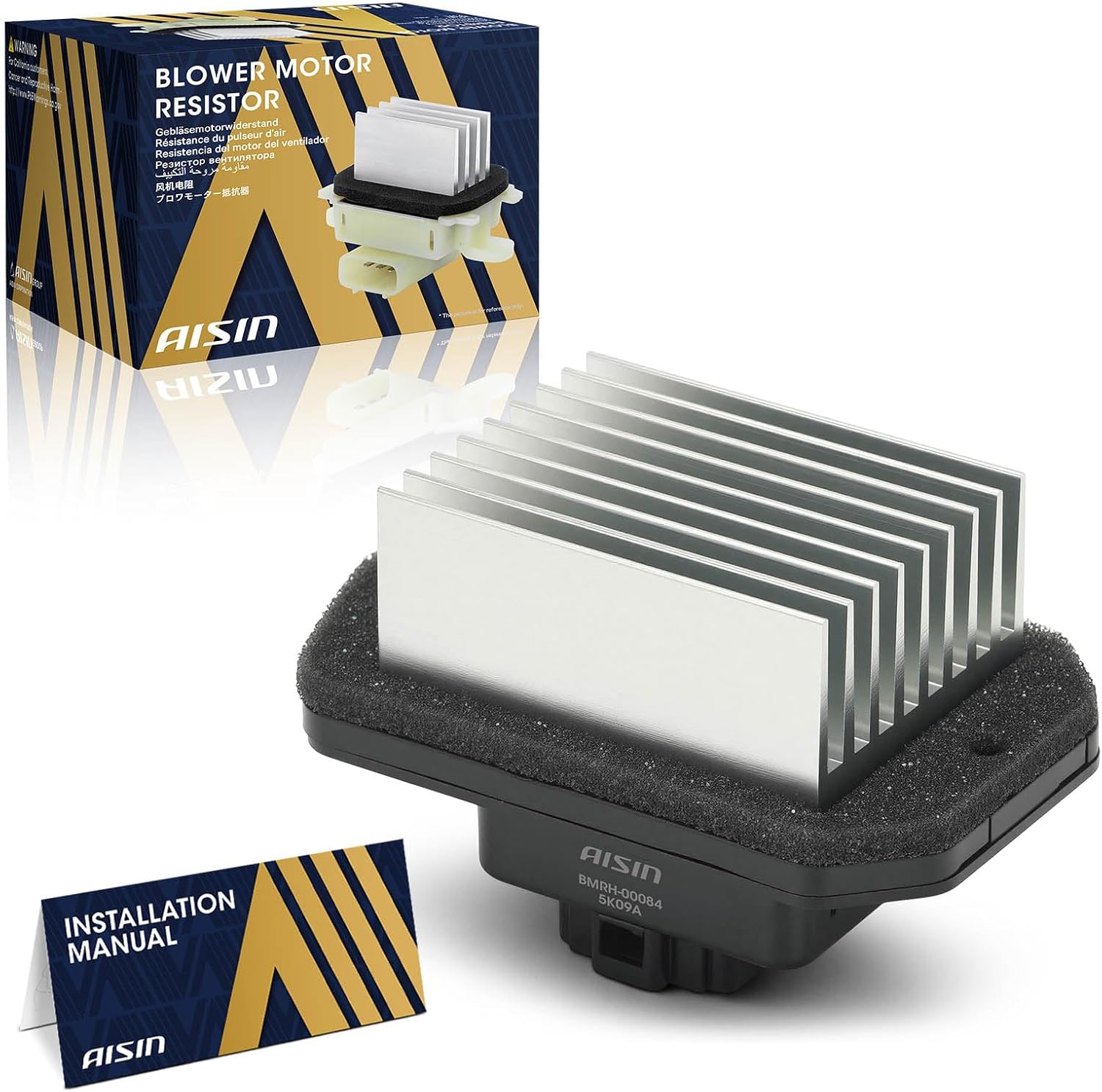
| Manufacturer | AISIN |
|---|---|
| Position | Front |
| Voltage | 12 Volts |
| Terminal Quantity | 4 |
| Bolt Hole Quantity | 2 |
This Aisin blower motor resistor is a direct-fit replacement designed to restore the fan speed steps on affected vehicles. It installs at the front blower motor location and uses four blade terminals with two mounting holes, which makes it a straightforward swap for a technician or competent DIYer. The unit arrives with an installation manual and matches several Honda and Acura reference numbers, so it is intended to replicate factory function and electrical connections. In practice the resistor will bring back full range fan control after failure, improving cabin comfort and allowing precise speed selection. Because it does not include a wiring harness, expect to reuse the existing connector and check for connector corrosion before install. The part is manufacturer-branded and appears compact and lightweight, which eases installation in the tight HVAC housing. If you need a reliable, factory-style replacement to fix intermittent or lost blower speeds, this resistor covers common Accord front blower applications within the stated model years.
Best for: Buyers who prioritize restoring precise multi-speed blower control with a factory-quality replacement and prefer a reputable aftermarket brand for repair or maintenance.
Less Ideal for: People seeking a universal repair kit or those who need an updated harness included should look for a kit-style solution instead.
- Direct-fit design with matching manufacturer reference numbers for factory-style replacement
- Includes installation manual to guide DIY installation
- Compact form factor and standard blade terminals for easy fit in the blower housing
- Branded part from Aisin, a long-standing automotive supplier
- Does not include a replacement wiring harness so the vehicle connector must be reused
- Compatibility excludes certain submodels and body styles and must be checked against fitment notes
Verdict: Aisin's front blower motor resistor is a factory-style replacement that reliably restores full fan speed control for the specified Accord front blower applications.
3. TVM TRAVERMAN Blower Motor Resistor 79330-SDA-A01 Compatible with Select Honda/Acura
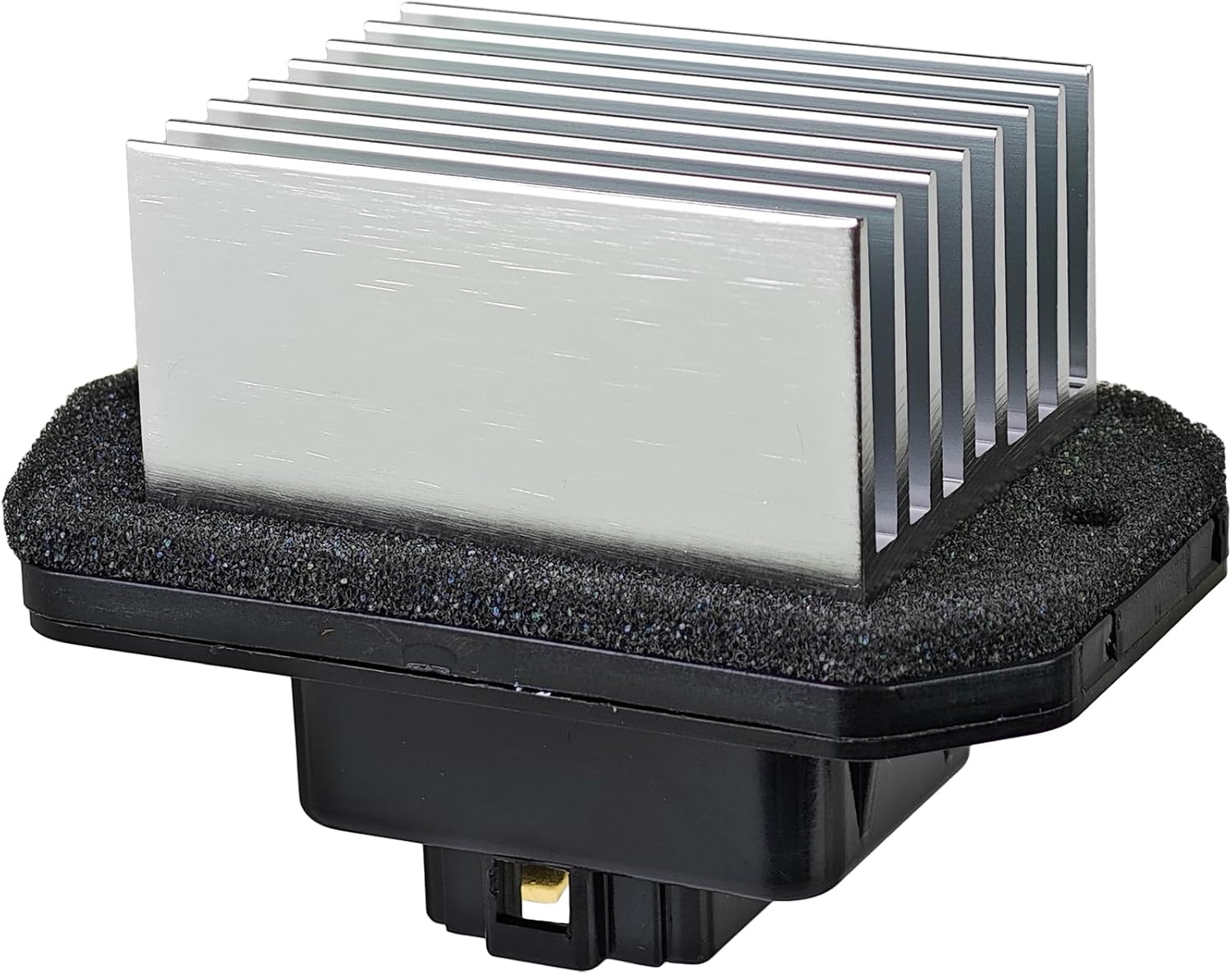
| Manufacturer | TVM TRAVERMAN |
|---|---|
| Model | 79330-SDA-A01 |
| Manufacturer Part Number | TVM79330-SDA-A01 |
This blower motor resistor replaces the factory control module that regulates current to the HVAC blower, restoring lower fan speeds when the system only runs on high. It is built to OEM-style dimensions and performance, with a metal heat sink and a glass-fiber reinforced PA66-M40 base to handle heat and vibration. Typical use is a direct, no-modification swap under the passenger-side dash after removing the trim panel and unplugging the harness, so a DIYer with basic tools can complete the repair quickly. The metal heat sink and reinforced base improve durability compared with generic plastic parts, and the part lists common factory numbers for easy verification. Limitations are that fitment is specific to the Honda and Acura models listed, so confirming the exact part number for your 2003–2007 Accord is important, and this is a single-purpose replacement that does not address blower motor failures or wiring issues.
Best for: Buyers who want a durable, factory-style replacement to restore proper blower fan speed control on compatible Hondas and Acuras and who prefer a quick DIY repair to avoid shop labor.
Less Ideal for: Anyone who needs a blower motor itself, an electrical diagnosis of HVAC wiring, or a universal/multi-vehicle resistor; this part only replaces the resistor module for the models listed.
- Engineered to meet OEM-style dimensions and electronic performance for reliable replacement fit and function
- Metal heat sink improves heat dissipation and reduces thermal stress during operation
- PA66-M40 glass-fiber reinforced base resists vibration and adds structural stability
- Direct-fit design allows straightforward, no-modification installation under the passenger dash
- Compatibility limited to the specific Honda and Acura model list so you must verify the correct part number for your vehicle
Verdict: Choose this TVM TRAVERMAN resistor when you want a factory-quality, direct-fit replacement to quickly restore the Accord's multi-speed blower control.
4. X AUTOHAUX Blower Motor Resistor for Select Honda and Acura Models

| Material Type | Metal,Plastic |
|---|---|
| Pin Number | 4 |
| OE Number | 79330S5A941 79330S5A942 79330SNAA01 RU438 JA1452 |
| Unit Count | 1.0 Count |
This blower motor resistor replaces the factory resistor that controls the multiple fan speeds in the vehicle HVAC system. It is used when the blower only works on a single speed or stops switching speeds; installation restores low, medium, and high fan settings. The part is made of metal and plastic, includes four pins and common OEM-style mounting holes, and is sold as a single unit. In practice it is a straightforward budget repair: the unit is compact and appears corrosion-resistant, but professional installation is recommended to ensure correct electrical connections and secure mounting. Because this is a non-factory aftermarket part, fitment should be confirmed against the listed OE numbers before purchase. The resistor offers a low-cost way to get climate control back to normal on compatible 2003 to 2007 Accords and similar models, though long-term durability may vary versus a factory replacement.
Best for: Buyers looking for an inexpensive, straightforward repair to restore blower fan speed control on mid-2000s Hondas who prioritize cost-effective fixes over OEM provenance.
Less Ideal for: Drivers seeking guaranteed factory-quality longevity or those who prefer dealer-sourced parts and documented manufacturer warranties.
- Direct-replacement design with matching OE reference numbers for simple fitment checks
- Metal and plastic construction intended for corrosion resistance
- Compact single-unit part that restores multi-speed blower function
- Very low-cost option for repairing HVAC fan speed problems
- Aftermarket unit rather than factory part so long-term durability can be less predictable
Verdict: A budget-friendly aftermarket resistor that restores blower speed control on compatible 2003–2007 Honda Accord models.
5. A-NAFTULY HVAC Front Blower Motor Resistor Control Module (79330-SDA-A01 Compatible)

| Brand | A-NAFTULY |
|---|---|
| Model | 79330SDAA01, 79330-SDG-W41,79330SDRA01 |
| Manufacturer Part Number | AN70233 |
This blower motor resistor is a direct-replacement control module that restores the multiple fan speeds for the vehicle HVAC system when the original unit fails. It installs at the lower passenger side and is used to fix symptoms such as the fan running on a single speed or not blowing at all. The unit is marketed as meeting factory-quality fit and is supplied with the matching connector and mounting points for the listed Honda/Acura applications. In practice the part delivers an inexpensive, easy-to-replace fix that most DIYers can fit with basic hand tools in minutes. Customer feedback shows many successful installs and reliable performance, though a small number of users report early failure, so testing the blower motor and connector before installation is recommended. If you want a low-cost, OEM-style replacement to get HVAC function back without removing the entire blower assembly, this resistor is a practical option.
Best for: Drivers seeking a quick, low-cost repair to restore HVAC fan speed control on compatible 2003–2007 Accord models who prefer a DIY replacement that matches factory mounting and connector types.
Less Ideal for: Those who prioritize long-term durability above price or who want dealer-sourced parts with documented lifespan testing should consider alternatives.
- Direct replacement for common Honda/Acura part numbers, simplifying fitment
- Easy installation at lower passenger side with basic tools
- Affordable option that often restores full fan speed control
- Claims factory-quality materials and testing for durability
- Some buyers reported early failures, indicating variable long-term reliability
Verdict: A budget-friendly, factory-style replacement to quickly restore blower fan speed control on covered 2003–2007 Honda Accord HVAC systems.
6. Yikesai HVAC Blower Motor Resistor for Honda and Acura

| Manufacturer | Yikesai |
|---|---|
| Item model number | BMR-HD-001 |
| Replaces part numbers | 79330-S5A-942, 79330-SNA-A01, 79330-SDA-A01 |
| Fitment | Select Honda Accord, Civic, CR-V, Element, Odyssey, Pilot and Acura RDX, TSX |
This Yikesai blower motor resistor is a straightforward replacement part for Honda and Acura models that restores full fan speed control when the blower is stuck or only runs on high. It plugs into the factory harness and mounts in the blower assembly behind the glove box, so most DIYers with basic hand tools can swap it in without major disassembly. The unit includes a heatsink-style resistor array and is described as thermally stable and corrosion resistant, which should help with heat dissipation in a confined under-dash location. Users report it fits like the factory piece and resolves common failures quickly. Installation can be tight and fiddly in cramped footwell space, and as with many aftermarket resistors long-term durability varies by use and climate, so some buyers have reported shorter lifespans. For someone who wants a low-cost, plug-and-play repair to get HVAC blower control back, this part delivers practical value compared with dealer replacement.
Best for: Buyers who want an affordable, do-it-yourself repair that restores HVAC fan speed control on 2003–2007 Honda Accord models and similar Hondas, prioritizing proven fit and quick symptom resolution over dealer servicing.
Less Ideal for: Those seeking a guaranteed long-term factory-level part or who are unwilling to work in tight under-dash spaces should consider a dealer part or professional replacement instead.
- Direct-replacement fit for many Honda and Acura models listed, matching OEM mounting and connector
- Restores full multi-speed blower control, fixing common failures where fan is stuck on one speed or not working
- Plug-and-play electrical connector simplifies DIY installation without special tools
- Built with heatsink design and materials claimed to improve heat dissipation and corrosion resistance
- Installation can be awkward in tight under-dash space and may require patience or small specialty bits
- Long-term durability is mixed in some reports, so lifespan may be shorter than factory parts for heavy-use vehicles
Verdict: A budget-friendly, plug-and-play replacement that reliably restores blower speed control on covered Honda and Acura models, making it a smart DIY fix for owners needing quick HVAC repair.
7. POHILA HVAC Blower Motor Resistor Kit

| Brand Name | POHILA |
|---|---|
| Included Components | Blower Motor Resistor |
| Model Name | 79330-S5A-942, 79330S5A941, 79330S5A942, 79330S7A941, 79330SDAA01 |
| Part Number | POHILAYILI7574 |
This POHILA blower motor resistor is a straightforward replacement part intended to fix lost or inconsistent fan speeds in affected Hondas and Acuras. It installs as a plug-and-play module into the factory harness and is used when one or more blower speeds stop working or the fan remains stuck on a single speed. The unit lists multiple compatible OEM reference numbers and model fitment for 2003 to 2007 Accord variants, and reviewers report it matches the factory connector and mounting location. Built from reinforced materials with heat and impact resistance in mind, it should handle normal HVAC loads and restore full speed control. The practical benefits are quick diagnosis and a low-effort repair you can do in minutes without modifying the dash. Expect the same functionality as the original part at a lower cost than dealer replacements. Limitations are typical of resistor packs: this fixes electrical resistance-based speed control systems only and will not address blower motor mechanical failures or unrelated HVAC control module issues.
Best for: Buyers who want a low-risk, factory-style replacement to restore HVAC fan speeds on their 2003–2007 Accord and prioritize an easy, quick repair over dealer service.
Less Ideal for: Drivers experiencing mechanical noise from the blower motor, intermittent power supply issues, or control module faults should diagnose those systems first or seek a broader HVAC repair.
- Direct-fit design that plugs into the factory harness for easy installation
- Compatible with multiple OEM reference numbers and stated Accord fitment
- Reinforced construction with heat and impact resistance for durability
- Restores full blower speed control without dash modification
- Only replaces the resistor component and will not fix a failed blower motor or HVAC control module
Verdict: A plug-and-play, factory-style resistor replacement that reliably restores blower fan speed control on 2003–2007 Accords with minimal effort.
Choosing the Right 2003-2007 Honda Accord Blower Motor Resistor: Key Factors to Consider
Fitment and Connector Compatibility
Correct fitment is critical because the 2003-2007 Honda Accord blower motor resistor must match the factory mounting points and electrical connector to avoid splicing or custom brackets. A resistor that plugs into the OEM harness and bolts into the factory location reduces installation time and potential wiring faults. Mismatched connectors can lead to poor electrical contact and intermittent fan speeds, which defeats the purpose of the repair.
When a part fits properly, it also preserves the stock routing of the HVAC harness and ensures the resistor sits in the intended airflow path for cooling. That airflow helps dissipate heat from the resistor elements and extends service life. For owners who prefer a simple swap, compatibility with the Accord model years listed is a top priority.
Thermal Design and Heat Dissipation
Blower motor resistors fail most commonly because of heat buildup and repeated thermal cycling. Components with larger heat sinks, proper spacing between resistor elements, or metal housings dissipate heat more effectively than compact, poorly ventilated designs. Effective thermal design reduces the chance of element burnout and contact degradation over time.
Consider whether the resistor has protective features such as sealed terminals or coatings that slow corrosion from humidity in the HVAC housing. Better heat dissipation also helps prevent nearby plastic mounting tabs from warping, which can cause alignment issues and additional stress on the electrical connector.
Electrical Durability and Contact Quality
Reliable electrical contacts and corrosion-resistant terminals are essential for sustained blower motor performance. The resistor must carry the blower motor current across multiple speed taps without excessive voltage drop that would affect fan speeds. Parts with plated terminals, reinforced solder joints, and heavy-gauge traces will generally deliver steadier performance.
Poor contact quality can manifest as intermittent speeds or a loss of certain fan settings. When evaluating parts, focus on designs that minimize thin wire runs and use robust connectors. Good electrical durability reduces the likelihood of repeat failures and minimizes diagnostic time for owners.
Ease of Installation and DIY Accessibility
Many Accord owners will replace the resistor themselves, so ease of installation matters. A resistor that can be accessed with basic hand tools, uses the original mounting hardware, and does not require extensive dashboard removal will appeal to DIYers. Clear terminal labeling and a simple plug-in connector speed up the job and reduce the chance of wiring mistakes.
Consider whether the design requires partial removal of the glove box or lower dash trim, and how intrusive that procedure is for the average owner. Parts that restore factory functionality with minimal disassembly offer better value for time and effort.
Resistance Step Accuracy and Fan Control
The purpose of the resistor is to provide distinct resistance values for the blower motor speeds. Accurate step resistances preserve the feel and functionality of the factory HVAC control, enabling predictable low, medium, and high fan settings. Resistive elements that drift over time or have poor tolerance can cause uneven speed transitions or a single-speed condition.
When selecting a resistor, seek parts with stable element construction and design choices that protect the resistive network from vibration and thermal stress. Consistent fan behavior improves comfort and makes HVAC troubleshooting simpler if other components fail.
Moisture and Corrosion Resistance
The HVAC housing can trap humidity and condensing moisture, which accelerates corrosion on exposed terminals and connectors. Resistors built with sealed housings, coated terminals, or corrosion-resistant materials reduce the chance of short circuits and intermittent contacts. Protecting the electrical connections is especially important for the Accord since moisture exposure is a common contributor to blower resistor failures.
Selecting a part with protective measures helps maintain long-term reliability and reduces the chance of repeat visits to redo the repair.
Where the Resistor Sits in the 2003-2007 Accord HVAC System
On the 2003-2007 Honda Accord, the blower motor resistor is mounted in the HVAC housing downstream of the blower motor and upstream of the evaporator and heater core. Its location puts the resistor in the airflow path so it can use the passing air to cool the resistive elements during operation. Understanding this placement explains why the part is vulnerable to heat cycling and moisture exposure.
Knowing the general location helps when planning a replacement. Access usually involves removing the lower glove box or a trim panel to reach the resistor housing and connector. Familiarity with the assembly sequence reduces the risk of damaging trim pieces during removal.
- Resistor sits inside the HVAC housing to leverage airflow for cooling.
- Location makes terminals susceptible to moisture and debris accumulation.
- Access often requires glove box or lower dash trim removal.
Common Symptoms and Troubleshooting Steps
Typical signs of a failing blower motor resistor include loss of certain fan speeds, the blower running only on high, intermittent fan operation, or no fan operation despite power being present. These symptoms can be caused by open resistor elements, burned contacts, or corroded terminals.
Troubleshooting starts with a visual inspection of the resistor and connector for melted plastic, corrosion, or discolored terminals. If the connector looks intact, you can perform basic electrical checks using a multimeter to verify voltage at the connector and continuity across resistor taps. Follow safe procedures: disconnect the battery if required and avoid shorting terminals.
- Loss of low or medium speeds often points to a failed resistor element.
- Blower working only on high can indicate a jumper bypass or open resistor taps.
- Visual inspection and simple voltage/continuity checks narrow down the fault.
Basic HVAC Blower Resistor Test Procedures
A straightforward test is to measure voltage at the blower resistor connector while cycling the fan control through each speed. With the fan switched on, the highest speed should show battery voltage at the blower motor; lower speeds will show reduced voltage at the resistor taps. Observing the expected step voltages indicates the resistor is likely functioning. Absence of step voltages or open circuits suggests a resistor failure.
You can also test for continuity across individual resistor terminals with the resistor removed. Consult a wiring diagram or service manual for expected resistance ranges if available. When in doubt, check for power at the blower motor itself to ensure the motor and fuse are functional before replacing the resistor.
- Measure connector voltages at each speed setting to verify step behavior.
- Check continuity across resistor terminals with the part removed.
- Confirm blower motor and fuses are functioning to isolate the resistor issue.
Installation Tips to Reduce Repeat Failures
When replacing the resistor, clean the connector and mating terminals to remove any corrosion or debris before plugging in the new unit. Use contact cleaner if needed and allow it to dry. Ensure the mounting surface is free of warped plastic or broken tabs that could misalign the part and stress the connector.
Secure the resistor with the correct fasteners and avoid over-tightening plastic mounting bosses. If the new resistor includes a gasket or seal, position it properly to minimize moisture ingress. After installation, verify all fan speeds and observe the resistor area during operation to confirm there are no unusual heating or scent indicators of a problem.
- Clean and inspect the harness connector before installation.
- Use correct fasteners and avoid overtightening plastic tabs.
- Verify multi-speed operation after installation and check for heat issues.
When to Consider Replacing the Blower Motor Alongside the Resistor
A failing blower motor that draws excessive current can overheat and prematurely damage a replacement resistor. If the motor shows signs of high current draw, rubbing noises, or sluggish operation, replacing both components at the same time can be a practical preventive step. This approach can save time and labor in the long run by avoiding a second disassembly.
Before deciding to replace the motor, perform tests to measure current draw and listen for mechanical noise. If the motor is electrically healthy and runs quietly, a resistor-only repair is often sufficient for the symptom set described earlier.
- High current draw from the blower motor can shorten resistor life.
- Inspect motor noise and current before opting for combined replacement.
- Combined replacement reduces the chance of repeated HVAC service visits.
Preventive Maintenance to Extend Resistor Life
Keeping the HVAC intake and cabin filter clean helps maintain steady airflow through the resistor area and reduces heat retention. A clogged filter forces the blower to work harder and can increase resistor stress. Regularly replacing the cabin filter and ensuring the intake path is clear reduces the thermal load on the resistor.
Address any water leaks or clogged drain lines that allow moisture into the HVAC housing. Minimizing humidity exposure to electrical terminals and connectors will slow corrosion and prolong resistor service life.
- Replace cabin filter on schedule to maintain airflow and cooling of the resistor.
- Inspect HVAC drain lines and seals to prevent moisture intrusion.
- Periodic connector inspections catch corrosion before it causes failures.
Still looking for the perfect fit?
Select your Honda Accord configuration to see the most relevant Blower Motor Resistors recommendations
How We Chose the Best 2003-2007 Honda Accord Blower Motor Resistor
Our editorial selection focused on technical fit, thermal reliability, electrical performance, and practical owner needs specific to the 2003-2007 Honda Accord. We prioritized exact-fit resistors that match the OEM connector and mounting pattern to avoid splicing or modification. Thermal durability was assessed as a primary criterion because blower resistors sit in the HVAC airflow and often fail from heat cycling; parts with robust heat sinks, quality wire terminals, and appropriate resistor materials scored higher.Electrical consistency was another major filter. We favored resistors designed to maintain distinct speed steps with stable resistance values and corrosion-resistant contacts to reduce intermittent operation. Ease of installation mattered for typical DIY owners, so we preferred units that require minimal disassembly and reuse factory fasteners and connectors.We excluded universal or generic resistors that require modifications, parts with unsealed terminals that expose circuits to HVAC moisture, and listings with unclear fitment data for the 2003-2007 Accord. Final picks represent components that meet vehicle-specific fitment, resist thermal stress, provide reliable speed regulation, and are practical for routine replacement.
Our full evaluation process is outlined in our review methodology.
FAQ
How can I tell if the blower motor resistor is bad on my 2003-2007 Accord?
Common signs include loss of some fan speeds, the blower only working on high, or intermittent fan operation. A visual check for melted plastic or corroded terminals combined with basic voltage or continuity tests will help confirm the resistor as the cause.
Is the blower motor resistor easy to replace on these Accords?
Yes, many owners find it a straightforward repair. Access typically requires removing the lower glove box or a trim panel and unplugging the connector. Basic hand tools are usually sufficient for the job.
Should I test the blower motor before replacing the resistor?
You should confirm the blower motor and fuses are functioning to isolate the problem. Testing current draw and listening for mechanical noise can reveal if the motor is exerting excess load that might have caused resistor failure.
Can moisture cause blower resistor failure in the Accord?
Often, yes. The resistor is located inside the HVAC housing where humidity and condensation can reach the terminals. Corrosion from moisture is a common contributor to open circuits and intermittent contacts.
Will replacing the resistor fix a blower that only works on high?
Usually replacing a failed resistor restores lower speed functions, because the high setting often bypasses the resistor. However, verify the control switch and wiring if the problem persists after replacement.
Do I need special tools to test the blower resistor?
No special tools are required beyond a basic multimeter to check voltage and continuity. Use standard safety precautions and consult wiring references if you need expected resistance values.
Final Verdict
When repairing blower control issues on a 2003-2007 Honda Accord, prioritize a resistor that matches the factory fit and offers robust thermal and electrical durability. Accurate resistance steps and corrosion-resistant terminals deliver dependable fan speeds while reducing the chance of repeat failures. If the blower motor shows signs of excessive draw or mechanical wear, consider addressing both components together to prevent future problems.Focus on fitment, heat dissipation, and contact quality when selecting a replacement, and follow basic installation and testing steps to verify the repair. With the right part and proper installation, you can restore consistent cabin airflow and dependable HVAC performance.
Explore More:
- Check out all Honda Accord parts & accessories
- Explore Blower Motor Resistors Maintenance & Repair Guides
- Explore HVAC
- Browse all Auto Parts
