

Note: This article contains affiliate links. If you click on these links and make a purchase, I may earn a small commission at no extra cost to you. This helps support my research and content. Read my full affiliate disclosure here.
If your 1998-2002 Honda Accord is showing inconsistent fan speeds or the blower stops working on certain settings, a faulty blower motor resistor is often the culprit. Replacing that resistor can restore proper HVAC function, reduce cabin noise, and prevent additional stress on the blower motor. This guide focuses specifically on the 1998-2002 Accord range, covering the common failure modes and the practical differences that matter when you pick a replacement.Below are the top shortlisted blower motor resistors compatible with the 1998-2002 Honda Accord, selected for fit, thermal durability, and connector compatibility. Read on to understand the evaluation criteria and what to check before you install a replacement.
Looking for other parts? See all Honda Accord parts & accessories.
Top Picks at a Glance
| Best Overall The best all-around choice for most situations | STETIG Front Blower Motor Resistor for 1998–2002 Accord and 1999–2004 Odyssey |  |
| Best Value The sweet spot between price and what you get | POHILA HVAC Blower Motor Resistor (Replace# 79330S84A01 / 79330S84505) |  |
| Best Budget The cheapest option that still gets the job done reliably | SCITOO HVAC Blower Motor Resistor for Honda Accord 1998–2002 and Odyssey 1999–2004 |  |
| Highest Rated A top-rated pick with lots of positive feedback | ACROPIX Blower Motor Resistor for 1998–2002 Honda Accord |  |
| Most Popular A crowd favorite that many people choose with confidence | A-Premium HVAC Blower Motor Resistor Compatible with 1998–2002 Honda Accord and 1999–2004 Odyssey |  |
1. STETIG Front Blower Motor Resistor for 1998–2002 Accord and 1999–2004 Odyssey
| Brand | STETIG |
|---|---|
| Item model number | 18B647-1133-AB |
| Manufacturer Part Number | 18B647-1133-AB |
| OEM Part Number | 3A1052, 973540, RU334, 20249, 973-540, RU-334, 79330S84505, 79330S84A01, JA1252 |
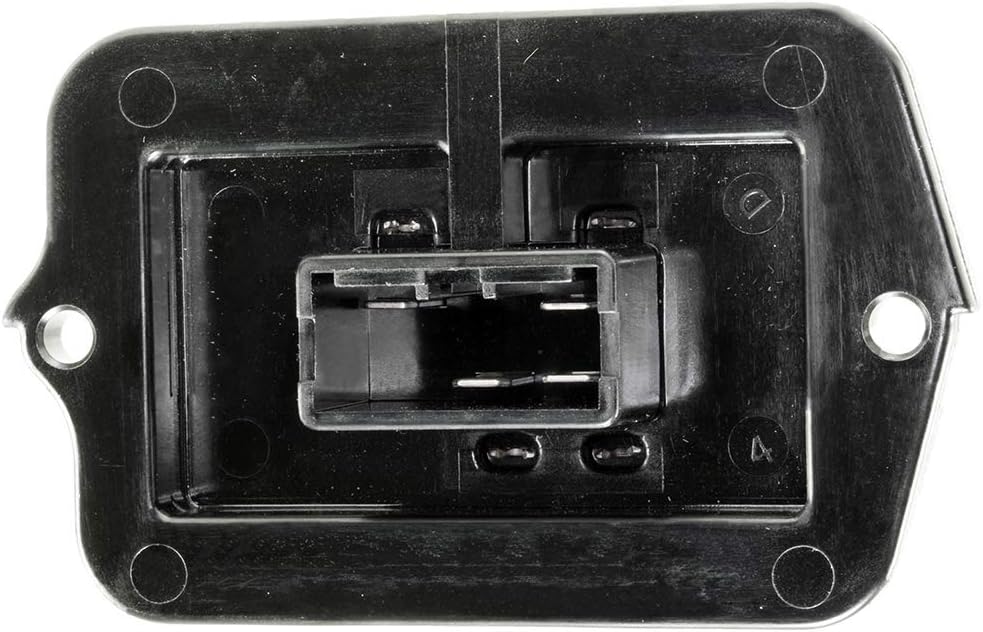
This STETIG blower motor resistor is a straightforward replacement for the front HVAC blower circuit on specified Honda Accord and Odyssey years. It installs in the blower housing and restores stepped fan speeds when a failing resistor has caused loss of one or more blower speeds. The part is marketed as an OEM-style fit with cross-referenced part numbers to simplify matching to the vehicle. In real-world use it offers a simple, do-it-yourself repair for interior climate control without replacing the entire blower motor assembly. The unit is compact and designed for direct swap-in fit, which helps keep installation time and complexity low. The manufacturer states a three-year warranty and the product targets buyers who want a reliable factory-quality replacement rather than an upgraded performance part. Buyers should confirm exact fit with their vehicle year and part cross-reference before ordering because multiple part numbers cover overlapping applications.
Best for: Buyers seeking a reliable, factory-compatible replacement to regain lost HVAC fan speeds on the listed Honda models who prefer a straightforward DIY repair and value part cross-references for fitment.
Less Ideal for: Drivers wanting a performance upgrade to blower control or universal resistors for multiple vehicle makes should look at alternative solutions.
- Designed for direct fit and factory-style function to restore blower fan speeds
- Cross-referenced to multiple OEM part numbers to simplify compatibility checking
- Compact, swap-in design keeps installation straightforward for DIY repairs
- Backed by a manufacturer-stated three-year warranty
- Fitment must be confirmed against vehicle part numbers because several variants exist
- Not an upgraded or performance resistor if you want enhanced airflow control
Verdict: A practical, factory-style replacement resistor that restores stepped blower fan control on the specified 1998–2002 Accord and 1999–2004 Odyssey models.
2. POHILA HVAC Blower Motor Resistor (Replace# 79330S84A01 / 79330S84505)

| Brand Name | POHILA |
|---|---|
| Model Name | RE00012YX |
| Part Number | RE00012YX |
| Included Components | Blower Motor Resistor |
This POHILA blower motor resistor is a direct-fit replacement for specific Honda Accord (1998-2002) and Odyssey (1999-2004) models and is intended to restore stepped fan speeds when the factory resistor fails. Installation is straightforward: remove the blower housing screws, swap the resistor assembly, and reconnect the wiring. The unit is described as meeting or exceeding factory standards and uses reinforced materials with confirmed fitment numbers including 79330S84A01 and 79330S84505. In practice it brings back reliable fan-speed control for climate and defrost functions and the part is compact and fully tested before shipping. Limitations to consider are that this is a single replacement resistor intended only for the listed Honda applications and it does not include blower motor components or wiring harnesses, so additional diagnosis may be needed if the fan issue is broader. For routine DIY repairs on the specified Accords, this offers a simple, cost-effective way to fix intermittent or lost blower speeds.
Best for: Buyers who want a practical, DIY repair to restore factory fan speeds on a 1998–2002 Honda Accord without replacing the whole blower assembly. Ideal for owners prioritizing cost-effective, direct-fit replacements over more extensive electrical troubleshooting.
Less Ideal for: Those looking for a universal resistor or a full blower motor overhaul should consider other parts; it is not for users who need a complete HVAC system rebuild or who have unrelated electrical faults.
- Direct-fit replacement that matches listed Honda reference numbers for straightforward installation
- Described as meeting or exceeding factory standards and 100% tested before shipping
- Compact, reinforced construction intended for durable performance in heat and vibration
- Restores stepped fan-speed control for climate and defrost functions
- Only compatible with the specified Honda Accord and Odyssey model years and not a universal fit
- Does not include the blower motor or additional wiring components if those are the source of the problem
Verdict: A practical, tested direct-fit resistor for restoring reliable fan-speed control on the specified 1998–2002 Honda Accords.
3. SCITOO HVAC Blower Motor Resistor for Honda Accord 1998–2002 and Odyssey 1999–2004

| Brand | SCITOO |
|---|---|
| Part Number | 171399 |
| Included Components | HVAC Blower Motor Resistor |
| Fitment (position) | Front |
This SCITOO blower motor resistor replaces the factory resistor to restore variable fan speeds on compatible Honda Accords (1998–2002) and Odysseys (1999–2004). It installs in place of the original unit and is intended for front HVAC applications; installation is straightforward for a DIYer with basic tools and access to the blower housing. The product notes a tested design and claims protections against overheating and thermal fuse failure, which aim to improve reliability compared with burned-out resistors. Practical benefits are fast restoration of full fan speed range and low cost compared with dealer parts. Real-world reports are mixed: many users find it an easy, OEM-style swap that works well, while a minority report premature failure after a few months, so longevity may vary. If you need a budget replacement to get your HVAC fan working again quickly, this part is a sensible option, but keep expectations realistic for long-term durability on high-mileage vehicles.
Best for: Buyers who want an inexpensive, ready-to-install replacement to quickly restore blower fan speed on a 1998–2002 Accord or 1999–2004 Odyssey and prefer a DIY repair over dealer service.
Less Ideal for: Customers seeking a long-term, high-end OEM replacement for very high-mileage vehicles or those who want an upgraded heavy-duty resistor should consider more robust or branded alternatives.
- Direct-fit replacement for listed Honda Accord and Odyssey front HVAC applications
- Designed with thermal protection to reduce risk of overheating and fuse burnout
- Affordable alternative to dealership parts for budget repairs
- Simple installation suitable for DIY replacement with basic hand tools
- Some users report failures within months so longevity may be inconsistent
- Fitment limited to specific model years and front-position applications only
Verdict: A low-cost, direct-fit replacement that gets blower fan control working again quickly for 1998–2002 Accords and compatible Odysseys.
4. ACROPIX Blower Motor Resistor for 1998–2002 Honda Accord

| Fitment | 1998-2002 Honda Accord (DX, EX, LX) and listed Odyssey years |
|---|---|
| Manufacturer | ACROPIX |
| Position | Inside |
| Manufacturer Part Number | accar2304100150 |
This ACROPIX blower motor resistor replaces the factory resistor to restore all fan speeds and normal HVAC operation on compatible Accord and Odyssey models. It installs in the blower housing and is used when the fan loses certain speed settings or airflow is weak. The unit is sold as a single replacement part and matches the referenced OEM numbers for fitment. Users report straightforward installation that typically involves unplugging the harness and swapping the two screws, so most mechanically comfortable owners or technicians can complete the job quickly. The practical benefits are immediate: regained fan speed control and reliable heating and cooling without replacing the entire blower motor. As an aftermarket component it aims to meet factory specifications and undergoes quality checks, but long-term durability can vary compared with factory parts. If you want a simple, low-cost repair that gets the HVAC fan working again, this part is a solid choice, though buyers who prioritize brand-new factory components may prefer a factory replacement.
Best for: Buyers who need a reliable, cost-effective repair to restore HVAC fan speed on 1998–2002 Honda Accords and want a straightforward part they or a technician can install quickly.
Less Ideal for: Drivers seeking a factory-brand replacement or those who prefer replacing the entire blower motor assembly instead of the resistor module should consider other options.
- Direct fit for 1998–2002 Honda Accord line and certain Odyssey models based on listed OEM numbers
- Simple swap-in installation that only requires unplugging the harness and removing two screws
- Restores all fan speeds and improves cabin airflow without replacing the blower motor
- Sold as a single, ready-to-install replacement part
- Aftermarket part so long-term longevity may differ from factory replacements
Verdict: A practical, direct-fit replacement that quickly restores fan-speed control on 1998–2002 Honda Accords, making it the go-to affordable repair for reliability-minded owners.
5. A-Premium HVAC Blower Motor Resistor Compatible with 1998–2002 Honda Accord and 1999–2004 Odyssey
| Manufacturer Part Number | BMR007C |
|---|---|
| OEM Part Number | 79330-S84-A41, 79330S84A41, RU-378 |
| Fitment | Honda Accord 1998-2002, Odyssey 1999-2004 |
| Connector | 4-Pin |
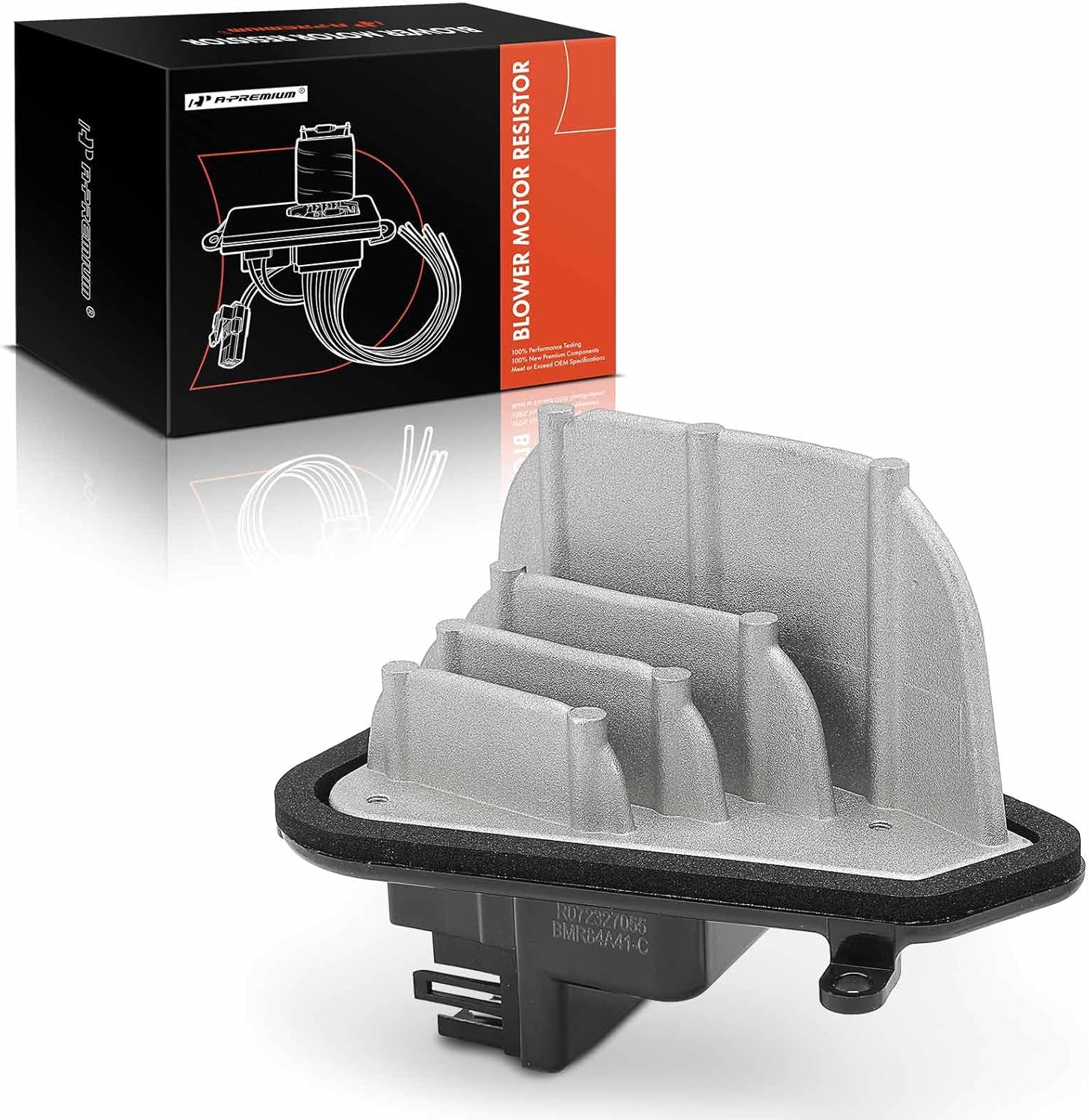
This A-Premium blower motor resistor replaces the factory resistor that controls blower fan speeds on compatible Honda Accords and Odysseys with front automatic air conditioning. It installs as a direct replacement for the listed OEM part numbers and is supplied as a four-pin resistor assembly that mounts under the dash. Typical use is a straightforward repair when a vehicle’s fan only runs on high or loses lower speed settings. Reviewers report easy installs that take 15 to 45 minutes and restored full fan speed range and automatic AC operation. The unit includes a one-year unlimited-mileage guarantee and comes boxed with the resistor only, so you should have basic hand tools and access to the under-dash area. Limitations: it only fits the automatic AC variant and does not address a failing blower motor itself, so if the fan still makes noise or performance issues persist the motor may need replacement. A few buyers noted occasional noise after installation, which suggests inspection of the blower motor and housing if noise appears.
Best for: Buyers who want a straightforward, factory-replacement style fix for fan speed loss on the specified Honda Accords and Odysseys and who prefer options proven by other owners.
Less Ideal for: Drivers experiencing blower motor noise, intermittent electrical faults beyond the resistor, or those with manual climate controls should consider inspecting the motor or choosing a different part.
- Direct-fit replacement for listed Honda Accord and Odyssey model years and matching OEM part numbers
- Simple installation that can be completed with basic hand tools in 15–45 minutes
- Restores full blower speed range and automatic AC function when resistor is the cause of failure
- Backed by a one-year unlimited-mileage guarantee from the manufacturer
- Only compatible with vehicles equipped with front automatic air conditioning
- Does not repair a failed blower motor or resolve mechanical noise originating from the fan or housing
Verdict: A practical, easy-to-install replacement that reliably restores blower speed control on the covered Honda models when the resistor is the fault.
Choosing the Right 1998-2002 Honda Accord Blower Motor Resistor: Key Factors to Consider
Connector Type and Pinout
The resistor must match the Accord's factory connector and pinout exactly to avoid wiring modifications. A mismatched connector can lead to poor electrical contact, intermittent operation, or require splicing that degrades reliability.
Verify the plug shape, number of pins, and terminal orientation before purchasing. Some aftermarket resistors include an adapter harness but those add another failure point. Ensuring a direct-fit connector reduces installation time and preserves the vehicle's original wiring integrity.
Mounting and Housing Fit
Mounting points and housing dimensions vary between resistor designs, and the 1998-2002 Accord has limited space around the HVAC housing. A resistor that does not seat correctly can rub against ductwork or sit too close to heat sources, causing mechanical stress or overheating.
Check the mounting flange, screw hole positions, and whether the replacement uses the same gasket or seal. A proper mechanical fit prevents vibration-related wire loosening and keeps the resistor in the intended airflow for cooling.
Thermal Management
Blower motor resistors dissipate significant heat during operation, so thermal management is key to longevity. Look for resistors with adequate heat sinks, thermal compound, or ceramic elements that can tolerate repeated heating cycles without degrading.
Poor thermal design accelerates resistor failure and can cause nearby plastic components to warp. For the Accord, where cabin temperatures and sun exposure can be high, choose a resistor rated for sustained high-temperature operation and with materials that resist heat-related breakdown.
Resistance Values and Tolerance
The resistor must present the correct resistance at each speed tap to ensure predictable fan speeds. Incorrect values or wide tolerances can make the fan run too fast or too slow at certain settings, or cause uneven transitions between speeds.
Manufacturers that specify resistance values and tolerances allow you to confirm compatibility with factory specifications. Stable resistance under load is especially important to avoid overdriving the blower motor and shortening its life.
Terminal Plating and Corrosion Resistance
Terminals exposed to cabin moisture or road salt can corrode, increasing contact resistance and heat generation. Choose resistors with plated terminals and corrosion-resistant contacts to reduce the chance of intermittent operation or heat-related failure.
Good sealing at the connector interface and use of high-quality terminal materials help maintain a low-resistance electrical path over time, which is crucial for consistent HVAC performance in older vehicles like the 1998-2002 Accord.
Serviceability and Replacement Ease
Consider how easy it is to access and replace the resistor in the Accord's HVAC housing. Some designs require removing fewer dash components or allow replacement from the passenger footwell, which reduces labor time and the risk of damaging trim pieces during installation.
Also look for replacements that use standard fasteners and do not require wiring changes. Clear installation instructions and a direct-fit design simplify DIY repairs and reduce the chance of installation errors that could cause future failures.
Common Symptoms of a Failing Resistor
A failing blower motor resistor often reveals itself through inconsistent fan speeds or loss of certain speed settings. You may notice the fan works on high but not on lower settings, cycles between speeds, or stops working intermittently when the vehicle is warm.
Other signs include unusual heat around the glove box area, a burning plastic smell when the HVAC is on, or sudden changes in blower noise as electrical contact degrades. Identifying these symptoms early helps prevent additional strain on the blower motor and avoids being stranded without cabin ventilation.
- Fan works only on high speed
- Intermittent fan operation or fluctuating speeds
- Burning smell or heat near the HVAC housing
- Unusual blower motor noise when engaging certain speeds
How to Locate the Blower Motor Resistor in Your Accord
On the 1998-2002 Honda Accord the blower motor resistor is mounted close to the blower motor within the HVAC housing, typically accessible from the passenger footwell or behind a glove box panel. It is usually a small assembly with a multi-pin connector and a visible heat sink or resistor element.
To access it, remove the lower dash trim or glove box lining as needed, disconnect the battery for safety, and unplug the multi-pin connector before unfastening the mounting screws. Knowing the exact location and required trim removal steps will save time and reduce the risk of damaging interior panels.
- Access from passenger footwell or glove box area
- Requires disconnecting the electrical connector and removing mounting screws
- Inspect the connector for corrosion before replacing the resistor
Simple HVAC Blower Resistor Tests You Can Do
Before replacing the resistor, you can perform a few basic checks. Inspect the resistor and connector for visible corrosion or melted plastic. If accessible, wiggle the connector while the blower is running to see if the fan speed changes, which indicates poor contact.
A more definitive test uses a multimeter to check continuity and resistance across the speed taps. Comparing measured values to factory specifications helps confirm whether the resistor or the blower motor itself is the root cause. If you are not comfortable with electrical testing, a service manual or a trained technician can guide the diagnostic steps.
- Visual inspection for corrosion or burn marks
- Wiggle-test the connector during operation to detect intermittent contact
- Measure resistance across speed taps with a multimeter
Installation Tips to Avoid Common Errors
When installing a replacement resistor in the 1998-2002 Accord, ensure the connector is fully seated and the locking tab engages. Loose connections are a frequent cause of early failure. Use the correct fasteners and avoid overtightening, which can crack the housing.
Apply dielectric grease sparingly on terminals to reduce corrosion risk, but avoid contaminating the resistor element or heat-sink surfaces. Reassemble trim panels carefully and verify operation across all fan speeds before finishing the job.
- Confirm connector lock engagement and firm seating
- Use dielectric grease on terminals to prevent corrosion
- Test all fan speeds before reassembling trim
When to Replace the Resistor Versus the Blower Motor
If the fan only fails on lower speeds but runs on high, the resistor is the likely cause. However, if the blower motor is noisy, draws excessive current, or fails entirely, replacing the blower motor may be necessary. Excessive current draw from a failing motor can cause resistors to overheat and fail prematurely.
If you find burned terminals or melted plastic around the resistor, replace the resistor and inspect the blower motor current draw. Performing resistance tests and a basic amperage check on the blower motor can help determine whether both components need replacement.
- Replace resistor for speed-specific failures
- Consider blower motor replacement if there is excessive noise or current draw
- Inspect for heat damage indicative of motor-induced resistor failure
Still looking for the perfect fit?
Select your Honda Accord configuration to see the most relevant Blower Motor Resistors recommendations
How We Chose the Best 1998-2002 Honda Accord Blower Motor Resistor
To build this list we focused on criteria that directly affect both durability and fitment for the 1998-2002 Honda Accord. First, fit and connector match were primary filters because the Accord wiring harness and unique mounting points make exact fitment critical. Second, thermal performance and heat-sink design were evaluated since resistors operate under high temperatures and poor heat dissipation leads to short life. Third, electrical reliability and resistance tolerance were considered to ensure consistent fan speeds across settings and to avoid overloading the blower motor.We also prioritized corrosion-resistant terminals and quality of the insulating materials because exposure to humidity and cabin dust can accelerate failure. Reviews, technical specifications, and manufacturer datasheets were consulted to verify claimed operating temperatures and terminal plating. Items with unclear fitment, non-matching connector types, or lacking thermal specification data were excluded. Finally, products with consistent user reports of premature failure, melting, or intermittent operation were filtered out. The result is a set of options that balance correct fit, thermal durability, and long-term electrical reliability for the 1998-2002 Honda Accord.
Our full evaluation process is outlined in our review methodology.
FAQ
How long does a blower motor resistor typically last in a 1998-2002 Accord?
Lifetime varies with use and conditions, but resistors often last many years unless exposed to moisture or excessive heat. Repeated overheating or corrosion can shorten service life, so inspect the connector and surrounding area during routine maintenance.
Can I drive the Accord with a failed blower motor resistor?
You can drive the vehicle, but you may lose certain fan speeds or cabin ventilation, which affects defogging and comfort. For safe visibility and comfort, repair is recommended if blower operation becomes unreliable.
Is it safe to test the resistor with a multimeter myself?
Yes, basic continuity and resistance checks are safe if you follow proper precautions: disconnect the battery, remove the connector, and use a correctly set multimeter. If you are not comfortable with electrical testing, seek professional help.
Will a bad resistor cause a burning smell in the cabin?
A failing resistor that overheats or has melting plastic can produce a burning smell. If you detect a persistent burning odor when the HVAC is running, stop using the system and inspect the resistor and connector for heat damage.
Do I need to reprogram anything after replacing the resistor?
No reprogramming is required. The blower motor resistor is a passive electrical component and does not require calibration or electronic configuration after replacement.
Are there any quick checks to rule out blower motor issues before replacing the resistor?
Check whether the fan runs on high speed; if it does, the blower motor likely works and the resistor is suspect. Also inspect the resistor connector for corrosion or melted plastic. If the motor does not run at all on any speed, diagnose the motor and fuse circuit as well.
Final Verdict
For the 1998-2002 Honda Accord, prioritize fitment and thermal durability when selecting a blower motor resistor. Exact connector match, proper mounting, and corrosion-resistant terminals are the most important attributes to prevent premature failure and to ensure reliable fan speed control. Balance ease of installation with proven heat management to reduce the risk of repeat repairs.When deciding, favor a direct-fit part that matches the factory pinout and offers robust heat dissipation. That approach minimizes installation time and helps restore consistent HVAC performance with the least risk of causing additional blower motor stress.
Explore More:
- Check out all Honda Accord parts & accessories
- Explore Blower Motor Resistors Maintenance & Repair Guides
- Explore HVAC
- Browse all Auto Parts
