

Note: This article contains affiliate links. If you click on these links and make a purchase, I may earn a small commission at no extra cost to you. This helps support my research and content. Read my full affiliate disclosure here.
Replacing a worn upper radiator hose is one of the most effective maintenance moves you can make to prevent overheating and roadside breakdowns in a Honda Civic. The upper hose routes hot coolant from the engine to the radiator, so a failing hose can lead to leaks, pressure loss, and rapid temperature spikes. This guide presents our shortlist of the best upper radiator hoses for Honda Civic owners, focusing on parts that prioritize durable materials, accurate fitment, and simple installation.We evaluated candidate hoses for fitment accuracy, material construction, clamp compatibility, and resistance to common failure modes. Read on to find options that suit routine maintenance, higher-mileage repairs, or proactive replacement before the hot-weather season.
Looking for other parts? See all Honda Civic parts & accessories.
Top Picks at a Glance
| Best Overall The best all-around choice for most situations | Honda Upper Radiator Hose 19501-RNA-A01 (Genuine OEM) |  |
| Best Quality Built to a higher standard if you want something more solid | PIT66 Silicone Radiator Hose Kit with Clamps for 1992–2000 Honda Civic 1.6L |  |
| Best Value The sweet spot between price and what you get | RATCHROLL Upper Radiator Coolant Hose for Honda Civic 1992–2000 |  |
| Best Budget The cheapest option that still gets the job done reliably | ACROPIX Upper Radiator Hose for Honda Civic 1.8L (2012–2015) |  |
| Highest Rated A top-rated pick with lots of positive feedback | Mishimoto Silicone Radiator Hose Kit for Honda Civic 1.5T (2016–2018) |  |
| Most Popular A crowd favorite that many people choose with confidence | Gates 21615 Premium Molded Coolant Hose |  |
1. Honda Upper Radiator Hose 19501-RNA-A01 (Genuine OEM)

| Material Type | Rubber |
|---|---|
| Brand Name | Honda |
| Manufacturer | Honda |
| Unit Count | 1.0 Count |
This genuine Honda upper radiator hose is a direct factory replacement intended to restore the cooling connection between the engine and radiator. It is made from OEM-grade rubber and shaped to match the original routing, so installation is straightforward for anyone replacing a worn or cracked upper hose. Typical use is in routine cooling system maintenance or repair after age-related deterioration, heat hardening, or visible leaks. The factory fit and material quality reduce the risk of premature swelling or collapse and help maintain factory coolant flow and pressure. Because it is an OEM part, you get the exact bends and hose lengths needed without trimming or modification. The hose is singularly focused on fit and function, so there are no performance upgrades like reinforced silicone or extended lifetimes that some aftermarket options offer. If you need a simple, exact replacement that keeps the cooling system factory-correct, this hose does that job reliably.
Best for: Buyers who prioritize exact factory fit and reliable OEM replacement when repairing or maintaining a Honda Civic cooling system.
Less Ideal for: Drivers seeking upgraded durability, higher temperature tolerance, or performance styling should consider reinforced aftermarket hoses instead.
- Factory-original fit preserves correct routing and connections
- OEM-grade rubber material designed for standard heat and pressure
- Sold as a single direct replacement for easy installation
- No upgraded materials or reinforcement compared with performance aftermarket hoses
Verdict: Choose this genuine Honda upper radiator hose when you want a direct factory replacement that restores original fit and function.
2. PIT66 Silicone Radiator Hose Kit with Clamps for 1992–2000 Honda Civic 1.6L

| Compatible vehicles | 1992–2000 Honda Civic 1.6L Sohc D15 D16 Eg/Ek |
|---|---|
| Wall thickness | 4.5 mm |
| Burst pressure | 245 PSI |
| Working temperature | -65F to 500F |
This PIT66 kit supplies silicone replacements for the radiator, bypass, and heater hoses that fit 1992–2000 Honda Civic 1.6L (D15/D16) engines. The hoses are made of three-layer reinforced silicone with a 4.5 mm wall and are rated for wide temperatures and high burst pressure, making them more heat- and pressure-tolerant than stock rubber lines. The set includes a selection of hose shapes plus spring-style clamps so you can swap multiple coolant hoses in one service session. In practice the silicone stays pliable and resists ozone and UV, so it holds up well on long trips and under higher underhood temperatures. Fit is generally good but some hoses are slightly long or have bends in different places compared with factory parts, so expect to trim or reposition a few lines during installation. Several customers also report the supplied clamps are basic and may be worth replacing with higher-quality clamps for a longer-term install. Overall the kit is a practical performance-minded upgrade for cooling reliability on older Civics when paired with careful installation.
Best for: Drivers who want a more heat- and pressure-resistant cooling system for an older Civic and are comfortable trimming or adjusting hoses for a clean fit and reliability improvements.
Less Ideal for: If you prefer direct factory-fit replacements without any modification or do not want to buy replacement clamps, look for an exact OEM-matching hose set instead.
- Reinforced three-layer silicone construction for better heat and pressure resistance than stock rubber
- Wide operating temperature range and high burst pressure for demanding conditions
- Comprehensive kit with multiple hoses to replace radiator, bypass, and heater lines in one job
- Pliable hoses that resist UV, ozone, and coolant degradation
- Some hoses have different bends or are longer than factory parts and may require trimming or modification
- Included clamps are basic and may need upgrading for long-term reliability
Verdict: A durable silicone hose kit that raises cooling-system durability for 1992–2000 1.6L Civics, ideal for owners wanting a performance-minded upgrade when they are willing to trim and replace basic clamps.
3. RATCHROLL Upper Radiator Coolant Hose for Honda Civic 1992–2000

| Material | Rubber |
|---|---|
| Compatibility | Honda Civic/Civic del Sol 1992-2000 (listed trims) |
| OE Number | 19501P08000 |
This rubber upper radiator coolant hose is a direct replacement intended to match the factory routing and restore coolant flow in affected Honda Civic and Civic del Sol models from 1992 through 2000. It is made of heat- and aging-resistant rubber intended to seal against leaks and resist cracking under normal engine temperatures. Installation is straightforward for a DIYer: remove the old hose, swap in the new piece, and secure the clamps. The listing references OE part number 19501P08000 which helps confirm fitment for the listed Civic trims and years. Practical benefits include a simple single-piece swap, compatibility notes for multiple Civic engines, and a material choice focused on durability. Limitations are that this is a single upper hose only and buyers should confirm exact part numbers and vehicle trim before ordering, since the listing covers several model years and variants. Expect a basic, cost-effective replacement rather than an upgraded performance hose.
Best for: Buyers who want a practical, budget-conscious replacement to restore cooling system reliability on an eligible Honda Civic or Civic del Sol and prefer a straightforward DIY swap.
Less Ideal for: Those seeking performance upgrades, reinforced silicone hoses, or a complete cooling hose kit with extra hardware should look for more comprehensive or upgraded options.
- Made from rubber formulated for high temperature and aging resistance
- Direct replacement shape and OE part number listed for easier fit verification
- Simple installation that can be handled by most DIY mechanics
- Supplies only the single upper radiator hose rather than a kit with clamps or lower hose
Verdict: A straightforward, factory-style rubber upper radiator hose that provides an affordable, DIY-friendly replacement for eligible 1992–2000 Honda Civic and Civic del Sol models.
4. ACROPIX Upper Radiator Hose for Honda Civic 1.8L (2012–2015)

| Fitment | Honda Civic 1.8L 2012-2015; Acura ILX 2.0L 2013-2015 |
|---|---|
| Material Type | Rubber |
| Position | Upper |
| OE Number | 19501R1AA01 |
This ACROPIX upper radiator hose is a straightforward factory-style replacement for the Honda Civic 1.8L (2012–2015) and Acura ILX 2.0L (2013–2015). Made from rubber with claims of high temperature and aging resistance, it seals the cooling system and replaces a worn or cracked original hose to prevent coolant leaks and overheating. Installation is simple for a DIYer: remove the old hose, transfer any clamps, and fit the new hose in place. The hose’s OEM part number reference helps confirm fitment. Practical benefits are reliable sealing when new, an affordable price point, and quick swap-out that gets an older car back on the road without a complex repair. Limitations to expect are that rubber aftermarket hoses can harden over many years and may not match the long-term durability of higher-end reinforced or silicone options, and fitment sometimes requires minor trimming or clamp adjustments depending on vehicle condition.
Best for: Buyers who need an inexpensive, quick replacement hose to fix a leaking or cracked upper radiator hose and prefer a straightforward DIY swap to keep their Civic running reliably.
Less Ideal for: Drivers looking for a long-term performance upgrade or a reinforced silicone hose for track use or extreme heat should consider higher-end alternatives.
- Direct-fit replacement for Honda Civic 1.8L 2012–2015 and Acura ILX 2.0L 2013–2015 using referenced part number
- Made from rubber designed for high temperature and aging resistance
- Easy to install for DIY mechanics with basic hand tools
- Low-cost option that restores coolant sealing and prevents leaks quickly
- Rubber construction may not last as long as reinforced or silicone hoses under heavy use
- Aftermarket fit can require minor clamp repositioning or slight adjustments during installation
Verdict: A practical, budget-minded replacement hose that restores coolant sealing on Civic 1.8L cars quickly and affordably.
5. Mishimoto Silicone Radiator Hose Kit for Honda Civic 1.5T (2016–2018)
| Vehicle fitment | Honda Civic 1.5T 2016-2018 |
|---|---|
| Material | Silicone with heat-resistant fibers |
| Includes | Upper and lower radiator hoses plus worm-gear clamps |
| Warranty | Lifetime Warranty |
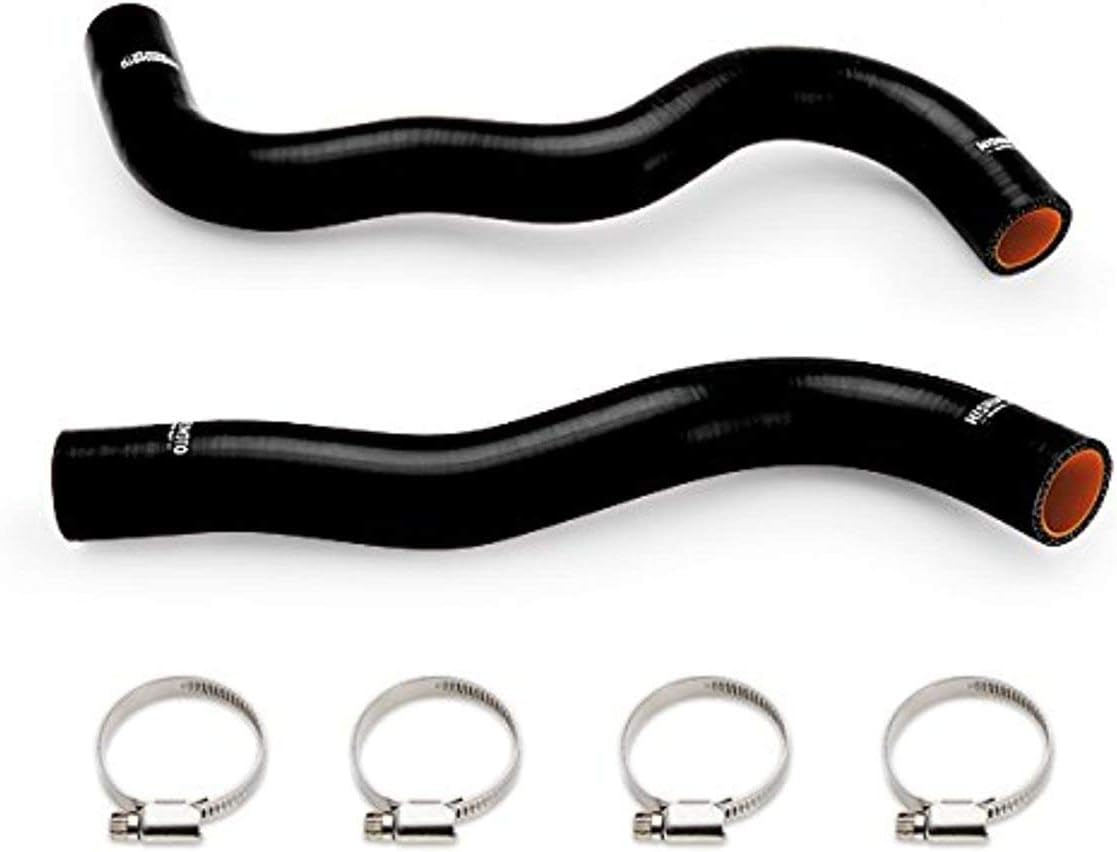
This Mishimoto silicone radiator hose kit replaces the factory rubber upper and lower radiator hoses with five-layer silicone assemblies reinforced with heat-resistant fibers. It is used as a direct-fit replacement for the 1.5T Civic to reduce the chance of hose softening, swelling, or failure under higher temperatures and pressure than stock rubber allows. The kit includes high-quality worm-gear clamps to simplify installation and maintain a tight seal. In practice the smooth silicone interior and robust construction should improve coolant flow consistency and longevity compared with OEM rubber hoses, especially on vehicles that see frequent heat cycles or mild performance tuning. Installation is straightforward because the hoses are made to factory fitment, but expect a firmer, less flexible hose that can require slightly more effort to seat on tight fittings. The kit is offered in multiple colors and carries a lifetime warranty, making it a solid reliability upgrade for Civic owners who want long-lived cooling components without modifying the cooling system layout.
Best for: Buyers who prioritize long-term cooling reliability and want a durable, direct-replacement hose that reduces risk of heat- or oil-related degradation in daily-driven or mildly tuned Civics.
Less Ideal for: Drivers who want the cheapest short-term replacement or need a flexible hose for custom routing or major engine modifications should consider other options.
- Direct OEM-fit design for simple, bolt-on replacement
- Five-layer silicone with heat-resistant fibers increases pressure and heat tolerance
- Includes worm-gear clamps for secure sealing during installation
- Smooth interior may support consistent coolant flow and reduce buildup
- Less flexible than stock rubber which can make installation on tight fittings slightly more difficult
Verdict: Choose this kit when you want a durable, direct-fit silicone upgrade that extends radiator-hose lifespan and reduces heat-related failures.
6. Gates 21615 Premium Molded Coolant Hose
| Material Type | EPDM, Synthetic Fiber |
|---|---|
| Temperature Range | -40 to +257 Deg. F |
| Meets Standards | SAE 20R4 class D2; DIN 73411 class A |
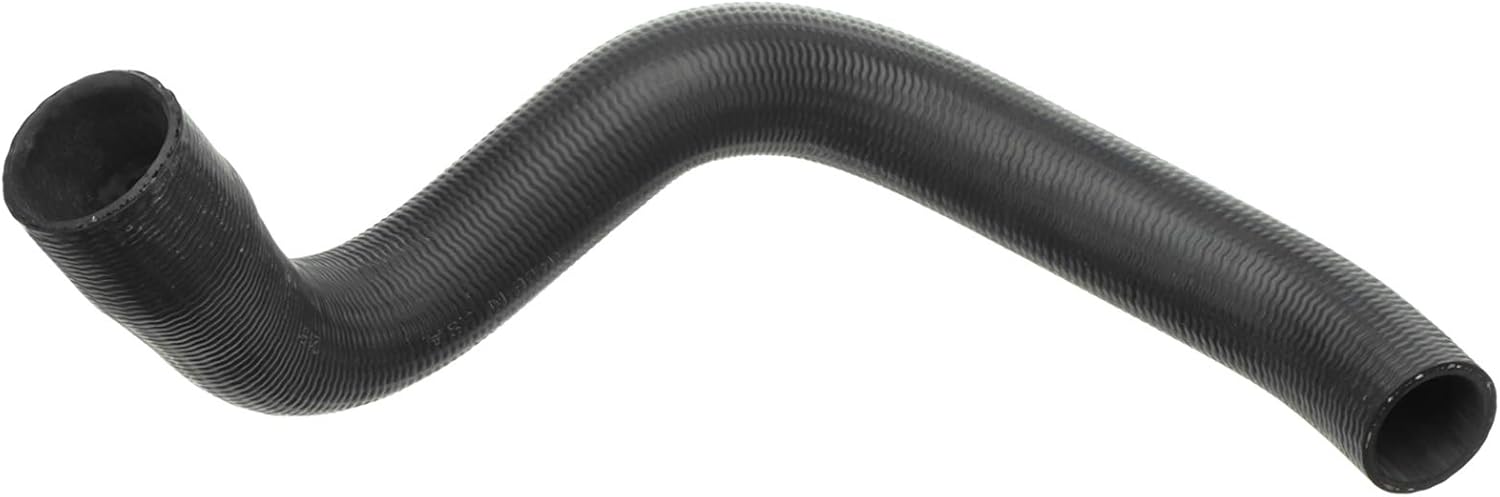
The Gates 21615 is a molded coolant hose intended as a factory-quality replacement for upper, lower, bypass and heater coolant applications. Built from EPDM with synthetic fiber knit reinforcement and an EPDM cover, it is engineered to resist heat, ozone, chemical coolant exposure and electrochemical degradation that commonly causes hose failure. The hose is pre-shaped to match vehicle routing, which simplifies installation and helps ensure sealed connections when you reuse or replace clamps. Temperature resistance from minus 40 to 257 degrees Fahrenheit makes it suitable for long-term engine cooling service, and Gates designs the line to meet SAE and DIN class requirements. Some buyers note the part can be slightly long at specific bends and may require trimming for a perfect fit on certain engines, and there is no internal spring so installers should follow manufacturer guidance about clamp choice and routing. For routine replacement on a Civic, expect a durable, OEM-style hose that reduces the need for dealer parts while resisting collapse and coolant chemistry issues.
Best for: Buyers who want a tried-and-true, factory-quality replacement hose backed by many positive user reports and who prioritize durability and proven materials for routine Civic cooling system maintenance.
Less Ideal for: If you need a vehicle-specific hose guaranteed to match an unusual aftermarket setup or a modified cooling layout, this general molded replacement may require adjustments or a custom solution.
- Factory-style molded shape simplifies routing and installation
- EPDM construction with synthetic fiber reinforcement resists heat, ozone and coolant chemicals
- Wide operating temperature range for reliable performance in varied climates
- Meets SAE 20R4 class D2 and DIN 73411 class A specifications
- May require minor trimming or modification to clear nearby components on some engine layouts
- Does not include a protector sleeve to prevent external chafing
Verdict: A durable, factory-style molded coolant hose that delivers OEM-grade materials and wide temperature tolerance for dependable Civic cooling system replacements.
Choosing the Right Honda Civic Upper Radiator Hose: Key Factors to Consider
Fitment and Shape Accuracy
A correct fit is the single most important factor when replacing an upper radiator hose on a Honda Civic. Hoses must match the factory routing, bends, and lengths so they do not rub against engine components or stretch when the engine moves. Incorrect shape can introduce stress points that speed up failure, or require awkward clamp placement that allows leaks.
When evaluating fitment, verify connection diameters at both ends and any intermediate fittings. Consider model-year or engine-specific variations that change hose routing. Properly matched hoses reduce installation time and deliver a seal that holds under normal operating pressure.
Material and Heat Resistance
Upper radiator hoses are exposed to high coolant temperatures and under-bonnet heat. Materials like EPDM rubber and reinforced silicone offer different tradeoffs. EPDM resists ozone, heat, and coolant additives and is the traditional OEM choice for durable everyday service. Reinforced silicone can offer superior temperature tolerance and flexibility but may be stiffer and require careful clamp selection.
Assess the hose material for resistance to hardening, cracking, and swelling when exposed to coolant and heat cycles. Look for compounded rubbers or reinforced constructions that list temperature ratings and resistance to common coolant chemistries used in Honda vehicles.
Wall Thickness and Reinforcement
Wall thickness and internal reinforcement determine how well the hose resists collapsing under vacuum and pressure spikes. A hose with adequate thickness and fiber or fabric reinforcement is less likely to bulge at clamp points or to develop internal delamination that leads to leaks.
Thicker walls can improve longevity but may be less flexible for complex routing. Reinforcement layers help maintain shape under boost or heavy load and reduce the risk of sudden failures during high temperature or pressure conditions.
Clamp Compatibility and Connection Type
The way a hose attaches to the radiator, thermostat housing, and inlet/outlet necks matters for sealing and future maintenance. Hoses that accept standard worm-gear clamps or spring clamps are easier to service during routine coolant changes. Some hoses are designed for OEM-style clamp positions or include molded bead shapes to improve sealing with clip clamps.
Consider whether special clamps or adapters are required. Hoses that work with common clamp types simplify DIY replacement and help maintain correct sealing pressure without over-tightening, which can cut into the hose material.
Resistance to Coolant and Oil Exposure
In engine bays, hoses can be exposed not only to coolant but also to traces of oil and other fluids. Materials that resist degradation from coolant additives and incidental oil contact will last longer. Some hoses list chemical resistance ratings or specify compatibility with common coolant formulas used by Honda.
A hose vulnerable to swelling or softening when exposed to coolant additives will develop leaks sooner. Choosing a hose with proven chemical resistance helps ensure consistent performance across seasonal temperature swings and during extended service intervals.
Ease of Installation and Service Life
Ease of installation matters for owners doing their own maintenance. Hoses that slide onto fittings without excessive force and that work well with standard clamps reduce the risk of damage during installation. Look for hoses with slightly tapered ends or pre-formed bead shapes that aid sealing.
Service life expectations should also guide selection. If you plan to keep the Civic for many years, prioritize heavier-duty constructions and warranties. For short-term fixes, a correct-fit EPDM replacement can be sufficient. Consider how frequently you want to recheck clamps and coolant levels as part of routine maintenance when selecting a hose.
When to Replace the Upper Radiator Hose
Upper radiator hoses show wear in predictable ways. Visual signs include surface cracks, bulging at clamp areas, soft or spongy sections, and visible coolant residue around connections. Pay attention to coolant smell in the engine bay and low coolant levels that recur without obvious external leaks.
Mileage and age are common triggers for replacement. Even if a hose looks intact, rubber compounds harden over time and can fail under higher thermal stress. Replace the hose before it catastrophically fails to avoid unexpected overheating.
- Hairline cracks along the length of the hose
- Bulges or blistering under pressure
- Coolant residue near hose clamps or fittings
- Soft or mushy feel when squeezed
Preparing for a DIY Replacement
Before you start, let the engine cool completely and relieve any system pressure. Have a drain pan ready and plan to capture coolant when you remove the hose. Gather the correct size clamps, a set of pliers for spring clamps, or a screwdriver for worm-gear clamps, plus rags to clean mating surfaces.
Inspect the radiator neck, thermostat housing, and any quick-connect fittings for corrosion or damage while the hose is off. Replace clamps if they are rusted or if the existing clamps have lost tension. Use new coolant if the old fluid shows contamination or has exceeded service life.
- Coolant drain pan and protective gloves
- Correct clamp types and sizes
- Shop manual or vehicle-specific diagram for routing
- New coolant if needed
Matching Hose Size and Connection Diameter
Accurate diameter and wall profile ensure a reliable seal. Use the Civic's service literature or measure the existing hose ends to confirm inside diameter and fitment. Some aftermarket hoses list a range of compatible diameters; prefer exact-match specifications for the tightest seal.
If the hose connects to molded fittings or barbed ports, confirm whether the hose requires a clamp placement on the bead or farther up the barb. Proper clamp placement prevents leaks and reduces stress on the hose material.
- Measure inside diameter at both ends
- Confirm any intermediate fittings or sensor ports
- Check for molded bead locations for clamps
Maintaining the Cooling System After Installation
After installing a new upper radiator hose, properly bleed the cooling system to remove trapped air pockets that can cause hot spots and inaccurate temperature readings. Run the engine to operating temperature and cycle the heater to help purge air.
Recheck clamp tightness after a short test drive and again after the engine cools. Monitor coolant level for the next few days to ensure no slow leaks develop at the hose connections.
- Bleed air using the vehicle-recommended procedure
- Reinspect clamps after initial heat cycles
- Monitor coolant level for several drives
Impact of Hose Choice on Engine Cooling Performance
While hoses do not directly change heat transfer, a flexible, correctly routed upper radiator hose supports consistent coolant flow and prevents pressure losses that can reduce circulation. A hose that collapses under vacuum or swells under pressure can create hotspots and contribute to thermostat or radiator stress.
Selecting a hose with the right balance of flexibility and reinforcement helps maintain steady flow, particularly during heavy load driving or high ambient temperatures common in summer months.
- Reinforced hoses maintain shape under pressure
- Flexible hoses reduce stress at bends and connections
Still looking for the perfect fit?
Select your Honda Civic configuration to see the most relevant Radiator Hoses recommendations
How We Chose the Best Honda Civic Upper Radiator Hose
We applied vehicle-focused filters and hands-on criteria to narrow the field to upper radiator hoses that suit Honda Civic owners. First, fitment accuracy was mandatory: only hoses specified for the Civic platform were considered, ensuring correct bends, lengths, and connection diameters. Material quality was the next filter, with emphasis on EPDM rubber and reinforced silicone constructions because they resist heat, oil exposure, and coolant chemistry over long service intervals. Manufacturing tolerance and molding quality were examined to reduce likelihood of blowouts or stress cracks.We also assessed clamp compatibility and port interfaces so the hose works with factory radiator and thermostat housings without modification. Durability indicators such as reinforcement layers, wall thickness, and resistance to swelling under pressure were weighed. Installation ease was factored in, including whether hose ends accept standard radiator hose clamps and if installation typically requires special tools. Exclusions included hoses listed only for unrelated models, poorly specified aftermarket parts lacking clear fitment data, and options with unverified material specs. Overall, we prioritized fit, longevity, and installation practicality for typical Civic service scenarios.
Our full evaluation process is outlined in our review methodology.
FAQ
How long does an upper radiator hose typically last on a Honda Civic?
It often depends on driving conditions and climate, but upper radiator hoses commonly last several years or tens of thousands of miles. Heat, coolant quality, and exposure to oil can shorten life, so check hoses regularly and replace at the first sign of deterioration.
Can I replace the upper radiator hose myself?
Yes, many owners can perform this maintenance with basic hand tools and a drain pan. Ensure the engine is fully cool, use correct clamps, and follow the recommended bleeding procedure after installation to remove trapped air.
What causes a coolant hose leak at the clamp area?
Leaks at clamps often result from degraded hose material, an improperly sized clamp, or incorrect clamp placement. Over-tightening can cut into the hose, while under-tightening allows leaks. Replace worn hoses and use the correct clamp type and position.
Should I replace the lower radiator hose at the same time?
It depends on age and condition. If the lower hose shows similar age-related wear, cracking, or soft spots, replacing both hoses during a coolant service can be efficient. If the lower hose looks and feels healthy, separate replacements are acceptable.
How do I check for radiator hose size fitment before buying?
Measure the inside diameter of the hose ends and the overall length and routing from the engine to the radiator neck. Consult the Civic service documentation or part references to verify matching diameters and any molded fittings.
Are upgraded silicone hoses necessary for a daily-driven Civic?
Upgraded silicone hoses offer greater temperature tolerance and durability but can be stiffer and more costly. For most daily-driven Civics, a high-quality EPDM replacement with correct fitment provides reliable service. Silicone is more attractive for higher-heat or performance-modified applications.
Final Verdict
When choosing an upper radiator hose for a Honda Civic, prioritize correct fitment, material durability, and proper clamp compatibility. Those three factors determine whether the hose seals reliably, resists heat-related degradation, and stays secure through normal engine movement. Decide between traditional EPDM and reinforced silicone based on temperature demands and desired longevity. Finally, plan installation with the right clamps and bleeding procedure in mind so the cooling system returns to full function without leaks or trapped air.
Explore More:
- Check out all Honda Civic parts & accessories
- Explore Radiator Hoses Maintenance & Repair Guides
- Explore Cooling System
- Browse all Auto Parts
