

Note: This article contains affiliate links. If you click on these links and make a purchase, I may earn a small commission at no extra cost to you. This helps support my research and content. Read my full affiliate disclosure here.
If your 2001-2005 Honda Civic is showing early signs of cooling issues, replacing worn radiator hoses can prevent breakdowns and costly engine damage. Hoses for these Civic model years, commonly referenced with the ES, EM, and EP chassis code, wear out from heat, oil contamination, and age. Choosing the right radiator hose matters because the wrong material or a poor fit lets coolant escape or causes premature failure.This guide covers our shortlist of top radiator hoses for the 2001-2005 Honda Civic, explains the criteria we used to evaluate them, and helps you decide between uppers, lowers, and full-hose replacements. Read on to understand the symptoms to watch for and practical fitment considerations before you buy.
Looking for other parts? See all Honda Civic parts & accessories.
Top Picks at a Glance
| Best Overall The best all-around choice for most situations | HZGEBTECH Upper Radiator Coolant Hose for 2001–2005 Honda Civic/Acura EL 1.7L |  |
| Best Quality Built to a higher standard if you want something more solid | Sixity Auto Upper Radiator Coolant Hose for Honda Civic 1.7L (2001–2005) |  |
| Best Value The sweet spot between price and what you get | PIT66 Silicone Radiator Hose Kit for 2001–2005 Honda Civic D17 1.7L |  |
| Best Budget The cheapest option that still gets the job done reliably | ACROPIX Radiator Hose for Honda Civic 1.7L (2001–2005) |  |
| Highest Rated A top-rated pick with lots of positive feedback | G-PLUS Silicone Radiator Hose Kit for 2001-2005 Honda Civic D17 1.7L |  |
1. HZGEBTECH Upper Radiator Coolant Hose for 2001–2005 Honda Civic/Acura EL 1.7L

| Vehicle Compatibility | 2001–2005 Honda Civic 1.7L; Acura EL 1.7L |
|---|---|
| Included Components | 1 Upper Radiator Coolant Hose |
| Manufacturer Warranty Description | 12 month |
| Replacement Numbers | 72095, 62388, C72095, 22829, 19501PLC000, 20402S |
This HZGEBTECH upper radiator coolant hose is a direct replacement part intended for the 2001–2005 Honda Civic and the matching Acura EL with the 1.7L engine. It installs in place of the factory upper coolant hose and is used to carry engine coolant between the radiator and engine during normal operation. The listing highlights tested construction and claims improved fitment and durability compared with older designs, and it ships as a single hose with matching OEM replacement numbers for cross-reference. For a typical DIY swap the hose should bolt in without modification if your car matches the listed fitment, making it a practical option for routine cooling system maintenance or mid-life hose replacement. Limitations are that the product page provides few technical details about materials or reinforcement layers, and there is no visible performance rating or extended warranty beyond the stated 12 months, so those who want documented material specs or long-term coverage may prefer other aftermarket brands that publish test data.
Best for: Buyers who want a straightforward, targeted replacement hose for routine maintenance on a 2001–2005 Civic or Acura EL and prefer a part that references factory part numbers for easier fit confirmation.
Less Ideal for: Shoppers seeking documented material specs, heavy-duty or performance cooling upgrades, or extended warranty coverage should consider higher-end aftermarket hoses or OEM dealer parts instead.
- Made to replace factory upper radiator hose for 2001–2005 Honda Civic and Acura EL 1.7L so fitment is targeted
- Includes OEM cross-reference numbers to simplify part confirmation
- Sold as a single ready-to-install unit for straightforward DIY replacement
- Manufacturer states parts are tested to industry standards and backed by a 12 month warranty
- No detailed material specification or reinforcement construction provided on the listing
- Limited published performance data and only a one-year warranty
Verdict: A practical, targeted factory-replacement upper radiator hose for 2001–2005 Civic and Acura EL owners who want an easy DIY swap with OEM cross-references.
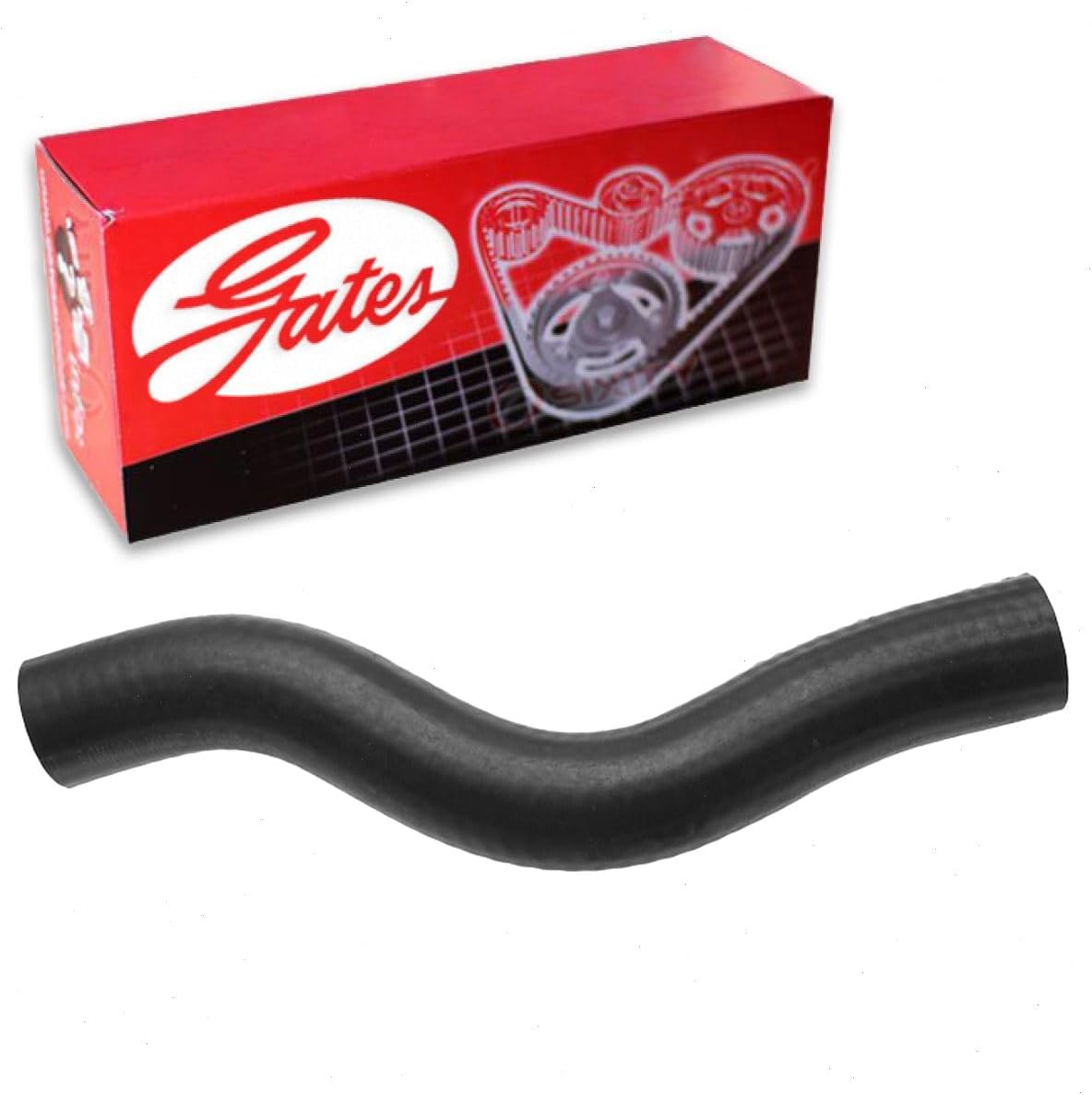
2. Sixity Auto Upper Radiator Coolant Hose for Honda Civic 1.7L (2001–2005)
| Compatible vehicles | Honda Civic 2001–2005 1.7L L4 (Upper) |
|---|---|
| Material Type | Rubber |
| Unit Count | 1.0 Count |
| Nominal Wall Thickness | 0.6 mm |
This upper radiator hose replaces the factory hose on 2001–2005 Honda Civic 1.7L engines and is intended as a direct-fit coolant transfer line between the radiator and engine. Made of rubber, it matches the original shape and mounting points so installation is straightforward for a DIYer or shop using standard clamps. The hose is primarily used to route coolant under normal driving and higher-load conditions; its nominal wall thickness and rubber material provide flexible sealing and resistance to typical heat cycles. Because it is a single-piece, vehicle-specific replacement it removes the need to modify fittings or couplers. Limitations include the standard rubber construction, which will not offer the extra abrasion or high-temperature endurance of silicone or reinforced performance hoses, and the listing does not include multiple hoses or additional hardware beyond the single unit. For someone upgrading to heavy-duty cooling or racing use, a reinforced performance hose would be a better choice, but for stock or mildly tuned Civics this part restores factory routing and cooling function reliably.
Best for: Buyers who want a reliable, stock-style replacement hose to restore factory cooling performance on a 2001–2005 Civic 1.7L with minimal fuss and straightforward installation.
Less Ideal for: Drivers building high-boost, track, or heavy-duty cooling systems who need reinforced or high-temperature performance hoses should consider upgraded aftermarket options instead.
- Vehicle-specific direct replacement for 2001–2005 Honda Civic 1.7L for easy fitment
- Rubber construction provides flexible sealing and matches factory routing
- Single-piece design avoids modifications and simplifies installation
- Rubber material is less heat and abrasion resistant than silicone or reinforced hoses
Verdict: A simple, vehicle-specific upper radiator hose that restores factory cooling function for 2001–2005 Civic 1.7L engines with easy installation.
3. PIT66 Silicone Radiator Hose Kit for 2001–2005 Honda Civic D17 1.7L

| Compatible vehicles | 2001-2005 Honda Civic D17 1.7L |
|---|---|
| Wall thickness | 4.5 millimeters |
| Burst pressure | 245 Pound per Square Inch |
| Material | Nylon, Silicone |
This PIT66 silicone radiator hose kit replaces factory coolant lines on the 2001–2005 Honda Civic D17 1.7L with thicker, multi-layer silicone tubing and supplied clamps for a direct-fit installation. It is typically used when an old rubber hose is cracked, swollen, or you want a longer-lasting, heat-resistant upgrade. The 4.5 mm wall and nylon reinforcement give stronger burst resistance and the specified burst pressure (245 PSI) and wide operating temperature range make it suitable for hotter engines and stop-and-go driving. Installation is straightforward for a DIYer because the kit includes clamps and the hoses are pre-shaped for the Civic application. Expect better resistance to oil, ozone, and UV compared with stock rubber, which reduces the frequency of replacements. Limitations are that color options are cosmetic only and the kit does not include every fastener or gasket that some engine bays require, so double-check fittings during install. For routine coolant system maintenance or a practical durability upgrade, this kit is a sensible choice.
Best for: Buyers who prioritize a practical, longer-lasting replacement for aging radiator hoses and want a straightforward DIY upgrade that withstands higher heat and pressure.
Less Ideal for: Those seeking exact factory appearance or stock-colored parts for a concours restoration should consider factory-spec replacements instead.
- Thicker 4.5 mm, three-layer silicone construction for improved durability over rubber
- Rated burst pressure of 245 PSI and wide operating temperature range for high-heat reliability
- Includes clamps for a mostly plug-and-play installation on the specified Civic
- Nylon reinforcement provides resistance to ozone, UV, oil, and coolant degradation
- Does not include ancillary fasteners or gaskets that may be needed in some installs
Verdict: A durable, heat-resistant silicone hose kit that gives Civic D17 1.7L owners a practical, longer-lasting replacement with easy DIY installation.
4. ACROPIX Radiator Hose for Honda Civic 1.7L (2001–2005)

| Fitment | Honda Civic 1.7L 2001-2005 |
|---|---|
| Material Type | Rubber |
| Unit Count | 1 |
| OEM Reference | 19501PLC000 |
| Color | Black |
This ACROPIX radiator hose is a straightforward, budget-focused replacement for the upper cooling connection on 2001–2005 Honda Civic 1.7L engines. Made from rubber, it is intended to restore a proper seal where old hoses crack or leak, helping the cooling system maintain temperature and preventing engine overheating. Installation is simple: remove the old hose and clamp, fit the new hose in place, and secure clamps—so it is suitable for a DIY swap or a quick shop repair. The hose’s rubber construction offers heat and aging resistance typical for economy parts, and the listing explicitly matches the 19501PLC000 part reference for fitment. Expect a no-frills part that gets the car back on the road without bells and whistles. Downsides are the basic construction and limited testing pedigree compared with higher-end aftermarket or factory parts, so longevity may be shorter under heavy use or in very hot climates.
Best for: Buyers who need an inexpensive, direct-fit replacement to stop leaks and get a 2001–2005 Civic 1.7L back on the road quickly and with minimal fuss.
Less Ideal for: Drivers planning long-term durability under high-heat or heavy-duty use who would prefer reinforced or premium aftermarket hoses with extended service life.
- Made of rubber with heat and aging resistance for standard engine cooling use
- Direct fitment listed for 2001–2005 Honda Civic 1.7L applications using the 19501PLC000 reference
- Simple one-piece design that is quick and easy to install for DIYers
- Low-cost option that replaces leaking or cracked factory hoses to avoid overheating
- Basic economy construction may wear sooner than higher-grade aftermarket or factory-quality hoses
Verdict: A low-cost, direct-fit rubber radiator hose that stops leaks and restores cooling for 2001–2005 Civic 1.7L engines without added features.
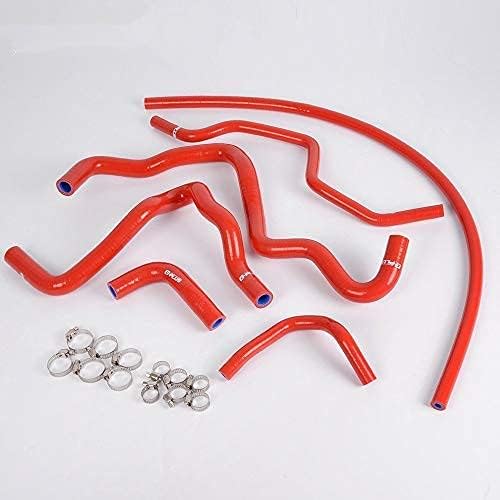
5. G-PLUS Silicone Radiator Hose Kit for 2001-2005 Honda Civic D17 1.7L
| Material Type | Silicone |
|---|---|
| Thickness | 4.5MM |
| Bursting Pressure | 301 PSI |
| Working Temperature | -65F to 500F |
This G-PLUS silicone lower radiator hose is a direct-fit replacement for 2001–2005 Honda Civic D17 1.7L models and is built for durability under engine cooling conditions. Made from multi-layer silicone with a stated 4.5 mm wall and reinforced 59-ply nylon, the hose is intended to resist heat, ozone and pressure better than many factory rubber hoses. It is supplied with a clamp for straightforward installation and does not require modifications, so it can be swapped in during routine cooling system maintenance or when replacing a failing factory hose. The listed operating range from -65F to 500F and a burst pressure over 300 PSI suggest strong thermal and pressure tolerance for everyday driving and occasional higher-load situations. Expect a longer service life compared with aging rubber hoses, but color options and thicker construction add cosmetic and stiffness differences that may make routing slightly less flexible in tight installations. Fitment is specific to the D17 Civic application, so confirm the exact lower hose position before ordering.
Best for: Buyers seeking a reliable, longer-lasting replacement radiator hose for routine cooling system maintenance on a 2001–2005 Honda Civic D17 who prioritize durability and thermal resistance over matching factory appearance.
Less Ideal for: People looking for an exact factory-matched rubber feel or those needing universal or multi-vehicle hoses should consider other options.
- Reinforced 59-ply nylon silicone construction for improved heat and ozone resistance
- Thick 4.5 mm wall intended to extend service life compared with older rubber hoses
- Wide operating temperature range useful for extreme cold and high-heat conditions
- Includes installation clamp and is sold as a direct replacement for the specified Civic D17 application
- Stiffer silicone and thicker walls can make routing in tight engine bays less flexible
Verdict: A durable, reinforced silicone direct-replacement hose that extends service life and handles wide temperature ranges for 2001–2005 Honda Civic D17 1.7L owners focused on reliability.
Choosing the Right 2001-2005 Honda Civic Radiator Hose: Key Factors to Consider
Material and Compound
The hose material dictates how well it resists heat, coolant chemicals, and oil contamination. EPDM rubber formulations are common because they resist hot coolant and aging, but higher-grade compounds or reinforced silicone offer improved longevity in high-heat or modified-engine applications.
Material choice affects flexibility and memory too. A hose that becomes too stiff with age is prone to cracking at bends. If your Civic sees heavy idling or hot climates, favor compounds rated for higher continuous temperatures and resistance to coolant additives.
Fitment Accuracy and Bend Geometry
Correct diameter and bend shape are essential for leak-free connections and proper routing around engine components. Hoses that do not match the Civic ES, EM, and EP hose contours can rub on nearby parts or require awkward clamp placement, increasing failure risk.
Check that the hose length and the centerline bends match your vehicle's routing. Small differences in inlet/outlet offsets or angle can make a seemingly correct hose difficult to install without twisting or stressing the connection points.
Reinforcement and Wall Thickness
Reinforcement layers such as textile braids or thicker walls prevent collapse under vacuum and reduce the chance of bulging when hot. Thicker walls can improve puncture resistance and extend service life, but excessive stiffness may complicate routing in tight engine bays.
Consider reinforcement if your Civic has a history of cooling system pressure spikes or if the hose routes near heat sources where softening could occur. Reinforced hoses hold shape better during coolant hose clamp torqueing, helping maintain a consistent seal.
Clamping and Connector Compatibility
Secure connections rely on compatible clamp types and correct clamp placement. Some hoses are sized to accept standard screw-type worm clamps, while others work best with constant-tension spring clamps used in OEM installs. Using the wrong clamp can cause uneven pressure and leak paths.
Inspect the mating metal fittings on your Civic and confirm the hose ID matches those fittings when compressed by the clamp. Also account for whether additional clamp ears or clamp bosses are present that could interfere with clamp positioning.
Heat and Chemical Resistance
Hoses must withstand repeated exposure to hot coolant, antifreeze additives, and occasional oil splashes. Some compounds are more resistant to chemical attack and swelling, which preserves internal diameter and seal integrity over time.
If you drive in hot climates, frequently tow, or use performance coolant additives, select hoses rated for higher temperature ranges and tested for long-term swelling resistance. This reduces the chance of premature softening or bulging that leads to leaks.
Installation Ease and Serviceability
A hose that installs easily saves time and reduces the chance of damage during replacement. Features that aid installation include hose ends that hold their shape, slightly oversized ID to allow for temporary flex, or supplied directions for clamp torque.
Consider whether the hose can be replaced without removing additional components on the Civic ES, EM, and EP. Some hose designs require temporary movement of the radiator or removal of accessories; a hose that matches OE routing closely will often simplify the job.
Common Radiator Hose Symptoms on the 2001-2005 Civic
Recognizing hose-related cooling problems early prevents overheating and engine damage. Typical signs include visible coolant residue or staining at hose joints, a sweet odor from coolant, or steam from the engine bay when the car is hot.
Other symptoms are more subtle: a soft or spongy upper radiator hose under pressure indicates internal deterioration, while a permanently collapsed hose that looks flattened can point to reinforcement failure. Watch the temperature gauge for slow rises under load, which can indicate restricted coolant flow from a collapsed or degraded hose.
- Coolant seepage around hose clamps or fittings
- Swollen hose sections or soft spots when squeezed
- Collapsed or flattened lower hose when engine is off
- Unexplained engine overheating under steady driving
Upper Vs Lower Hose Responsibilities
The upper radiator hose typically routes hot coolant from the engine thermostat to the radiator and is exposed to higher temperatures and pressure. It often shows swelling or hardening first because it sees the hottest coolant as it leaves the engine.
The lower hose returns cooled fluid to the water pump and may be subject to vacuum conditions when the thermostat closes. Lower hose failures often present as collapse under suction or abrasion damage where the hose contacts other components during movement.
- Upper hose: higher temperature, pressure stress
- Lower hose: vacuum stress, potential abrasion points
How Climate and Usage Affect Hose Life
Hot weather, frequent short trips, and heavy load driving shorten hose life by increasing thermal cycles and accelerating material breakdown. In colder climates, repeated freeze-thaw cycles combined with coolant concentration changes can also stress hose compounds.
If you regularly drive in urban stop-and-go traffic or tow light loads, inspect hoses more often. Exposure to oil or engine bay contaminants will also degrade materials, so consider hose materials with improved chemical resistance if your Civic tends to leak small amounts of oil around gaskets or seals.
- High heat speeds chemical aging
- Frequent idling increases thermal cycling
- Oil contamination reduces hose compound lifespan
Measuring and Confirming Radiator Hose Size Fitment
Accurate sizing avoids leaks and installation headaches. Measure the inner diameter at the hose ends and the centerline length following the hose routing path. Also note bend angles and the position of any branches or vacuum fittings commonly found on Civic coolant systems.
When replacing hoses, compare measurements to the worn part and inspect mating pipe surfaces for corrosion or deformities that could prevent a good seal. If you need to choose between an upper, lower, or full set, prioritize exact match to OE centerline dimensions to maintain correct routing.
- Measure inner diameter and centerline length
- Verify bend angles and inlet/outlet offsets
- Inspect mating fittings for damage before installation
Tools and Supplies You Should Have on Hand
A successful hose replacement requires basic hand tools and the correct clamps. Have a pair of hose pliers or channel-lock pliers, screwdrivers for worm clamps, and a torque spec reference for clamp tension if available. A drain pan and work gloves are essential for cleanliness and safety.
Also stock replacement clamps that match the hose design. Spring-style constant-tension clamps match OEM behavior better in many cases, while worm-drive clamps can be useful for aftermarket hoses with slightly different profiles. Keep fresh coolant on hand for proper refilling and bleeding procedures.
- Hose pliers or channel-lock pliers
- Assorted clamps including spring and worm types
- Drain pan, gloves, and fresh coolant for refill
When to Replace the Entire Hose Set
Replacing both upper and lower hoses together provides a unified start to long-term cooling reliability. If one hose shows age-related deterioration, the other is often close behind, especially on Civic models from the early 2000s.
A full set replacement reduces future labor and ensures matched materials and wear characteristics. This approach is practical if you plan to keep the car for several more years or if both hoses show any evidence of hardening, soft spots, or swelling.
- Consider full set if both hoses are original
- Full set reduces future repeat labor
Still looking for the perfect fit?
Select your Honda Civic configuration to see the most relevant Radiator Hoses recommendations
How We Chose the Best 2001-2005 Honda Civic Radiator Hose
We prioritized hoses that deliver reliable fitment, durable materials, and resistance to the conditions typical of 2001-2005 Honda Civic engines. Editorial selection focused on build quality, material composition, and dimensional accuracy to match factory routing. We considered heat and coolant resistance, including reinforcement layers or premium elastomers that reduce swelling and cracking under sustained temperatures. Clamping and connection design was another factor, as secure sealing at the thermostat housing, radiator neck, and water pump ends prevents leaks under pressure.Durability testing data, manufacturer-supplied material specs, and user reports on longevity and failure modes informed our choices. We also assessed ease of installation, including whether the hose retains shape for routing and whether standard clamps or specific clamp styles are required. Fitment accuracy was verified against common OE port sizes and bend geometry typical to the Civic ES, EM, and EP platform.Excluded from consideration were hoses designed for other chassis codes, universal generic hoses that require extensive trimming or reshaping, and products lacking clear material or dimensional specifications. The final list balances longevity, correct routing geometry for the ES, EM, and EP Civic, and straightforward installation.
Our full evaluation process is outlined in our review methodology.
FAQ
How often should I inspect radiator hoses on a 2001-2005 Civic?
Inspect hoses visually every oil change and feel them for soft spots or swelling. For a 2001-2005 Civic, a thorough inspection at least twice a year is reasonable, or more often if you drive in extreme heat or see coolant loss.
Can I replace just the upper radiator hose and leave the lower in place?
You can replace a single hose if only one shows damage, but the remaining hose may be similarly aged. Replacing both reduces the chance of a near-term second failure and often saves labor in the long run.
What clamp type is best for Civic radiator hoses?
OEM-style constant-tension spring clamps provide consistent sealing as hoses expand and contract. Worm-drive clamps are acceptable for many aftermarket hoses, but ensure they seat evenly and do not cut into the hose material.
What causes a coolant hose leak besides a visible cut or abrasion?
Leaks can result from internal deterioration that creates porous sections, clamp failure or misplacement, or swelling that allows the hose to slip off the fitting. Also inspect mating metal pipes for corrosion that prevents a tight seal.
Is it worth choosing a reinforced or silicone hose for a daily-driven Civic?
For a daily-driven 2001-2005 Civic, reinforced or higher-grade compounds can extend service life, particularly in hot climates or high-mileage cars. However, verify fitment carefully because some silicone options have different bend characteristics.
How do I know if a hose is collapsing versus just soft?
A collapsed hose will appear flattened or significantly reduced in cross-section, especially when the engine is off and the system is cool. A soft hose will feel spongy but maintain its round shape; collapse often indicates reinforcement failure or significant internal breakdown.
Final Verdict
For a 2001-2005 Honda Civic, prioritize hoses that match OE fitment and use materials rated for sustained exposure to hot coolant and occasional oil contamination. Focus on accurate bend geometry, proper ID sizing, and compatible clamp types to ensure a reliable seal and long service life. If one hose shows age-related issues, consider replacing both to avoid a repeat failure and reduce future labor.Balance reinforcement and wall thickness with ease of installation. When you choose hoses that fit precisely and use correct clamps, you preserve cooling system integrity and reduce the risk of overheating, giving you reliable daily driving from your Civic ES, EM, and EP.
Explore More:
- Check out all Honda Civic parts & accessories
- Explore Radiator Hoses Maintenance & Repair Guides
- Explore Cooling System
- Browse all Auto Parts
