

Note: This article contains affiliate links. If you click on these links and make a purchase, I may earn a small commission at no extra cost to you. This helps support my research and content. Read my full affiliate disclosure here.
If you own a 2006-2011 Honda Civic, choosing the right radiator hose matters for everyday reliability and preventing overheating or coolant loss. The Civic models from this period are commonly referenced by the FA and FG chassis code, and hoses that match the factory routing and diameters will make installation and long-term sealing much easier.This guide covers seven shortlisted radiator hoses selected for fit, material quality, and clamp compatibility for 2006-2011 (FA and FG) Civics. We outline the symptoms that indicate hose failure, the key fitment and material checks to make, and what to expect during a replacement so you can pick the best option for your driving needs. Read on to see which types of hoses suit routine maintenance, high-mileage engines, or more demanding conditions.
Looking for other parts? See all Honda Civic parts & accessories.
Top Picks at a Glance
| Best Overall The best all-around choice for most situations | Honda Upper Radiator Hose 19501-RNA-A01 (Genuine) |  |
| Best Quality Built to a higher standard if you want something more solid | Mishimoto Silicone Radiator Hose Kit for Honda Civic (2006–2011) |  |
| Best Value The sweet spot between price and what you get | A-Premium Radiator Coolant Hoses (Upper & Lower) for Honda Civic 2006–2011 2.0L |  |
| Best Budget The cheapest option that still gets the job done reliably | RATCHROLL Upper Radiator Coolant Hose for Honda Civic 2006–2011 |  |
| Highest Rated A top-rated pick with lots of positive feedback | Dayco Lower Radiator Coolant Hose for Honda Civic 1.8L (2006–2015) |  |
| Most Popular A crowd favorite that many people choose with confidence | G-PLUS Silicone Radiator Coolant Hose Kit for 2006–2011 Honda Civic FD1 R18 1.8L |  |
1. Honda Upper Radiator Hose 19501-RNA-A01 (Genuine)

| Part Number | 19501RNAA01 |
|---|---|
| Material Type | Rubber |
| Unit Count | 1.0 Count |
| Country of Origin | China |
This is the factory-quality upper radiator hose produced to Honda specifications for 2006–2011 Civic models. It replaces the original upper hose in the cooling system and is used when the stock hose shows age cracks, swelling, or leaking at the fittings. Made from rubber and sold as a single unit, the part matches factory shape and connection points so installation is straightforward for anyone doing routine cooling-system maintenance. Practical benefits include direct fitment that reduces installation time and the reassurance of factory manufacturing standards for durability and heat resistance. Limitations are typical of rubber hoses: they will eventually require replacement again under heavy heat or age, and you should inspect clamps and surrounding connectors when installing. This part is intended as a direct factory replacement rather than an upgraded performance hose, so users seeking heavy-duty or silicone upgrade options should look elsewhere.
Best for: A practical Civic owner who wants a straightforward, factory-compatible replacement that restores the cooling system to factory condition without fuss.
Less Ideal for: Not a good choice for builders seeking higher-temperature tolerance or reinforced hoses for racing or heavily modified engines.
- Genuine Honda part made to factory specifications for reliable fit and function
- Direct replacement shape and connection points simplify installation
- Rubber construction matched to original for expected heat and coolant resistance
- Rubber material is standard grade rather than upgraded silicone, so lifespan is limited by heat and age
Verdict: Choose this genuine Honda upper radiator hose when you want a direct factory replacement that fits and performs like the original.
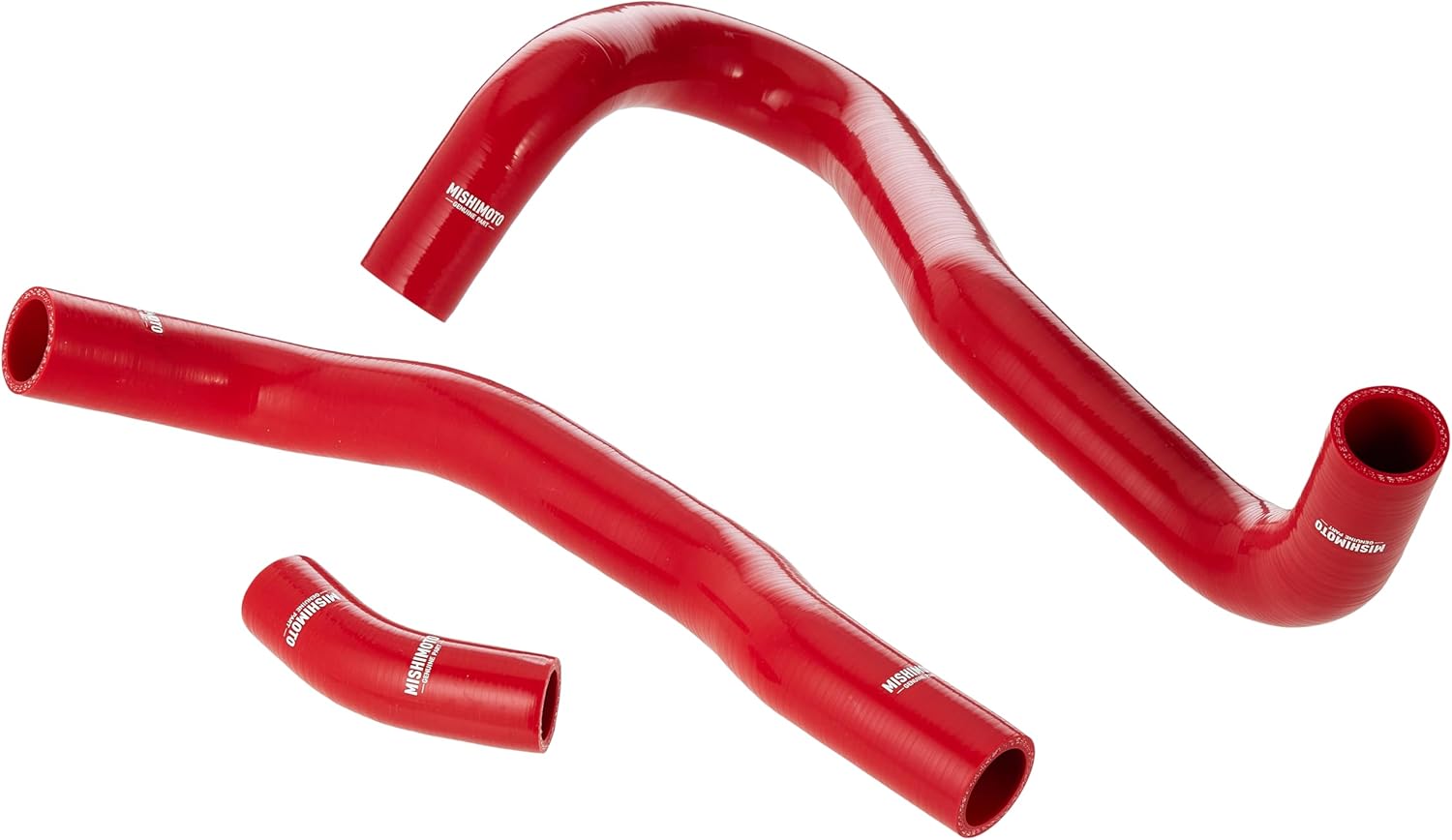
2. Mishimoto Silicone Radiator Hose Kit for Honda Civic (2006–2011)
| Compatibility | 2006–2011 Honda Civic Si |
|---|---|
| Material Type | Aluminum, Silicone |
| Maximum Temperature | 330°F |
| Warranty | Lifetime |
The Mishimoto silicone radiator hose kit replaces the stock coolant hoses on 2006–2011 Honda Civic Si models with molded, direct-fit silicone parts that resist heat and oil degradation. Typical use is a like-for-like replacement during a cooling system refresh or when upgrading to an aftermarket aluminum radiator; the kit matches stock routing while offering a smoother interior for improved coolant flow. Notable features include high-grade silicone reinforced with heat-resistant fibers, factory-style fitment for straightforward installation, and availability in red to add an engine-bay accent. Practical benefits are increased durability compared with rubber hoses, higher pressure and temperature tolerance up to the kit’s rated limit, and a cleaner look when paired with performance radiators. Expect a simple install but plan to replace or size clamps as some reviewers found factory clamps do not always fit. The kit does not change core cooling capacity or include clamps, so it is best treated as a durability and appearance upgrade rather than a tuning item that alters cooling performance dramatically.
Best for: Car enthusiasts refreshing or upgrading the cooling system on a 2006–2011 Civic Si who prioritize durability and engine-bay appearance over major cooling capacity changes.
Less Ideal for: Drivers seeking a cooling upgrade that significantly lowers engine temperatures under extreme track use should consider a dedicated high-capacity radiator or full cooling system upgrade instead.
- Direct OEM-style fit for 2006–2011 Civic Si for straightforward installation
- High-grade silicone with embedded heat-resistant fibers improves longevity over rubber hoses
- Smooth interior profile supports steady coolant flow and reduces turbulence
- Available in colored finishes to visually enhance the engine bay
- Does not include replacement clamps so new clamps may be required for proper sealing
Verdict: Choose this Mishimoto kit if you want a durable, direct-fit silicone replacement that improves longevity and tidies your 2006–2011 Civic Si engine bay.
3. A-Premium Radiator Coolant Hoses (Upper & Lower) for Honda Civic 2006–2011 2.0L

| Vehicle fitment | Honda Civic 2006-2011 L4 2.0L |
|---|---|
| Material | EPDM |
| Included parts | Upper and lower radiator hoses |
| Reference numbers | 19501RRAA01, 19504RRAA01, 23302, 23303 |
These two-piece radiator hose replacements cover both the upper and lower coolant paths between the radiator and thermostat on 2006–2011 Honda Civic 2.0L engines. Made from EPDM rubber, the hoses are designed to fit the factory connections and provide a tight seal to prevent leaks and resist pressure-related failures. Typical use is a like-for-like replacement when original hoses show cracking, swelling, or coolant seepage, or during a scheduled cooling system refresh. The set lists reference numbers that match common Honda part numbers for easier verification at installation. Practical benefits include direct-fit design, pressure resistance to reduce burst risk, and a one-year unlimited-mileage guarantee from the brand. Limitations are that the listing gives basic fitment and material information but omits detailed installation guidance and measured durability data, so expect to rely on standard clamp hardware and routine inspection after installation rather than extended lifetime claims.
Best for: Buyers who want a cost-effective, practical replacement that restores factory cooling connections on a 2006–2011 Honda Civic 2.0L and prefer a straightforward direct-fit swap during maintenance.
Less Ideal for: Anyone looking for heavy-duty performance upgrades, custom routing, or hoses rated for extreme motorsport conditions should consider specialty silicone or braided options.
- Pair includes both upper and lower hoses for a complete radiator-to-thermostat replacement
- EPDM construction offers good heat and coolant resistance compared with generic rubbers
- Direct-fit design references common Honda part numbers for easier match to the Civic 2006–2011 2.0L plumbing
- Manufacturer provides limited technical data on long-term durability under high-mileage or severe-use conditions
Verdict: A practical direct-fit pair that replaces both upper and lower radiator hoses on 2006–2011 Honda Civic 2.0L engines, making cooling-system maintenance simple and affordable.
4. RATCHROLL Upper Radiator Coolant Hose for Honda Civic 2006–2011

| Compatibility | Honda Civic 2006-2011 1.8L L4 models |
|---|---|
| Material Type | Rubber |
| Package Content | 1 Pc Radiator Coolant Hose |
| Part Reference | 19501RNAA01 |
This RATCHROLL upper radiator coolant hose is a direct replacement-style rubber hose intended for the 1.8L Honda Civic from 2006 through 2011. It installs like a standard replacement: remove the failed hose, slide the new hose into position and secure the clamps. The supplier highlights rubber construction with high temperature and aging resistance, which in practice means it should restore coolant flow and stop leaks caused by cracked or swollen old hoses. For routine maintenance or emergency roadside repairs it offers a straightforward fix that does not require modifications. Expect a simple, budget-friendly part rather than a premium OEM match; some buyers report thicker-than-expected rubber and mixed impressions of long-term durability. The hose comes as a single piece and uses the factory part number for fit reference, so verification against your vehicle before purchase is recommended. If you need a no-frills replacement to get your Civic back on the road quickly, this hose covers the basics effectively.
Best for: Buyers who need an affordable, straightforward replacement to stop coolant leaks and restore normal cooling on a 2006–2011 Civic and prioritize getting the car back in service over matching a brand-name part.
Less Ideal for: Drivers looking for a factory-branded or long-life OE-equivalent hose for high-mileage restoration should consider branded aftermarket or dealer parts instead.
- Made from rubber formulated for high temperature and aging resistance
- Sold as a direct replacement referencing factory part number 19501RNAA01 for easier fit checks
- Simple one-piece design that is quick to install during routine maintenance
- Budget-friendly option for replacing a leaking or failed upper radiator hose
- Not advertised as a premium or factory-branded hose so long-term durability may vary
Verdict: A cost-conscious, easy-to-install rubber replacement that restores coolant sealing for 2006–2011 Honda Civic 1.8L models.
5. Dayco Lower Radiator Coolant Hose for Honda Civic 1.8L (2006–2015)

| Fitment | Honda Civic 1.8L 2006-2015 (lower) |
|---|---|
| Material Type | Rubber |
| Unit Count | 1 Count |
| Item Length | 12 Inches |
This Dayco lower radiator coolant hose is a factory-style replacement designed for 1.8L Honda Civics from 2006 through 2015 and installs in the lower radiator outlet path. It is molded rubber that matches the original hose shape so it routes and clamps like the factory part, making it suitable for DIY or shop installation when a leaking or swollen lower hose is found. The hose includes original-style packaging and hardware which helps when swapping clamps and reconnecting to factory fittings. In real-world use you can expect straightforward fitment and the resilience of rubber against typical underhood heat cycles, which reviewers report as durable and correct fit. The main limitation versus higher-end aftermarket options is that it is a basic replacement piece without reinforced layers or upgraded materials aimed at extreme performance or extended service intervals, so plan routine inspections and replacement on the same schedule you would for stock components.
Best for: Buyers who prioritize a reliable, like-for-like replacement to restore coolant flow quickly and return the cooling system to factory behavior; suitable for owners who value correct fit and straightforward installation.
Less Ideal for: Drivers seeking an upgraded hose for high-performance, Racing, or heavy-duty cooling needs should consider reinforced or performance-specific hoses instead.
- Factory-style shape and fit for direct replacement on 1.8L Civic lower radiator outlet
- Molded rubber construction matches original routing and clamps for easy installation
- Includes original-style packaging and hardware to simplify swap with factory parts
- Durable for normal driving conditions and typical engine bay heat cycles
- Not reinforced for heavy-duty or high-temperature performance beyond stock specification
Verdict: Choose this Dayco lower radiator hose when you want a dependable, factory-style replacement that restores proper coolant routing and fitment on 1.8L Civics.
6. G-PLUS Silicone Radiator Coolant Hose Kit for 2006–2011 Honda Civic FD1 R18 1.8L

| Material Type | Silicone |
|---|---|
| Nominal Wall Thickness | 4.5 millimeters |
| Working Temperature | -65F to 500F |
| Burst Pressure | 245 PSI |
This G-PLUS silicone radiator hose kit replaces multiple factory coolant hoses on the 2006–2011 Honda Civic FD1 R18 1.8L and ships with stainless-style clamps for installation. Made from three-ply silicone with a 4.5 mm wall thickness, the hoses are built to handle higher temperatures and boost compared with typical rubber hoses. Practical benefits include higher burst and working pressure ratings so the cooling system tolerates higher heat and pressure spikes, plus the bright finish gives a visible visual upgrade under the hood. Installation is straightforward for a competent DIYer since the set is intended as a direct fit for the listed Civic application, though some users report the largest radiator hoses are sold separately so check what comes in the kit before starting. Quality control appears mostly positive but there are isolated reports of incorrect or incomplete kits, so inspect contents and hose routing before tightening clamps. These hoses are best when you want a durable, heat-resistant replacement that also looks upgraded compared with stock rubber parts.
Best for: Buyers who prioritize a durable, heat-resistant replacement with visible visual improvement and want reassurance from positive user feedback before committing.
Less Ideal for: Drivers who prefer a factory-matching appearance or want a full OE-style hose set without verifying included pieces should look elsewhere.
- Three-ply silicone construction and 4.5 mm wall thickness for improved heat and pressure resistance
- Rated burst pressure of 245 PSI and working pressure range suited for higher-temperature or boosted setups
- Includes clamps for installation so fewer extra parts are required
- Designed as a direct fit for the specified 2006–2011 Honda Civic FD1 R18 1.8L application
- Some buyers report missing or incorrect parts in shipped kits so inspect before installation
- Largest upper and lower radiator hoses may not be included and could require separate purchase
Verdict: Choose this kit if you want a hotter-running, stronger silicone upgrade for a 2006–2011 Civic that comes with clamps and higher pressure tolerance.
Choosing the Right 2006-2011 Honda Civic Radiator Hose: Key Factors to Consider
Material and Heat Resistance
The material determines how a hose handles repeated temperature cycles and chemical exposure. EPDM rubber is common for stock replacements and offers good resistance to coolant and moderate heat, while silicone hose compounds generally provide greater temperature tolerance and longer life under sustained high heat. Choosing a material that matches your driving conditions matters because a hose that hardens or softens with heat will crack or swell, causing coolant hose leaks.
Inspect the hose specification for ozone, oil, and coolant resistance. Reinforced or layered materials resist bulging and collapse, which is especially important if the vehicle is used for stop-and-go city driving where heat soak is frequent. For Civics that see heavy loads or prolonged high temperatures, prioritize higher heat-rated compounds to minimize premature failure.
Fitment and Diameter Accuracy
Correct fitment for the 2006-2011 (FA and FG) Civic means matching routing, bends, and inner/outer diameters to ensure a leak-free connection with the thermostat housing, radiator inlet, and water pump. Even small diameter mismatches can produce poor clamping engagement or require excessive clamp torque that risks damage. Many replacement hoses are sold for specific engine and trim levels; confirm the part explicitly lists 2006-2011 Honda Civic compatibility.
Pay attention to hose length and bend radius as well. A hose that sits against sharp components or kinks under clamp pressure will wear faster. When fitment specs are provided, cross-check the listed radiator hose size fitment numbers against factory measurements if available.
Clamps and Connection Type
The connection method influences sealing reliability. Some hoses rely on the factory worm-gear style clamps, others recommend constant-tension clamps, and a few arrive with integrated bead designs. For the Civic, clamp compatibility is critical because the engine bay has limited clearance around some hose junctions. A clamp that is too large, too small, or requires uncommon tooling creates extra labor and a higher chance of improper sealing, which leads to coolant loss.
Choose hoses that accommodate standard OEM clamps or include recommended clamp sizes. If opting for constant-tension clamps, ensure they match the hose material and diameter to avoid crushing softer hose walls.
Reinforcement and Collapse Resistance
Hoses with internal reinforcement layers, braided fabric, or multiple compound layers resist collapsing under vacuum and maintain coolant flow when the system cycles. Collapse can cause overheating symptoms similar to a clogged radiator despite the radiator itself being clear. Reinforcement also helps the hose retain shape after repeated cooling and heating cycles, preventing pinching and premature failure.
Consider reinforcement levels when selecting hoses for higher-mileage engines that experience more frequent pressure fluctuations or for vehicles that undergo towing or repeated steep hill use.
Chemical Compatibility and Lifespan
Coolant formulations and occasional oil contamination can degrade poor-quality hoses quickly. Hoses rated for long life against ethylene glycol-based coolants and resistant to oil splashes will last longer and reduce the chance of unexpected coolant hose symptoms like swelling or soft spots. Manufacturer lifespan claims can provide a baseline, but look for material spec sheets that describe resistance to coolant and petroleum exposure.
Lifespan expectations should guide whether you choose a lower-cost OE-style hose for routine maintenance or a higher-cost premium compound for extended service intervals.
Installation Ease and Serviceability
A hose that is easy to install reduces labor time and the chance of installation errors. Factors include how flexible the hose is for routing, whether it requires trimming or adapters, and how accessible the clamps and connection points are in the Civic's engine bay. Clear instructions and matching fitment reduce the chance of repeat visits to correct leaks.
Also consider whether the hose requires specialty tools or clamps. For many owners performing radiator hose replacement themselves, staying within the realm of standard tools and OEM-style clamps makes the job more straightforward and reliable.
Common Radiator Hose Symptoms to Watch For
Early detection of a failing radiator hose helps avoid overheating and more serious engine damage. Typical symptoms include visible bulging, soft or spongy sections when the engine is cool, or hard, brittle areas that crack when flexed. Look for coolant residue, wetness, or crusty deposits around hose ends and clamps, which indicate slow leaks.
Other warning signs are low coolant level without an obvious external leak, engine temperature fluctuations, or a persistent coolant smell in the engine bay. In some cases, a collapsed lower radiator hose will reduce flow and cause overheating only under load, so symptoms may appear intermittently.
- Visible swelling or soft spots
- Cracks or abrasions on the hose surface
- Coolant stains at hose connections
- Intermittent overheating under load
- Low coolant level without obvious pooling
Upper Vs Lower Radiator Hose Roles
The upper radiator hose typically carries hot coolant from the engine head or thermostat housing to the radiator, so it sees the highest temperatures and pressure spikes during warm-up. Because of this, upper hoses often show heat-related wear first and should be checked for bulging near bends and connection beads.
The lower radiator hose generally returns cooled fluid to the water pump and can be more exposed to vacuum or collapse when the pump is not running. It is also prone to abrasion where it routes near engine brackets. Inspect both hoses during routine service because failure of either can lead to the same overheating outcome.
- Upper hose: higher temperature, pressure spikes
- Lower hose: risk of collapse and abrasion
- Both: check clamps and connections at each end
Measuring and Confirming Radiator Hose Size Fitment
Before purchasing a replacement for a 2006-2011 Civic, measure inner diameter, outer diameter, and overall length of the existing hose including bends. Note the location of molded stops and specific bend radii to match routing. Many replacement listings provide radiator hose size fitment specs; compare those numbers to your measurements.
If you cannot find exact measurements, consult a repair manual or parts diagram for the FA and FG chassis to identify part numbers and nominal diameters. Proper sizing prevents installation issues and reduces the chance of coolant hose leaks caused by poor sealing.
- Measure inner and outer diameters at each end
- Measure overall installed length along the bend
- Check for molded tabs or stops that affect routing
Tools and Preparation for Radiator Hose Replacement
Have the correct clamps, basic hand tools, and a container for draining coolant before attempting a radiator hose replacement. For many 2006-2011 Civic hose connections, standard screwdrivers or socket drivers work for worm-gear clamps, while pliers or specific pliers are needed for spring-style clamps. Bring recommended clamp sizes if the replacement hose calls for constant-tension or different clamp diameters.
Work on a cool engine and relieve pressure from the cooling system by opening the coolant reservoir cap only after the engine has cooled. Properly dispose of drained coolant according to local regulations and inspect adjoining components such as the thermostat housing and radiator inlet for corrosion or damage while the hose is off.
- Container for drained coolant
- Set of screwdrivers and socket drivers
- Clamp pliers for spring clamps
- Replacement clamps sized to the new hose
When to Replace Hoses Proactively
For Civics in the 2006-2011 range, hoses older than six years or showing any visual deterioration should be considered for proactive replacement. Age, mileage, and exposure to heat cycles accelerate degradation, so replace hoses during routine coolant service if they exhibit stiffness, surface cracks, or soft spots. Proactive replacement reduces the chance of sudden failures and roadside breakdowns.
Also consider replacing both upper and lower hoses together if one shows significant wear. Coordinated replacement simplifies coolant draining and refilling, and ensures matched lifespan for both hoses, which can reduce maintenance visits.
- Replace hoses older than six years
- Swap both upper and lower hoses if one shows severe wear
- Inspect clamps and replace if corroded
Clamp Types and Their Pros and Cons
Worm-gear clamps are common and easy to tighten but can create uneven pressure if over-torqued. Constant-tension clamps maintain even sealing pressure as the hose material expands and contracts, which can reduce the chance of slow leaks over time. Spring-style clamps are quick to install but can be difficult to position in tight spaces.
Select clamp types that match the hose material and the connection shape. For softer hoses, constant-tension clamps prevent crushing, while sturdier rubber compounds can tolerate stronger worm-gear clamps. Make sure any included clamps are sized correctly for the radiator hose size fitment.
- Worm-gear: easy to use, watch torque
- Constant-tension: maintains seal with thermal cycling
- Spring: quick but sometimes awkward in tight spaces
Still looking for the perfect fit?
Select your Honda Civic configuration to see the most relevant Radiator Hoses recommendations
How We Chose the Best 2006-2011 Honda Civic Radiator Hose
We evaluated radiator hoses for the 2006-2011 Honda Civic using a practical set of criteria aimed at real-world reliability and fitment. Primary considerations included material construction and heat resistance, since silicone and reinforced EPDM differ significantly in longevity under thermal cycling. Fitment accuracy and correct diameter were essential to avoid coolant leaks and ensure hose routing matches the FA and FG chassis. Clamp compatibility and ease of installation were weighed because tight engine bay access and stock clamp types affect how readily an owner or technician can secure a hose.We also considered durability against oil and coolant exposure, reinforcement layers that resist collapsing under vacuum, and warranty or manufacturer support signaling build quality. Hoses with ambiguous size specifications or missing fitment details were excluded. We did not include options that required major trimming, reshaping, or custom adapters for the Civic's factory routing. The final list favors items that balance direct-fit convenience with materials and construction that reduce recurrence of coolant hose leaks.
Our full evaluation process is outlined in our review methodology.
FAQ
How often should I inspect the radiator hoses on my 2006-2011 Civic?
Inspect hoses at least every coolant service interval or twice a year. Look for soft spots, cracks, bulges, and seepage at clamps, and replace any hose that shows visible deterioration.
Can I replace the upper and lower radiator hoses myself?
Many owners can perform radiator hose replacement with basic tools. Work only on a cool engine, have the correct clamps, and follow proper coolant draining procedures. If access or routing is difficult, consider a professional.
What causes a coolant hose leak on these Civics?
Common causes include material aging, abrasion against nearby components, loose or corroded clamps, and pinch damage from improper installation. Thermal cycling and oil contamination can also accelerate hose degradation.
Should I reuse the old clamps when installing a new hose?
Reusing clamps is acceptable if they are in good condition and the correct size. However, replacing old, corroded, or stretched clamps with properly sized worm-gear or constant-tension clamps improves long-term sealing reliability.
How do I know the correct radiator hose size fitment for my Civic?
Measure the inner and outer diameters and overall hose length along the installed bend, or consult service diagrams for the 2006-2011 FA and FG chassis. Match those measurements to the replacement listing to ensure proper fitment.
What are temporary fixes for a small coolant hose leak until I can replace the hose?
Temporary measures include tightening the clamp if the leak is at the connection, using high-temperature hose repair tape, or a short patch sleeve. These are stopgap solutions only; replace the damaged hose as soon as possible to avoid failure.
Final Verdict
When selecting radiator hoses for a 2006-2011 Honda Civic, prioritize material quality, correct fitment, and proper clamp selection to minimize the chance of coolant hose leaks and overheating. Consider the vehicle's age and operating conditions when choosing between standard EPDM replacements and higher-temperature compounds.Balance the convenience of direct-fit hoses against the long-term benefits of better materials and reinforcement. Replacing worn hoses and clamps proactively is the most effective way to maintain cooling reliability for FA and FG chassis Civics and avoid roadside failures.
Explore More:
- Check out all Honda Civic parts & accessories
- Explore Radiator Hoses Maintenance & Repair Guides
- Explore Cooling System
- Browse all Auto Parts
