

Note: This article contains affiliate links. If you click on these links and make a purchase, I may earn a small commission at no extra cost to you. This helps support my research and content. Read my full affiliate disclosure here.
If your 2012-2015 Honda Civic is showing weaker pedal feel, a spongy brake pedal, or visible fluid loss, the brake master cylinder is a common source of those problems. Choosing the right replacement part matters because the master cylinder directly controls hydraulic pressure to all four wheels and affects pedal travel, braking balance, and leak resistance.This guide covers the top shortlisted options for the 2012-2015 Civic (FB and FG), explains the symptoms that point to master cylinder failure, and outlines the performance and fitment details we weighed. Read on for practical guidance to help you pick the right master cylinder for routine repairs or restoration projects.
Looking for other parts? See all Honda Civic parts & accessories.
Top Picks at a Glance
| Best Quality Built to a higher standard if you want something more solid | Beck/Arnley Brake Master Cylinder 072-9924 for 2013–2015 Honda Civic |  |
| Best Value The sweet spot between price and what you get | RATCHROLL Brake Master Cylinder with Reservoir for Honda Civic 2012–2015 |  |
| Best Budget The cheapest option that still gets the job done reliably | RATCHROLL Brake Master Cylinder with Reservoir for Honda Civic 2012-2013 |  |
| Highest Rated A top-rated pick with lots of positive feedback | VekAuto Brake Master Cylinder with Reservoir for Honda Civic 2012–2015 |  |
| Most Popular A crowd favorite that many people choose with confidence | Dorman Brake Master Cylinder (M630603) |  |
1. Beck/Arnley Brake Master Cylinder 072-9924 for 2013–2015 Honda Civic

| Manufacturer | Beck/Arnley |
|---|---|
| Model | 072-9924 |
| Vehicle fit | 2013–2015 Honda Civic |
| Exterior | Machined |
This Beck/Arnley master cylinder replaces the factory unit for 2013–2015 Honda Civic models and is intended as a direct, application-specific replacement. It includes the reservoir and sensor where required and is built to match factory form, fit, and function so installation follows the stock mounting and hydraulic connections. For everyday driving and spirited street use the component restores firm pedal feel and reliable hydraulic pressure when paired with a properly bled system. Construction and machining are positioned for long-term durability compared with budget reman options, and the part is engineered to meet foreign nameplate specifications. Expect a straightforward install for DIYers with basic brake skills or a quick swap at a shop. This is not a performance-modified or high-pressure racing unit, so drivers seeking stiffer pedal response or track-oriented braking upgrades should plan to pair it with upgraded calipers, pads, or a different master cylinder designed for motorsport use.
Best for: Buyers who want a reliable, factory-style replacement to restore original braking performance on a 2013–2015 Civic and prioritize correct fit and long-term durability.
Less Ideal for: Drivers building a track or competition braking system who need a high-pressure or performance-oriented master cylinder should look at specialty performance parts instead.
- Application-specific design that matches factory form and fit for 2013–2015 Civic
- Includes reservoir and sensor where applicable for a near-complete replacement
- Machined exterior and quality construction aimed at durability
- Engineered to meet foreign nameplate specifications for consistent performance
- Not a performance or high-pressure master cylinder for track-focused braking upgrades
Verdict: Choose this Beck/Arnley master cylinder to get a durable, factory-matching replacement that restores stock braking feel on a 2013–2015 Honda Civic.
2. RATCHROLL Brake Master Cylinder with Reservoir for Honda Civic 2012–2015

| Fitment | Honda Civic 2012-2015 |
|---|---|
| Material | Aluminum Alloy |
| Position | Inner / engine compartment |
| OE Number | 46100TS6H51 |
This RATCHROLL brake master cylinder replaces the factory unit and includes the reservoir, restoring hydraulic pressure for the Civic braking system. It is a direct replacement designed for installation in the engine compartment ahead of the brake pedal, so it is typically used when the original unit is leaking, softening, or otherwise failing. Made from aluminum alloy, the part is corrosion resistant and built to resist deformation from heat and long-term use. The integrated reservoir simplifies installation and reduces the number of separate parts to handle during replacement. As a non-factory part, expect fit and finish that generally matches OEM geometry but may require careful alignment during install and bleeding of the brake system afterward to remove air. This unit returns the mechanical function of the braking system without adding advanced features; it is best for owners who need a straightforward, serviceable replacement rather than an upgraded performance component.
Best for: Practical owners seeking a cost-effective, straightforward service replacement for a failing Civic master cylinder who prioritize restoring reliable braking over performance upgrades.
Less Ideal for: Drivers looking for high-performance or race-oriented brake upgrades or those who want a brand-authorized factory unit should consider other options.
- Direct-replacement fitment specified for 2012–2015 Honda Civic
- Aluminum alloy construction offers corrosion resistance and heat durability
- Includes integrated reservoir for a simpler one-piece replacement
- Designed to restore hydraulic pressure and normal braking function
- Non-factory part so fit or finish may require extra care during installation
- No performance upgrades or enhanced features compared with upgraded aftermarket units
Verdict: A practical, one-piece aluminum master cylinder with reservoir that restores factory-style braking for 2012–2015 Civic owners needing a reliable replacement.
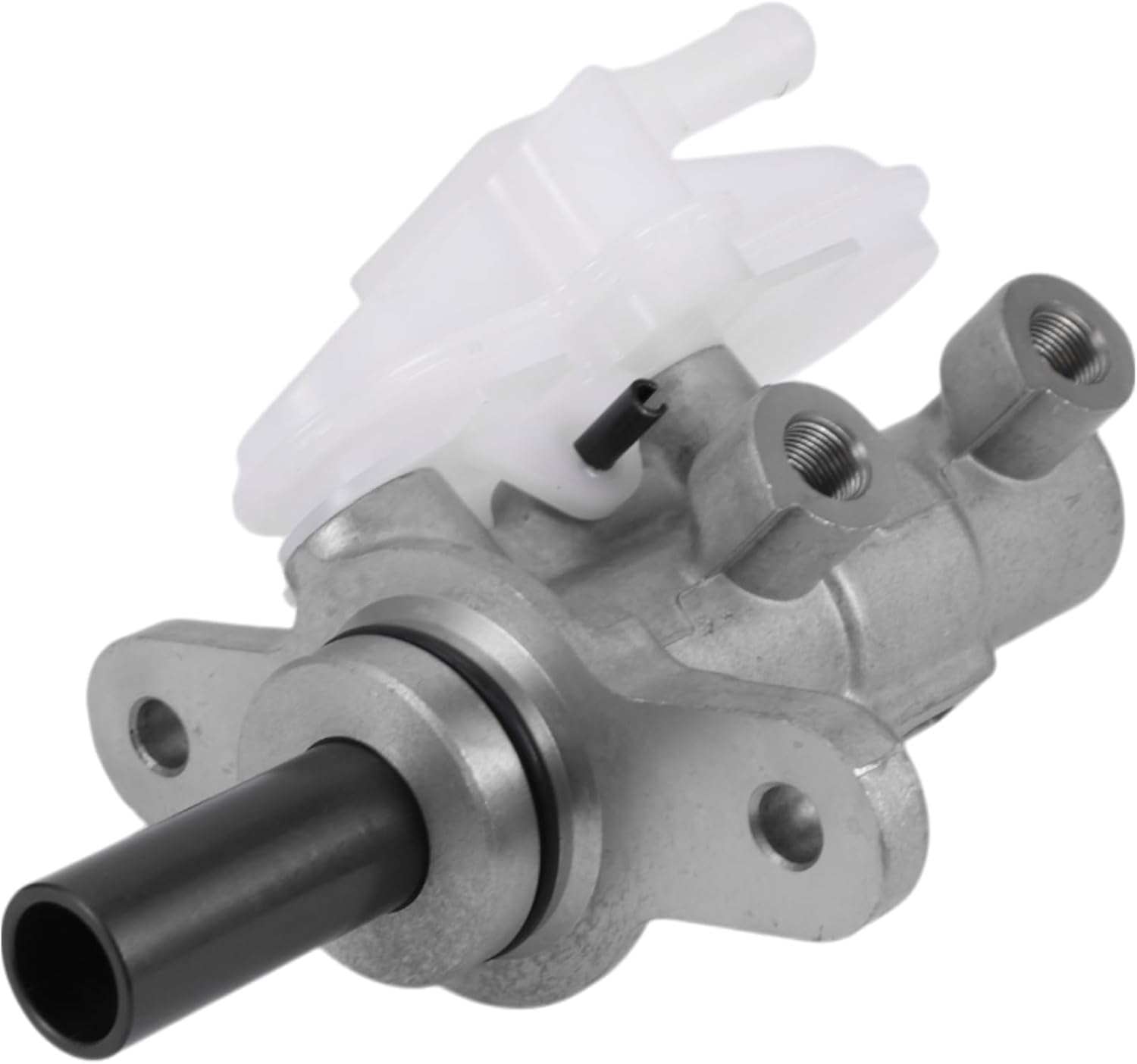
3. RATCHROLL Brake Master Cylinder with Reservoir for Honda Civic 2012-2013
| Material | Aluminum Alloy |
|---|---|
| Position | Inner / front of brake pedal |
| Fitment | Honda Civic 2012-2013 |
| Manufacturer | RATCHROLL |
This RATCHROLL brake master cylinder is a direct-replacement unit that restores hydraulic pressure in the brake system by driving brake fluid to the wheel cylinders. It is built from aluminum alloy with an integrated plastic reservoir and installs in the engine compartment ahead of the brake pedal. Typical use is as a one-to-one replacement when the original master cylinder is leaking, spongy, or failing to feed the booster. The unit claims corrosion resistance and temperature durability, which helps for long-term service life, and the fitment is listed specifically for 2012–2013 Honda Civic models so installation is straightforward for someone comfortable with basic brake-system work. It is an aftermarket part rather than a factory item, so buyers should expect to inspect sealing surfaces, bleed the system thoroughly after install, and confirm compatibility before purchase. For budget-focused repairs this provides a low-cost way to restore braking function, but those wanting factory-label parts or extended warranty coverage may prefer dealer or OEM options.
Best for: Buyers who need an affordable, functional replacement to restore proper brake hydraulics on a 2012–2013 Civic and who are comfortable performing or paying for a standard brake bleed and installation.
Less Ideal for: Drivers seeking factory-branded parts, extended manufacturer support, or professional restorations where an OEM-labeled component is required.
- Direct-replacement fitment for Honda Civic 2012–2013 reduces modification during installation
- Aluminum alloy body claims corrosion resistance and durability compared with cheaper cast parts
- Includes integrated reservoir so no separate reservoir purchase is needed
- Simple design suited to budget repairs and straightforward brake-system replacement
- Aftermarket part, not a factory-branded unit, so fit and finish may vary from the original
Verdict: A cost-conscious direct-replacement master cylinder that lets 2012–2013 Civic owners restore brake hydraulics without paying for an OEM unit.
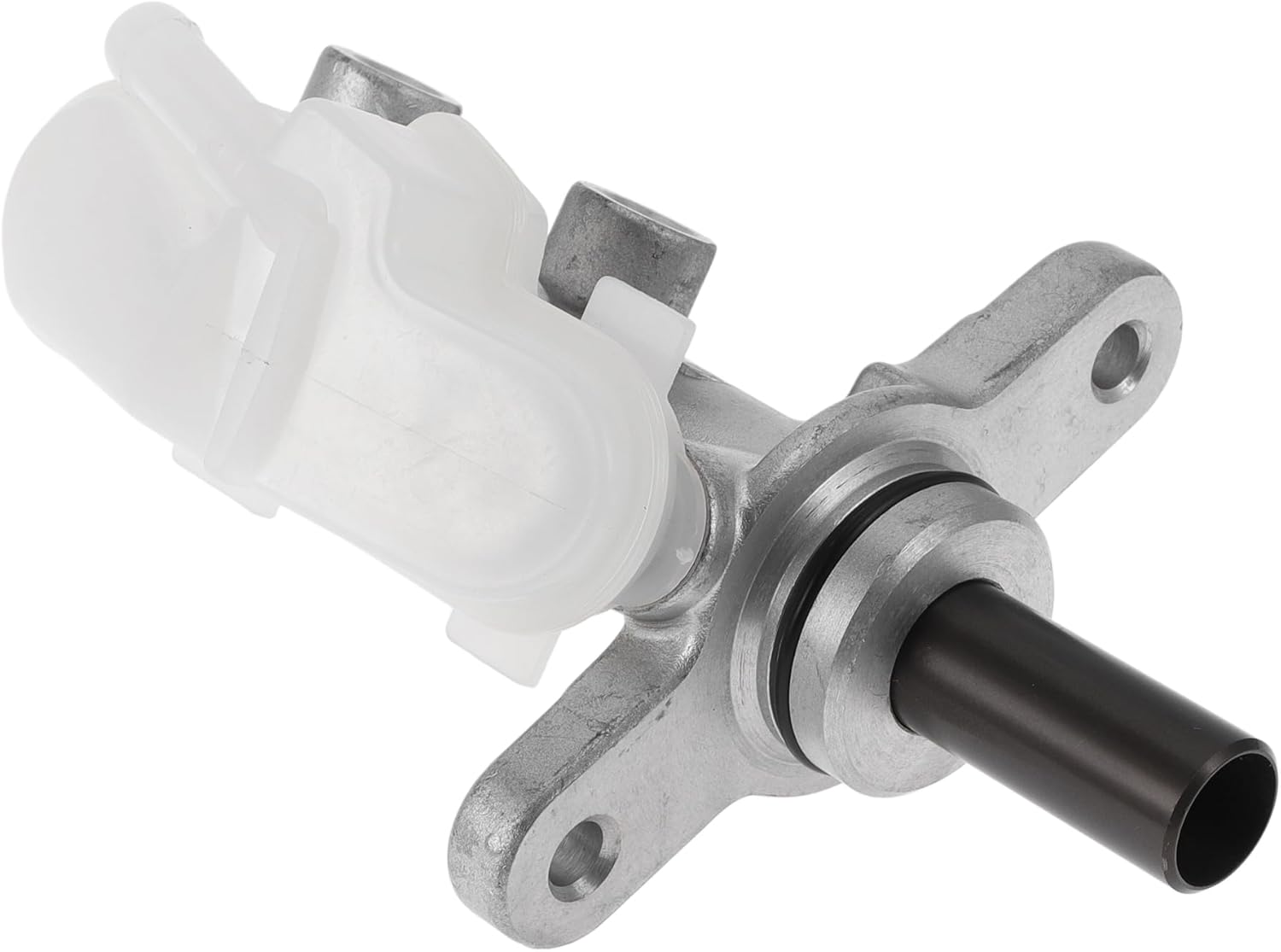
4. VekAuto Brake Master Cylinder with Reservoir for Honda Civic 2012–2015
| Fitment | Honda Civic 2012-2015 |
|---|---|
| Material | Aluminum Alloy, Plastic |
| Position | Inner |
| Manufacturer | VekAuto |
This VekAuto master cylinder replaces the factory unit and restores hydraulic pressure to the brake booster and wheel circuits. It is a direct-fit replacement intended for Honda Civic 2012–2015 and ships with the integrated plastic reservoir. Built from aluminum alloy and plastic, the unit is corrosion resistant and designed for long service life; that makes it straightforward for routine repairs where the original master cylinder has failed or is leaking. Installation is typical for brake hydraulic work: bench-bleed the new cylinder, install in the engine compartment, reconnect lines and bleed the system. The practical advantages are simple fitment, a pre-attached reservoir, and materials that resist deformation and corrosion over time. Important limitations are that this is a non-factory part so finish and exact tolerances may differ from a factory replacement, and buyers should plan for brake fluid, bleeding time, and a safety-oriented installation rather than a plug-and-play swap for unfamiliar DIYers.
Best for: Buyers who prioritize a dependable repair that returns brake system function without major modifications; good for owners wanting a durable, vehicle-specific replacement to address leaks or loss of pedal pressure.
Less Ideal for: Drivers who require a factory-branded replacement or who prefer having dealer-installed parts and warranty coverage should consider OEM options instead.
- Direct-replacement design specified for 2012–2015 Honda Civic for easier fitment
- Integrated reservoir included so no separate parts are required
- Aluminum alloy construction offers corrosion resistance and durability
- Designed to restore hydraulic pressure to brake booster and wheel circuits
- Non-factory part so tolerances and finish may not exactly match the original
Verdict: A vehicle-specific, corrosion-resistant master cylinder that restores braking function on 2012–2015 Honda Civics without extensive modification.
5. Dorman Brake Master Cylinder (M630603)

| Manufacturer Part Number | M630603 |
|---|---|
| Item model number | M630603 |
| Manufacturer | Dorman Products |
| OEM Part Number | 11-3304; 13-3304; 130.40073; F143287; MC143287; MC391100; 46100-SZA-A02; 46100SZAA01 |
This Dorman master cylinder is a 100% new, factory-replacement style component intended to restore proper brake hydraulic function on compatible vehicles. It replaces the original unit’s casting and internal components and uses EPDM rubber for resistance to glycol-based brake fluid, which helps long-term durability. Installers will recognize familiar mounting points and ports so it bolts into place without major modification; bench bleeding is still recommended before vehicle installation. The part meets SAE specifications and is intended for routine brake system repairs where the original master cylinder has failed or is leaking. Reported issues include a small number of premature failures and at least one instance of brakes locking up after installation, so careful inspection and correct bleeding procedures are important. The unit is practical for DIYers and professional mechanics who need a ready-to-install replacement, but sellers and installers should confirm fitment for the exact model year and trim before buying.
Best for: Buyers who prioritize a like-for-like replacement that installs without modification and who value a part made from new materials for routine brake repairs on the specified Honda models.
Less Ideal for: Those seeking a performance upgrade or a universal fit part; also not suited for owners unwilling to follow proper bench-bleeding and brake-bleeding procedures after installation.
- Designed to match original master cylinder form and function for straightforward replacement
- Made entirely from new materials rather than remanufactured parts
- EPDM rubber components resist degradation from glycol-based brake fluid
- Built to meet SAE specifications for replacement brake components
- Some customers reported premature failure or brake system problems after installation
Verdict: Choose this Dorman unit when you need a direct, new-material replacement that restores factory-style master cylinder function with minimal modification.
Choosing the Right 2012-2015 Honda Civic Brake Master Cylinder: Key Factors to Consider
Fitment And Mounting Alignment
Correct physical fit is the baseline requirement for a master cylinder on the 2012-2015 Civic. The mounting flange location, stud spacing, and pushrod interface must match the factory booster to avoid pedal misalignment, binding, or the need for adapter plates.
Even small deviations in port orientation or reservoir placement can complicate brake line routing and lead to stress at hose fittings. Verify that the replacement matches the Civic's reservoir height and mounting footprint to prevent installation challenges and to maintain original pedal geometry.
Seal Materials And Corrosion Resistance
Sealing surfaces and internal seals are constantly exposed to brake fluid and moisture, so materials matter. EPDM and other modern elastomers resist brake fluid swelling and chemical breakdown better than older compounds, which reduces the chance of internal leaks and soft pedal symptoms.
Corrosion-resistant metal finishes on the bore and exterior reduce pitting and seal wear over time, especially in regions using road salt. Durable seals and plated or stainless internal components lengthen service life and reduce the likelihood of a rebuild or repeat replacement.
Bore Diameter And Hydraulic Compatibility
Bore size and piston design determine hydraulic pressure and pedal travel characteristics. A replacement with the wrong bore diameter can change pedal effort and braking feel, potentially upsetting brake bias or requiring booster changes.
Choose a master cylinder whose hydraulic specs match the Civic's original design so braking balance and ABS system behavior remain consistent. Manufacturers that provide bore and stroke specs make it easier to confirm compatibility.
Reservoir Configuration And Fluid Management
Reservoir shape, capacity, and port positions influence installation ease and fluid monitoring. The 2012-2015 Civic uses a specific reservoir orientation tied to the booster and firewall layout, so mismatched reservoirs can interfere with other under-hood components or make fluid level checks awkward.
Larger or differently shaped reservoirs may introduce unwanted airflow paths or complicate topping-up. Ensure the replacement allows proper venting and includes reliable level sensors or float switches if the vehicle relies on them.
Pressure Testing And Quality Control
A master cylinder must hold pressure and resist external leakage under operating conditions. Units that have been pressure tested and documentation of QC reduce the risk of out-of-box failures.
Look for suppliers that specify testing procedures, acceptable leakage thresholds, and traceable manufacturing runs. Consistent tolerances and documented testing translate into fewer warranty returns and more predictable braking performance.
Serviceability And Rebuild Options
Consider whether the unit can be serviced or rebuilt. Some master cylinders allow seal kits and piston replacement, which can be cost-effective for older Civics where the booster and mounting are intact.
Availability of rebuild kits, clear instructions, and replacement seals matters for long-term ownership. If the replacement is non-serviceable, factor in disposal and future replacement intervals when making your decision.
Common Symptoms Of Master Cylinder Failure On 2012-2015 Civic
Master cylinder problems often present as a soft or sinking brake pedal, reduced braking force, or visible brake fluid near the firewall or under the vehicle. In many cases owners notice increased pedal travel before the brakes engage or the pedal gradually sinks to the floor during a static hold test.
- Soft or spongy pedal feel
- Pedal slowly sinks to the floor during steady pressure
- Brake fluid visible around the master cylinder or under the car
- ABS or brake warning lights may intermittently illuminate
Diagnosing A Brake Fluid Leak On The Master Cylinder
Distinguishing master cylinder leaks from line or caliper leaks starts with a visual inspection at the cylinder body, reservoir base, and the bulkhead area where the unit bolts to the booster. A leak at the cylinder-to-reservoir junction or at the mounting flange is a clear indicator of master cylinder seal failure.
- Check the reservoir cap and level for rapid fluid loss
- Inspect the firewall and booster area for wetness or corrosion
- Use clean paper or cloth to localize fresh fluid paths rather than relying on dried residue alone
Is A Rebuild Kit An Option For Your Civic
For many owners a rebuild kit can restore function if the bore is free of deep pitting and the piston surfaces are intact. Rebuild kits typically include seals, cups, and sometimes a piston retaining clip, allowing you to replace the worn elastomers that cause internal leaks and soft pedals.
A careful inspection of the bore surface is required; heavy corrosion or scoring usually necessitates full replacement rather than a rebuild to ensure long-term reliability.
- Measure bore roundness and check for pitting
- Replace seals with OEM-spec materials like EPDM
- Follow torque specs when reinstalling to avoid warping the unit
Installation Considerations And Brake System Bleeding
Correct installation includes ensuring the pushrod free play matches factory specifications and that threaded fasteners are torqued to the service manual values. After installation, bleeding the system properly is critical to remove trapped air and restore firm pedal feel.
bullets':['Begin with the farthest wheel from the master cylinder and follow a consistent sequence','Use a brake fluid compatible with the Civic specifications and change any contaminated fluid','Verify pedal travel against factory values before road testing']},{
bullets
When To Call A Professional Mechanic
Simple tasks like bench testing the unit, inspecting seals, and swapping reservoirs can be handled by experienced DIYers. However, if the brake pedal remains soft after a proper bleed, if there is evidence of internal leaks, or if the installation requires booster removal and complex pushrod adjustments, seek a professional mechanic.
A professional can also verify ABS function and perform a pressure test on the replacement to confirm there are no internal bypass faults that could compromise safety.
- Persistent soft pedal after bleeding
- Visible internal leakage or contaminated fluid
- Complex teardown involving booster or ABS integration
Still looking for the perfect fit?
Select your Honda Civic configuration to see the most relevant Brake Master Cylinders recommendations
How We Chose the Best 2012-2015 Honda Civic Brake Master Cylinder
We prioritized components that solved real-world failure modes common to 2012-2015 Civic master cylinders while ensuring proper fit and long-term sealing performance. Our evaluation used these concrete criteria: bore size and pushrod compatibility to match brake booster geometry; reservoir configuration and port orientation to fit factory lines; seal and piston materials for resistance to corrosion and brake fluid degradation; mounting flange and stud alignment to ensure bolt-up fit without modification; and quality control factors such as pressure testing and factory tolerances.We excluded units that required vehicle-specific machining, nonstandard reservoir adaptors, or unverified changes to boost-ratio characteristics. We also filtered out parts lacking clear manufacturing traceability or pressure-test documentation. The shortlist emphasizes correct mechanical fit, durable sealing, verified pressure integrity, and replacement readiness for the 2012-2015 Civic (FB and FG) without altering pedal feel or braking balance.
Our full evaluation process is outlined in our review methodology.
FAQ
What are the first signs that the master cylinder is failing on a 2012-2015 Civic?
Typical early signs include a spongy or soft brake pedal, gradually increasing pedal travel, and occasional brake fluid loss at the firewall. You may also notice intermittent brake warning lights if the system detects pressure loss.
Can I replace the master cylinder myself on a Civic from 2012 to 2015?
If you have moderate mechanical experience and the right tools, you can replace the unit, but you must follow pushrod free-play specs, torque values, and perform a complete brake bleed. If the job involves booster removal or ABS system integration, professional help is recommended.
Is a master cylinder rebuild kit a reliable fix?
A rebuild kit can be reliable when the bore and piston surfaces are in good condition and corrosion is minimal. Heavy pitting, scoring, or metal contamination typically require full replacement for safety and longevity.
How do I tell if brake fluid is leaking from the master cylinder or elsewhere?
Inspect the reservoir base, the mounting flange, and the firewall area for fresh fluid. Clean suspect areas and observe where new fluid appears. Leaks at hose connections, calipers, or wheel cylinders will show fluid tracking toward the wheels rather than near the booster.
Will installing a different bore size affect braking feel on my Civic?
Yes. Changing bore diameter alters hydraulic pressure and pedal travel, which can change perceived pedal firmness and braking balance. It is important to match the replacement to the Civic's original hydraulic specs to maintain factory feel.
How often should the master cylinder be inspected on a 2012-2015 Civic?
Inspect the master cylinder during regular brake service intervals or whenever you experience pedal anomalies. Visual checks for leaks, reservoir condition, and fluid contamination at least once a year help catch issues early.
Final Verdict
For the 2012-2015 Honda Civic (FB and FG), prioritize correct fit, durable sealing materials, and verified hydraulic compatibility when choosing a replacement brake master cylinder. Expect tradeoffs between serviceability and outright replacement; rebuilds can be economical if the bore is sound, while full replacements reduce downtime when corrosion is significant. Focus on parts with documented pressure testing, correct reservoir and port orientation, and seals rated for brake fluid exposure to restore pedal firmness and long-term leak resistance.
Explore More:
- Check out all Honda Civic parts & accessories
- Explore Brake Master Cylinders Maintenance & Repair Guides
- Explore Brake System
- Browse all Auto Parts
