

Note: This article contains affiliate links. If you click on these links and make a purchase, I may earn a small commission at no extra cost to you. This helps support my research and content. Read my full affiliate disclosure here.
If you drive a 2001-2005 Honda Civic and are noticing a soft pedal or fluid loss, the brake master cylinder can be the root cause. Picking the right 2001-2005 Honda Civic brake master cylinder matters because the Civic's hydraulic system relies on correct bore size, reservoir fitment, and seal compatibility to restore safe, predictable braking.This guide covers the top shortlisted master cylinders for the 2001-2005 Civic (ES, EM, and EP era models), explaining the key symptoms to watch for, what we evaluated, and practical installation considerations. Read on for picks that focus on proper fit, sealing reliability, and long-term performance, plus guidance to help you choose the right replacement or rebuild path.
Looking for other parts? See all Honda Civic parts & accessories.
Top Picks at a Glance
| Best Overall The best all-around choice for most situations | Dorman M630112 Brake Master Cylinder for select Honda Civic years |  |
| Best Quality Built to a higher standard if you want something more solid | Quality-Built Premium Brake Master Cylinder with Reservoir (NM55129) |  |
| Best Value The sweet spot between price and what you get | PHILTOP Brake Master Cylinder Assembly for 2001–2005 Honda Civic / 2002–2004 Acura RSX |  |
| Best Budget The cheapest option that still gets the job done reliably | AngyMeck Brake Master Cylinder for 2001–2005 Honda Civic / 2002–2004 Acura RSX |  |
| Highest Rated A top-rated pick with lots of positive feedback | Beck/Arnley Brake Master Cylinder 072-9437 for 2001–2005 Honda Civic |  |
| Most Popular A crowd favorite that many people choose with confidence | NAMCCO Brake Master Cylinder for 2001–2005 Honda Civic / 2002–2004 Acura RSX (7/8 in. Bore) |  |
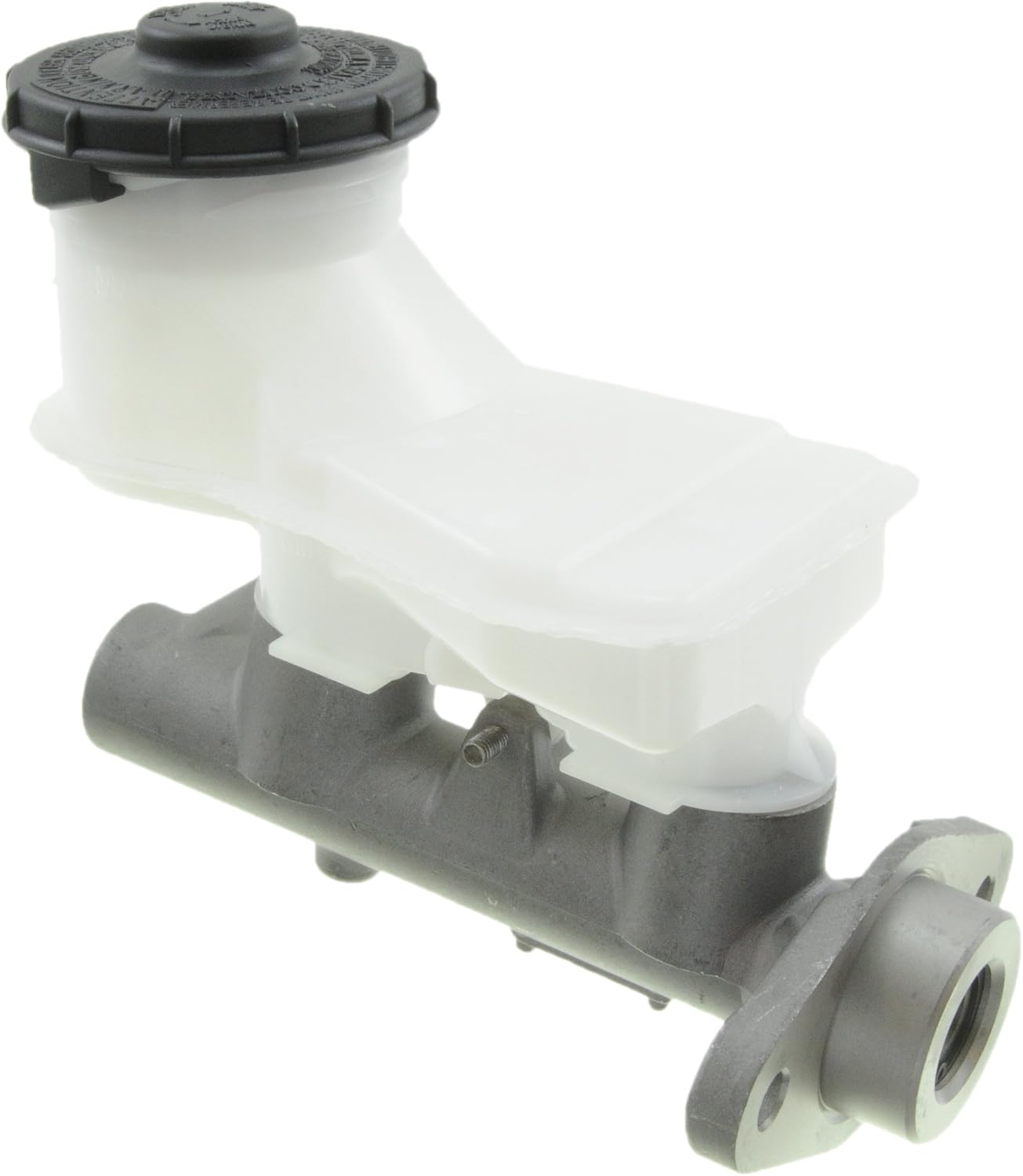
1. Dorman M630112 Brake Master Cylinder for select Honda Civic years
| Automotive Fit Type | Vehicle Specific Fit |
|---|---|
| Included Components | Master Cylinder |
| Manufacturer Part Number | M630112 |
| OEM Equivalent Part Number | 46100-S5D-L01 |
This Dorman master cylinder is a direct-fit replacement engineered to match the original unit used on select 2001–2005 Honda Civic models. It is built entirely from new materials rather than being remanufactured, with an aluminum-style housing and EPDM rubber seals chosen for compatibility with glycol-based brake fluid. Typical use is a full replacement when the original master cylinder leaks, develops internal seal failure, or produces a soft brake pedal. The practical benefits are straightforward: a precise fit to the listed Civic years, components resistant to brake fluid swelling, and adherence to SAE specifications that simplify installation and system bleeding. Some owners report a mix of reliable installs and rare quality failures, so careful inspection and proper bench testing before final installation are advisable. It includes the master cylinder only, so you should expect to reuse compatible hardware or purchase the correct fittings and brake lines separately if needed.
Best for: Buyers who want a cost-effective, factory-style replacement to restore brake pedal feel on 2001–2005 Honda Civic vehicles and prefer a new-part option over remanufactured units.
Less Ideal for: Do not choose this if you need a complete repair kit with hoses and mounting hardware included or if you prefer upgraded performance parts rather than a factory-style replacement.
- Vehicle-specific fit for 2001–2005 Honda Civic makes installation straightforward
- Made entirely of new materials rather than remanufactured cores
- EPDM rubber components resist glycol-based brake fluid swelling
- Manufactured to meet SAE specifications for brake-system parts
- Contains master cylinder only so additional fittings or hardware may be required for some repairs
- Some user reports note isolated quality failures so verify unit operation before final assembly
Verdict: A budget-friendly, new-material direct replacement that restores factory-style braking for 2001–2005 Honda Civic models.
2. Quality-Built Premium Brake Master Cylinder with Reservoir (NM55129)

| Compatible models | 2001–2006 Acura/Honda (Civic, EL, RSX) |
|---|---|
| Manufacturer part number | NM55129 |
| Manufacturer | Quality-Built |
| Master cylinder bore | 0.875 inches |
This Quality-Built master cylinder is a factory-style replacement designed to restore brake pedal feel and hydraulic pressure on compatible 2001–2006 Honda and Acura models. It includes a molded reservoir and is pressure tested at the factory to help prevent leaks and ensure consistent flow. Typical use is a direct-fit swap when the original unit is leaking, spongy, or has internal seal wear; installation is straightforward for a competent DIYer or technician because it matches factory mounting and port locations. The machined casting and factory-style seals aim to deliver predictable pedal modulation and long service life, and the listed 0.875 inch bore diameter indicates it will match the intended brake system balance. Limitations are that fitment is specific to the stated model years and variants so verifying compatibility before purchase is essential, and buyers replacing other brake components may still need to bench-bleed the system and follow proper bleeding procedures to avoid air in the lines.
Best for: Buyers who want a performance-minded, replacement master cylinder that restores factory braking response and pedal modulation on late-model 2001–2006 Honda/Acura vehicles and prioritize reliable pressure delivery over aesthetic upgrades.
Less Ideal for: Drivers seeking high-performance or race-oriented master cylinders with different bore sizes or bias characteristics should consider application-specific performance parts instead.
- Direct-fit design matches factory mounting and port locations for straightforward installation
- Factory-style reservoir and 100% pressure testing reduce the chance of leaks out of the box
- Machined casting and OEM-grade seals designed to restore firm, consistent pedal feel
- Compatibility limited to specified 2001–2006 Honda and Acura models so incorrect fitment is possible if year or variant differs
Verdict: Choose this Quality-Built unit when you need a reliable, factory-style replacement to restore consistent brake pressure and pedal feel on 2001–2006 Honda and Acura cars.
3. PHILTOP Brake Master Cylinder Assembly for 2001–2005 Honda Civic / 2002–2004 Acura RSX

| Material | Aluminium |
|---|---|
| Master Cylinder Bore Diameter | 0.875 IN |
| Number of Outlets | 2 |
| Rearward Outlet Size | M10 x 1.0 |
| Reservoir Included | Yes |
This PHILTOP brake master cylinder is a direct-replacement style assembly made from new materials rather than a remanufacture, intended to restore factory brake pressure and pedal feel on compatible Civics and RSXs. It includes the reservoir and a fluid-level sensor and matches the original casting material to aid fitment. Typical installation replaces a leaking or spongy original master cylinder and returns normal hydraulic operation for daily driving and light towing. The aluminum housing and EPDM rubber components are specified to resist glycol brake fluid, which should improve long-term durability compared with lower-quality parts. Limitations are that fitment is specific to certain Civic and RSX years and trims and the bore size is fixed at 0.875 inch, so technicians should confirm compatibility before installation; purchasers should also factor in professional bench bleeding or proper installation to avoid air in the brake system. Overall this part is a straightforward, cost-conscious replacement for restoring reliable braking on the listed vehicles.
Best for: Buyers seeking a practical, budget-conscious factory-style replacement to restore reliable braking on the covered Honda Civic and Acura RSX model years and who prefer a ready-to-install assembly over a DIY rebuild.
Less Ideal for: Drivers looking for performance upgrades, modified brake systems, or parts meant for other vehicle models or nonlisted years should look elsewhere.
- Made from all-new materials rather than remanufactured components
- Includes reservoir and brake fluid level sensor for plug-and-play replacement
- Aluminum housing with EPDM rubber parts resistant to glycol brake fluid
- Bore diameter and outlet sizes match common factory specifications for listed vehicles
- Fitment is limited to specific Civic and RSX model years and engine/trims so verification is required before purchase
- Installation requires proper bleeding and basic brake-system skill to avoid safety issues
Verdict: A no-frills, all-new replacement master cylinder that restores factory-style braking for the specified 2001–2005 Civics and 2002–2004 RSXs.
4. AngyMeck Brake Master Cylinder for 2001–2005 Honda Civic / 2002–2004 Acura RSX

| Fitment | 2001–2005 Honda Civic; 2002–2004 Acura RSX |
|---|---|
| Bore diameter | 0.875 in. |
| Number of outlets | 2 |
| Outlet thread | M10 x 1.0 |
This AngyMeck master cylinder is a straightforward factory-replacement unit designed to restore brake hydraulic function on compatible 2001–2005 Honda Civic and 2002–2004 Acura RSX vehicles. It installs in place of the original unit and includes the reservoir and sensor, so it handles the basic job of maintaining brake fluid pressure to the front and rear circuits without modifying the brake system. The part is metal construction with a 0.875 in bore and two M10 x 1.0 outlets, matching the common OE thread sizes for these models. Typical use is in routine brake system repairs when the original cylinder leaks or loses pressure; installers will appreciate that it is sold as a single complete unit and is aimed at cost-conscious repairs. Limitations are that installation hardware is not included and the part is offered as an aftermarket replacement rather than a branded factory component, so professional installation and bench-bleeding the system are recommended to ensure correct pedal feel and safety.
Best for: Buyers who need a reliable, low-cost replacement to restore safe braking on the specified Civic or RSX model years and prioritize value over OEM branding.
Less Ideal for: Drivers wanting a factory-branded unit or those planning performance brake upgrades should consider other options or higher-end replacements.
- Direct-fit replacement for the listed Civic and RSX model years with matching outlet thread sizes
- Includes reservoir and sensor so you can replace the complete master cylinder assembly
- Metal construction and specified bore size to match original hydraulic performance
- ISO/TS16949 certified manufacturer claim and one year warranty provide basic quality assurance
- Does not include installation hardware so additional fittings or fasteners may be needed
- Aftermarket unit rather than factory-branded part which may show minor fit or finish differences
Verdict: A budget-minded, direct-replacement master cylinder that restores factory-style braking for the specified Civic and RSX years without unnecessary extras.
5. Beck/Arnley Brake Master Cylinder 072-9437 for 2001–2005 Honda Civic

| Manufacturer | Beck/Arnley |
|---|---|
| Model | 072-9437 |
| Exterior | Machined |
| Manufacturer Part Number | UBA0729437 |
This Beck/Arnley master cylinder is a direct replacement designed to restore the Civic's hydraulic braking system to factory-style performance. It supplies the hydraulic pressure and reservoir mounting needed when rebuilding or replacing a worn master cylinder assembly. Typical use is as a straightforward service part during a brake system overhaul or when internal leaks, spongy pedal feel, or loss of pressure indicate cylinder failure. The unit is marketed to meet foreign nameplate factory specifications and is machined for consistency, with the reservoir and sensor provided where applicable to simplify installation. Practical benefits include application-specific fitment for the 2001–2005 Civic, durable construction intended to resist wear, and compatibility with existing brake lines and components. Limitations are that installation can require brake system bleeding and, in some cases, partial disassembly of surrounding components, so professional installation or mechanical experience is recommended for a correct, leak-free installation.
Best for: Buyers prioritizing a reliable, factory-style replacement to restore braking performance on a 2001–2005 Honda Civic who prefer parts built to match original specifications.
Less Ideal for: Anyone looking for a performance upgrade or a universal bolt-on part that fits multiple vehicle models should consider other options.
- Engineered to match factory form, fit, and function for the specified Civic years
- Machined exterior and quality construction for long-lasting performance
- Includes reservoir and sensor where applicable to simplify replacement
- Application-specific design reduces fitment guesswork during installation
- May require partial disassembly and full brake bleeding during installation
- Not a plug-and-play electrical swap if vehicle-specific sensors differ
Verdict: A dependable factory-matching master cylinder for 2001–2005 Honda Civic owners who want a durable, OEM-style replacement to restore proper brake feel.
6. NAMCCO Brake Master Cylinder for 2001–2005 Honda Civic / 2002–2004 Acura RSX (7/8 in. Bore)

| Bore Diameter | 0.875 in |
|---|---|
| Outlet Thread | M10 x 1.0 |
| Number of Outlets | 2 |
| Position | Front |
This NAMCCO master cylinder is a direct-replacement hydraulic unit intended for front fitment on 2001–2005 Honda Civic models (including EX, GX and hybrid submodels) and 2002–2004 Acura RSX base models that use a 7/8 inch bore. It replaces the factory master cylinder and provides the two M10 x 1.0 threaded outlets needed to feed the brake lines. Typical installation replaces the OEM unit in the original mounting location and uses existing lines and proportioning hardware. The practical benefits are straightforward: it restores hydraulic pressure after a worn master cylinder, brings pedal feel back to normal, and uses standard outlet threads for direct hose connection. Notable features listed include the bore diameter and outlet threading, which help confirm compatibility with the specified Civics and RSX. Limitations to note are that fitment is vehicle- and submodel-specific so you must verify the 7/8 inch bore and outlet thread before buying, and the listing does not include installation hardware or brake fluid. For buyers who check fitment and want a like-for-like replacement, this unit covers the common Civic/RSX applications in the article scope.
Best for: Buyers who want a like-for-like, factory-style replacement master cylinder for the specified Civic and RSX models and who check compatibility details before ordering to avoid fitment issues.
Less Ideal for: People looking for a universal or performance-upgrade master cylinder or those who have different bore sizes or modified brake systems.
- Designed for direct replacement on listed 2001–2005 Civic and 2002–2004 RSX applications
- Specified 7/8 inch bore matches factory-style sizing for correct pedal feel
- Two M10 x 1.0 threaded outlets match standard brake line fittings
- Brand-new unit intended to restore hydraulic pressure and braking performance
- Fitment limited to vehicles and submodels that use the 7/8 inch bore and M10 x 1.0 outlets
Verdict: A straightforward, brand-new factory-style replacement for 2001–2005 Civics and 2002–2004 RSX that restores original hydraulic function when the correct 7/8 inch bore is confirmed.
Choosing the Right 2001-2005 Honda Civic Brake Master Cylinder: Key Factors to Consider
Fitment and Bore Size
Correct fitment is the single most important factor when replacing a master cylinder on a 2001-2005 Honda Civic. The bore diameter and mounting bolt pattern must match the vehicle's brake booster and pedal geometry. Wrong bore size can change pedal travel and hydraulic pressure, creating an unsafe or spongy feel.
Also check reservoir connections and fluid level sensor provisions so the replacement mates with the existing lines and wiring. Confirming dimensional compatibility avoids the need for adapter hoses or modifying the firewall, saving time and reducing leak risk.
Seal Materials and Leak Resistance
Seals are the common failure point on older master cylinders, so material composition matters. Look for elastomers rated for DOT brake fluids used in Honda Civics; these resist swelling, hardening, and tearing over time. Better sealing reduces the chance of external brake fluid leaks or internal bypassing that causes a soft pedal.
Pay attention to the quality of the reservoir-to-body mating surface and the presence of engineered seals rather than simple O-rings. Proper sealing design also helps limit contamination from moisture and extends service life.
Corrosion Resistance and Construction
A master cylinder that resists corrosion will last longer, especially on vehicles over 15 years old. Materials and surface treatments, such as corrosion-resistant alloys or coatings, reduce pitting where seals contact metal surfaces. Pitted bores and corroded bodies can cause seal wear and fluid bypass.
Consider construction details like the finish of internal bores, the quality of external plating, and whether critical fasteners are stainless or treated to resist rust. These choices affect longevity in seasonal climates or where road salt is used.
Serviceability and Rebuild Options
Deciding between replacement and rebuild often depends on whether rebuild kits are available for the chosen master cylinder. A rebuild kit with correct seals and springs can restore an otherwise sound housing and is often a cost-effective option. Confirm availability of seal kits and whether the unit was designed for field service.
Also evaluate how easy it is to bench-bleed or refill the unit during installation and whether the design allows for straightforward disassembly without specialized tools.
Installation Compatibility and Tools Required
Installation complexity is an important buying consideration. A unit that matches the factory mounting points, reservoir fitting, and electrical sensor locations reduces labor time. Some aftermarket units require additional hose clamps or bracketry that complicate installation.
Evaluate whether the job can be completed with basic hand tools and whether you will need to bleed the brakes using vacuum equipment or can perform a manual bleed. Consider if a helper is required to pump the pedal while bleeding, and whether the vehicle's booster pushrod adjustment is straightforward.
Performance and Pedal Feel
Master cylinder bore size, internal spring rates, and dynamic sealing all influence pedal firmness and modulation. For a 2001-2005 Civic, you want a predictable, progressive pedal rather than a grabby or overly stiff response. Restoring correct pedal travel is essential for driver confidence and safe stopping distances.
Consider whether the replacement intends to match OEM hydraulic characteristics or alters them for a specific feel. For most street-driven Civics of this era, matching the OEM feel is preferable to preserve balanced braking performance.
Common Symptoms That Point to Master Cylinder Problems
Owners of 2001-2005 Civics often notice a soft or sinking brake pedal, intermittent pedal firmness, or visible brake fluid under the firewall. These symptoms can indicate internal seal failure or external leaks at the master cylinder connections.
Another frequent sign is a change in pedal travel after engine start or prolonged brake application. If the pedal drops slowly under steady pressure, internal bypassing inside the cylinder is a likely cause. Observing the fluid level in the reservoir during pedal actuation can help isolate the issue to the master cylinder versus a caliper or line leak.
- Soft or sinking pedal during hold
- Visible fluid at reservoir or under dash
- Pedal firmness that varies with engine vacuum
- Brake warning light triggered by fluid loss
Replacement Versus Rebuild: Which Path Fits Your Civic
Rebuilding can be economical if the master cylinder housing and bore are in good condition. A proper rebuild replaces all seals and springs and restores internal clearances without needing to bench-test expensive units. Verify the availability of a rebuild kit that lists compatibility with the 2001-2005 Civic.
A full replacement is preferred when the body is corroded, bores are pitted, or the cost of labor for a rebuild approaches the price of a new unit. Replacement units that match factory dimensions and reservoir fittings will reduce installation time and eliminate the risk of missed defects inside the old housing.
- Rebuild: cheaper if bore and housing are sound
- Replace: necessary when corrosion or pitting is present
- Check kit availability before committing to rebuild
Bleeding and Installation Tips Specific to 2001-2005 Civics
When installing a master cylinder on an ES, EM, and EP era 2001-2005 Civic, bench-bleeding the unit before mounting speeds up the process and reduces air trapped in the system. Ensure the pushrod is set to the correct free play to prevent excessive preload on the new seals.
Use a clear inspection procedure after installation: top the reservoir to the correct level, secure all hose clamps, and perform a sequential bleed while monitoring pedal feel. If you are unfamiliar with brake bleeding, allocate extra time or consult a service manual for the Civic-specific bleeding sequence.
- Bench-bleed before installation
- Set pushrod free play to factory specification
- Bleed system while monitoring pedal firmness
How Climate and Age Affect Master Cylinder Choices
Older Civics from 2001-2005 will have varying degrees of bore wear and corrosion depending on climate and maintenance history. Units exposed to moisture, road salt, or long periods without fluid changes are more likely to have internal pitting and degraded seals.
Choose materials and finishes that resist corrosion if you live in a wet or salty environment. If the vehicle has high mileage but the reservoir and lines are in good condition, a rebuild focused on high-quality seals may be sufficient to restore function.
- Wet climates increase corrosion risk
- Salt exposure accelerates bore pitting
- Regular fluid changes help extend master cylinder life
Sourcing Replacement Parts and Rebuild Kits
When planning a repair, confirm that rebuild kits include the correct seal sizes and springs for the 2001-2005 Civic. Kits should explicitly specify compatibility with the Civic ES, EM, and EP era dimensions to avoid mismatched parts.
Keep a checklist of required ancillary items such as new brake fluid, replacement hose clamps, and any sensor grommets. Having these on hand reduces downtime and prevents makeshift fixes that can introduce leaks.
- Verify rebuild kit compatibility with 2001-2005 Civic ES, EM, and EP dimensions
- Purchase new fluid and clamps for a complete repair
- Inspect brake lines for age-related damage during service
Still looking for the perfect fit?
Select your Honda Civic configuration to see the most relevant Brake Master Cylinders recommendations
How We Chose the Best 2001-2005 Honda Civic Brake Master Cylinder
We shortlisted master cylinders based on criteria that matter for 2001-2005 Honda Civic braking systems and real-world ownership. Primary evaluation focused on fitment and dimensions, including bore size, pushrod length, and reservoir connections to ensure the unit mates correctly with the Civic's brake booster and lines. Seal and material quality was assessed to reduce the chance of brake fluid leaks and premature failure, including the compatibility of elastomers with DOT brake fluid.Durability and corrosion resistance were considered to account for age-related wear in vehicles from the 2001-2005 production period. We also weighed whether the unit supports original reservoir configurations to simplify installation. Ease of installation and serviceability were evaluated by looking for features such as pre-bled ports, standard mounting patterns, and clear directions for hose routing.Finally, we prioritized products with clear repairability options, such as availability of rebuild kits and replacement seals. Units that lacked compatible service parts or had ambiguous fitment specs were excluded. We did not include items lacking documented compatibility with the 2001-2005 Civic dimensions or products that required custom modifications to fit.
Our full evaluation process is outlined in our review methodology.
FAQ
What are the most common master cylinder symptoms on a 2001-2005 Civic?
Common symptoms include a soft or sinking brake pedal, visible brake fluid near the firewall or under the dash, and inconsistent pedal firmness. These signs often point to internal seal failure or external leaks at reservoir fittings.
Can I rebuild the original master cylinder instead of replacing it?
Often you can rebuild if the cylinder bore and housing are free of pitting and heavy corrosion. Rebuild kits that match the 2001-2005 Civic specifications will restore seals and springs, but confirm kit compatibility before beginning.
How difficult is master cylinder installation on the 2001-2005 Civic?
For a mechanically inclined owner, installation is moderate in difficulty. Bench-bleeding before mounting, setting pushrod free play correctly, and performing a careful brake bleed are required steps. Expect to allocate a few hours for the job if doing it yourself.
Will a leaking master cylinder always show fluid under the car?
Not necessarily. Some leaks occur at the reservoir-to-body interface or internally, causing pedal issues without obvious puddles. Inspect around the firewall, under the dash, and the reservoir for dampness or residue to detect less obvious leaks.
Does changing the master cylinder change brake pedal feel?
Yes. Bore size, internal spring rates, and seal condition all influence pedal firmness and travel. Replacements designed to match factory hydraulic characteristics are best for restoring the original pedal feel.
How often should brake fluid be changed to protect the master cylinder?
Brake fluid should generally be changed at regular intervals consistent with maintenance recommendations, as moisture-contaminated fluid accelerates seal deterioration and internal corrosion. Regular fluid service helps extend the life of the master cylinder.
Final Verdict
For 2001-2005 Honda Civic owners, prioritize correct fitment and high-quality sealing when selecting a brake master cylinder. Evaluate the bore size, reservoir compatibility, and corrosion condition of the existing unit to decide between rebuilding and replacing.Balance the benefits of a matched OEM-style unit against the availability of rebuild kits and the condition of the original housing. With the right fit and good seals, you can restore firm pedal feel and reliable stopping performance for daily driving.
Explore More:
- Check out all Honda Civic parts & accessories
- Explore Brake Master Cylinders Maintenance & Repair Guides
- Explore Brake System
- Browse all Auto Parts
