

Note: This article contains affiliate links. If you click on these links and make a purchase, I may earn a small commission at no extra cost to you. This helps support my research and content. Read my full affiliate disclosure here.
Upgrading or replacing rotors on a 2007-2018 Jeep Wrangler matters because this vehicle spends time on pavement and off-road, and both environments stress brake components differently. The right rotors restore consistent pedal feel, reduce vibration, and extend pad life so you can tow, trail, or commute with confidence. This guide shortlists seven top rotor options chosen for the Wrangler JK/TJ/JL generation span and evaluates them on fitment, heat management, and durability. Read on for practical buying guidance and the criteria used to narrow the list.
Looking for other parts? See all Jeep Wrangler parts & accessories.
Top Picks at a Glance
| Best Overall The best all-around choice for most situations | Detroit Axle Complete Front & Rear Brake Kit with Ceramic Pads for 2007–2018 Jeep Wrangler |  |
| Best Quality Built to a higher standard if you want something more solid | PowerStop Z36 Truck & Tow Front and Rear Brake Kit (K2798-36) |  |
| Best Value The sweet spot between price and what you get | Detroit Axle Brake Kit with Drilled & Slotted Rotors and Ceramic Pads |  |
| Best Budget The cheapest option that still gets the job done reliably | Acinoparts Front Brake Kit with Drilled & Slotted Rotors and Ceramic Pads |  |
| Highest Rated A top-rated pick with lots of positive feedback | Detroit Axle Front Brake Kit with 11.89" Rotors and Ceramic Pads |  |
| Most Popular A crowd favorite that many people choose with confidence | Detroit Axle Brake Kit with Ceramic Pads and Ventilated Rotors for 2007–2018 Jeep Wrangler | |
| Best Seller A high-volume bestseller chosen again and again | Detroit Axle Front and Rear Brake Kit with Ceramic Pads for 2007–2017 Jeep Wrangler | |
1. Detroit Axle Complete Front & Rear Brake Kit with Ceramic Pads for 2007–2018 Jeep Wrangler
| Fitment | 2007–2017 Jeep Wrangler; 2018 Jeep Wrangler JK |
|---|---|
| Front rotor size | 11.89 inch (302 mm) |
| Rear rotor size | 12.44 inch (316 mm) |
| Pad type | 100% ceramic |
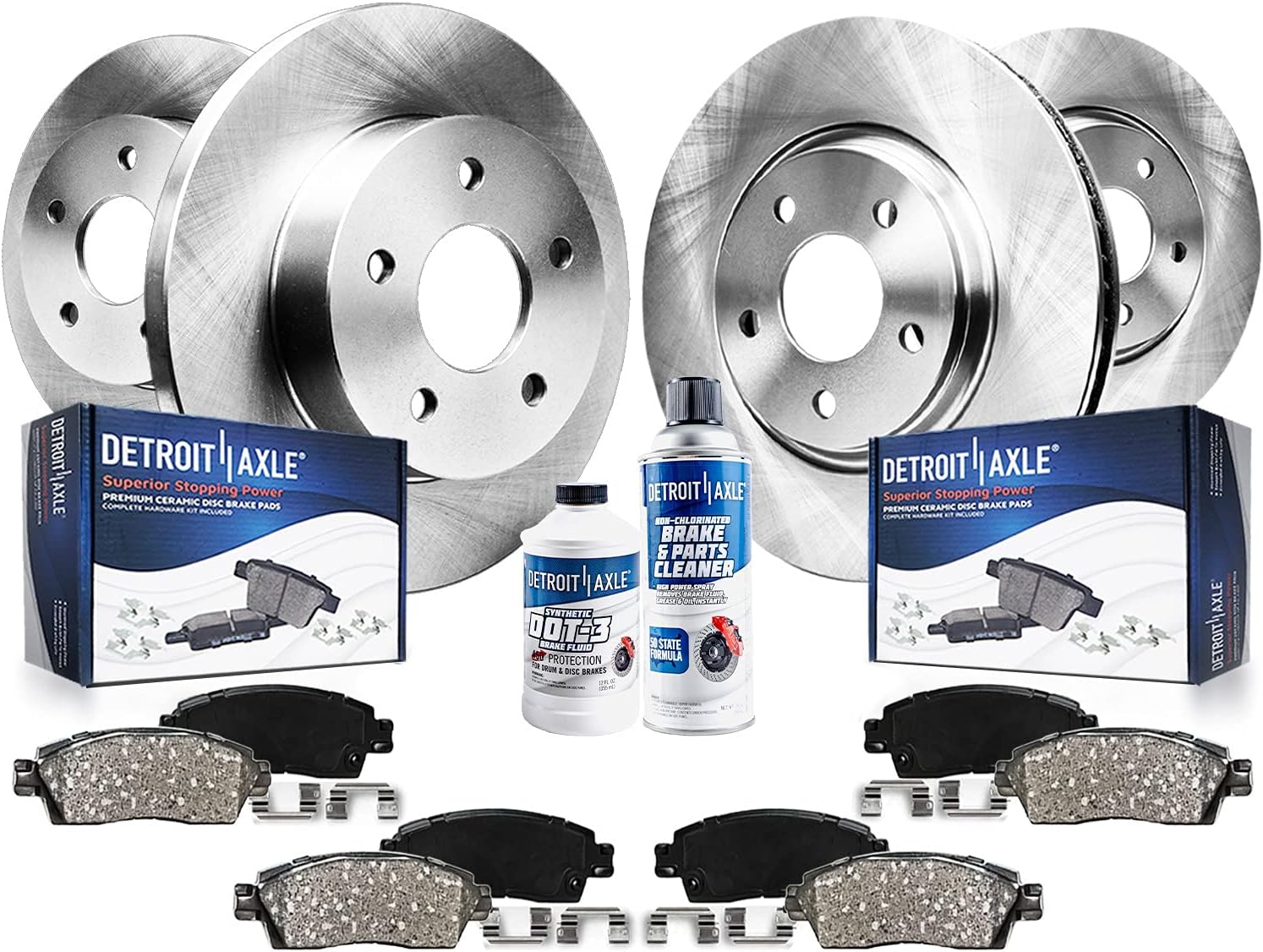
This Detroit Axle kit supplies everything needed for a complete front and rear brake refresh on 2007–2018 Jeep Wrangler models. It includes vented, zinc-plated rotors (11.89" front, 12.44" rear), factory-style locating holes, matching ceramic brake pads with hardware, a small bottle of brake fluid, and brake cleaner. The ventilated rotors help dissipate heat and reduce fade during repeated stops while the zinc plating offers extra corrosion resistance compared with bare iron rotors. Ceramic pads deliver quiet, low-dust braking for everyday driving and fitment is machined to match factory mounting points, so installation is straightforward for a competent DIYer or tech. The kit is well suited to balanced drivers who want a reliable, tidy upgrade without specialty performance features. Note that some reviewers reported surface finish and early corrosion variability, and ceramic pads can be less bite-heavy than metallic compounds under aggressive or towing use, so this is best for normal on-road use rather than heavy-duty or track applications.
Best for: Drivers who want a single, balanced replacement kit that restores reliable, low-noise braking for daily driving and makes a DIY install or shop swap simple.
Less Ideal for: Drivers who frequently tow, carry heavy loads, or drive aggressively and need higher initial bite and fade resistance should choose a performance- or heavy-duty brake compound instead.
- Complete kit includes front and rear rotors, ceramic pads, hardware, brake cleaner, and brake fluid for a one-purchase brake job
- Vented rotors with zinc plating promote faster cooling and improved corrosion resistance
- Machine-fit locating holes designed to match factory mounting points for straightforward installation
- Ceramic pads produce low dust and generally quiet operation during everyday driving
- Ceramic pads offer milder initial bite compared with semi-metallic pads, making them less suited to heavy towing or spirited driving
- Some units have shown faster-than-expected surface rust in user reports, so long-term corrosion performance can vary
Verdict: An all-in-one, factory-fit brake kit that restores quiet, low-dust braking for daily-driven 2007–2018 Jeep Wranglers.
2. PowerStop Z36 Truck & Tow Front and Rear Brake Kit (K2798-36)

| Included components | Brake rotors, brake pads, hardware |
|---|---|
| Pad material | Carbon-fiber reinforced ceramic |
| Rotor style | Drilled and slotted with zinc plating |
| Fitment years | 2007-2018 Jeep Wrangler |
| Warranty | 36 Month / 36,000 Mile Warranty |
This PowerStop Z36 Truck & Tow kit replaces both front and rear pads and rotors with a bolt-on upgrade aimed at trucks and SUVs that tow or run larger tires. The kit includes carbon-fiber reinforced ceramic Z36 pads, drilled-and-slotted rotors with zinc plating, and stainless-steel hardware so you can swap the factory parts without modifications. In practice the pads deliver stronger initial bite and reduced fade on long descents, while the drilled and slotted rotors improve cooling and help clear debris during severe use. The ceramic compound keeps dust down and the shims and chamfered edges help minimize noise for daily driving. Expect a straightforward install and improved confidence under load or when towing, though aggressive off-road mud or rock impacts could expose the rotors to surface wear faster than plain rotors. This kit targets Jeep Wranglers that need noticeably better stopping power than stock while retaining quiet, low-dust operation for everyday use.
Best for: Drivers who prioritize stronger, fade-resistant braking for towing, hauling, larger tires, or hilly driving and want a direct-fit upgrade that stays quiet and low-dust in daily use.
Less Ideal for: People who primarily need an ultra-durable, track-focused rotor solution or who frequently run extreme off-road conditions with heavy rotor impact should consider heavy-duty or purpose-built rotors instead.
- Complete front-and-rear kit includes pads, drilled-and-slotted rotors, and stainless-steel hardware for a full bolt-on upgrade
- Carbon-fiber reinforced ceramic pads provide stronger stopping power with low brake dust
- Drilled and slotted rotors improve cooling and help maintain consistent performance under heavy towing or mountain descents
- Drilled rotor surfaces can be more susceptible to cracking or corrosion over very long heavy-duty use compared with plain solid rotors
Verdict: If you need a direct-fit, quiet, low-dust upgrade that improves stopping power and resists fade while towing or running larger tires on a 2007–2018 Jeep Wrangler, this kit is a practical, all-in-one choice.
3. Detroit Axle Brake Kit with Drilled & Slotted Rotors and Ceramic Pads

| Front rotor size | 11.89 inch (302mm) |
|---|---|
| Rear rotor size | 12.44 inch (316mm) |
| Brake pad type | Ceramic |
| Includes | Front and rear rotors, front and rear pads, hardware |
| Warranty | 10-Year |
This Detroit Axle kit supplies both front and rear rotors plus ceramic brake pads and the necessary hardware for a complete brake service on compatible Jeep Wranglers. The rotors are drilled and slotted with venting to aid heat dissipation and resist moisture buildup, while a zinc plating helps reduce visible corrosion and wheel dust. Pads are ceramic, which typically offers quiet operation and predictable bite for everyday driving. The kit is intended as a direct replacement and is machined to match locating holes for straightforward installation without modifications. For a practical owner replacing worn brakes, this kit restores stopping performance and reduces brake noise after bedding in. Limitations to note are that drilled rotors can be more prone to cracking under extreme track use and ceramic pads trade some initial bite for quieter, cleaner operation compared with heavy-duty semimetallic pads used for towing or off-road rock crawling.
Best for: Buyers who want a practical, factory-quality replacement kit that restores daily-driving braking performance with minimal fuss and straightforward installation.
Less Ideal for: Drivers who regularly tow heavy loads, do aggressive off-road rock-crawling, or run track sessions should consider heavy-duty rotors and semimetallic pads instead.
- Complete front and rear kit includes rotors, ceramic pads, and installation hardware for a one-stop replacement.
- Drilled and slotted, vented rotors improve cooling and help shed water for more consistent wet braking.
- Zinc plating on rotors reduces visible corrosion and wheel dust for cleaner wheels.
- Machined locating holes designed to match factory fitment for straightforward installation without modifications.
- Drilled rotors are less suited to high-heat track or heavy towing use where solid or thicker rotors resist cracking better.
Verdict: A convenient complete replacement kit that gives Jeep Wrangler owners a quiet, reliable daily-driving brake upgrade with direct-fit rotors and ceramic pads.
4. Acinoparts Front Brake Kit with Drilled & Slotted Rotors and Ceramic Pads

| Included components | Ceramic pads, drilled and slotted rotors, hardware |
|---|---|
| Rotor diameter | 11.89 inch (302mm) |
| Fitment | 2007–2018 Jeep Wrangler front |
This Acinoparts front brake kit provides a complete replacement for the front braking system on 2007–2018 Jeep Wrangler vehicles, offering two drilled and slotted 11.89-inch rotors, four ceramic pads, and necessary hardware. The drilled and slotted rotor design helps evacuate dust and improve heat dissipation, which can reduce fade during repeated stops and heavy use. Ceramic pads run cleaner than semi-metallic compounds and tend to produce less noise and dust, making them a low-maintenance choice for daily driving. Installation is straightforward for a competent mechanic and the kit is sold as a vehicle-specific fit so you get the matched rotor diameter and pad set. Limitations include the typical lower initial bite of ceramic pads compared with some performance materials and the drilled rotor pattern can be more prone to cracking under extreme track use. For budget-minded Wrangler owners wanting a full front brake refresh that balances everyday drivability, quieter operation, and improved rotor cooling, this kit is a practical option.
Best for: Wrangler owners seeking an affordable, all-in-one front brake refresh that prioritizes quieter braking, lower dust, and improved rotor cooling for everyday driving.
Less Ideal for: Drivers who frequently take their Jeep to the track or demand the highest stopping power under severe motorsport conditions should consider performance-oriented rotors and pads instead.
- Complete front kit includes matched rotors, pads, and hardware for easier installation
- Drilled and slotted rotors improve dust evacuation and heat dissipation under repeated braking
- Ceramic brake pads are quieter and produce less brake dust than many alternatives
- Ceramic pads may deliver a milder initial bite compared with some semi-metallic or performance compounds
Verdict: A budget-friendly, vehicle-specific front brake kit that delivers quieter ceramic pads and cooler-running drilled and slotted rotors for everyday Wrangler use.
5. Detroit Axle Front Brake Kit with 11.89" Rotors and Ceramic Pads
| Fitment | 2007-2017 Jeep Wrangler; 2018 Wrangler JK |
|---|---|
| Rotor diameter | 11.89 inch (302 mm) |
| Pad type | Ceramic |
| Orientation | Front |
| Includes | 2 rotors, 2 pads, brake cleaner, brake fluid |
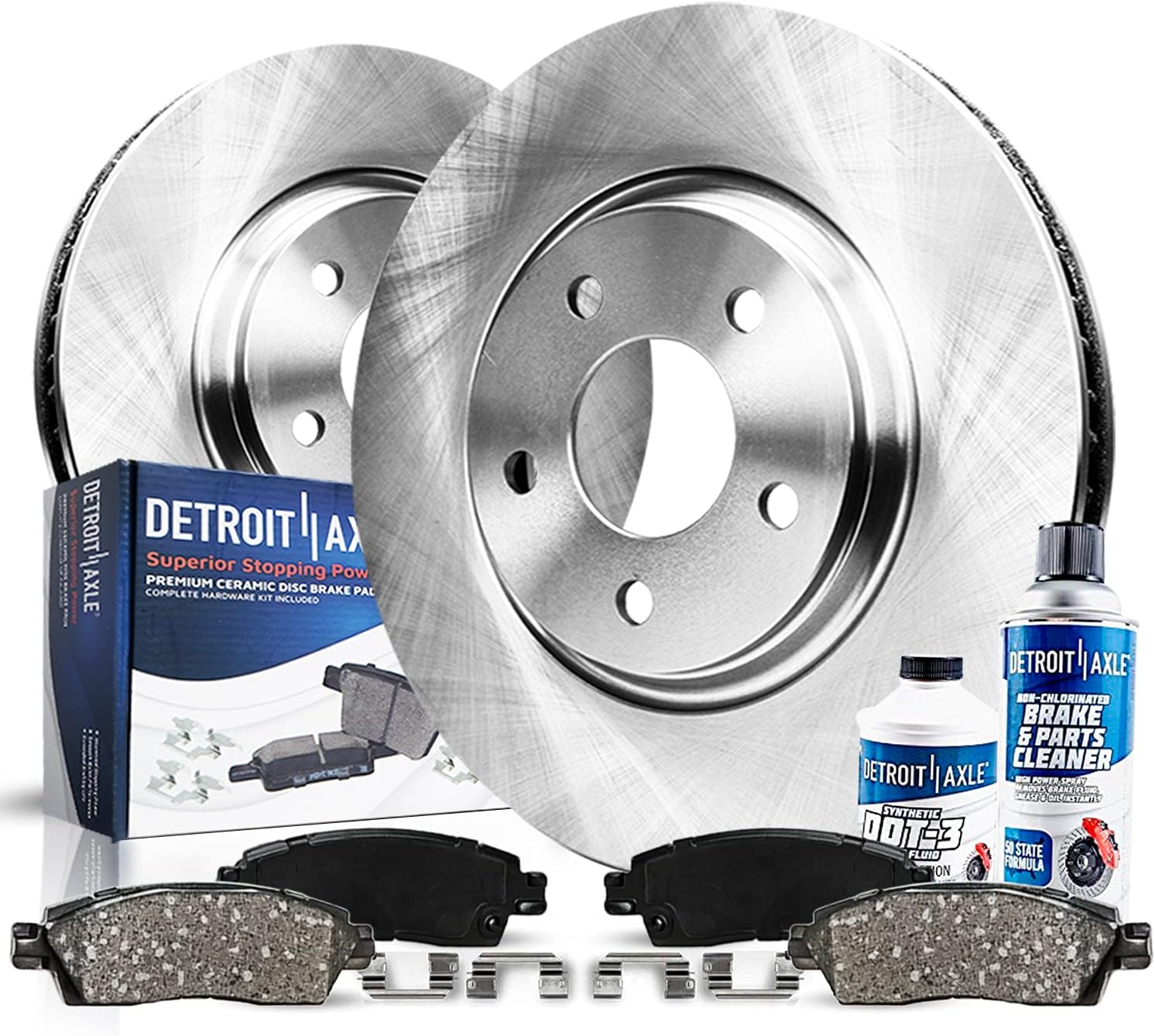
This Detroit Axle front brake kit supplies everything needed to refresh the front braking system on a 2007–2017 Jeep Wrangler or 2018 Wrangler JK. The kit pairs two vented 11.89" rotors with ceramic pads and includes a can of brake cleaner and a bottle of brake fluid for a straightforward installation and brake system service. The rotors are zinc plated to resist corrosion and have machined locating holes to match factory fitment, and the ventilation slots help dissipate heat for more consistent stopping during repeated braking. Ceramic pads tend to run quieter and produce less brake dust than semi-metallic compounds, which many owners will appreciate for daily driving. Expect a near-factory fit and solid stopping performance, though this is an aftermarket replacement so long-term wear characteristics will depend on driving style and maintenance. The included extras make the kit convenient for a DIY brake job, but professional inspection after installation is recommended to ensure proper bedding and torque specs are met.
Best for: Buyers who prioritize reliable, factory-like replacements and want a single kit that makes a DIY front brake service straightforward and tidy.
Less Ideal for: Drivers seeking high-performance or track-focused braking upgrades should consider dedicated performance rotors and pads designed for heavy-duty heat and fade resistance.
- Complete kit includes rotors, ceramic pads, brake cleaner, and brake fluid for one-stop service
- Vented, slotted rotors aid heat dissipation for more consistent braking under repeated stops
- Zinc plating and machined locating holes provide corrosion resistance and accurate fitment
- Ceramic pads reduce noise and brake dust compared with many metallic pads
- Aftermarket construction means long-term durability can vary compared with higher-end branded OE replacements
Verdict: A convenient, reliability-minded front brake kit that delivers factory-quality fit and quiet, consistent braking for Jeep Wrangler owners doing a DIY replacement.
6. Detroit Axle Brake Kit with Ceramic Pads and Ventilated Rotors for 2007–2018 Jeep Wrangler
| Fitment | 2007-2018 Jeep Wrangler |
|---|---|
| Front rotor size | 11.89 inch (302 mm) |
| Rear rotor size | 12.44 inch (316 mm) |
| Pad type | Ceramic |
This Detroit Axle kit supplies everything needed to refresh the front and rear brakes on a 2007–2018 Jeep Wrangler: two front and two rear ventilated rotors plus matching ceramic pads and basic hardware, with a can of brake cleaner and a bottle of brake fluid included. The rotors are zinc plated and machined with locating holes and vents to improve cooling and resist visible corrosion, while the ceramic pads aim for quieter, low-dust operation. Most customers report straightforward bolt-on fitment and noticeably improved stopping compared with worn components, and the kit is a practical choice for home mechanics because it bundles needed pieces in one box. Limitations to note are small hardware oddities reported by some buyers, such as a mismatched clip size and minimal quantities of lubricant in single-use packets, and the kit does not include rotor-mounting screws for vehicles that require new fasteners. If you expect long-term performance matching high-end drilled or specialty rotors, this is a value-oriented aftermarket option rather than a premium brake upgrade.
Best for: Buyers who want a single shipment solution to replace all four corners on a Jeep Wrangler and prefer a proven, budget-conscious aftermarket kit with good real-world fitment and community-tested results.
Less Ideal for: Drivers seeking track-focused, high-performance rotors or a premium drilled/slotted upgrade should consider specialty rotors and pads instead.
- Complete kit includes front and rear rotors, ceramic pads, hardware, brake cleaner, and brake fluid
- Ventilated, zinc-plated rotors are machined for accurate locating and faster cooling
- Ceramic pads are designed for lower noise and reduced dust compared with semi-metallic options
- Many buyers report reliable bolt-on fit and improved stopping after installation
- Hardware kit can be minimal and some customers reported ill-fitting clips
- Does not include rotor mounting screws if your vehicle requires new fasteners
Verdict: A budget-friendly, all-in-one brake replacement kit that delivers reliable bolt-on fit and quieter, low-dust braking for 2007–2018 Jeep Wranglers.
7. Detroit Axle Front and Rear Brake Kit with Ceramic Pads for 2007–2017 Jeep Wrangler
| Vehicle fit | 2007–2017 Jeep Wrangler (includes 2018 JK notes) |
|---|---|
| Pad material | Ceramic |
| Rotor type | Drilled and slotted |
| Exterior coating | Zinc |
| Kit contents | Front and rear rotors, front and rear pads, hardware |
This Detroit Axle brake kit supplies everything needed to replace both front and rear rotors and pads on a 2007–2017 Jeep Wrangler, pairing coated drilled and slotted rotors with ceramic brake pads and hardware. It is intended for direct replacement use, so installation follows the same steps as factory components and can be done by a competent DIYer or a shop. The drilled and slotted rotors help with heat dissipation and debris clearing for steadier braking under repeated stops, while the ceramic pads aim to provide quieter operation and less dust than semi-metallic alternatives. Parts are zinc-coated to resist corrosion and the kit is stated to meet or exceed factory fit and finish; Detroit Axle also notes testing for wear and fatigue. Expect solid stopping performance and an easier, single-purchase replacement for all four corners, but note ceramic pads may wear faster under hard off-road use compared with heavy-duty metallic pads and drilled rotors can be more prone to crack under extreme thermal shock. The kit is a practical choice for routine driving and trail use when you want a full system refresh in one package.
Best for: Buyers who prioritize a reliable, factory-style full-brake replacement for everyday driving and light trail use and who want a single kit that includes all parts for a complete install.
Less Ideal for: Not the best choice for drivers who regularly tow heavy loads, run repeated high-speed descents, or do aggressive off-road driving where heavy-duty metallic pads and plain heavy-mass rotors are preferable.
- Complete four-corner kit includes front and rear rotors, pads, and hardware for a one-stop replacement.
- Drilled and slotted rotor design improves heat dissipation and helps maintain consistent braking during repeated stops.
- Ceramic pads are engineered for quieter operation and reduced brake dust compared with many semi-metallic pads.
- Zinc exterior coating and stated wear and fatigue testing improve corrosion resistance and long-term durability.
- Drilled rotors can be more susceptible to cracking under extreme high-heat or heavy off-road use compared with plain rotors.
- Ceramic pads may not offer the same high-temperature durability or longevity as heavy-duty metallic pads in aggressive driving conditions.
Verdict: A convenient all-in-one replacement kit that restores factory-style braking with quieter ceramic pads and heat-managing drilled and slotted rotors for routine street and light trail use.
Choosing the Right 2007-2018 Jeep Wrangler Brake Rotors: Key Factors to Consider
Fitment and Bolt Pattern
Correct fitment is the first concern for any rotor you buy. The 2007-2018 Jeep Wrangler span includes TJ, JK, and early JL generation details that affect rotor diameter, thickness, and hub bore. Matching the rotor to the vehicle's bolt pattern and hub-centric dimensions avoids vibration and ensures the rotor seats evenly against the hub.
Improper fitment can cause runout and pulsation even with new pads, so verify specifications against your Wrangler's VIN or service manual. Consider whether the rotor requires hub-centric rings or different lugnut seating, and confirm compatibility with your existing calipers and parking brake hardware.
Material and Metallurgy
Rotor material determines wear rate, heat capacity, and susceptibility to cracking. Most replacement rotors use gray cast iron because it balances cost, heat absorption, and predictable friction against pads. Some higher-end options use proprietary cast blends or treated surfaces to resist corrosion and glazing.
For Wranglers that see frequent water crossings or salty roads, a corrosion-resistant coating helps preserve thickness and balance. Avoid exotic materials that require specialized pads unless you plan an accompanying pad and system upgrade.
Rotor Thickness and Heat Capacity
Rotor thickness affects heat capacity and structural stiffness. Thicker rotors generally absorb more heat before reaching fade-prone temperatures and resist warping under repeated heavy braking. However, your vehicle's caliper piston travel and pad design also limit acceptable thickness ranges.
When selecting rotors, check both the nominal thickness and the minimum service limit recommended by the manufacturer. Thinner-than-stock replacement rotors can reduce thermal reserve and increase the chance of brake fade during towing or long downhill descents.
Venting and Thermal Management
Vented rotors use internal vanes to move air and dissipate heat; the vane design and vent depth influence cooling efficiency. For Wranglers used off-road or for towing, effective venting reduces the risk of heat soak and rotor distortion during repeated stops.
Rotor cooling matters most on long descents and during repeated deceleration. Consider vented designs with proven vane geometries and adequate air channels to keep temperatures within safe operating ranges for your typical driving conditions.
Surface Pattern: Plain, Slotted, or Drilled
Surface pattern affects pad contact, debris evacuation, and heat dispersion. Plain rotors provide steady contact and long pad life for daily driving, while slotted rotors help clear dust, gas, and mud from the pad face for more consistent bite. Drilled rotors aid gas escape and water shedding but can be more prone to cracking under extreme thermal stress.
For a Wrangler that mixes trail use and street driving, slotted or partially slotted patterns often strike the best balance between pad cleaning and structural strength. Evaluate the likely operating temperatures and avoid drilled patterns if repeated heavy braking is expected.
Serviceability and Resurfacing Options
Decide whether you plan to resurface rotors or replace them when worn. Many replacement rotors come with enough material to allow one resurfacing, but others are stamped or finished to a minimal thickness that precludes turning. Resurfacing can restore a smooth surface but removes thickness and reduces thermal capacity.
When servicing a Wrangler, factor in the rotor's minimum thickness specification and whether the cost and availability of resurfacing at local shops make sense. In many cases, straightforward replacement with a properly spec'd rotor is the more reliable long-term choice.
Understanding JK, TJ, and JL Generation Differences
The 2007-2018 range covers multiple Wrangler generations, commonly referred to by owners as TJ, JK, and JL. Each generation has differences in suspension setup and hub dimensions that can affect rotor fitment and diameter. Knowing which generation your vehicle belongs to helps narrow rotor choices and prevents fitment surprises.
When ordering replacement rotors, identify your chassis code or confirm the axle and hub measurements. Dealers and parts databases will often list fitment by year and generation, but you should still cross-check rotor thickness and bolt pattern against your vehicle.
- Confirm rotor diameter and thickness against your vehicle's service manual
- Check hub bore and bolt pattern to prevent runout
- Account for manual or electronic parking brake differences when applicable
When to Resurface Rotors Vs Replace Them
Resurfacing removes material to restore a flat braking surface, which can extend rotor life if the rotor remains above the minimum thickness. However, each resurfacing reduces thermal mass and decreases future service life. For Wranglers that experience heavy off-road use or frequent towing, replacement is often the more durable choice.
Look for visible scoring, excessive runout, or cracking as signals that replacement is safer. If rotors are within minimum thickness and damage is minor, resurfacing by a reputable shop can be cost-effective.
- Resurface only if thickness after machining remains above the minimum limit
- Replace if there are cracks, deep grooves, or severe warping
- Consider replacement for vehicles with high-mileage or heavy-duty use
How to Measure Rotor Thickness and Runout
Measuring rotor thickness requires a micrometer or vernier caliper. Measure at multiple points around the outer braking surface to detect uneven wear. Compare measurements to the minimum thickness stamped on the hub or rotor and to factory specifications for your Wrangler generation.
Lateral runout is measured with a dial indicator mounted to the hub with the wheel removed while rotating the rotor. Excessive runout causes pedal pulsation and uneven pad wear. Address runout by ensuring the rotor seats cleanly on the hub and by checking for warped hubs or debris.
- Use a micrometer to measure thickness at several locations
- Record the minimum measurement and compare with service limits
- Use a dial indicator to check runout before installing new pads
Single-Piece Vs Two-Piece Rotors for Wrangler Use
Single-piece rotors are the common replacement choice for Wranglers because they are robust, simpler to install, and cost-effective. Two-piece rotors separate the hat and friction ring, which can reduce unsprung weight and allow replacement of just the ring. Two-piece designs can be beneficial in performance or weight-sensitive applications but are less common for everyday Wrangler use.
For off-road durability and serviceability, most owners prefer single-piece cast rotors. If you want to explore a two-piece design, ensure the hat material and mounting method match your vehicle's hub and do not introduce fitment complications.
- Single-piece rotors: durable and widely compatible
- Two-piece rotors: lighter and serviceable but require specific fitment
- Consider driving use and maintenance willingness when choosing
Maintaining Rotors on a Trail-Used Wrangler
Off-road use exposes rotors to mud, sand, and water that accelerate wear and corrosion. Regularly rinsing brake assemblies after trail runs reduces embedded debris that causes scoring. Inspect rotors and pads for contamination after heavy mud or river crossings and replace contaminated pads to avoid accelerated rotor wear.
Use protective coatings or treated rotors if you frequently encounter salt or corrosive environments. Also inspect hub faces and mating surfaces to ensure rotors seat properly and to prevent runout caused by rust buildup.
- Rinse brake assemblies after heavy off-road use
- Inspect for embedded debris and pad contamination
- Check for corrosion on hub faces and mating surfaces
Pad Compatibility and Bedding Procedures
Rotor performance depends on pairing with an appropriate pad compound. Some pad materials produce more heat or aggressive friction that affects rotor wear differently. When replacing rotors, choose pads rated for your typical driving and confirm the bedding procedure to match rotor surface finish.
Proper bedding cycles help transfer a uniform layer of friction material to the rotor and reduce initial glazing or uneven deposits. Follow pad manufacturer guidelines for progressive stops and cooling intervals during bedding on the Wrangler.
- Match rotor finish to the pad compound and intended use
- Perform a controlled bedding procedure after installation
- Avoid aggressive repeated stops until the bedding cycle is complete
Still looking for the perfect fit?
Select your Jeep Wrangler configuration to see the most relevant Brake Rotors recommendations
How We Chose the Best 2007-2018 Jeep Wrangler Brake Rotors
We focused on the specific demands of Jeep Wrangler owners across the 2007-2018 model years, including frequent low-speed trail use, occasional towing, and wet or muddy conditions. Our selection criteria emphasized fitment accuracy to bolt pattern and hub dimensions, rotor material and metallurgy, thermal management characteristics such as venting and vanes, and durability under abrasive conditions. Stopping performance under load and resistance to warping were judged by rotor construction and design features rather than laboratory testing. We also considered ease of installation, compatibility with common pad compounds, and the availability of replacement hardware and hub-centric options. Excluded from consideration were rotors designed exclusively for heavy-duty commercial trucks, race-only components that require brake-system modifications, and units with uncertain fitment data for the 2007-2018 Wrangler chassis codes. We prioritized rotors that balance longevity and serviceability for typical on-road and off-road owners. Final choices reflect a mix of plain, slotted, and cross-drilled patterns where appropriate, and include single-piece cast designs suited to the Wrangler's weight and use cases.
Our full evaluation process is outlined in our review methodology.
FAQ
How do I tell if my Wrangler's rotors need replacement?
Look for deep grooves, visible cracks, or a pulsating brake pedal during stops. Measure rotor thickness and compare to the minimum service limit; if the rotor is below that limit or shows severe runout, replacement is recommended.
Can I resurface rotors on a Wrangler and how often?
You can resurface rotors if the remaining thickness after machining stays above the minimum limit and there are no cracks. Frequency depends on driving conditions, but repeated resurfacing reduces thermal capacity and is less advisable for heavy off-road users.
Are slotted rotors better than drilled rotors for off-road driving?
Slotted rotors help clear debris and maintain pad contact and are generally more resistant to cracking than drilled rotors. For mixed street and trail use, slotted patterns usually offer a better balance of durability and performance.
How do I measure rotor runout on my Wrangler?
With the wheel removed and the rotor mounted, use a dial indicator fixed to the hub to record lateral movement as you rotate the rotor. Compare the runout against factory tolerances and address any hub surface or seating issues before installation if values are excessive.
Will a thicker rotor improve braking on my Wrangler?
Thicker rotors increase thermal mass and can resist fade better under heavy use, but they must still fit within caliper and hub clearances. Check your Wrangler's specifications to ensure the thicker rotor is compatible before choosing one.
Do I need different rotors for towing or heavy use?
For frequent towing or sustained heavy braking, choose rotors with higher heat capacity, robust venting, and corrosion-resistant treatments. Those features help resist warping and maintain performance under increased thermal loads.
Final Verdict
Prioritize correct fitment, adequate thickness, and effective thermal management when choosing replacement rotors for a 2007-2018 Jeep Wrangler. Consider slotted or treated-surface rotors if you mix trail and street driving, and favor single-piece cast designs for rugged durability and simpler service. Balance the tradeoff between initial cost and long-term serviceability by selecting rotors with enough material for at least one safe resurfacing or direct replacement when damage is evident.
Explore More:
- Check out all Jeep Wrangler parts & accessories
- Explore Brake Rotors Maintenance & Repair Guides
- Explore Brake System
- Browse all Auto Parts
